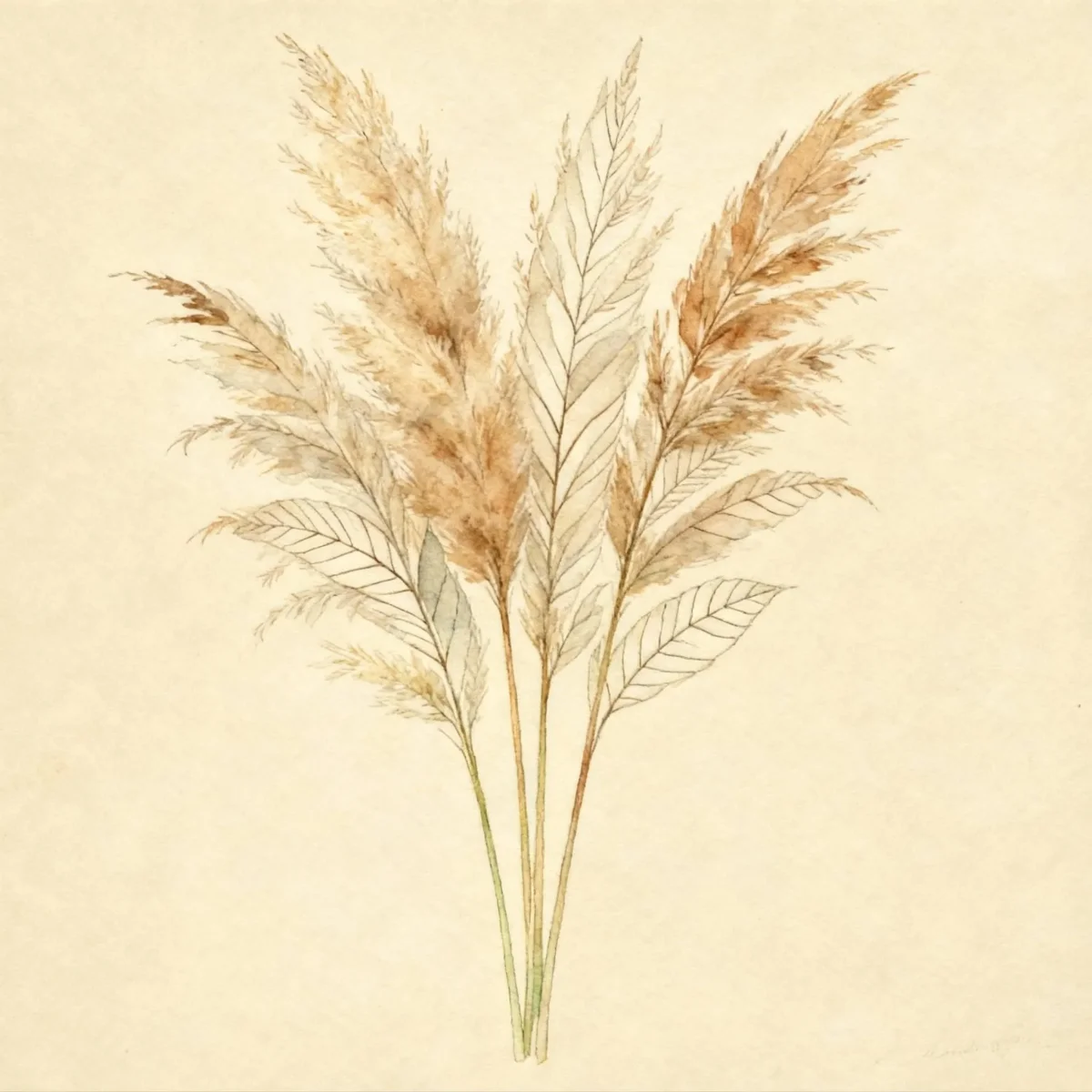
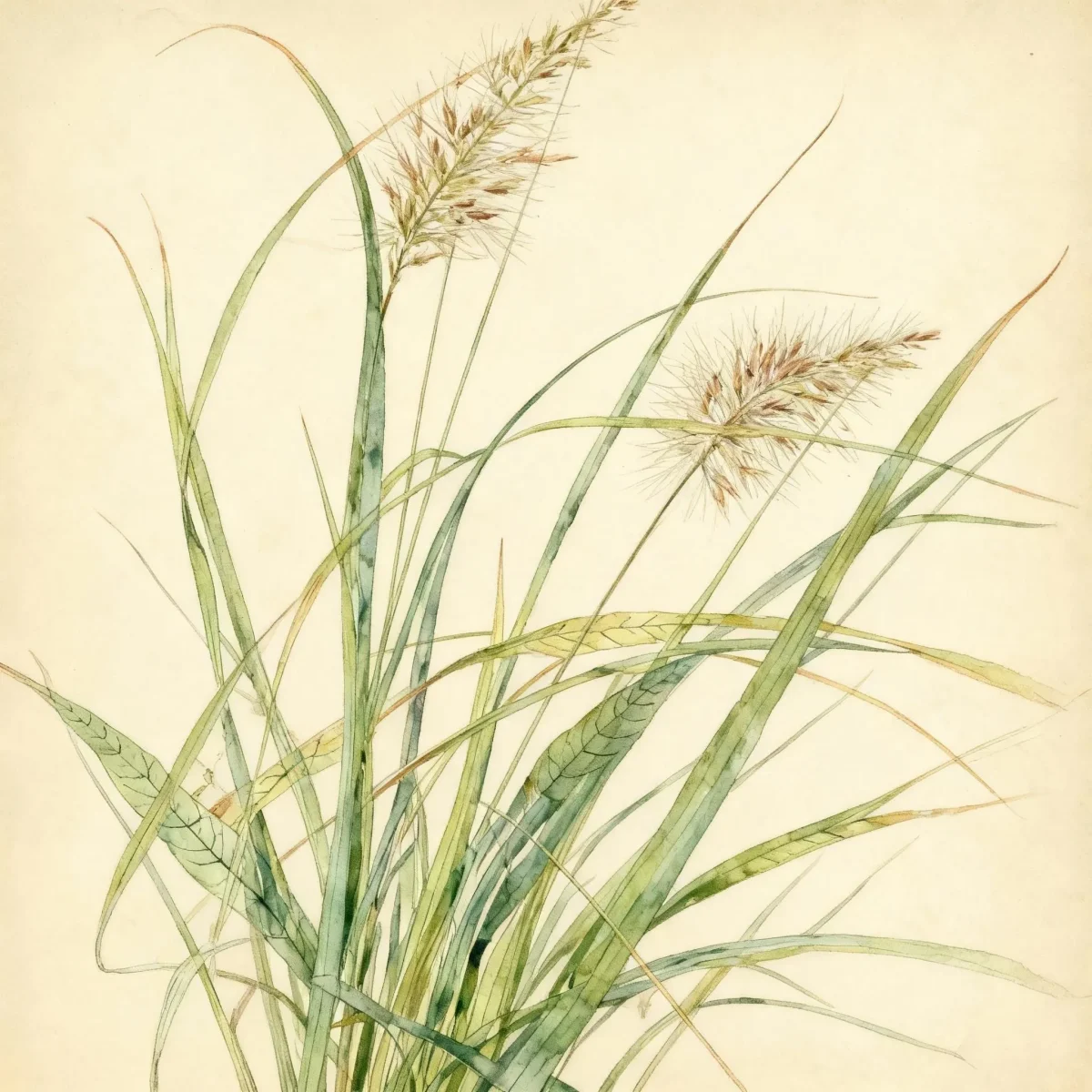
Pampas grass(Cortaderia selloana 'Pumila')
Grow dwarf pampas grass 'Pumila' (Cortaderia selloana): compact 4–6 ft plumes, superior cold hardiness in USDA zones 6–10, razor-sharp leaves, and invasive risks.
Complete Plant Information
- Hardiness zones
- USDA 6–10
- Plant type
- Ornamental grass
- Plant family
- Poaceae
- Sun exposure
- Full sun
- Water needs
- Dry to medium
- Maintenance
- Medium
- Height
- 4–6 ft (122–183 cm)
- Spread
- 3–5 ft (91–152 cm)
- Bloom time
- August to November
- Flower color
- Massive silky creamy-yellow to silvery-white feathery panicles held 5-6 ft high
- Flower qualities
- Showy, Good Cut, Good Dried
- Fruit qualities
- Not recorded
- Tolerances
- Drought, Black Walnut, Air Pollution, Deer
- Garden uses
- Not recorded
- Native range
- South America (Argentina, Brazil, Uruguay, Chile; cultivar selection)
Field Guide Continues
Ready for care notes, companion picks, and planting tips?
The map is just the start. The full guide below covers growth habits, seasonal performance, and landscape uses.
Overview
Dwarf pampas grass ‘Pumila’ (Cortaderia selloana ‘Pumila’) is a compact, floriferous clumping ornamental grass winter-hardy across USDA Zones 6 through 10, holder of the Royal Horticultural Society’s Award of Garden Merit. Producing the same massive, silky, silvery-cream feathery plumes as standard pampas grass but topping out at a manageable 4 to 6 feet tall (compared to 10 to 12 feet for the wild species), ‘Pumila’ brings dramatic autumn texture and architectural winter presence to residential borders.
Its dense, basal foliar clump spreads 3 to 5 feet wide, bearing long arching blades lined with sharp serrations, topped from late summer into winter by dense, upright floral plumes that shine in dried arrangements.
How to Grow
- Sunlight: Full, unobstructed sunlight is mandatory (minimum 6 to 8 hours daily). Shaded plants produce weak, floppy stems and few flower plumes.
- Soil & Drainage: Exceptionally adaptable to sandy, rocky, loamy, or clay soils provided drainage is sharp. Once established, plants demonstrate outstanding drought tolerance and thrive in hot, dry settings.
- Late Winter Cutback: In late winter or early spring before green shoots appear, cut the entire dead foliage clump back to 6 to 12 inches above the ground using loppers or hedge shears.
- Handling Safety: Always wear heavy leather gauntlets and long sleeves when handling or cutting back foliage. Leaf margins are lined with sharp, microscopic silica teeth that easily cut unprotected skin.
Landscape Uses
- Architectural Specimen: Sited as a dramatic focal accent on sunny lawn corners, berms, and large borders.
- Windbreak & Screen: Planted in a massed row, it creates a dense, impenetrable seasonal privacy barrier and windbreak.
- Dried Flower Arrangements: Cut plumes when newly opened and hang upside down in a warm, dry room for long-lasting indoor floral arrangements.
Potential Problems
- Environmental Invasive Weed Risk: In coastal California, Hawaii, and parts of the maritime Southeast, Cortaderia selloana is a prohibited invasive weed whose windborne seeds displace native species and create fire hazards. Avoid planting in sensitive coastal ecosystems.
- Physical Cuts: Razor-sharp leaf edges pose a hazard to children and pets if planted immediately adjacent to narrow walkways.
- Crown Rot: Saturated, heavy winter soils during cold dormancy can rot the root crown.
Frequently Asked Questions
How tall does ‘Pumila’ dwarf pampas grass grow?
‘Pumila’ reaches 4 to 6 feet tall in full bloom with a basal clump spread of 3 to 5 feet, staying about half the size of standard wild pampas grass.
How cold-hardy is dwarf pampas grass?
‘Pumila’ is recognized as the cold-hardiest pampas cultivar, reliably surviving winter freezes down to 0°F (-18°C) in USDA Zone 6 when planted in well-drained soil.
Is pampas grass invasive?
Yes, in Mediterranean-type coastal climates like California and parts of the South. In colder inland zones with freezing winters, seeds rarely survive to naturalize.
Companion Plants
Pair dwarf pampas grass with tough, sun-loving perennials that share its drought tolerance:
- Late-Summer Sun Perennials: Plant alongside black-eyed Susans (Rudbeckia), purple coneflowers (Echinacea purpurea), and Russian sage (Salvia yangii).
- Autumn Color Shrubs: Combine with red-berried deciduous hollies or sumacs (Rhus) for rich fall contrast.
- Evergreen Backdrops: Sited in front of dark green pines or junipers to make the silvery plumes pop visually.
Sources & Lineage
- Missouri Botanical Garden PlantFinder: Record taxon 265511 (Cortaderia selloana ‘Pumila’) — cultivar baseline, hardiness, and ornamental traits.
- Kew Plants of the World Online (POWO): Cortaderia selloana (Schult. & Schult.f.) Asch. & Graebn. (POWO: 66317-2) — species taxonomy and South American origin.
- California Invasive Plant Council (Cal-IPC): Cortaderia selloana Plant Assessment — invasive risk profile, windborne seed dispersal, and wildland impacts.
Recommended Companion Plants
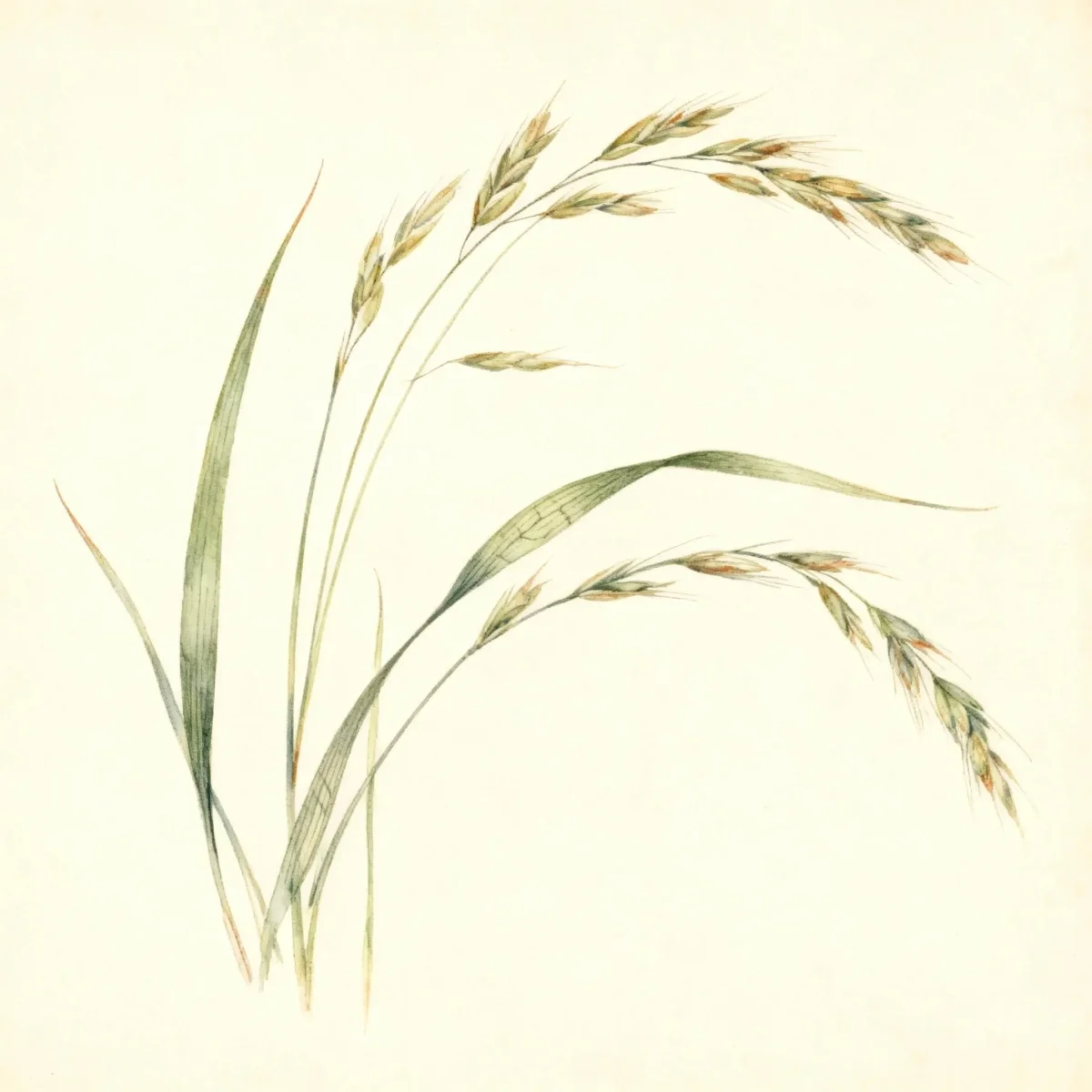
Lovegrass
Eragrostis trichodes 'Bend'
- USDA zones
- 5–9
- Light
- Full sun
- Water
- Dry to medium
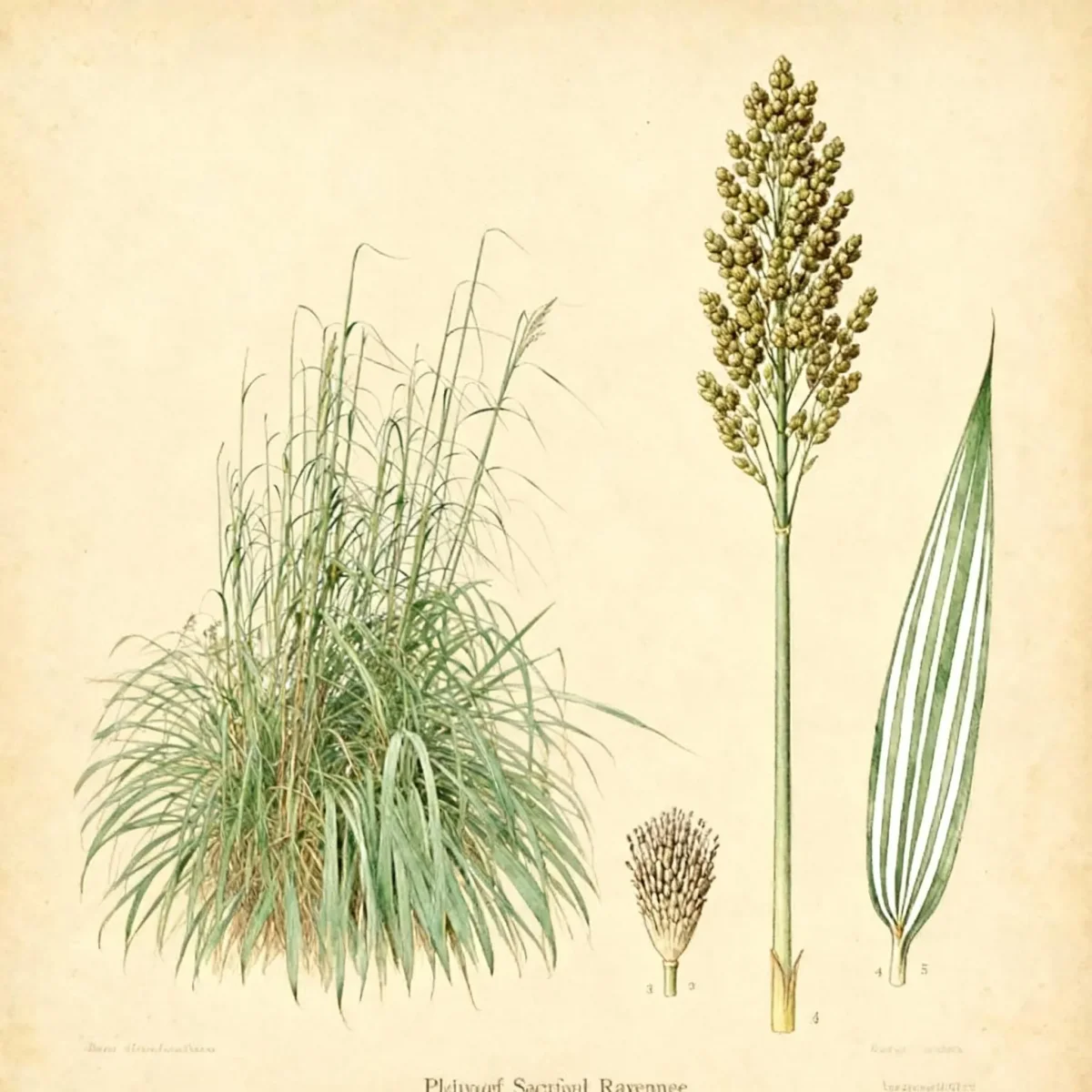
Plume grass
Saccharum ravennae
- USDA zones
- 5–9
- Light
- Full sun
- Water
- Dry to medium
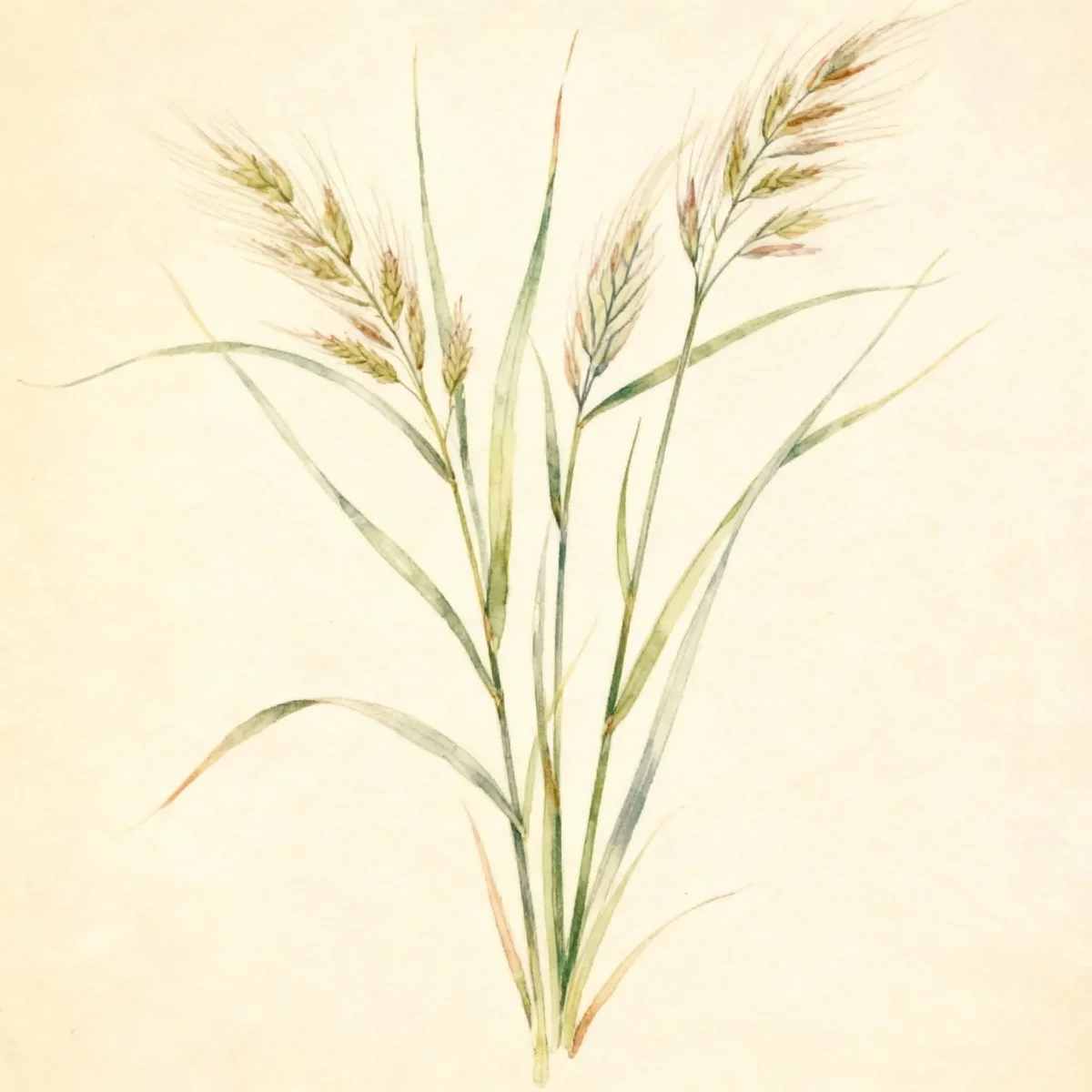
Lovegrass
Eragrostis elliottii 'Wind Dancer'
- USDA zones
- 6–9
- Light
- Full sun
- Water
- Dry to medium

Muhly grass
Muhlenbergia reverchonii 'Autumn Embers'
- USDA zones
- 5–9
- Light
- Full sun
- Water
- Dry to medium

Purple lovegrass
Eragrostis spectabilis
- USDA zones
- 5–9
- Light
- Full sun
- Water
- Dry to medium
Deergrass
Muhlenbergia rigens
- USDA zones
- 6–9
- Light
- Full sun
- Water
- Dry to medium
Keep Learning
Test what you know with a garden quiz
You have the plant facts and care notes. Continue with a related challenge, or browse the complete quiz library.

Can You Identify These Common Garden Plants? Test Your Plant Knowledge
Think you know your roses from your peonies? Test your plant identification skills with our comprehensive garden plant quiz featuring 10 challenging questions.
Start quiz
USDA Garden Zone Map Quiz
Use this USDA garden zone map quiz to check whether you can read hardiness zones and choose plants with more confidence.
Start quizBrowse the full quizzes section
Explore plant identification, zone strategy, and seasonal gardening challenges.
View all quizzes