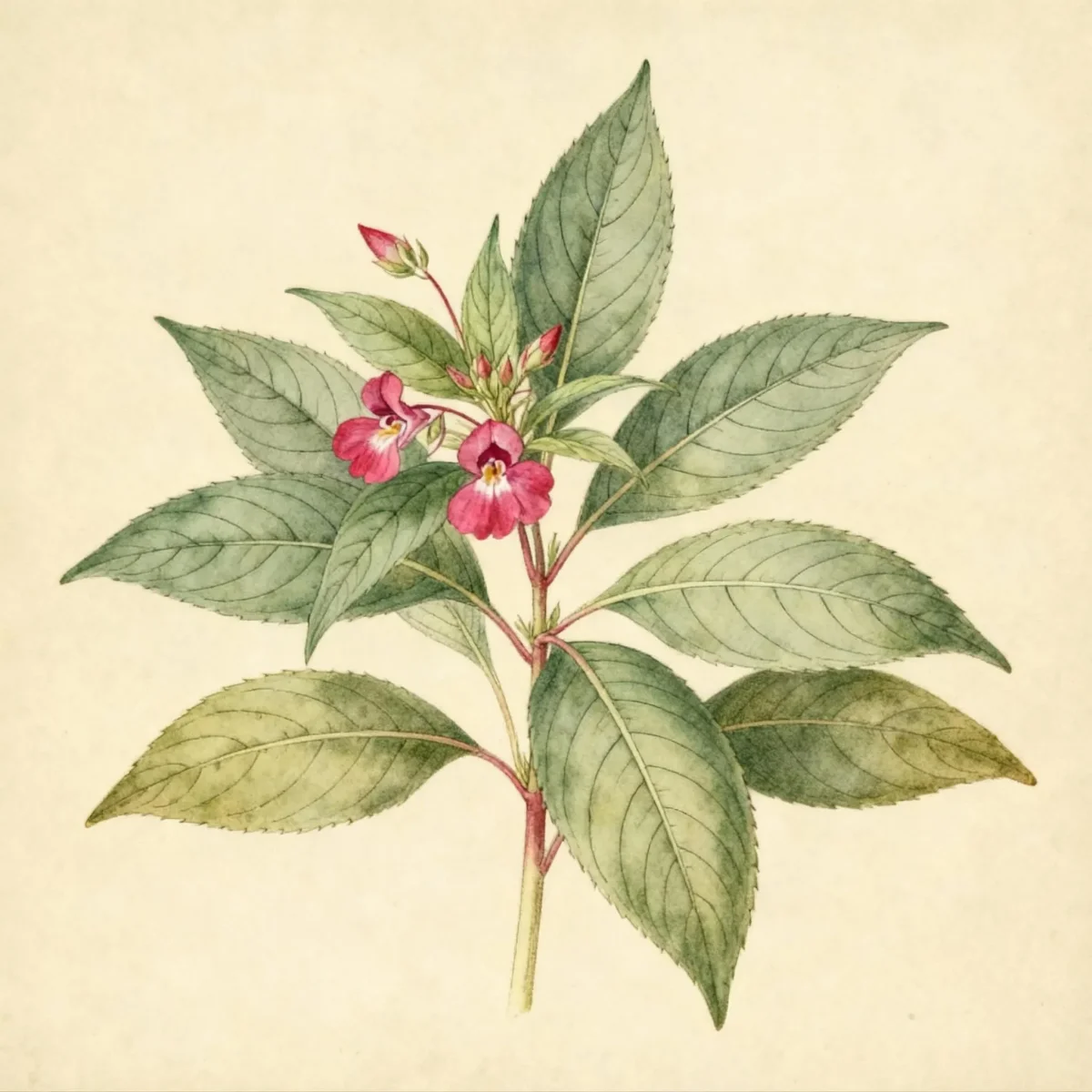
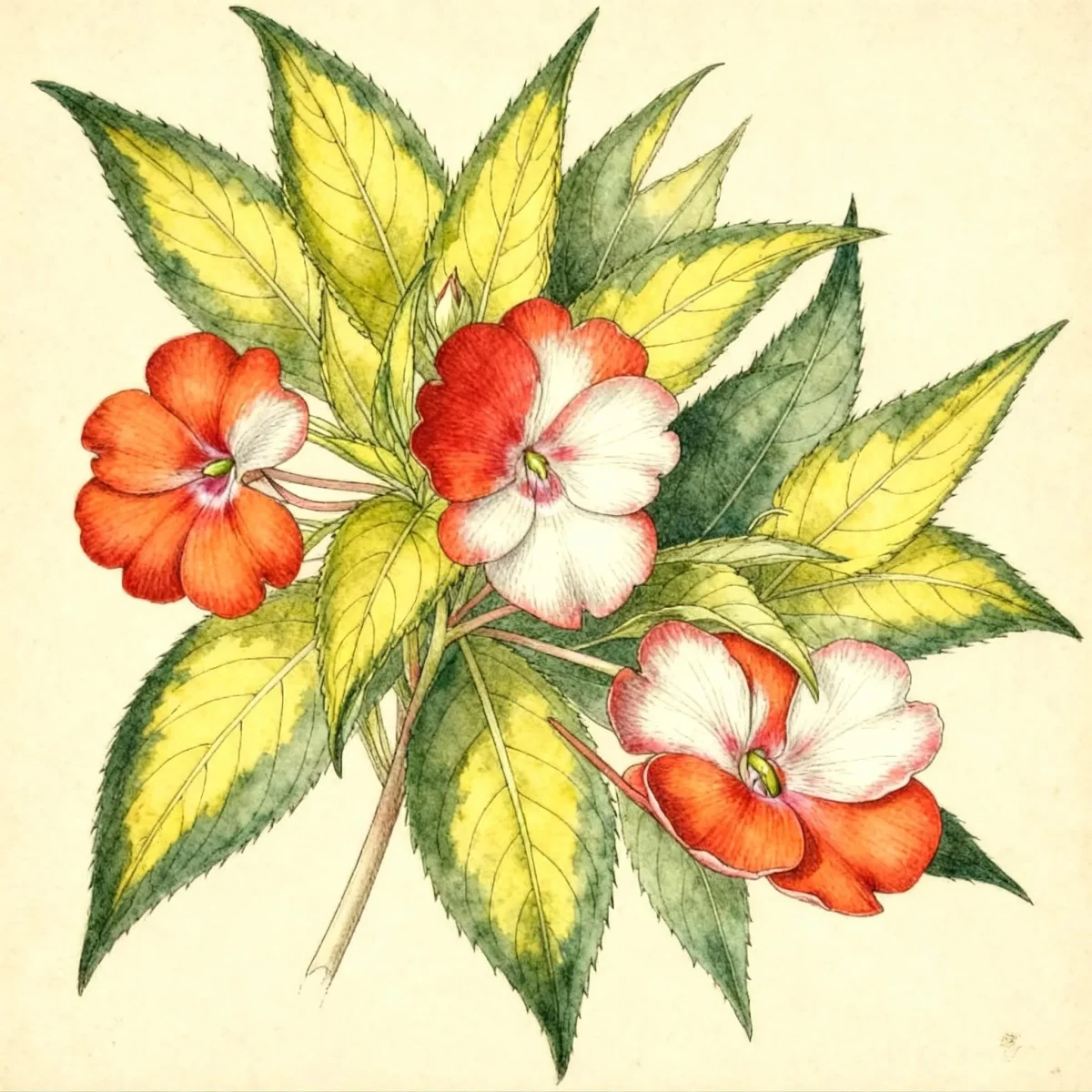
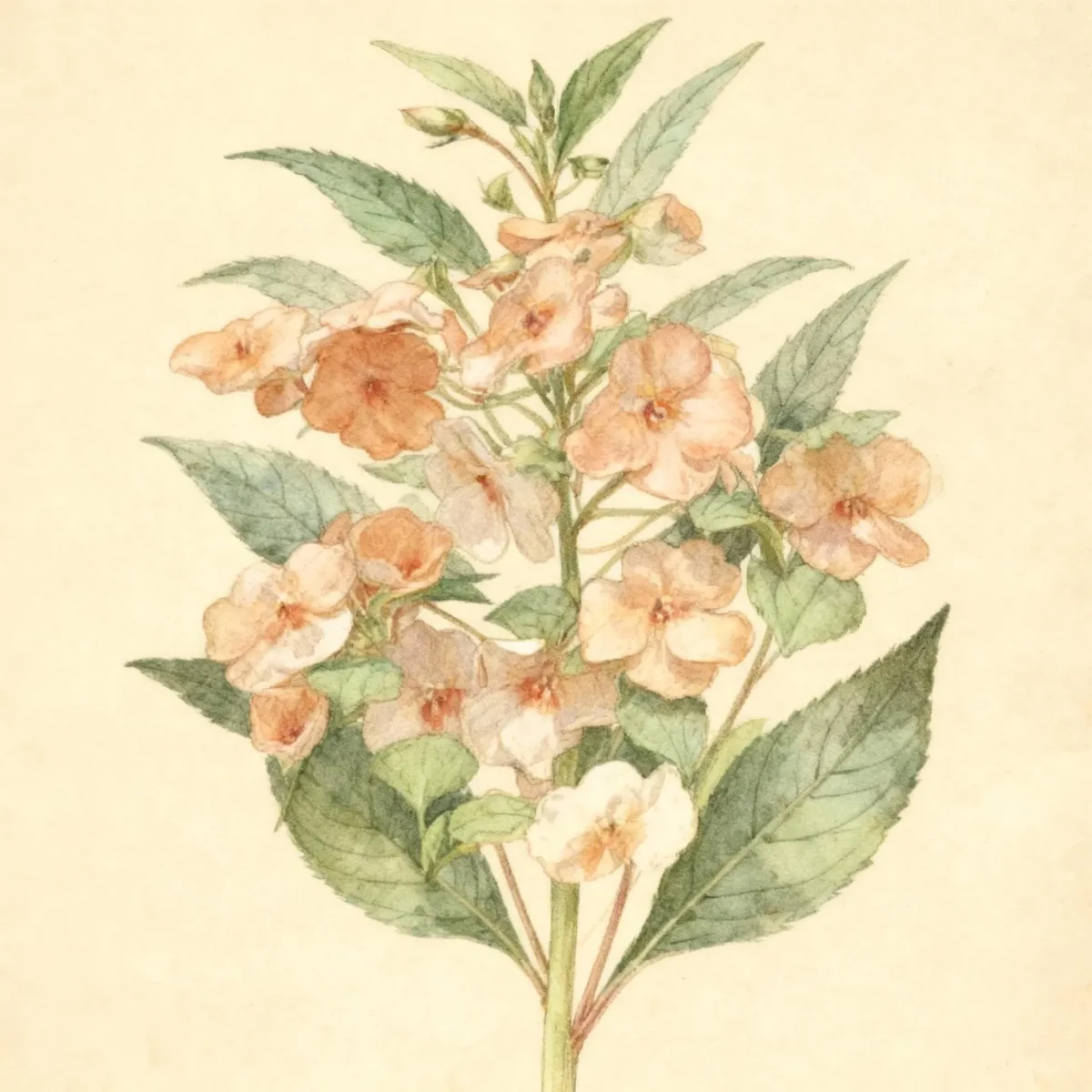
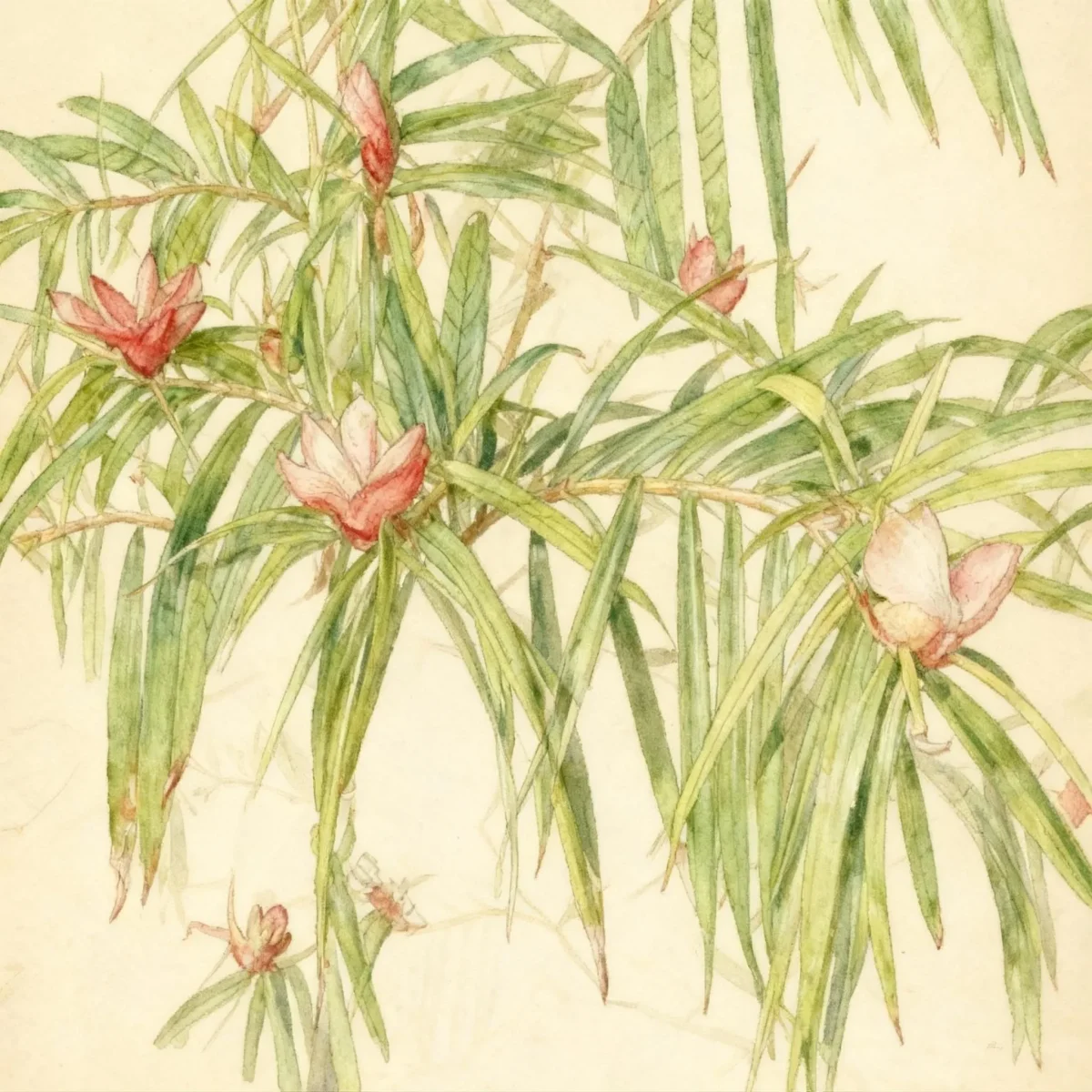
New Guinea impatiens (Impatiens hawkeri (group))
Discover New Guinea impatiens (Impatiens hawkeri (group)): vibrant bedding plants for part shade, offering large flowers from spring to frost.

Bloom Boldly, No Matter the Season - Sweatshirt
Cozy organic cotton sweatshirt featuring our exclusive Purple Coneflower design. Perfect for gardeners who bloom year-round.
Inspired by the beautiful New Guinea impatiens
Limited first batch (50) — join the waitlist for early access
Waitlist closes Feb 15, 2026.
Complete Plant Information
Field Guide Continues
Ready for care notes, companion picks, and planting tips?
The map is just the start. The full guide below covers growth habits, seasonal performance, and landscape uses.
Overview
New Guinea impatiens, scientifically classified under the Impatiens hawkeri (group), stands out as a highly valued bedding plant, celebrated for its larger blooms and superior performance compared to standard impatiens varieties. These vigorous annuals provide non-stop color, making them essential for brightening shady garden corners from late spring until the first hard frost. They thrive in partial shade settings, though they demand protection from intense afternoon sun, establishing themselves as reliable performers in beds, borders, and containers.
Originating from New Guinea, the Solomon Islands, and New Ireland, Impatiens hawkeri (group) offers gardeners deep green to bronze foliage often contrasted by striking, flattened five-petaled flowers in numerous shades, including white, pink, red, and violet. They offer significant aesthetic impact, typically growing between 0.75 to 4 feet tall, providing substantial coverage in garden settings. Gardeners north of Zone 10 usually treat these plants as seasonal color, enjoying their extended flowering period before replacing them the following spring.
The appeal of New Guinea impatiens lies in their resilience and continuous floral display under less-than-ideal sun conditions. Their name reflects the genus’s tendency for violent seed pod discharge when ripe—a feature gardeners rarely see when grown primarily for display. Selecting Impatiens hawkeri (group) ensures consistent, eye-catching color throughout the warm season.
Fast Facts
- Plant Family: Balsaminaceae
- Plant Type: Herbaceous perennial
- Hardiness Zones: USDA Zones 10-12
- Size at Maturity:
- Height: 0.75-4 ft
- Spread: 1.5-3 ft
- Bloom Time: Flowers freely
- Bloom Description: Wide variety
- Sun Exposure: Part shade
- Water Needs: Medium
- Maintenance Level: Medium
How to Grow
For optimal growth, plant New Guinea impatiens after all danger of frost has passed, ideally in early spring once temperatures are consistently warm. These plants require organically rich, well-drained soil that remains evenly moist. Morning sun paired with afternoon shade provides the best light conditions; they tolerate full shade but perform best with some gentle light exposure. Raised beds are excellent choices as they ensure the soil remains well-aerated, a cultural preference for this species.
Maintain consistent moisture, as the “Medium” water designation means frequent watering is necessary, especially during hot spells. Fertilizing regularly will support the non-stop flowering from May through October. To promote a bushier habit in young plants, gardeners should pinch back the stems early in the season. If plants become leggy mid-summer, a light trim will encourage renewed, compact growth.
For gardeners residing in USDA Zones 10-12, Impatiens hawkeri (group) can survive winter outdoors. Outside these warmer zones, most cultivation involves treating them as annuals. However, if you wish to overwinter a prized specimen, shear it back significantly and bring it indoors before temperatures drop into the 40°F range. Indoors, place it in a very sunny spot—like a south-facing windowsill—and maintain regular watering.
Landscape Uses
The versatility of New Guinea impatiens makes them indispensable for shady landscape designs. They function beautifully massed or grouped in beds and borders, creating broad sweeps of saturated color where turf grass struggles. Their height range allows them to serve as vibrant middle-layer plantings.
For edges along walkways or paths, the compact cultivars of Impatiens hawkeri (group) provide a neat, colorful border that lasts all season. They are also stellar performers when featured in containers, window boxes, and hanging baskets, where their dense foliage and large flowers cascade attractively. Consider pairing them with fine-textured, shade-loving foliage plants like Hostas or Ferns to enhance the visual contrast of their broad leaves and substantial blooms.
Standout Features
Flower Qualities
- Showy
Noteworthy Characteristics
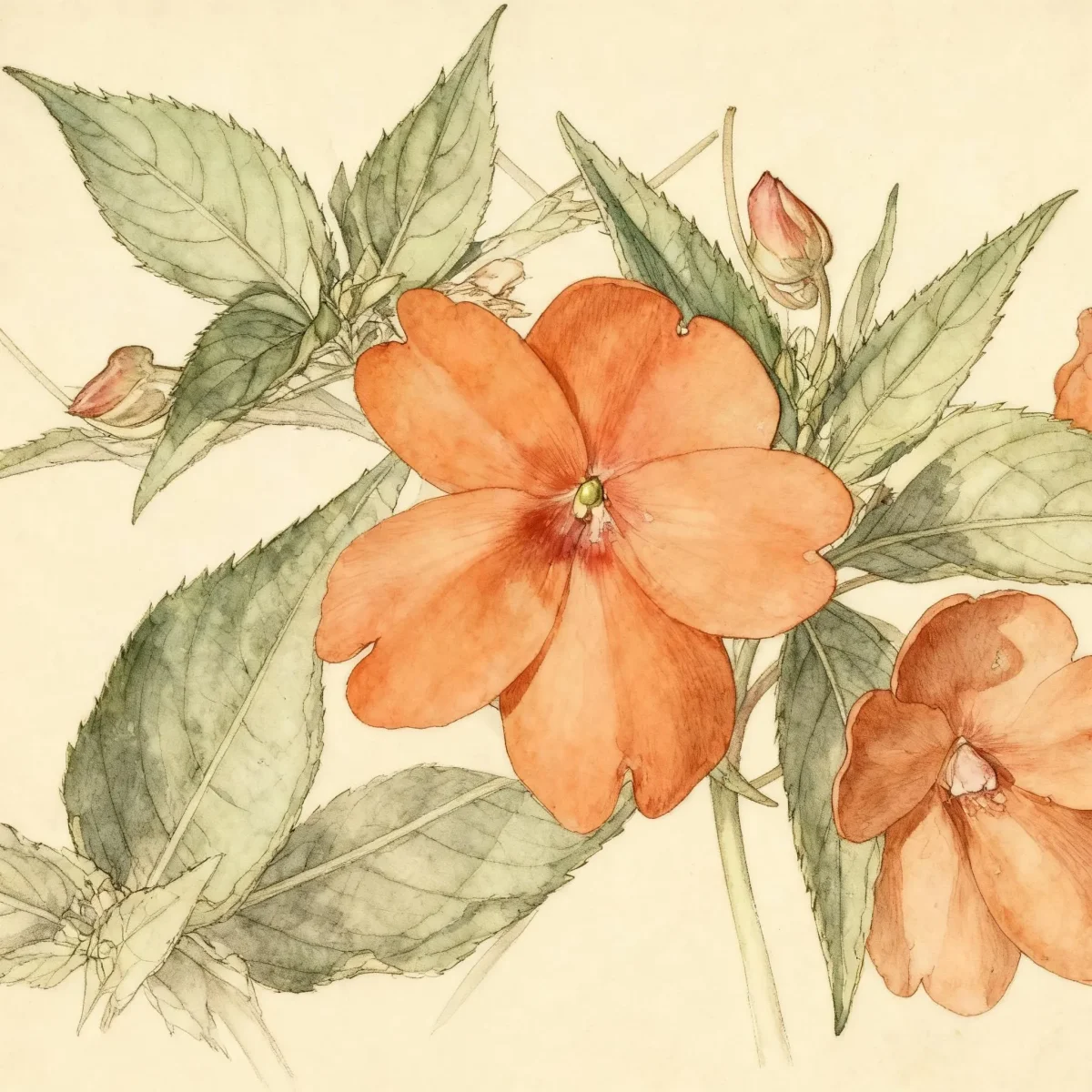
Impatiens hawkeri, commonly called New Guinea impatiens, is a very popular bedding plant in the U.S. Today. It is a broadly defined species that is native to New Guinea, the Solomon Islands and New Ireland. New Guinea impatiens for the most part features larger plants, larger flowers and better performance in part shade areas than the popular standard impatiens (Impatiens walleriana). They are commonly grown in part shade to shade areas, with little tolerance for full sun, displaying flattened five-petaled flowers in a variety of colors including white, pink, orange, red, violet, and purple.
Tolerances
- Aphids
- Mealybugs
- Thrips
- Whitefly
- Slugs and snails
- Spider mites
Potential Problems
Although Impatiens hawkeri (group) shows high resistance to downy mildew, vigilance against other issues is advised. Potential disease problems include impatiens necrotic spot virus, fungal blights, powdery mildew, and various rots, often stemming from poor drainage or overwatering.
Insect pests common to these plants include aphids, mealybugs, thrips, and whitefly. Slugs and snails can also pose a threat, especially to young, tender growth. Regular inspection of the undersides of leaves and prompt treatment with appropriate horticultural controls will help manage infestations before they become widespread.
Frequently Asked Questions
What hardiness zones is New Guinea impatiens suitable for?
New Guinea impatiens (Impatiens hawkeri (group)) are winter hardy to USDA Zones 10-12, meaning they are typically grown as annuals in cooler climates.
How large does New Guinea impatiens grow?
The mature size ranges from 0.75 to 4 feet tall and spreads between 1.5 and 3 feet wide, depending on the specific cultivar.
What sun exposure does New Guinea impatiens need?
These plants thrive best in a location receiving part shade, benefiting from strong morning sun but requiring protection from the intense heat of the afternoon sun.
When does New Guinea impatiens bloom?
The consensus is that the plant flowers freely, offering a wide variety of colors non-stop from May through October in most growing conditions.
Conclusion
The Impatiens hawkeri (group) delivers exceptional ornamental value through its large, colorful flowers and durable foliage, making New Guinea impatiens a favorite choice for consistent seasonal interest in shaded areas. If you are seeking reliable, non-stop summer color away from full sun or are preparing plants for wintering indoors in colder regions, confirm your local zone compatibility before planning your spring purchase.
Companion Planting Near Impatiens
Because New Guinea impatiens (Impatiens hawkeri (group)) require evenly moist, well-drained soil and part shade, successful companion planting focuses on other shade-tolerant species with similar water needs. Hostas, with their diverse foliage textures and colors, provide excellent contrast underneath taller specimens. Similarly, shade-loving groundcovers such as Vinca minor or hardy Ferns create lush, cool settings that complement the vibrant blooms of the impatiens.
When planting near walkways or defining borders, consider using low-growing, moisture-loving perennials that share the visual impact without competing aggressively for root space. Astilbes or Tiarella (Foamflower) are excellent choices, as they provide vertical interest or delicate texture while thriving under the filtered light conditions favored by Impatiens hawkeri (group). Ensure that any companion plantings do not totally overly shade the impatiens, as they still benefit substantially from bright, dappled light.
Design Ideas for Shade Gardens
Utilizing New Guinea impatiens in container groupings is one of the most effective design strategies, especially on patios or porches that only receive indirect afternoon light. Use them as the “thriller” in tall centerpieces or as vibrant “spillers” cascading over the edges of window boxes. Their broad leaves and large flowers command attention even from a distance.
For large area color saturation under mature trees, mass planting works wonders. Grouping multiple plants of the same color cultivar of Impatiens hawkeri (group) creates a single, bold statement that is much more impactful than scattered individual plants. For multicolored displays, ensure the colors chosen harmonize—cool blues and violets work well next to deep greens, while contrasting them with bright oranges or reds provides high-energy focal points.