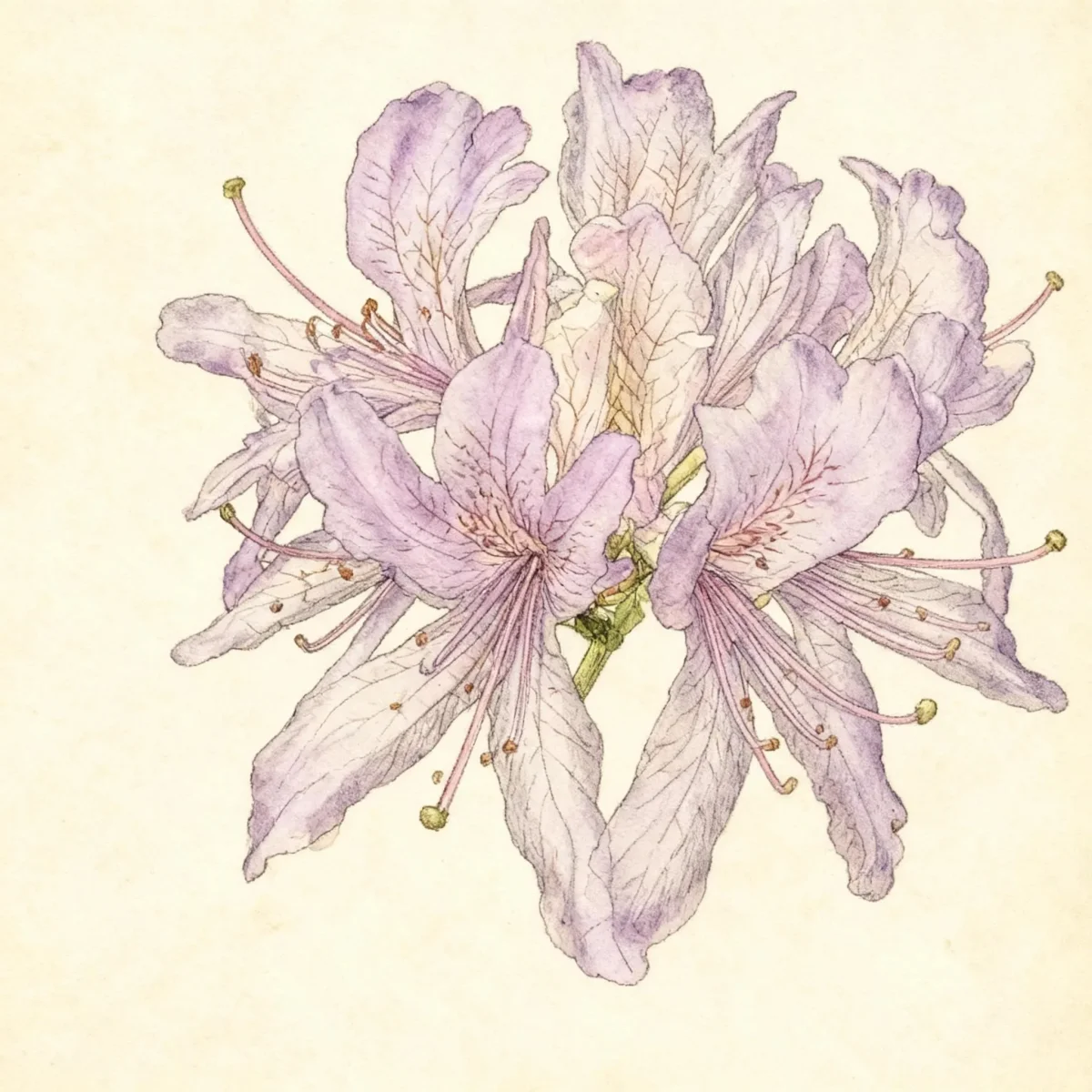
Deciduous azalea (Rhododendron 'Snow White')
Rhododendron 'Snow White' is a showy Deciduous azalea thriving in zones 5-7, featuring fragrant white blooms in May.
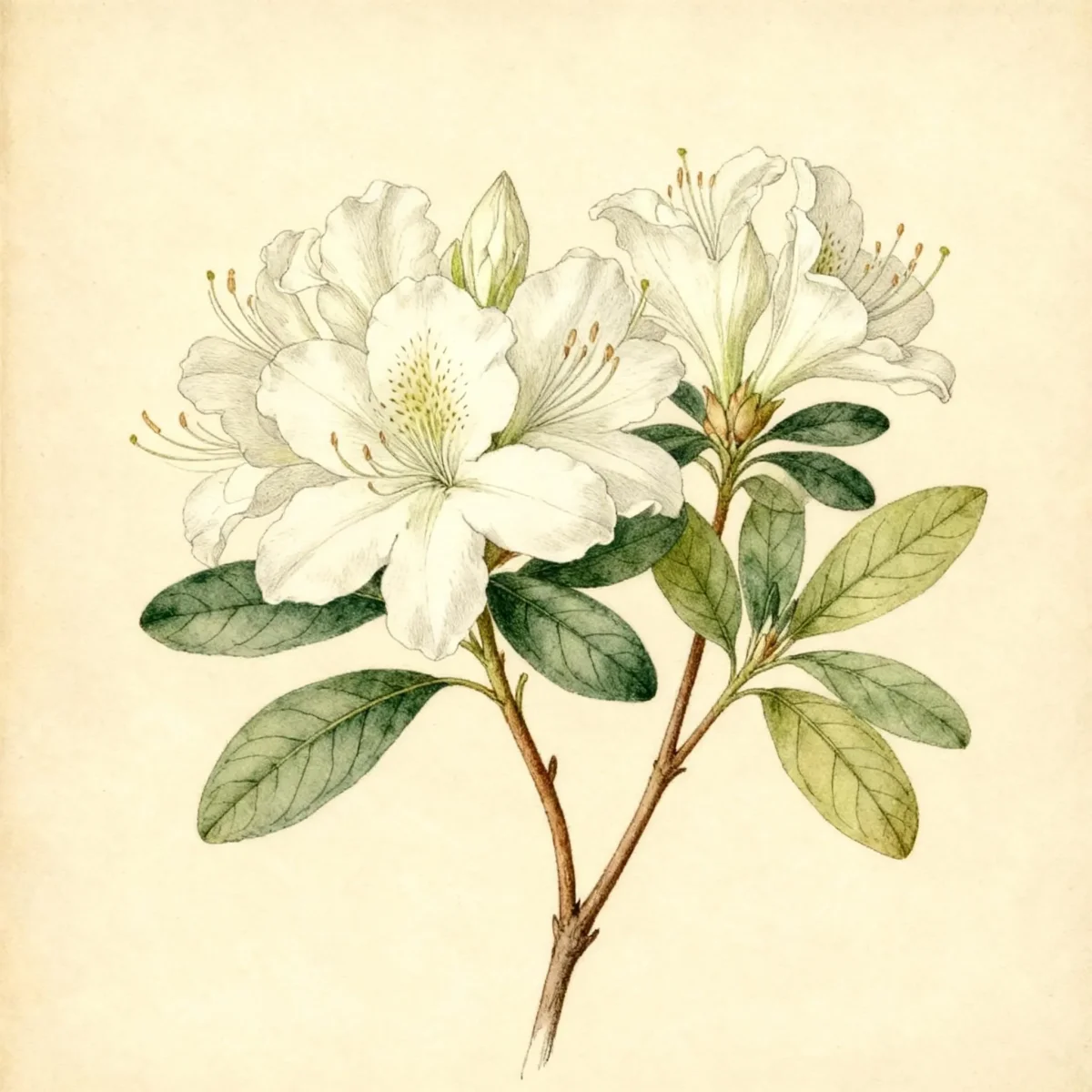

Bloom Boldly, No Matter the Season - Sweatshirt
Cozy organic cotton sweatshirt featuring our exclusive Purple Coneflower design. Perfect for gardeners who bloom year-round.
Inspired by the beautiful Deciduous azalea
Limited first batch (50) — join the waitlist for early access
Waitlist closes Feb 15, 2026.
Complete Plant Information
Field Guide Continues
Ready for care notes, companion picks, and planting tips?
The map is just the start. The full guide below covers growth habits, seasonal performance, and landscape uses.
Overview
Rhododendron ‘Snow White’ is a highly valued Deciduous azalea, known for delivering a lavish display of flowers in late spring. This cultivar offers striking bright white blooms, each accented by a distinguishing pale yellow blotch, providing significant seasonal interest in the garden space. As a deciduous shrub, it gracefully sheds its thinner leaves in the autumn, revealing its structure before bursting into color the following spring.
Growing reliably between 5 and 8 feet, Rhododendron ‘Snow White’ performs best when sited in dappled light or protected afternoon shade. Its status as a fragrant, showy specimen plant makes it a superb choice for adding structure and perfume to mixed borders or establishing formal hedge lines in suitable climates. Proper soil acidity and excellent drainage are paramount for the long-term health of this beautiful Deciduous azalea.
Gardeners appreciate this variety both for its springtime spectacle and its manageable size for a large shrub. The ease of care, provided cultural needs are met, ensures that the stunning floral show of Rhododendron ‘Snow White’ returns reliably year after year, enhancing woodland or shaded garden areas.
Fast Facts
- Plant Family: Ericaceae
- Plant Type: Deciduous shrub
- Hardiness Zones: USDA Zones 5-7
- Size at Maturity:
- Height: 5-6 ft
- Spread: 7-8 ft
- Bloom Time: May
- Bloom Description: Bright white with pale yellow blotch
- Sun Exposure: Part shade
- Water Needs: Medium
- Maintenance Level: Medium
How to Grow
The critical factor for successful Rhododendron ‘Snow White’ cultivation is soil preparation. These plants demand acidic, organically rich, humusy soil that maintains medium moisture but drains exceptionally well. Avoid planting within the drip line of Juglans species (walnut family) due to sensitivity to juglones. If you suspect heavy clay or poor drainage, consider establishing plants in raised beds to prevent fatal root rot.
Site Rhododendron ‘Snow White’ where it receives sun dappled conditions, such as morning sun followed by afternoon shade. While it tolerates some sun in cooler northern summers, afternoon exposure in hot regions can cause leaf scorch. Always locate the plant where it is shielded from harsh, drying winds.
Watering should be consistent; the shallow, fibrous root system must never be allowed to completely dry out, though soggy conditions are equally harmful. Apply a thick layer of mulch, such as wood chips or pine needles, to conserve moisture and stabilize soil temperatures. Acidify the soil as needed, aiming for a pH between 5.0 and 5.5, using iron sulfate or sulfur if necessary. Deadheading spent flower clusters immediately after blooming encourages better energy allocation for future growth.
Landscape Uses
Rhododendron ‘Snow White’ excels in multiple landscape roles, transitioning seamlessly from formal structure to naturalized settings. It is highly recommended for use as a stately hedge, providing a dense, attractive screen, or as a specimen planted where its magnificent white blooms can command attention. It integrates beautifully into shrub borders and mixed foundation plantings.
For a classic aesthetic, pair this fragrant Deciduous azalea with other acid-loving companions. Consider coordinating its white spring display with early spring bulbs, woodland phlox, or later-blooming hydrangeas to ensure continuous seasonal interest around the Rhododendron ‘Snow White’. Planting near walkways allows gardeners to fully appreciate the flower’s fragrance.
In woodland garden designs, a grouping or mass planting of this variety creates a powerful visual impact beneath taller, filtered canopy trees. Ensure the location provides the necessary protection and excellent drainage this species requires to flourish throughout its mature spread of 7 to 8 feet.
Standout Features
Flower Qualities
- Showy
- Fragrant
Noteworthy Characteristics
Rhododendron is a genus encompassing hundreds of species, including both rhododendrons and azaleas; Deciduous azaleas like this cultivar lose their leaves in fall. Flowering occurs early in the spring as new foliage emerges, offering a lavish display of color. Described as a Knap Hill azalea, Rhododendron ‘Snow White’ matures to 5–6 ft tall with a 7–8 ft spread, featuring lightly fragrant blooms that turn the foliage to an attractive yellow in autumn.
Tolerances
- Rabbit
Potential Problems
Rhododendrons and azaleas face susceptibility to various insect and disease pressures, requiring attentive care, especially regarding soil conditions. Common pests include aphids, borers, lacebugs, and scale, while diseases range from blights and cankers to root and crown rots, often linked to overly wet soil. Chlorosis, indicated by yellowing leaves, is common and almost always signals soil pH that has become too high, leading to iron deficiency. By ensuring the plant is situated in rich, acidic, well-drained soil and protected from wind exposure, you greatly minimize the likelihood of severe issues, allowing the healthy Rhododendron ‘Snow White’ to reach its full potential.
Frequently Asked Questions
What hardiness zones is Rhododendron ‘Snow White’ suitable for?
Rhododendron ‘Snow White’ is suited for USDA Hardiness Zones 5 through 7.
How large does Deciduous azalea grow?
This shrub typically reaches a mature height between 5 and 6 feet and spreads 7 to 8 feet wide.
What sun exposure does Deciduous azalea need?
This plant performs best in part shade, preferring dappled light or high open shade, and should be protected from intense afternoon sun.
When does Deciduous azalea bloom?
Rhododendron ‘Snow White’ blooms in May, producing bright white flowers accented with a pale yellow blotch.
Conclusion
The Deciduous azalea, specifically Rhododendron ‘Snow White’, provides exceptional springtime beauty with its intensely bright, fragrant white flowers. Its adaptable size makes it excellent for hedges or specimen planting, provided its needs for acidic, well-drained soil are strictly met. Before planting, confirm your growing site falls within Zones 5-7 and plan soil amendments to ensure this stunning shrub thrives for years to come.
Companion Planting
For gardeners establishing a woodland garden or acid-loving border around their Deciduous azalea, selecting appropriate companions is crucial. Plants that share the requirement for acidic, humus-rich soil will thrive alongside Rhododendron ‘Snow White’. Consider companion planting with Japanese maples (Acer palmatum), which offer excellent filtered shade and contrasting foliage textures, or use groundcovers like Japanese forest grass (Hakonechloa macra) to soften the edges of mulch beds.
Hydrangeas, particularly H. serrata or H. quercifolia, make good background neighbors, as they share similar moisture and soil preferences, maturing at slightly different times to extend the interest beyond the May bloom of the azalea. Avoid plants with shallow, competitive root systems or those that prefer alkaline conditions to maintain the optimal environment for your Rhododendron ‘Snow White’.
Seasonal Care Calendar
Early spring preparation focusing on soil health is vital before the Deciduous azalea breaks dormancy. Ensure the mulch layer is undisturbed and refreshed, which helps protect the extremely shallow root system. As soon as flowering concludes in May, immediately pinch or shear off spent blooms (deadheading); this is the single best cultural task to maximize next year’s flower production on this variety.
Summer maintenance centers on consistent moisture management. Because the roots are fine and fibrous, they dry out quickly, demanding regular, deep watering during dry spells. Monitor for signs of leaf scorch, which necessitates providing more shade, especially during peak afternoon heat. In the fall, deciduous azaleas offer their attractive yellow foliage color before dropping leaves.
Winter protection for Rhododendron ‘Snow White’ in colder zones (Zone 5) involves ensuring deep root moisture before the ground freezes solid. Physical protection from persistent winter wind burn is also recommended, although as a deciduous type, root protection is often less critical than for evergreen rhododendrons. Keep all cultivation away from the trunk base year-round due to the shallow root structure.