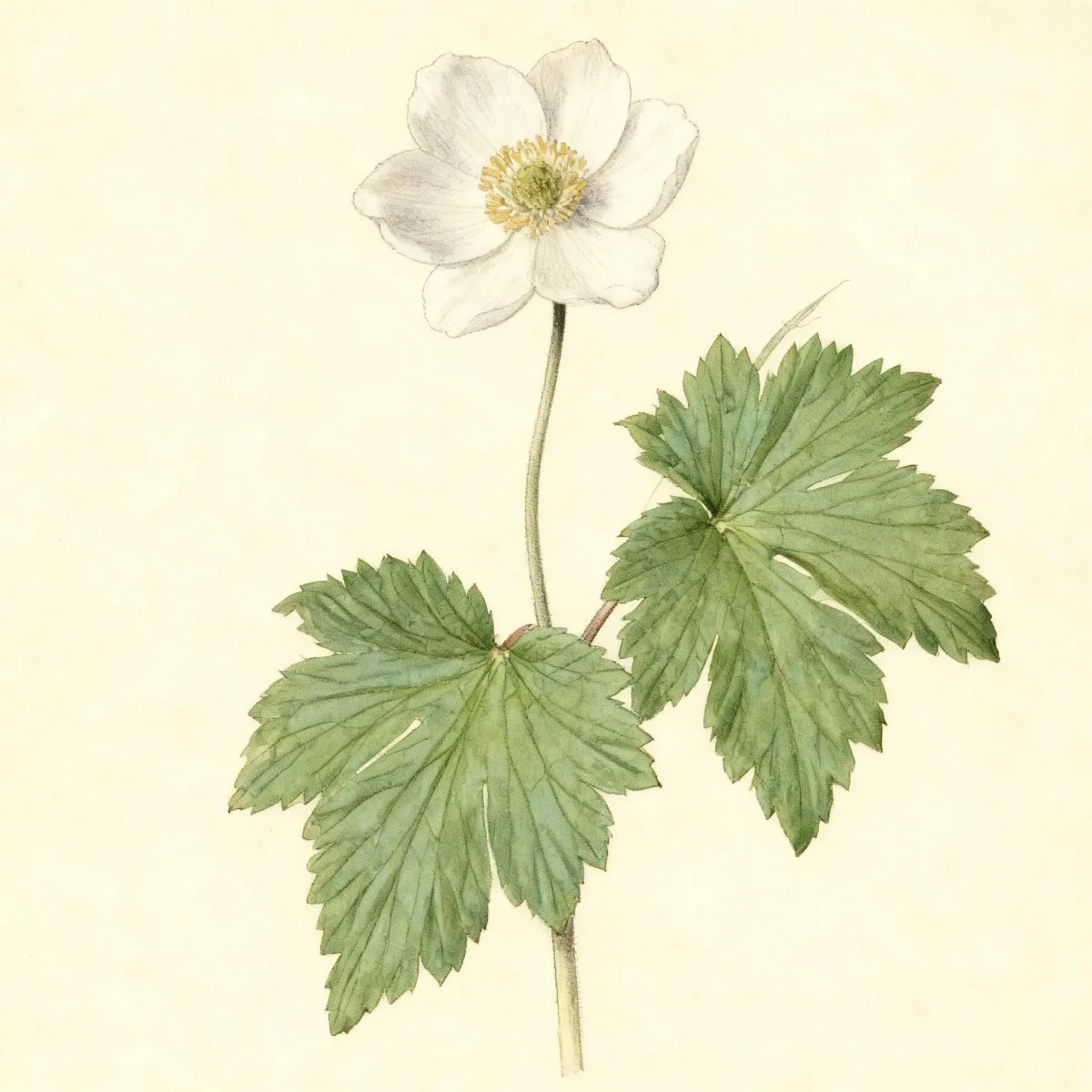
Windflower (Anemone × hybrida 'Lady Gilmour')
Anemone × hybrida 'Lady Gilmour' Windflower offers vigorous, late-season rose-pink blooms suited for Zones 4-8.
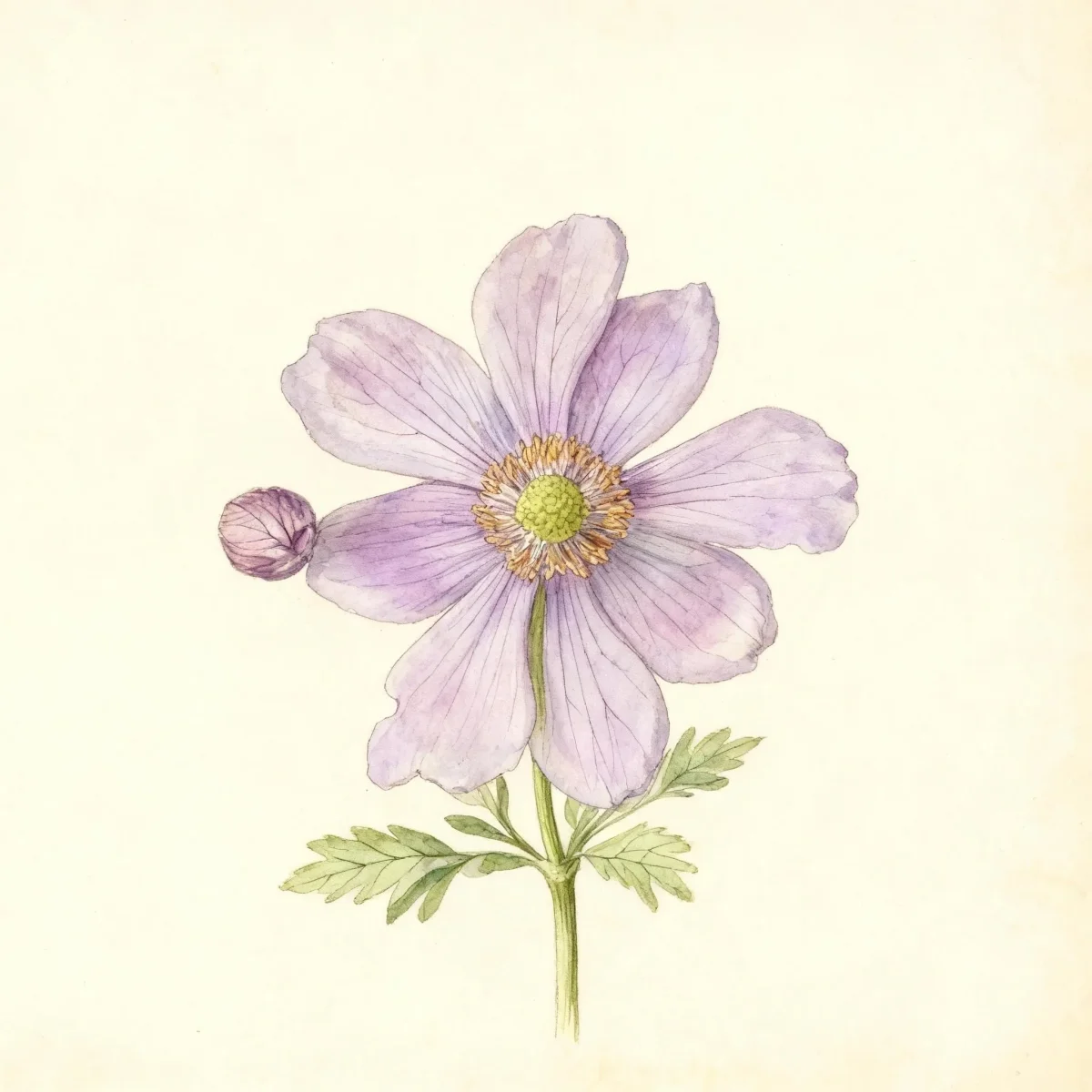

Bloom Boldly, No Matter the Season - Sweatshirt
Cozy organic cotton sweatshirt featuring our exclusive Purple Coneflower design. Perfect for gardeners who bloom year-round.
Inspired by the beautiful Windflower
Limited first batch (50) — join the waitlist for early access
Waitlist closes Feb 15, 2026.
Complete Plant Information
Field Guide Continues
Ready for care notes, companion picks, and planting tips?
The map is just the start. The full guide below covers growth habits, seasonal performance, and landscape uses.
Overview
The Anemone × hybrida ‘Lady Gilmour’, commonly known as Windflower, is a fantastic late-season performer, essential for extending garden color from late summer well into autumn. This vigorous hybrid is valued for its erect, mounding habit and beautiful semi-double, rose-pink flowers that contrast nicely with its dark green foliage. As a reliable herbaceous perennial, it offers low maintenance once established, making it an appealing choice for many gardeners seeking structure late in the season.
This specific cultivar, Anemone × hybrida ‘Lady Gilmour’, typically reaches three to four feet tall, providing excellent vertical interest when many other perennials are fading. Windflower spreads slowly by rhizomes, meaning it will naturalize charmingly within borders over time, provided its cultural needs for consistent moisture and rich soil are met. Gardeners appreciate its flexibility, thriving in sunny spots but benefiting from afternoon shade in hotter climates where its foliage is prone to burning.
Beyond its late bloom period, the quality of the blooms makes Anemone × hybrida ‘Lady Gilmour’ excellent both in the landscape and as a cutting flower. Its fibrous roots help anchor the soil, and overall, it remains a relatively low-maintenance plant suitable for woodland edges or mixed perennial borders requiring medium water inputs.
Fast Facts
- Plant Family: Ranunculaceae
- Plant Type: Herbaceous perennial
- Hardiness Zones: USDA Zones 4-8
- Size at Maturity:
- Height: 3-4 ft
- Spread: 1.5-2 ft
- Bloom Time: August to October
- Bloom Description: Rose-pink with yellow center (semi-double)
- Sun Exposure: Full sun to part shade
- Water Needs: Medium
- Maintenance Level: Low
How to Grow
Plant Anemone × hybrida ‘Lady Gilmour’ in spring or early fall when soil temperatures are favorable. The key to success is ensuring the location offers organically rich, humusy soil that is evenly moist but critically, well-drained. These Windflowers will not tolerate having their roots sit in wet conditions, especially during winter dormancy, which can lead to rot.
Consistent watering is vital; the soil must not be allowed to dry out, particularly during hot summer spells, as dry, sunny conditions can scorch the foliage. While they tolerate full sun, siting them in areas with afternoon shade offers protection. For best performance and to prevent foliage burn, provide protection from strong winds, which contributes to the common name Windflower.
Maintenance is generally low. In colder areas (Zones 4-6), providing a winter mulch will help protect the fibrous roots. Plants might be slow to establish initially, but in ideal conditions, they will happily naturalize through spreading rhizomes. Propagation can be effectively achieved via root cuttings taken in winter or by spring division.
Landscape Uses
The strong upright habit of Anemone × hybrida ‘Lady Gilmour’ makes it an excellent choice for filling gaps in perennial borders that emerge in late summer. Its suggested uses include naturalizing areas where it can slowly spread and create soft drifts of color. This Windflower performs exceptionally well in cottage gardens, bringing height and texture where it is needed most.
For impactful design, massing this variety creates a significant visual impact during its bloom window. Consider planting Anemone × hybrida ‘Lady Gilmour’ alongside plants that offer complementary textures or bloom earlier, such as hostas or astilbes, which appreciate similar soil and moisture conditions. Its late-season color ensures the garden remains lively until the first hard frost.
Standout Features
Flower Qualities
- Showy
- Good Cut
Noteworthy Characteristics
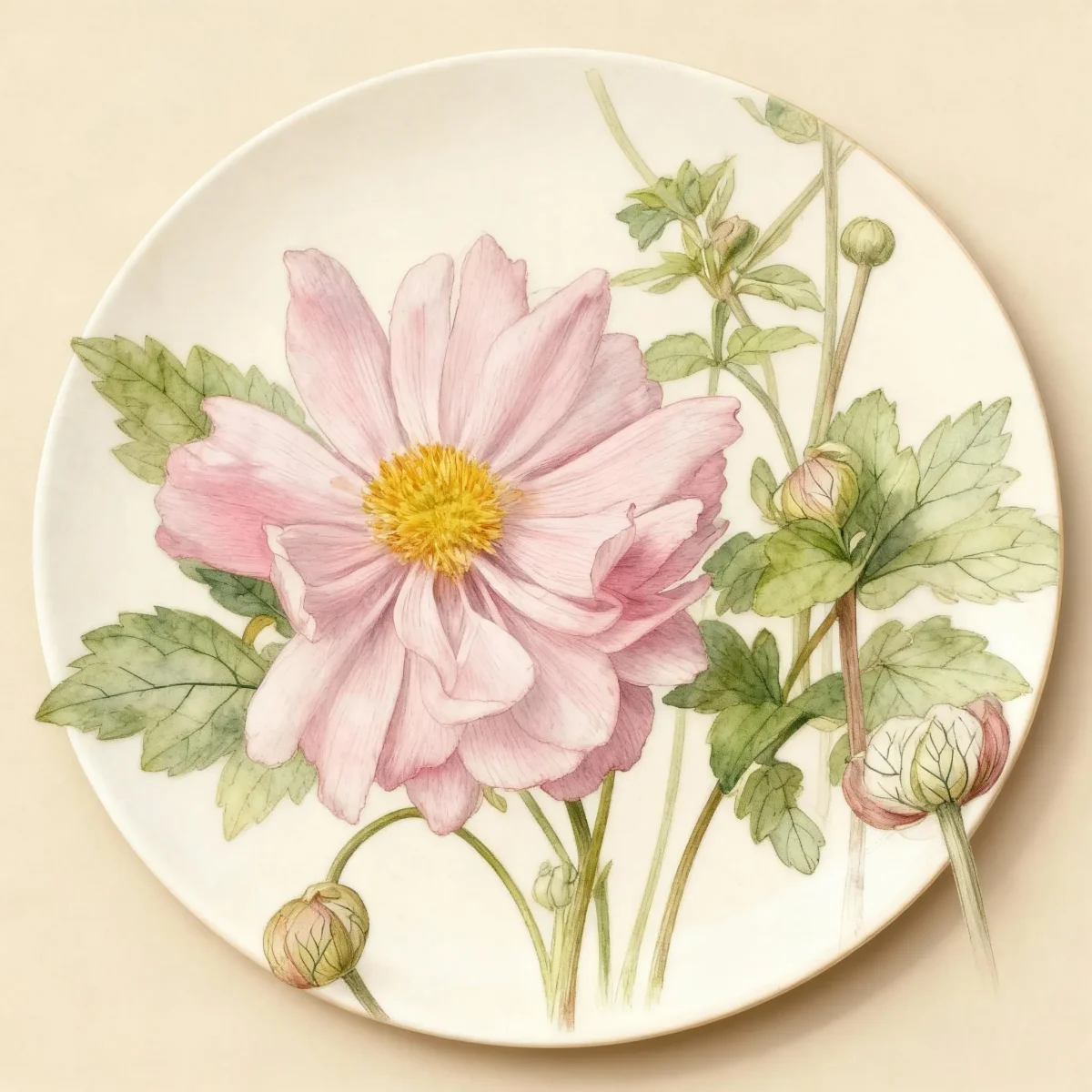
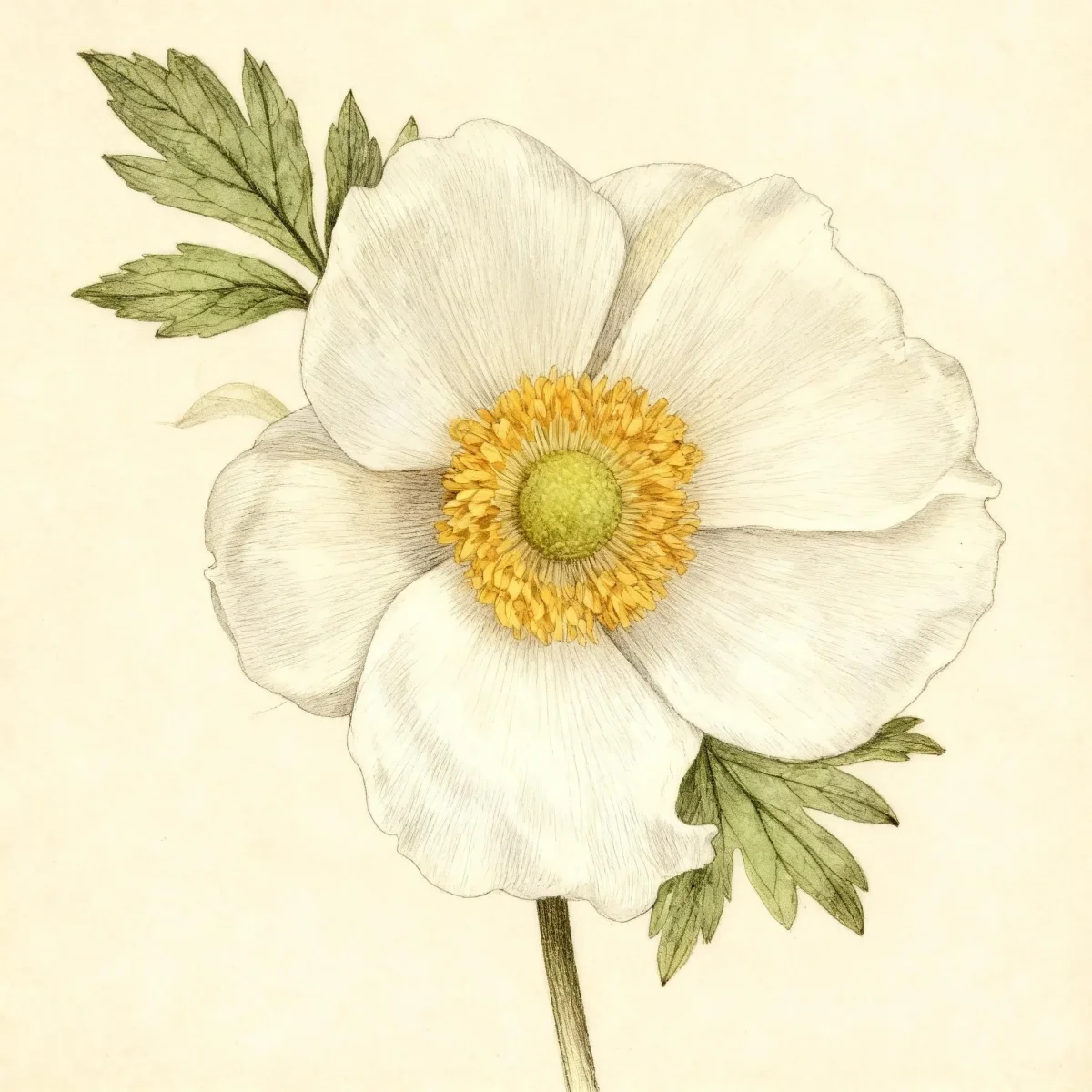
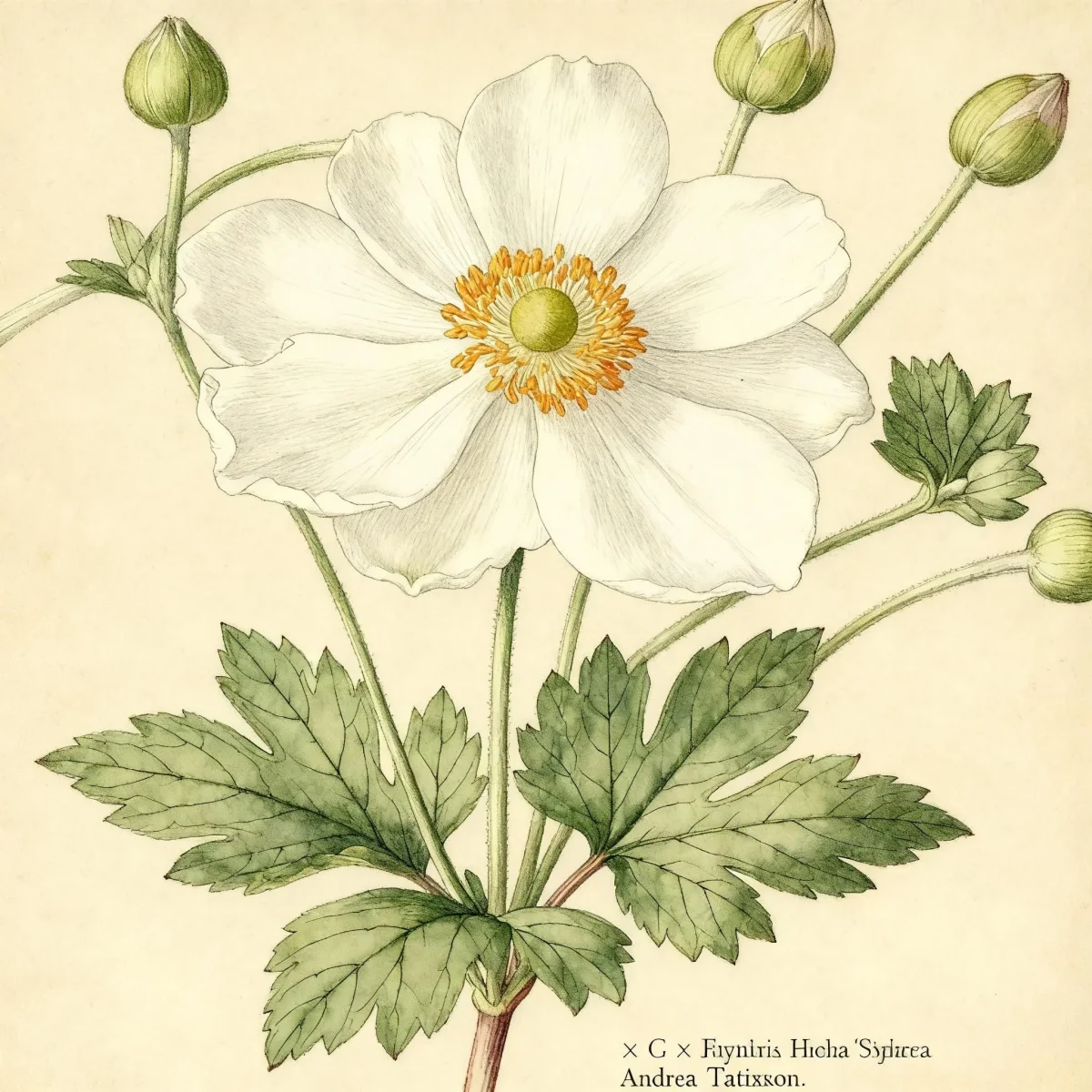
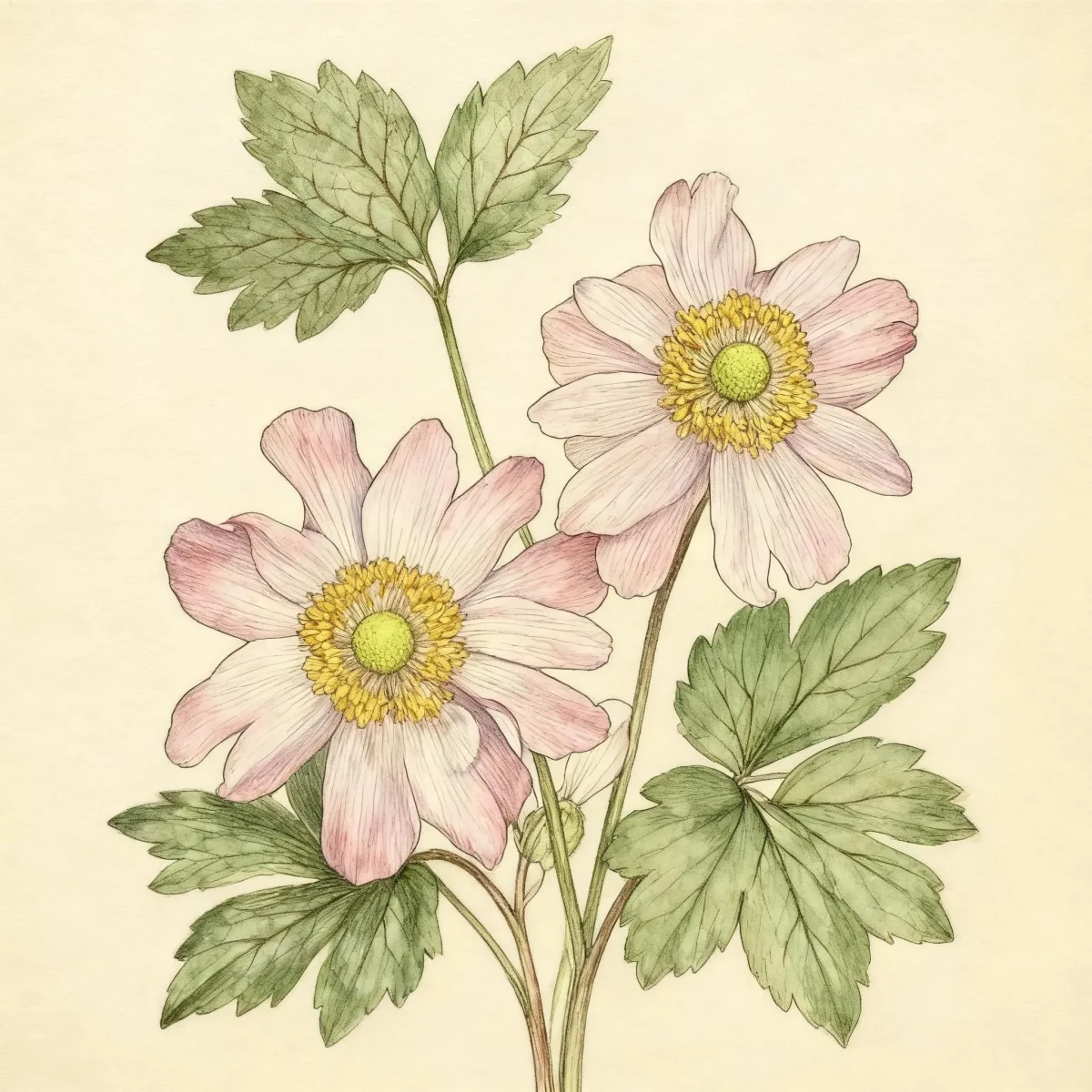
Anemone × hybrida generally encompasses pink or white flowered cultivars blooming from late summer into fall, characterized by erect, clump-forming structures on fibrous roots. ‘Lady Gilmour’ specifically is known for its vigorous growth, reaching 3-4 feet, showcasing semi-double, 2-3 inch diameter flowers with overlapping rose-pink petals surrounding bright yellow centers. These blooms appear gracefully on wiry, branching stems above mounds of trifoliate, dark green leaves, defining its value as a late-season accent plant.
Tolerances
- Deer
Potential Problems
Gardeners should remain vigilant for fungal issues such as leaf spot, powdery mildew, downy mildew, rust, and leaf/stem smut, which can affect Windflowers, especially in humid conditions or where air circulation is poor. Pests requiring monitoring include caterpillars, slugs, and nematodes. In some regions, black blister beetles or Japanese beetles may arrive and cause significant defoliation of the attractive foliage. Taller specimens of Anemone × hybrida ‘Lady Gilmour’ may require staking or support to keep stems upright, especially if exposed to heavy wind or rain.
Frequently Asked Questions
What hardiness zones is Windflower suitable for?
Anemone × hybrida ‘Lady Gilmour’ is reliably hardy in USDA Zones 4 through 8.
When does Anemone × hybrida ‘Lady Gilmour’ bloom?
This Windflower variety produces its showy, semi-double, rose-pink flowers from August extending through October.
How large does Anemone × hybrida ‘Lady Gilmour’ grow?
This herbaceous perennial typically matures to a height between 3 and 4 feet, with a spread of approximately 1.5 to 2 feet wide.
What sun exposure does Windflower need?
Anemone × hybrida ‘Lady Gilmour’ prefers full sun to part shade, benefiting from protection from intense, hot afternoon sun during the summer months.
Conclusion
The Anemone × hybrida ‘Lady Gilmour’ undeniably earns its place in the fall garden, providing vibrant structure and color when many other plants are winding down. Its combination of longevity and low maintenance makes this Windflower a superb addition to mixed plantings. Ensure you check your local hardiness zone compatibility before planting this beautiful late-season perennial.
Companion Planting
When integrating Anemone × hybrida ‘Lady Gilmour’ into your design, selecting companions that share its need for consistently moist, rich soil is important. Plants that reach their peak earlier in the season won’t compete visually but will provide a beautiful backdrop as the foliage emerges for the Windflower. Consider pairing it with shade-tolerant partners like Astilbe, which helps shade the roots and enjoy similar damp conditions, or Hosta, whose textured basal foliage contrasts sharply with the tall, airy look of the anemone.
Seasonal Care Calendar
For optimal growth, focus care around seasonal shifts. In spring, as the plant emerges, ensure soil moisture is adequate and perform any necessary divisions if you wish to propagate or control spread. Summer care should focus heavily on consistent watering, especially during dry spells, and possibly staking taller stems if heavy rains occur. In autumn, enjoy the extensive bloom period of the Windflower, and once the foliage dies back naturally, cut the spent stems to the ground to tidy the area before winter.