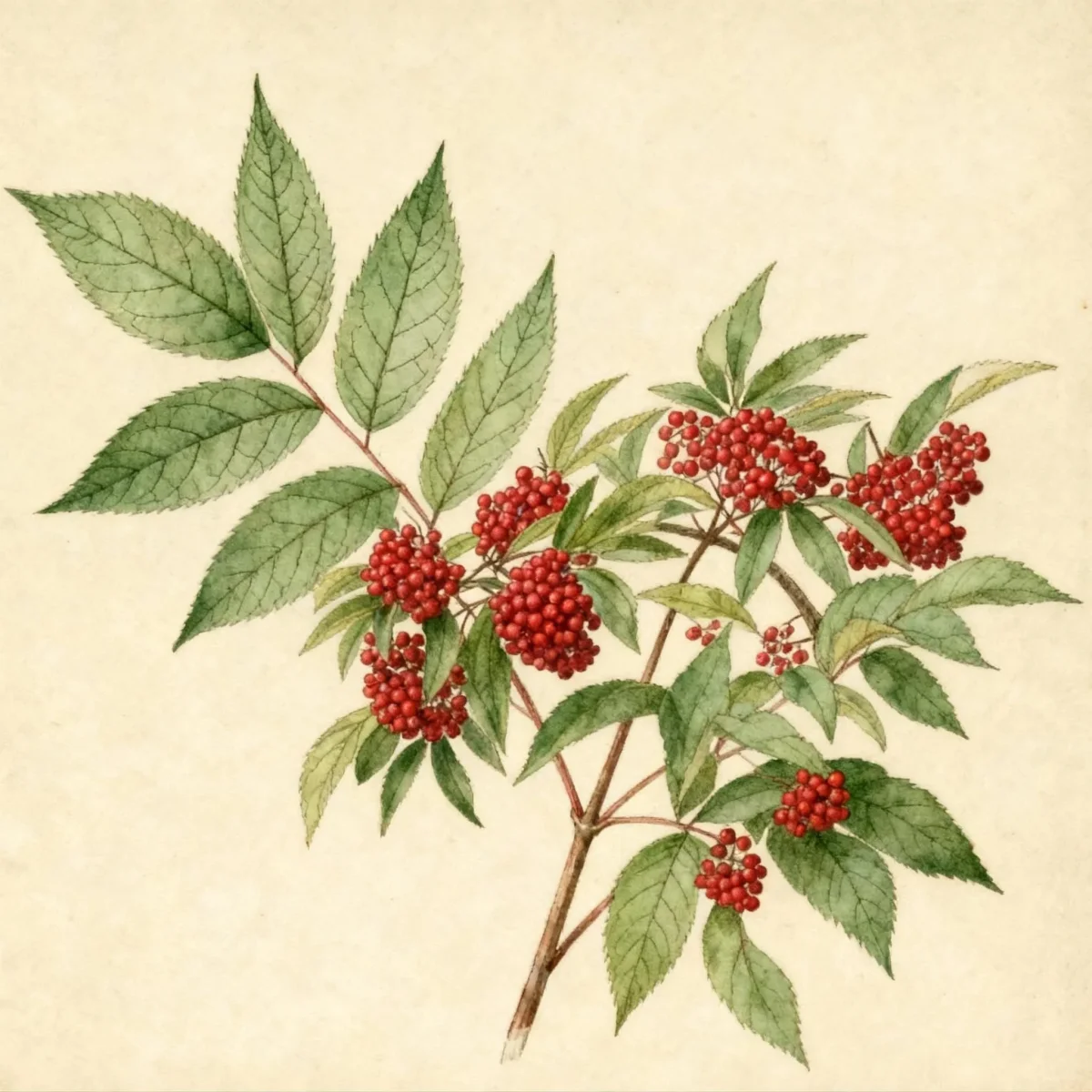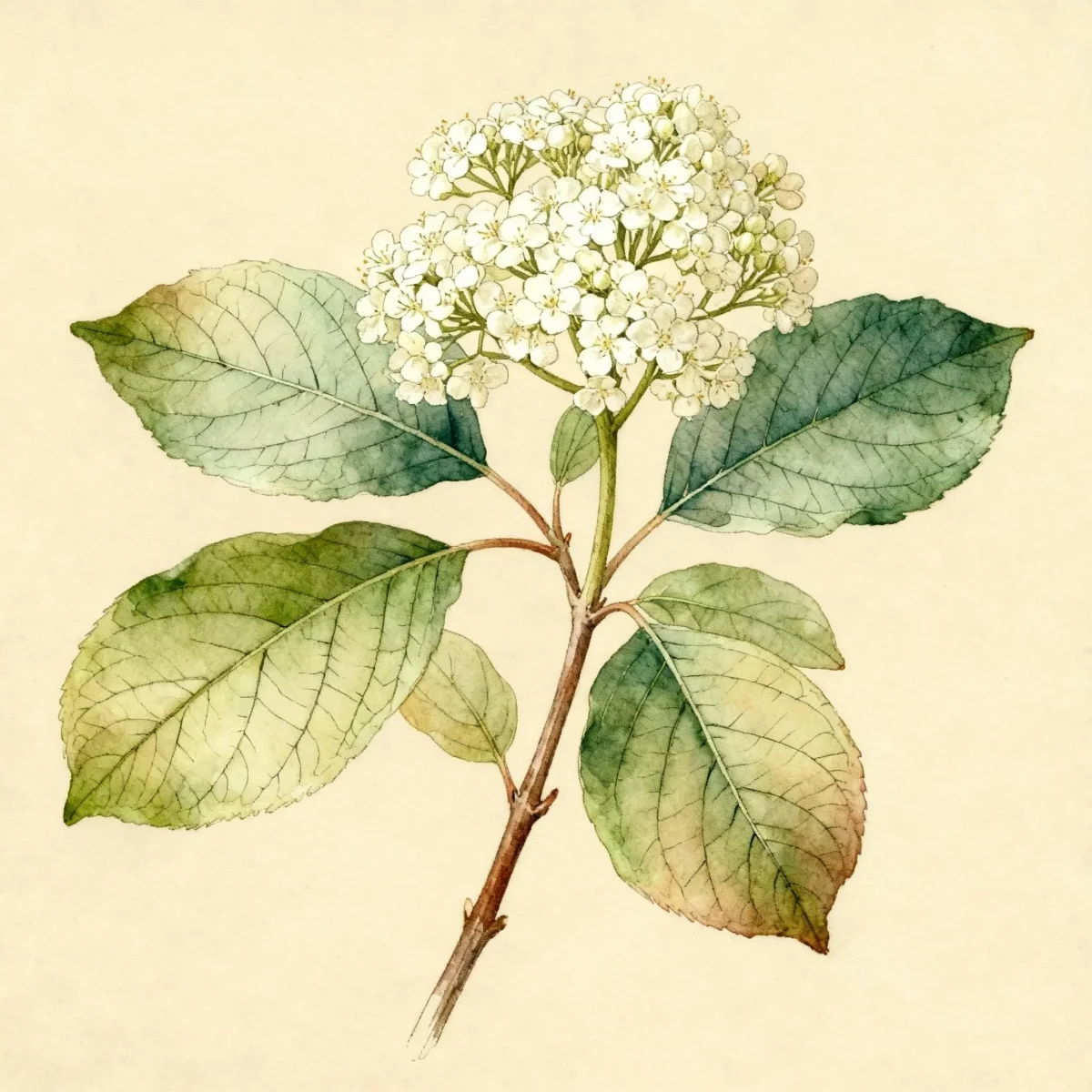

American elderberry (Sambucus canadensis 'Laciniata')
Sambucus canadensis 'Laciniata' is a stunning deciduous shrub known for its deeply cut foliage and edible summer fruits. A high-maintenance American elderberry offering great aesthetic value.
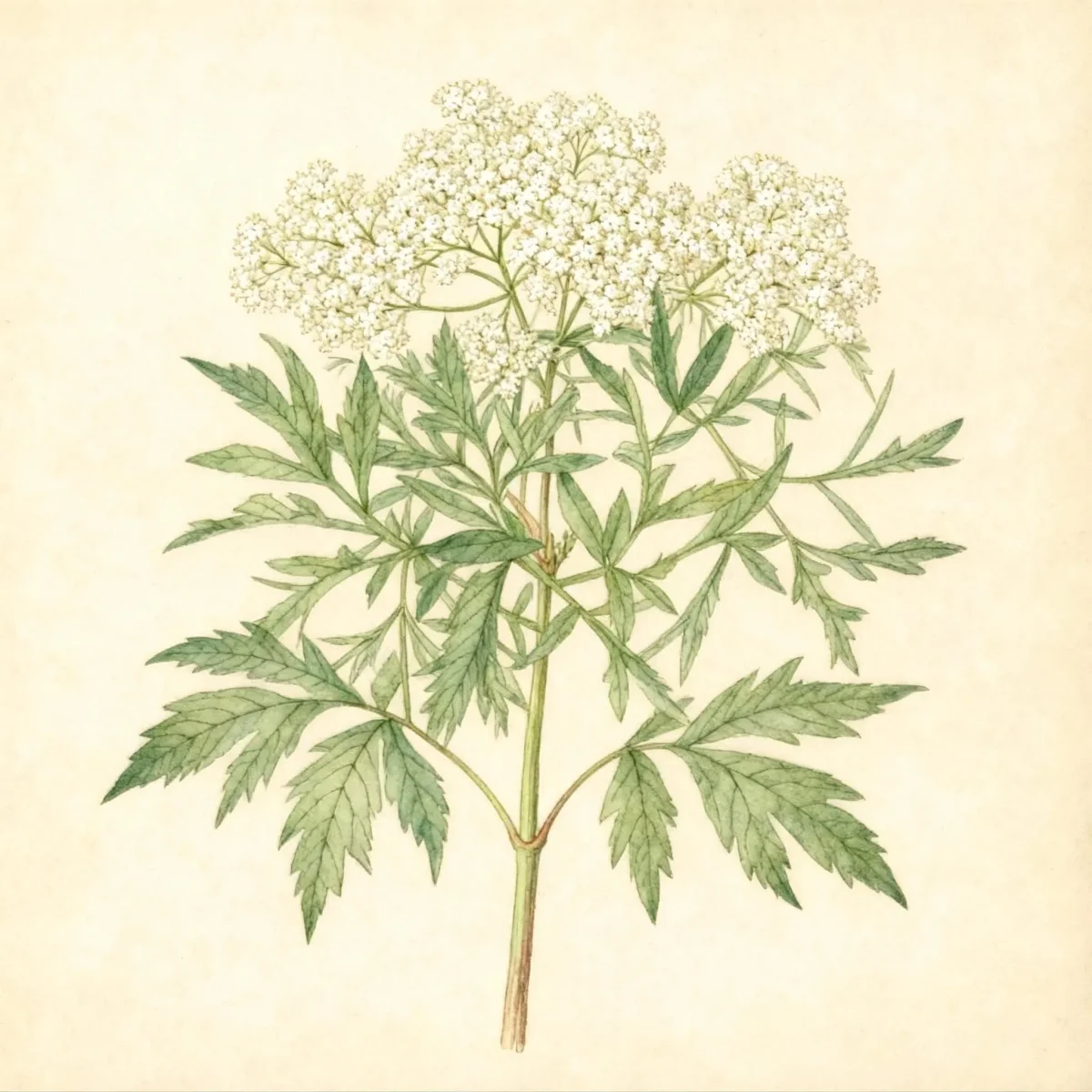

Bloom Boldly, No Matter the Season - Sweatshirt
Cozy organic cotton sweatshirt featuring our exclusive Purple Coneflower design. Perfect for gardeners who bloom year-round.
Inspired by the beautiful American elderberry
Limited first batch (50) — join the waitlist for early access
Waitlist closes Feb 15, 2026.
Complete Plant Information
Field Guide Continues
Ready for care notes, companion picks, and planting tips?
The map is just the start. The full guide below covers growth habits, seasonal performance, and landscape uses.
Overview
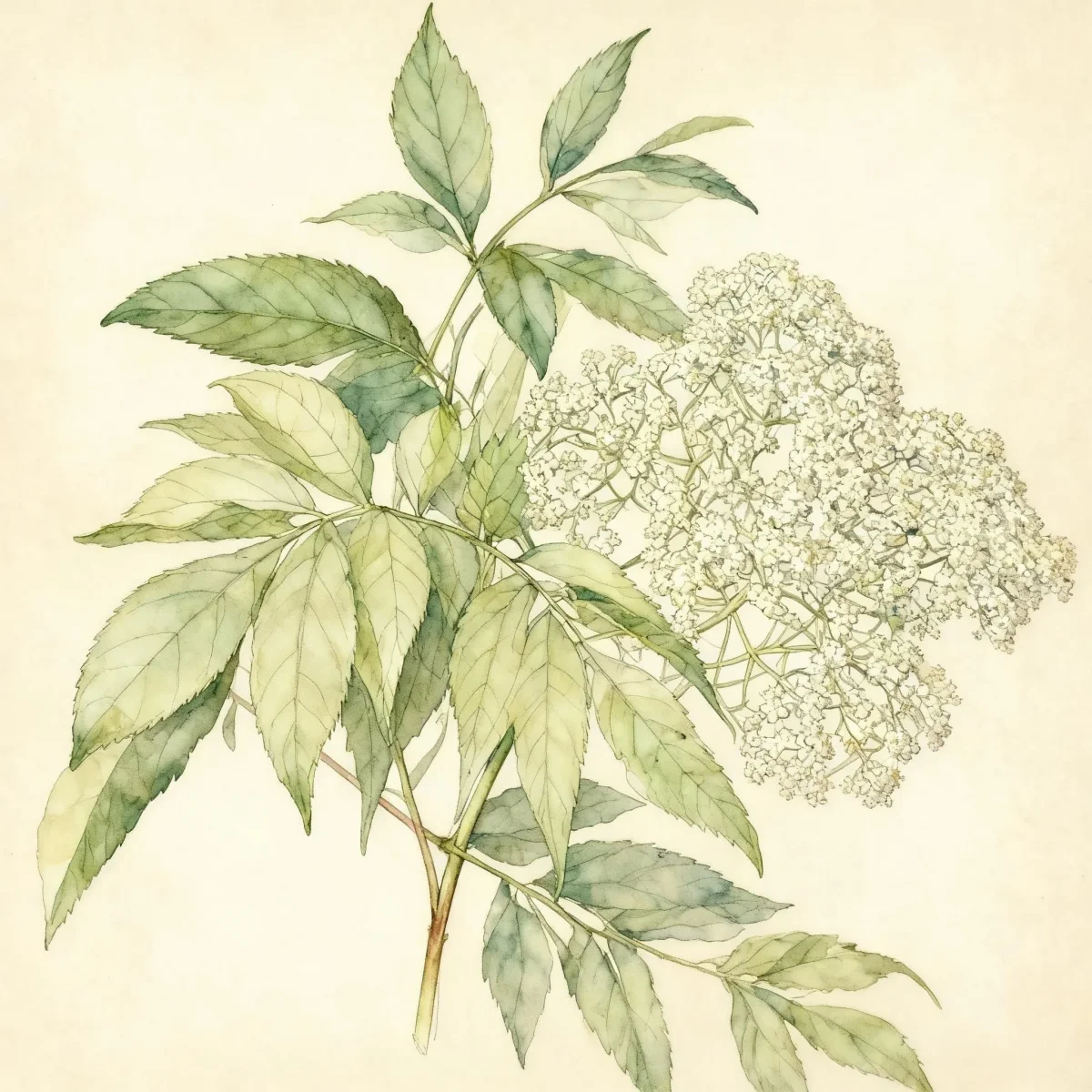
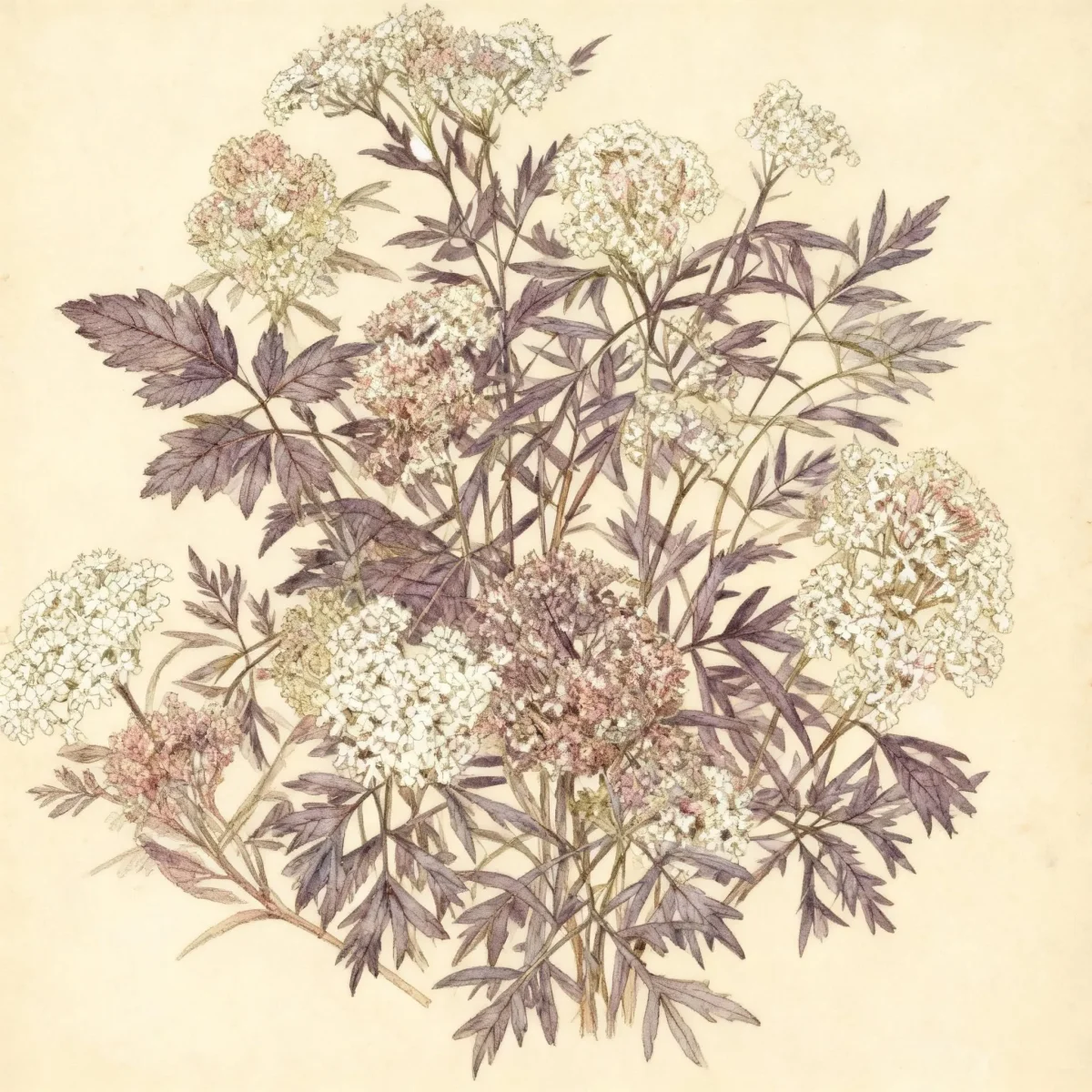
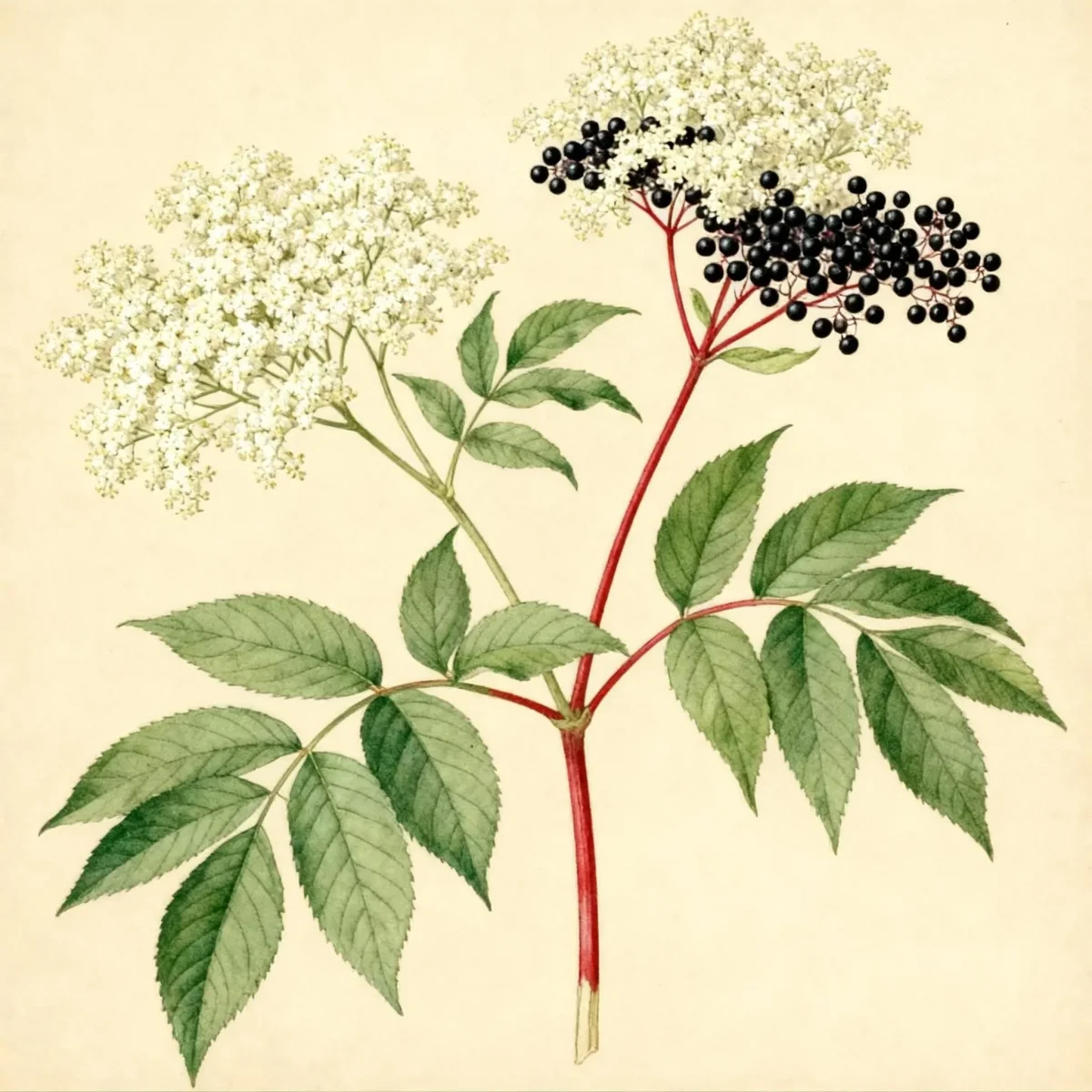
The Sambucus canadensis ‘Laciniata’, or cutleaf American elderberry, provides exceptional textural contrast in the landscape thanks to its deeply incised, lacy foliage. This prized cultivar matures into a sizable deciduous shrub, valued both for its ornamental appeal and its production of edible fruits. While it requires high maintenance, especially regarding pruning, the resulting display of lemon-scented white flowers followed by dark berries offers significant rewards in seasonal interest.
American elderberry naturally forms colonies in moist environments across eastern North America. The unique structure of Sambucus canadensis ‘Laciniata’ makes it a dynamic accent shrub, setting it apart from the species plant. Gardeners often utilize this robust plant for screening or where its sprawling, suckering nature can be allowed to naturalize freely.
Fast Facts
- Plant Family: Adoxaceae
- Plant Type: Deciduous shrub
- Hardiness Zones: USDA Zones 3-9
- Size at Maturity:
- Height: 5-8 ft
- Spread: 5-8 ft
- Bloom Time: June to July
- Bloom Description: White
- Sun Exposure: Full sun to part shade
- Water Needs: Medium to wet
- Maintenance Level: High
How to Grow
Plant this American elderberry when dormant, either in early spring or late fall, selecting a location that receives full sun to partial shade. Sambucus canadensis ‘Laciniata’ prefers medium to wet, well-drained soil, though it demonstrates tolerance for a wide range of soil conditions, thriving best in moist, humusy environments. Proper placement near water sources or in rain gardens is ideal for managing its water needs.
Maintenance for this variety is considered high, primarily due to its vigorous suckering habit. Unless you intend to naturalize the area extensively, prune developing root suckers as they emerge to control spread. Significant annual pruning is necessary to maintain the best foliage and habit. Late winter or early spring is the time to implement hard pruning strategies, which can include cutting out all dead or weak stems, shortening one-year-old growth, or even cutting the entire shrub back to the ground for complete rejuvenation.
Controlling excessive suckering ensures the desired 5 to 8-foot height is maintained and prevents overcrowding. While the species is generally robust, consistent moisture is key for healthy growth, especially when establishing new plants. This disciplined pruning approach directs energy into producing the finely cut foliage that defines the ‘Laciniata’ selection.
Landscape Uses
The upright, somewhat sprawling habit of Sambucus canadensis ‘Laciniata’ makes it suitable for creating excellent screens or informal shrub borders. It truly shines when massed in naturalized settings where the natural propensity for suckering spread is embraced, creating a dense, textured thicket. Furthermore, due to its higher water requirements, this American elderberry is perfectly positioned for use along stream banks, pond peripheries, or within designated rain garden installations.
Use this interesting accent shrub to provide vertical background structure in less formal beds. The dramatic, deeply incised foliage offers fantastic contrast against broad-leaved perennials or finer textured evergreens. Consider grouping the elderberry near pathways to showcase the lacy leaves in the dappled light of partial shade.
Standout Features
Flower Qualities
- Showy
Fruit Qualities
- Showy
- Edible
Noteworthy Characteristics
Sambucus canadensis, commonly known as American elder, is native to eastern North America and exhibits a somewhat sprawling, suckering growth pattern. This specific cultivar, ‘Laciniata,’ is noted for its compact size—maturing near 8 feet—paired with its highly distinctive, deeply cut (laciniate) leaflets. The tiny, lemon-scented white flowers appear in large, flat-topped clusters, followed by dark elderberry fruits attractive to wildlife.
Tolerances
- Erosion
- Clay Soil
- Wet Soil
Potential Problems
Sambucus canadensis ‘Laciniata’ generally avoids serious pest or disease issues, making it a resilient choice when sited correctly. However, be watchful for opportunistic issues such as canker, powdery mildew, or leaf spot, which can occur, particularly when air circulation is poor or during persistent wet periods. Occasionally, borers, spider mites, and aphids may infest the plant, requiring targeted treatment if populations become destructive.
A significant physical vulnerability involves the wood itself; the branches are relatively brittle and susceptible to breakage from heavy ice loads or high winds, which should be ameliorated through proper pruning practices mentioned previously. Since this American elderberry spreads readily by root suckers, constant vigilance is required if containment within a defined planting bed is desired.
Frequently Asked Questions
What hardiness zones is American elderberry suitable for?
This deciduous shrub is robust enough for USDA Zones 3 through 9.
How large does Sambucus canadensis ‘Laciniata’ grow?
The mature size typically ranges between 5 to 8 feet in both height and spread, depending on winter pruning severity.
What sun exposure does American elderberry need?
It performs well in a wide spectrum, ranging from full sun to the dappled light found in part shade conditions.
When does Sambucus canadensis ‘Laciniata’ bloom?
The showy clusters of white flowers appear during the peak summer months, specifically from June into July.
Conclusion
The distinct lacy texture and the dual benefit of showy flowers followed by edible fruit make Sambucus canadensis ‘Laciniata’ a high-value addition to the garden, provided the owner commits to its necessary high maintenance schedule. Properly manage its suckering habit and utilize hard spring pruning to ensure the best foliage display from this American elderberry. Before planting, verify that your site conditions align with its preference for medium to wet soil and choose a time during the dormant season for installation.
Companion Planting
When selecting companions for Sambucus canadensis ‘Laciniata’, focus on plants that share its affinity for moist, occasionally wet soils. Plants that thrive in rain gardens or along pond edges will complement this elderberry beautifully. Consider pairing it with moisture-loving shrubs like Buttonbush (Cephalanthus occidentalis) or contrasting ferns that flourish in part shade located beneath taller specimens. The upright structure of the Sambucus also serves as a great backdrop for moisture-loving perennials such as Joe Pye Weed (Eutrochium species) or cardinal flower (Lobelia cardinalis).
Wildlife Benefits
While providing highly aesthetic foliage, this plant offers substantial benefits to local fauna. The large, flat-topped clusters of white flowers in early summer are magnets for various beneficial insects, including beneficial wasps and pollinators. Later in the season, the dark elderberry fruits are a critical late-summer food source for numerous bird species across its native range. Planting Sambucus canadensis ‘Laciniata’ near wildlife viewing areas integrates native food sources directly into your landscape design.