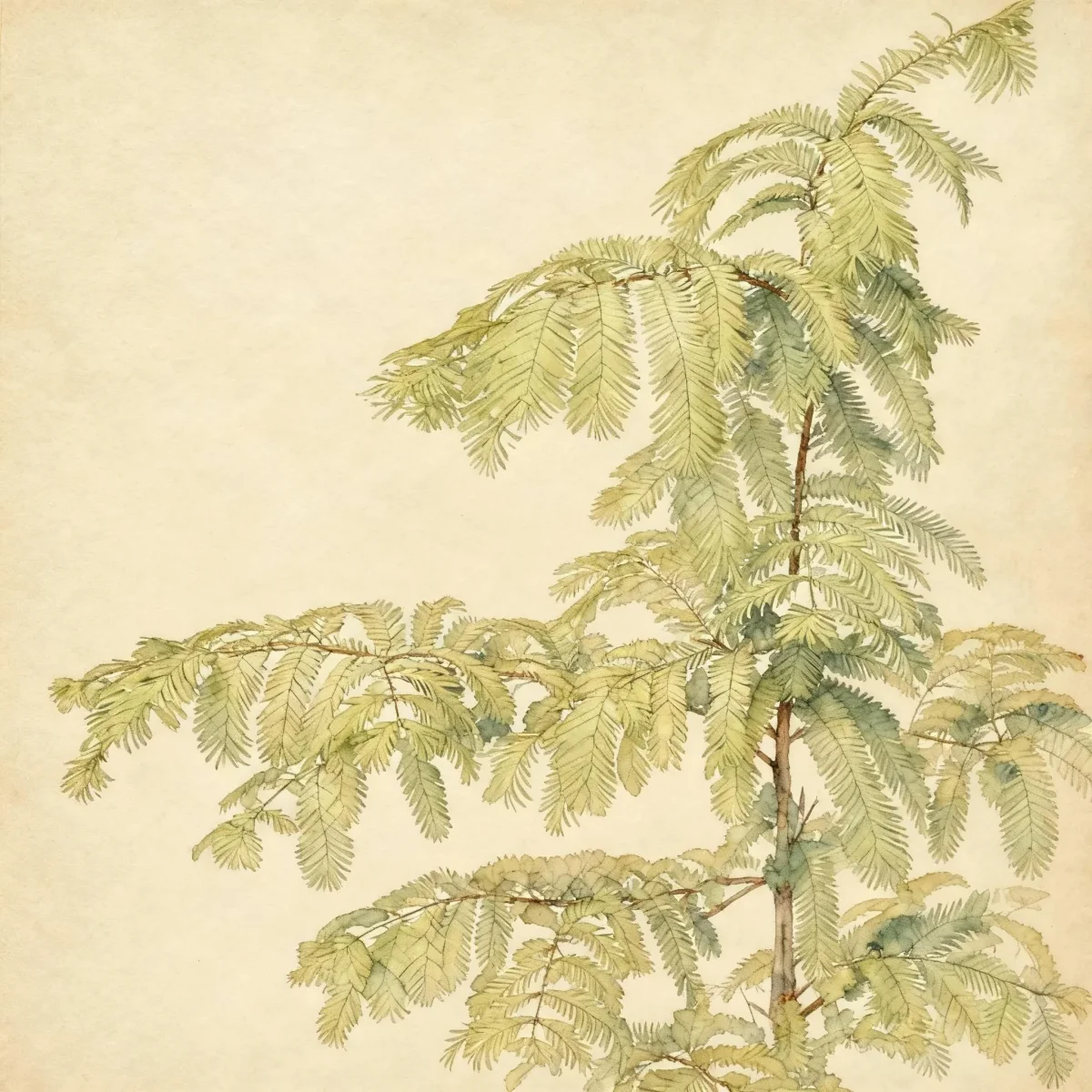
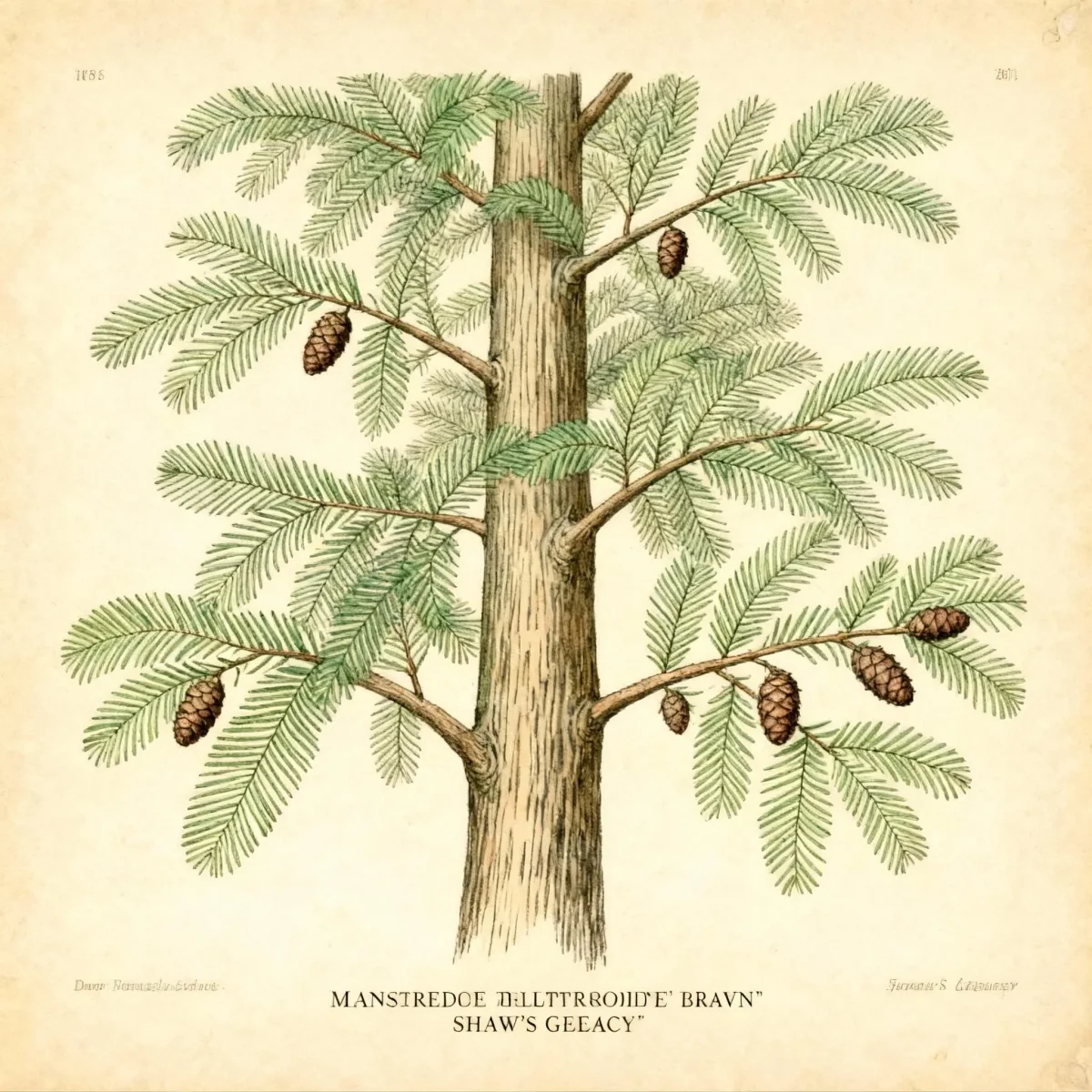
Bald cypress (Taxodium distichum 'Peve Yellow')
Discover Taxodium distichum 'Peve Yellow', a compact Bald cypress selection featuring soft yellow foliage and low maintenance needs for wet areas.

Bloom Boldly, No Matter the Season - Sweatshirt
Cozy organic cotton sweatshirt featuring our exclusive Purple Coneflower design. Perfect for gardeners who bloom year-round.
Inspired by the beautiful Bald cypress
Limited first batch (50) — join the waitlist for early access
Waitlist closes Feb 15, 2026.
Complete Plant Information
Field Guide Continues
Ready for care notes, companion picks, and planting tips?
The map is just the start. The full guide below covers growth habits, seasonal performance, and landscape uses.
Overview
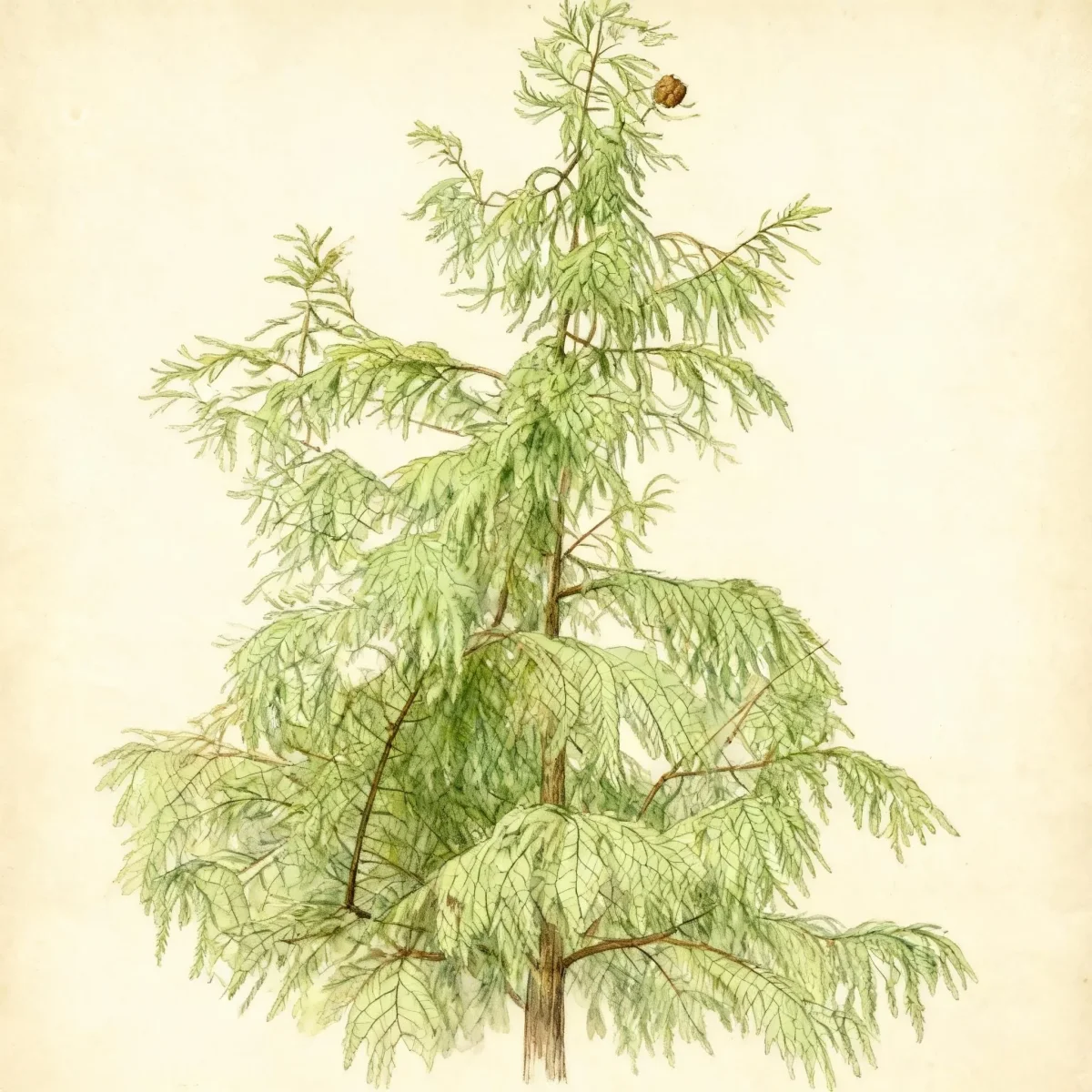
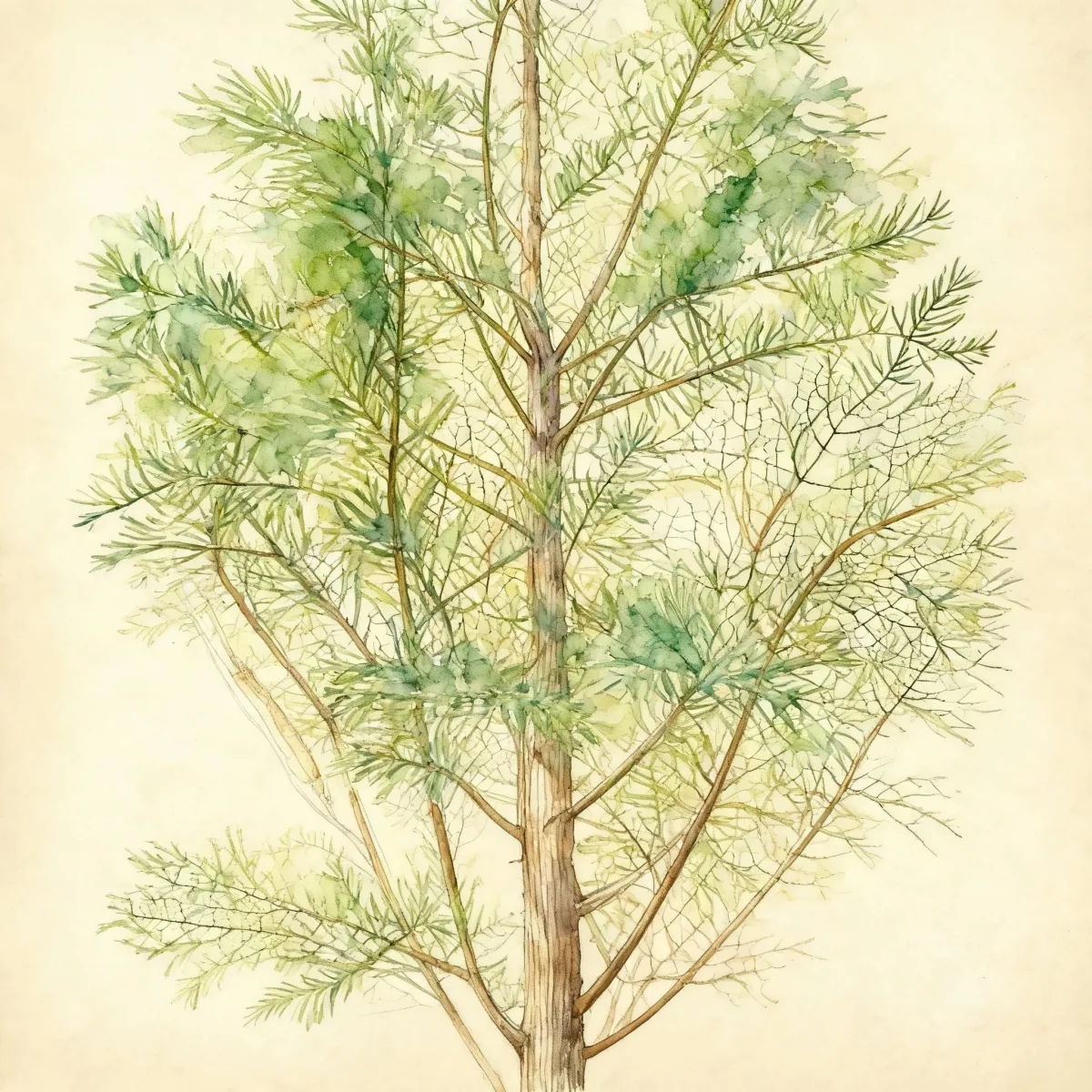
Taxodium distichum ‘Peve Yellow’ is a distinctive, compact cultivar of the classic Bald cypress, celebrated for its striking soft yellow foliage that contrasts beautifully against typical green conifers. While the parent species, Bald cypress, is known for its massive size, the cultivar Taxodium distichum ‘Peve Yellow’ offers gardeners the same unique deciduous habit but in a smaller, more manageable stature, making it perfect for tighter spaces. This tree boasts a naturally dense, pyramidal form, requiring minimal formative pruning once established.
As a deciduous conifer, it sheds its needles in the fall after turning an attractive bronze shade, offering seasonal contrast that few evergreens provide. The low maintenance requirements associated with this variety make it an excellent choice for sustainable landscaping, particularly where drainage may be poor or soil moisture is consistently high. Gardeners seeking visual interest throughout the year, specifically vibrant yellow color in the growing season, will appreciate this unique Bald cypress selection.
Fast Facts
- Plant Family: Cupressaceae
- Plant Type: Tree
- Hardiness Zones: USDA Zones 4-8
- Size at Maturity:
- Height: 6-15 ft
- Spread: 3-8 ft
- Bloom Time: Non-flowering
- Bloom Description: Non-flowering
- Sun Exposure: Full sun
- Water Needs: Medium to wet
- Maintenance Level: Low
How to Grow
The best planting time for Taxodium distichum ‘Peve Yellow’ is generally in the spring, allowing it time to establish roots before facing winter stress. Ensure a location that receives full sun exposure, as light is crucial for developing and maintaining its signature yellow foliage color. Best grown in average, medium to wet, moisture-retentive soils in full sun.
This variety prefers moist, acidic, sandy loams, but successfully tolerates a wide range of soil conditions, including struggling with wet soils typical of its native habitat backdrop. Though water needs are medium to wet, adequate moisture is vital, especially during establishment. Fertilization is rarely needed; focus instead on keeping the soil consistently moist without allowing it to become waterlogged for extended periods outside of naturally wet sites.
Pruning should be kept minimal; observe the natural dense, pyramidal shape of the Taxodium distichum ‘Peve Yellow’. Only address crossing or damaged branches as necessary. In late fall, enjoy the seasonal transition as the soft, feathery needles turn an appealing orange/cinnamon-brown before dropping, signaling its deciduous nature.
Landscape Uses
Taxodium distichum ‘Peve Yellow’ is highly recommended as an interesting landscape specimen or accent plant due to its unique coloration and compact size compared to the standard Bald cypress. Its tolerance for wet conditions naturally positions it as an outstanding choice for rain gardens or low spots in the landscape where water tends to collect after a storm. It can serve beautifully near patios or as a focal point in small garden areas where standard large trees would quickly overwhelm the space.
Consider planting this cultivar near structures needing attention, as it tolerates placement near foundations, provided root space is adequate for its slowly maturing size. Because it offers such a bold color contrast, pair the yellow foliage of the Bald cypress with deep green, moisture-loving companions such as Astilbe or certain varieties of Iris to maximize visual impact throughout the summer months. Its low maintenance nature ensures that once established in a suitable moist niche, it requires little intervention.
Standout Features
Noteworthy Characteristics
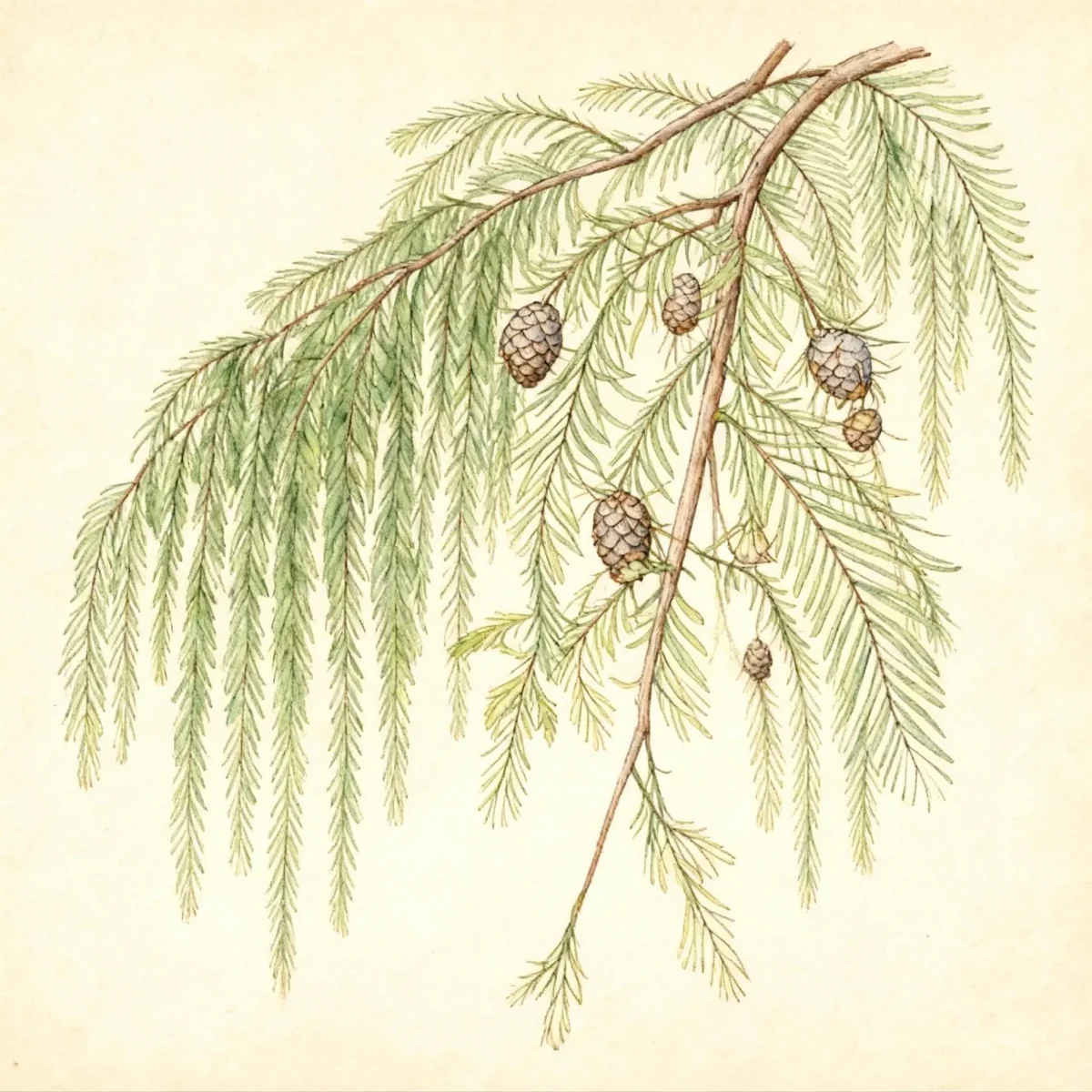
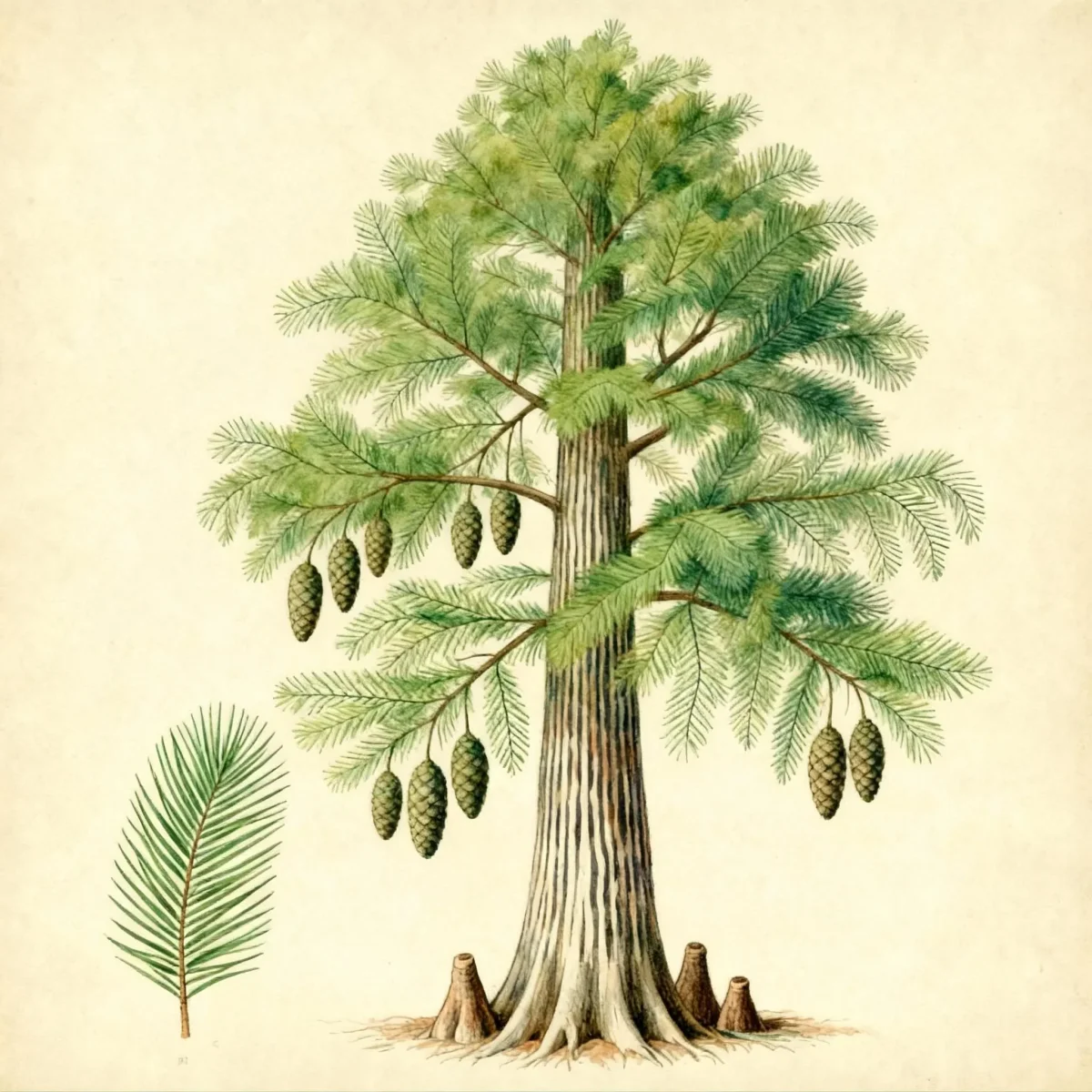
The standard Bald cypress species is famous for being a long-lived, pyramidal conifer that is deciduous, meaning it drops its soft, feathery needles in the fall after they turn orange/cinnamon-brown. Taxodium distichum ‘Peve Yellow’ retains this characteristic but is a significantly more compact form, slowly growing into a tight pyramid ideally suited for smaller landscapes. The species is known for developing buttressed trunks and distinctive “knees” when growing in saturated water, although this cultivar remains smaller in cultivation.
Tolerances
- Deer
- Clay Soil
- Wet Soil
- Air Pollution
Potential Problems
Healthy, well-maintained plants in the proper growing conditions usually have few problems, especially the compact Taxodium distichum ‘Peve Yellow’ used appropriately in wetter soils. However, cultural issues like twig blight and various rots may occur if air circulation is poor or if the tree is kept too dry against its preference for medium to wet conditions. Periodically inspect the foliage for spider mites, especially during hot, dry spells, although this is rare given its preference for moisture.
Management for potential issues involves ensuring good air movement around the tree and avoiding drought stress, which weakens the plant. If blight is observed, prune out infected twigs immediately while sterilizing pruning tools between cuts to prevent spreading fungal issues. Proper placement near a rain garden or low spot minimizes stress and thus reduces susceptibility to pests and disease.
Frequently Asked Questions
What hardiness zones is Bald cypress suitable for?
Taxodium distichum ‘Peve Yellow’ is suitable for USDA Zones 4 through 8, offering excellent cold tolerance for a conifer.
How large does Taxodium distichum ‘Peve Yellow’ grow?
This compact cultivar is expected to reach a height between 6 and 15 feet, with a spread of 3 to 8 feet, especially over the first decade of growth.
What sun exposure does Bald cypress need?
This plant absolutely requires full sun exposure to thrive and develop the best color, especially for the yellow coloration of the ‘Peve Yellow’ cultivar.
When does Taxodium distichum ‘Peve Yellow’ bloom?
Taxodium distichum ‘Peve Yellow’ is non-flowering; it is a conifer that produces cones rather than traditional flowers.
Conclusion
The Taxodium distichum ‘Peve Yellow’ offers a valuable miniature version of the majestic Bald cypress, bringing beautiful soft yellow color and low-maintenance vigor ideal for wet garden areas. Its ability to handle clay and wet soil makes it a reliable performer in challenging spots where other specimens might fail. Before planting, be sure to confirm your local growing area falls within USDA Hardiness Zones 4 to 8, ensuring this unique conifer provides seasonal interest for years to come.
Companion Planting
When designing a rain garden featuring the moisture-loving Bald cypress, selecting companions that share a preference for medium to wet soils is key to success. Look for robust perennials that don’t mind occasionally having “wet feet.” Excellent partners include various Iris species, especially Siberian and Japanese Iris, which offer complementary vertical structure and vibrant summer blooms.
For texture contrast, consider moisture-tolerant ferns that thrive in dappled or filtered light, though ensure the Taxodium distichum ‘Peve Yellow’ still receives its required full sun exposure. Groundcovers like Creeping Jenny (Lysimachia nummularia ‘Aurea,’ which echoes the yellow tones) can help suppress weeds and maintain consistent soil moisture around the base of your young tree.
Design Ideas for Small Gardens
Because Taxodium distichum ‘Peve Yellow’ maintains a dense, pyramidal shape without excessive width, it functions exceptionally well as a vertical accent in suburban or smaller foundation plantings, moving beyond its traditional swamp habitat use. Use it as a year-round anchor point in mixed borders, positioned where its yellow foliage can brighten up shadowy areas during the overcast parts of the growing season.
This cultivar is an excellent alternative to larger pyramidal evergreens when a deciduous element is desired. Consider planting it near a seating area, such as a patio, to enjoy the visual change as the foliage brightens the space throughout summer and transitions to russet tones before dropping for the winter, offering a dynamic, less cluttered look in winter months.