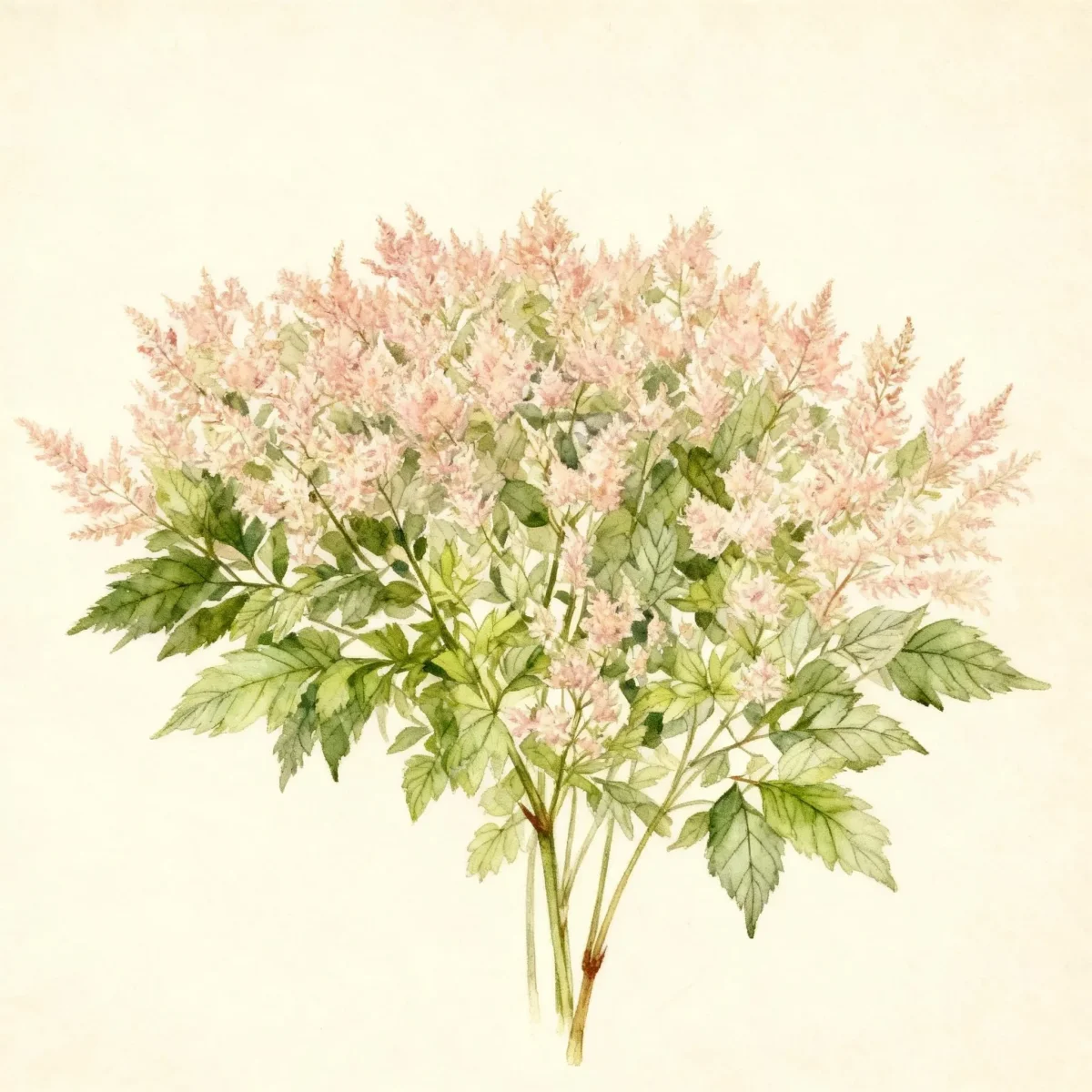
Astilbe (Astilbe 'Burgunderrot' BURGUNDY RED)
Astilbe 'Burgunderrot' BURGUNDY RED provides stunning, long-lasting burgundy red plumes in shade gardens. Low maintenance perennial for USDA Zones 4-8.
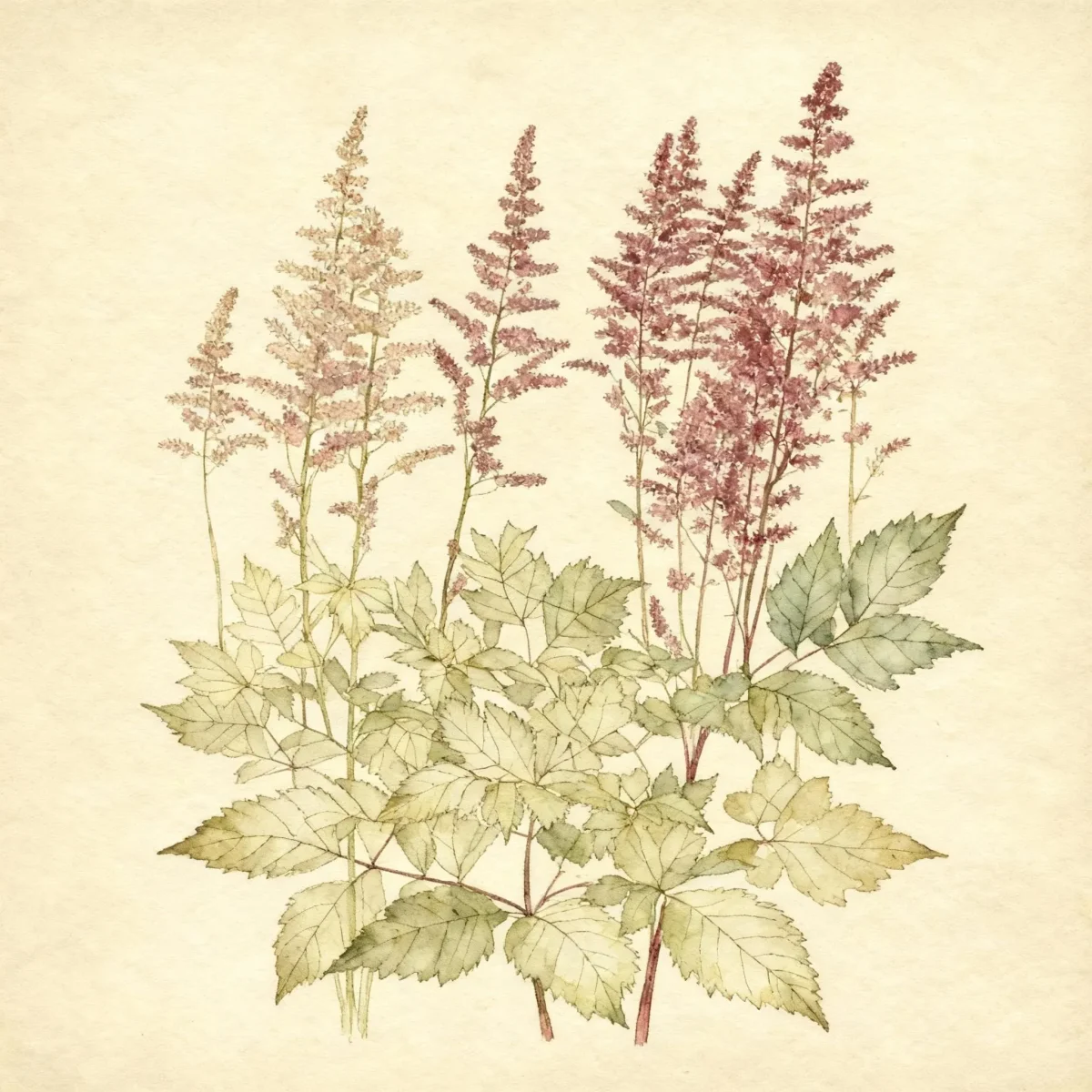

Bloom Boldly, No Matter the Season - Sweatshirt
Cozy organic cotton sweatshirt featuring our exclusive Purple Coneflower design. Perfect for gardeners who bloom year-round.
Inspired by the beautiful Astilbe
Limited first batch (50) — join the waitlist for early access
Waitlist closes Feb 15, 2026.
Complete Plant Information
Field Guide Continues
Ready for care notes, companion picks, and planting tips?
The map is just the start. The full guide below covers growth habits, seasonal performance, and landscape uses.
Overview
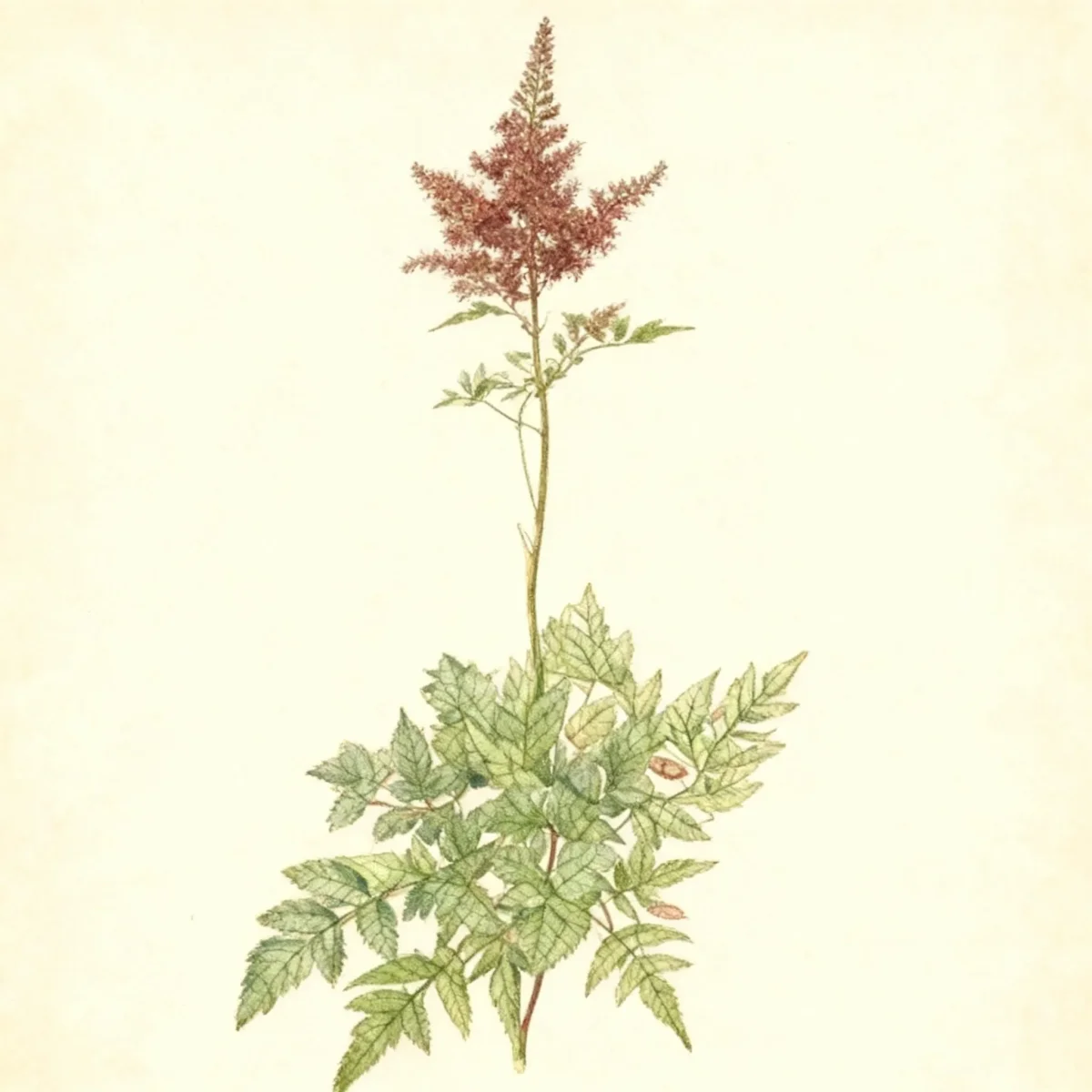
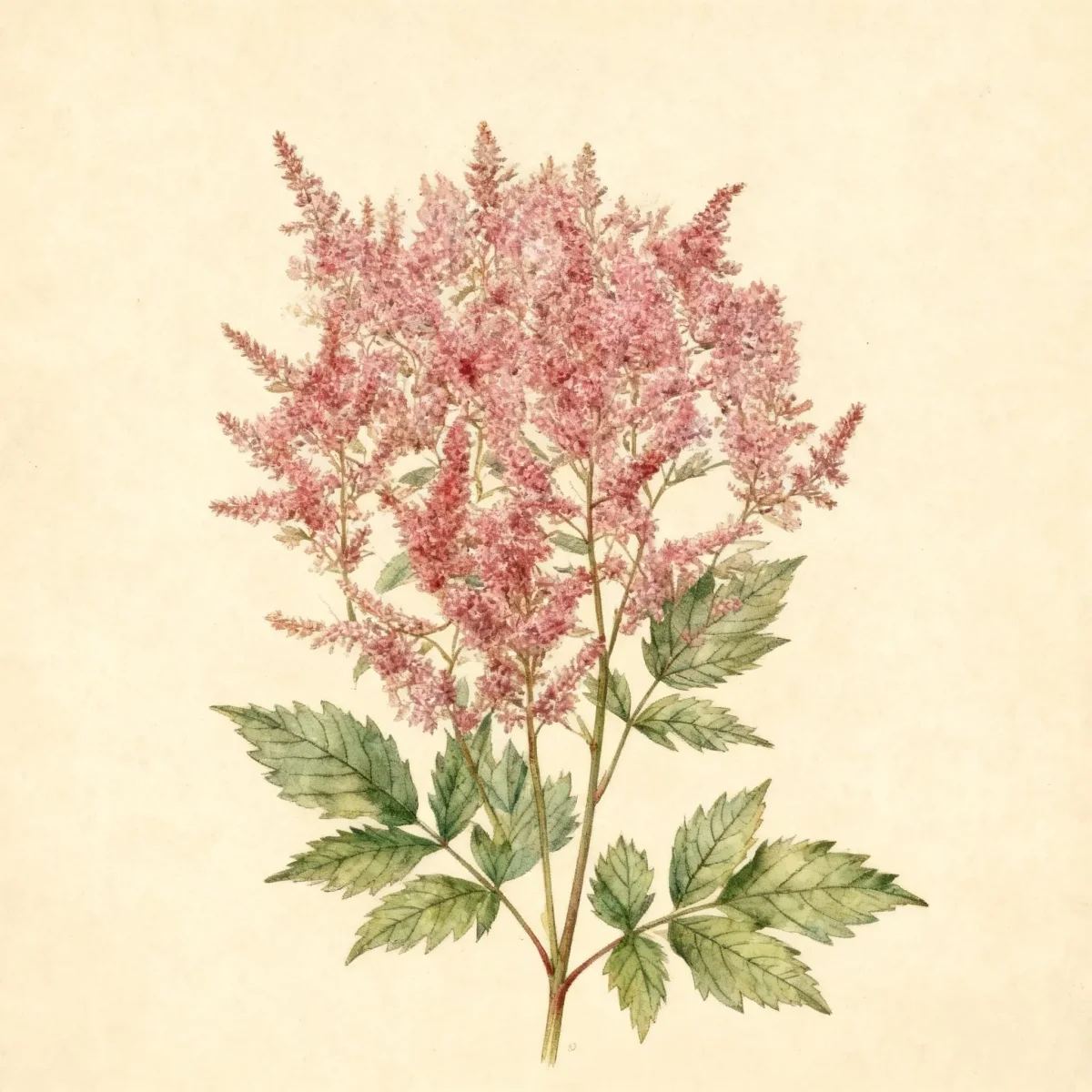
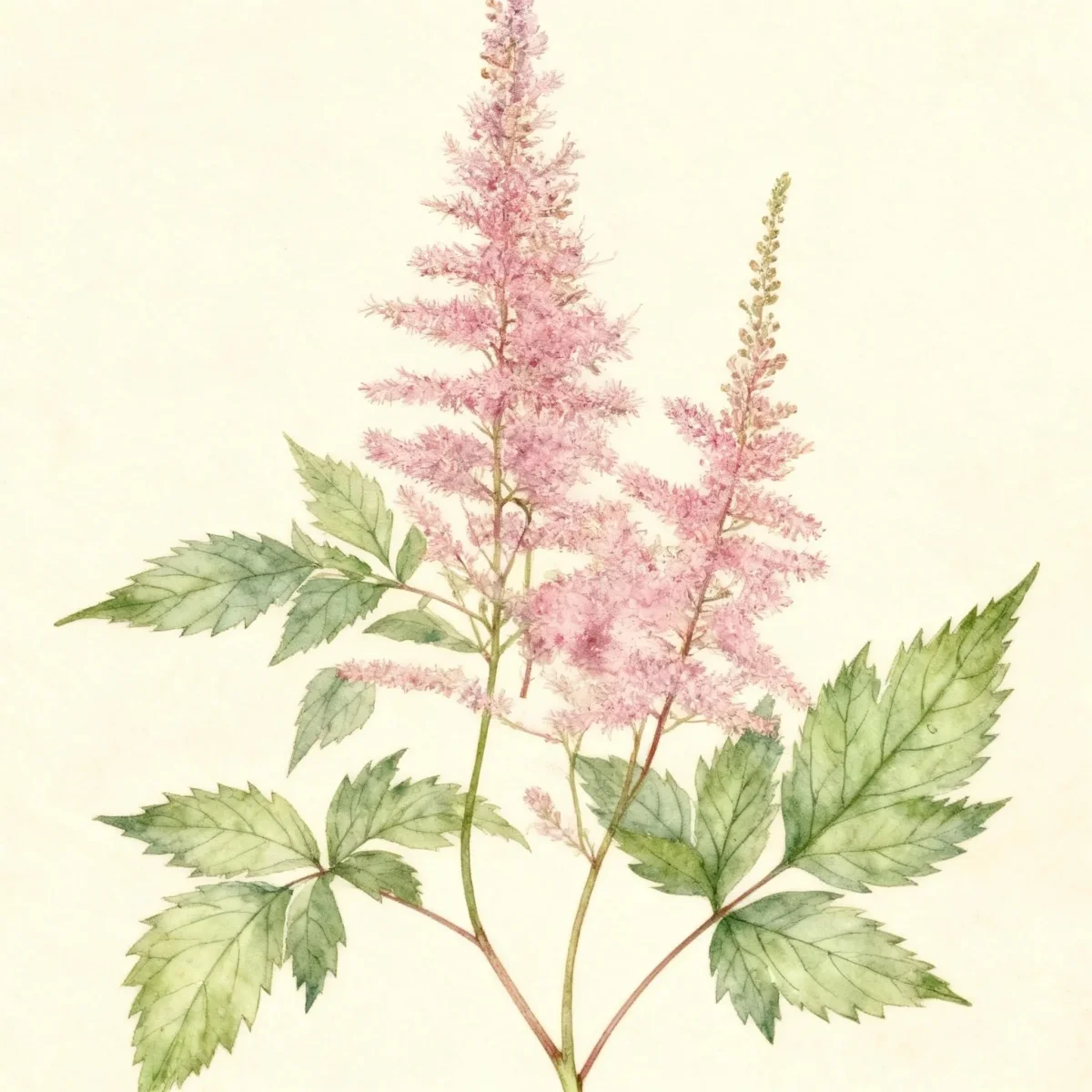
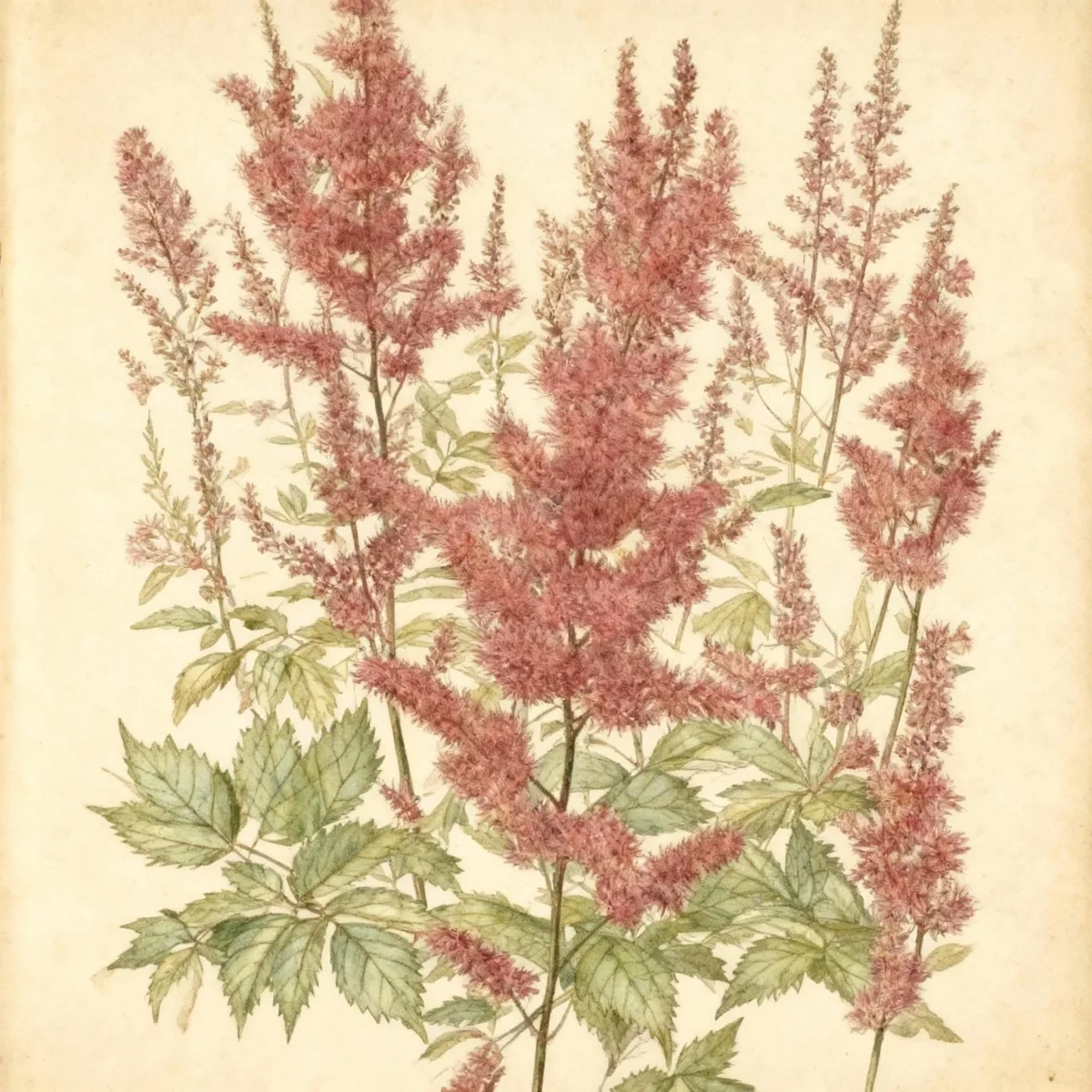
Astilbe ‘Burgunderrot’ BURGUNDY RED is a prized herbaceous perennial celebrated for its vibrant, plume-like flower spikes that bring essential color to shaded garden areas. This specific cultivar offers rich burgundy red blooms rising above graceful, fern-like foliage, providing excellent texture contrast where many other plants fail to thrive. Gardeners value this Astilbe for its low maintenance requirements and its spectacular mid-season display.
This desirable variety belongs to the genus Astilbe, known for clump-forming habits and reliability in deeply shaded spots. Astilbe ‘Burgunderrot’ BURGUNDY RED thrives when provided consistently moist soil, ensuring its foliage remains crisp and attractive throughout the summer heat, a crucial detail for maintaining its best appearance. It is an excellent choice for woodland gardens, adding vertical interest and rich color without demanding high levels of care.
Functionally, Astilbe ‘Burgunderrot’ BURGUNDY RED serves well as an edging plant or in mass plantings within foundation beds. Its tolerance for heavy shade and resistance to common pests like deer and rabbits make it a robust and reliable performer in challenging landscape situations where structure and color are needed.
Fast Facts
- Plant Family: Saxifragaceae
- Plant Type: Herbaceous perennial
- Hardiness Zones: USDA Zones 4-8
- Size at Maturity:
- Height: 1.5-2 ft
- Spread: 1-1.5 ft
- Bloom Time: June to July
- Bloom Description: Burgundy red
- Sun Exposure: Part shade to full shade
- Water Needs: Medium
- Maintenance Level: Low
How to Grow
For optimal growth, plant Astilbe in the spring or fall, ensuring the location receives part shade to full shade conditions. The key to success with Astilbe ‘Burgunderrot’ BURGUNDY RED, like all Astilbes, is rich, humusy soil that drains well but remains consistently moist. Incorporate ample organic matter before planting to improve water retention and fertility.
Watering is critical; these plants should never be allowed to dry out, especially during hot spells, as drought causes foliage decline. An annual summer compost mulch is highly recommended to help lock moisture into the root zone throughout the growing season. While fertilizing is often unnecessary in rich soil, a light application of balanced fertilizer in spring can support robust growth.
Maintenance for this Astilbe is generally minimal. While removing faded flower stalks can tidy the appearance if you prefer a cleaner look, many gardeners leave the dried seed heads standing for winter interest before cutting them back in early spring. To maintain vigor, divide overcrowded clumps every three to four years, ideally when you notice diminished blooming performance.
Landscape Uses
Astilbe ‘Burgunderrot’ BURGUNDY RED excels in creating structure and deep color in low-light spaces. It is ideally suited for mass planting in woodland gardens, softening shaded border fronts, and defining the edges of cottage gardens. Consider grouping several plants together to maximize the impact of the dense, burgundy red plumes against the contrasting glossy green foliage.
This perennial also works exceptionally well at stabilizing banks near ponds or stream edges where consistent moisture is naturally supplied. Furthermore, Astilbe provides excellent groundwork beneath taller, deciduous trees, adding reliable texture where turfgrass struggles due to heavy shade. Its compact stature makes it an effective edging plant or a specimen near shaded walkways.
Standout Features
Flower Qualities
- Showy
Noteworthy Characteristics
Astilbe is a genus of around 20 species of clump-forming, herbaceous perennials native to eastern Asia and eastern North America. Plants are characterized by graceful, fern-like mounds of mostly basal, 2-3 ternately compound leaves, usually with sharply-toothed leaflets, and tiny flowers densely packed into erect to arching, plume-like flower panicles rising above the foliage on slender, upright stems. BURGUNDY RED is a compact, upright astilbe that features plumes of tiny burgundy red flowers in late spring to early summer on reddish stems rising well above a mound of mostly basal, bi-ternate compound glossy deep green leaves. Flower stems typically rise to 24” tall.
Tolerances
- Rabbit
- Deer
- Heavy Shade
- Black Walnut
Potential Problems
The primary concern when growing Astilbe is managing moisture levels during summer. Foliage decline, characterized by browning leaf margins, frequently occurs if soils are allowed to dry out during hot or extended dry periods; consistent medium watering prevents this. While relatively disease-resistant, powdery mildew and wilt can occasionally manifest if air circulation is poor or humidity is too high. Occasionally, Japanese beetles may sample the leaves, though deer and rabbits tend to avoid this clump-forming Astilbe entirely.
Frequently Asked Questions
What hardiness zones is Astilbe suitable for?
Astilbe ‘Burgunderrot’ BURGUNDY RED is reliably hardy across USDA Zones 4 through 8.
How large does Astilbe grow?
This variety typically achieves a mature height between 1.5 to 2 feet tall, spreading to about 1 to 1.5 feet wide.
When does Astilbe bloom?
Astilbe ‘Burgunderrot’ BURGUNDY RED produces its striking burgundy red flower clusters from June into July.
What sun exposure does Astilbe need?
This perennial performs best when sited in part shade to full shade locations, mimicking its native woodland environment.
Conclusion
The Astilbe genus offers unmatched elegance for deep shade gardens, and the Astilbe ‘Burgunderrot’ BURGUNDY RED variety delivers rich burgundy red color with dependable, low maintenance success. Its tolerance for tough conditions like heavy shade and black walnut root competition makes this clump-forming perennial extremely valuable for landscape designers. Confirm your local USDA zone compatibility before planting this season to ensure your Astilbe thrives.
Companion Planting for Shade Gardens
When designing your shade garden around Astilbe ‘Burgunderrot’ BURGUNDY RED, prioritize companions that share its love for consistent moisture and organic-rich soil. Hostas provide excellent textural contrast with their broad, often variegated leaves set against the fine texture of the Astilbe foliage. Ferns look natural alongside Astilbe, reinforcing the woodland aesthetic, especially varieties like Japanese Painted Ferns which offer silvery accents. For continued bloom after the Astilbe finishes in July, consider planting shade lovers like Toad Lilies (Tricyrtis) or perennial Impatiens that thrive in similar moisture regimes.
Seasonal Care Calendar for Astilbe
Successful care for your Astilbe centers around moisture management year-round. In early spring, before new growth emerges, apply a fresh layer of composted mulch to help retain water throughout the coming summer months. As summer begins, monitor watering closely; if you see the edges of the leaves turning crisp, increase the input immediately to refresh the foliage of your Astilbe. In late fall or early winter, after the flower plumes have dried, you can choose to cut the entire clump back to the ground primarily for a neater appearance or leave the dried stalks standing for winter structure and seed head interest.