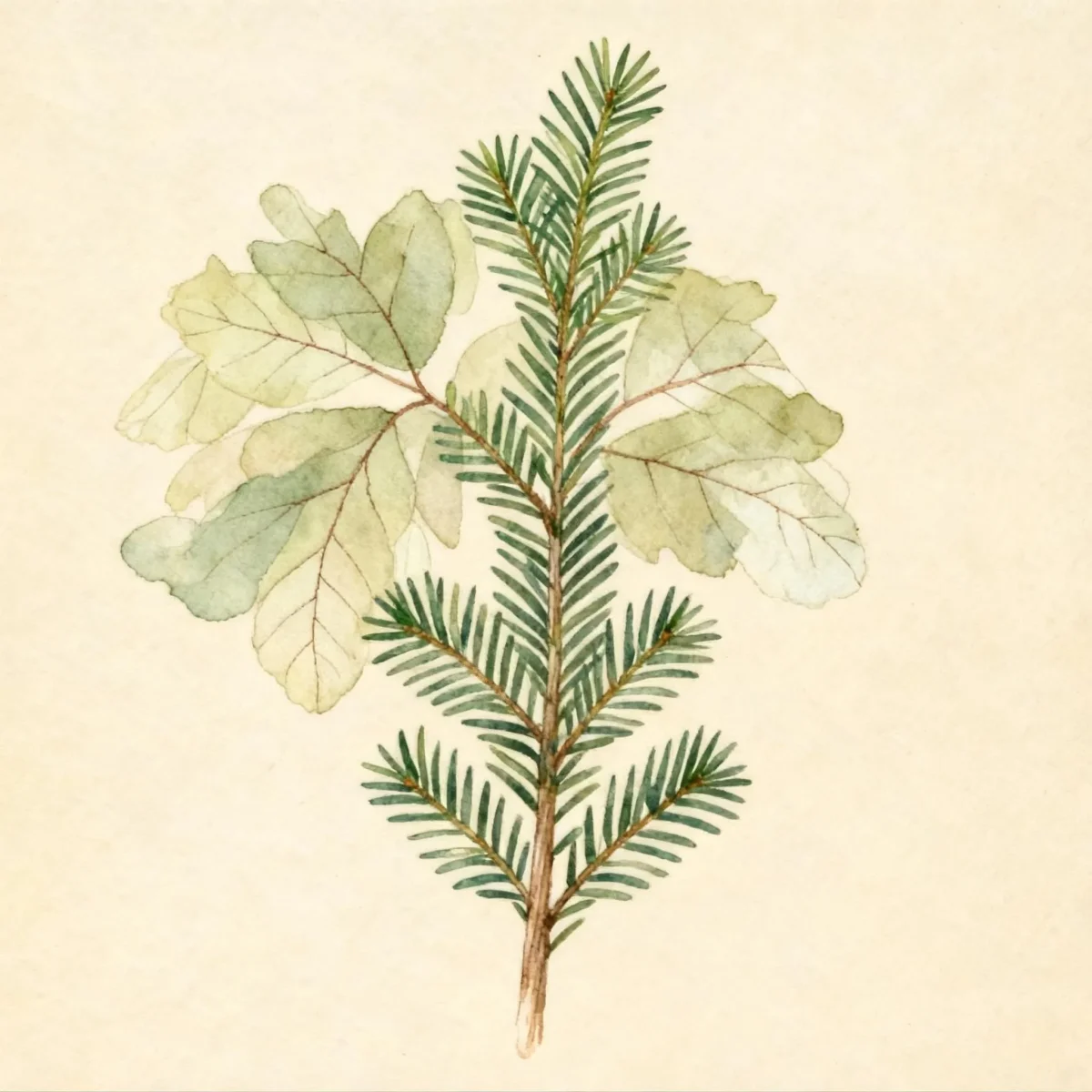
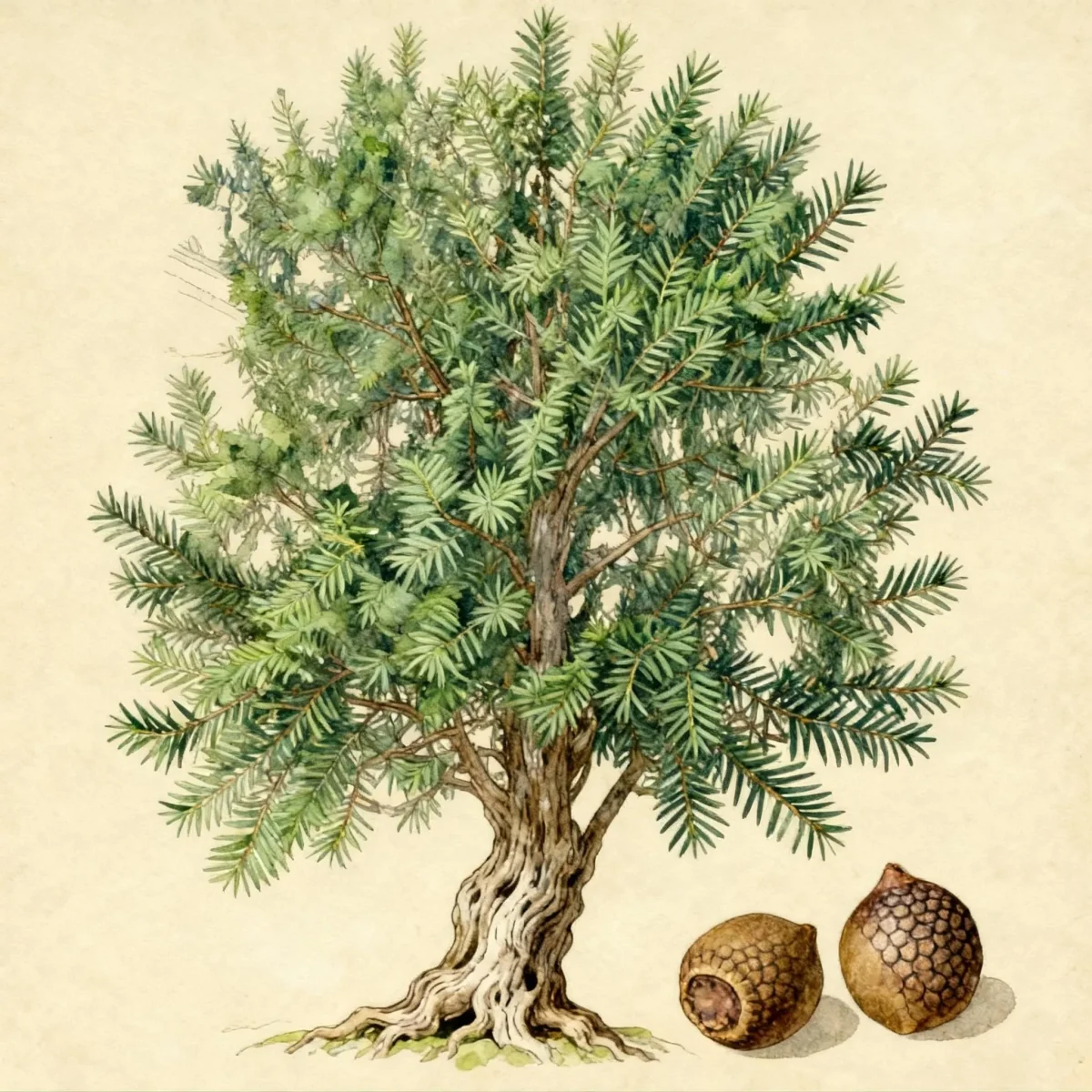
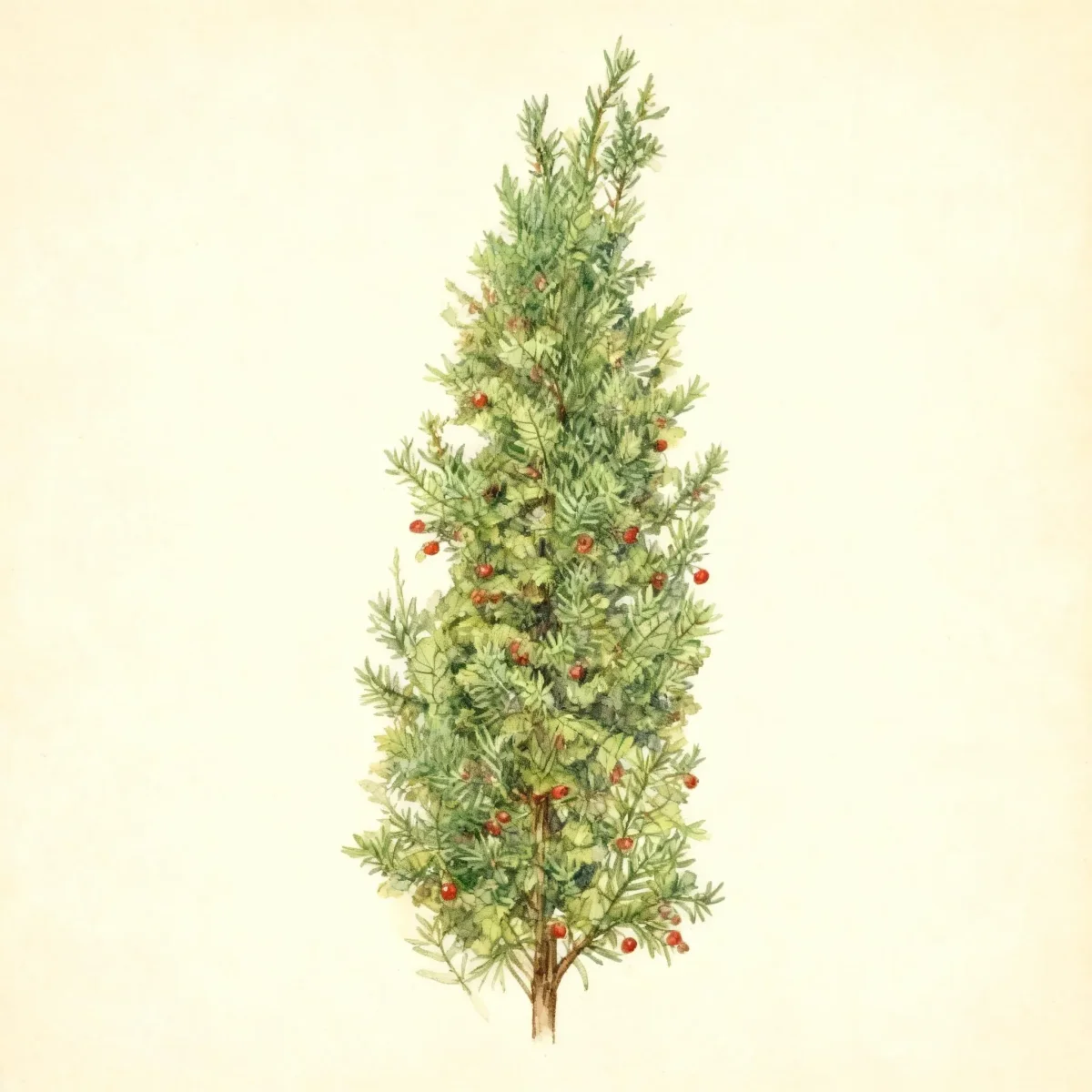
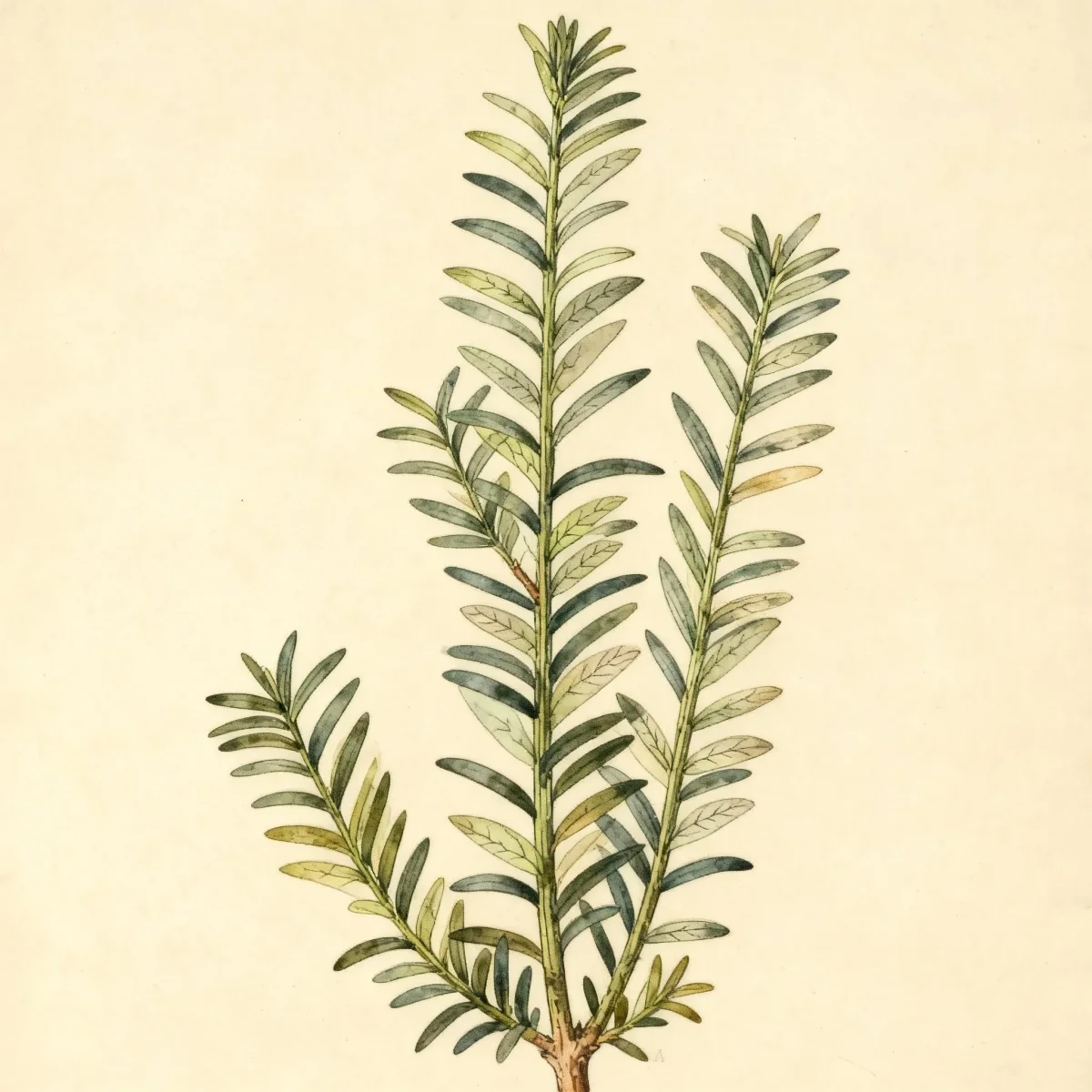
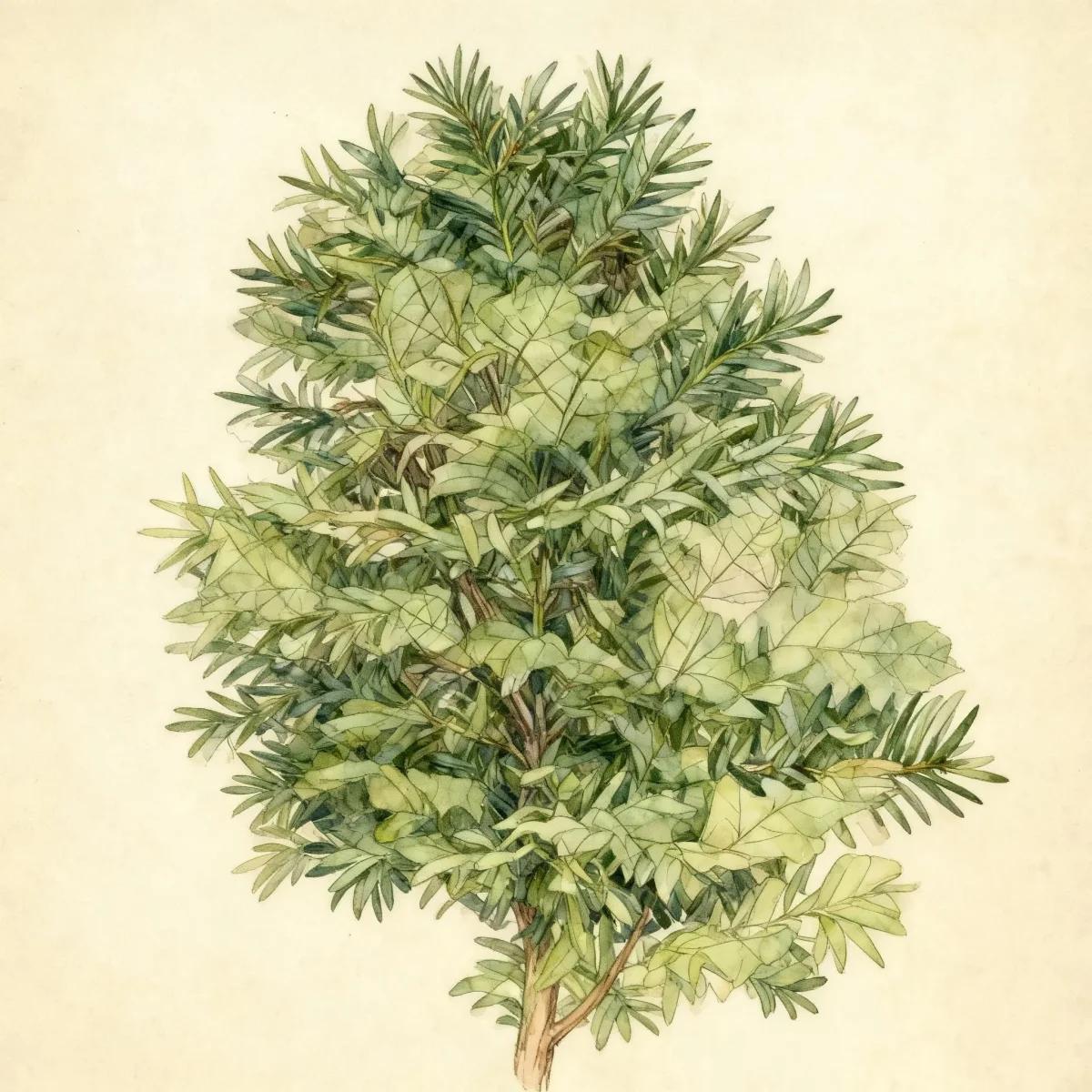
English yew (Taxus baccata 'Watnong Gold')
Taxus baccata 'Watnong Gold' is a low, spreading English yew prized for its bright yellow needles, perfect for small gardens.
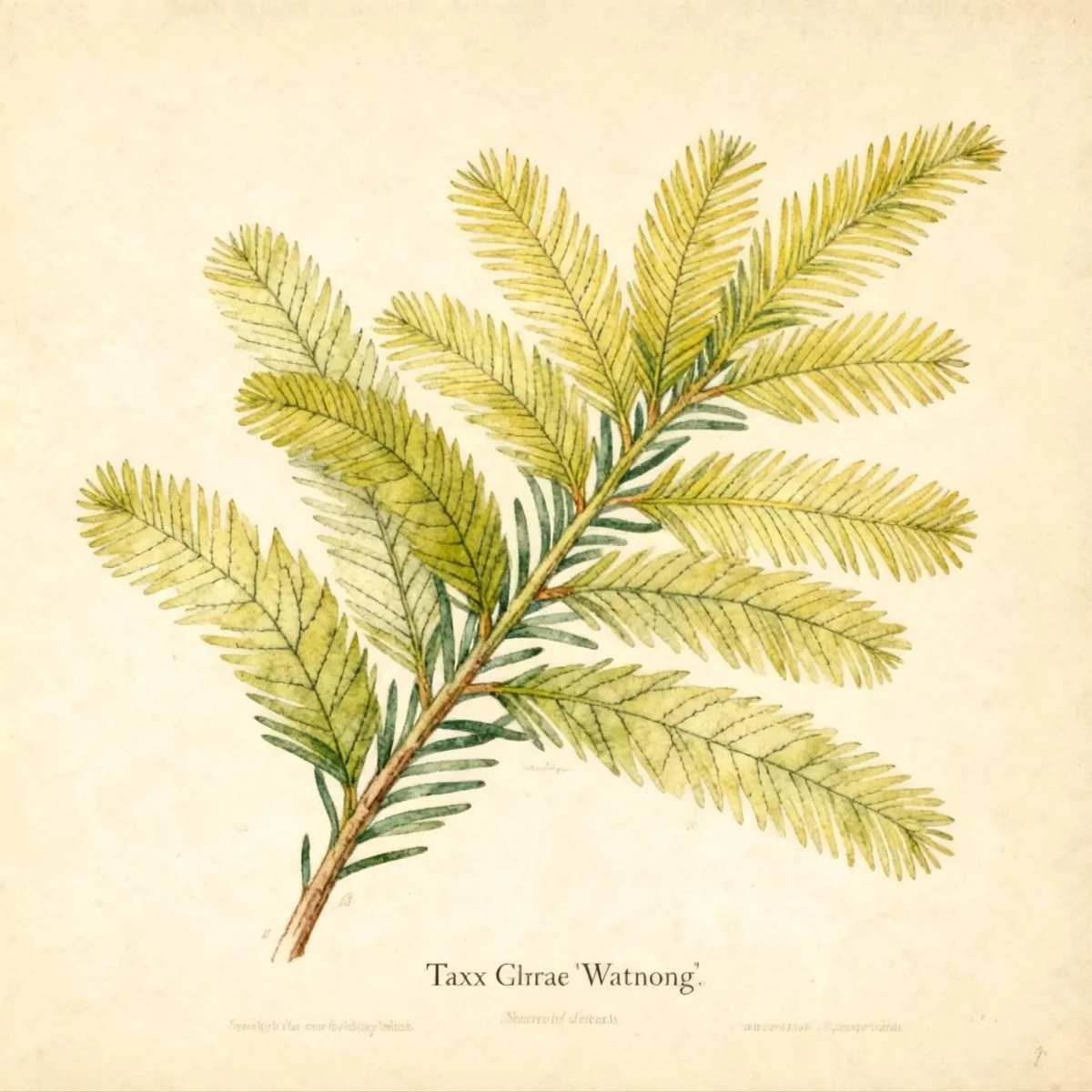

Bloom Boldly, No Matter the Season - Sweatshirt
Cozy organic cotton sweatshirt featuring our exclusive Purple Coneflower design. Perfect for gardeners who bloom year-round.
Inspired by the beautiful English yew
Limited first batch (50) — join the waitlist for early access
Waitlist closes Feb 15, 2026.
Complete Plant Information
Field Guide Continues
Ready for care notes, companion picks, and planting tips?
The map is just the start. The full guide below covers growth habits, seasonal performance, and landscape uses.
Overview
The Taxus baccata ‘Watnong Gold’, often referred to as the English yew, is a treasured slow-growing conifer valued for its compact, broad-spreading habit and striking golden foliage. This cultivar provides exceptional year-round color, especially when sited where it receives sufficient light to enhance the yellow tones. While the species can mature into a large tree, the ‘Watnong Gold’ selection remains manageable, typically reaching only 3 to 4 feet high with a spread of 4 to 5 feet over many years.
As a needled evergreen, this plant offers year-round structure and texture contrast in the landscape. It requires relatively low maintenance once established, making it an excellent choice for gardeners seeking reliable, attractive evergreen structure without demanding constant attention. Though it possesses the deep green heritage of the common yew, the unique coloring of Taxus baccata ‘Watnong Gold’ sets it apart as a standout specimen.
Gardeners appreciate cultivars like Taxus baccata ‘Watnong Gold’ for their adaptability to pruning and their tolerance for shade, though the best yellow color intensifies in brighter light conditions. Utilizing this cultivar allows for the introduction of soft, fine texture near foundations, rockeries, or as low, spreading accents in mixed borders.
Fast Facts
- Plant Family: Taxaceae
- Plant Type: Needled evergreen
- Hardiness Zones: USDA Zones 6-7
- Size at Maturity:
- Height: 3-4 ft
- Spread: 4-5 ft
- Bloom Time: Non-flowering
- Bloom Description: Non-flowering
- Sun Exposure: Full sun to part shade
- Water Needs: Medium
- Maintenance Level: Low
How to Grow
The English yew thrives best when planted in an evenly moist, fertile, sandy loam that guarantees excellent drainage. While the plant prefers full sun to achieve its most vibrant yellow foliage color, Taxus baccata ‘Watnong Gold’ is notably tolerant of partial or even significant deep shade. Be highly critical of drainage; this plant absolutely cannot tolerate poorly-drained soils, which rapidly lead to root rot issues.
Water needs are categorized as medium. Ensure consistent moisture, particularly during establishment and through dry summer periods. Fertilization is rarely necessary if the planting soil is fertile, but a balanced, slow-release fertilizer applied in early spring can support strong growth. Consider sheltering Taxus baccata ‘Watnong Gold’ from harsh winter winds, as it can suffer from winter burn where temperatures dip extremely low or winds are persistent.
Pruning is a strength of this cultivar; it is easy to shape and responds very well to shearing or selective removal of branches to maintain density or size. The best time for major pruning is usually in early spring before the new flush of growth begins, though light shaping can occur throughout the growing season. If you observe greenish-yellow instead of gold foliage, this usually signals the plant is receiving too much shade; consider moving it to a sunnier spot to boost pigmentation.
Landscape Uses
As an excellent spreading yellow-needled cultivar, Taxus baccata ‘Watnong Gold’ excels in precise landscape applications where low stature and bright color are required. Its compact size makes it superb for edging walkways, softening the harsh lines of foundations, or acting as a striking specimen plant in a small garden setting. The dense, spreading habit also makes it a reliable component in rock gardens, allowing the bright foliage to cascade slightly over stone features.
This cultivar pairs beautifully with plants that offer strong textural or color variation. Consider planting it alongside darker green conifers or broadleaf evergreens that contrast sharply with its yellow needles. It works well in shaded woodland borders beneath taller deciduous or evergreen trees that provide dappled sunlight.
Due to its low profile, avoid placing it directly behind taller shrubs; instead, use the English yew as a foreground element. Its low maintenance level ensures that once established, these accents will require minimal input while providing maximum year-round visual appeal in the landscape design.
Standout Features
Noteworthy Characteristics
Taxus baccata, commonly known as English yew or common yew, is traditionally a long-lived, evergreen tree, but the ‘Watnong Gold’ is a selection characterized by its broad-spreading, low-growing habit, reaching about 3 feet tall and 4 feet wide in a decade. Typically dioecious, female plants produce distinctive berry-like cones enclosed in a fleshy red structure called an aril, contrasting beautifully with the lustrous, flat, dark green needles characteristic of the species. This specific cultivar, sourced from the Watnong Arboretum in New Jersey, provides this classic structure with highly desirable yellow variegation.
Tolerances
- Susceptible to winter burn from exposure to extreme cold and/or dry winter winds, particularly in exposed sites.
- Tolerant of full shade.
- Tolerant of a wide variety of soils (except poorly-drained ones).
Potential Problems
The primary challenge for the English yew relates to site selection, particularly concerning winter exposure. Susceptible to winter burn where extreme cold or dry winter winds impact the foliage, gardeners should prioritize planting Taxus baccata ‘Watnong Gold’ in sheltered spots. Good air circulation is necessary, as poor air movement or overly wet conditions can encourage fungal issues.
Fungal diseases present lower risks but should be monitored; twig blights and needle blights occasionally appear, often exacerbated by damp, crowded conditions. To mitigate this, ensure proper spacing between plants and avoid overhead watering late in the day. Root rot is a critical concern and signals poor soil drainage; if this occurs, the problem is structural and will require replanting.
Pest management is typically simple, focusing on inspecting for common scale insects, mealybugs, and vine weevils. These pests rarely cause structural damage but can detract from the foliage appeal. Routine inspection, especially underneath the needles of the Taxus baccata ‘Watnong Gold’, allows for prompt treatment if infestations are noted.
Frequently Asked Questions
What hardiness zones is English yew suitable for?
Taxus baccata ‘Watnong Gold’ is reliably hardy in USDA Zones 6 through 7, though sheltered locations are recommended in the colder end of this range.
How large does English yew grow?
This specific cultivar, Taxus baccata ‘Watnong Gold’, typically matures to a height between 3 and 4 feet, spreading 4 to 5 feet wide.
What sun exposure does English yew need?
It performs well in full sun to part shade, but for the brightest gold coloration on its needles, full sun exposure is preferred whenever combined with adequate moisture.
When does English yew bloom?
This conifer is non-flowering, meaning it does not produce traditional flowers, though female plants bear distinctive red, berry-like structures called arils.
Conclusion
The Taxus baccata ‘Watnong Gold’ offers unparalleled year-round color and refined texture in a manageable size, making it an excellent investment for low-maintenance landscape design. Its striking yellow needles ensure this English yew remains photogenic through all seasons. Before planting, confirm your site falls within USDA Zones 6-7 and verify your soil provides the necessary excellent drainage for long-term success.
Companion Planting
When integrating Taxus baccata ‘Watnong Gold’ into a design, selecting companions based on contrasting texture and light tolerance ensures the best visual impact. Because this yew tolerates shade, pairing it with woodland edge plants that appreciate consistent moisture can create depth. Consider using Hosta varieties with blue or strongly variegated foliage to highlight the bright yellow of the yew.
For sunnier spots, consider pairing the low, spreading habit of the English yew with upright, fine-textured plants like certain globe or columnar varieties of Juniper or Chamaecyparis. The maturity rate difference is important here; since the Taxus baccata ‘Watnong Gold’ is slow growing, select companions that will not rapidly outgrow and shade it out in the initial years.
Seasonal Care Calendar
Spring is the prime time to assess winter damage and perform any necessary corrective pruning on your Taxus baccata ‘Watnong Gold’. Lightly shear any erratic growth immediately following the emergence of new spring growth to maintain its dense form. During mid-summer droughts, confirm the plant is receiving medium levels of water, as the foliage color can dull quickly under prolonged stress.
Watering requirements remain medium throughout the growing cycle, but critical attention must be paid in autumn. Before the ground freezes solid, ensure the plants have a deep, thorough soaking. This practice helps mitigate the risk of winter burn, as hydrated needles are less susceptible to dehydration damage from cold, dry winter winds battering the English yew.