American arborvitae(Thuja occidentalis 'Danica')
Grow Danica dwarf globe arborvitae (Thuja occidentalis 'Danica'): natural 2 ft evergreen sphere, zero shearing needed, extreme cold hardiness, USDA zones 3–7.
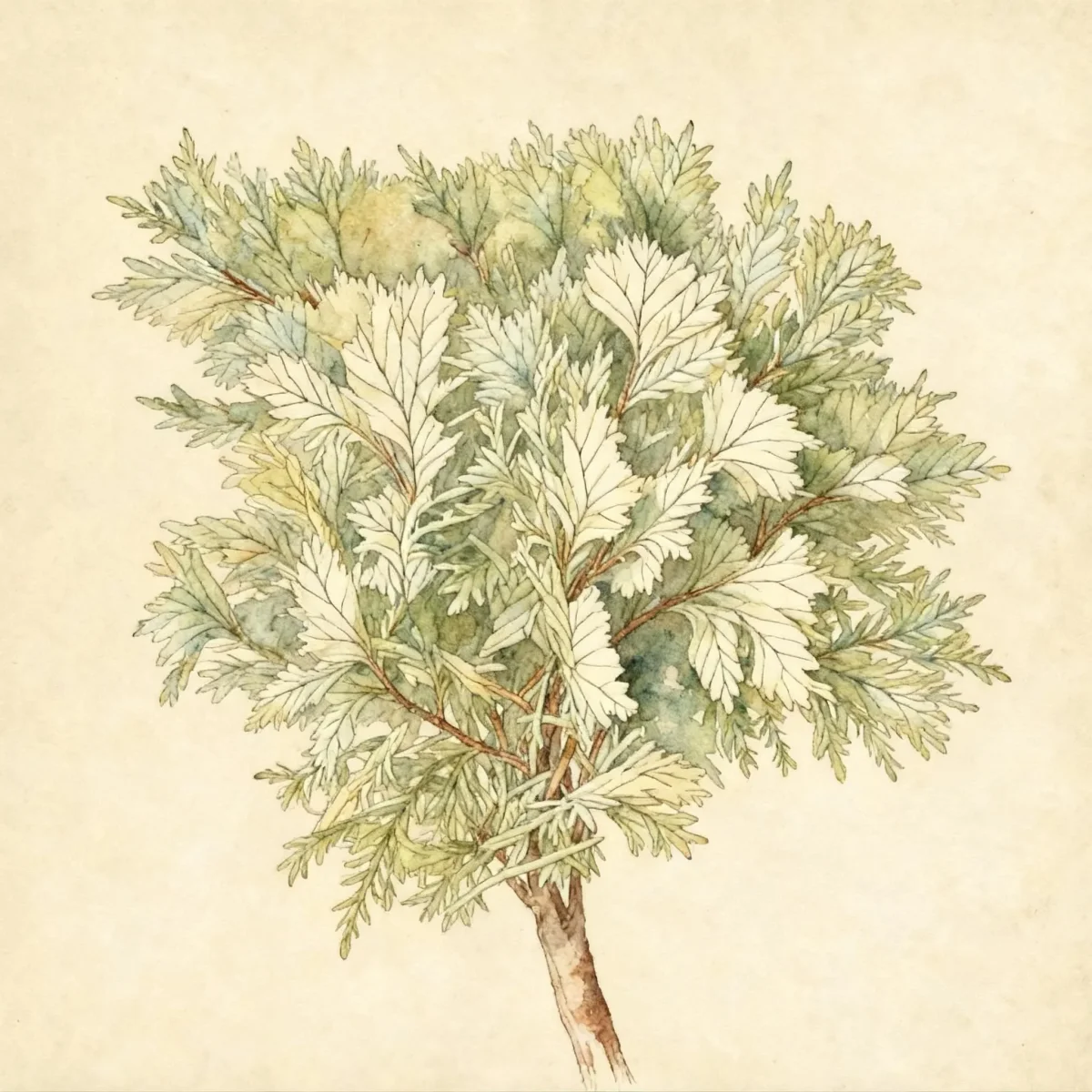
Complete Plant Information
- Hardiness zones
- USDA 3–7
- Plant type
- Needled evergreen
- Plant family
- Cupressaceae
- Sun exposure
- Full sun to part shade
- Water needs
- Medium
- Maintenance
- Low
- Height
- 1.5–2 ft (46–61 cm)
- Spread
- 1.5–2 ft (46–61 cm)
- Bloom time
- Non-flowering
- Flower color
- Non-flowering gymnosperm; small upright cones rarely produced on dwarf specimens
- Flower qualities
- Insignificant
- Fruit qualities
- Not recorded
- Tolerances
- Clay Soil, Black Walnut, Air Pollution, Cold Exposure
- Garden uses
- Formal globe edging, rock garden, foundation corner, patio container, low knot garden
- Native range
- Eastern North America (cultivar selected in Denmark, 1948)
Field Guide Continues
Ready for care notes, companion picks, and planting tips?
The map is just the start. The full guide below covers growth habits, seasonal performance, and landscape uses.
Overview
Danica dwarf globe arborvitae (Thuja occidentalis ‘Danica’) is a slow-growing, naturally spherical miniature conifer hardy in USDA Zones 3 through 7, holder of the Royal Horticultural Society’s Award of Garden Merit. Selected in Denmark in 1948 by nurseryman Jensen, it is celebrated for its tight, self-contained architecture: growing only 1 to 2 inches per year, it forms a dense, symmetrical evergreen sphere 1.5 to 2 feet tall and wide without requiring any clipping or shearing. Clothed in bright emerald-green, fan-shaped vertical foliage sprays that soften to deep blue-green in winter, ‘Danica’ provides formal geometry in rockeries, border edgings, and entryway planters.
It naturally withstands subzero temperatures down to -40°F (-40°C), making it a bulletproof evergreen for cold northern gardens.
How to Grow
- Hardiness & Climate: USDA Zones 3 through 7. Thrives in cool, temperate summers with steady atmospheric moisture. Performs poorly in the hot, humid Southeast (Zones 8 and 9), where high summer temperatures and night heat cause internal foliage dieback.
- Sunlight: Full sun to partial shade. Minimum 6 hours of direct sun ensures dense outer foliage and prevents thinning.
- Soil & Moisture: Prefers moist, fertile, organically rich loams with neutral to slightly alkaline pH (6.5 to 7.5). Intolerant of severe drought; provide steady irrigation during summer dry spells.
- Winter Wind Protection: While cold-hardy, desiccating winter winds and direct winter afternoon sun can cause foliage tips to brown; shelter from prevailing winter winds in exposed sites.
Landscape Uses
- Formal Low Edging Ribbon: Spaced 18 inches apart on center, spheres form a neat, scalloped green hedge that never requires shearing.
- Entryway Container Spheres: Fits into decorative frost-proof containers to frame front doorways and garden steps.
- Rock Garden Anchor: Sited among granite stones and low alpine perennials to provide permanent winter green structure.
Potential Problems
- Deer Browsing: Like all Thuja occidentalis, foliage is palatable to white-tailed deer; protect with netting or repellents in areas with high deer populations.
- Drought Stress: Shallow roots dry out quickly during hot summer droughts; mulch heavily with organic bark.
- Summer Dieback in the Deep South: Fails south of Zone 7 due to intense summer heat and high humidity.
Frequently Asked Questions
Does ‘Danica’ arborvitae need to be trimmed into a ball?
No. ‘Danica’ is genetically dwarf and naturally forms a tight, dense sphere without any shearing or clipping.
How fast does ‘Danica’ grow?
It is very slow-growing, adding only 1 to 2 inches per year. It takes 10 to 15 years to reach its mature size of 1.5 to 2 feet in diameter.
Does the foliage turn brown in winter?
No. Unlike older arborvitae varieties that bronze heavily, ‘Danica’ retains its rich emerald-to-blue-green color through freezing northern winters.
Companion Plants
Pair Danica dwarf globe arborvitae with flowering perennials and shrubs that contrast with its formal spherical habit:
- Perennial Color Partners: Plant alongside purple coneflowers (Echinacea), Russian sage (Salvia yangii), or catmint (Nepeta).
- Deciduous Flowering Shrubs: Combine with dwarf spirea, roses, or hydrangeas.
- Contrasting Foliage Textures: Underplant with creeping thyme, sedums, or maidenhair ferns in partial shade.
Sources & Lineage
- Missouri Botanical Garden PlantFinder: Record taxon 267837 (Thuja occidentalis ‘Danica’) — Danish origin (1948), growth rate, and dimensions.
- Kew Plants of the World Online (POWO): Thuja occidentalis L. (POWO: 263956-1) — species taxonomy, family (Cupressaceae), and native range.
- Royal Horticultural Society (RHS): Thuja occidentalis ‘Danica’ AGM Profile — Award of Garden Merit evaluation and dwarf conifer garden trials.
Recommended Companion Plants
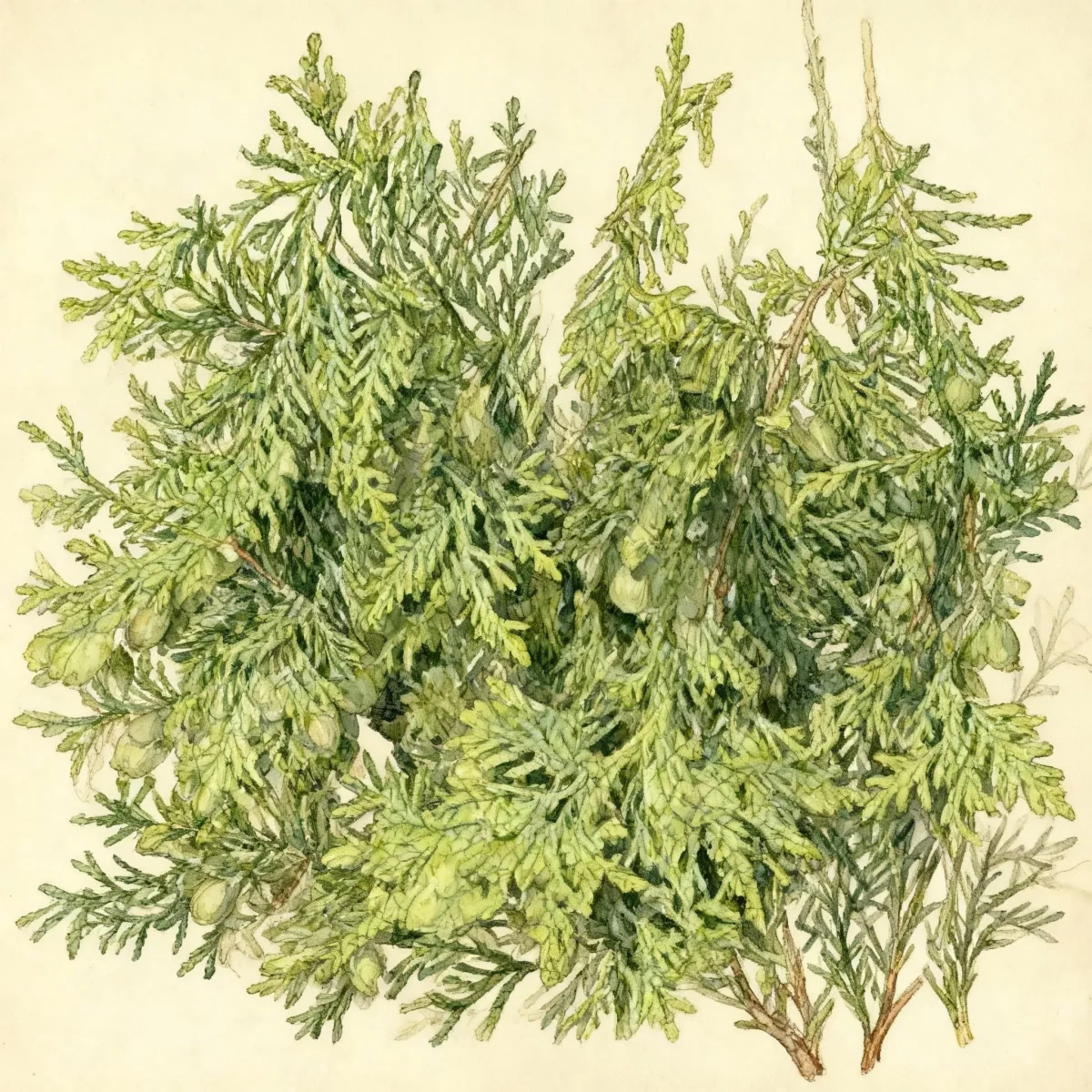
American arborvitae
Thuja occidentalis 'Dark Green'
- USDA zones
- 3–7
- Light
- Full sun to part shade
- Water
- Medium
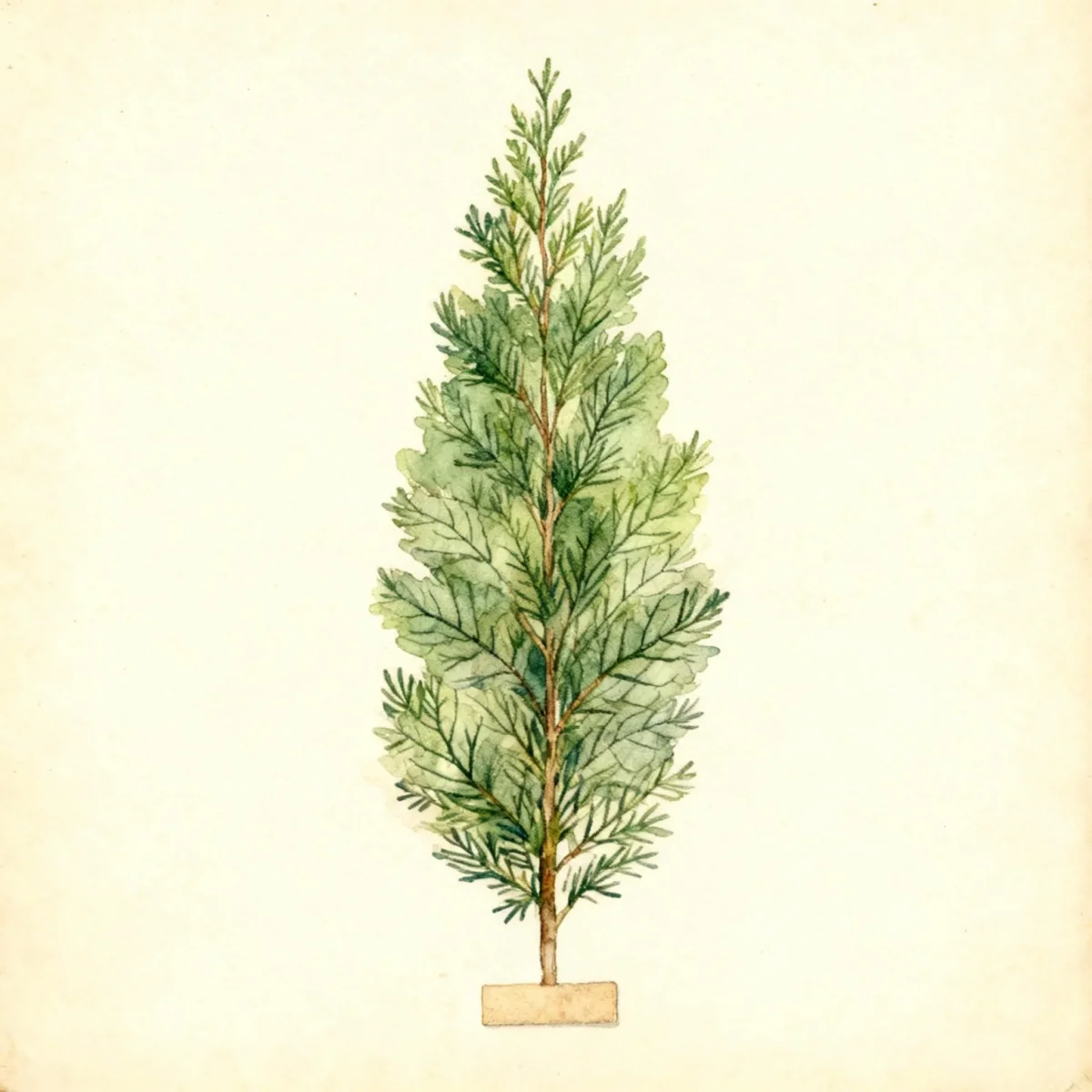
American arborvitae
Thuja occidentalis 'Degroot's Spire'
- USDA zones
- 2–7
- Light
- Full sun to part shade
- Water
- Medium
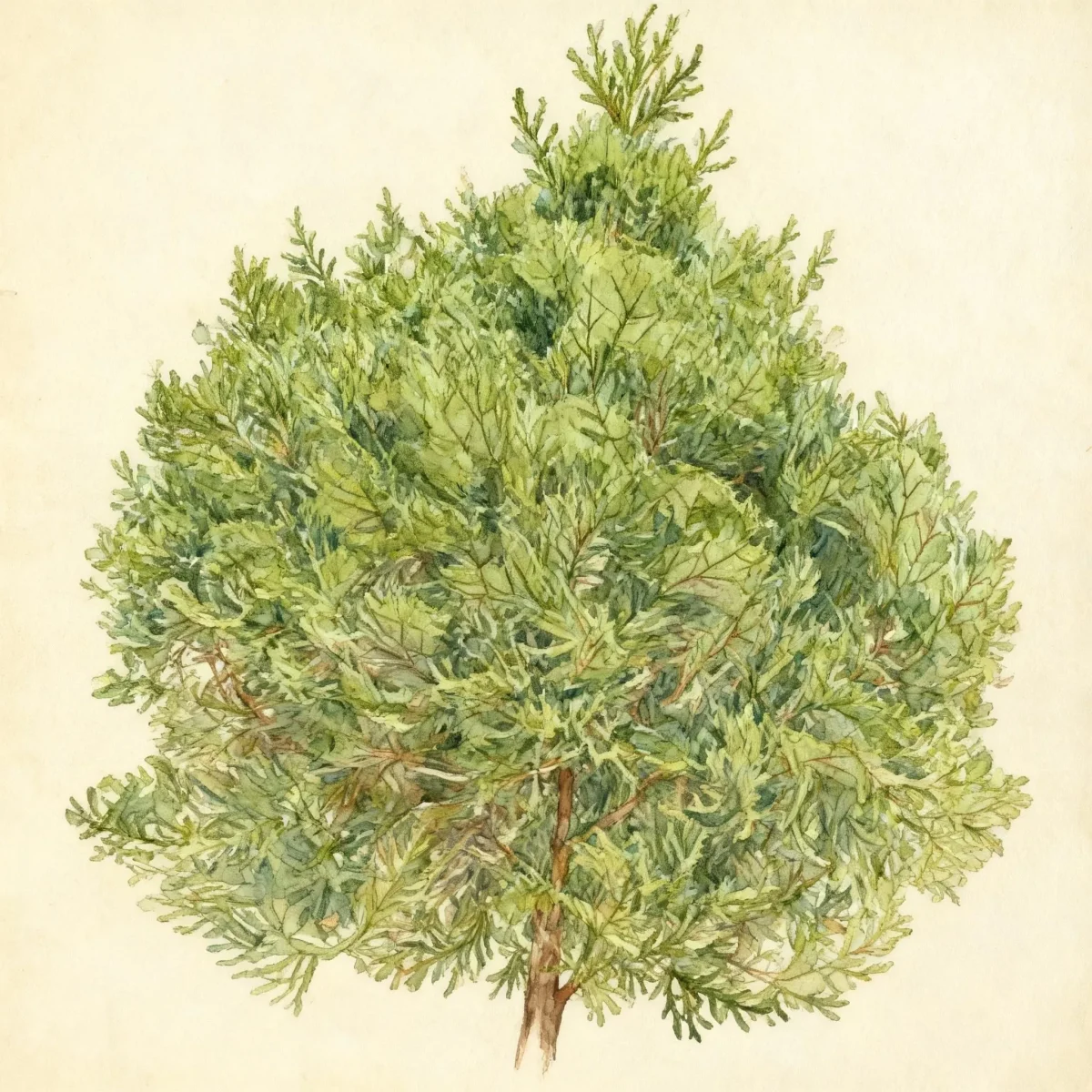
American arborvitae
Thuja occidentalis 'Ericoides'
- USDA zones
- 2–7
- Light
- Full sun to part shade
- Water
- Medium
American arborvitae
Thuja occidentalis 'Filiformis'
- USDA zones
- 2–7
- Light
- Full sun to part shade
- Water
- Medium
American arborvitae
Thuja occidentalis 'Golden Globe'
- USDA zones
- 2–8
- Light
- Full sun to part shade
- Water
- Medium
American arborvitae
Thuja occidentalis 'Hetz Midget'
- USDA zones
- 2–7
- Light
- Full sun to part shade
- Water
- Medium
Keep Learning
Test what you know with a garden quiz
You have the plant facts and care notes. Continue with a related challenge, or browse the complete quiz library.

Can You Identify These Common Garden Plants? Test Your Plant Knowledge
Think you know your roses from your peonies? Test your plant identification skills with our comprehensive garden plant quiz featuring 10 challenging questions.
Start quiz
USDA Garden Zone Map Quiz
Use this USDA garden zone map quiz to check whether you can read hardiness zones and choose plants with more confidence.
Start quizBrowse the full quizzes section
Explore plant identification, zone strategy, and seasonal gardening challenges.
View all quizzes