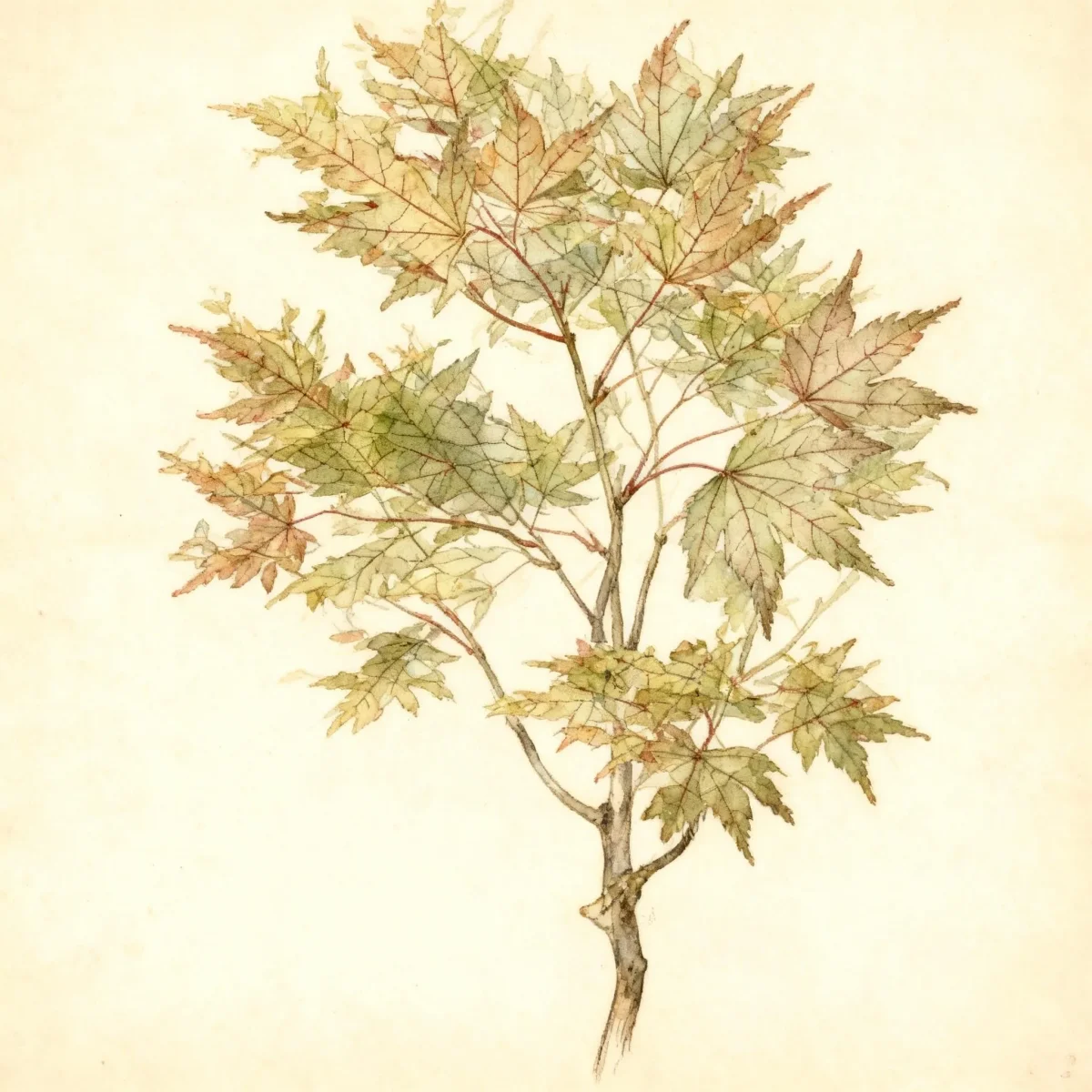
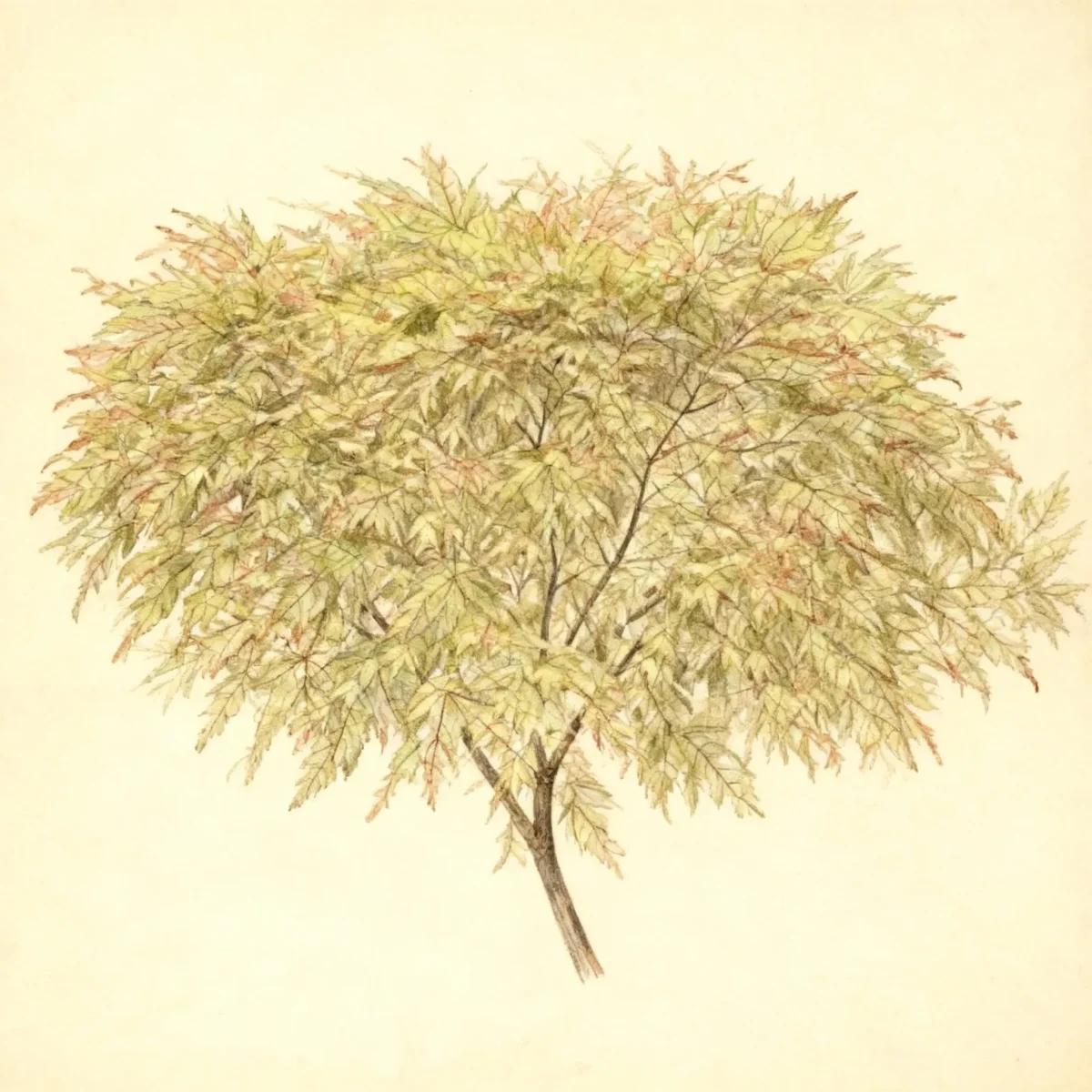
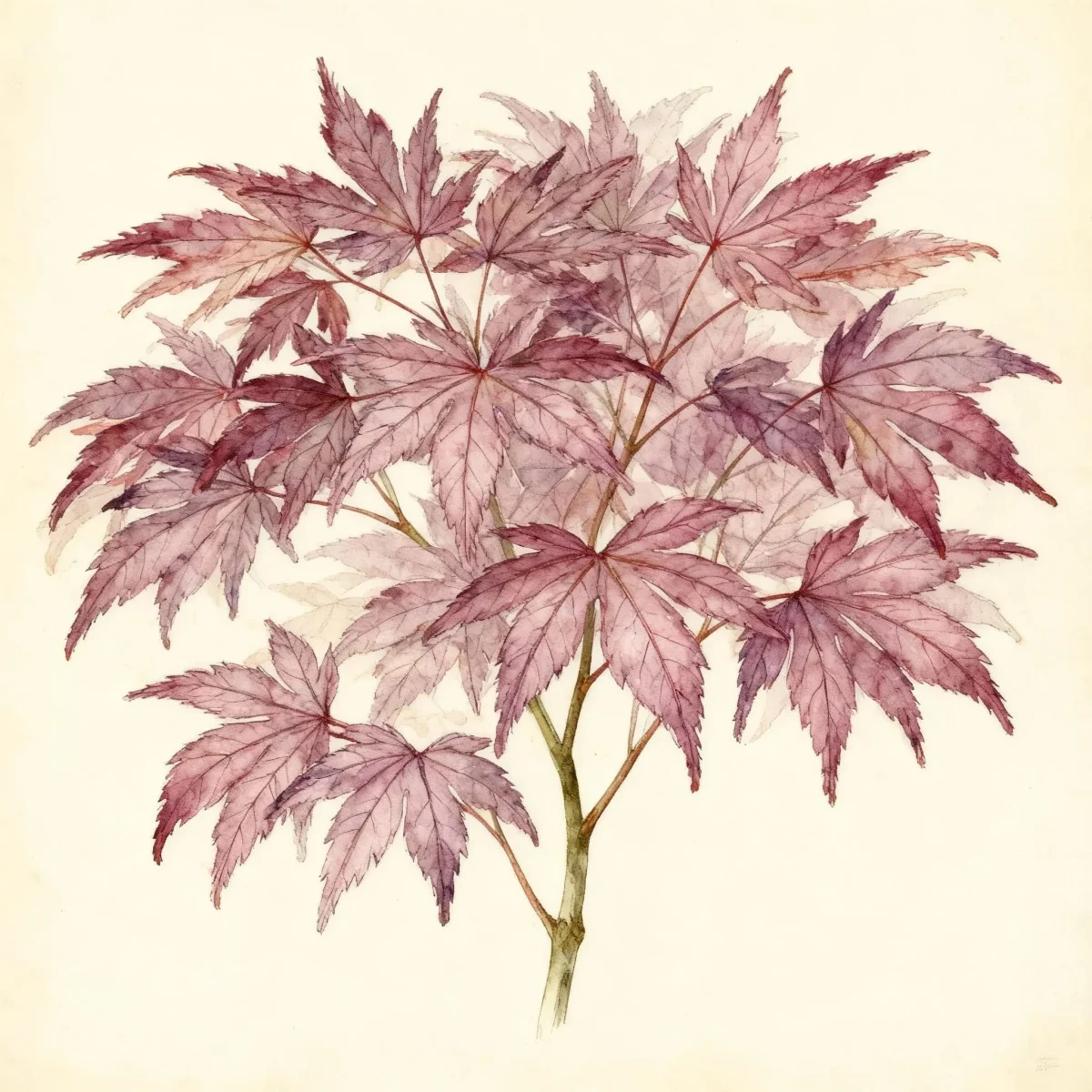
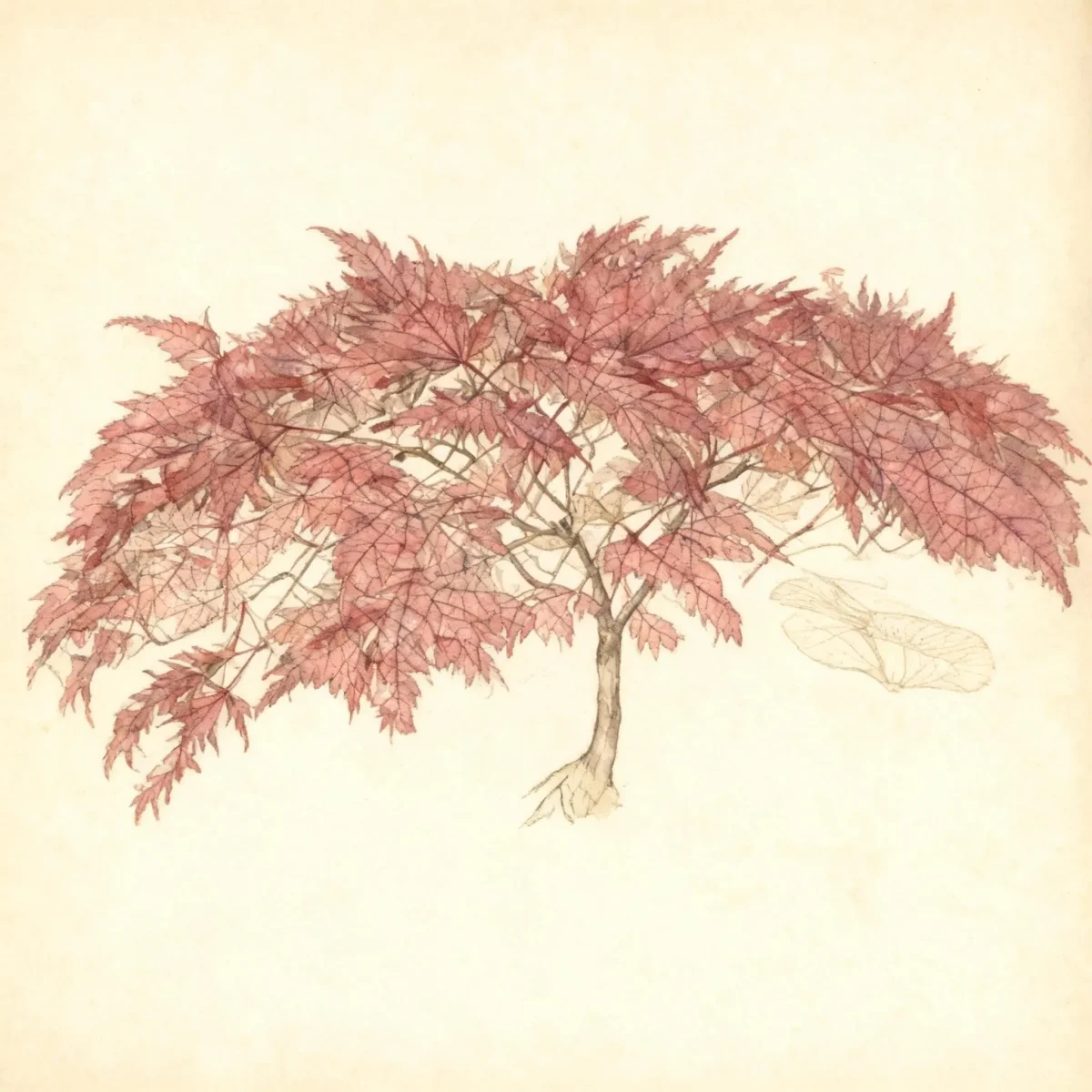
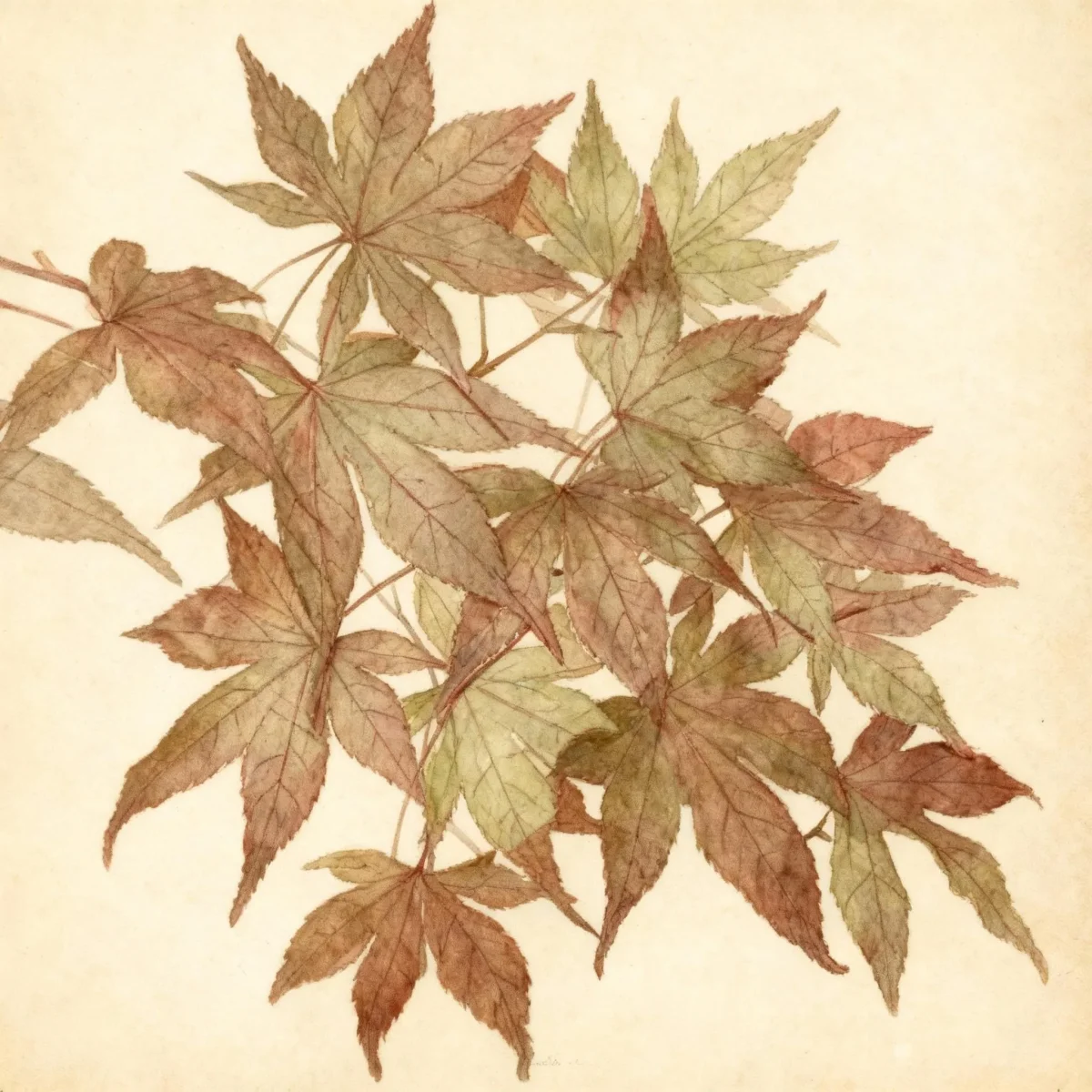
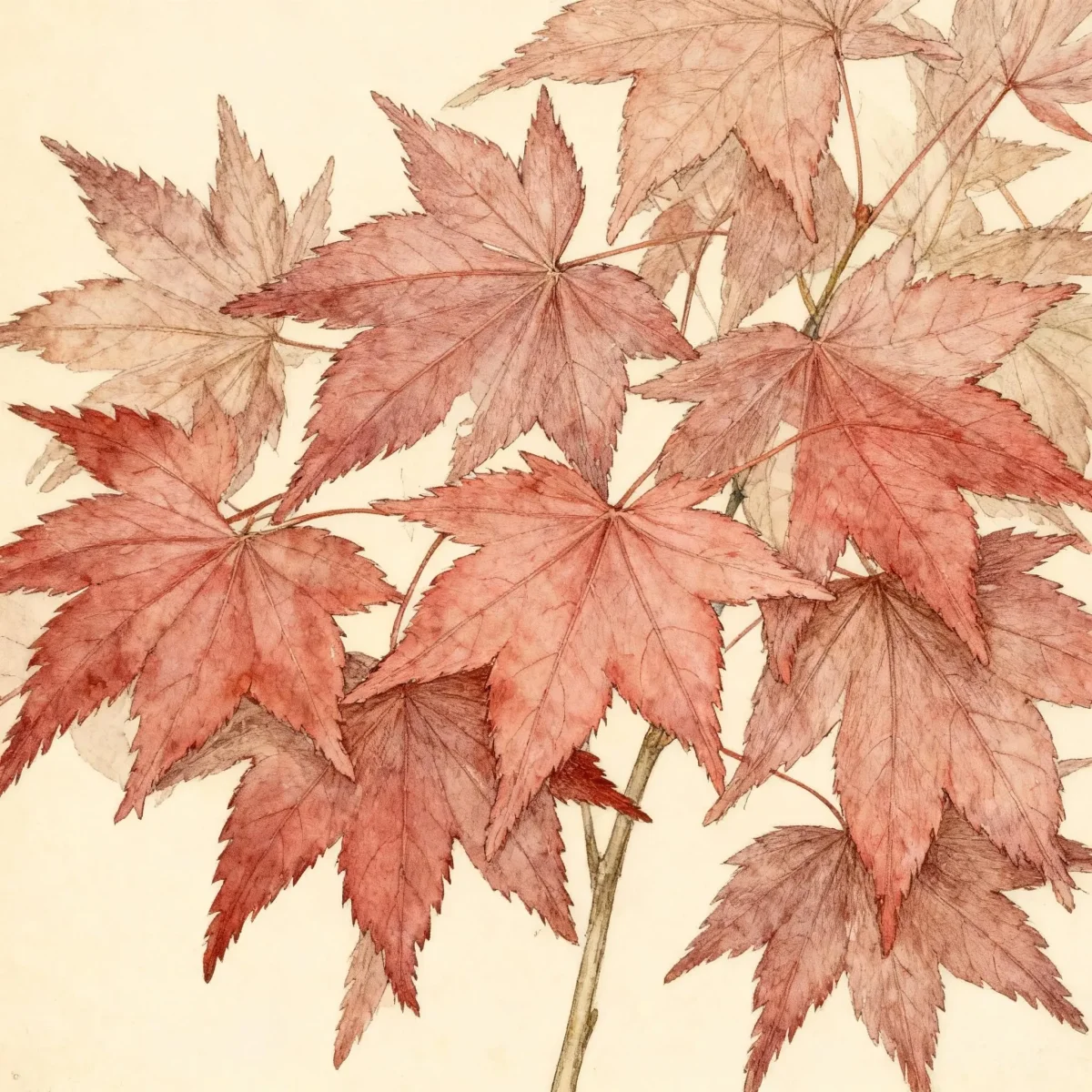
Japanese maple (Acer palmatum 'Wolff' EMPEROR I)
Acer palmatum 'Wolff' EMPEROR I, a stunning Japanese maple, offers deep purple-red foliage and reliable low maintenance, thriving in USDA Zones 5-9.

Bloom Boldly, No Matter the Season - Sweatshirt
Cozy organic cotton sweatshirt featuring our exclusive Purple Coneflower design. Perfect for gardeners who bloom year-round.
Inspired by the beautiful Japanese maple
Limited first batch (50) — join the waitlist for early access
Waitlist closes Feb 15, 2026.
Complete Plant Information
Field Guide Continues
Ready for care notes, companion picks, and planting tips?
The map is just the start. The full guide below covers growth habits, seasonal performance, and landscape uses.
Overview
The Acer palmatum ‘Wolff’ EMPEROR I is a highly sought-after cultivar of the Japanese maple, prized for its intense color and manageable structure. This deciduous shrub or small tree provides dramatic visual interest throughout the growing season, transitioning from dark purple-red in spring and summer to a brilliant scarlet red in the autumn. Cultivated varieties like the EMPEROR I Japanese maple offer consistent performance, making them excellent focal points in refined or woodland garden settings.
Known botanically as Acer palmatum, the EMPEROR I selection represents the best of form and foliage. It typically reaches a moderate size, maturing to about 15 feet tall and wide, perfect for moderate-sized landscapes where a towering tree might overwhelm the space. Its palmate leaves, deeply cut into 5 to 7 lobes, provide delicate texture contrast against bolder plantings.
This Japanese maple is celebrated for its aesthetic contribution and relatively low maintenance demands once established. Gardeners value the deep, rich coloration of the EMPEROR I cultivar, which performs best when protected from the harshest afternoon sun in warmer climates. Ensuring proper siting and consistent moisture are key to maximizing the color fidelity and overall health of your Acer palmatum ‘Wolff’ EMPEROR I.
Fast Facts
- Plant Family: Sapindaceae
- Plant Type: Deciduous shrub
- Hardiness Zones: USDA Zones 5-9
- Size at Maturity:
- Height: 10-15 ft
- Spread: 10-15 ft
- Bloom Time: April
- Bloom Description: Reddish-purple
- Sun Exposure: Full sun to part shade
- Water Needs: Medium
- Maintenance Level: Low
How to Grow
Plant Acer palmatum ‘Wolff’ EMPEROR I in spring or fall after the danger of hard frost has passed, ensuring it receives protection from strong winds. The ideal growing medium should be moist, organically rich, slightly acidic, and, critically, well-drained. This Japanese maple adapts well to sandy loams, but consistent moisture is paramount, especially for protecting new foliage from scorching in hot summers.
Water needs are medium; provide supplemental irrigation if natural rainfall is scarce, keeping soils consistently moist but never saturated. Fertilize in the spring just before the leaves emerge to support initial growth flush. While maintenance is generally low, pruning should be kept to an absolute minimum; if necessary, perform structural cuts in late fall or mid-winter, as pruning done in spring or summer causes significant and unattractive sap bleeding.
For optimal performance, site the Acer palmatum ‘Wolff’ EMPEROR I where it receives full sun in cooler northern zones, but supplement with afternoon shade in hotter southern regions. Applying a layer of mulch helps significantly by retaining soil moisture and keeping the root zone cooler during intense heat. Avoid planting in hot, dry, exposed sites.
Landscape Uses
Japanese maples are primarily cultivated as showpiece specimens due to their elegant silhouettes and year-round foliage appeal. The Acer palmatum ‘Wolff’ EMPEROR I functions exceptionally well as a primary accent plant, drawing the eye with its deep purple-red leaves that contrast beautifully against green lawns or lighter-colored structures. It is also effective when grouped or used near the periphery of a broader border design.
Consider planting this variety where it can serve as a sun-dappled understory tree, perhaps beneath taller, established deciduous trees, offering filtered light that often enhances the leaf color. Because of its refined, typically rounded plant form, it is also an excellent choice for Asian-inspired gardens, woodland margins, or as a sophisticated screen element. Its manageable size also lends itself well to large container planting, provided moisture is carefully monitored.
Standout Features
Flower Qualities
- Insignificant
Noteworthy Characteristics
The characteristic color of Acer palmatum ‘Wolff’ EMPEROR I is its main draw, exhibiting attractive dark purple-red foliage from spring through summer before shifting to brilliant scarlet in the fall. This specific cultivar is moderately sized, usually topping out around 15 feet tall and wide, offering a refined, broad-rounded shape. Its palmate leaves feature 5-7 deeply cut, serrate lobes that provide excellent fine texture in the landscape composition.
Tolerances
- Rabbit
- Black Walnut
Potential Problems
This Japanese maple can face several biotic and abiotic challenges that gardeners must manage proactively. Disease issues range from stem canker and various leaf spots to more serious systemic problems like verticillium wilt and root rots, often exacerbated by overly wet conditions or poor drainage. Common insect pests include scale, aphids, borers, and occasionally troublesome mites.
A primary concern for all early-leafing Japanese maples, including Acer palmatum ‘Wolff’ EMPEROR I, is vulnerability to late spring frosts, which can damage tender new growth and cause leaf scorch. If the plant is sited in high pH soils, chlorosis (yellowing leaves) may appear, indicating nutrient uptake issues. Consistency in moisture and siting protected from wind and extreme heat are critical for prevention.
Frequently Asked Questions
What hardiness zones is Japanese maple suitable for?
The Acer palmatum ‘Wolff’ EMPEROR I is reliably hardy in USDA Zones 5 through 9.
How large does Acer palmatum ‘Wolff’ EMPEROR I grow?
This particular cultivar generally matures to a height and spread between 10 and 15 feet.
What sun exposure does Japanese maple need?
For best results, this cultivar prefers full sun to part shade; afternoon shade is highly recommended in hotter climates to prevent leaf scorch.
When does Acer palmatum ‘Wolff’ EMPEROR I bloom?
This Japanese maple produces small, reddish-purple flowers during the month of April.
Conclusion
The Acer palmatum ‘Wolff’ EMPEROR I is a fantastic choice for gardeners seeking a low-maintenance, high-impact specimen plant characterized by deep, reliable foliage color throughout the season. The deep reds and scarlets of this Japanese maple easily elevate any garden design. Before planting, confirm your local USDA hardiness zone falls within the 5 to 9 range and plan for protection from high winds and scorching summer sun.
Companion Planting
When planning plantings around your Acer palmatum ‘Wolff’ EMPEROR I, focus on species that share similar cultural preferences for slightly acidic, moist, well-drained soil and partial shade. Hostas are excellent groundcover companions, offering contrasting, heart-shaped foliage texture beneath the maple’s delicate canopy. Consider incorporating plants like Azaleas or Rhododendrons, which appreciate similar soil pH and moisture levels, creating a harmonious woodland planting scheme.
For structure and seasonal interest, pair the EMPEROR I with evergreens that provide winter structure, such as dwarf conifers or certain varieties of Japanese Holly (Ilex crenata) that don’t compete aggressively for root space. Since this Japanese maple is sensitive to environmental extremes, choose companions that thrive in sheltered locations and avoid aggressive, surface-rooting perennials that might outcompete the maple’s shallow roots.
Seasonal Care Calendar
Spring is the crucial time for preparation; fertilize lightly before leaf-out and focus heavily on maintaining consistent soil moisture as temperatures begin to climb, especially as the new foliage emerges and risks frost damage. Summer care centers on vigilance against drought; monitor soil moisture closely, as dry spells can cause leaf margins to burn, compromising the beauty of the EMPEROR I.
As autumn arrives, enjoy the stunning shift to scarlet foliage, but stop fertilizing to allow the plant to begin hardening off for winter dormancy. Late fall to mid-winter is the appropriate window for any necessary pruning of the Acer palmatum ‘Wolff’ EMPEROR I to avoid damaging the tree with spring sap flow. Winter protection involves ensuring a thick layer of mulch remains insulating the root zone, especially in the colder edges of Zones 5 and 6.