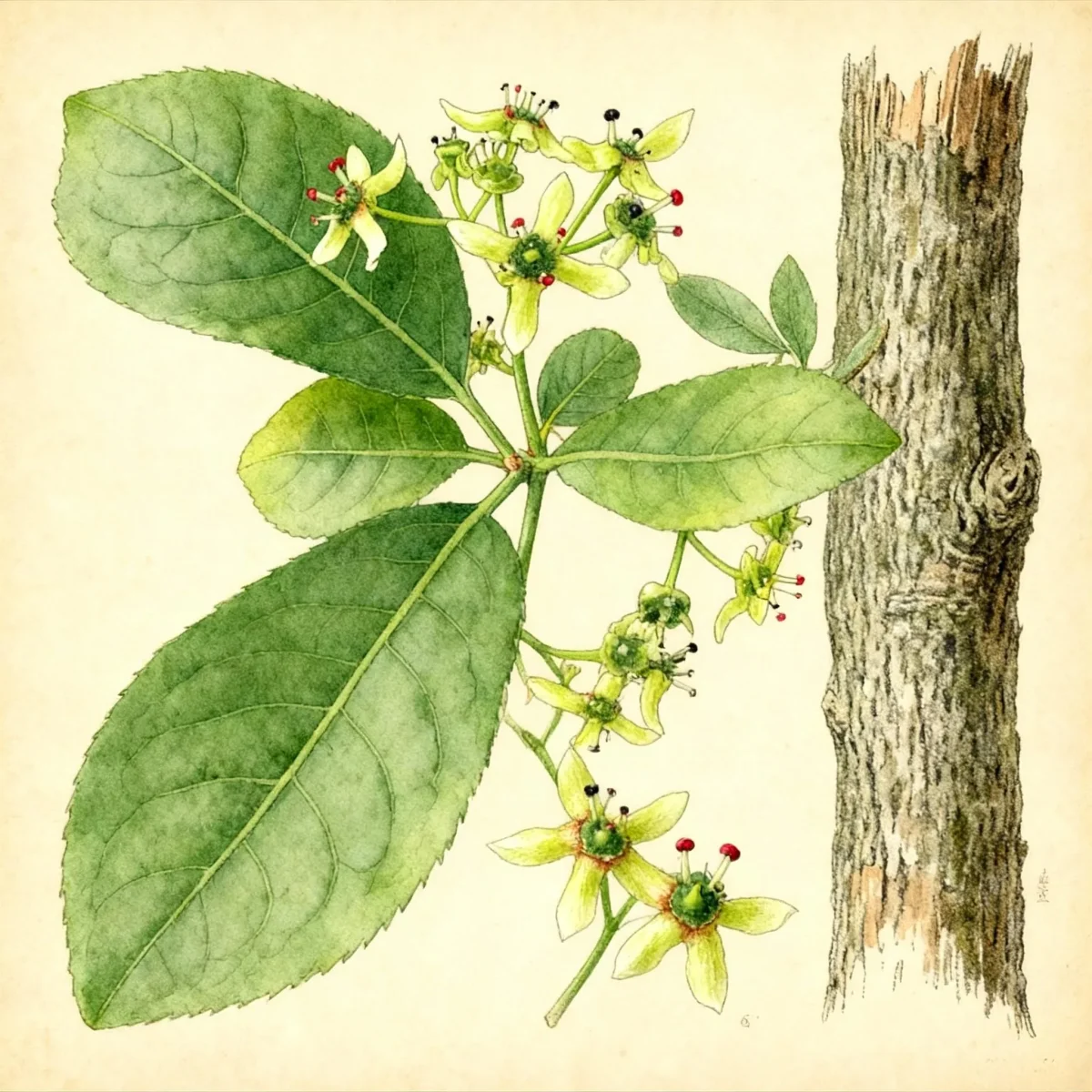
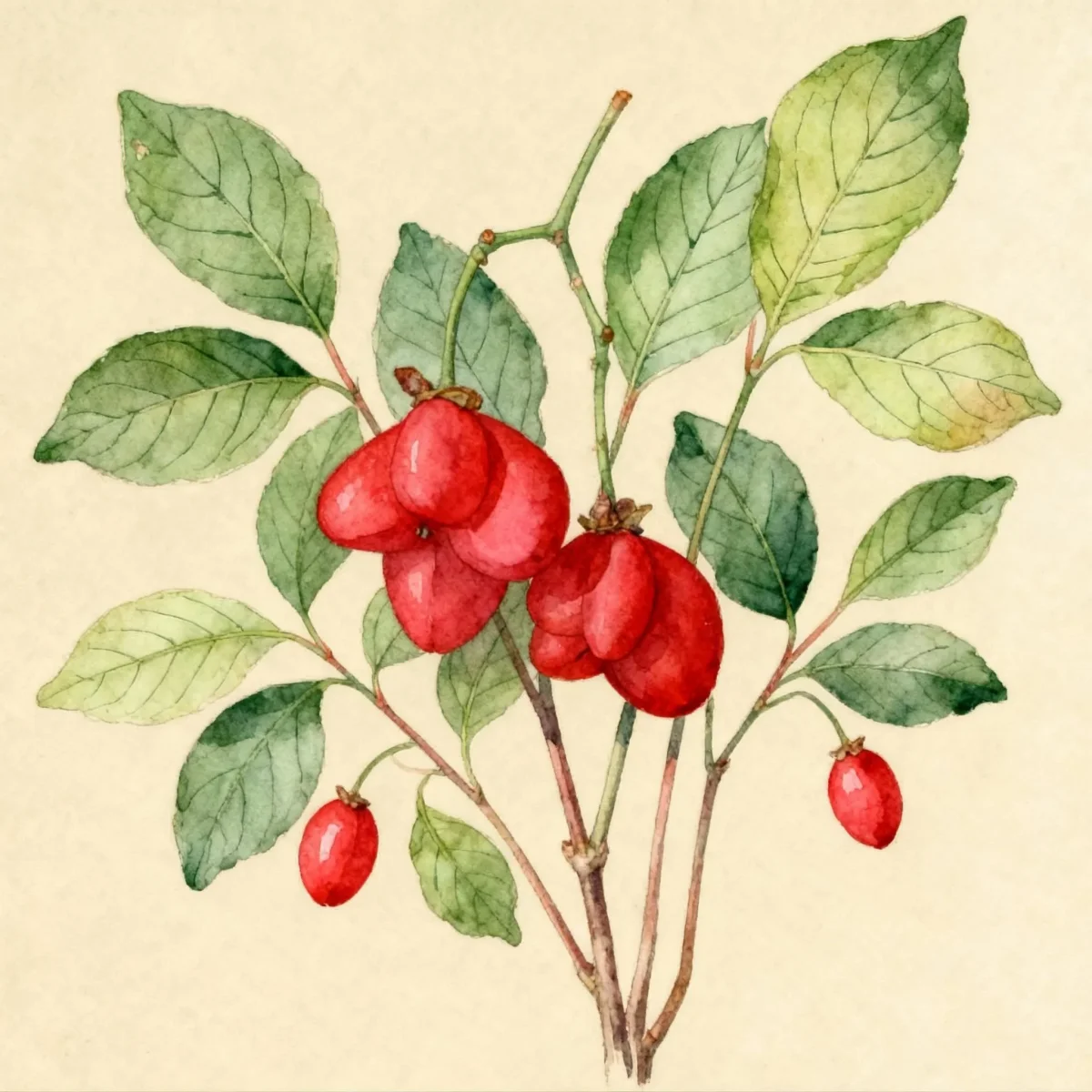
Winged spindle tree (Euonymus alatus 'Odom' LITTLE MOSES)
Discover Euonymus alatus 'Odom' LITTLE MOSES, a compact Winged spindle tree offering spectacular red fall color with low maintenance needs.

Bloom Boldly, No Matter the Season - Sweatshirt
Cozy organic cotton sweatshirt featuring our exclusive Purple Coneflower design. Perfect for gardeners who bloom year-round.
Inspired by the beautiful Winged spindle tree
Limited first batch (50) — join the waitlist for early access
Waitlist closes Feb 15, 2026.
Complete Plant Information
Field Guide Continues
Ready for care notes, companion picks, and planting tips?
The map is just the start. The full guide below covers growth habits, seasonal performance, and landscape uses.
Overview
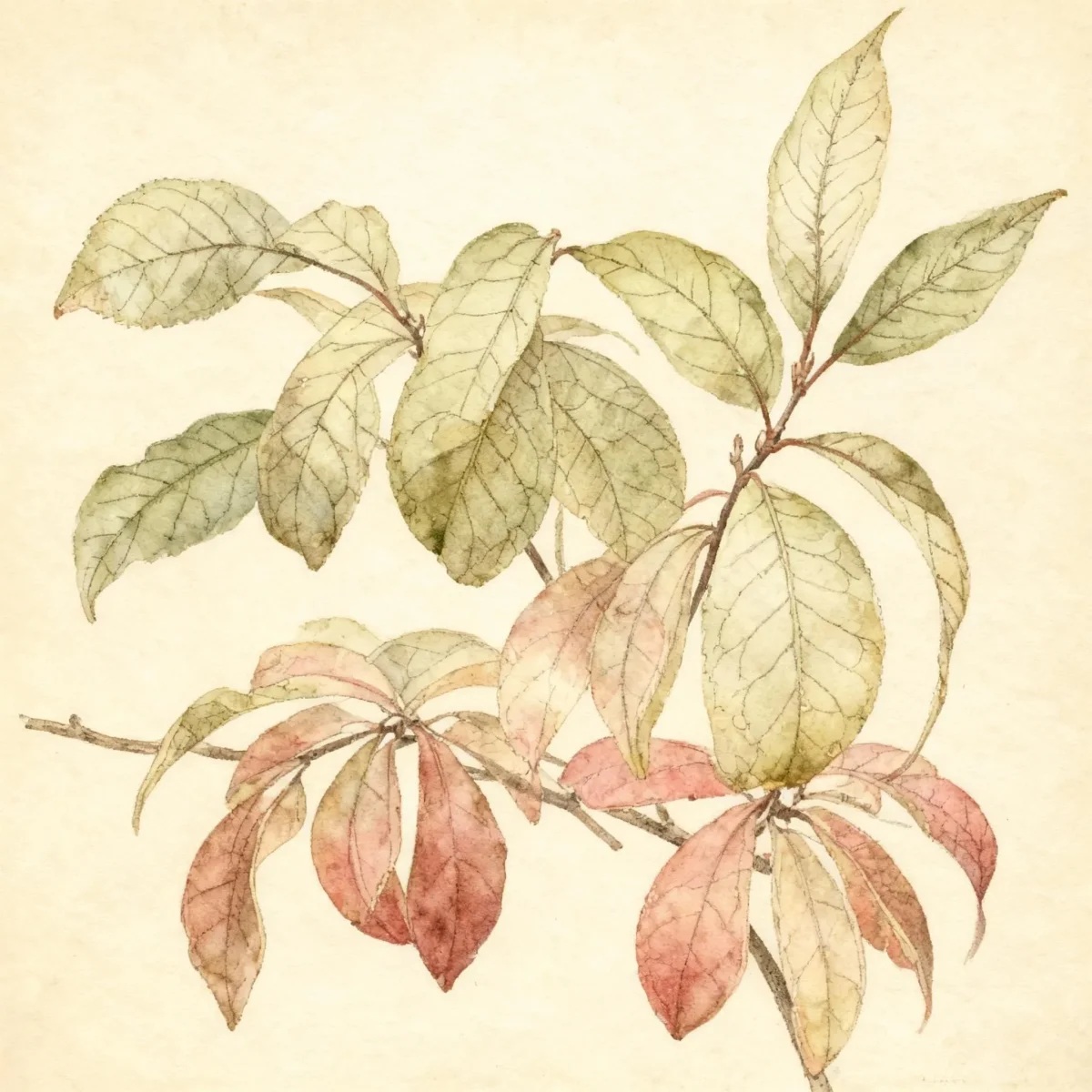
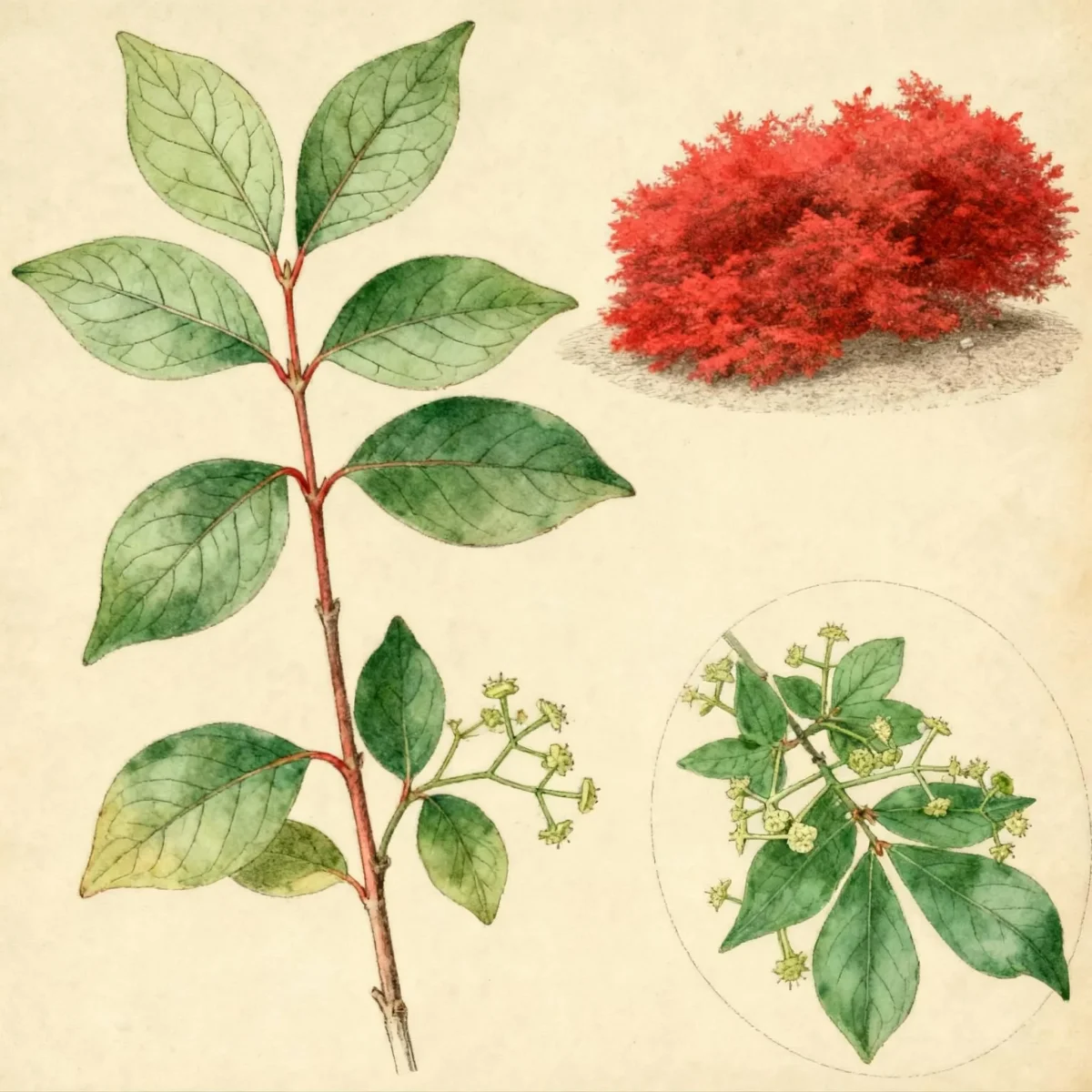
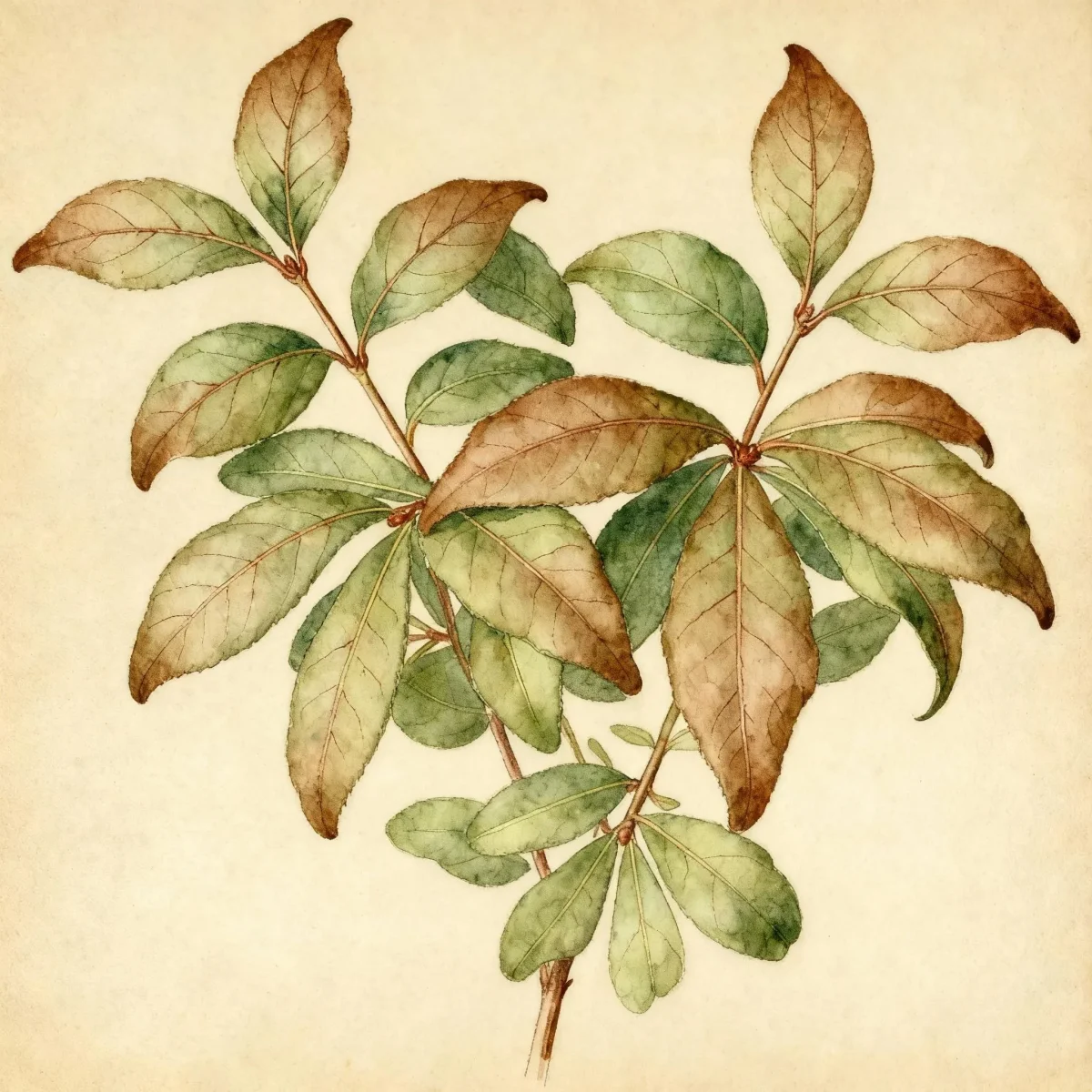
The Euonymus alatus ‘Odom’ LITTLE MOSES is a highly valued dwarf cultivar of the Winged spindle tree, prized primarily for its intense, fiery red autumn foliage. Unlike its larger relatives, this version maintains a manageable, dense, upright, and slightly flattened habit, making it ideal for modern landscapes where space is premium. It offers gardeners a low-maintenance solution for seasonal interest, transitioning smoothly from summer green to a spectacular seasonal display.
This adaptable deciduous shrub thrives across USDA Zones 4 through 8. While it achieves its best color in full sun, the Euonymus alatus ‘Odom’ LITTLE MOSES tolerates partial shade, though color intensity may diminish. The plant is robust and forgiving, easily grown in average soils provided they drain well.
Functional benefits include its suitability for screening, hedging, or mass planting. Beyond the stunning fall show, the plant provides architectural interest in winter due to its distinctive corky ridges on the stems, earning it the name Winged spindle tree. Its compact size ensures it remains useful near foundations or in smaller shrub borders.
Fast Facts
- Plant Family: Celastraceae
- Plant Type: Deciduous shrub
- Hardiness Zones: USDA Zones 4-8
- Size at Maturity:
- Height: 2-3 ft
- Spread: 2-3 ft
- Bloom Time: May
- Bloom Description: Yellowish-green
- Sun Exposure: Full sun to part shade
- Water Needs: Medium
- Maintenance Level: Low
How to Grow
Planting the Euonymus alatus ‘Odom’ LITTLE MOSES is best done in spring or fall when temperatures are mild. Select a location receiving full sun to ensure the most brilliant fall color; however, it adapts well to part shade. This adaptable shrub excels in average, well-drained soils, but avoid overly wet or poorly drained sites, which can encourage disease.
Water needs are medium. After establishment, maintain consistent moisture, especially if the dwarf burning bush is sited in a full-sun exposure where it will dry out more quickly. While adaptable to many soil types, including clay, deep, consistent watering during dry spells is crucial for premium performance. Pruning is usually minimal due to its naturally compact form.
Maintenance for this Winged spindle tree is refreshingly low. Beyond initial shaping for hedges or screening, routine fertilization is rarely required unless the soil is extremely poor. Monitor for potential pests like spider mites, particularly during hot, dry periods. Ensure good air circulation around the established plants.
Landscape Uses
The Euonymus alatus ‘Odom’ LITTLE MOSES shines as a foundation planting due to its controlled, compact size, rarely exceeding three feet tall and wide. Its excellent fall color makes it a superior choice for specimen planting where it can be viewed up close against darker green evergreens or neutral buildings. For gardeners needing repeatable structure, this variety excels when used for low hedges or border definition.
Consider massing several Euonymus alatus ‘Odom’ LITTLE MOSES together to create a striking, uniform band of seasonal color along a property line or pathway. Because it tolerates clay soil, it pairs well with other adaptable, medium-sized shrubs that prefer average moisture conditions. Its dense habit also makes it an effective, although short, screen.
Standout Features
Flower Qualities
- Insignificant
Fruit Qualities
Noteworthy Characteristics
The original Euonymus alatus, or winged euonymus, is famous for its fiery red fall foliage and distinctive corky ridges on its stems, visible in winter. The patented cultivar Euonymus alatus ‘Odom’ LITTLE MOSES retains these traits while remaining a compact shrub, typically maxing out at 3.5 feet tall and wide. This dwarf selection is ideal for homeowners seeking that classic burning bush aesthetic without the imposing size of the standard variety.
Tolerances
This shrub demonstrates resilience in challenging garden environments:
- Clay Soil
- Black Walnut
Potential Problems
The Winged spindle tree generally maintains good health, showing no serious recurrent insect or disease issues when situated correctly. The primary concern involves maintaining good drainage; twig blight can develop if the plant sits in overly wet soil conditions. Gardeners should regularly inspect the foliage for early signs of spider mites, especially under stress, and manage them promptly with horticultural oil or insecticidal soap if infestations occur.
Frequently Asked Questions
What hardiness zones is Winged spindle tree suitable for?
The Euonymus alatus ‘Odom’ LITTLE MOSES is suitable for USDA Hardiness Zones 4 through 8. Always confirm your local zone before planting.
How large does Euonymus alatus ‘Odom’ LITTLE MOSES grow?
This dwarf cultivar matures to a height and spread of 2 to 3 feet, rarely exceeding 3.5 feet tall and wide.
What sun exposure does Euonymus alatus ‘Odom’ LITTLE MOSES need?
It prefers full sun but will successfully grow in part shade; however, growth in heavy shade usually results in muted fall color.
When does Winged spindle tree bloom?
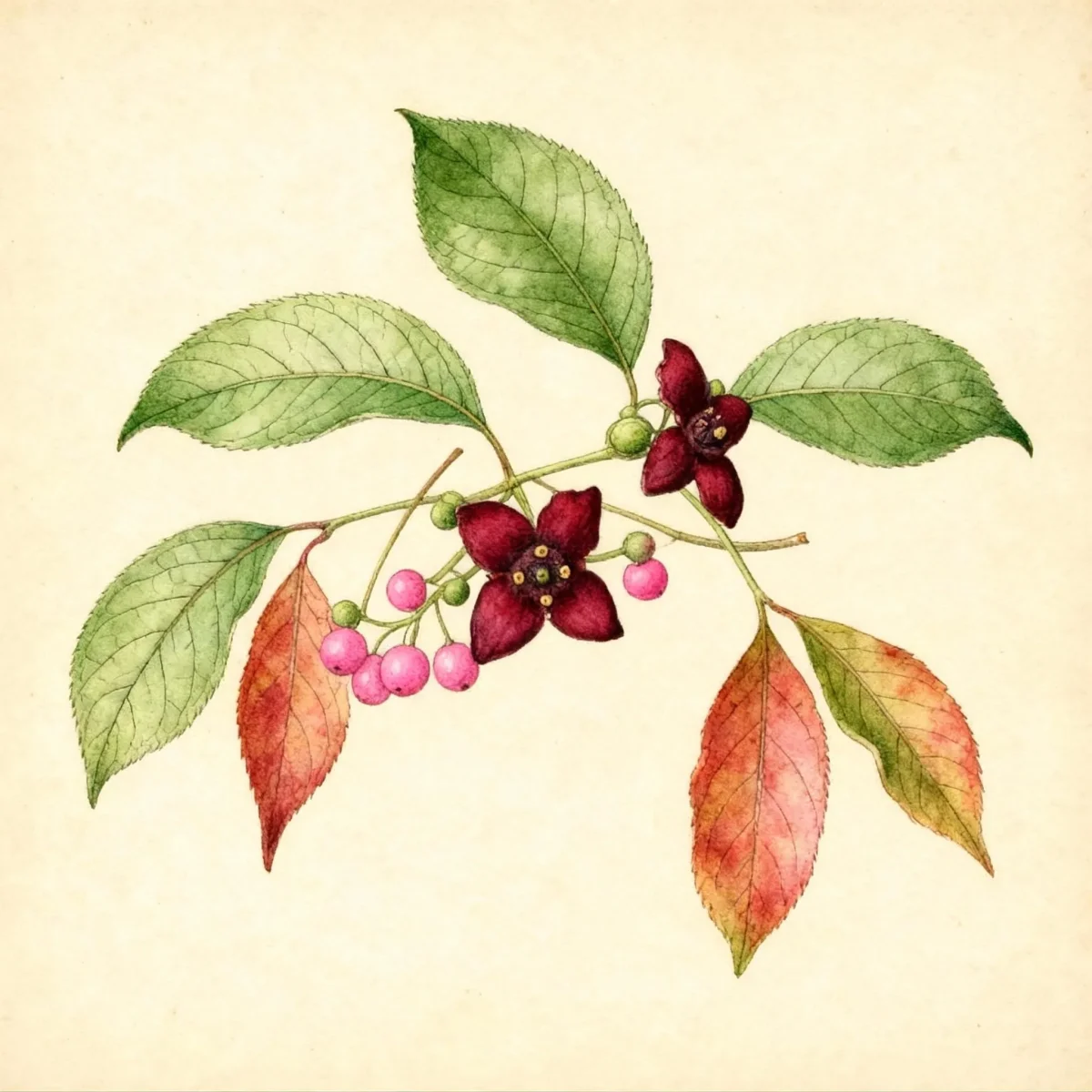
Bloom time for the Euonymus alatus ‘Odom’ LITTLE MOSES is typically in May, producing small, yellowish-green flowers that are not considered showy.
Conclusion
The Euonymus alatus ‘Odom’ LITTLE MOSES offers exceptional garden value through its manageable size, low maintenance needs, and incomparable autumnal pigment display. As a compact version of the celebrated Winged spindle tree, it brings architectural interest year-round, even during winter. Before installing, verify your site conditions meet its preference for well-drained soil and plan planting during the cooler transition seasons for the best establishment success.
Companion Planting
When placing the Euonymus alatus ‘Odom’ LITTLE MOSES within the landscape, consider its need for medium moisture and its preference for well-drained soil. Companion plants should share similar sun tolerance, ranging from full sun to partial shade. Plants that offer strong textural or color contrast during the summer foliage stage work well, such as contrasting silvery foliage plants or plants that flower heavily in summer when the euonymus is purely green.
Consider pairing this shrub with slower-growing perennials in the foreground that do not heavily shade its base, ensuring it receives enough light to fuel its robust fall color. Since it matures to only 2-3 feet, taller background shrubs or small trees that appreciate good drainage will allow the Winged spindle tree to stand out as a primary focal point.
Design Ideas for Compact Shrubs
The defined, somewhat upright habit of Euonymus alatus ‘Odom’ LITTLE MOSES makes it invaluable in formal and semi-formal designs. Because it is patented under the trade name LITTLE MOSES, it offers design reliability in terms of mature size. Utilize this small shrub to line walkways where its winter interest (corky wings) can be appreciated at eye level, or incorporate it into foundation plantings where large shrubs might obscure windows.
In modern landscape designs that emphasize texture over flower color, the Euonymus alatus ‘Odom’ LITTLE MOSES serves as an excellent anchor. Its deep green summer foliage provides a consistent backdrop, making the transition to brilliant red in the fall a dramatic, planned event. Use it to terminate a border or as a repeating element in a mixed shrub border for rhythmic visual impact.