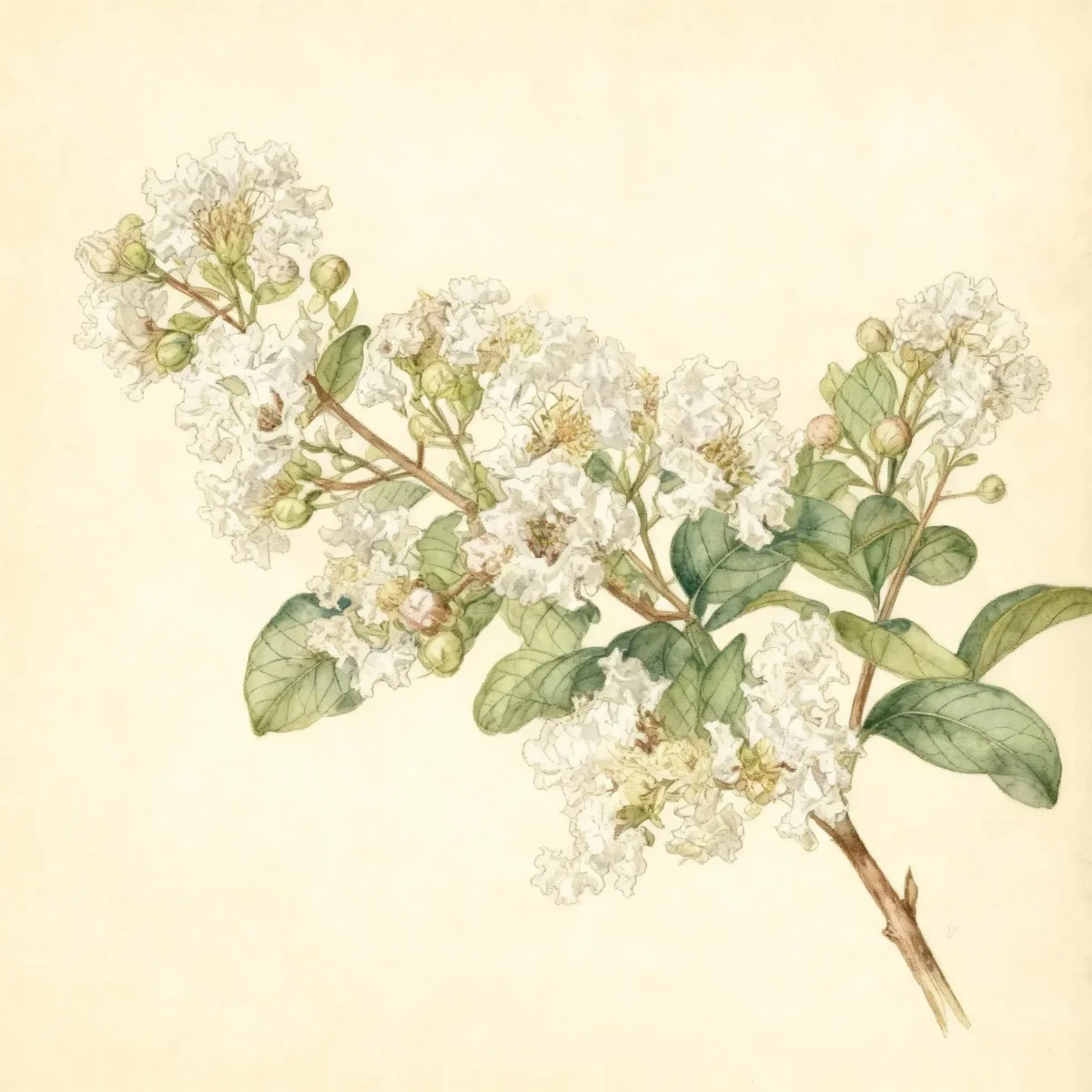
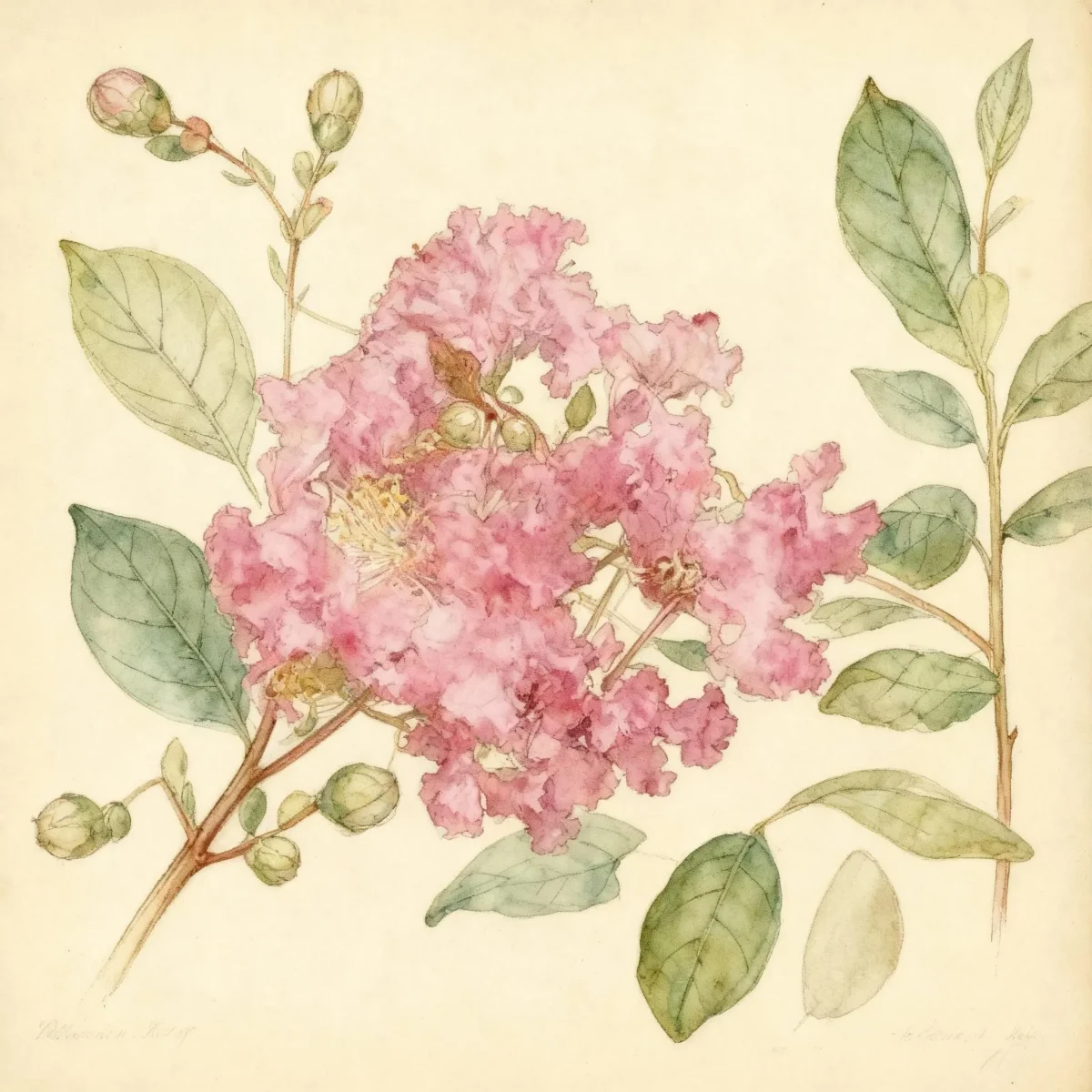
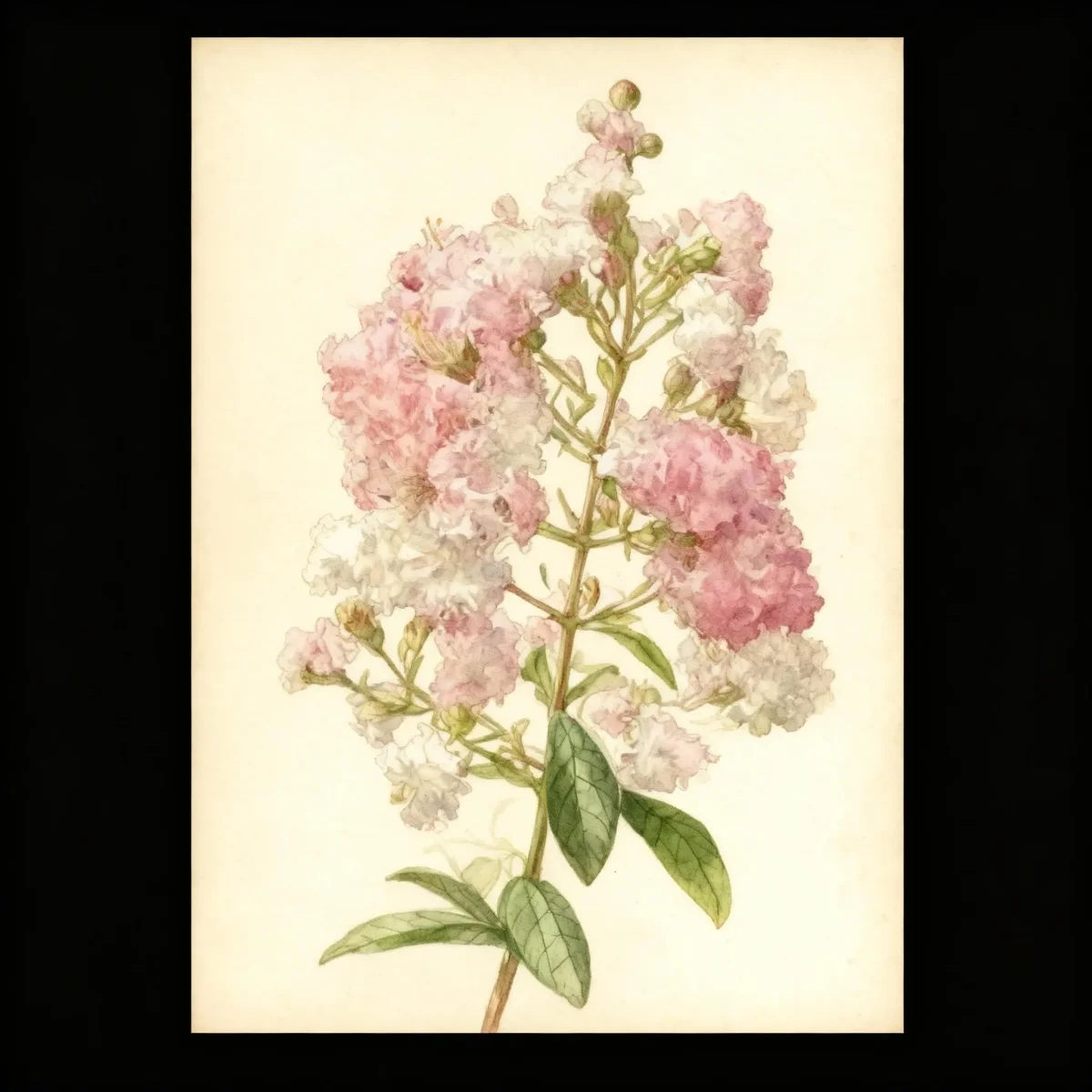
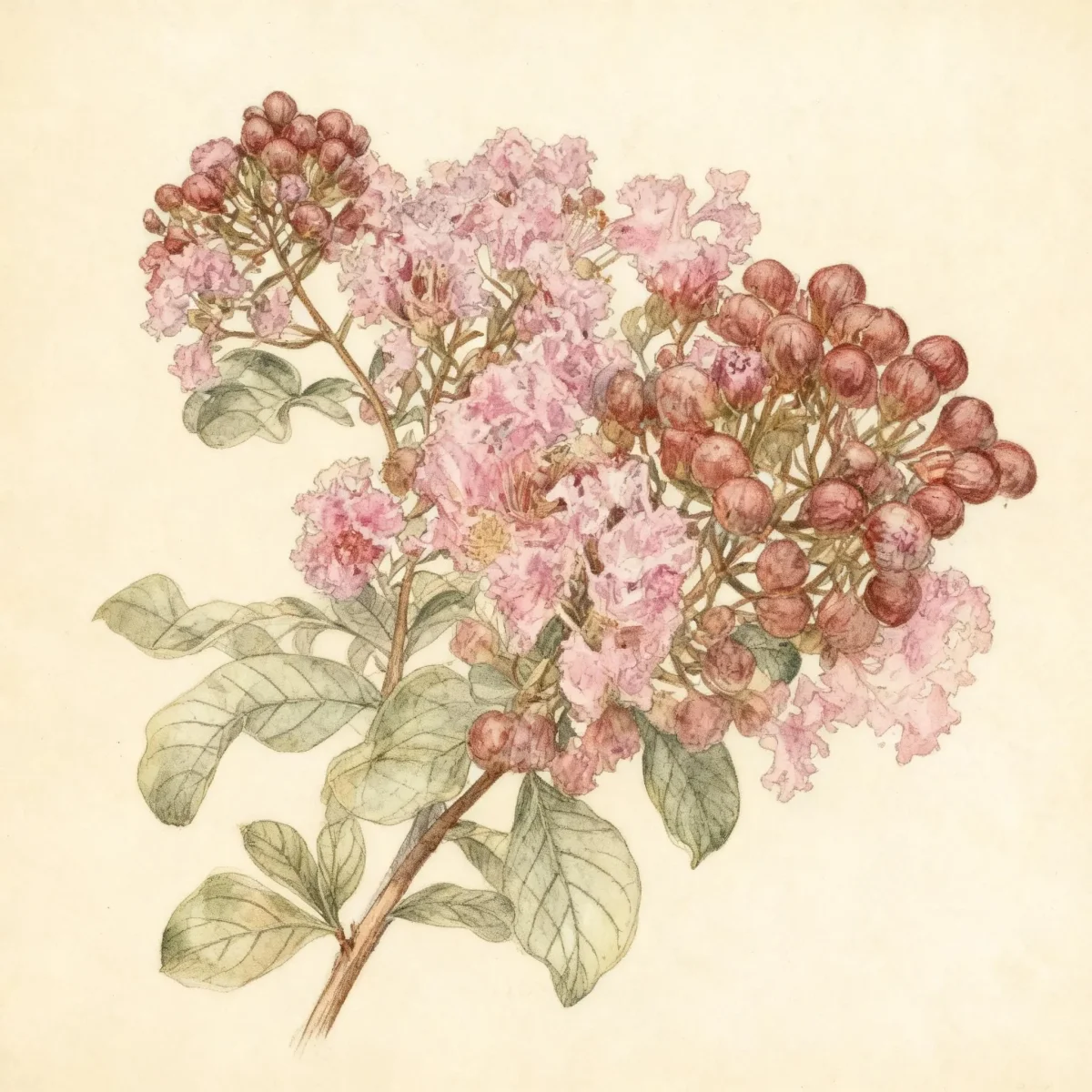
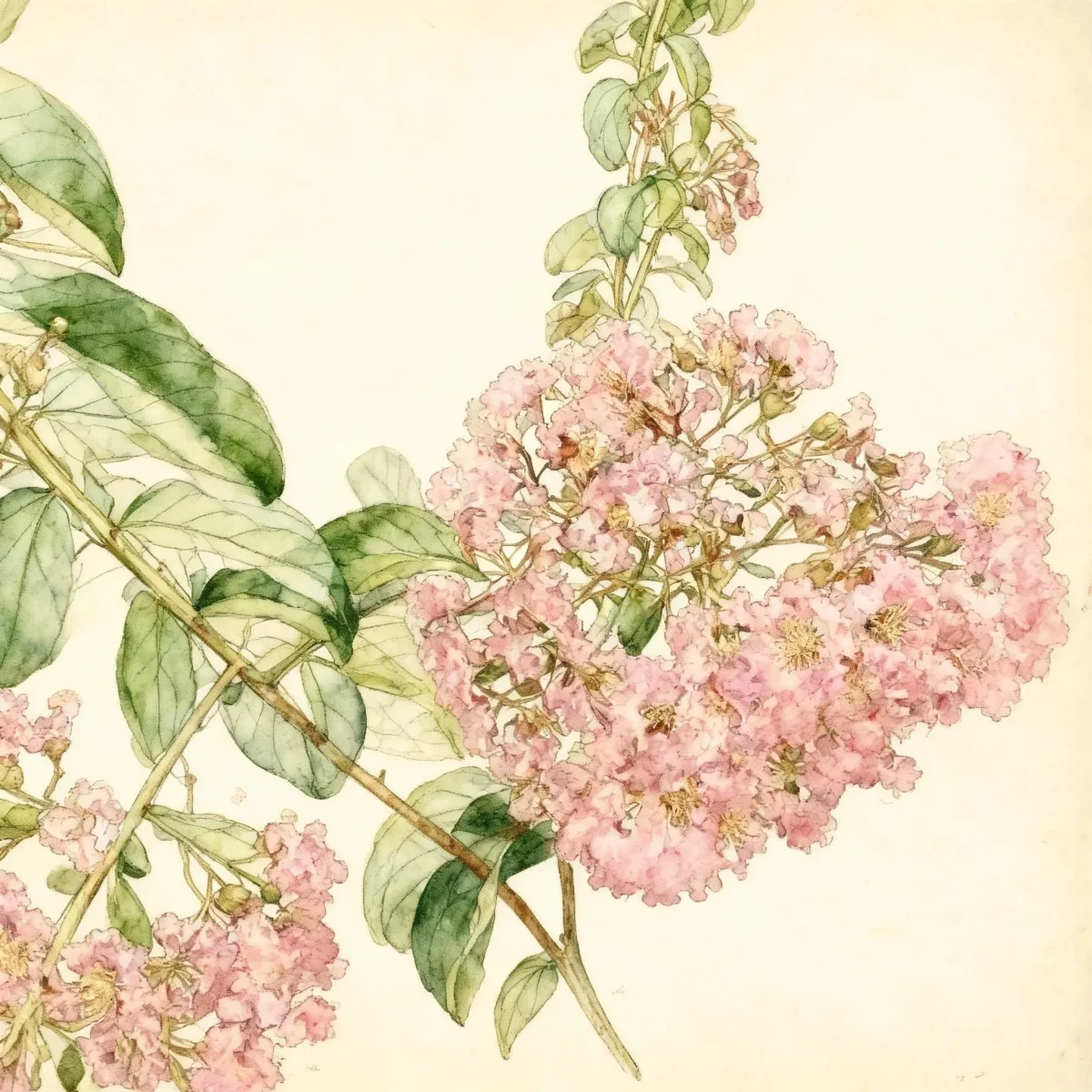
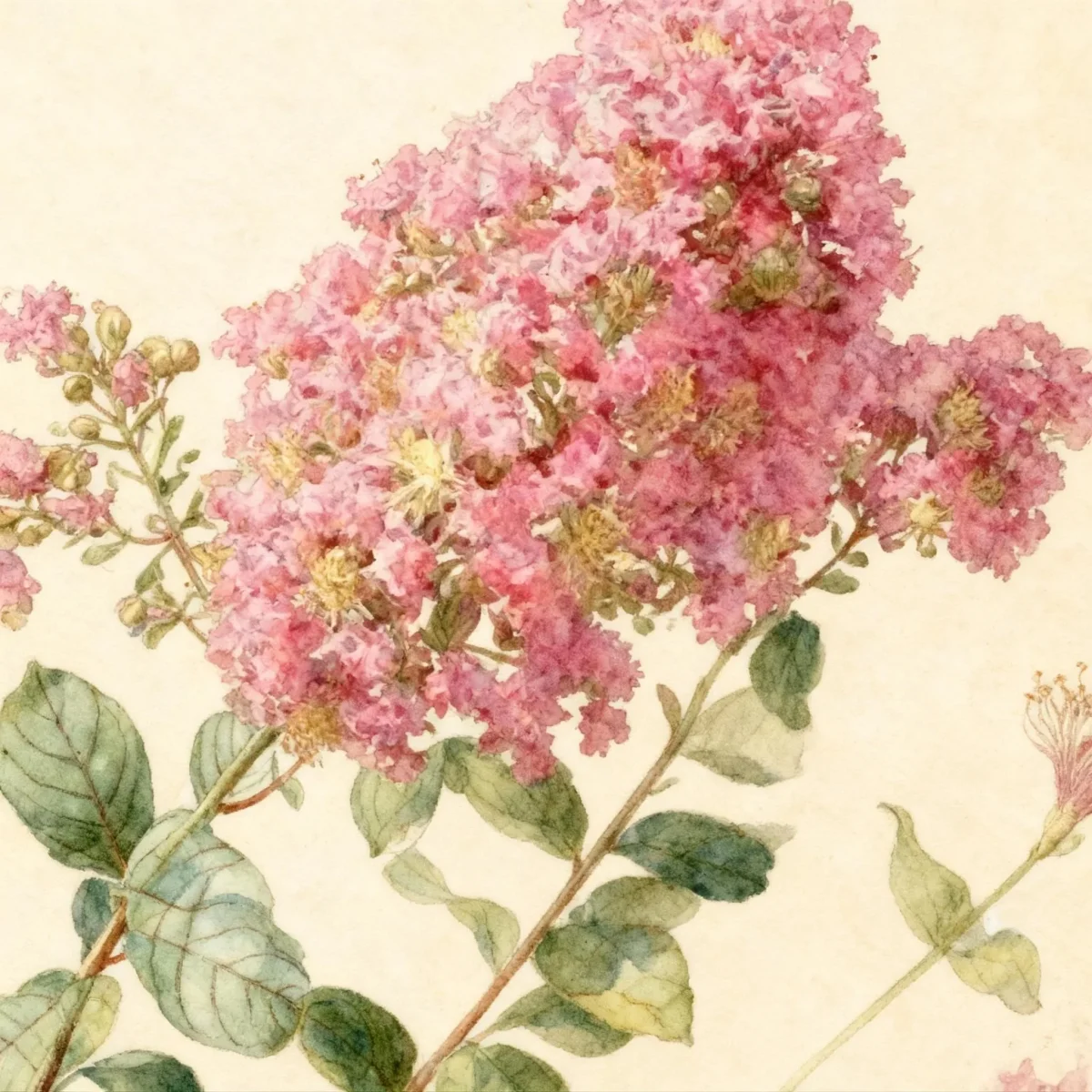
Crape myrtle (Lagerstroemia indica 'Whit VII' SIREN RED)
Lagerstroemia indica 'Whit VII' SIREN RED Crape myrtle delivers stunning deep red flowers from summer to frost, ideal for Zones 6-9.
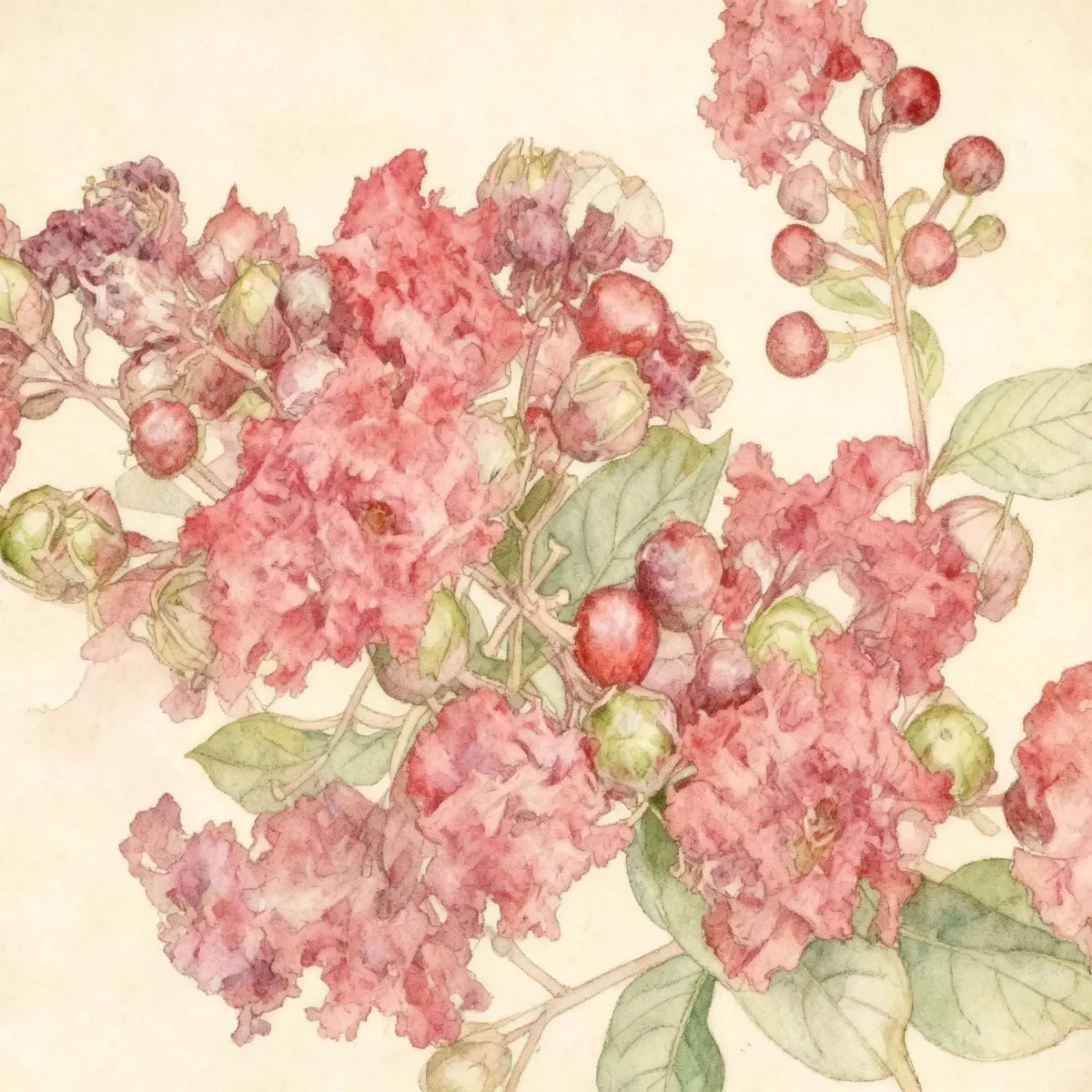

Bloom Boldly, No Matter the Season - Sweatshirt
Cozy organic cotton sweatshirt featuring our exclusive Purple Coneflower design. Perfect for gardeners who bloom year-round.
Inspired by the beautiful Crape myrtle
Limited first batch (50) — join the waitlist for early access
Waitlist closes Feb 15, 2026.
Complete Plant Information
Field Guide Continues
Ready for care notes, companion picks, and planting tips?
The map is just the start. The full guide below covers growth habits, seasonal performance, and landscape uses.
Overview
The Lagerstroemia indica ‘Whit VII’ SIREN RED, marketed commercially as SIREN RED, is a highly desirable cultivar of the Crape myrtle, cherished for its exceptionally long bloom period. This deciduous shrub offers terminal inflorescences packed with showy, deep red, crepe-papery flowers lasting from mid-summer well into the autumn frost. Beyond its magnificent summer display, this Crape myrtle provides year-round interest through exfoliating grayish-brown bark and attractive fall foliage color.
This cultivar is a workhorse in the landscape, providing reliable structure and vibrant color in areas where many other flowering plants fade. While it typically reaches 6 to 10 feet in height and spread, its ultimate size can vary based on climate and pruning intensity. Gardeners appreciate the Lagerstroemia indica ‘Whit VII’ SIREN RED for its ability to transform a simple border into a focal point of intense, vibrant red blooms.
Successful cultivation relies on providing plenty of direct sunlight, which maximizes flowering potential and minimizes disease issues common to this genus. Whether used as a specimen or massed informally, the SIREN RED Crape myrtle offers excellent performance, though gardeners in cooler zones must prepare for potential winter dieback of the top growth.
Fast Facts
- Plant Family: Lythraceae
- Plant Type: Deciduous shrub
- Hardiness Zones: USDA Zones 6-9
- Size at Maturity:
- Height: 6-10 ft
- Spread: 6-10 ft
- Bloom Time: July to September
- Bloom Description: Deep red
- Sun Exposure: Full sun
- Water Needs: Medium
- Maintenance Level: Medium
How to Grow
The Lagerstroemia indica ‘Whit VII’ SIREN RED thrives best when planted in average, medium-moisture, well-drained soils. Ensure placement receives full sun daily; insufficient light severely limits the spectacular bloom period of this Crape myrtle. The cultivar adapts well to loamy and clay soils, provided drainage is adequate. Early spring is the best time for planting to allow the roots to establish before summer heat.
Regular, deep watering is crucial, especially during dry spells, focusing water directly at the root zone and strictly avoiding wetting the foliage to prevent fungal development. Fertilize sparingly; apply a slow-release formula in early spring. Over-fertilizing encourages excess leafy growth at the expense of flowers and can increase susceptibility to winter injury in colder reaches of its range.
Pruning needs vary significantly by climate. In warmer zones (8-9), prune lightly in late winter to shape the shrub. In cooler areas, particularly Zones 5 and 6, plan that top growth may die back. After winter ends, aggressively cut back any dead wood to 8 inches in early spring; new flowering stems will emerge from the hardier root system, typically reaching 2-4 feet tall by fall. Planting Lagerstroemia indica ‘Whit VII’ SIREN RED in protected locations and applying a winter mulch helps buffer temperature extremes.
Landscape Uses
The Lagerstroemia indica ‘Whit VII’ SIREN RED excels in several landscape roles due to its manageable 6 to 10-foot stature and breathtaking deep red summer color. It is excellently suited for use as an informal hedge, providing a vertical screen with consistent seasonal interest. When planted in groups, these shrubs create a striking mass planting effect that commands attention throughout the long blooming season.
For gardeners seeking a focal point, use this Crape myrtle as a specimen shrub. Its exfoliating bark reveals attractive texture during the winter months when the flamboyant flowers are absent. In southern gardens where winter hardiness is less of a concern, the plant can be allowed to grow taller and utilized for screening purposes along property lines.
When integrating SIREN RED into garden beds, select companions that complement its height and color without competing for light, such as low-growing perennials or groundcovers that appreciate well-drained conditions. Its upright habit makes it a perfect backdrop for mid-border plantings.
Standout Features
Flower Qualities
- Showy
Fruit Qualities
- Showy
Noteworthy Characteristics
Lagerstroemia indica, commonly known as crape myrtle, is an upright, wide-spreading, multi-stemmed, deciduous shrub or small tree in the loosestrife family. The cultivar ‘Whit VII’, sold as SIREN RED, is specifically noted for featuring terminal crepe-papery inflorescences (6-12” long) of showy deep red flowers blooming continuously from mid-summer to frost on upright branches reaching 6-10’ tall. Key ornamental features across the species include long bloom periods, superb fall color, and smooth, exfoliating bark on mature wood.
Tolerances
- Drought
- Clay Soil
- Air Pollution
Potential Problems
The primary challenges associated with Crape myrtles are cultural or disease-related. Fungal issues like powdery mildew and leaf spot can manifest, though the ‘Whit VII’ cultivar reportedly exhibits very good mildew resistance. Foliage may turn yellow if planted in highly alkaline soils, a condition known as chlorosis.
Aphids and scale insects occasionally bother Crape myrtle, requiring monitoring and appropriate treatment if infestations become severe. Extreme winter cold is the most significant challenge outside of the deep South. In Zones 5 and 6, expect potential dieback of above-ground wood, necessitating hard pruning back to the root crown in early spring to encourage new flowering stems.
Frequently Asked Questions
What hardiness zones is Lagerstroemia indica ‘Whit VII’ SIREN RED suitable for?
This specific Crape myrtle variety is rated for USDA Hardiness Zones 6 through 9.
How large does Crape myrtle grow?
The Lagerstroemia indica ‘Whit VII’ SIREN RED typically matures to a height between 6 and 10 feet, with a similar spread of 6 to 10 feet.
What sun exposure does Lagerstroemia indica ‘Whit VII’ SIREN RED need?
This plant requires full sun exposure to achieve its best flowering performance.
When does Crape myrtle bloom?
The SIREN RED cultivar blooms profusely from July through September, displaying striking deep red flowers.
Conclusion
The Lagerstroemia indica ‘Whit VII’ SIREN RED is a fantastic choice for gardeners seeking intense, long-lasting summer color combined with resilient form and attractive bark structure. Its medium size makes the SIREN RED Crape myrtle versatile for use as a hedge or specimen plant in the landscape. Before planting, confirm your local area falls within USDA Zones 6-9 to ensure the most reliable perennial performance.
Companion Planting
When siting your Lagerstroemia indica ‘Whit VII’ SIREN RED, consider pairing it with plants that share its love for full sun and well-drained soil. Low-growing, heat-tolerant perennials provide an excellent skirt for the base of the shrub. Consider silvery foliage plants like Lamb’s Ears (Stachys byzantina) to contrast softly against the bold deep red blooms of the SIREN RED during midsummer.
For formal or informal mass plantings where a lower layer is needed, consider planting summer-blooming Coneflowers (Echinacea) or Black-Eyed Susans (Rudbeckia). These companions maintain colorful interest in the foreground while the Crape myrtle provides structure and height, benefiting from similar water and sun requirements.
Design Ideas
Utilize the strong vertical line and dense summer color of the SIREN RED Crape myrtle to establish definitive structure in a sunny border. Plant them along a path or drive to create a dramatic repeating rhythm of deep red. Because the foliage emerges burgundy and provides yellow-orange-red fall color, the plant offers multi-season visual appeal, preventing landscape monotony.
In modern garden designs, a row of three to five Lagerstroemia indica ‘Whit VII’ SIREN RED shrubs can establish a clean screen or backdrop. Their manageable size means they won’t quickly overwhelm smaller yards, unlike some of the larger, straight-species Crape myrtles. The exfoliating bark becomes a primary visual element throughout the winter months.