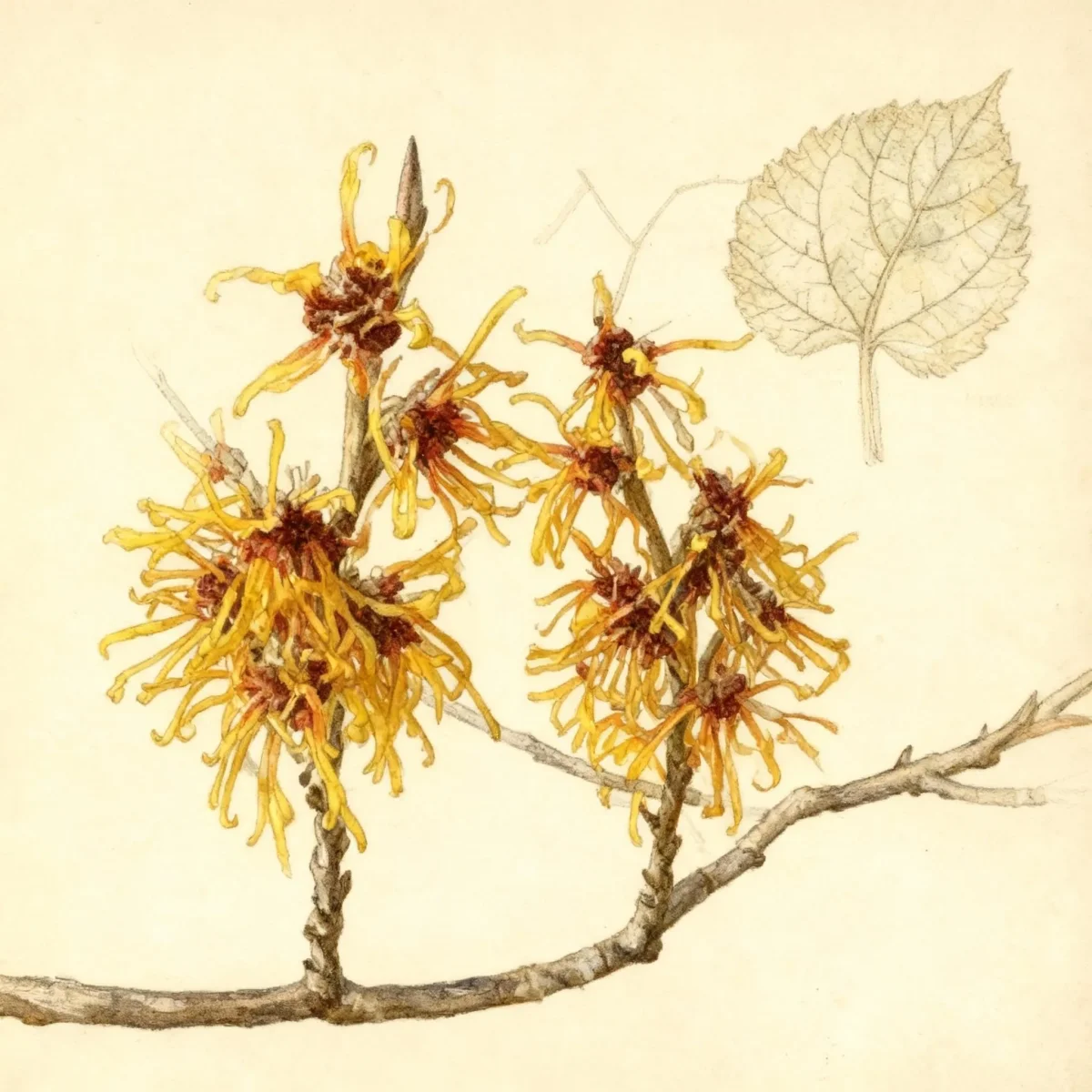
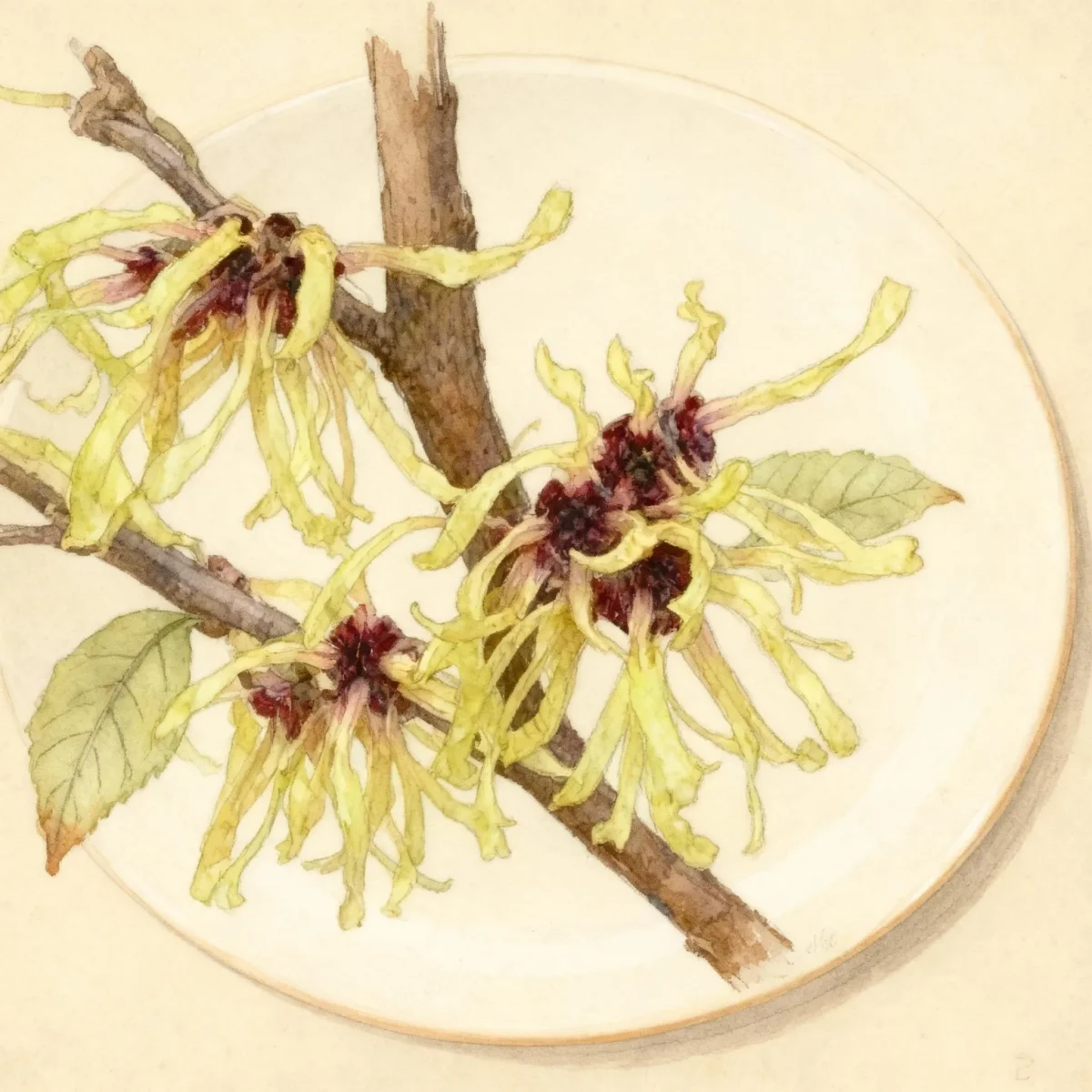
Witch hazel (Hamamelis 'Rochester')
Hamamelis 'Rochester' is a striking Witch hazel hybrid offering strongly fragrant, copper-orange winter blooms. Low maintenance.
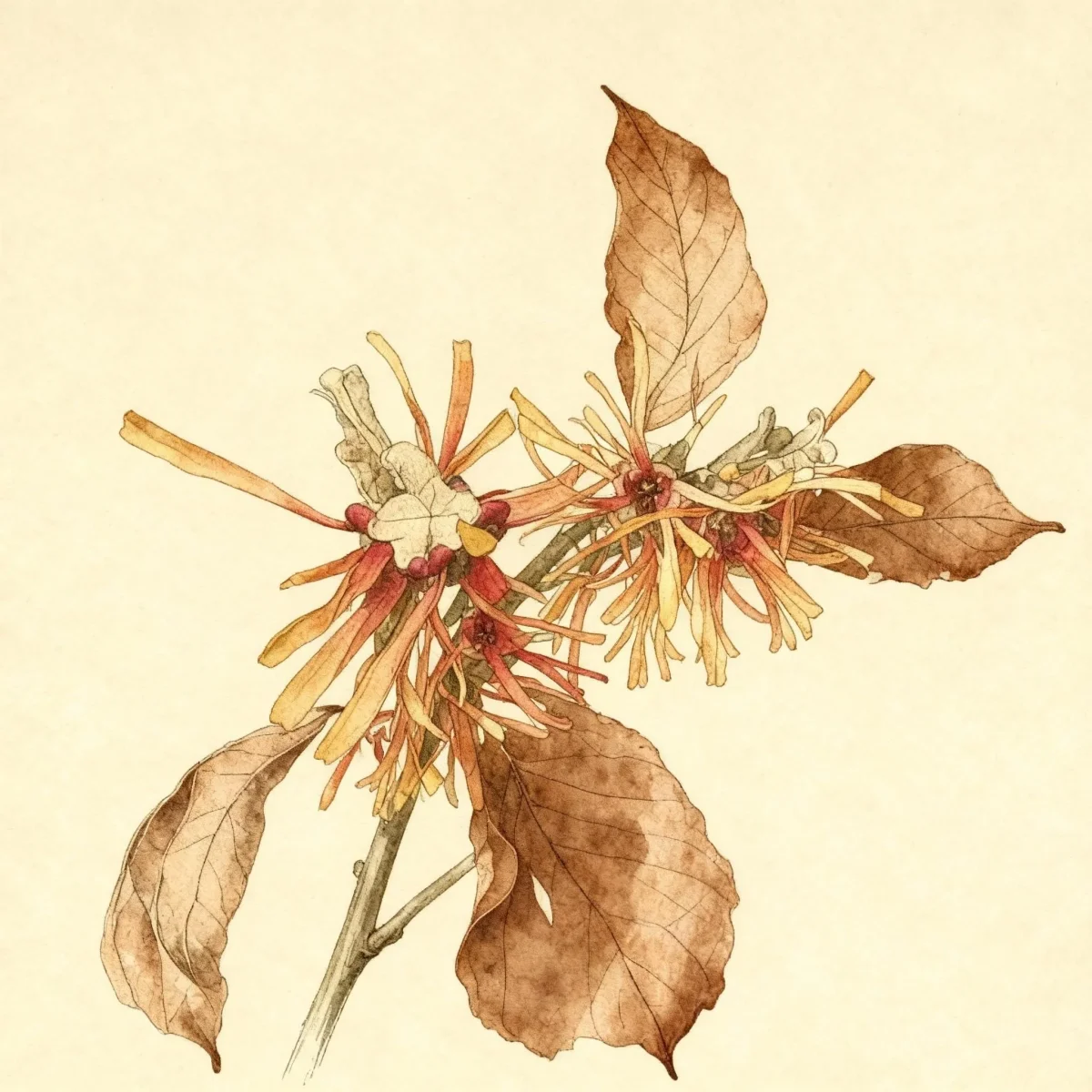

Bloom Boldly, No Matter the Season - Sweatshirt
Cozy organic cotton sweatshirt featuring our exclusive Purple Coneflower design. Perfect for gardeners who bloom year-round.
Inspired by the beautiful Witch hazel
Limited first batch (50) — join the waitlist for early access
Waitlist closes Feb 15, 2026.
Complete Plant Information
Field Guide Continues
Ready for care notes, companion picks, and planting tips?
The map is just the start. The full guide below covers growth habits, seasonal performance, and landscape uses.
Overview
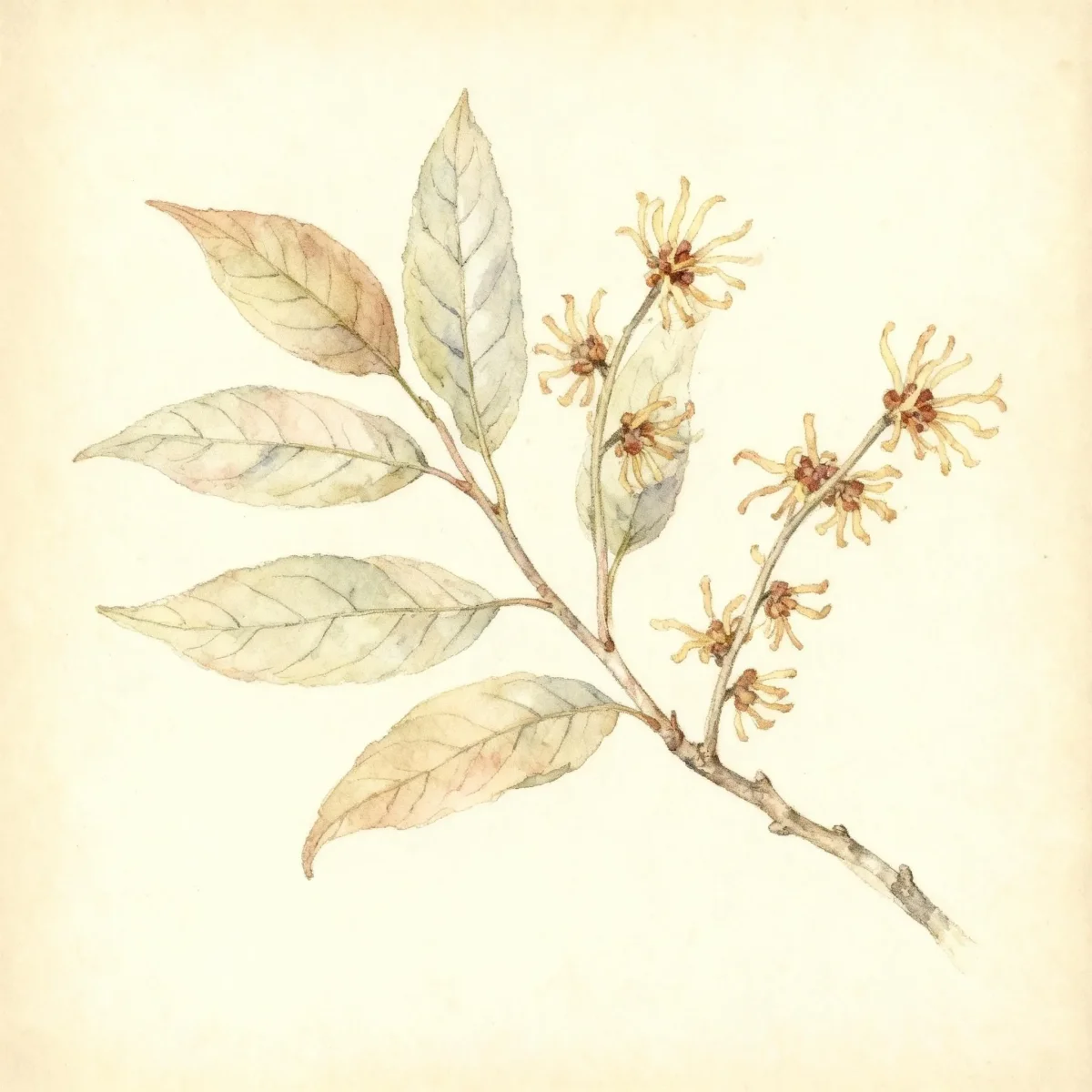
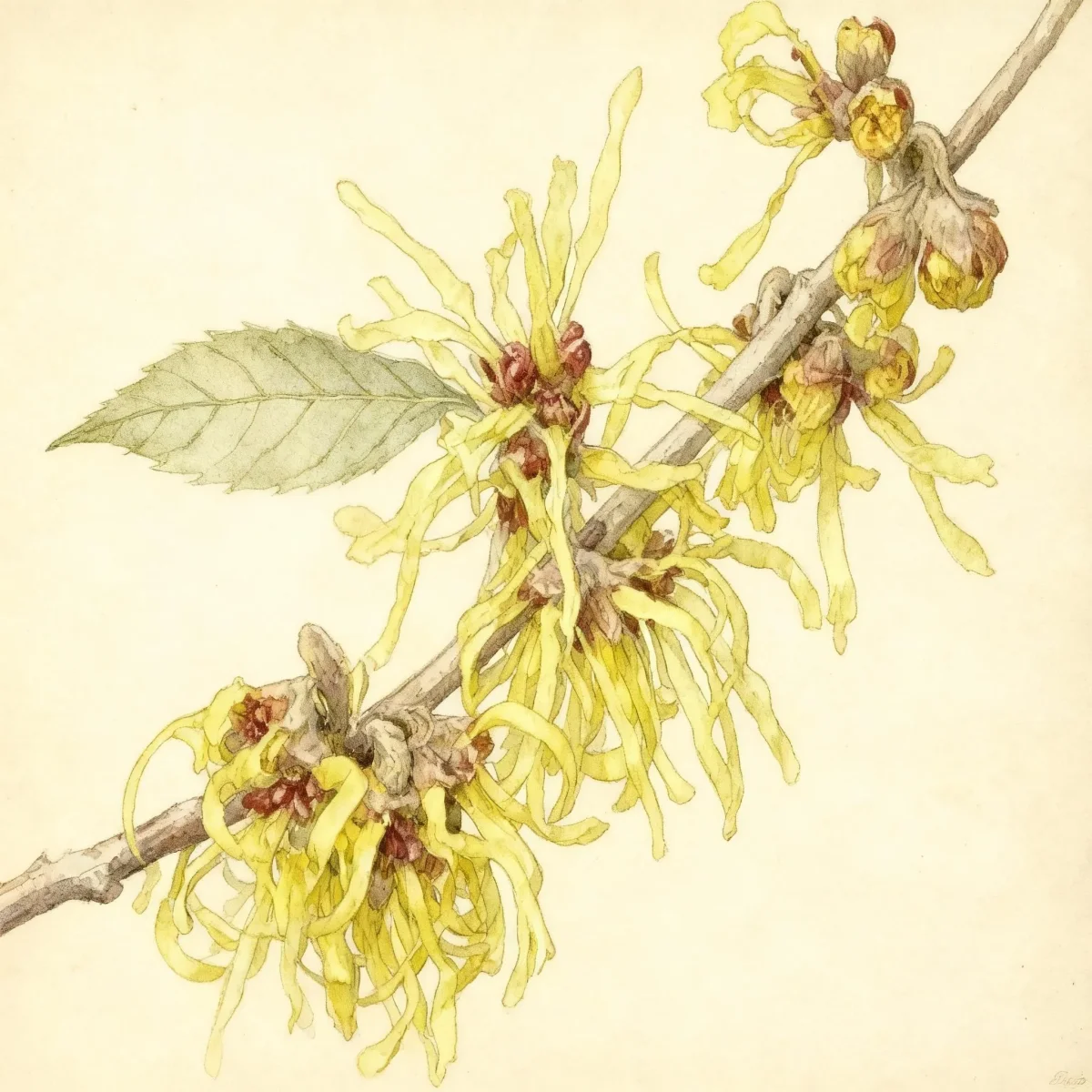
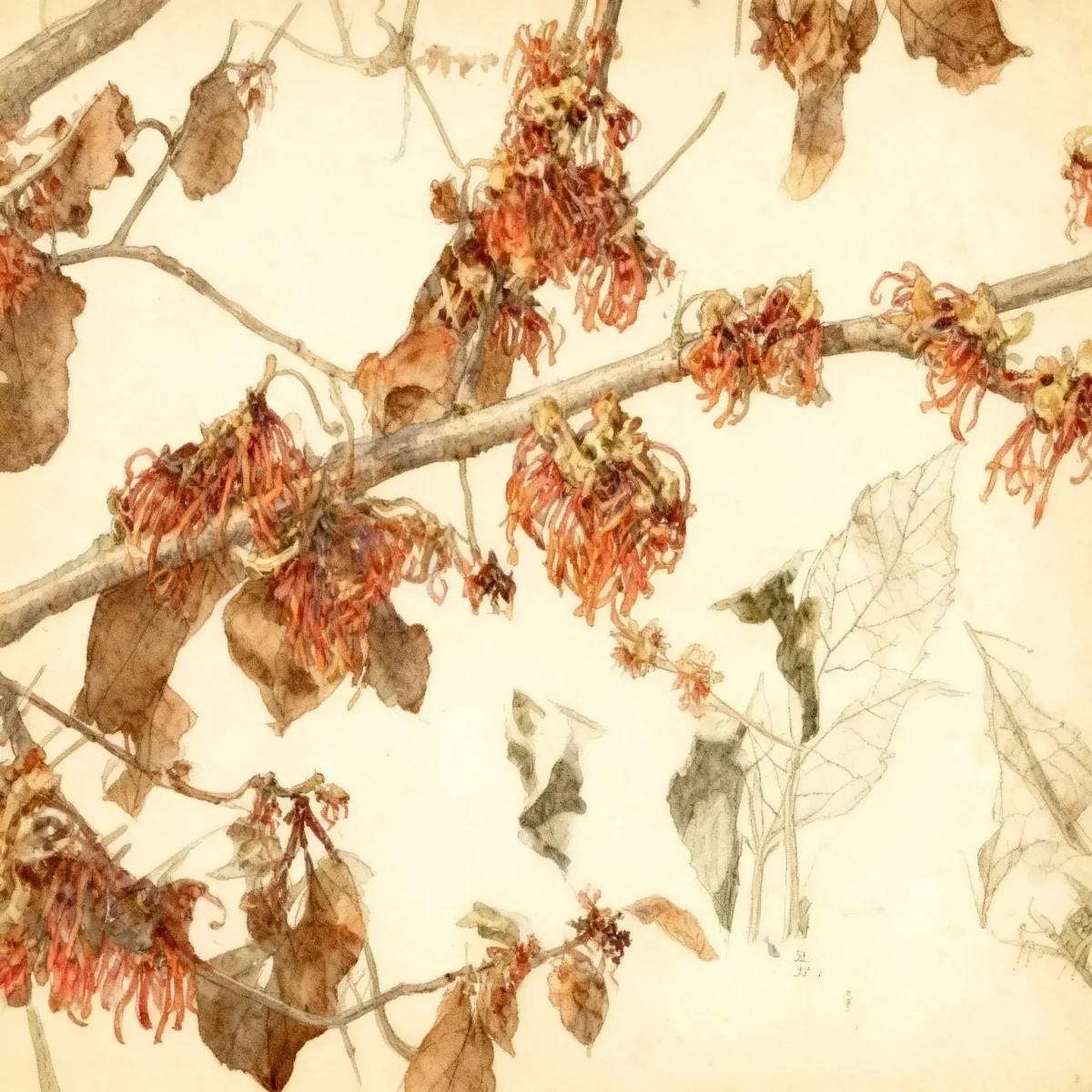
Hamamelis ‘Rochester’, a celebrated hybrid Witch hazel, provides essential visual interest during the dormant season when few other plants are active. This deciduous shrub is highly valued for the strongly fragrant, copper-orange flowers that emerge along bare stems in mid-winter, often starting as early as late December. Its late-season bloom ensures that even the coldest months offer a display of rich color and scent.
Originating as a hybrid around 1960, Hamamelis ‘Rochester’ typically matures into an upright, relatively coarse shrub reaching heights and spreads between 6 to 9 feet. Beyond its winter performance, the foliage offers attractive yellow tones in the autumn before dropping. Its low maintenance needs and attractive form make the Hamamelis ‘Rochester’ an excellent choice for gardeners seeking reliable, four-season interest.
This Witch hazel variety is adaptable, tolerating several challenging landscape situations while delivering significant ornamental payoff. Gardeners benefit from its inherent resistance to deer browsing and its ability to thrive in moisture-retentive clay soils, provided drainage remains adequate.
Fast Facts
- Plant Family: Hamamelidaceae
- Plant Type: Deciduous shrub
- Hardiness Zones: USDA Zones 5-8
- Size at Maturity:
- Height: 6-9 ft
- Spread: 6-9 ft
- Bloom Time: January to March
- Bloom Description: Copper-orange
- Sun Exposure: Full sun to part shade
- Water Needs: Medium
- Maintenance Level: Low
How to Grow
Planting Hamamelis ‘Rochester’ is best accomplished in Spring or Fall, allowing the roots to establish before harsh seasonal extremes hit. Choose a location that receives full sun, as this maximizes winter flower production, though partial shade is tolerated. This Witch hazel thrives in average, medium moisture, well-drained soils, ideally those that are acidic and organically rich, mimicking its preferred woodland environment.
Maintain consistent moisture, especially through summer droughts, as dry conditions can lead to leaf scorch. While Hamamelis ‘Rochester’ shows some tolerance for clay soils, ensuring that drainage is not impeded is crucial for root health. Fertilization is generally unnecessary if the soil is rich, but amending the planting area with compost can improve structure and moisture retention.
Pruning should be performed in the spring immediately after the flowering period ceases, which directs the shrub’s energy toward summer growth and future bloom wood. A critical maintenance task for any Witch hazel enthusiast is the prompt removal of root suckers, especially those growing below the graft union, to maintain the desired hybrid characteristics of Hamamelis ‘Rochester’.
Landscape Uses
As the name suggests, this variety is an excellent choice for tall hedges or screening where its winter flowers can be viewed up close, like near a walkway or patio. Its striking winter display designates the Hamamelis ‘Rochester’ as a superb specimen shrub, drawing attention precisely when gardens are otherwise bare. It integrates well into woodland garden settings, mixing successfully with other late-winter or early-spring bloomers.
When used in shrub borders, consider its companions carefully; plants that leaf out later will allow the Hamamelis ‘Rochester’ maximum visibility during its January to March bloom window. Because it is somewhat coarse in texture when dormant, pairing it with fine-textured evergreens provides contrast that enhances both the flowers and the eventual yellow fall foliage.
Standout Features
Flower Qualities
- Showy
- Fragrant
Noteworthy Characteristics
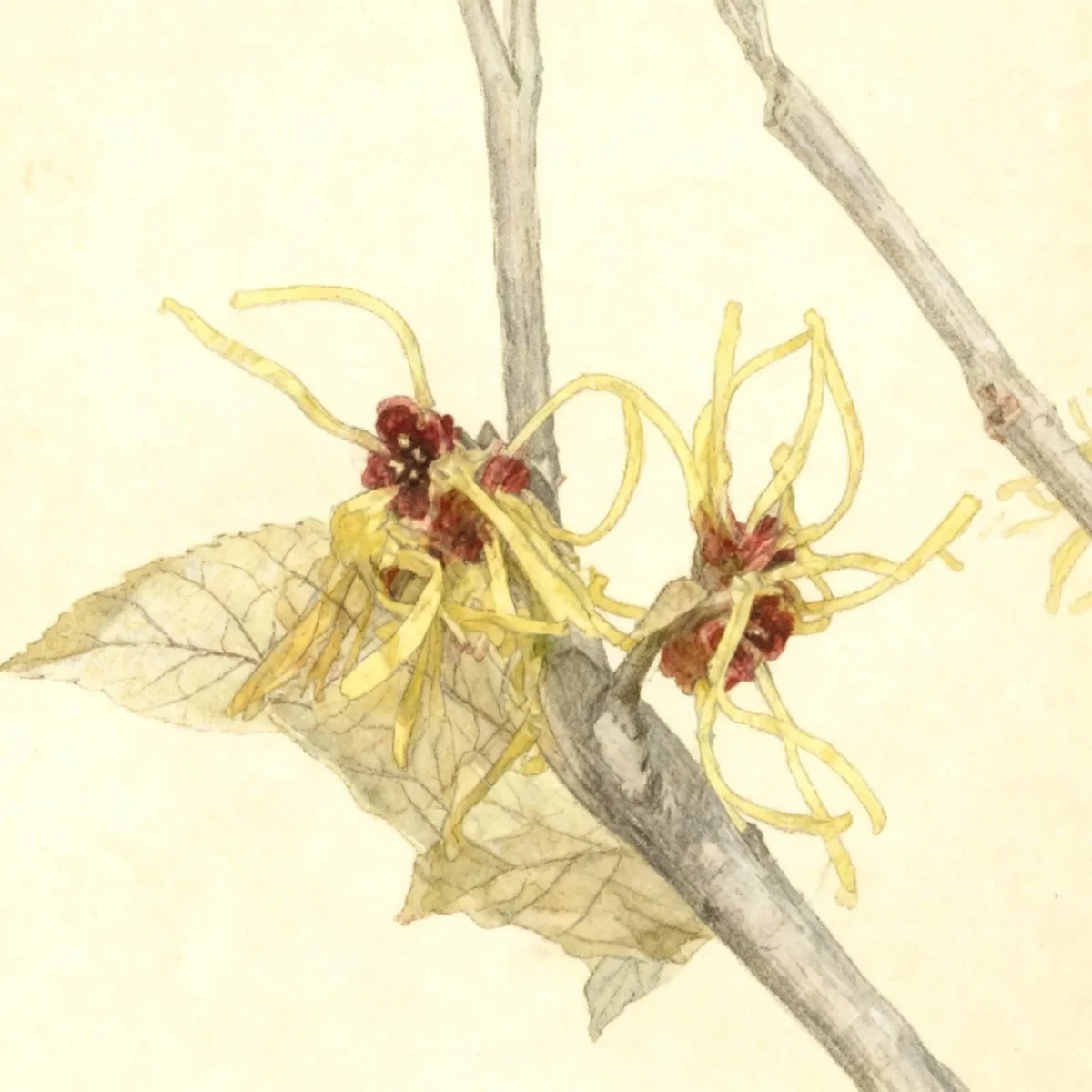
Hamamelis is a genus known for its unique timing, offering very early bloom from late winter into early spring, contrasting with the autumn flowering of H. Virginiana. The cultivar ‘Rochester’ is specifically noted for its mid-winter emergence of strongly fragrant, copper-orange flowers, featuring narrow, ribbon-like petals that unfurl along the bare branches. The leaves mature to gray-green before displaying a final wash of yellow color as fall approaches.
Tolerances
- Deer
- Erosion
- Clay Soil
Potential Problems
Insect pests are rarely a serious threat to Hamamelis ‘Rochester’, though gardeners should monitor for chewing damage from caterpillars and Japanese beetles on the leaves. Scale, leafrollers, and leafminers may occasionally be present, alongside minor fungal issues like powdery mildew or occasional leaf spots. Typically, these issues are aesthetic rather than structural and rarely require chemical intervention.
A noted characteristic that detracts from the winter flowers is the tendency for the dead leaves to cling to the branches throughout winter, somewhat obscuring the intricate bloom structure of the Witch hazel. Clean up of these persistent leaves is best handled in early spring before new growth begins.
Frequently Asked Questions
What hardiness zones is Witch hazel suitable for?
The Hamamelis ‘Rochester’ hybrid is reliably hardy across USDA Zones 5 through 8, making it suitable for a wide range of temperate climates across North America.
How large does Hamamelis ‘Rochester’ grow?
This upright deciduous shrub typically achieves a mature height between 6 to 9 feet, with nearly equal spread, growing to 6-9 ft wide.
What sun exposure does Witch hazel need?
For the best winter flowering display from your Hamamelis ‘Rochester’, ensure it receives full sun, although it can persist and grow in areas receiving part shade.
When does Hamamelis ‘Rochester’ bloom?
This cultivar provides its bloom period from January to March, noted for its copper-orange, strongly fragrant flowers appearing before the leaves return.
Conclusion
The Hamamelis ‘Rochester’ Witch hazel stands out as a premier choice for adding crucial color and fragrance to the late winter landscape. With its low maintenance requirements and proven tolerance for deer and clay, this cultivar offers reliable seasonal rewards. Assess your site conditions now to ensure adequate sunlight and moisture, allowing you to successfully plant this outstanding specimen shrub next fall or spring.
Companion Planting
When designing a garden space around your Hamamelis ‘Rochester’, choose companions that either bloom much later or naturally thrive in similar moist, slightly acidic conditions. Consider early-blooming bulbs like snowdrops (Galanthus) or winter aconite (Eranthis hyemalis) to precede the Witch hazel bloom. Later in the season, hostas and ferns will appreciate the dappled shade that the Hamamelis ‘Rochester’ provides once its canopy fills out, offering contrasting textures against its coarse winter structure.
Design Ideas for Winter Interest
To maximize the impact of the winter flowers on Hamamelis ‘Rochester’, plant it near structures or windows where they can be viewed from indoors during the colder months. Use dark mulch or dark-colored evergreen backdrops, such as pyramidal yews or dark pines, to make the copper-orange flowers and bare branch structure pop visually. This strategy ensures that the garden retains focal points even when snow cover is present, transforming dull winter scenery.