Eastern redbud(Cercis canadensis 'Hearts of Gold')
Grow Hearts of Gold redbud (Cercis canadensis): brilliant golden heart-shaped leaves, magenta spring blooms, burn-resistant foliage, and USDA zones 5–9 care.
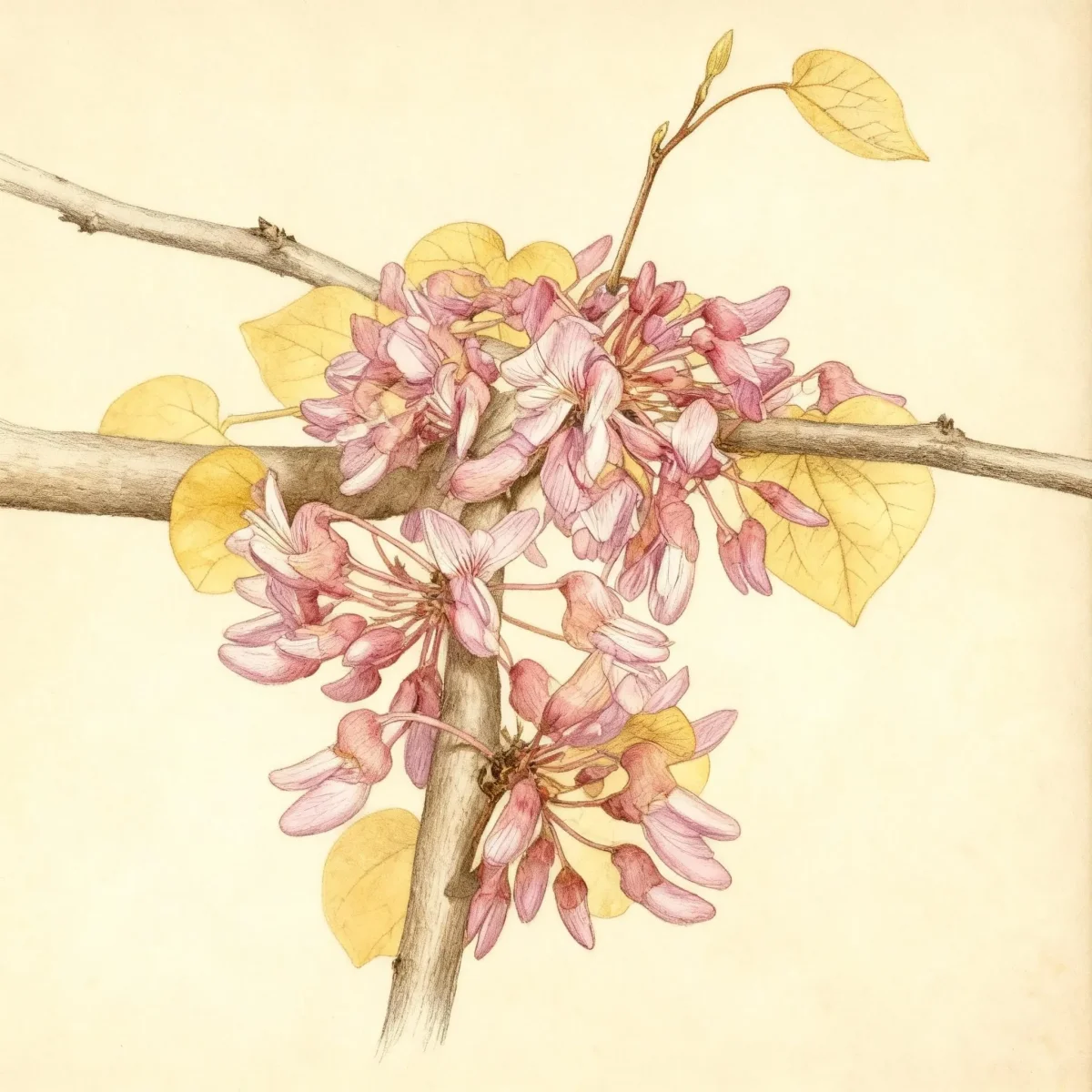
Complete Plant Information
- Hardiness zones
- USDA 5–9
- Plant type
- Tree
- Plant family
- Fabaceae
- Sun exposure
- Full sun to part shade
- Water needs
- Medium
- Maintenance
- Low to medium
- Height
- 20–25 ft (610–762 cm)
- Spread
- 20–30 ft (610–914 cm)
- Bloom time
- March to April
- Flower color
- Pea-like lavender-magenta flowers blooming directly on bare branches before leaves emerge
- Flower qualities
- Showy, Early spring bloomer
- Fruit qualities
- Not recorded
- Tolerances
- Deer, Clay Soil, Black Walnut
- Garden uses
- Focal specimen lawn tree, woodland understory, patio accent, spring garden anchor
- Native range
- Eastern and central North America (cultivar selection)
Field Guide Continues
Ready for care notes, companion picks, and planting tips?
The map is just the start. The full guide below covers growth habits, seasonal performance, and landscape uses.
Overview
Hearts of Gold® Eastern redbud (Cercis canadensis ‘Hearts of Gold’) is a breakthrough native flowering ornamental tree hardy in USDA Zones 5 through 9. Discovered in North Carolina by Jon Roethling, it is celebrated as the first gold-foliaged redbud with remarkable genetic resistance to summer sun scorch. Maturing into a graceful, vase-shaped to rounded canopy 20 to 25 feet tall and 20 to 30 feet wide, it bursts into a riot of vivid magenta-purple pea flowers along bare branches in early spring, immediately followed by radiant golden heart-shaped leaves that glow all summer.
Unlike older yellow-foliaged trees that bleach out and burn in July, ‘Hearts of Gold’ leaves maintain clean golden and chartreuse tones without scorched margins.
How to Grow
- Sunlight & Siting: USDA Zones 5 through 9. Full sun produces the most intense, electric canary-yellow foliage color. In hot southern zones (Zones 8 and 9), morning sun with filtered afternoon shade keeps the leaves looking fresh.
- Soil & Moisture: Prefers fertile, moist, organically rich, well-draining soils ranging from mildly acidic to alkaline (pH 6.0–7.8). Tolerates heavy clay soils well, but cannot withstand prolonged waterlogging.
- Deep Taproot Caution: Redbuds produce a deep, searching taproot early in life and develop sparse lateral roots. Always plant young container-grown stock and avoid attempting to transplant established trees.
- Pruning Discipline: Prune lightly immediately after spring flowering to shape the canopy or remove dead wood. Train young trees to wide 45-to-90-degree branch crotches to prevent weak branch unions as the crown expands.
Landscape Uses
- High-Impact Specimen Tree: The golden foliage acts as a glowing beacon in front lawns, especially when planted against dark evergreen backdrops.
- Woodland Understory Accent: Sited at the edge of a woodland canopy, it catches morning sunlight and illuminates shaded understories.
- Patio & Courtyard Terrace Tree: Compact, non-aggressive canopy provides dappled summer shade without overwhelming residential lots.
Potential Problems
- Canker (Botryosphaeria): The primary fungal threat to redbuds under drought stress. Keep trees properly hydrated and mulch the root zone to prevent stress.
- Verticillium Wilt: Avoid planting in soils with known histories of fungal wilt.
- Transplant Shock on Mature Trees: Due to its taproot, large field-dug redbuds establish poorly; buy smaller, vigorous container stock.
Frequently Asked Questions
Do the golden leaves burn in the summer sun?
No. ‘Hearts of Gold’ was selected specifically for its burn-resistant foliage, which withstands full summer sun without the crispy brown leaf margins that plague older yellow-leaved trees.
What color are the spring flowers on ‘Hearts of Gold’?
Flowers are brilliant reddish-purple to deep lavender-magenta, opening along bare branches in March and April before the golden heart leaves emerge.
How fast does Hearts of Gold redbud grow?
It grows at a moderate rate of 12 to 18 inches per year, reaching its mature height of 20 to 25 feet in approximately 15 to 20 years.
Companion Plants
Pair Hearts of Gold redbud with dark-leaved or blue-toned companion plants to maximize the visual impact of its glowing yellow foliage:
- Dark Foliage Shrubs: Plant near purple smokebush (Cotinus coggygria ‘Royal Purple’) or dark-leaved ninebarks (Physocarpus ‘Diabolo’).
- Evergreen Backdrops: Site in front of dark green junipers, yews, or hollies to make the golden canopy pop.
- Spring Flowering Underplantings: Underplant with spring-blooming Virginia bluebells (Mertensia virginica), daffodils, and woodland phlox.
Sources & Lineage
- Missouri Botanical Garden PlantFinder: Record taxon 268386 (Cercis canadensis ‘Hearts of Gold’) — cultivar baseline, dimensions, and cauliflorous bloom record.
- Kew Plants of the World Online (POWO): Cercis canadensis L. (POWO: 316243-2) — species taxonomy, family (Fabaceae), and North American distribution.
- North Carolina State University Extension: Cercis canadensis ‘Hearts of Gold’ — cultivar discovery by Jon Roethling, foliage sun-scorch resistance trials, and culture.
Recommended Companion Plants

Eastern redbud
Cercis canadensis 'Forest Pansy'
- USDA zones
- 5–9
- Light
- Full sun to part shade
- Water
- Medium

Eastern redbud
Cercis canadensis 'JN2' THE RISING SUN
- USDA zones
- 4–8
- Light
- Full sun to part shade
- Water
- Medium

Eastern redbud
Cercis canadensis 'Pauline Lily'
- USDA zones
- 5–9
- Light
- Full sun to part shade
- Water
- Medium
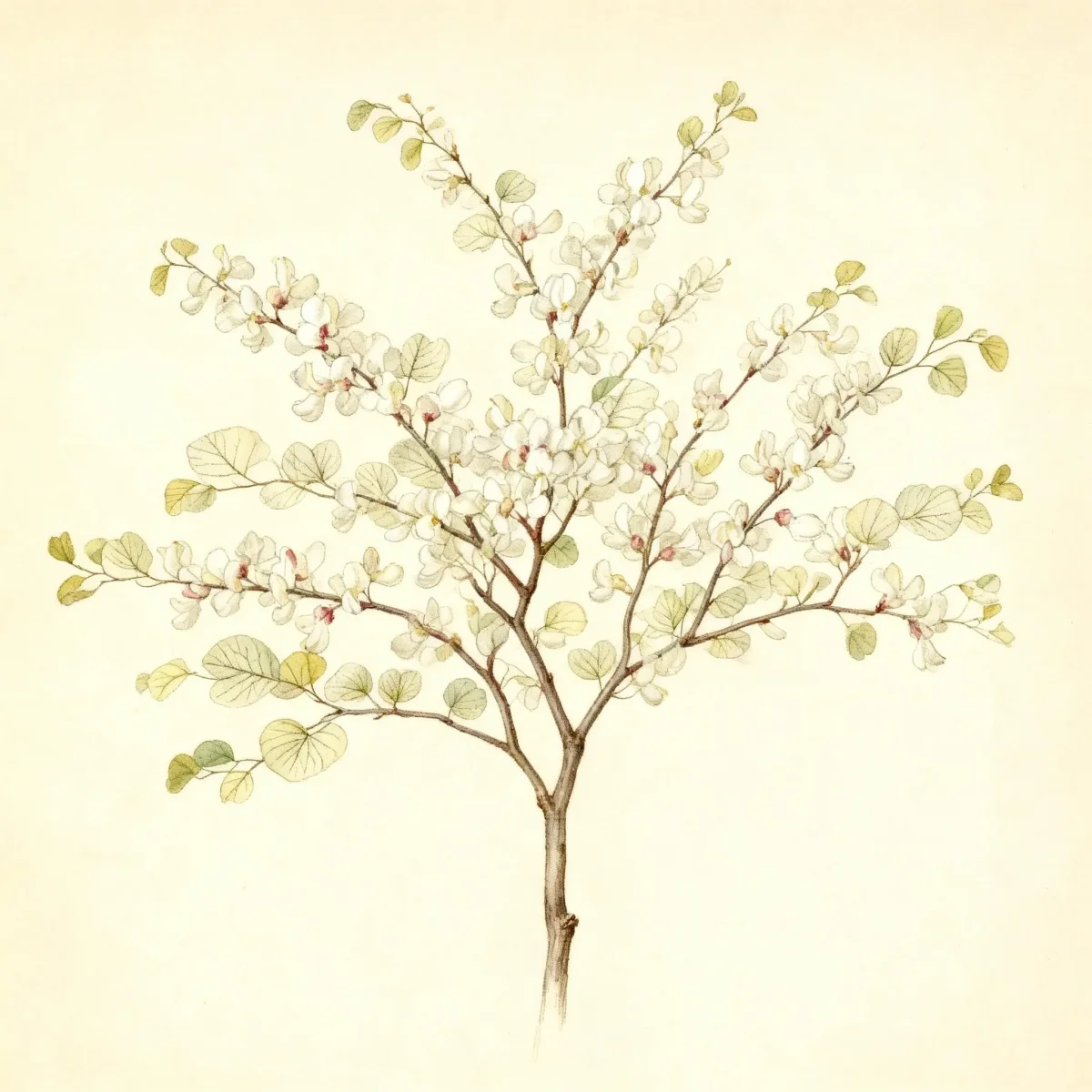
Eastern redbud
Cercis canadensis f. Alba 'Royal White'
- USDA zones
- 4–9
- Light
- Full sun to part shade
- Water
- Medium
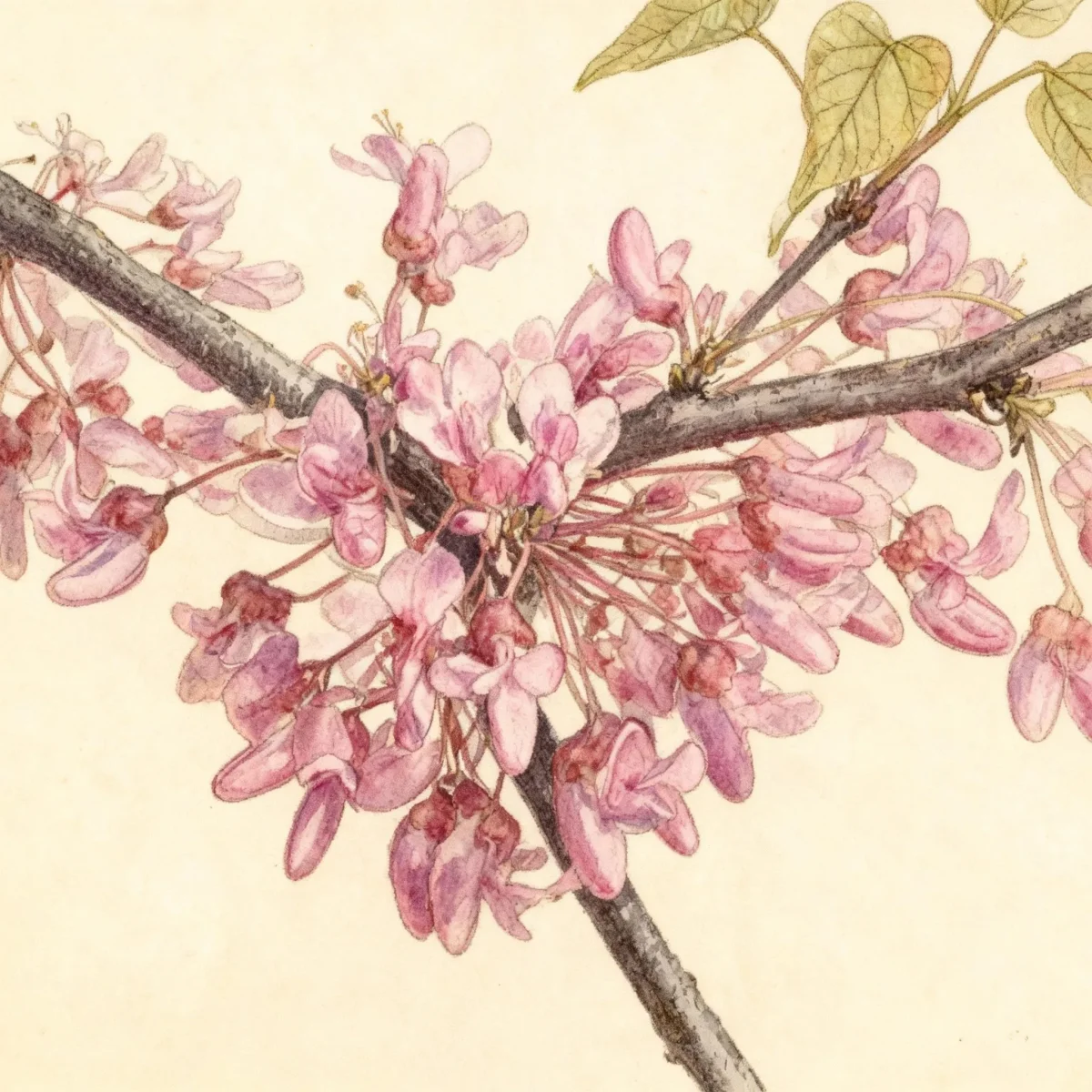
Eastern redbud
Cercis canadensis 'Covey'
- USDA zones
- 5–9
- Light
- Full sun to part shade
- Water
- Medium

Eastern redbud
Cercis canadensis 'Appalachian Red'
- USDA zones
- 4–9
- Light
- Full sun to part shade
- Water
- Medium
Keep Learning
Test what you know with a garden quiz
You have the plant facts and care notes. Continue with a related challenge, or browse the complete quiz library.
Beginner Composting Quiz: Test Your Knowledge
Curious about composting? Take this quick quiz to see how much you know about turning kitchen scraps and yard waste into garden gold.
Start quiz
Can You Identify These Common Garden Plants? Test Your Plant Knowledge
Think you know your roses from your peonies? Test your plant identification skills with our comprehensive garden plant quiz featuring 10 challenging questions.
Start quizBrowse the full quizzes section
Explore plant identification, zone strategy, and seasonal gardening challenges.
View all quizzes