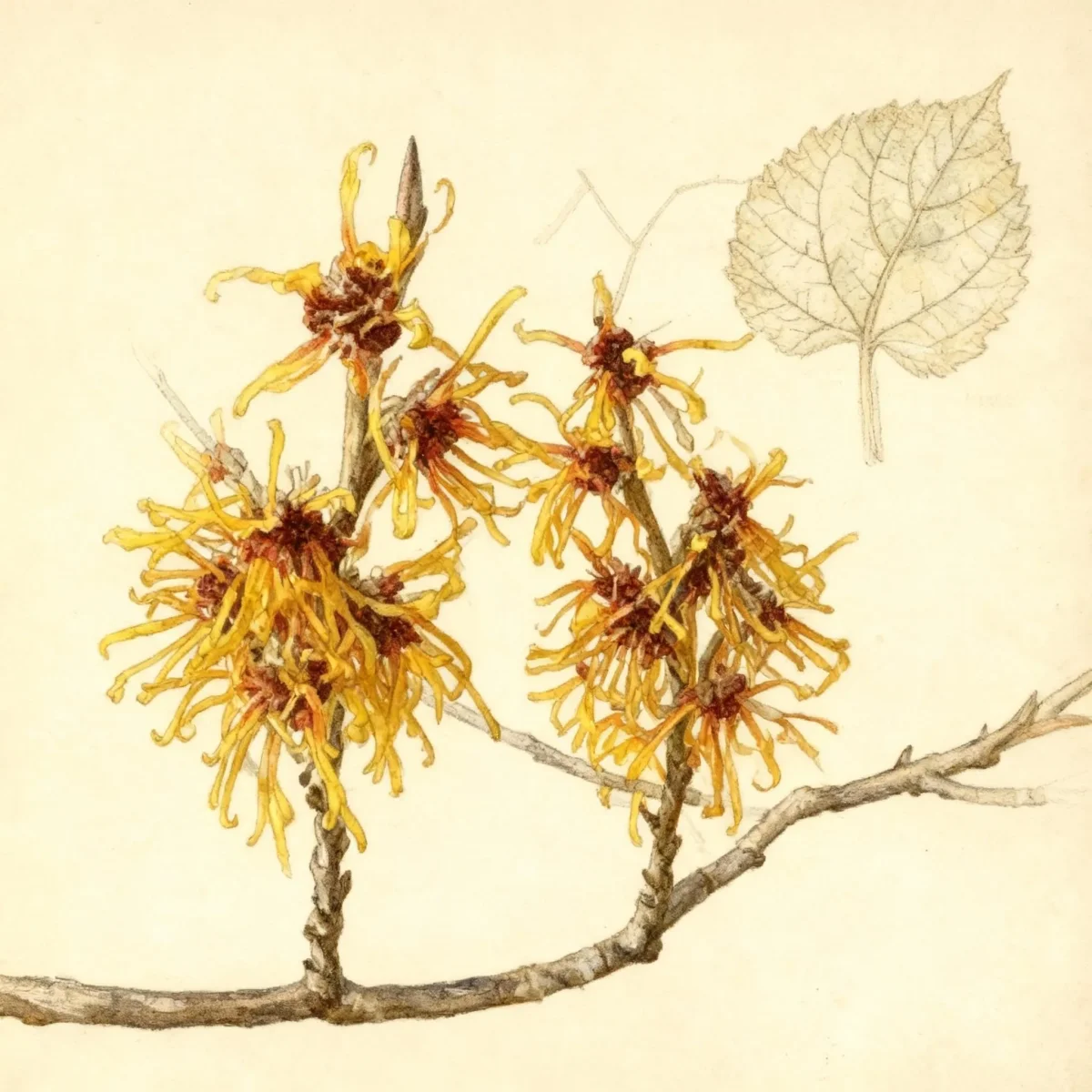
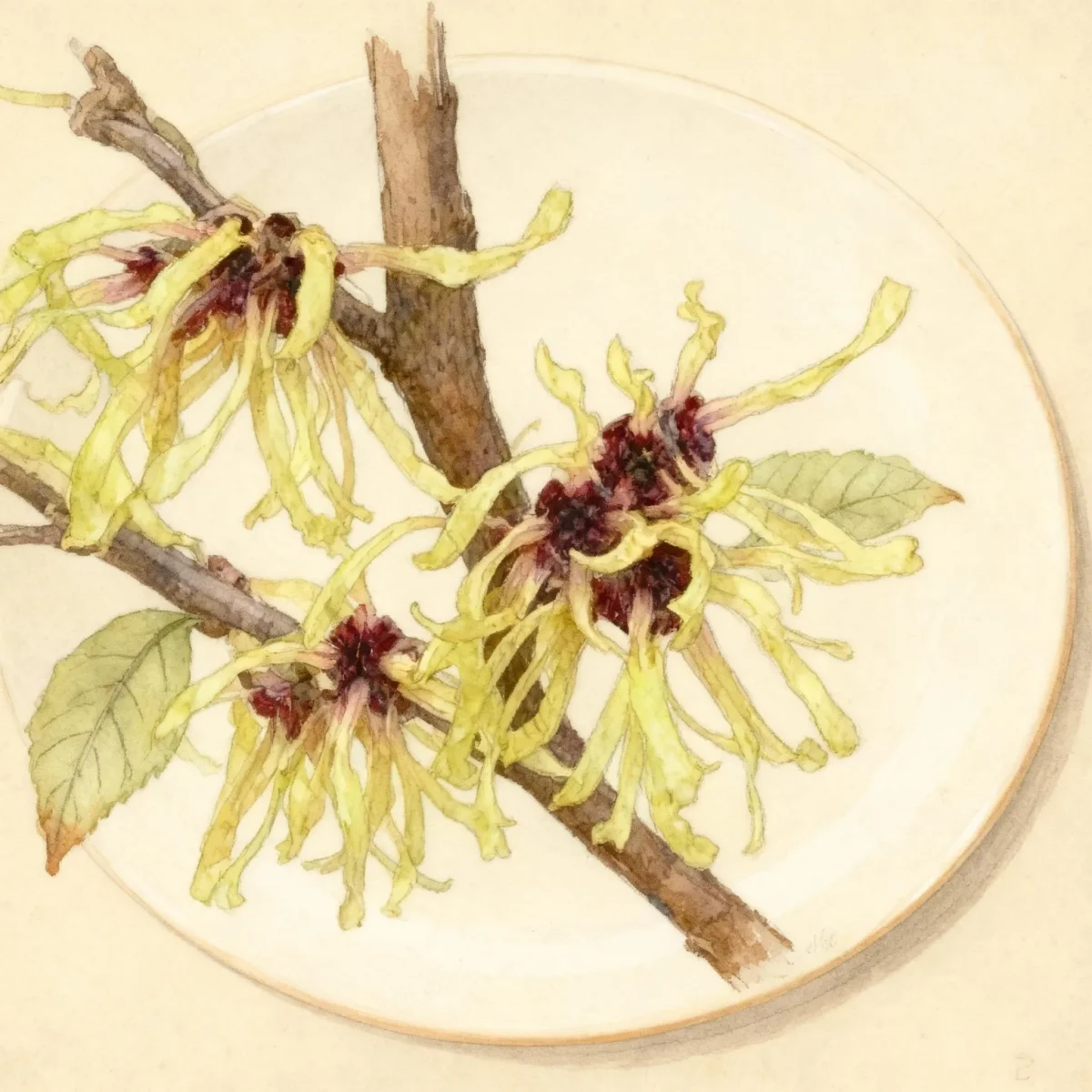
Witch hazel (Hamamelis × intermedia 'Limelight')
Hamamelis × intermedia 'Limelight' is a low-maintenance Witch hazel, offering striking yellow winter blooms and robust screening capabilities in zones 5-8.
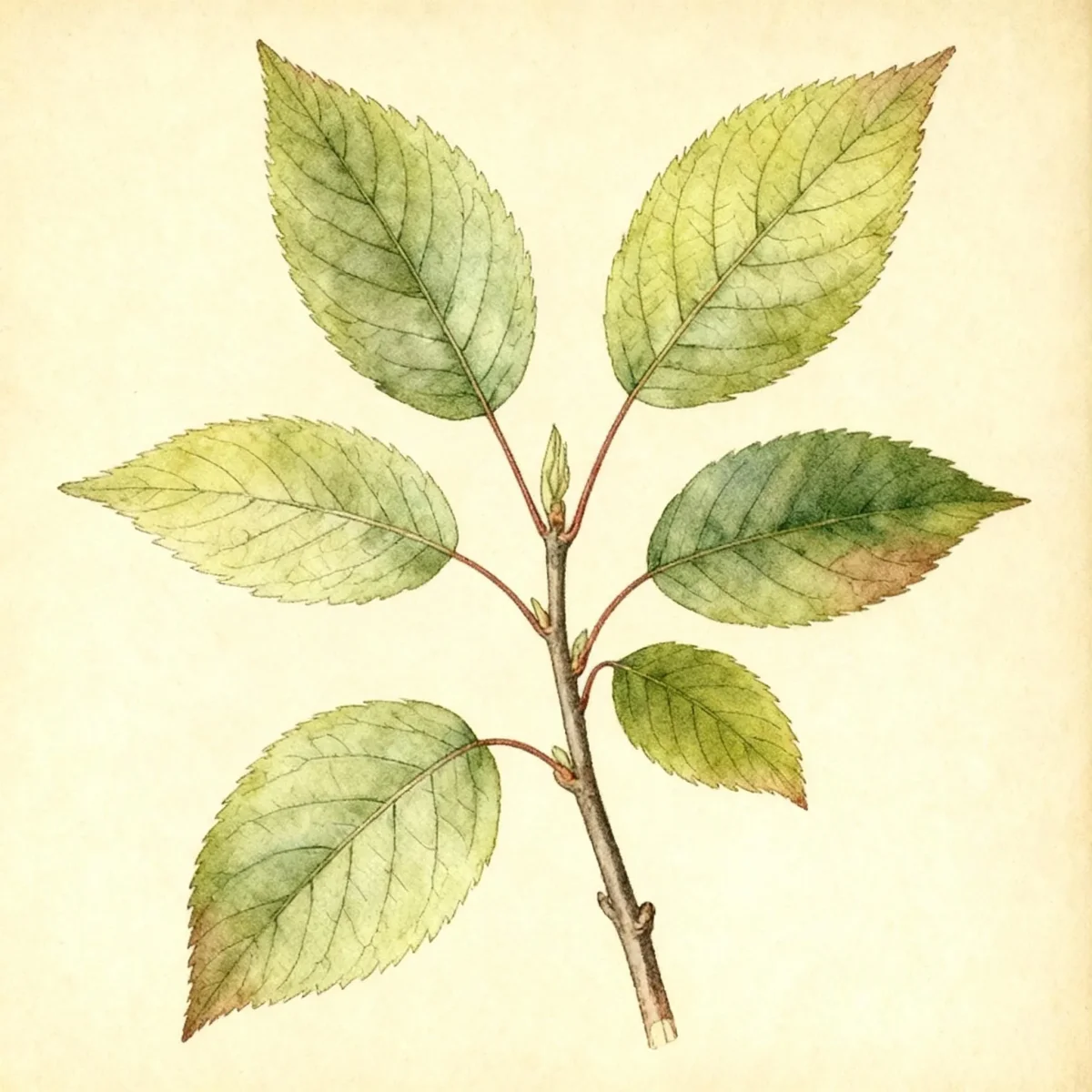

Bloom Boldly, No Matter the Season - Sweatshirt
Cozy organic cotton sweatshirt featuring our exclusive Purple Coneflower design. Perfect for gardeners who bloom year-round.
Inspired by the beautiful Witch hazel
Limited first batch (50) — join the waitlist for early access
Waitlist closes Feb 15, 2026.
Complete Plant Information
Field Guide Continues
Ready for care notes, companion picks, and planting tips?
The map is just the start. The full guide below covers growth habits, seasonal performance, and landscape uses.
Overview
The Hamamelis × intermedia ‘Limelight’, commonly known as Witch hazel, provides essential winter architecture and brilliant color when most landscapes are dormant. This hybrid is valued for its distinctive, often spidery, yellow flowers that illuminate the late winter garden just before new foliage appears. As a deciduous shrub, it offers excellent year-round interest, transitioning from striking blooms to attractive summer foliage and reliable fall color.
Growing into a medium to large shrub, Hamamelis × intermedia ‘Limelight’ possesses a vase shape ideal for screening or specimen planting. It combines the best traits of its Japanese and Chinese parent species, resulting in a relatively tough and adaptable landscape performer. Gardeners rely on this Witch hazel for its low maintenance requirements and its ability to thrive even in challenging site conditions.
Beyond its aesthetic appeal, establishing Hamamelis × intermedia ‘Limelight’ provides functional benefits, including screening capabilities and resilience against deer browse. Its late flowering window is crucial for early pollinators, making it a welcome addition to any four-season garden design.
Fast Facts
- Plant Family: Hamamelidaceae
- Plant Type: Deciduous shrub
- Hardiness Zones: USDA Zones 5-8
- Size at Maturity:
- Height: 6-10 ft
- Spread: 6-10 ft
- Bloom Time: February to March
- Bloom Description: Yellow
- Sun Exposure: Full sun to part shade
- Water Needs: Medium
- Maintenance Level: Low
How to Grow
The best time to establish your Witch hazel is when dormant, either in early spring or fall. Select a location that provides full sun for the absolute best flowering performance, though it tolerates light afternoon shade. Hamamelis × intermedia ‘Limelight’ thrives in average, medium moisture soils, but prefers acidic, organically rich conditions. Ensuring good drainage is paramount, as standing water will cause problems, although this shrub shows some tolerance for occasional clay soil presence.
Maintain consistent moisture, especially during hot, dry summer periods, as drought stress can lead to leaf scorch. Fertilization is rarely necessary if the soil is rich in organic matter. Pruning should be done promptly in the spring immediately after flowering concludes to shape the shrub and maintain its size.
Be vigilant about removing root suckers, particularly those arising below the graft union, to prevent the shrub from spreading colonially or reverting to rootstock traits. Routine maintenance for this low-care plant involves inspection for minor pests and diseases rather than heavy intervention.
Landscape Uses
Hamamelis × intermedia ‘Limelight’ excels as a superior winter-flowering specimen, drawing the eye during the coldest months. Its medium stature and natural vase shape make it perfect for inclusion in shrub borders where its structure can be appreciated even when leafless. It functions excellently as a tall hedge or screen where dense, year-round foliage isn’t required, utilizing its winter bloom as a feature.
In woodland garden settings, place this Witch hazel where its unique texture contrasts nicely with evergreen foundations. Consider companion planting with early spring bulbs that emerge shortly after the shrub finishes blooming, softening the transition into the growing season. Its tolerance for pollution also makes the Hamamelis × intermedia ‘Limelight’ a reliable choice for urban or street-side plantings.
Standout Features
Flower Qualities
- Showy
Noteworthy Characteristics
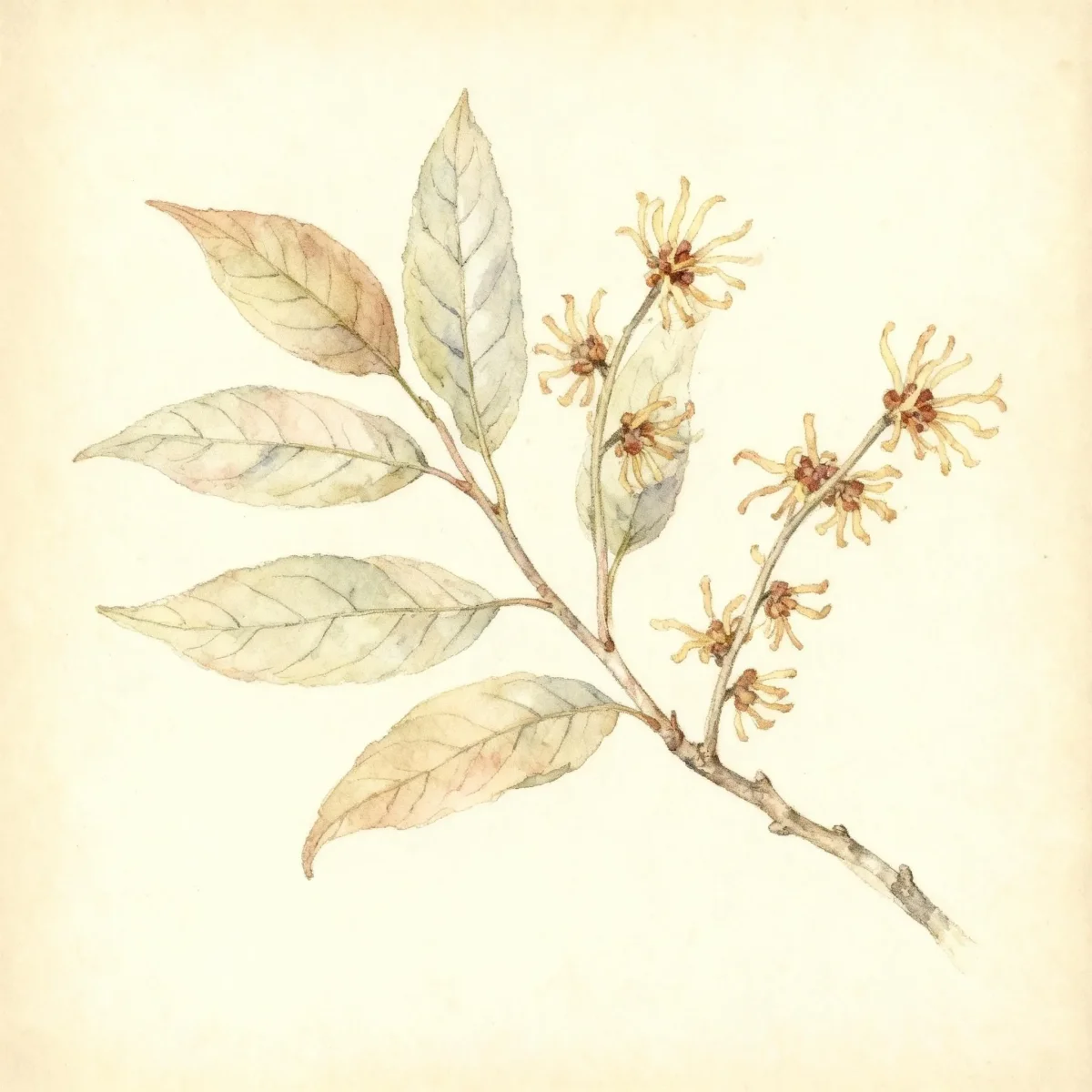
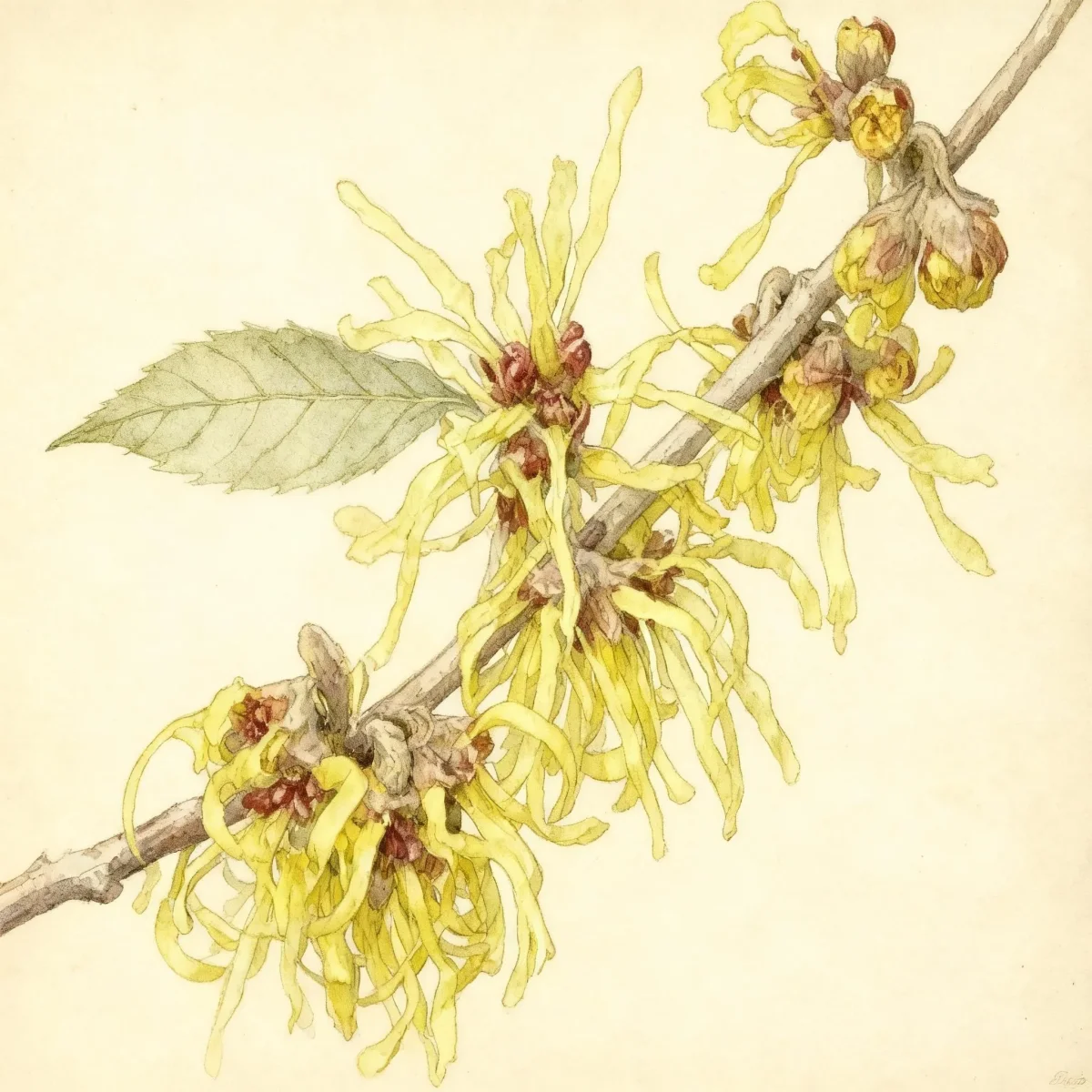
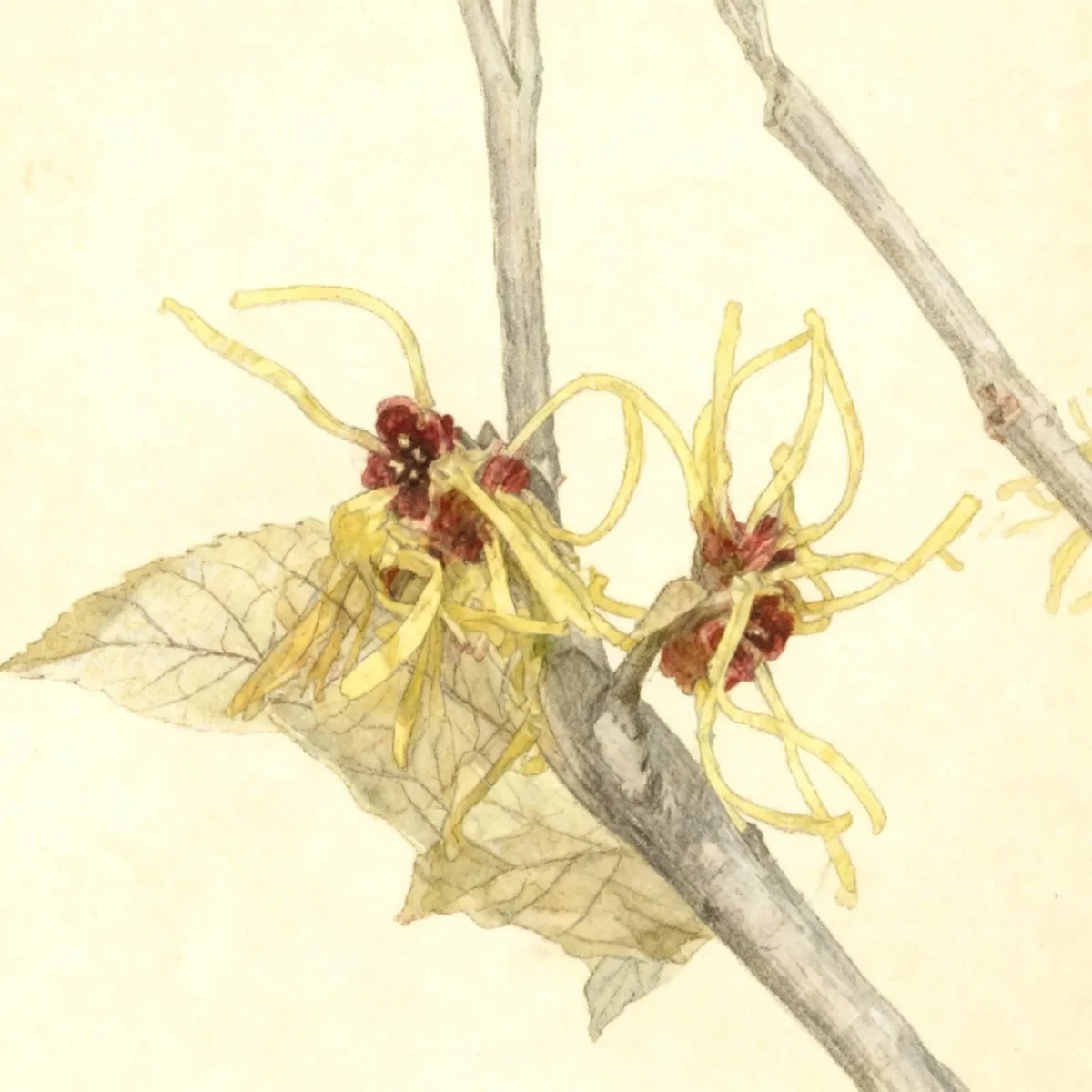
Hamamelis × intermedia hybrids are crosses between Japanese witch hazel (H. Japonica) and Chinese witch hazel (H. Mollis). ‘Limelight’ typically matures as a vase-shaped shrub to 6-10’ tall and as wide, noted for its showy, non-fragrant, pale yellow, ribbon-like petals blooming along bare stems in mid- to late winter. The ovate-rounded leaves emerge yellowish green, mature to medium green, and turn bright yellow in autumn before dropping.
Tolerances
- Deer
- Erosion
- Clay Soil
- Air Pollution
Potential Problems
Insect issues on Witch hazel are generally minor and rarely require chemical treatment. Gardeners should watch for caterpillars or Japanese beetles that may chew on the foliage during the active summer growing season. Other occasional pests include scale, gall aphids, leafrollers, and leafminers.
Potential disease issues mainly revolve around fungal problems like powdery mildew, which can sometimes appear on the leaves late in the season. Good air circulation and avoiding overhead watering can help mitigate mildew development. Promptly clean up fallen debris to reduce overwintering fungal spores.
Frequently Asked Questions
What hardiness zones is Witch hazel suitable for?
Hamamelis × intermedia ‘Limelight’ is hardy and thrives across USDA Zones 5 through 8.
How large does Hamamelis × intermedia ‘Limelight’ grow?
This deciduous shrub typically reaches a mature height between 6 and 10 feet, with a similar spread of 6 to 10 feet wide, developing a vase shape.
When does Witch hazel bloom?
The spectacular bloom period for Hamamelis × intermedia ‘Limelight’ occurs primarily in late winter, spanning from February into March, featuring distinct yellow flowers.
What sun exposure does Witch hazel need?
For optimal flowering, provide full sun exposure; however, this Witch hazel will successfully grow in locations receiving part shade.
Conclusion
Hamamelis × intermedia ‘Limelight’ is an exceptional low-maintenance specimen, offering the rare gift of bright yellow flowers during the bleakest part of the year. The structural interest and four-season appeal of this Witch hazel cement its place in sophisticated landscaping schemes. Before planting, confirm that your site offers medium moisture and ensure good drainage to guarantee robust performance from your new shrub.
Companion Planting
When selecting companions for Hamamelis × intermedia ‘Limelight’, focus on plants that establish their color display immediately after the witch hazel finishes blooming. Consider planting early-blooming bulbs like snowdrops (Galanthus) or crocus directly beneath the shrub where their small forms won’t be overwhelmed by the shrub’s stature. Low-growing, acid-loving evergreens such as dwarf rhododendrons or azaleas make excellent foundation plantings, providing year-round green contrast to the winter stems.
For summer interest, pair this Witch hazel with hostas or ferns in shadier conditions, as their lush, deep green textures complement the medium green summer foliage of the Hamamelis × intermedia ‘Limelight’. Remember that the soil preference for moist, acidic conditions should guide all your companion choices in this planting area.
Seasonal Care Calendar
Late Winter/Early Spring (February to March) is when you observe the primary feature of Hamamelis × intermedia ‘Limelight’—its bloom. Protect tender new buds from severely late frosts if an early spring warm spell occurs. Immediately after flowering ceases in spring, this is the ideal time for any necessary shaping or size control pruning.
Summer maintenance focuses primarily on water management. While established Hamamelis × intermedia ‘Limelight’ has some drought tolerance, consistent medium moisture is key to preventing leaf scorch during peak heat waves. Monitor for early signs of pest activity on the foliage, but usually, no intervention is required.
Autumn involves preparing the soil for winter dormancy without applying heavy fertilizers. The deciduous leaves of this Witch hazel turn a pleasant yellow before dropping, cleaning up is minimal unless you have specific design requirements. Ensure the roots are well-mulched before the ground freezes hard.