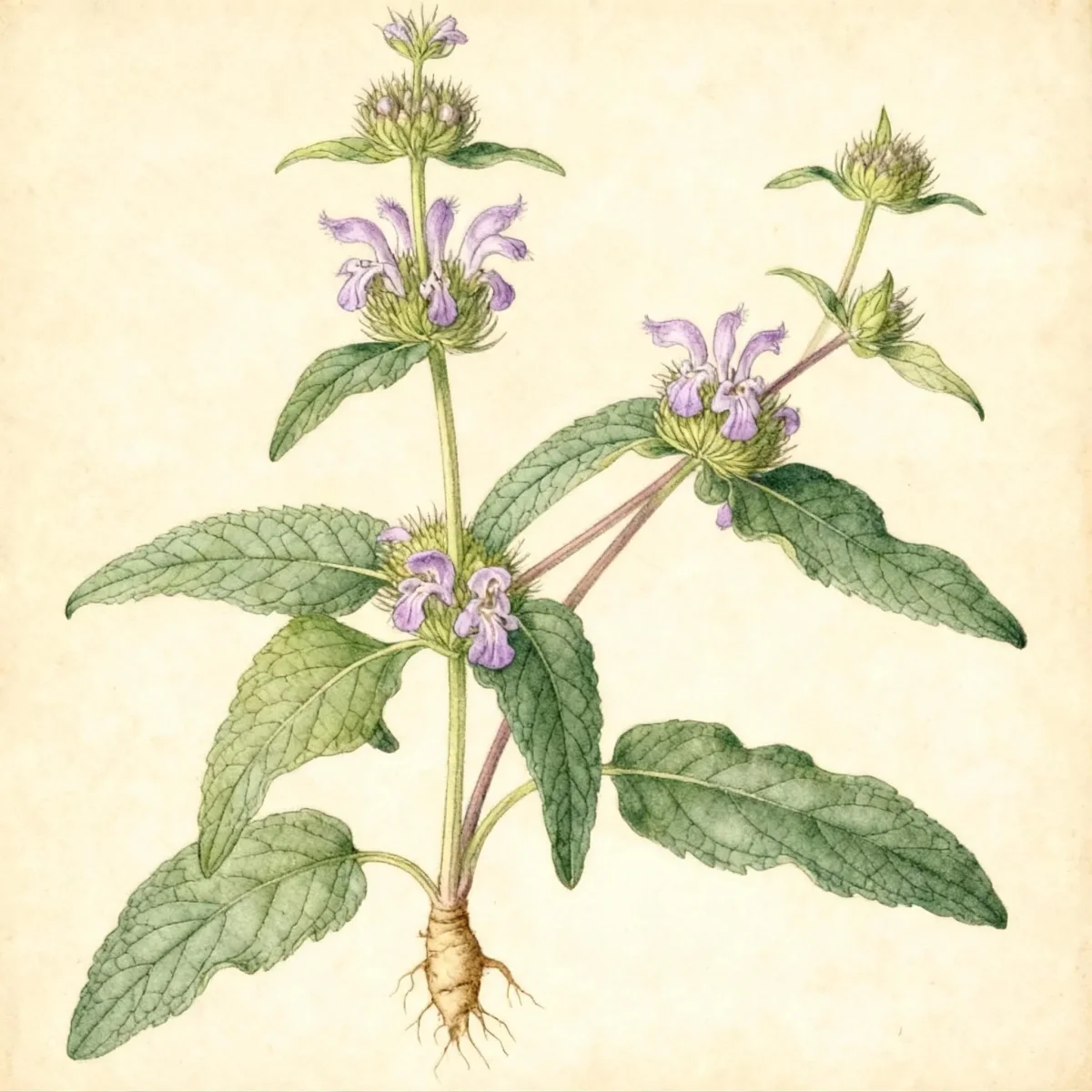
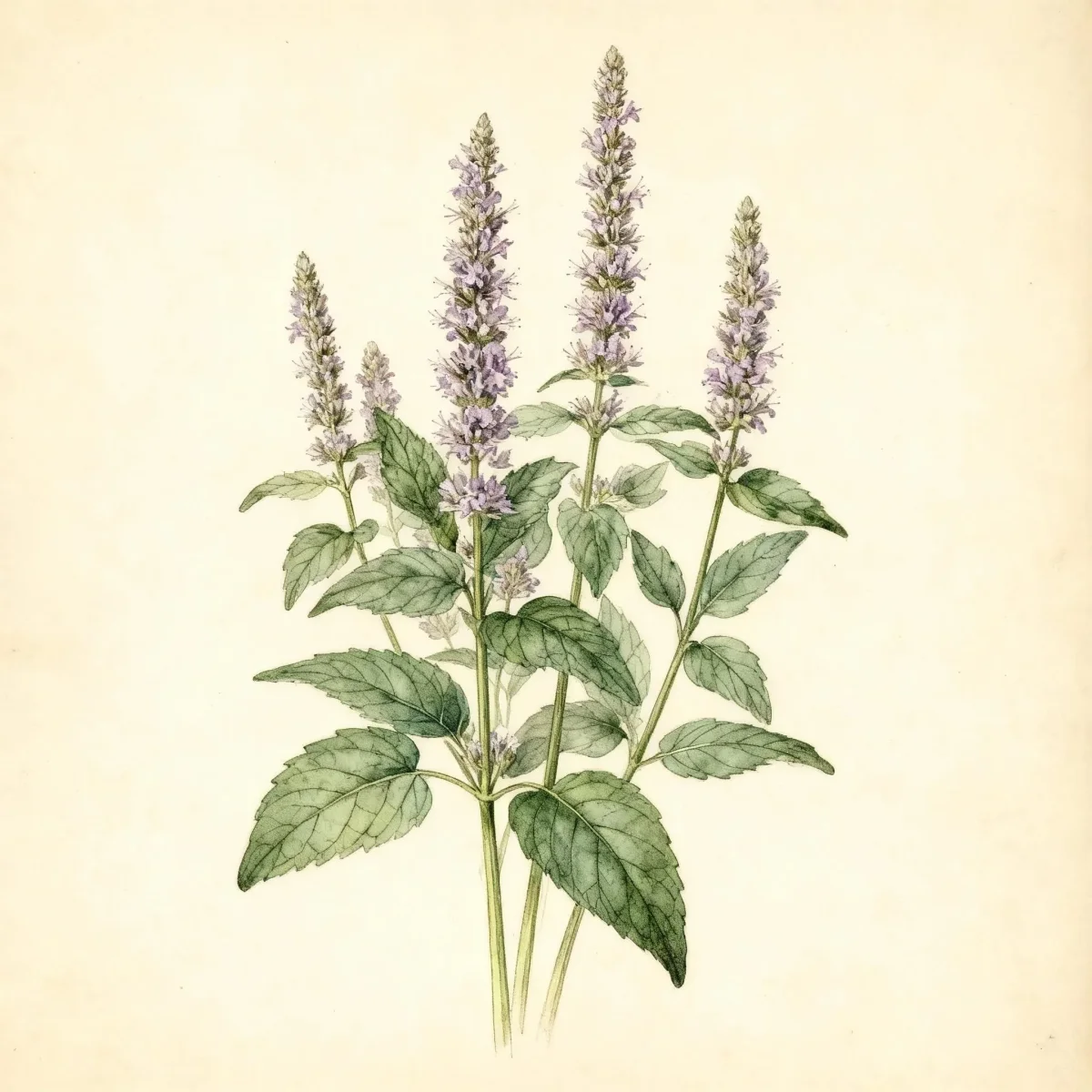
Phlomis (Phlomis tuberosa 'Amazone')
Stunning Phlomis tuberosa 'Amazone' is a tough, striking herbaceous perennial, blooming lavender-pink from May to July in full sun.
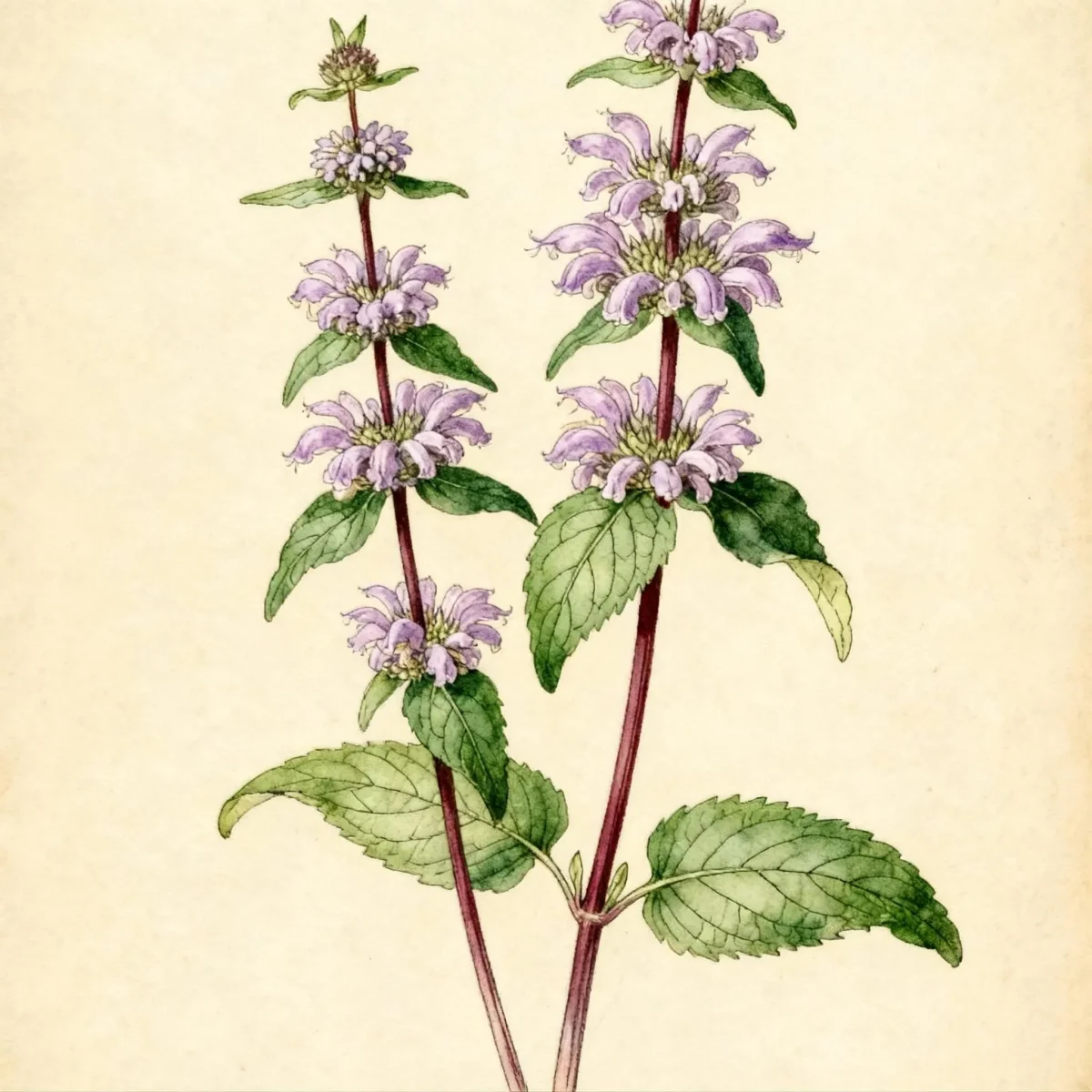

Bloom Boldly, No Matter the Season - Sweatshirt
Cozy organic cotton sweatshirt featuring our exclusive Purple Coneflower design. Perfect for gardeners who bloom year-round.
Inspired by the beautiful Phlomis
Limited first batch (50) — join the waitlist for early access
Waitlist closes Feb 15, 2026.
Complete Plant Information
Field Guide Continues
Ready for care notes, companion picks, and planting tips?
The map is just the start. The full guide below covers growth habits, seasonal performance, and landscape uses.
Overview
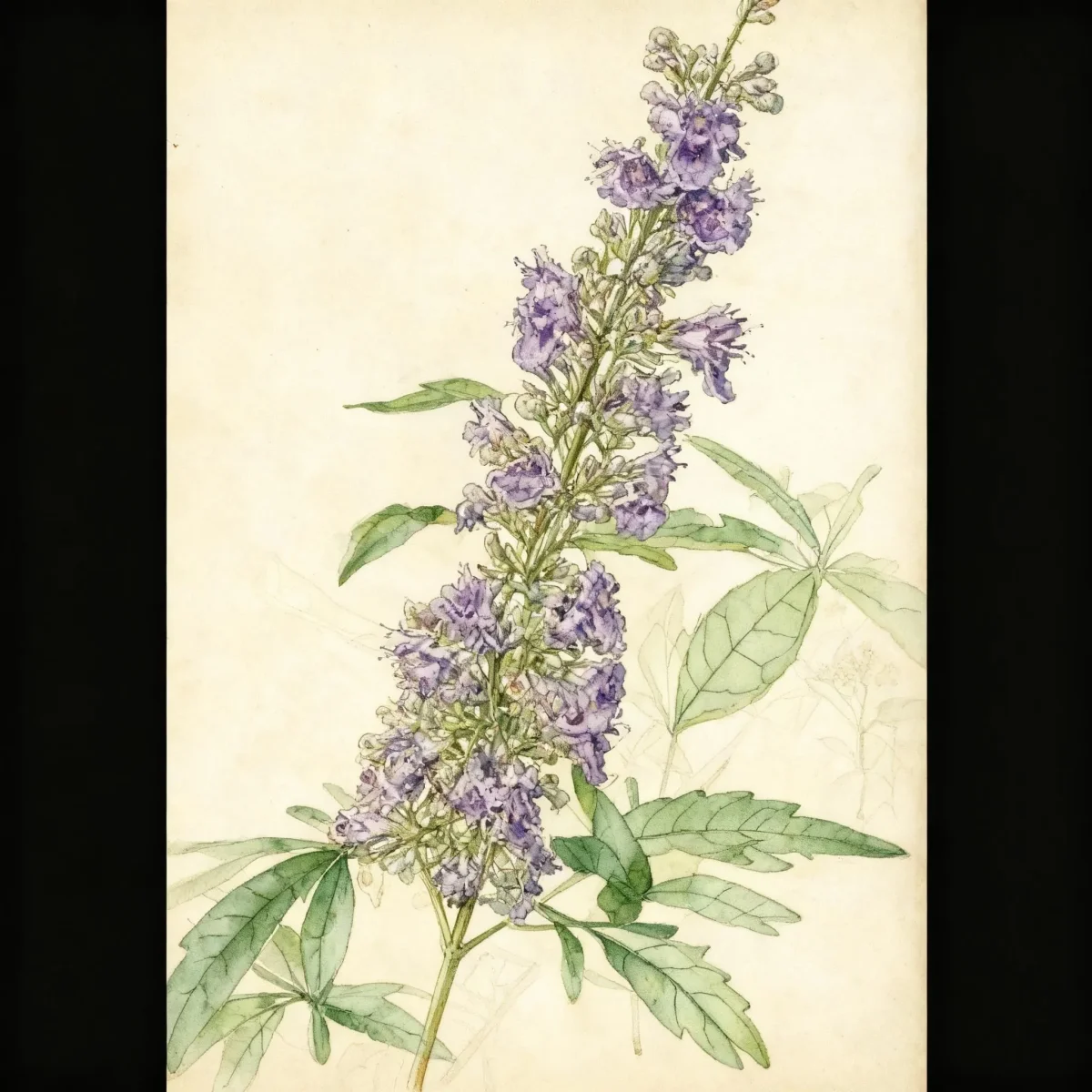
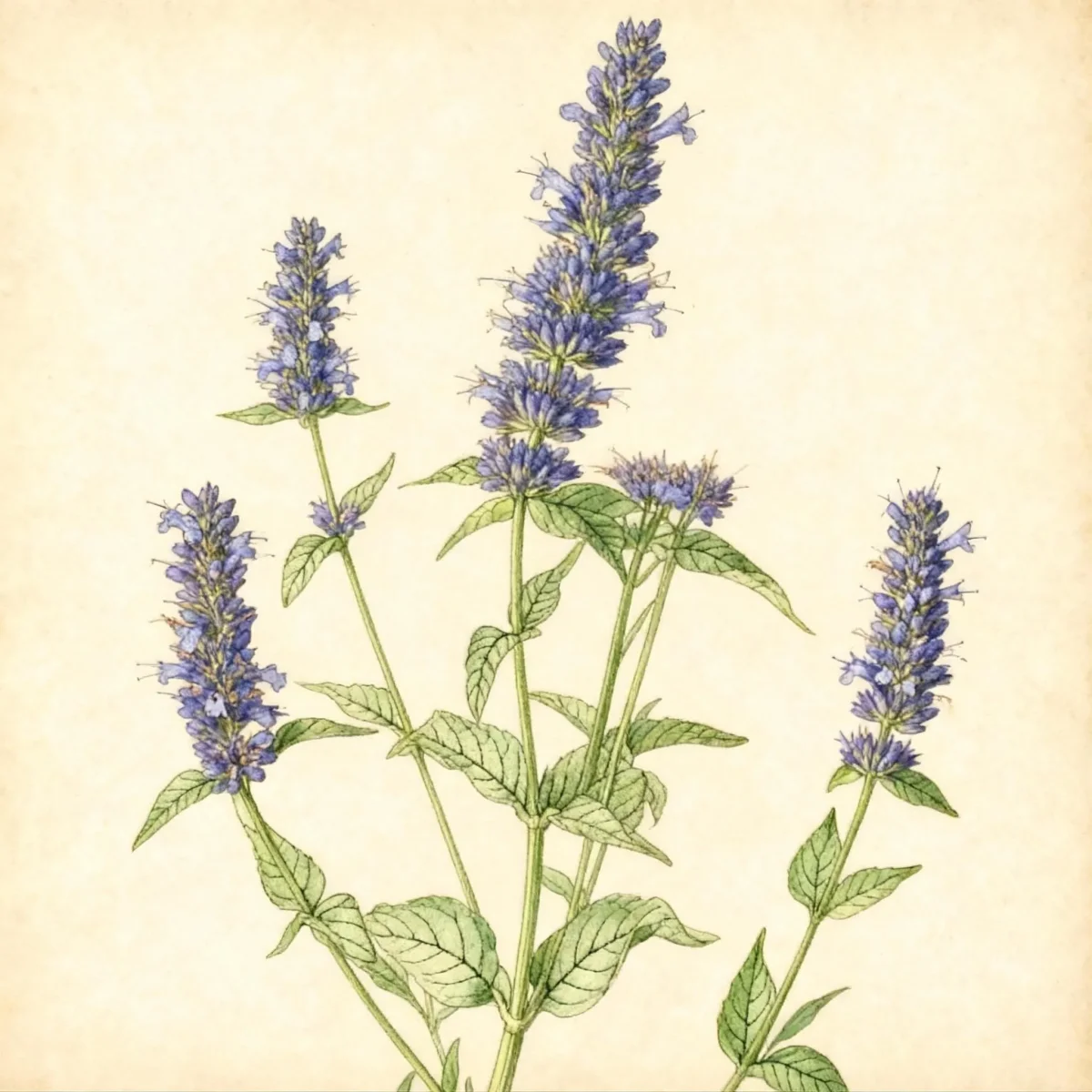
The magnificent Phlomis tuberosa ‘Amazone’ stands out in the garden for its dramatic vertical architecture and persistent ornamental interest. This cultivar of Phlomis belongs to the mint family and develops distinctive, columnar dark red flowering stems topped with whorled clusters of lavender-pink blossoms. Gardeners prize this herbaceous perennial for its ability to provide height and structure that lasts long beyond the initial bloom period.
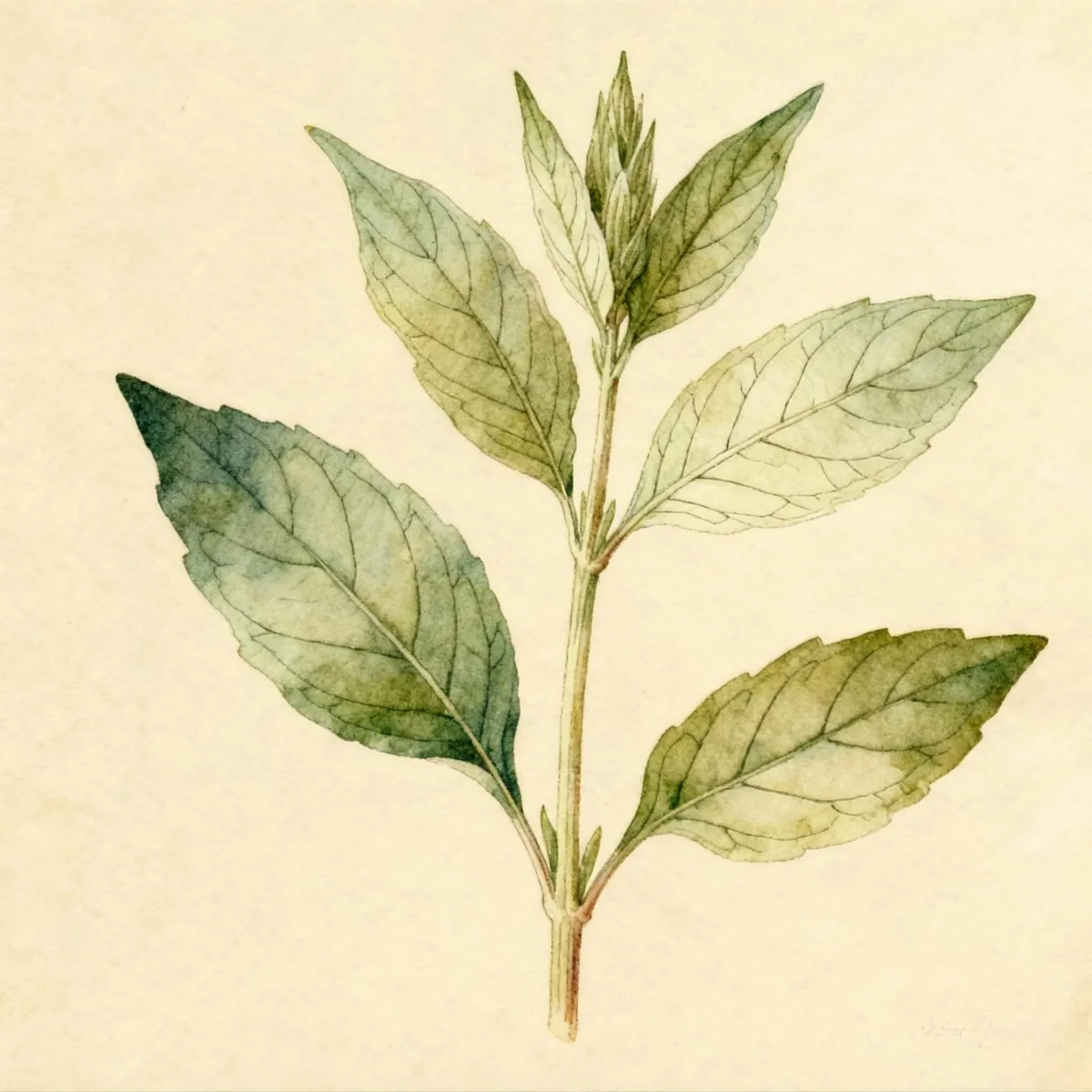
Reaching up to 5 feet high, Phlomis tuberosa ‘Amazone’ offers incredible texture with its rough, basal foliage forming a mound below the stately flower spikes. Its structure makes it an excellent choice for adding architectural flair to mixed borders, especially in locations that benefit from drought tolerance once established. The flowers attract attention from late spring through mid-summer.
Ultimately, Phlomis tuberosa ‘Amazone’ is a workhorse plant offering low maintenance paired with high visual impact. Its ability to handle drier conditions without complaint makes it a practical and beautiful addition to contemporary, sunny landscape designs where structure and resilience are key requirements.
Fast Facts
- Plant Family: Lamiaceae
- Plant Type: Herbaceous perennial
- Hardiness Zones: USDA Zones 6-9
- Size at Maturity:
- Height: 3-5 ft
- Spread: 2-3 ft
- Bloom Time: May to July
- Bloom Description: Lavender-pink
- Sun Exposure: Full sun
- Water Needs: Medium
- Maintenance Level: Medium
How to Grow
Planting Phlomis tuberosa ‘Amazone’ is best done in spring or fall in a location offering full sun exposure, though it tolerates light shade well. Success relies heavily on excellent drainage; this plant demands organically rich, fertile, well-drained soils. It performs particularly well in sandy loams, thriving where other perennials might struggle with dryness.
During the first year, maintain a medium moisture level consistently to help establish the tuberous root system. Once mature, this Phlomis is quite resilient, tolerating periods of dryness, yet it is crucial to avoid planting in habitually wet or poorly drained soils, which can lead to rot. Minimal fertilizer is generally required if the native soil is fertile.
Routine care for Phlomis tuberosa ‘Amazone’ is straightforward. Deadheading the spent flowers is optional; keeping the seed heads provides excellent winter texture. Otherwise, a general cleanup can be performed in early spring, cutting back the old, blackened stems close to the ground before new growth emerges.
Landscape Uses
Phlomis serves wonderfully as an excellent vertical flowering plant, ideal for dry sunny areas where mid-to-back-of-border interest is needed. The strong columnar stems of Phlomis tuberosa ‘Amazone’ ensure that the eye is drawn upward, breaking horizontal monotony in perennial plantings. Use them strategically to create punctuation points within an expansive meadow setting.
These structural plants pair beautifully with billowing ornamental grasses or plants that offer contrast in texture and form, such as Russian Sage or sturdy Coneflowers. Their drought tolerance also makes them integral components for low-water border designs or xeriscapes, offering consistent color and form when established.
Standout Features
Flower Qualities
- Showy
Noteworthy Characteristics
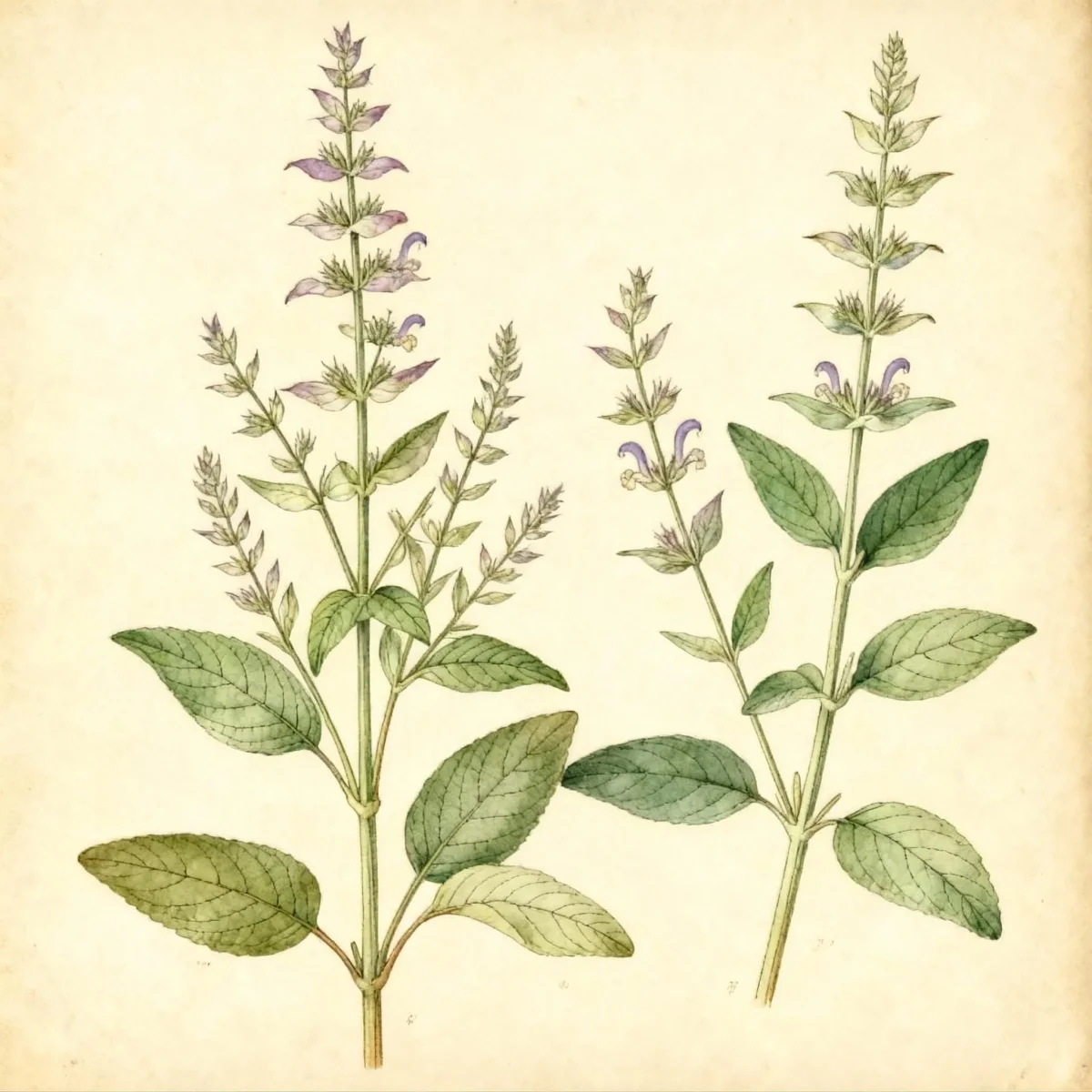
Phlomis tuberosa is a tuberous-rooted perennial of the mint family, native to southern Europe and Asia. Tiny, tubular, lavender-pink flowers bloom in dense whorled clusters (verticillasters) along long, dark red, 4-angled flowering stems from May through July. These flower clusters mature into highly ornamental seed heads that persist throughout fall and into winter, marking them as valuable structural elements. The basal foliage forms a substantial mound, but the upright flower stems are the plant’s signature feature, rising significantly above the leaves. ‘Amazone’ is notably taller and exhibits a more vigorous growth habit than the species form.
Tolerances
- Drought
Potential Problems
No serious insect or disease problems are typically reported for Phlomis tuberosa ‘Amazone’. This inherent hardiness is a major advantage for low-maintenance gardening. The primary concern revolves around cultural conditions, specifically poor drainage. Ensure soil conditions are loose and well-drained to prevent fungal issues or root rot, especially during wet winters. Regular monitoring of the soil moisture is key to keeping this perennial vibrant.
Frequently Asked Questions
What hardiness zones is Phlomis suitable for?
Phlomis tuberosa ‘Amazone’ is reliably hardy in USDA Zones 6 through 9.
How large does Phlomis tuberosa ‘Amazone’ grow?
This strong herbaceous perennial generally matures to a height between 3 and 5 feet, with a spread of 2 to 3 feet wide.
When does Phlomis bloom?
You can expect the distinctive lavender-pink flowers of this Phlomis variety to appear from May into July.
What sun exposure does Phlomis need?
For the best architectural performance and flower production, Phlomis requires full sun exposure, though it will tolerate light shade.
Conclusion
The architectural structure and drought tolerance offered by Phlomis tuberosa ‘Amazone’ make it an indispensable plant for adding reliable height and texture to sunny borders. Its persistent seed heads ensure garden interest extends far beyond the lavender-pink bloom cycle of early summer. Before planting, confirm your soil drains well and check that your garden falls within USDA Zones 6-9 for the best long-term success with this magnificent Phlomis.
Companion Planting
Selecting companions for Phlomis tuberosa ‘Amazone’ should focus on plants that share its love for full sun and well-drained, slightly drier conditions once established. Low-mounding plants with fine texture contrast beautifully against the coarse leaves and rigid structure of the Phlomis. Consider pairing it with silver-leaved artemisia or low-growing ornamental grasses like Stipa tenuissima (Mexican feather grass) for movement and textural contrast.
For color synergy, plants blooming later in the summer, such as Russian Sage or perovskia, complement the late-season appeal of the remaining seed heads on the Phlomis. Avoid heavy feeders or plants that require consistently moist soil, as these cultural mismatches will invariably challenge the health of your Phlomis specimen.
Propagation Tips
While Phlomis tuberosa ‘Amazone’ can sometimes be slow to establish from seed, the most reliable method for increasing your stock or dividing mature clumps is through division. Perform this task in early spring just as new growth begins to emerge, or in the fall after the foliage has died back.
Carefully dig around the clump, taking care to expose the tuberous roots which store the plant’s energy. Use a clean, sharp spade to lift and separate the root ball into smaller sections, ensuring each new division has adequate root structure and at least one viable eye or crown. Replant these divisions immediately at the same depth in their new locations, watering well.
Design Ideas
The rigid, vertical habit of Phlomis tuberosa ‘Amazone’ makes it perfect for imposing structure in contemporary or prairie-style plantings. Place groups of three or five along a main sightline to draw the eye down a border design. Because the flower spikes are thick and columnar, they serve as excellent anchors between softer, looser perennials.
For Mediterranean or dry garden themes, integrate the Phlomis with materials like gravel mulch or muted, earthy pottery. The dark red stems of the flowering stalks, even before the flowers open, pick up tones found in attractive terracotta or natural stone accents, enhancing the overall composition.
Wildlife Benefits
Although not primarily selected for nectar production, the flowers of Phlomis species are tubular and attract various long-tongued bees and beneficial insects during their mid-summer bloom. However, the plant’s greatest contribution to the garden ecosystem comes in the late season.
The intricate, persistent seed heads left by Phlomis tuberosa ‘Amazone’ provide critical visual structure throughout the winter months. More importantly, these dried structures offer substantial foraging material and protective cover for overwintering beneficial insects and may attract small seed-eating birds when snow cover is light. Leaving the stems standing until spring cleanup is an easy way to support local fauna.