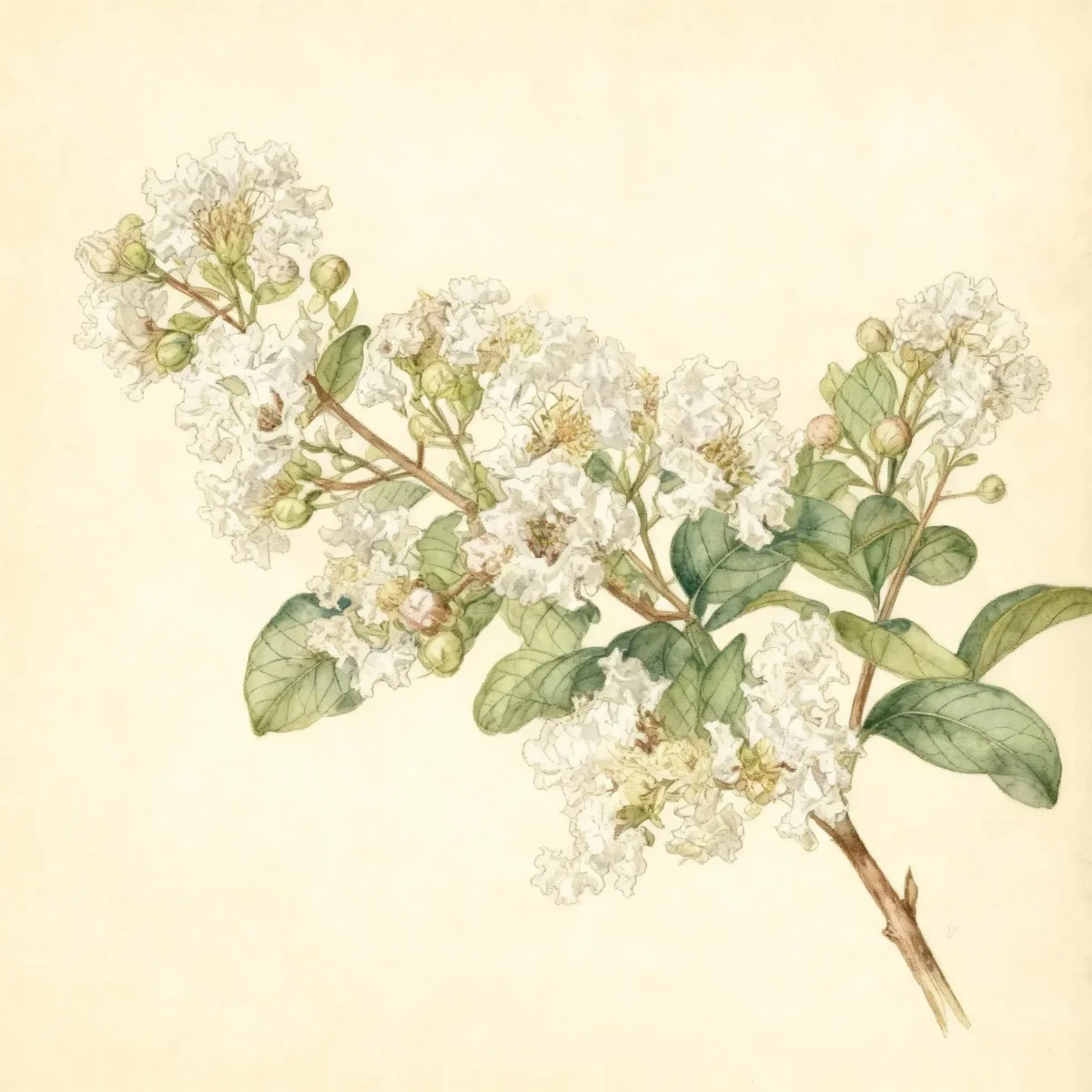
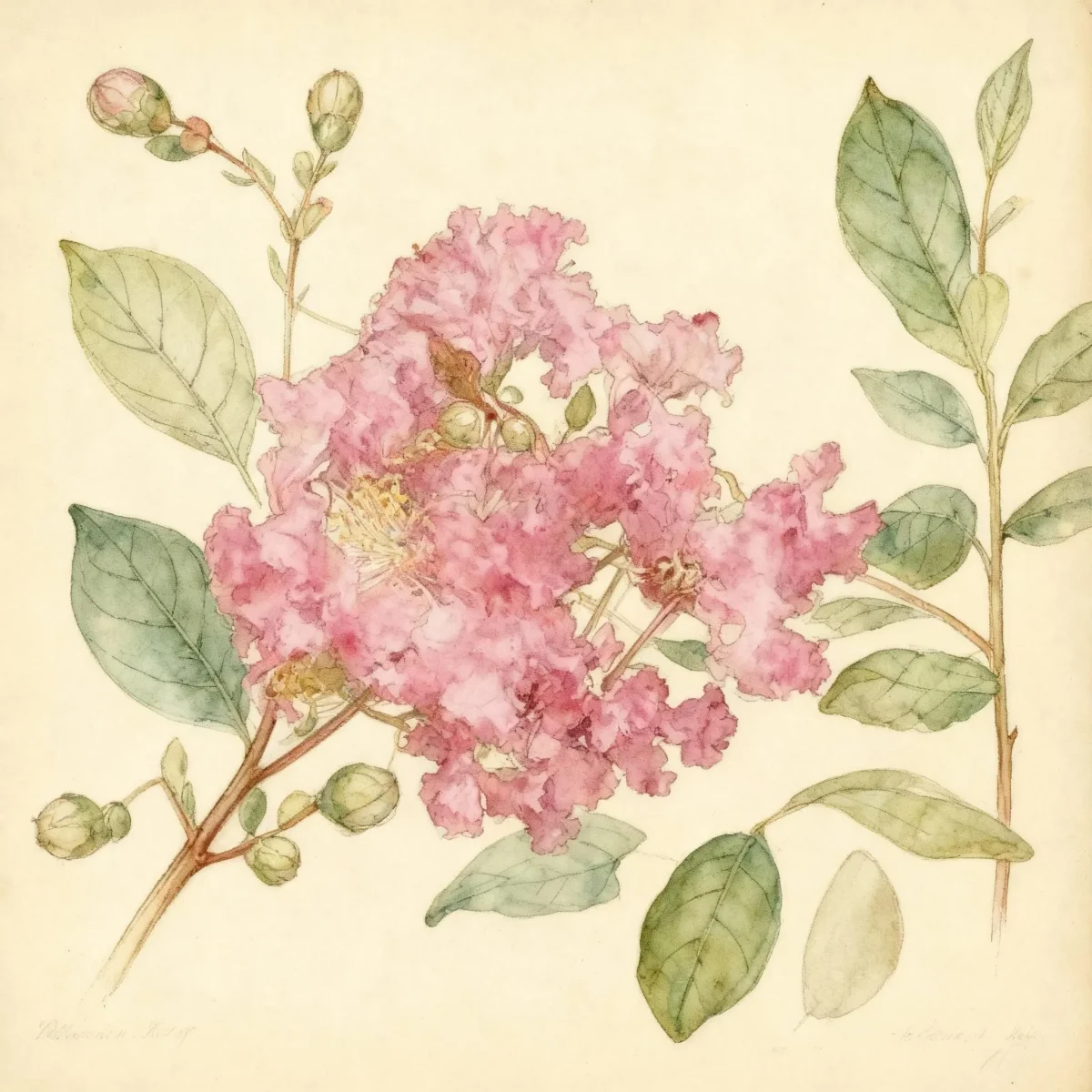
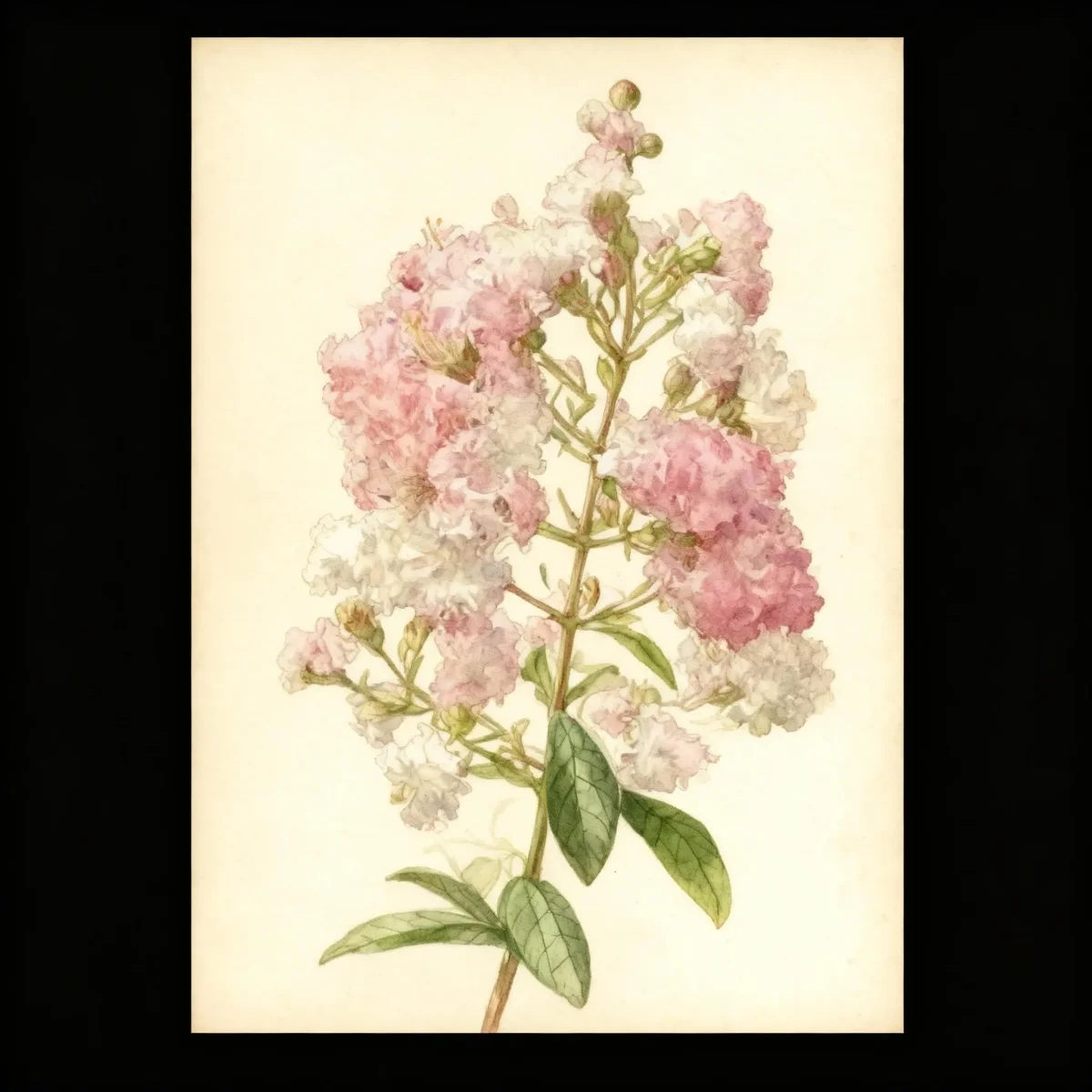
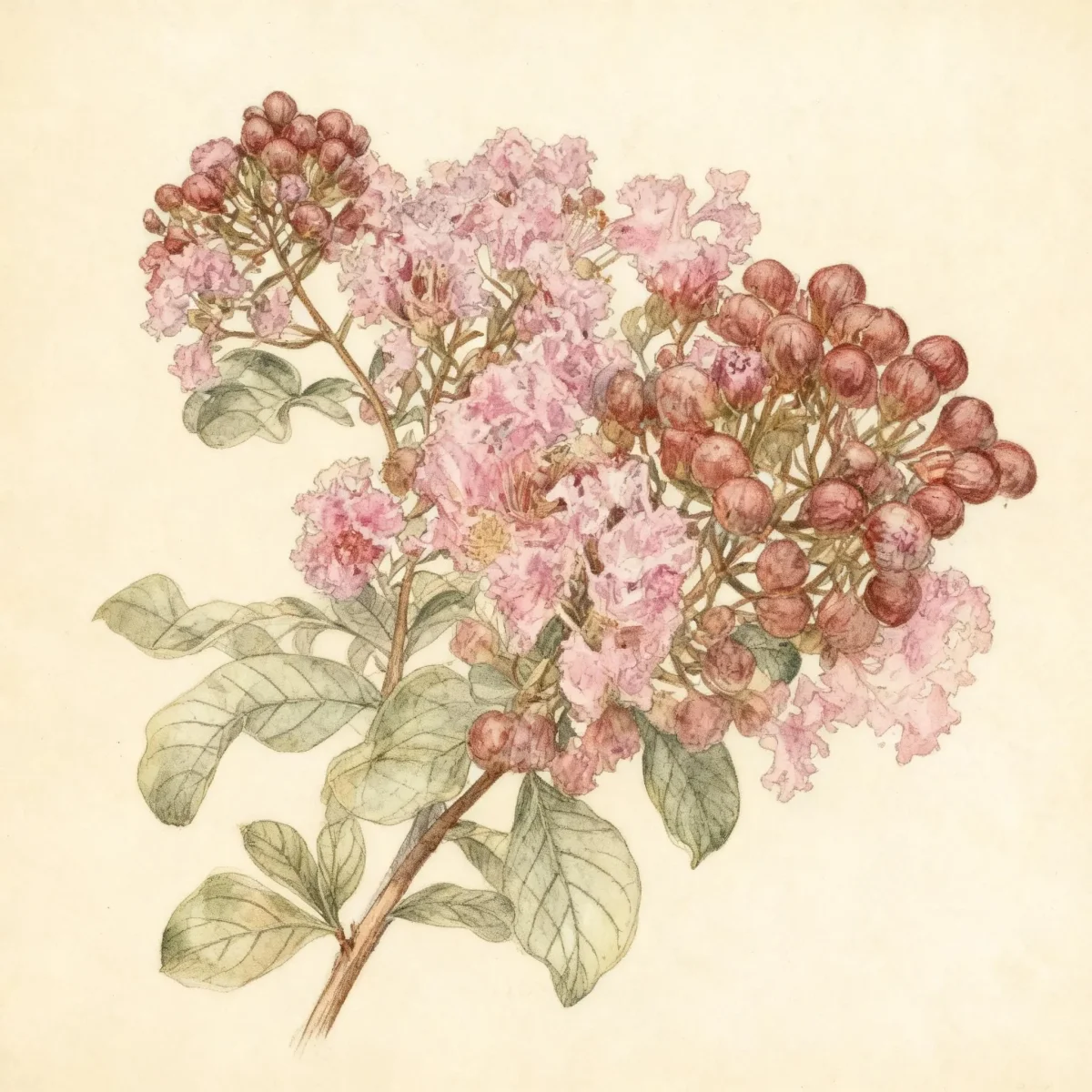
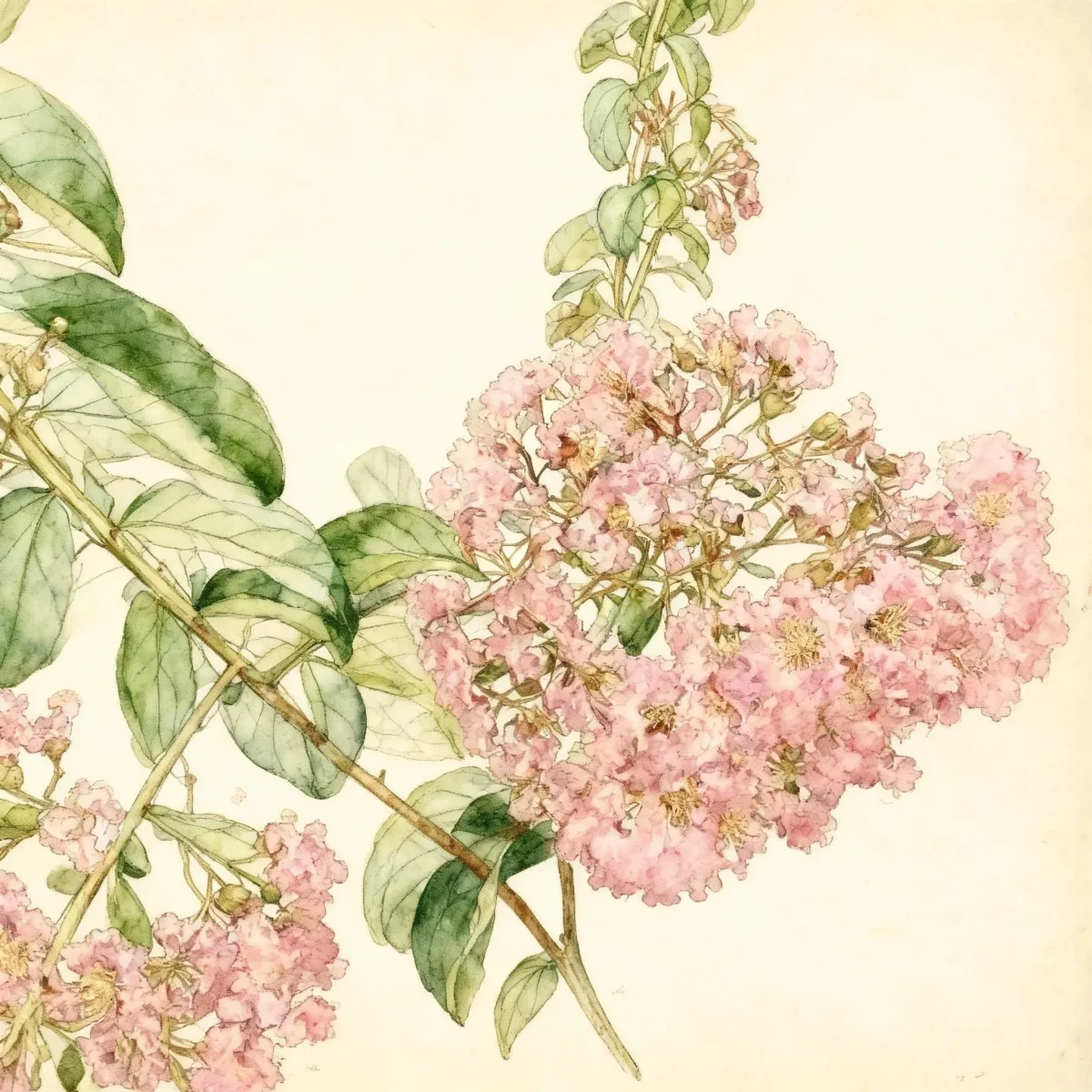
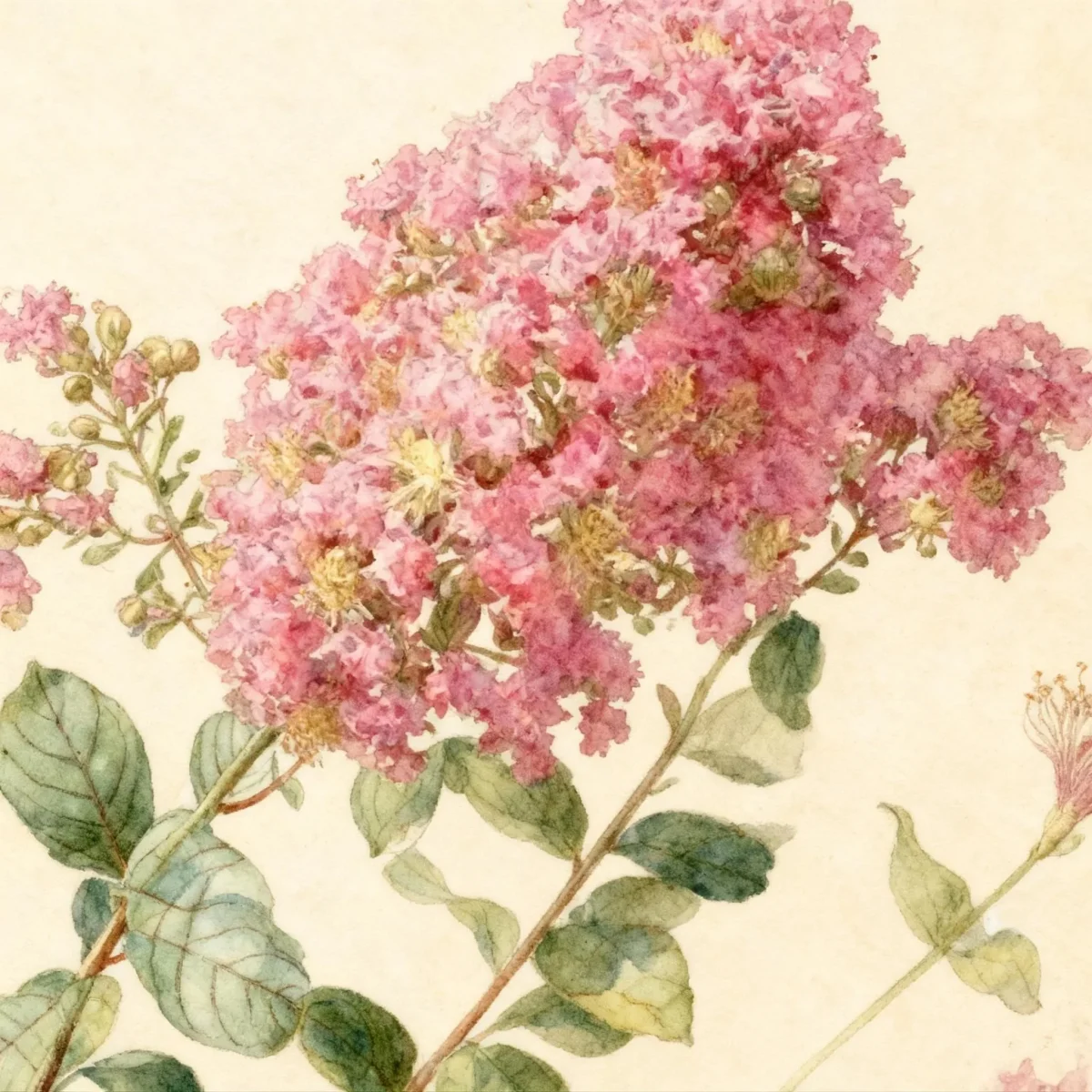
Crape myrtle (Lagerstroemia indica 'Violet Filli')
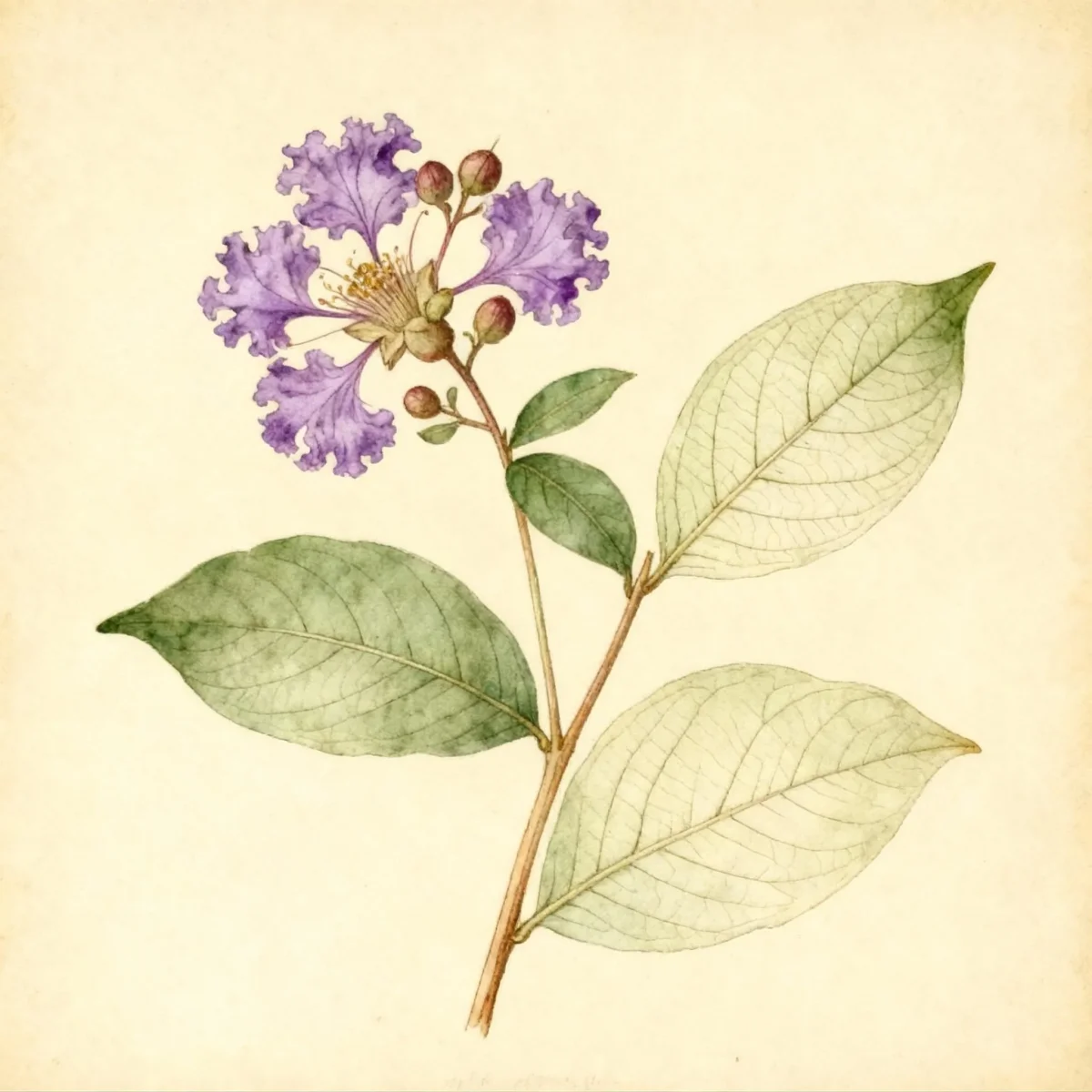
Lagerstroemia indica 'Violet Filli' is a dwarf Crape myrtle offering showy violet blooms. Perfect for small spaces in Zones 6-9.

Bloom Boldly, No Matter the Season - Sweatshirt
Cozy organic cotton sweatshirt featuring our exclusive Purple Coneflower design. Perfect for gardeners who bloom year-round.
Inspired by the beautiful Crape myrtle
Limited first batch (50) — join the waitlist for early access
Waitlist closes Feb 15, 2026.
Complete Plant Information
Field Guide Continues
Ready for care notes, companion picks, and planting tips?
The map is just the start. The full guide below covers growth habits, seasonal performance, and landscape uses.
Overview
Lagerstroemia indica ‘Violet Filli’ is a standout dwarf cultivar of the beloved Crape myrtle, prized for its compact stature and extended season of vibrant color. This specific variety brings the grand flowering display characteristic of the species into much smaller garden spaces. It produces masses of showy, violet flowers continuously from midsummer until the first frost, providing reliable late-season interest.
As a deciduous shrub, Lagerstroemia indica ‘Violet Filli’ offers much more than just summer blooms; the foliage turns attractive yellow-orange-red shades in the fall, complemented by the exfoliating, smooth bark that provides winter texture. Its small size—only reaching 1 to 1.5 feet high and wide—makes it incredibly versatile for foundation planting, edging, or year-round container gardening where larger selections of Crape myrtle cannot fit.
Gardeners appreciate this plant for its resilience once established in suitable conditions, handling drought and poorer soils better than many ornamental shrubs. Successfully integrating Lagerstroemia indica ‘Violet Filli’ into your landscape ensures a long-lasting, low-maintenance source of brilliant blooms.
Fast Facts
- Plant Family: Lythraceae
- Plant Type: Deciduous shrub
- Hardiness Zones: USDA Zones 6-9
- Size at Maturity:
- Height: 1-1.5 ft
- Spread: 1-1.5 ft
- Bloom Time: July to September
- Bloom Description: Violet
- Sun Exposure: Full sun
- Water Needs: Medium
- Maintenance Level: Medium
How to Grow
Plant this Crape myrtle in a location receiving consistent full sun exposure for the best flower production; insufficient light dramatically reduces blooming. Lagerstroemia indica ‘Violet Filli’ thrives in average soils; while it prefers medium moisture, it establishes well in loamy or clay soils provided drainage is good. Avoid planting in overly fertile sites, as excessive nutrients prioritize lush leaf growth over the desired profuse flowering and can increase winter injury susceptibility.
Water established plants deeply during dry spells, focusing irrigation directly at the root zone and making an effort to keep the foliage dry. A slow-release fertilizer applied according to package directions can benefit growth, but use sparingly to maintain vigor balanced with flowering potential. In colder limits of its hardiness range (Zones 5-6), apply a winter mulch and plant in a protected spot, as top growth may suffer dieback when temperatures plunge below -5°F.
Annual care for the small stems of Lagerstroemia indica ‘Violet Filli’ should focus on maintenance pruning in early spring before new growth begins. If winter dieback occurs in Zones 5 or 6, simply cut the affected stems back to about 8 inches above the ground; new flowering shoots will readily emerge from the roots later that season.
Landscape Uses
The diminutive size of Lagerstroemia indica ‘Violet Filli’ makes it an excellent choice for areas where traditional, taller Crape myrtles would overwhelm the space. It functions wonderfully as a formal or informal border element, providing a dense band of violet color along pathways or garden beds. Because it is effective in masses, planting several specimens close together creates a stunning, continuous low hedge effect that shines throughout the summer.
This cultivar is particularly outstanding when used as a specimen plant in small urban gardens or near patios where its fine texture and intense blooms can be appreciated up close. Its tolerance for clay soil and air pollution also makes it a reliable choice for difficult city plantings or along driveways where robustness is required. Consider pairing the intense violet blooms with contrasting silver or blue foliage perennials for maximum visual impact.
Standout Features
Flower Qualities
- Showy
- Good Cut
Noteworthy Characteristics
Lagerstroemia indica, commonly known as crape myrtle, is renowned for its exceptionally long bloom period and attractive exfoliating bark texture. Though the species typically grows much larger, the specific cultivar ‘Violet Filli’ was developed to be a dwarf variety, only reaching 1 to 1.5 feet tall and wide, while retaining the crepe-papery texture of the flowers that gives the plant its common name. Its dense foliage brightens the landscape before turning beautiful shades of yellow-orange-red in the autumn.
Tolerances
- Drought
- Clay Soil
- Air Pollution
Potential Problems
The most common challenges impacting Crape myrtles involve fungal issues, specifically powdery mildew and fungal leaf spot, which manifest as white powdery coatings or dark spots on the foliage. To mitigate these, ensure excellent air circulation via proper spacing and avoid wetting the leaves during overhead watering, especially in humid summer conditions. Yellowing foliage, known as chlorosis, can occur if the soil pH is too alkaline, so amending the soil or choosing acid-tolerant fertilizers can help manage color. Aphids and scale insects occasionally feed on the new growth, which can usually be managed with horticultural oils or insecticidal soaps if the infestation becomes severe.
Frequently Asked Questions
What hardiness zones is Crape myrtle suitable for?
Lagerstroemia indica ‘Violet Filli’ is typically hardy in USDA Zones 6 through 9, though in Zones 5 and 6, the top growth may suffer winter dieback.
How large does Lagerstroemia indica ‘Violet Filli’ grow?
This dwarf Crape myrtle reaches a very manageable size, growing only 1 to 1.5 feet in height and spreading to a similar width.
What sun exposure does Crape myrtle need?
For optimal, heavy blooming, this plant requires full sun exposure throughout the day.
When does Lagerstroemia indica ‘Violet Filli’ bloom?
You can expect prolific flowering from July all the way through September, featuring distinctive violet flowers.
Conclusion
The Lagerstroemia indica ‘Violet Filli’ delivers the spectacular, long-lasting floral display of the traditional Crape myrtle in a perfectly petite package ideal for modern or small-space gardening. Its combined resistance to drought and air pollution, coupled with its vivid violet blooms, secures its status as a highly desirable ornamental shrub. Before planting, always confirm that your location falls within USDA Zones 6-9 (or prepare for potential winter dieback in Zone 5) and choose a sunny spot to maximize your seasonal enjoyment of this dwarf beauty.
Companion Planting
Selecting appropriate partners enhances the overall aesthetic and health of your garden featuring Lagerstroemia indica ‘Violet Filli’. Given its preference for full sun and medium water, plant it alongside other drought-tolerant, sun-loving perennials and annuals. Consider plants with silvery or blue-toned foliage, such as Lavender (Lavandula) or Russian Sage (Perovskia atriplicifolia), as these colors will beautifully contrast the deep violet flowers of the Crape myrtle.
For lower borders, look to plants that won’t compete heavily for root space or shade the small shrub. Low-growing ornamental grasses or sedums that enjoy well-drained soil provide textural contrast without overwhelming the diminutive scale of the ‘Violet Filli’. Ensure any companion plants share the medium water needs; avoiding plants requiring consistently boggy conditions will support the well-drained environment this Crape myrtle prefers.
Seasonal Care Calendar
Spring preparation is key, especially in marginal zones (5/6), where you should prune back any stems killed by winter cold down to a few inches above the ground before new growth emerges. Use this time to apply a slow-release fertilizer to support the coming season’s blooming cycle. Summer care centers on deep, infrequent watering directed to the root zone, especially during heatwaves; strictly avoid overhead watering to discourage fungal issues common to Crape myrtle.
As fall approaches, enjoy the shift in the deciduous foliage, which turns attractive yellow-orange-red hues before dropping. In late fall, particularly if planting near the edge of its hardiness range, apply a generous layer of protective mulch around the base to insulate the roots against deep freezes. Avoid heavy pruning in late summer or fall, as this can encourage tender new growth that will not harden off before winter sets in.