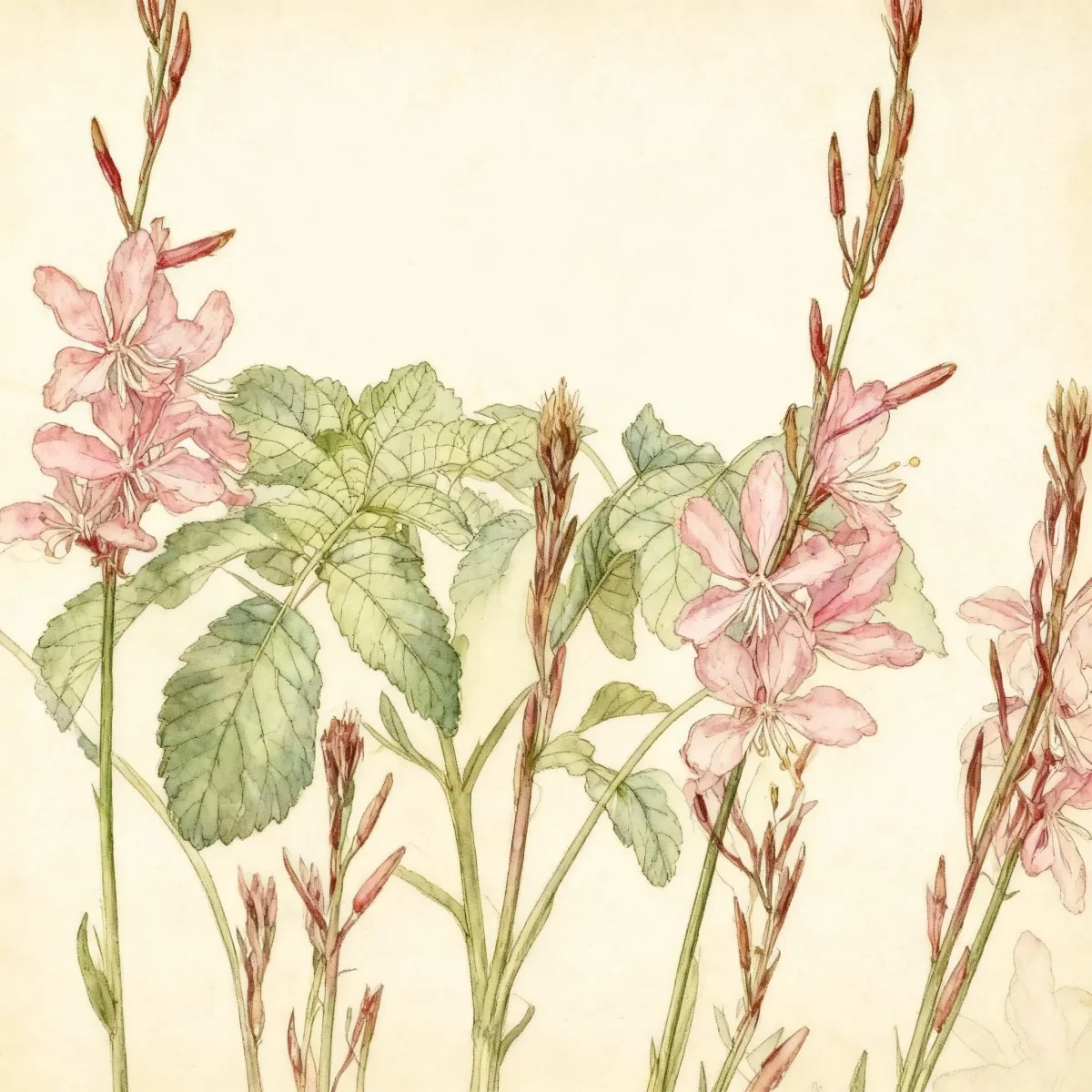
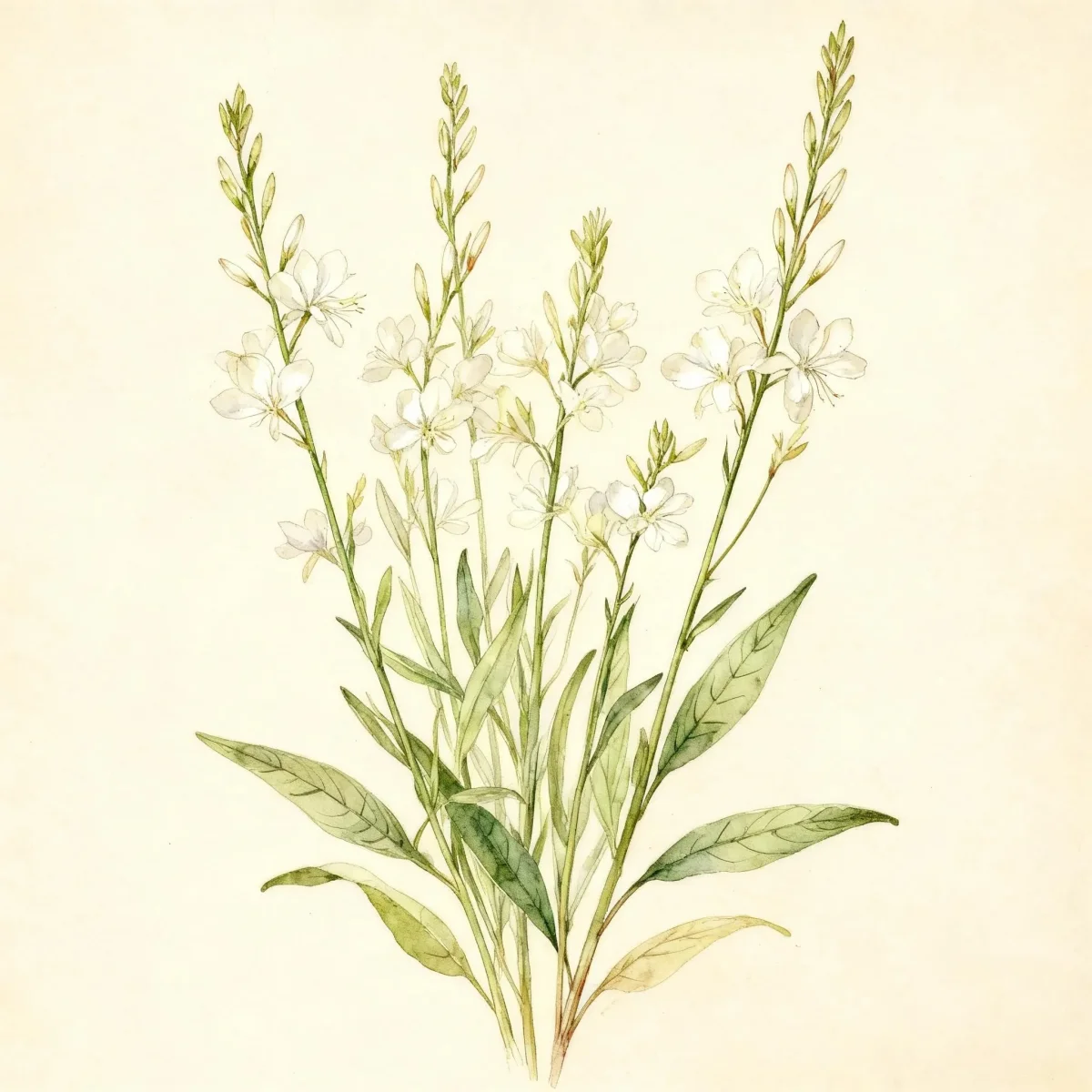
Gaura (Gaura lindheimeri 'Ballerina White')
Gaura lindheimeri 'Ballerina White' is a compact perennial producing airy white blooms from May to September, perfect for sunny borders in zones 5-9.
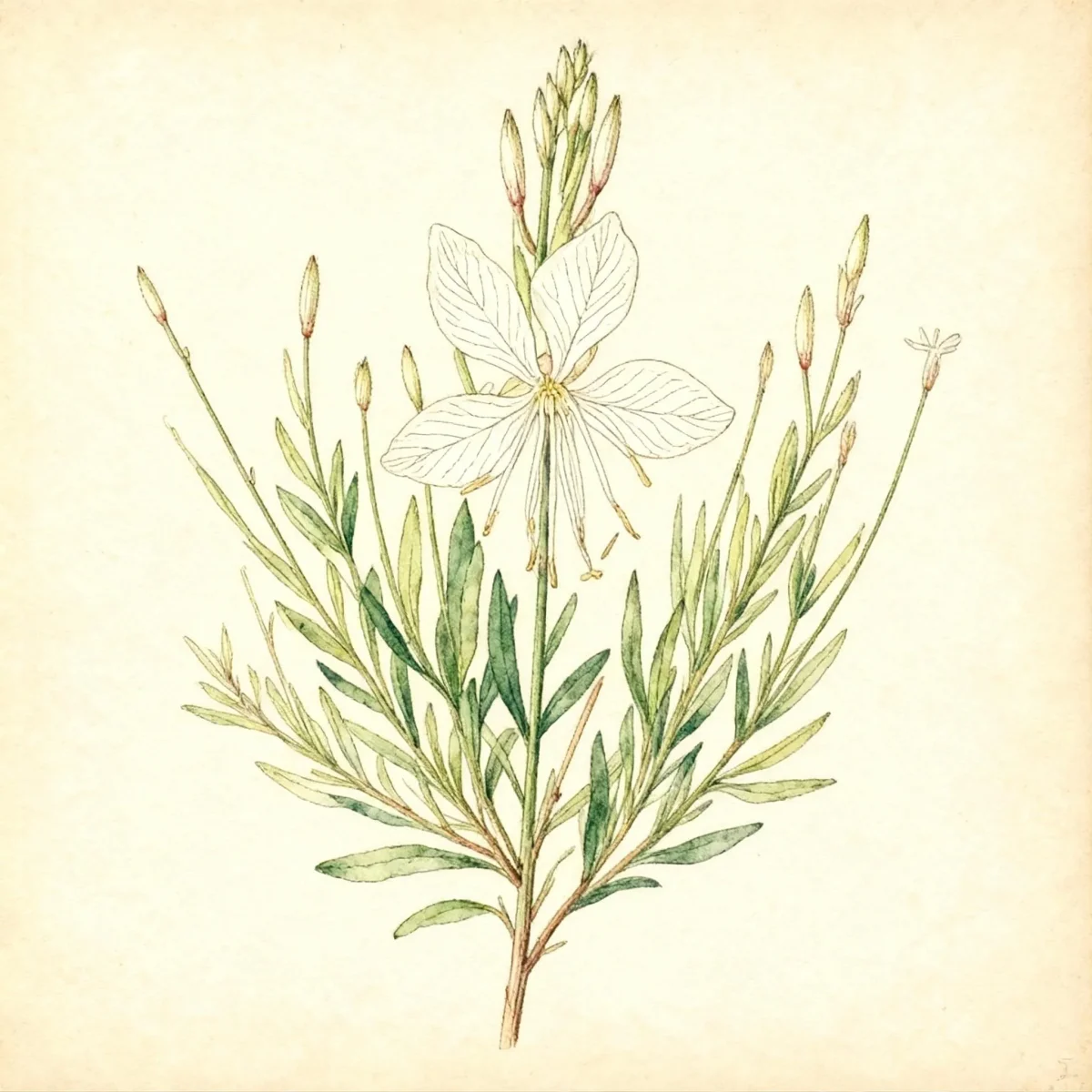

Bloom Boldly, No Matter the Season - Sweatshirt
Cozy organic cotton sweatshirt featuring our exclusive Purple Coneflower design. Perfect for gardeners who bloom year-round.
Inspired by the beautiful Gaura
Limited first batch (50) — join the waitlist for early access
Waitlist closes Feb 15, 2026.
Complete Plant Information
Field Guide Continues
Ready for care notes, companion picks, and planting tips?
The map is just the start. The full guide below covers growth habits, seasonal performance, and landscape uses.
Overview
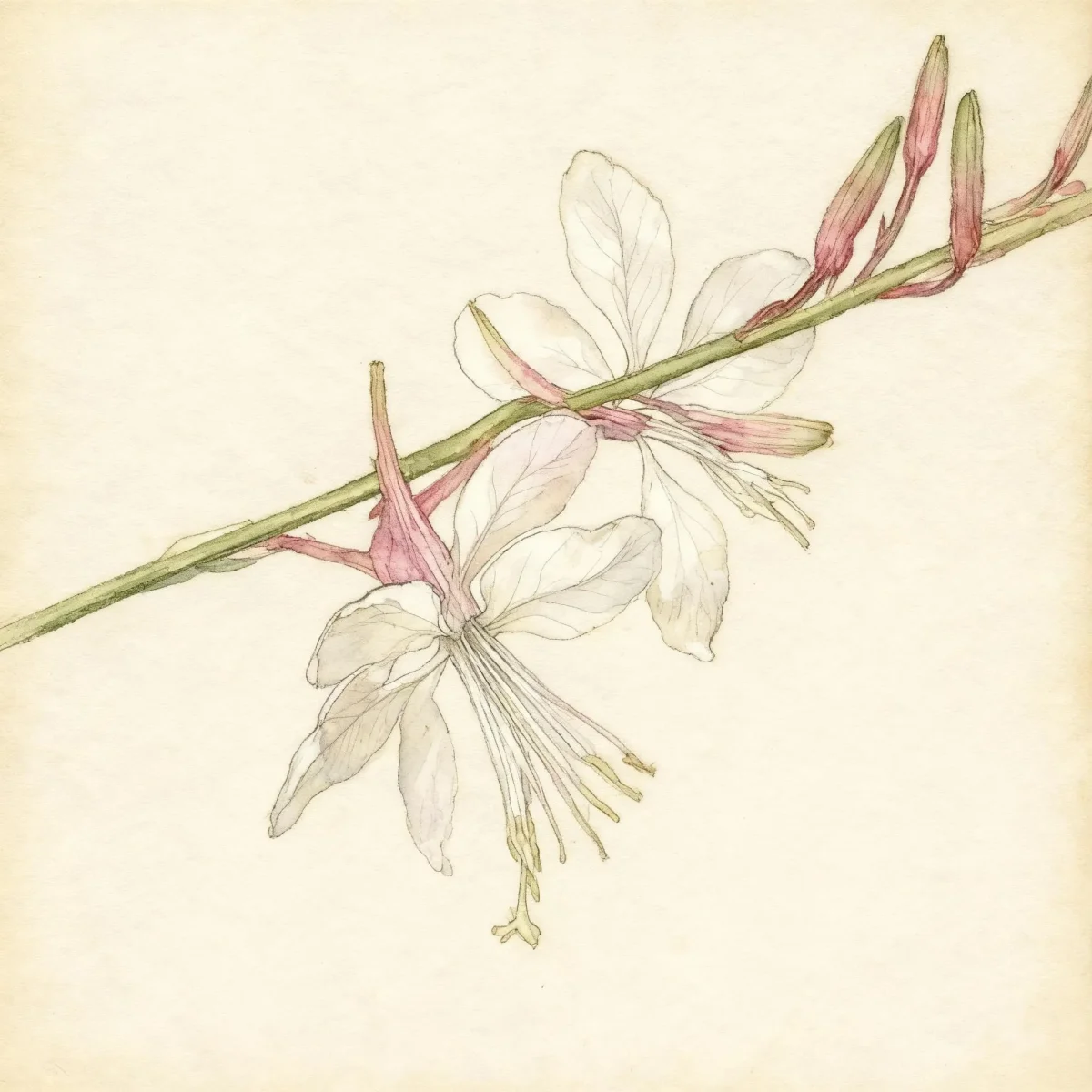
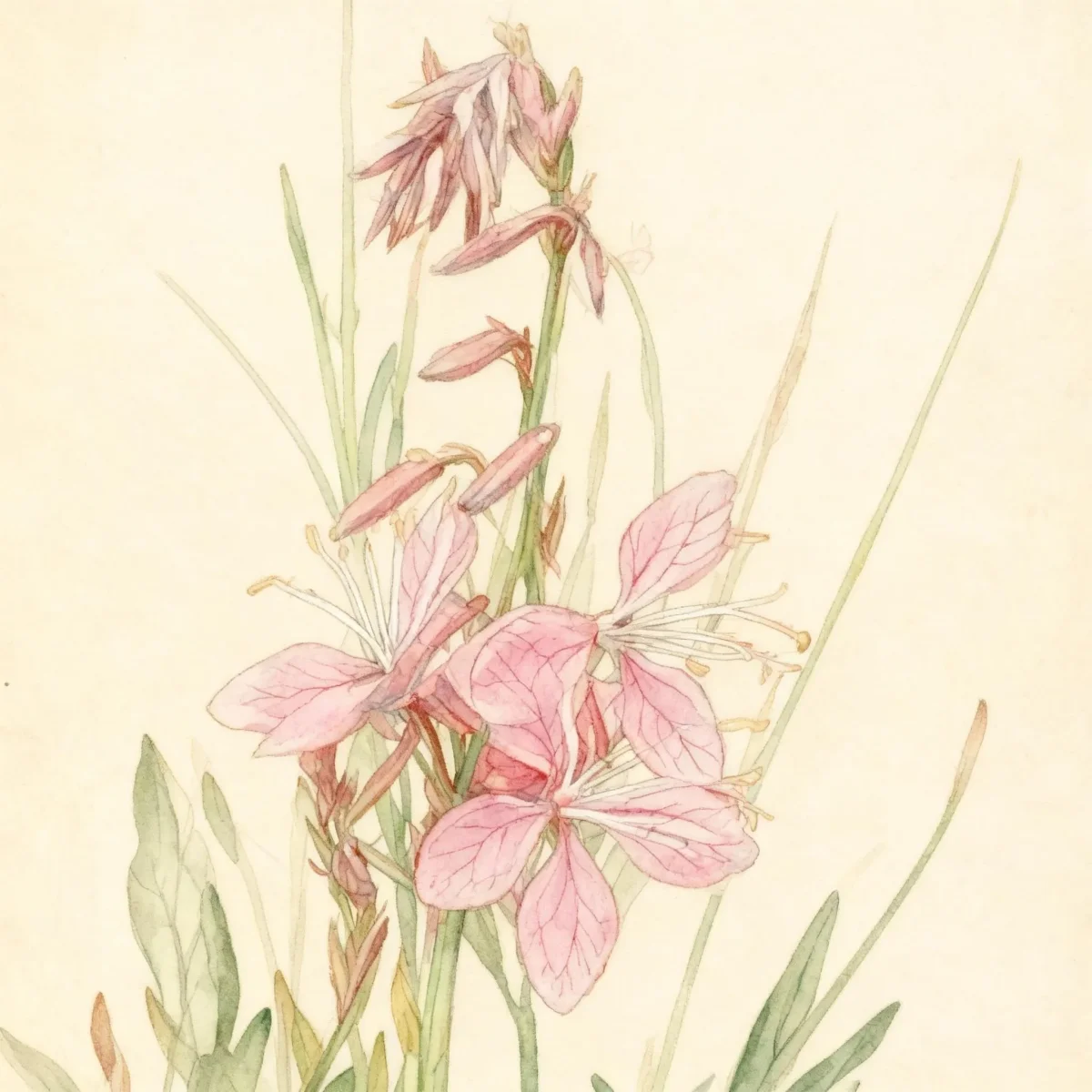
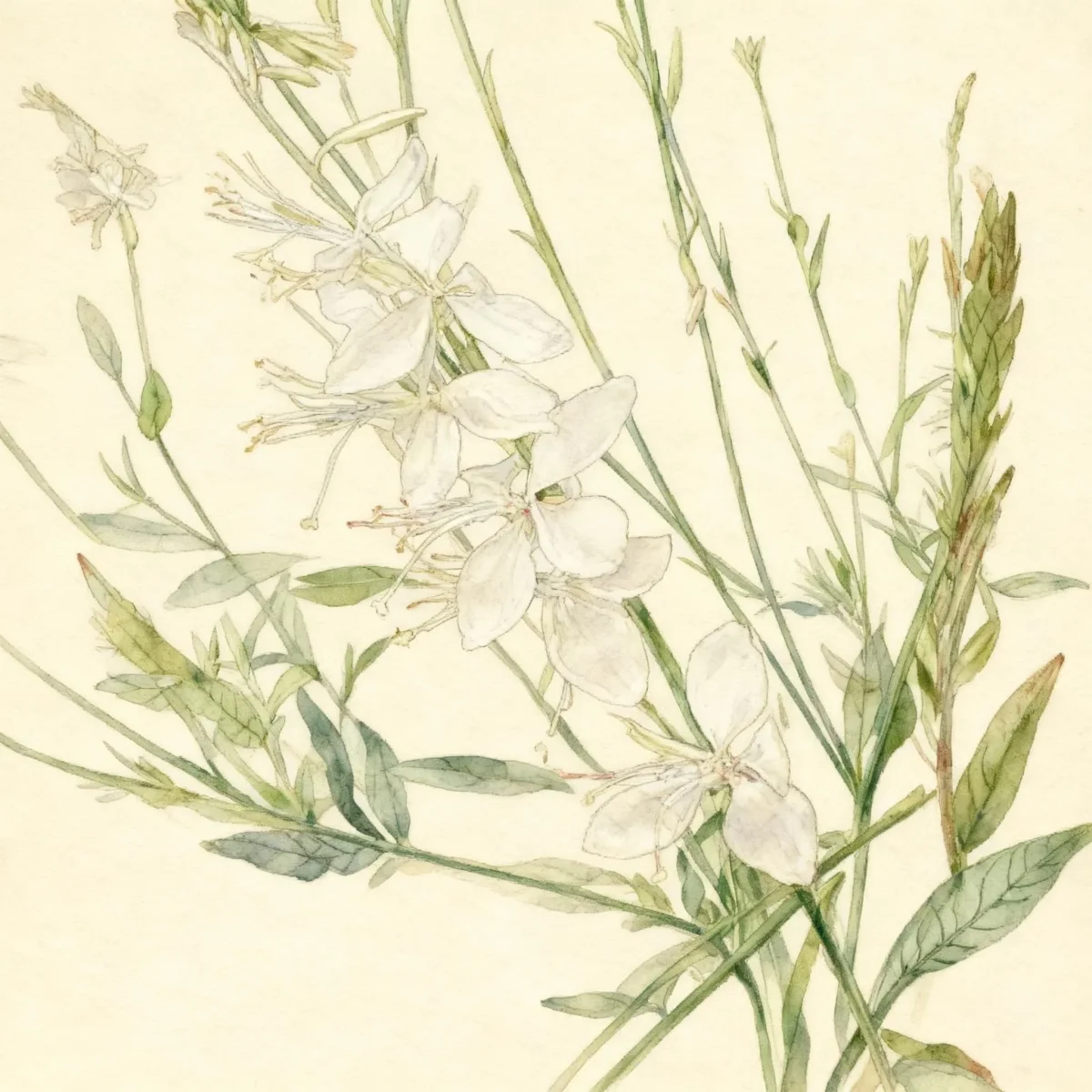
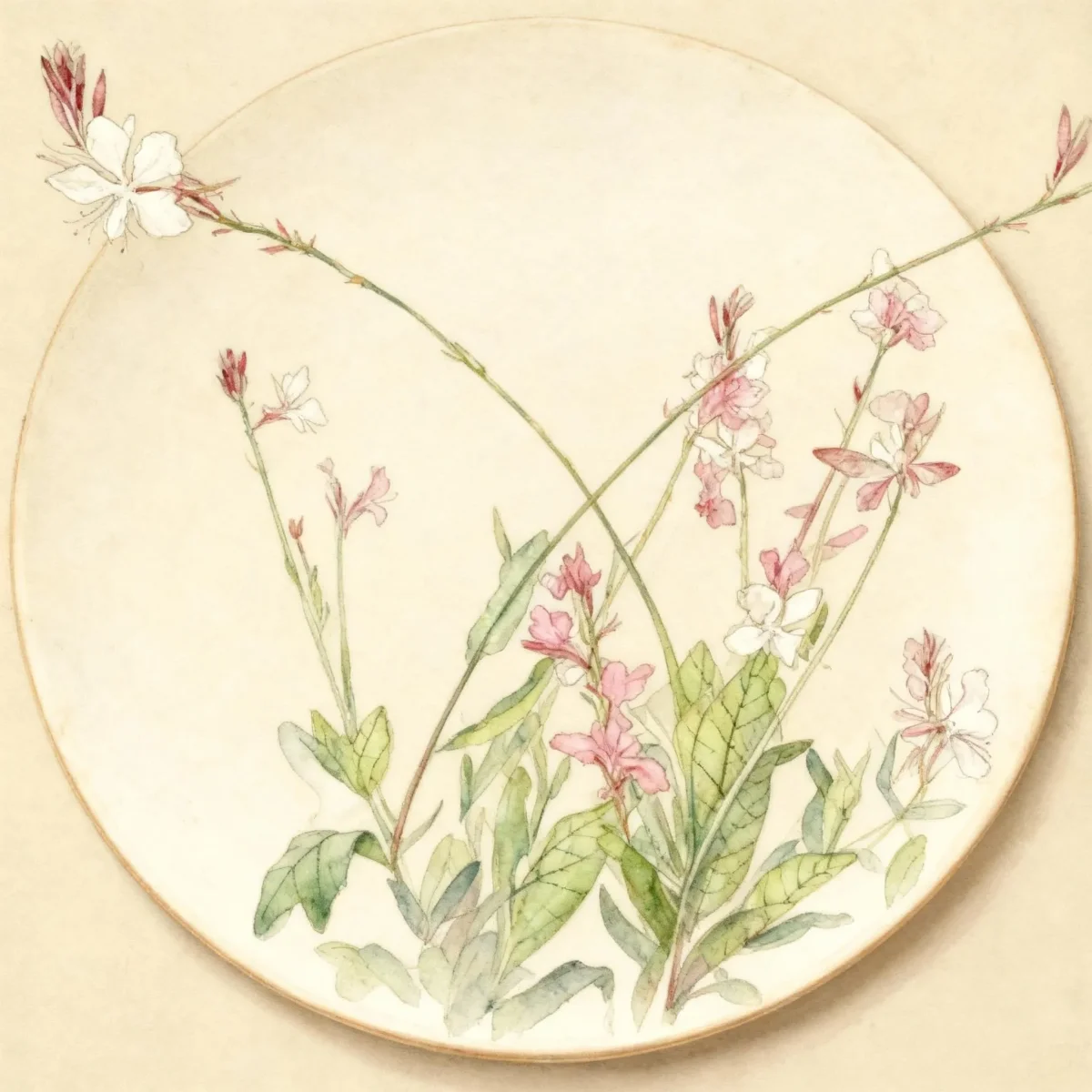
Gaura lindheimeri ‘Ballerina White’ is a highly valued herbaceous clump-forming perennial, often simply called Gaura, known for its graceful, airy presence in the garden. This compact cultivar features upward-arching stems crowned with delicate white flowers that slowly age to pink, providing movement and extended color throughout the season. Its ability to withstand heat, humidity, and periodic drought makes the Gaura particularly reliable for summer interest.
Originally native to Texas and Louisiana, this selection offers a manageable size, maturing to about 1.5 feet tall and 2 feet wide, making it an excellent choice for defined beds where taller specimens might overwhelm the display. The genus name Gaura translates to “superb,” reflecting the outstanding floral display offered by Gaura lindheimeri ‘Ballerina White’.
Planting this Gaura variety ensures textural contrast against more solid foliage plants. While the species can become tall, ‘Ballerina White’ remains floriferous and upright, providing excellent vertical accentuation without the floppiness sometimes associated with wilder types. It is a fantastic architectural element for contemporary and cottage garden designs alike.
Fast Facts
- Plant Family: Onagraceae
- Plant Type: Herbaceous perennial
- Hardiness Zones: USDA Zones 5-9
- Size at Maturity:
- Height: 1-1.5 ft
- Spread: 1.5-2 ft
- Bloom Time: May to September
- Sun Exposure: Full sun
- Water Needs: Medium
- Maintenance Level: Medium
How to Grow
The key to successful cultivation of Gaura is ensuring excellent soil drainage. Best results for Gaura lindheimeri ‘Ballerina White’ are achieved when planted in sandy, loamy, well-drained soils exposed to full sun. Avoid heavy clay or overly rich soils, as these conditions can encourage weak, floppy stems and potentially lead to root rot.
Water needs are medium; once established, this taprooted plant shows good tolerance for heat, humidity, and short periods of drought. Water thoroughly but infrequently, allowing the topsoil to dry slightly between irrigation cycles. Fertilization is generally unnecessary; rich soils often cause the thin flower stems to become leggy.
To maximize the prolonged bloom period extending from May through September, gardeners should regularly remove spent flower spikes. Unlike some related species, ‘Ballerina White’ is not noted for reliably self-seeding, meaning it needs intentional propagation rather than relying on natural reseeding. If plants become overcrowded or stems look leggy, they definitely benefit from planting near sturdier neighbors for physical support, or you can cut back the entire clump by half in late spring to control overall stature.
Landscape Uses
The airy structure and extended bloom time of Gaura lindheimeri ‘Ballerina White’ make it highly effective along sunny borders, where its light structure softens hard edges. Because it performs beautifully in masses, consider planting groups or drifts of this Gaura to create a shimmering effect as the stems move in the slightest breeze.
This compact perennial naturally lends itself to container gardening, providing height and continuous color on patios or decks where its drought tolerance is an asset during hot summers. Its medium height (up to 1.5 ft) ensures it won’t obscure shorter bedding plants, making it an ideal middle or back-of-the-border selection.
When designing, pair Gaura with plants requiring similar high sun and well-drained conditions. Consider using contrasting textures, such as the broad leaves of Sedum or the dense habit of Lavender, to highlight the delicate, wand-like stems of the Gaura.
Standout Features
Flower Qualities
- Showy
Noteworthy Characteristics
Gaura lindheimeri, commonly called gaura, is a herbaceous clump-forming perennial that is native to Texas and Louisiana. ‘Ballerina White’ is a compact, floriferous selection of gaura that features white flowers on upright to gently arching stems, achieving a mature size of up to 1.5’ tall. Pinkish buds along wiry, erect, wand-like stems open to white flowers which slowly fade to pink over time, blooming continuously from late spring to fall.
Tolerances
(No data provided)
Potential Problems
Root rot is a significant concern if Gaura lindheimeri ‘Ballerina White’ is planted in heavy or perpetually poorly drained soils; emphasize sharp drainage during planting. Pests such as aphids, whitefly, and flea beetles may occasionally target the plant, requiring minor intervention. Foliar diseases like rust and powdery mildew can also develop, especially in humid conditions, though excellent air circulation often helps mitigate these issues.
Frequently Asked Questions
What hardiness zones is Gaura lindheimeri ‘Ballerina White’ suitable for?
This herbaceous perennial is suited for USDA Hardiness Zones 5 through 9, providing reliable performance across a significant range of temperate climates.
How large does Gaura grow?
Mature plants of Gaura lindheimeri ‘Ballerina White’ generally reach a height between 1 and 1.5 feet, spreading outward to occupy an area of 1.5 to 2 feet wide.
What sun exposure does Gaura need?
Gaura requires full sun exposure to maintain upright growth and produce its signature continuous bloom display from May to September.
When does Gaura bloom?
This variety provides an extended season of interest, blooming reliably from May all the way through September.
Conclusion
Gaura lindheimeri ‘Ballerina White’ offers exceptional value through its resilience, low water needs once established, and its long-lasting, airy, white flowers. This compact Gaura brightens even the hottest, sunniest spots in the garden, making it a staple for reliable summer color. Before planting, verify that your site offers the full sun and well-drained conditions necessary for this superb perennial to thrive.
Companion Planting
Choosing suitable companions is key to managing the slightly leggy nature of Gaura stems. Plants that offer dense foliage or a lower profile will visually support and anchor the vertical wands of Gaura lindheimeri ‘Ballerina White’. Excellent companions include low-growing ornamental grasses, sturdier, mounding salvias, or silver-leaved Lamb’s Ears (Stachys byzantina), which share similar sun and drainage requirements.
Massing the Gaura in groups of three or five helps disguise any thinness in the stems and maximizes the visual impact of the drifting white flowers across borders. Since it tolerates some drought, pair it with other drought-tolerant perennials like Coneflowers (Echinacea) or Coreopsis to create a low-water, high-impact summer display that requires minimal tending once established.
Design Ideas
For contemporary landscapes, use Gaura as a textural contrast against architectural plants like Yucca or large ornamental grasses, harnessing its fine texture to juxtapose broad shapes. In cottage settings, allow the Gaura to weave through established rose bushes or near the fading blooms of peonies, where its fresh blooms will take over as earlier spring flowers fade.
Because Gaura lindheimeri ‘Ballerina White’ retains its upright structure, it can function effectively at the transition point between a formal lawn edge and softer perennial beds. Utilizing its ability to grow in containers allows designers to move the plant seasonally or place it strategically to catch the evening light, turning it into a living lantern feature.