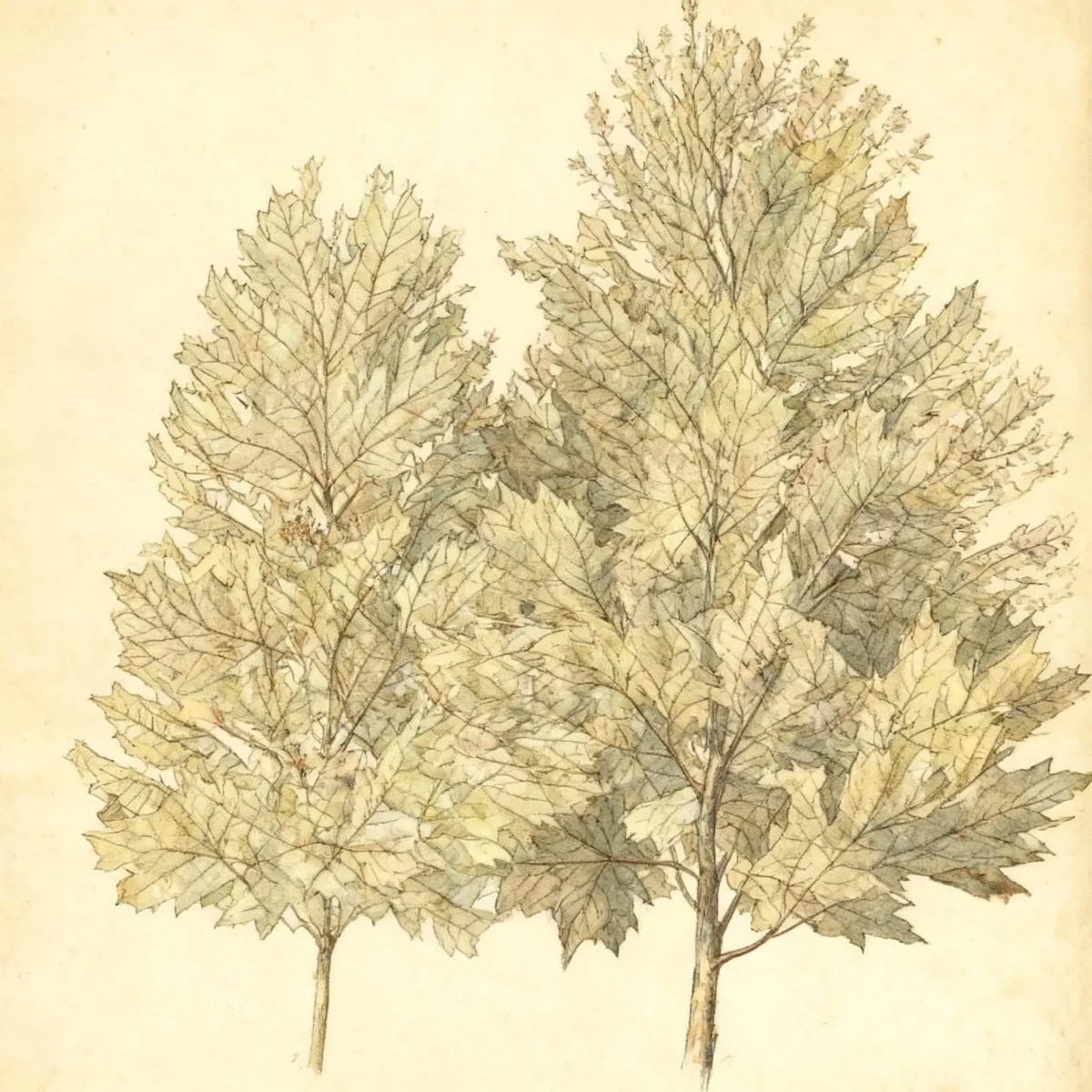
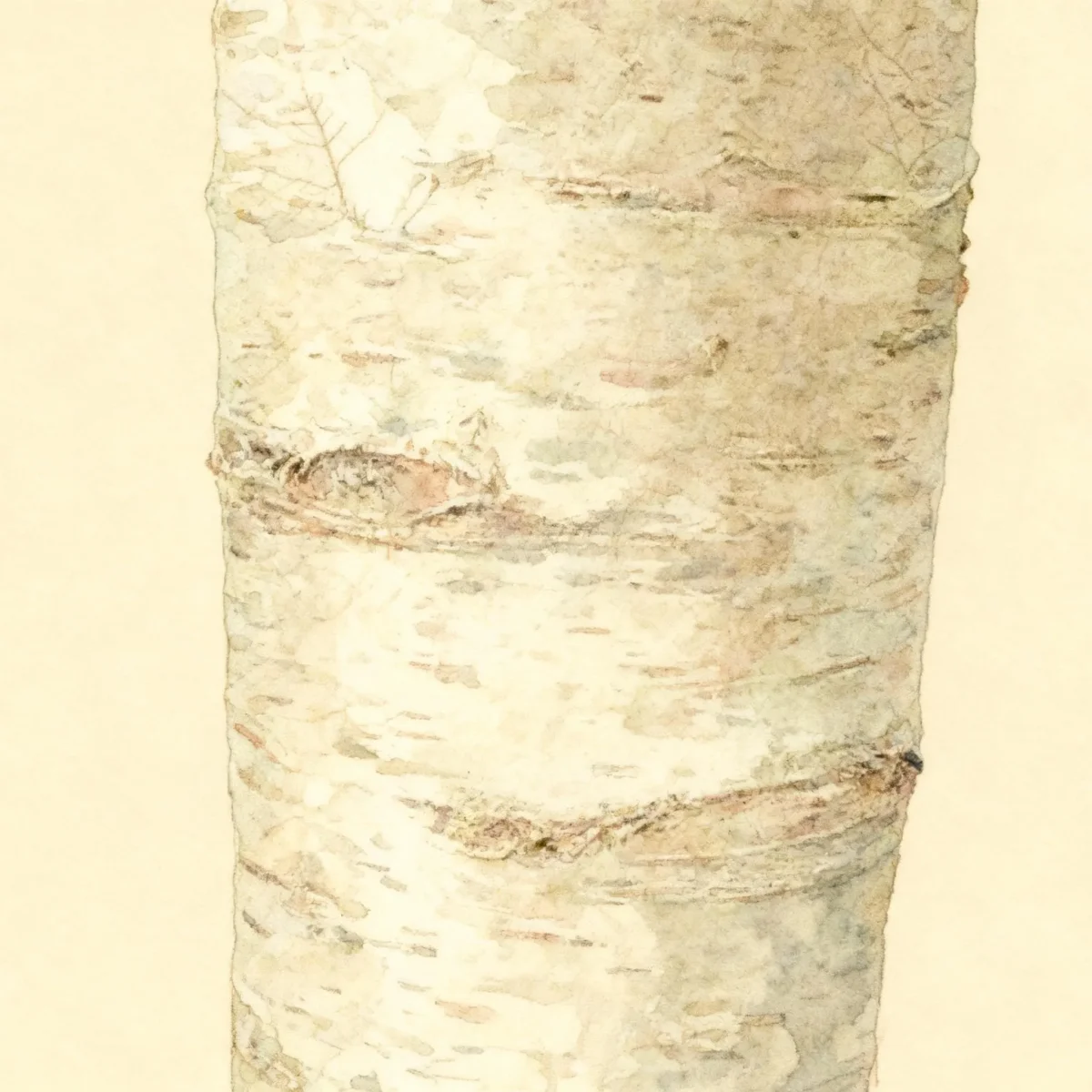
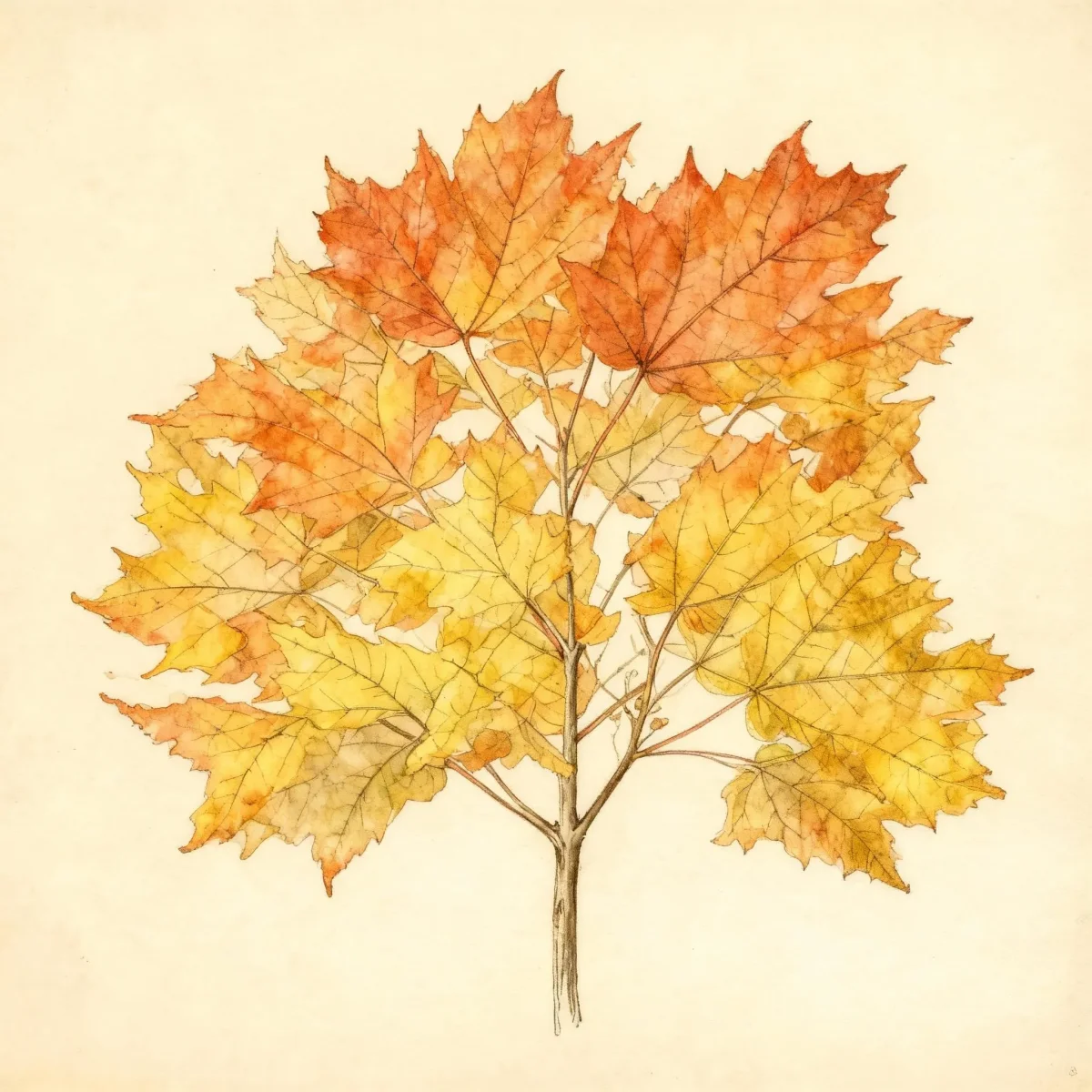
Freeman maple (Acer × freemanii 'Scarsen' SCARLET SENTINEL)
The Acer × freemanii 'Scarsen' SCARLET SENTINEL, a resilient Freeman maple, offers rapid growth and brilliant fall color for zones 3-8.

Bloom Boldly, No Matter the Season - Sweatshirt
Cozy organic cotton sweatshirt featuring our exclusive Purple Coneflower design. Perfect for gardeners who bloom year-round.
Inspired by the beautiful Freeman maple
Limited first batch (50) — join the waitlist for early access
Waitlist closes Feb 15, 2026.
Complete Plant Information
Field Guide Continues
Ready for care notes, companion picks, and planting tips?
The map is just the start. The full guide below covers growth habits, seasonal performance, and landscape uses.
Overview
The Acer × freemanii ‘Scarsen’ SCARLET SENTINEL, known commonly as Freeman maple, stands out as a superior landscape hybrid blending desirable traits from red and silver maples. Gardeners value this cultivar for its robust structure, excellent adaptability, and fast-growing nature, making it a reliable choice for immediate impact in larger landscapes. This deciduous tree matures into an upright, somewhat narrow columnar form, offering consistent performance across a wide range of conditions.
Developed from crosses made by Oliver M. Freeman, this Freeman maple cultivar exhibits excellent vigor inherited from the rapid growth rate of silver maple, combined with the attractive form and reliable fall performance of red maple. The cultivar ‘Scarsen’ is distinguished by its ascending branching habit and impressive size potential, reaching up to 45 feet tall.
Beyond its structural merit, the Acer × freemanii ‘Scarsen’ SCARLET SENTINEL provides critical visual interest as its dark green leaves transition to yellows, oranges, or reds in autumn. Its low maintenance requirements and tolerance for moisture make the Freeman maple a utilitarian and beautiful addition to diverse garden settings.
Fast Facts
- Plant Family: Sapindaceae
- Plant Type: Tree
- Hardiness Zones: USDA Zones 3-8
- Size at Maturity:
- Height: 40-45 ft
- Spread: 20-25 ft
- Bloom Time: April
- Bloom Description: Greenish yellow
- Sun Exposure: Full sun to part shade
- Water Needs: Medium to wet
- Maintenance Level: Low
How to Grow
Planting Acer × freemanii ‘Scarsen’ SCARLET SENTINEL is best achieved in spring or fall when temperatures are moderate, allowing the root system to establish before seasonal extremes. These trees thrive in average, well-drained soils, though they exhibit strong adaptability. Crucially, they prefer moist, slightly acidic soil conditions, performing exceptionally well in locations that receive consistent moisture or where drainage is adequate but the soil retains medium to wet levels.
Once established, the Freeman maple requires medium watering, especially during dry spells, though established trees show some tolerance for drought. Fertilization is generally unnecessary unless the soil is severely deficient; focus instead on maintaining soil health and pH balance for optimal performance. Pruning should be minimal, primarily removing dead or crossing branches, as the natural upright, narrow-columnar habit of the Acer × freemanii ‘Scarsen’ SCARLET SENTINEL is highly desirable.
Seasonal care revolves around monitoring moisture, particularly during the first few years. Avoid planting in extremely compacted or poorly drained clay sites where standing water is common for extended periods, despite its tolerance for wet soil. The low maintenance level of this cultivar means gardeners can focus more on enjoying its fast growth and seasonal displays rather than intensive upkeep.
Landscape Uses
The versatility of the Freeman maple lends itself to numerous functional and aesthetic landscape applications. Its upright, columnar growth habit makes the Acer × freemanii ‘Scarsen’ SCARLET SENTINEL an excellent choice for use as a primary Shade Tree where space is slightly constrained laterally. It is particularly suitable as a tough Street Tree, handling urban conditions effectively when planted with appropriate structural soil support.
Furthermore, gardeners can utilize its tolerance for moisture in Rain Garden settings, planting it at the edges where water tends to collect after heavy rainfall. As a Specimen tree for the lawn or park, its strong form and dependable fall color command attention throughout the season. Consider pairing this maple cultivar with lower-growing, moisture-loving shrubs like Buttonbush or Astilbe in filtered light areas where the maple canopy provides dappled shade.
Standout Features
Flower Qualities
- Insignificant
Noteworthy Characteristics
Acer × freemanii, commonly called Freeman maple, is a hybrid of red maple (A. Rubrum) and silver maple (A. Saccharinum). The Freeman maple cultivars commonly sold in commerce today reportedly combine some of the best features of both parents, namely, solid structure, attractive form and showy fall color (from red maple) and adaptability and rapid growth (from silver maple). Oliver M. Freeman of the National Arboretum made the first controlled crosses between red maple and silver maple in 1933. ‘Scarsen’, sold under the trade name of SCARLET SENTINEL, was patented in 1972. It is an upright, fast-growing, narrow-columnar deciduous tree with ascending branching that typically matures over time to 40-45’ tall, featuring leaves that turn yellow-orange or yellow-red in the fall.
Tolerances
- Wet Soil
Potential Problems
The Acer × freemanii ‘Scarsen’ SCARLET SENTINEL generally exhibits excellent resistance to major diseases and pests, contributing to its low maintenance profile. However, young plants may occasionally show susceptibility to sap-sucking insects such as leafhoppers and scale, requiring early identification and treatment if populations build up. Borers can target stressed or newly planted trees, so ensuring optimal soil moisture and avoiding physical injury is key to preventative care.
Healthy establishment is the best defense against these minor issues. Monitor new growth during the spring for early signs of infestation, as prompt treatment is typically highly effective against scale infestations before numbers become debilitating to the Freeman maple.
Frequently Asked Questions
What hardiness zones is Freeman maple suitable for?
The Acer × freemanii ‘Scarsen’ SCARLET SENTINEL is suitable for USDA Hardiness Zones 3 through 8, indicating wide adaptability across much of North America.
How large does Acer × freemanii ‘Scarsen’ SCARLET SENTINEL grow?
This spectacular tree typically reaches a mature height between 40 and 45 feet, with a spread ranging from 20 to 25 feet, maintaining a relatively upright habit.
When does Freeman maple bloom?
The blooming period for this cultivar is in April, producing sparse flowers described as greenish yellow in color.
What sun exposure does Acer × freemanii ‘Scarsen’ SCARLET SENTINEL need?
This maple thrives best when exposed to Full sun to part shade conditions, though deeper shade may diminish its superior fall coloration.
Conclusion
The Freeman maple, especially the cultivar Acer × freemanii ‘Scarsen’ SCARLET SENTINEL, is an outstanding hybrid offering the speed of silver maple with vibrant color, making it a high-value investment for long-term landscaping. Its reliability in medium to wet soils and low maintenance requirements simplify its care. Before planting, confirm your USDA hardiness zone falls within 3-8 and prepare the site with consistently moist, well-drained conditions to ensure the best establishment of this magnificent tree.
Companion Planting
When planting near your Freeman maple, consider species that share a preference for moist, slightly acidic soil and can handle dappled light beneath the developing canopy. Look to woodland understory plants that thrive in similar conditions. Hydrangeas, particularly Hydrangea paniculata cultivars, offer excellent late-season visual interest near the base of the Acer × freemanii ‘Scarsen’ SCARLET SENTINEL.
For groundcover, consider native ferns like the Ostrich Fern (Matteuccia struthiopteris), which enjoys similar moist habitats and provides textural contrast to the maples’ large, lobed leaves. Planting species that prefer excellent drainage just outside the immediate saturated zone of the tree will help create layers of interest without competing directly for the wettest niches.
Seasonal Care Calendar
Spring is the ideal time to assess the Acer × freemanii ‘Scarsen’ SCARLET SENTINEL for any winter damage and perform necessary structural pruning before the leaves emerge. Focus on removing any crossing or weak limbs while the tree is still dormant. During the summer months, pay close attention to soil moisture, especially if you are establishing a new specimen, providing deep, slow watering to encourage deep root growth.
Fall is when this Freeman maple truly shines, showcasing its rich yellow-orange to red foliage; this is also the time to apply a slow-release organic mulch layer around the root zone, keeping mulch away from the trunk itself. Winter care is minimal due to the hardiness of the ‘Scarsen’ cultivar, but protecting young trunks from sunscald or rodent damage using tree guards remains a wise precaution, especially in colder zones.