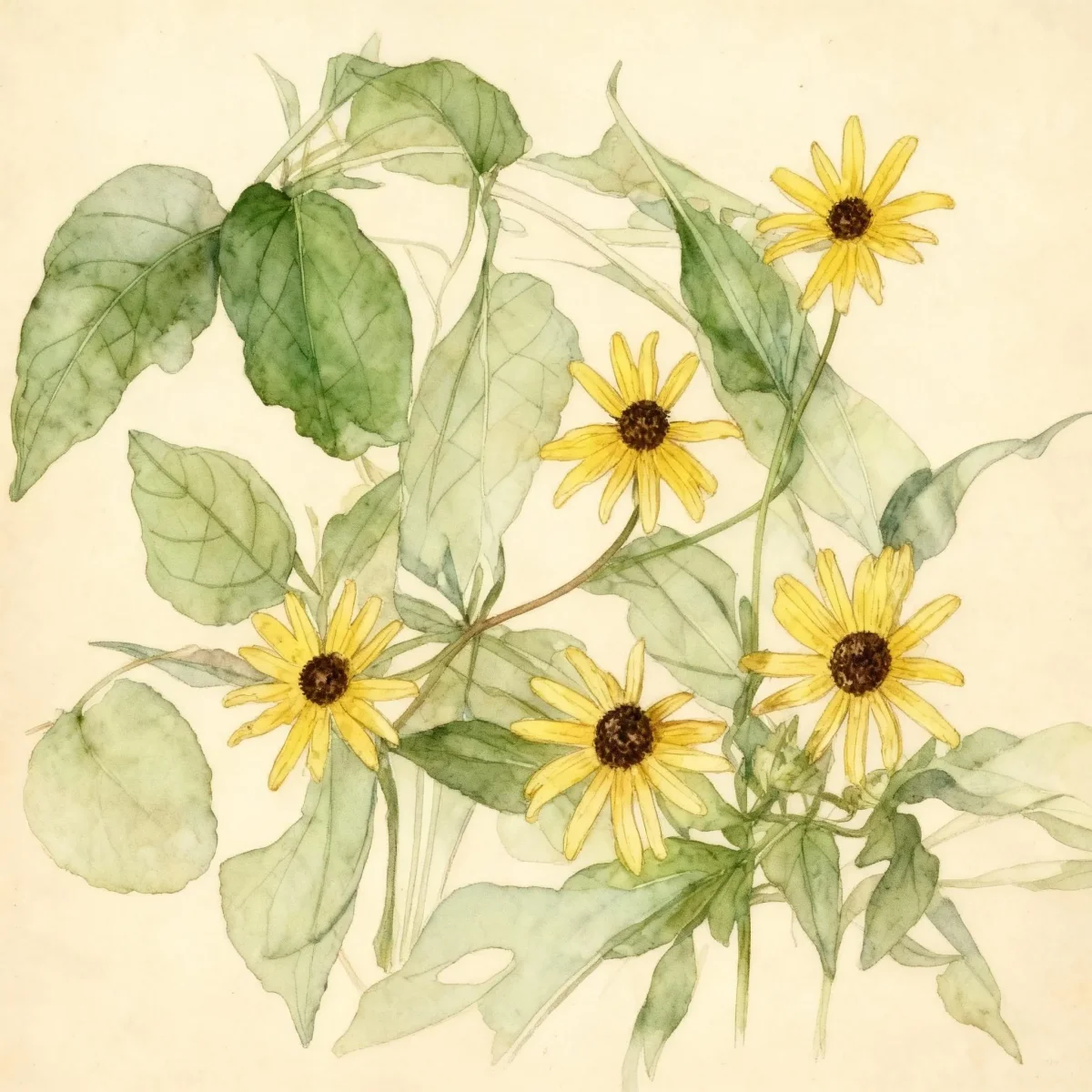
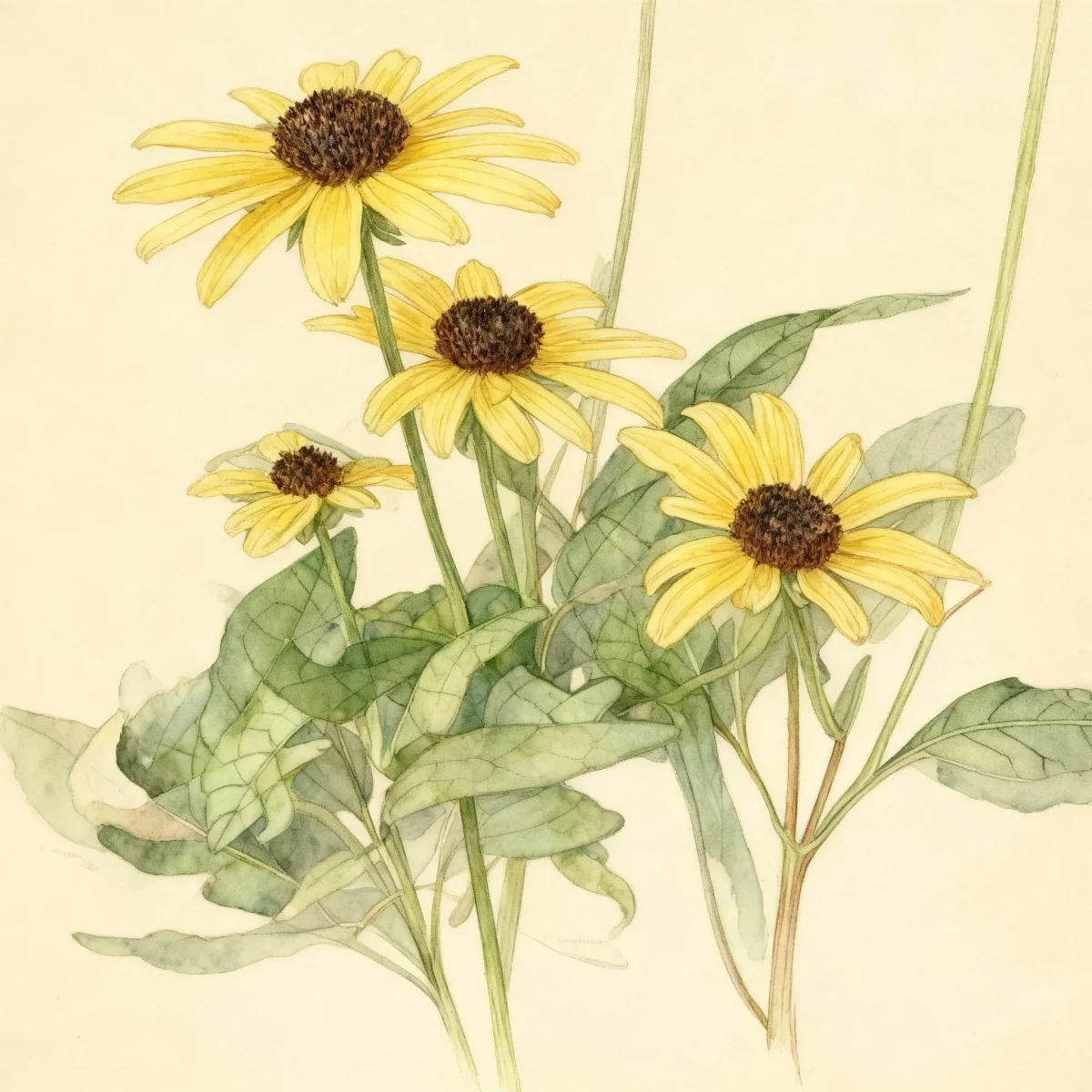
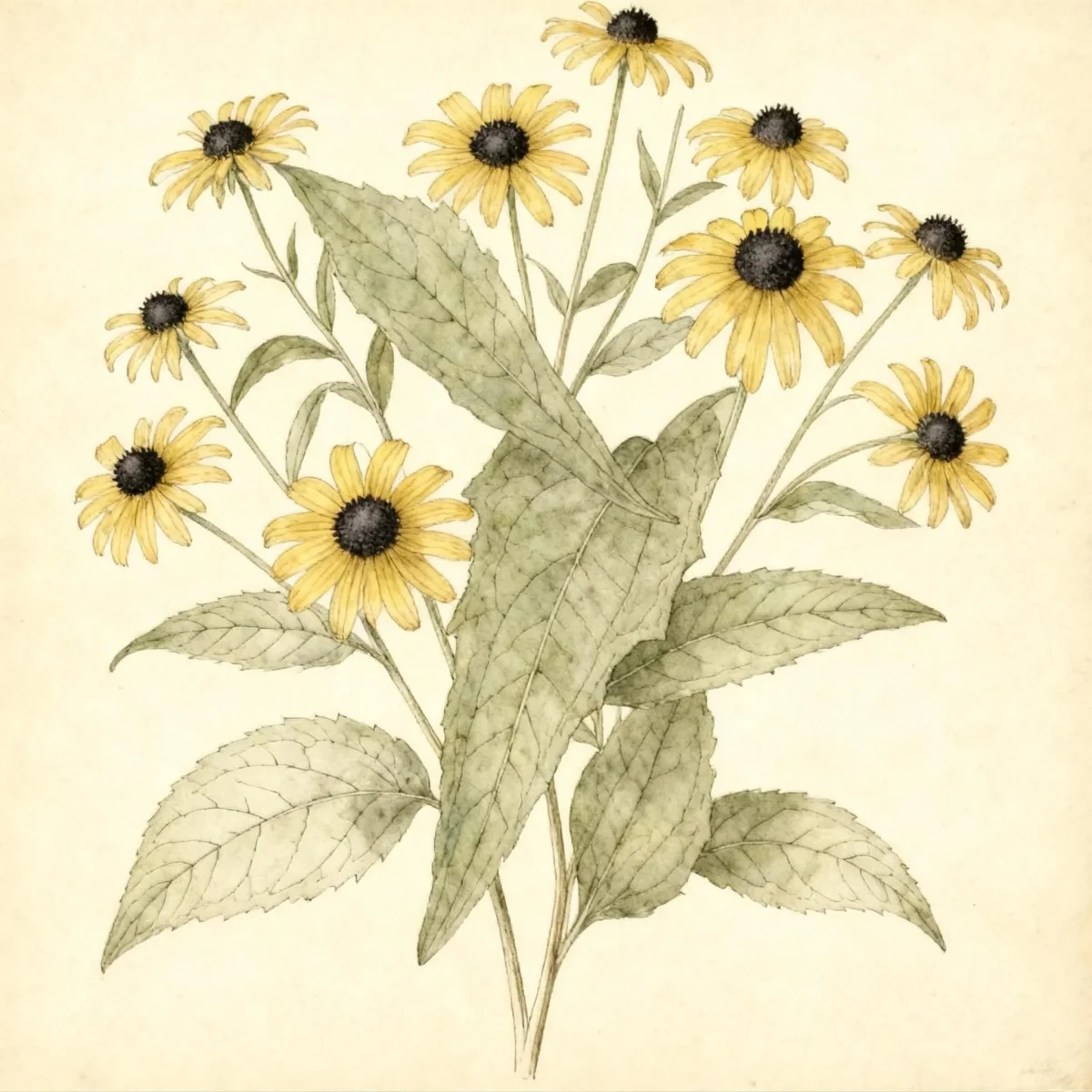
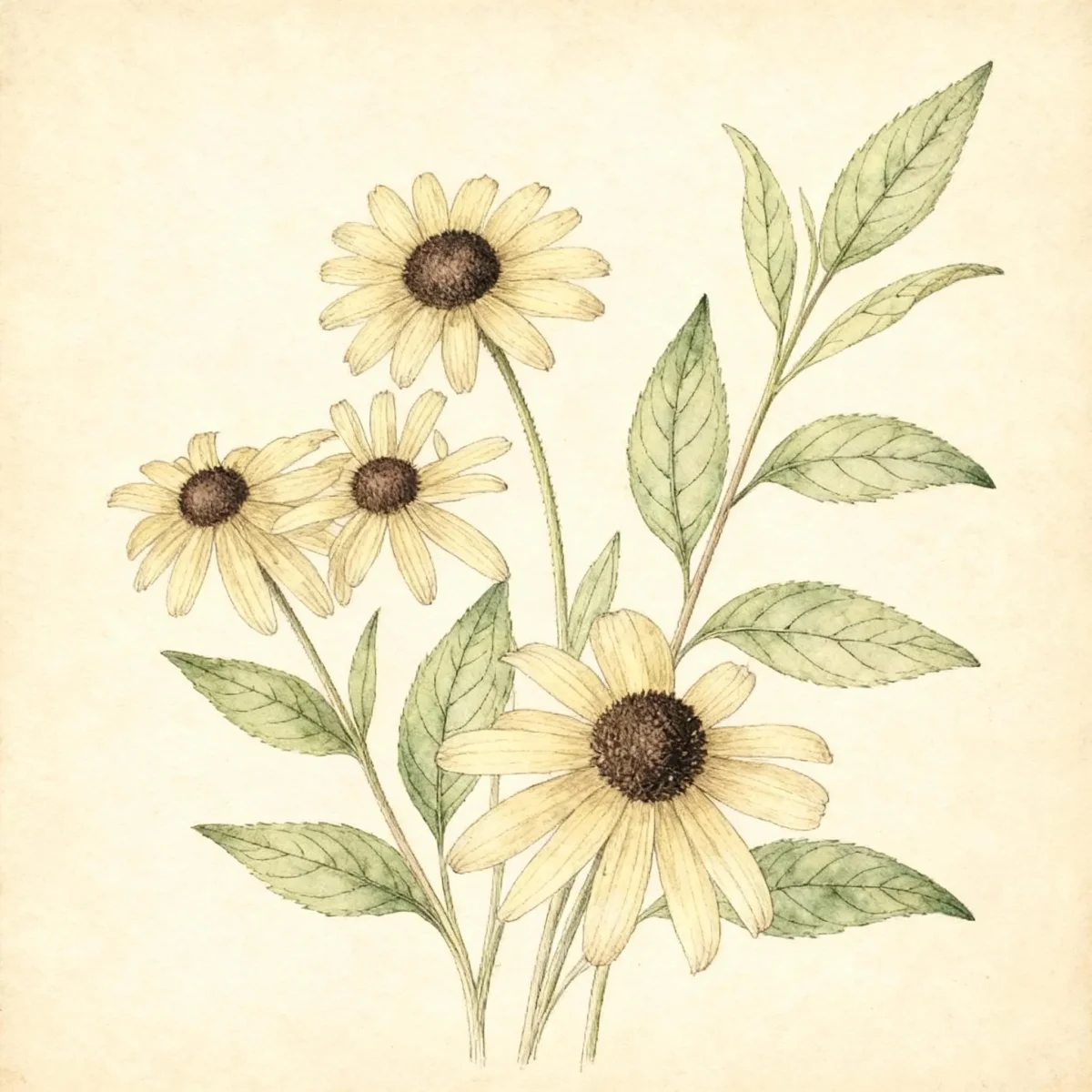
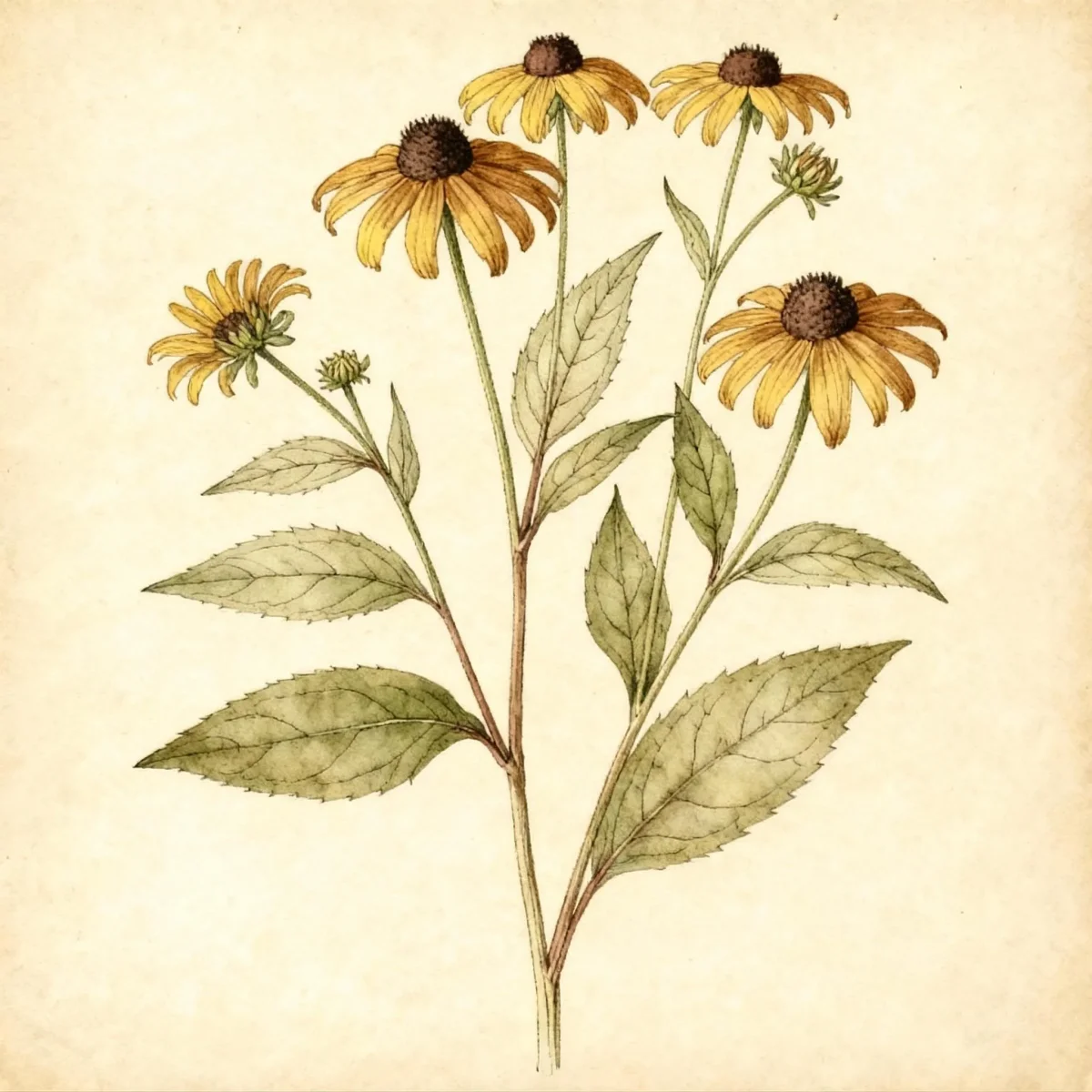
Black-eyed Susan (Rudbeckia fulgida 'Early Bird Gold')
Rudbeckia fulgida 'Early Bird Gold' is a compact, showy Black-eyed Susan praised for its long bloom from June to October.

Bloom Boldly, No Matter the Season - Sweatshirt
Cozy organic cotton sweatshirt featuring our exclusive Purple Coneflower design. Perfect for gardeners who bloom year-round.
Inspired by the beautiful Black-eyed Susan
Limited first batch (50) — join the waitlist for early access
Waitlist closes Feb 15, 2026.
Complete Plant Information
Field Guide Continues
Ready for care notes, companion picks, and planting tips?
The map is just the start. The full guide below covers growth habits, seasonal performance, and landscape uses.
Overview
Rudbeckia fulgida ‘Early Bird Gold’ delivers reliable, vibrant color late into the season, making it an indispensable component of the late-summer garden. This compact selection of the popular Black-eyed Susan offers daisy-like flowers featuring brilliant yellow rays surrounding a signature dark brown center cone. As a herbaceous perennial, it returns reliably, forming attractive clumps that require minimal fuss once established.
This cultivar is valued for its extended flowering period, beginning in early summer and often persisting until frost, attributing to its “Early Bird” designation. Its resilience across varied soil types, including clay, combined with low maintenance needs, cements its status as a garden workhorse. Plant Rudbeckia fulgida ‘Early Bird Gold’ for excellent scenery, dependable performance, and valuable support for local pollinators.
Fast Facts
- Plant Family: Asteraceae
- Plant Type: Herbaceous perennial
- Hardiness Zones: USDA Zones 3-9
- Size at Maturity:
- Height: 1.5-2 ft
- Spread: 1.5-2 ft
- Bloom Time: June to October
- Bloom Description: Yellow rays with dark brown center cone
- Sun Exposure: Full sun
- Water Needs: Dry to medium
- Maintenance Level: Low
How to Grow
For optimal results, plant Rudbeckia fulgida ‘Early Bird Gold’ in its thriving spot during spring or fall. It insists upon full sun, though it can tolerate light afternoon shade; however, best bloom occurs when sun exposure is maximized. The soil should be well-drained, and while it prefers organically rich loam, this Black-eyed Susan is highly adaptable, thriving even in average soils.
Watering should be consistent throughout the initial growing season to help the plant establish its root system. Once mature, this perennial exhibits significant drought tolerance, although periodic deep watering during extended dry spells will enhance vigor. Fertilization is generally unnecessary, as rich soils can lead to floppy growth; focus instead on proper moisture management.
Maintenance for this robust perennial is simple. Deadheading the spent flowers encourages the plant to keep producing new blooms from mid-June right through October. At the end of the season, you can leave seed heads standing for winter interest and bird food, or cut back the stems in late fall or early spring before new growth emerges. Plants may slowly spread via rhizomes, so allow adequate space or divide congested clumps every few years.
Landscape Uses
Rudbeckia fulgida ‘Early Bird Gold’ excels when planted in bold drifts, creating masses of cheerful, contrasting color against backdrop foliage. It is a perfect fit for the traditional perennial border, offering that essential late-summer punch when many spring bloomers have faded. Its upright habit and compact stature make it ideal for cottage gardens or mixed meadow settings where it naturally integrates with grasses and other wildflowers.
This Black-eyed Susan is exceptionally well-suited for functional landscapes, particularly rain gardens, as it handles both medium moisture and subsequent dry spells with ease. Furthermore, include it in native plant gardens to restore natural aesthetics while providing late-season nectar for butterflies. The sturdy stems ensure that Rudbeckia fulgida ‘Early Bird Gold’ makes an excellent, long-lasting cut flower for indoor arrangements.
Standout Features
Flower Qualities
- Showy
- Good Cut
Noteworthy Characteristics
Rudbeckia fulgida is a herbaceous perennial native to the eastern United States which occurs in both dry and moist soils in open woods, glades and thickets. This selection, ‘Early Bird Gold’, grows more compactly, typically reaching only 2’ tall on stiff, upright stems perfect for mid-summer color. It is notable for attracting butterflies and other insect pollinators, while birds readily consume the seeds left standing through winter.
Tolerances
- Deer
- Drought
- Clay Soil
- Dry Soil
- Air Pollution
Potential Problems
This specific cultivar of Black-eyed Susan is generally robust, enjoying a reputation for having no serious insect or disease problems. However, growers should remain vigilant for common sunflower family issues, primarily aphids, powdery mildew, downy mildew, and leaf spot diseases, especially if air circulation is poor. Deer are typically averse to the foliage, offering a built-in layer of protection in many landscapes. For managing potential mildew, ensure adequate spacing during planting and avoid overhead watering late in the day.
Frequently Asked Questions
What hardiness zones is Rudbeckia fulgida ‘Early Bird Gold’ suitable for?
This resilient herbaceous perennial is suitable for USDA Zones 3 through 9, offering wide adaptability across many regions.
How large does Black-eyed Susan grow?
Rudbeckia fulgida ‘Early Bird Gold’ is a relatively compact variety, typically reaching a height between 1.5 and 2 feet, with a corresponding spread of 1.5 to 2 feet.
What sun exposure does Black-eyed Susan need?
For the absolute best, most prolific flush of color, this plant requires full sun exposure throughout the day.
When does Rudbeckia fulgida ‘Early Bird Gold’ bloom?
This cultivar provides substantial garden interest from June all the way through October, displaying its signature bright yellow rays with dark brown center cones.
Conclusion
Rudbeckia fulgida ‘Early Bird Gold’ is a dependable favorite, bringing essential late-season color and fantastic wildlife appeal to any planting scheme. Its low maintenance needs and tolerance for poor soils solidify the Black-eyed Susan’s reputation as a true garden gem. Before planting, confirm that your site provides full sun exposure and check your local USDA hardiness zone compatibility.
Companion Planting
To create a balanced late-season perennial border that mirrors the cultural needs of Rudbeckia fulgida ‘Early Bird Gold’, focus on companions that also thrive in full sun and tolerate dry to medium moisture. Consider pairing it with late-blooming ornamental grasses, such as Schizachyrium scoparium (Little Bluestem), which offers textural contrast. Asters in the Symphyotrichum genus provide complementary purple tones as the Rudbeckia continues its bloom cycle. Plants that require consistent, rich moisture might struggle here, so opt for drought-tolerant partners.
Wildlife Benefits
The prolonged bloom time of this Black-eyed Susan from June to October is a major asset for late-season wildlife support. Its prominent central cones are highly attractive to seed-eating birds throughout the fall and winter months. Furthermore, the open structure of the daisy-like flowers makes the nectar and pollen easily accessible to various insect pollinators, including bees and butterflies seeking fuel before migration or hibernation. Planting mass groupings further enhances its value as an ecological resource.