Fountain grass(Pennisetum alopecuroides 'Piglet')
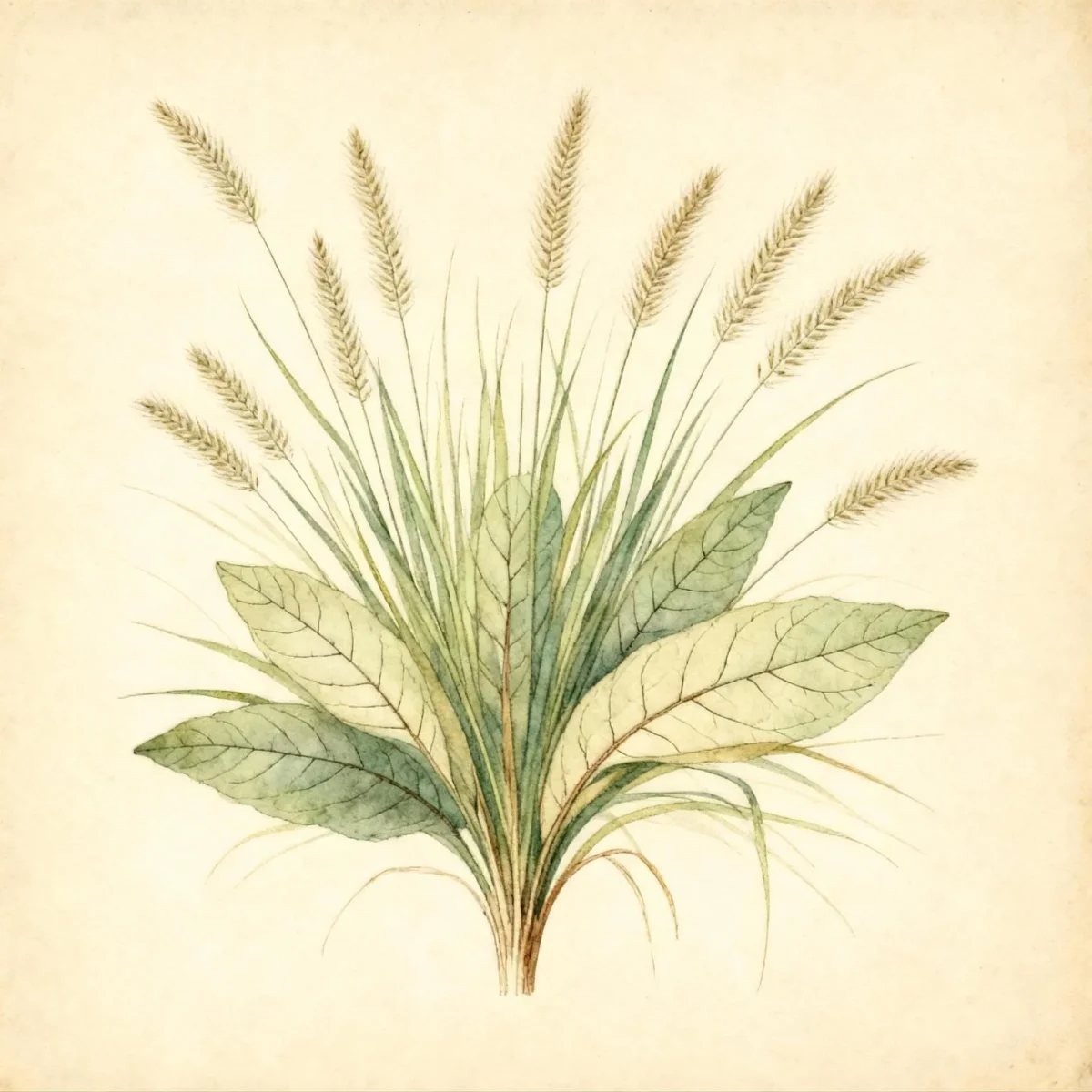
Grow dwarf fountain grass 'Piglet' (Pennisetum alopecuroides): intermediate 18-inch habit, profuse bottlebrush plumes, rain garden suitability, USDA zones 5–9.
Complete Plant Information
- Hardiness zones
- USDA 5–9
- Plant type
- Ornamental grass
- Plant family
- Poaceae
- Sun exposure
- Full sun to part shade
- Water needs
- Medium to wet
- Maintenance
- Low
- Height
- 1.2–1.5 ft (37–46 cm)
- Spread
- 1.5–2 ft (46–61 cm)
- Bloom time
- August to October
- Flower color
- Bristly, cylindrical, copper-tan to pinkish-white bottlebrush spikes arching above foliage
- Flower qualities
- Showy, Good Cut, Good Dried
- Fruit qualities
- Not recorded
- Tolerances
- Drought, Erosion, Wet Soil, Black Walnut, Air Pollution, Deer
- Garden uses
- Walkway border, rain garden basin edge, mass groundcover, patio planter
- Native range
- East Asia, Australia (cultivar selection)
Field Guide Continues
Ready for care notes, companion picks, and planting tips?
The map is just the start. The full guide below covers growth habits, seasonal performance, and landscape uses.
Overview
Dwarf fountain grass ‘Piglet’ (Pennisetum alopecuroides ‘Piglet’, also classified botanically under Cenchrus alopecuroides) is an exceptionally floriferous, intermediate dwarf warm-season perennial grass hardy across USDA Zones 5 through 9. Developed to solve a specific sizing gap in modern landscape design, ‘Piglet’ grows approximately 18 inches tall and 24 inches wide—measuring larger, more vigorous, and substantially more floriferous than miniature ‘Little Bunny’ (which tops out around 10–12 inches), yet staying significantly smaller and tidier than standard ‘Hameln’ (which reaches 2.5–3 feet).
From late summer through autumn, it covers its neat, fountain-like dome in dozens of bristly, tan-to-pinkish bottlebrush plumes that persist into winter, providing movement and texture in smaller residential borders.
How to Grow
- Sunlight: Full sun (at least 6 hours direct daily light) is mandatory. Shady sites cause foliage to stretch, flop, and dramatically reduce plume formation.
- Soil & Moisture Adaptability: Highly versatile in diverse soil conditions:
- Moist & Wet Soils: Handles seasonal soil saturation exceptionally well, making it a premier grass for rain garden drainage basins, bioswales, and pond margins.
- Drought Tolerance: Once deep fibrous roots establish after year one, it demonstrates high drought tolerance in ordinary garden beds.
- Winter Hardiness: USDA Zones 5 through 9. In the coldest parts of Zone 5, apply a protective layer of bark mulch over the crown for the first winter to shield shallow roots from frost heave.
- Late Winter Cutback: Leave the attractive copper-colored dried foliage and plumes intact through winter for structural interest and crown insulation. In late winter or early spring (March), shear the clump back to 2 to 3 inches above the soil line before green spring shoots appear.
Landscape Uses
- Walkway & Border Edging: Its 18-inch intermediate height provides clear boundary definition without flopping into pathways or blocking taller perennials behind it.
- Rain Garden Basin Edge: Tolerates periodic temporary flooding followed by dry conditions, making it an ideal bioretention plant.
- Massed Textural Groundcover: Spaced 18 inches apart on center, clumps knit together to suppress weeds on sunny banks and slopes.
Potential Problems
- Flopping in Excessive Shade: Shaded exposures cause foliage to stretch and lose its compact dome architecture.
- Late Spring Green-Up: As a warm-season grass, it remains brown and dormant until soil temperatures warm in May; do not mistake this late start for winter kill.
- Root Rot in Standing Ice: While tolerant of wet summer soils, winter drainage must allow frozen water to clear away from the crown.
Frequently Asked Questions
How does ‘Piglet’ compare to ‘Hameln’ and ‘Little Bunny’?
‘Piglet’ fills the gap between the two: at 18 inches tall, it is roughly half the size of ‘Hameln’ (3 feet) and noticeably larger and more floriferous than ‘Little Bunny’ (10 to 12 inches).
When should I cut back dwarf fountain grass?
Cut the entire clump down to 2 to 3 inches in late winter or early spring (March) before new green shoots start growing from the crown.
Do deer eat ‘Piglet’ fountain grass?
No. The rough, silica-rich leaf edges make fountain grasses unpalatable to deer and rabbits.
Companion Plants
Pair ‘Piglet’ fountain grass with late-summer blooming perennials that match its sunny growing conditions:
- Flowering Sun Perennials: Plant alongside black-eyed Susans (Rudbeckia fulgida ‘Goldsturm’), purple coneflowers (Echinacea), and sedums (like ‘Autumn Joy’).
- Color Contrast Partners: Combine with blue-flowered Russian sage (Salvia yangii) or asters.
- Rain Garden Companions: Interplant near swamp milkweed (Asclepias incarnata) or blue flag iris in moist areas.
Sources & Lineage
- Missouri Botanical Garden PlantFinder: Record taxon 269222 (Pennisetum alopecuroides ‘Piglet’) — cultivar origin, morphological dimensions, and cultural traits.
- Kew Plants of the World Online (POWO): Pennisetum alopecuroides (L.) Spreng. (POWO: 414920-1) — species taxonomy, synonymy under Cenchrus, and native range.
- North Carolina State Extension Gardener Plant Toolbox: Pennisetum alopecuroides — rain garden suitability, erosion control, and landscape culture.
Recommended Companion Plants
Fountain grass
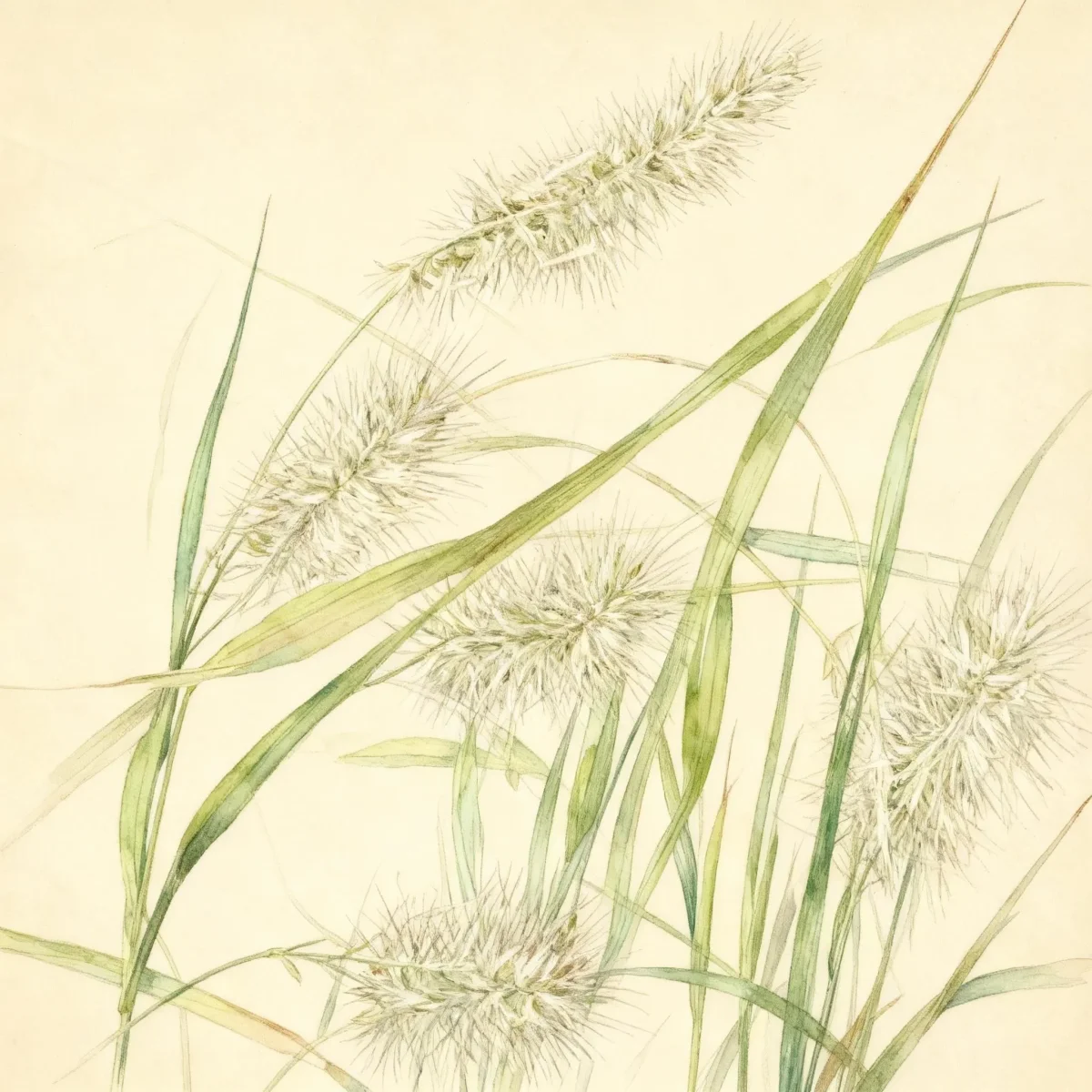
Pennisetum alopecuroides 'Hameln'
- USDA zones
- 5–9
- Light
- Full sun to part shade
- Water
- Medium to wet
Fountain grass
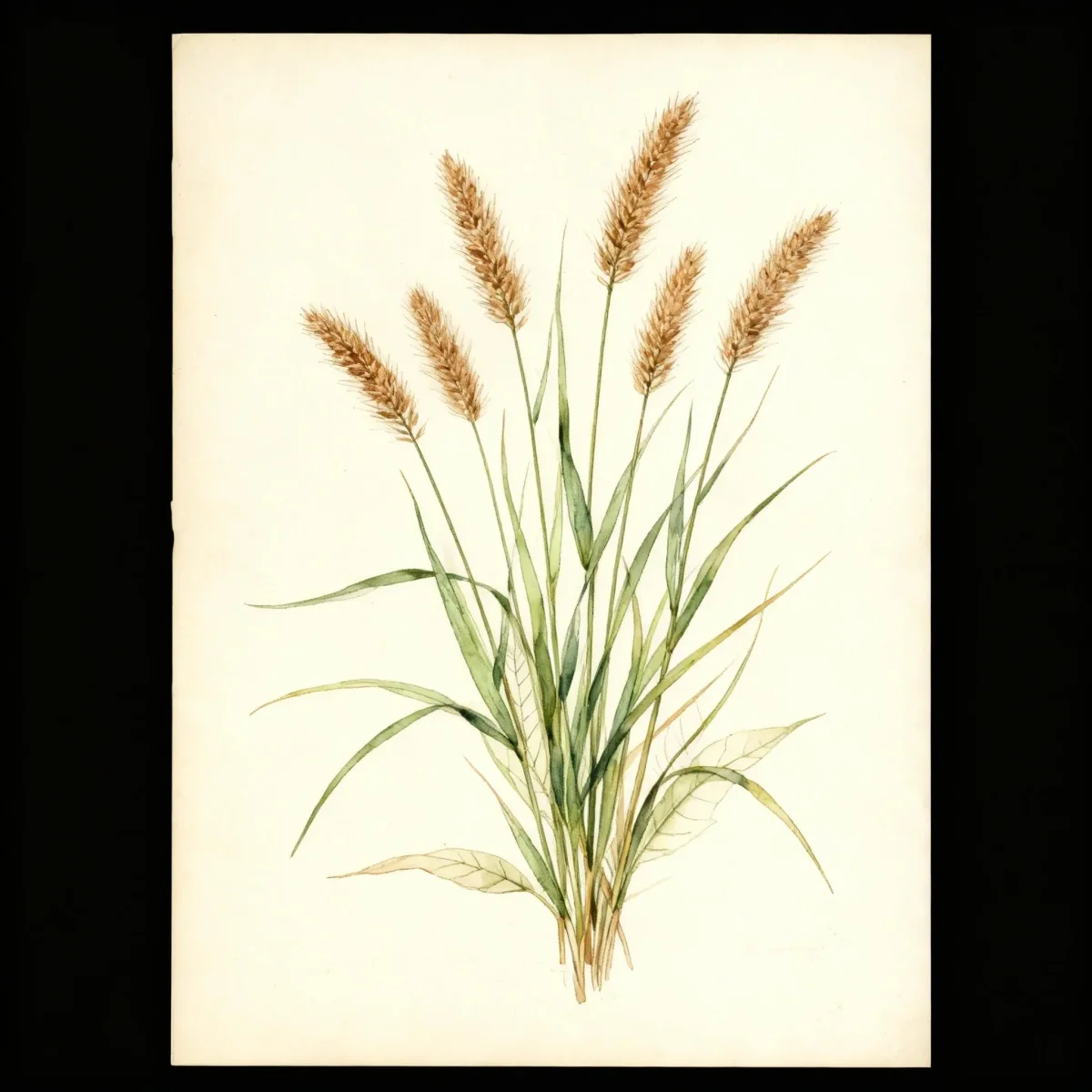
Pennisetum alopecuroides 'Little Bunny'
- USDA zones
- 5–9
- Light
- Full sun to part shade
- Water
- Medium to wet
Fountain grass
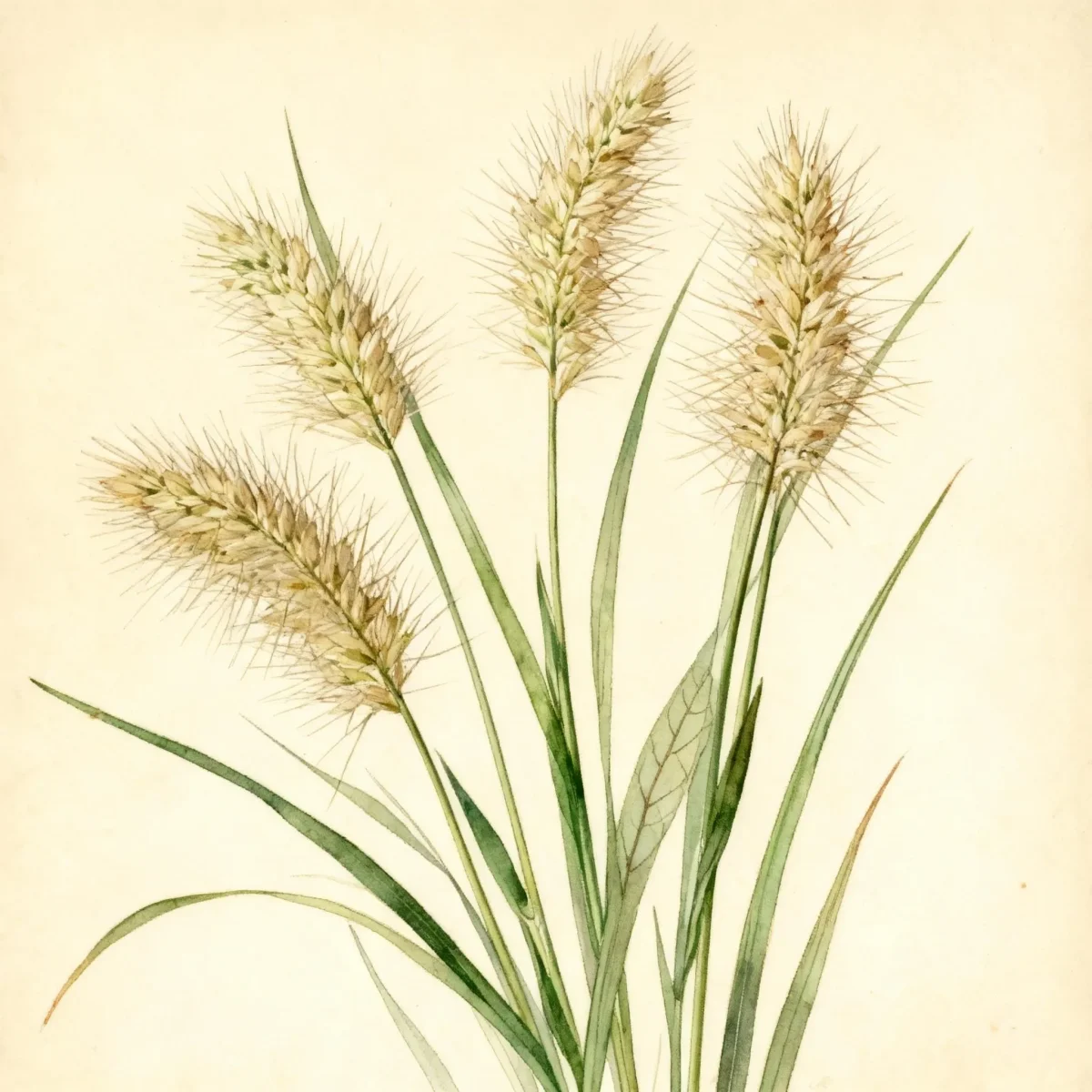
Pennisetum alopecuroides 'Little Honey'
- USDA zones
- 5–9
- Light
- Full sun to part shade
- Water
- Medium to wet
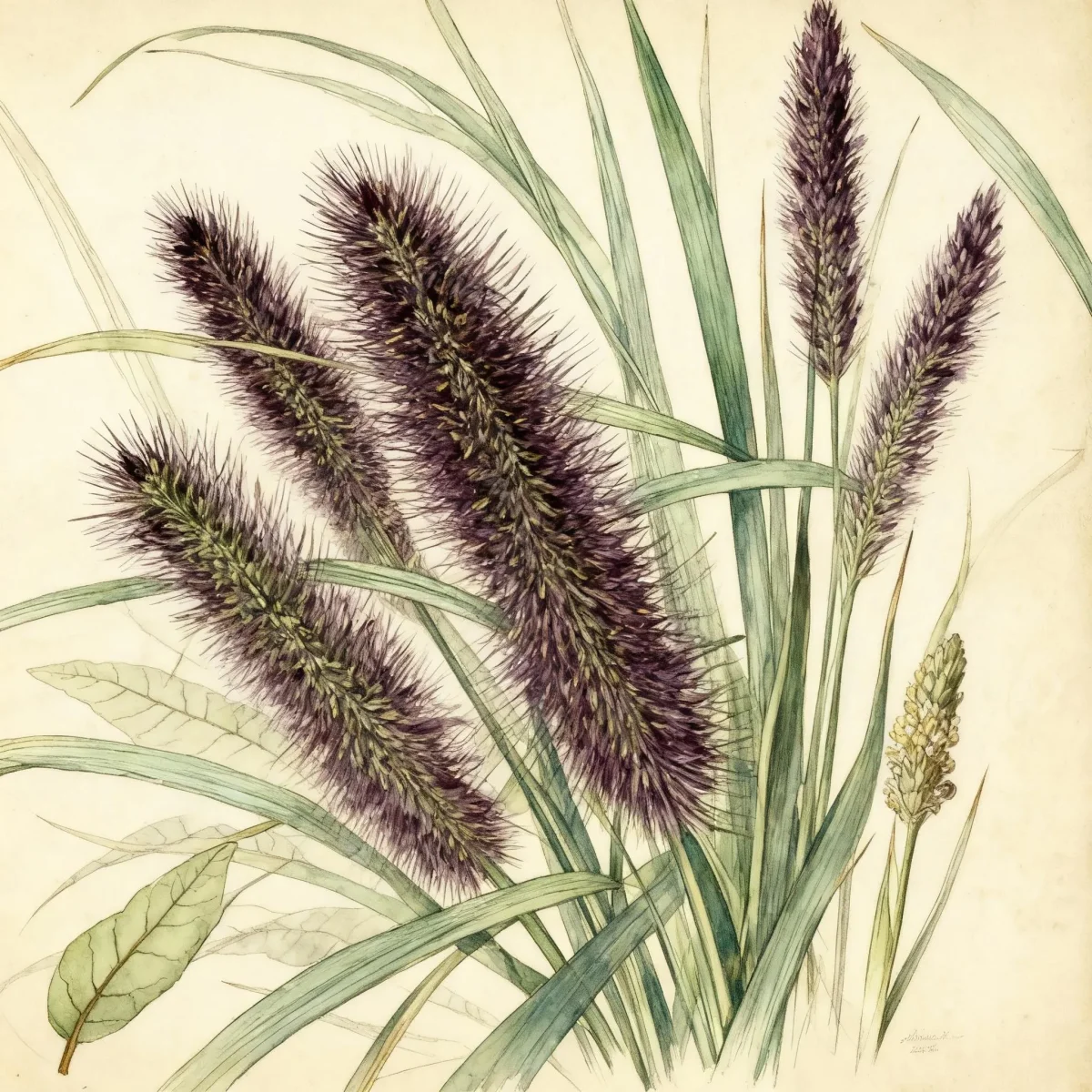
Fountain grass
Pennisetum alopecuroides 'Moudry'
- USDA zones
- 5–9
- Light
- Full sun to part shade
- Water
- Medium to wet

Fountain grass
Pennisetum alopecuroides 'Weserbergland'
- USDA zones
- 5–9
- Light
- Full sun to part shade
- Water
- Medium to wet
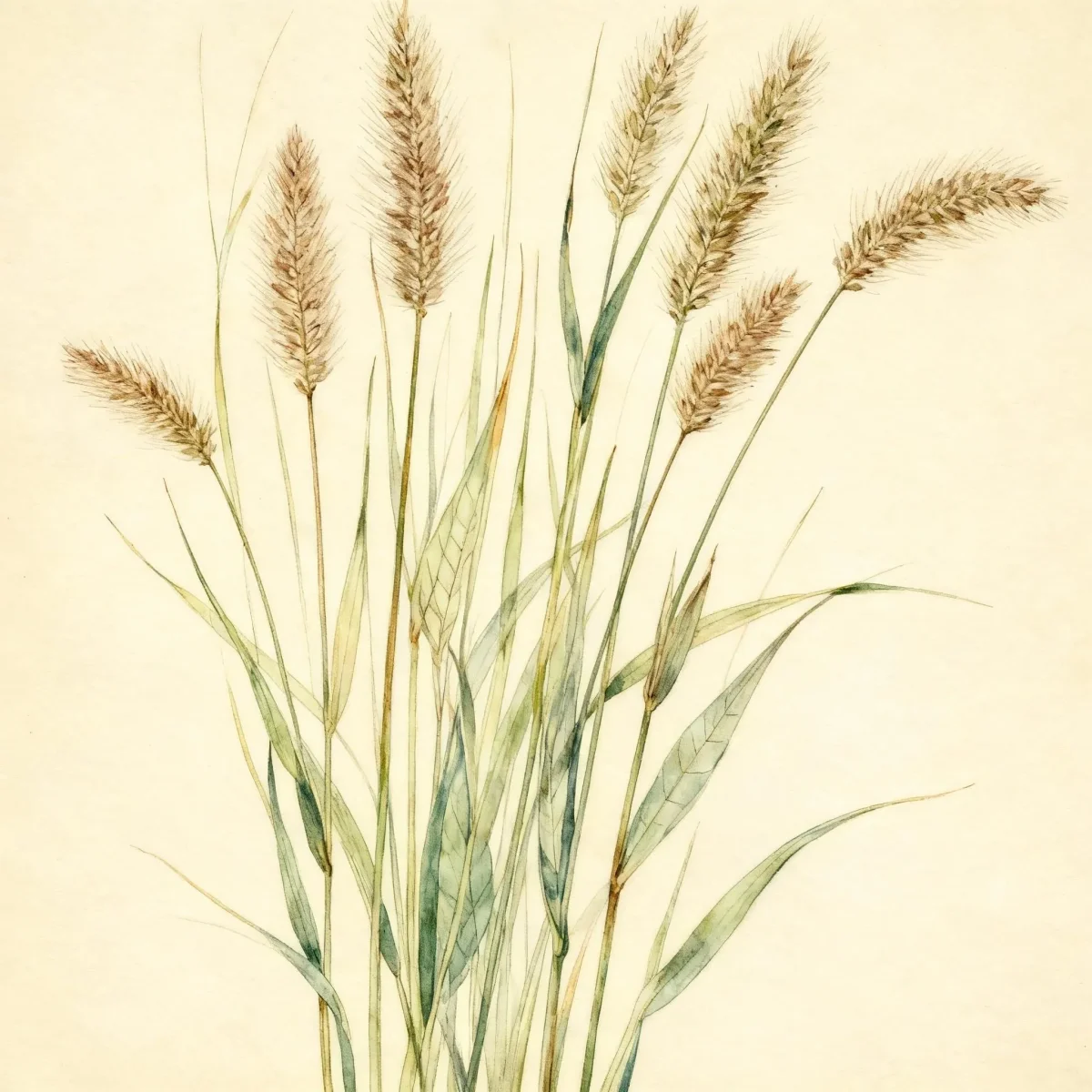
Fountain grass
Pennisetum alopecuroides 'Cassian's Choice'
- USDA zones
- 5–9
- Light
- Full sun to part shade
- Water
- Medium to wet
Keep Learning
Test what you know with a garden quiz
You have the plant facts and care notes. Continue with a related challenge, or browse the complete quiz library.

Can You Identify These Common Garden Plants? Test Your Plant Knowledge
Think you know your roses from your peonies? Test your plant identification skills with our comprehensive garden plant quiz featuring 10 challenging questions.
Start quiz
USDA Garden Zone Map Quiz
Use this USDA garden zone map quiz to check whether you can read hardiness zones and choose plants with more confidence.
Start quizBrowse the full quizzes section
Explore plant identification, zone strategy, and seasonal gardening challenges.
View all quizzes