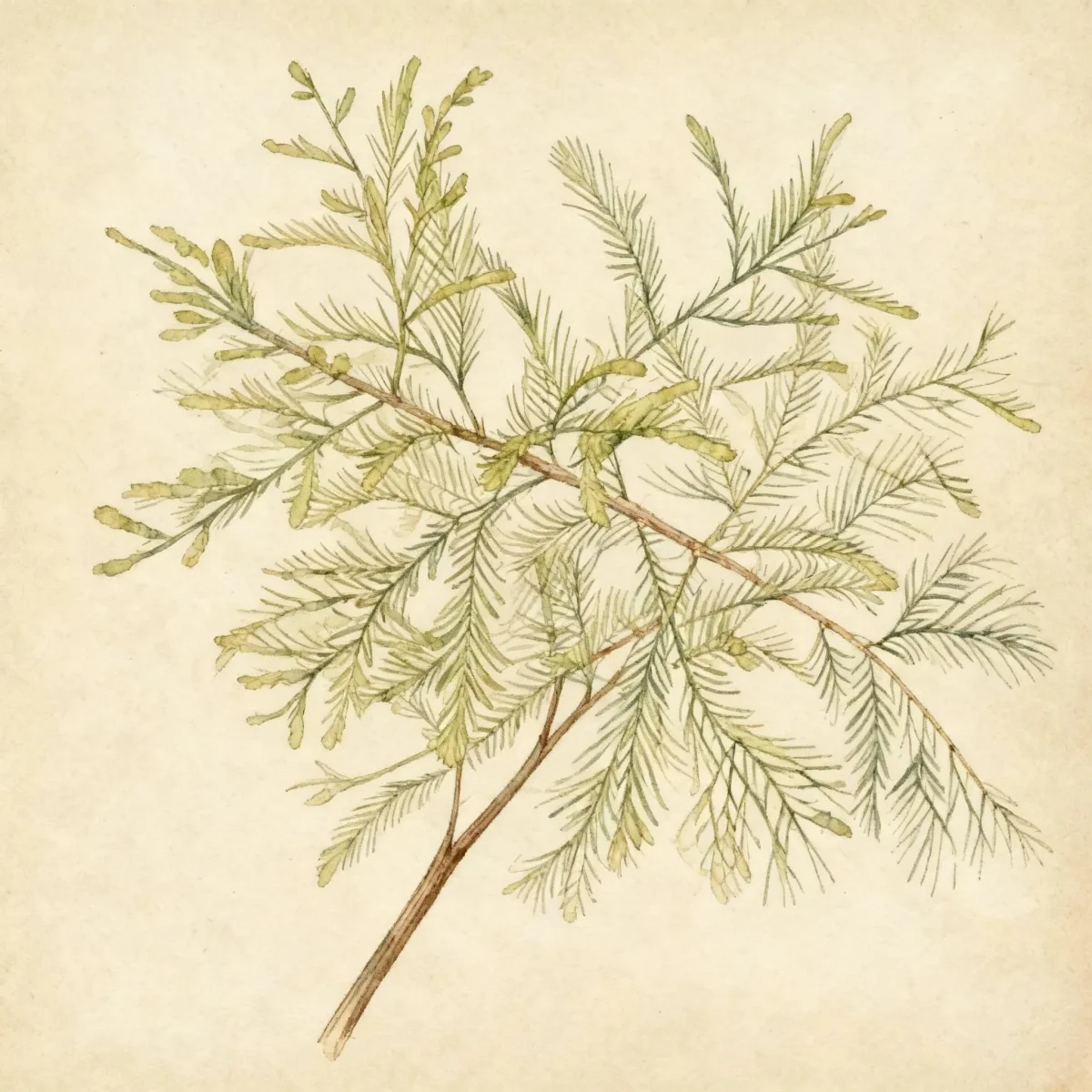
Dawn redwood (Metasequoia glyptostroboides 'Gold Rush')
Metasequoia glyptostroboides 'Gold Rush' is a stunning deciduous conifer offering golden-yellow foliage. This variety of Dawn redwood thrives in full sun and wet tolerance.
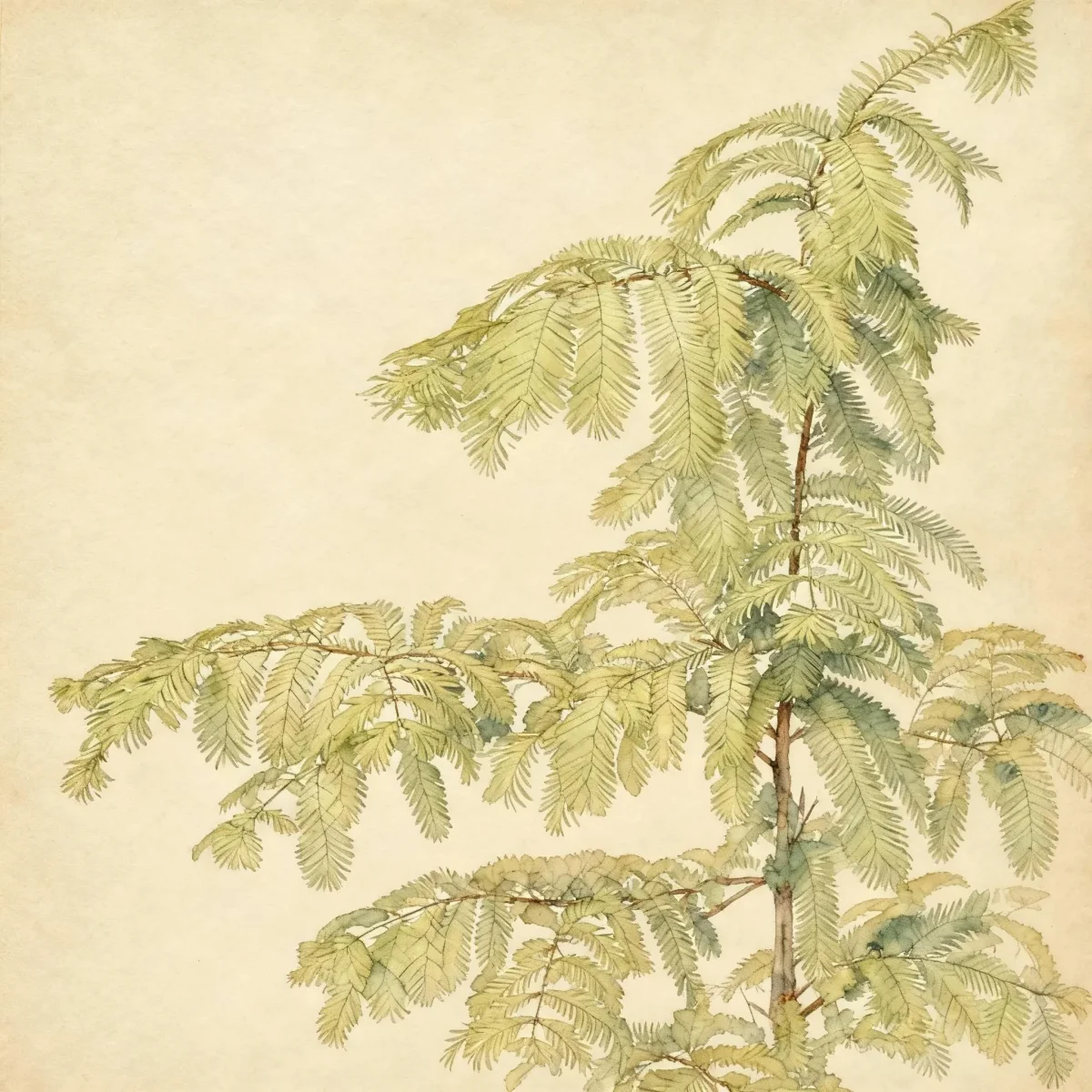

Bloom Boldly, No Matter the Season - Sweatshirt
Cozy organic cotton sweatshirt featuring our exclusive Purple Coneflower design. Perfect for gardeners who bloom year-round.
Inspired by the beautiful Dawn redwood
Limited first batch (50) — join the waitlist for early access
Waitlist closes Feb 15, 2026.
Complete Plant Information
Field Guide Continues
Ready for care notes, companion picks, and planting tips?
The map is just the start. The full guide below covers growth habits, seasonal performance, and landscape uses.
Overview
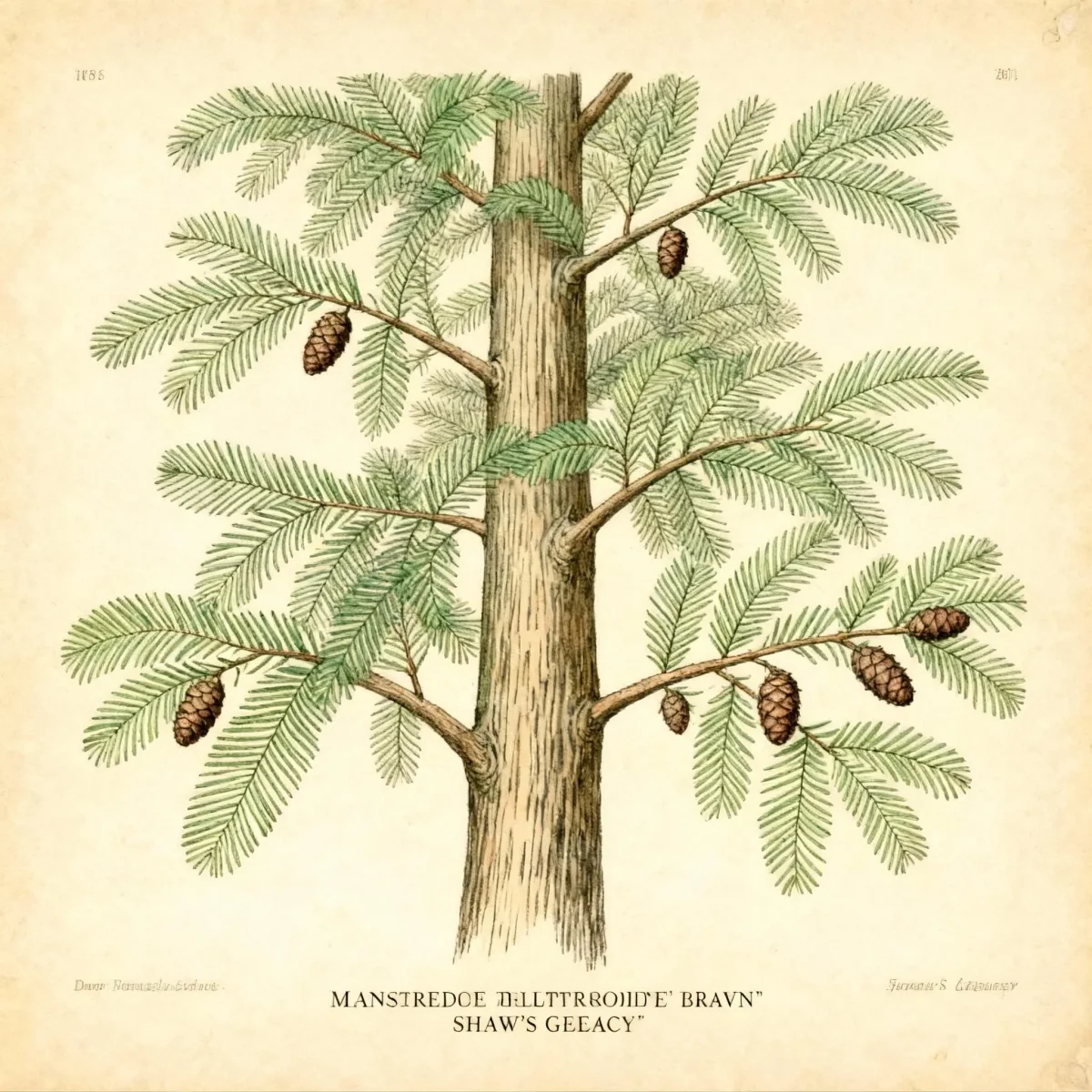
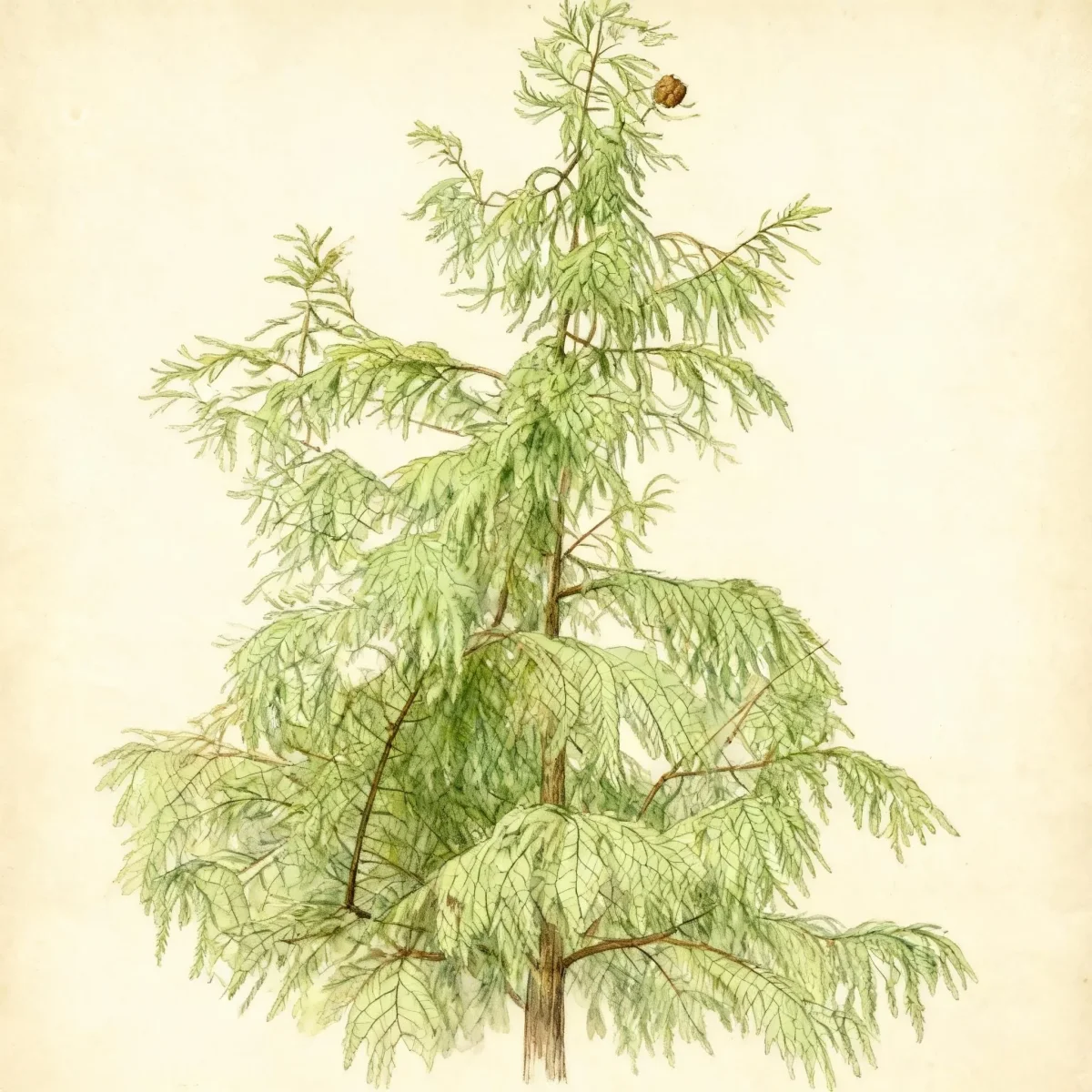
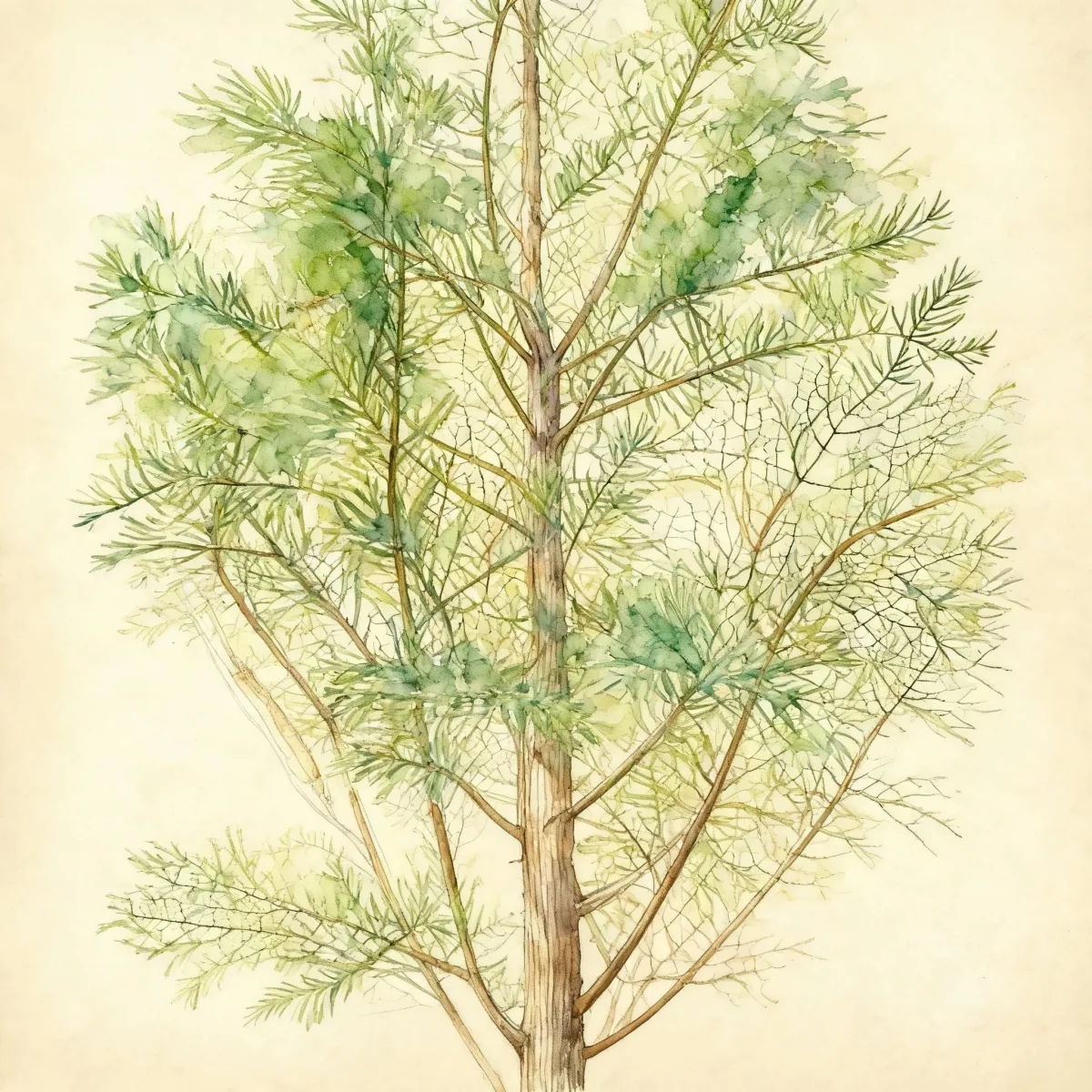
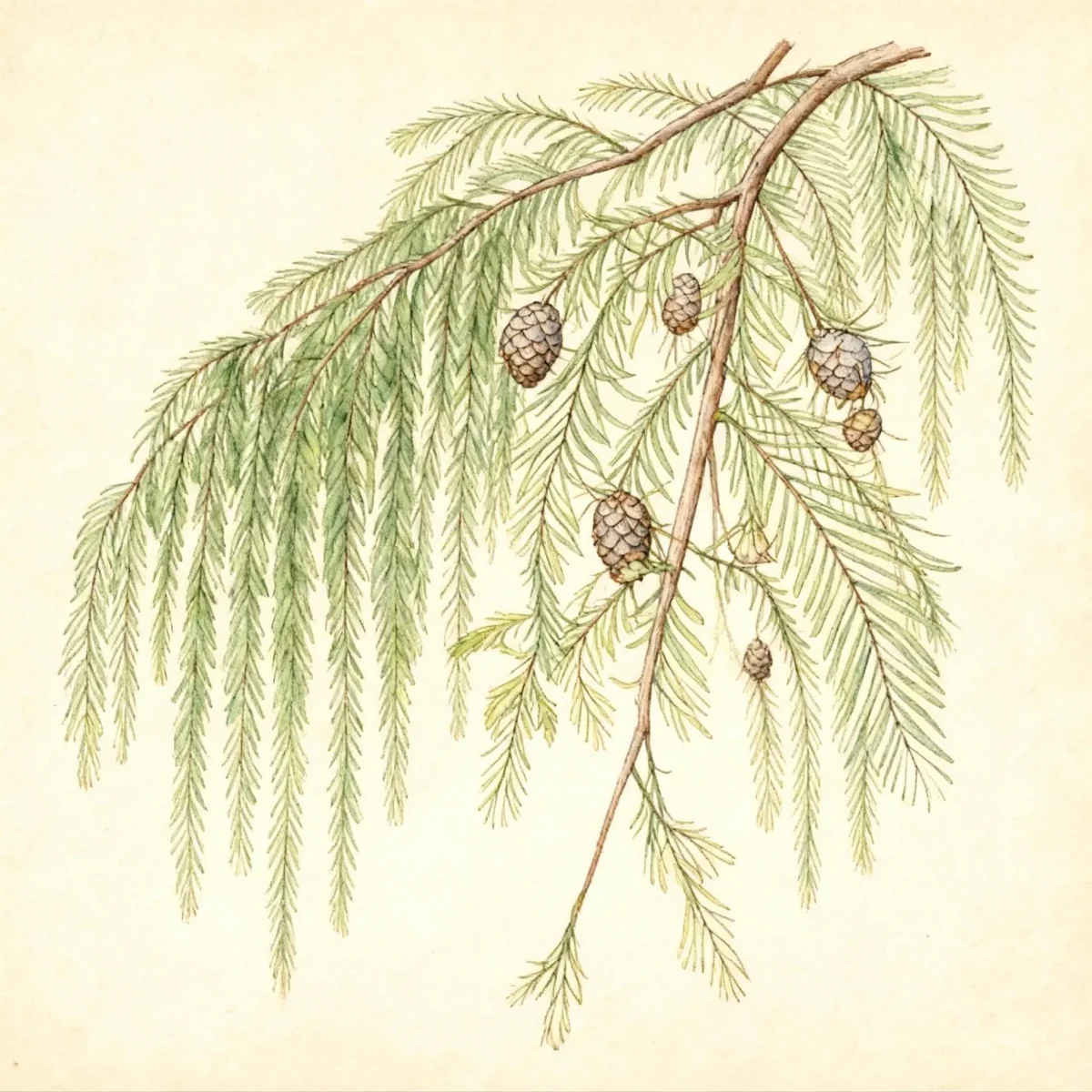
Metasequoia glyptostroboides ‘Gold Rush’ is a highly sought-after cultivar of the ancient Dawn redwood, celebrated for its dramatic, golden-yellow, feathery summer foliage. Unlike many conifers, this magnificent tree is deciduous, shedding its soft needles after turning a striking orange-brown hue in autumn. It offers the historic grandeur of the Dawn redwood combined with enhanced ornamental color throughout the growing season.
This species establishes itself as a formidable, upright, conical specimen, reaching heights between 70 and 100 feet at maturity, though the ‘Gold Rush’ cultivar is often cited as growing slightly slower than the species. Requiring full sun to display its best color, this tree thrives where consistent moisture is available, making it surprisingly adaptable to poor drainage once established.
The appeal of Metasequoia glyptostroboides ‘Gold Rush’ lies in its combination of rapid growth potential, exceptionally soft texture, and the brilliant sunlight capture of its unique color. It is a low-maintenance choice that provides significant vertical structure and historic interest to expansive landscapes.
Fast Facts
- Plant Family: Cupressaceae
- Plant Type: Tree
- Hardiness Zones: USDA Zones 4-8
- Size at Maturity:
- Height: 70-100 ft
- Spread: 15-25 ft
- Bloom Time: Non-flowering
- Bloom Description: Non-flowering
- Sun Exposure: Full sun
- Water Needs: Medium to wet
- Maintenance Level: Low
How to Grow
Planting the Dawn redwood, including the ‘Gold Rush’ cultivar, is best achieved in spring or fall when temperatures are moderate. Ensure you select a location that offers ample room for its eventual massive size, recognizing that the root system appreciates moist, humusy, well-drained soils. Full sun exposure is critical for maintaining the signature golden-yellow coloration of the Metasequoia glyptostroboides ‘Gold Rush’.
Watering requirements trend toward medium but lean toward wet; this beautiful tree truly appreciates consistent moisture, especially during establishment and hot summer periods. While it tolerates wet soils, ensuring basic drainage (not standing water permanently) is ideal for long-term health. Fertilization is rarely necessary if the base soil is adequate, but early growth can be encouraged with balanced slow-release fertilizer in spring.
Pruning should be minimal, focusing only on removing broken or crossing branches to maintain that classic conical silhouette. Remember that the distinct foliage color of ‘Gold Rush’ may not propagate reliably through seed, so vegetative propagation is key to preserving the cultivar characteristics. Prepare for a spectacular autumn transition as the foliage turns rich orange-brown before dropping for winter dormancy.
Landscape Uses
The sheer scale of the mature Dawn redwood means it excels where significant vertical impact is needed, making it an excellent choice as a commanding street tree or singular landscape specimen. Because Metasequoia glyptostroboides ‘Gold Rush’ handles moist conditions well, it is perfectly suited for incorporation into rain garden designs or near retention ponds where other species might struggle.
For large properties, group plantings can create an impressive woodland effect that mimics its naturalized appearance, though pairing it with slower-growing, finer-textured evergreens can help showcase its unique form as it develops. While ultimately vast, its initial growth rate makes it a surprisingly effective, though temporary, focal point in expansive container plantings before it requires relocation to the ground.
Standout Features
Noteworthy Characteristics
Metasequoia glyptostroboides, commonly called dawn redwood, is a deciduous, coniferous tree that grows in a conical shape to 100’ tall. It is related to and closely resembles bald cypress (Taxodium) and redwood (Sequoia). From fossil records, dawn redwood is known to have existed as many as 50,000,000 years ago. The cultivar ‘Gold Rush’ features soft, linear, feathery, fern-like foliage that is distinctively golden-yellow throughout summer, gradually turning orange-brown in fall, and it reportedly grows somewhat slower than the species.
Tolerances
- Deer
- Clay Soil
- Wet Soil
- Air Pollution
Potential Problems
The Dawn redwood, including the Metasequoia glyptostroboides ‘Gold Rush’ cultivar, is remarkably resilient. Gardeners should worry little about serious insect or major disease issues affecting this robust tree. Its primary challenge relates to scale—owners must secure adequate space, as this tree outgrows ornamental borders quickly. Ensure adequate water during dry spells to prevent stress that could invite secondary pests, although this rarely occurs.
Frequently Asked Questions
What hardiness zones is Dawn redwood suitable for?
The Metasequoia glyptostroboides ‘Gold Rush’ cultivar is hardy in USDA Zones 4 through 8.
How large does Dawn redwood grow?
At maturity, the Dawn redwood typically achieves heights between 70 and 100 feet, with a spread ranging from 15 to 25 feet wide.
What sun exposure does Dawn redwood need?
This magnificent tree requires full sun exposure to achieve its best growth and optimal golden foliage color.
When does Dawn redwood bloom?
The Dawn redwood is non-flowering; it is a coniferous tree that produces small cones rather than traditional flowers.
Conclusion
The golden splendor and historic context offered by the Metasequoia glyptostroboides ‘Gold Rush’ make it an exceptional choice for gardeners with the space required to accommodate its stature. Its low maintenance needs, coupled with tolerance for wet soil and air pollution, solidify the appeal of this unique Dawn redwood. Always confirm that your planting site receives full, unobstructed sunlight to maximize that vibrant golden hue.
Companion Planting
Selecting companions for Metasequoia glyptostroboides ‘Gold Rush’ should focus on plants that share a preference for moisture or tolerate similar soil types while offering contrasting foliage structure or color. Consider pairing it with broadleaf evergreens that contrast texturally, such as rhododendrons or azaleas, provided the soil acidity is manageable. For lower plantings near the base, moisture-loving ferns or hostas with deep blue or variegated leaves provide excellent complementary shadows and texture beneath the massive canopy.
Design Ideas
When designing with the Dawn redwood, utilize its strong verticality as a structural anchor in the landscape, often best placed off-center. Because the lower branches tend to thin as the tree matures, integrating screening shrubs or understory trees around the perimeter helps maintain visual density near the ground level. This tree’s historical significance also lends itself well to formal settings or as a specimen planted near water features where its reflection can enhance its presence.