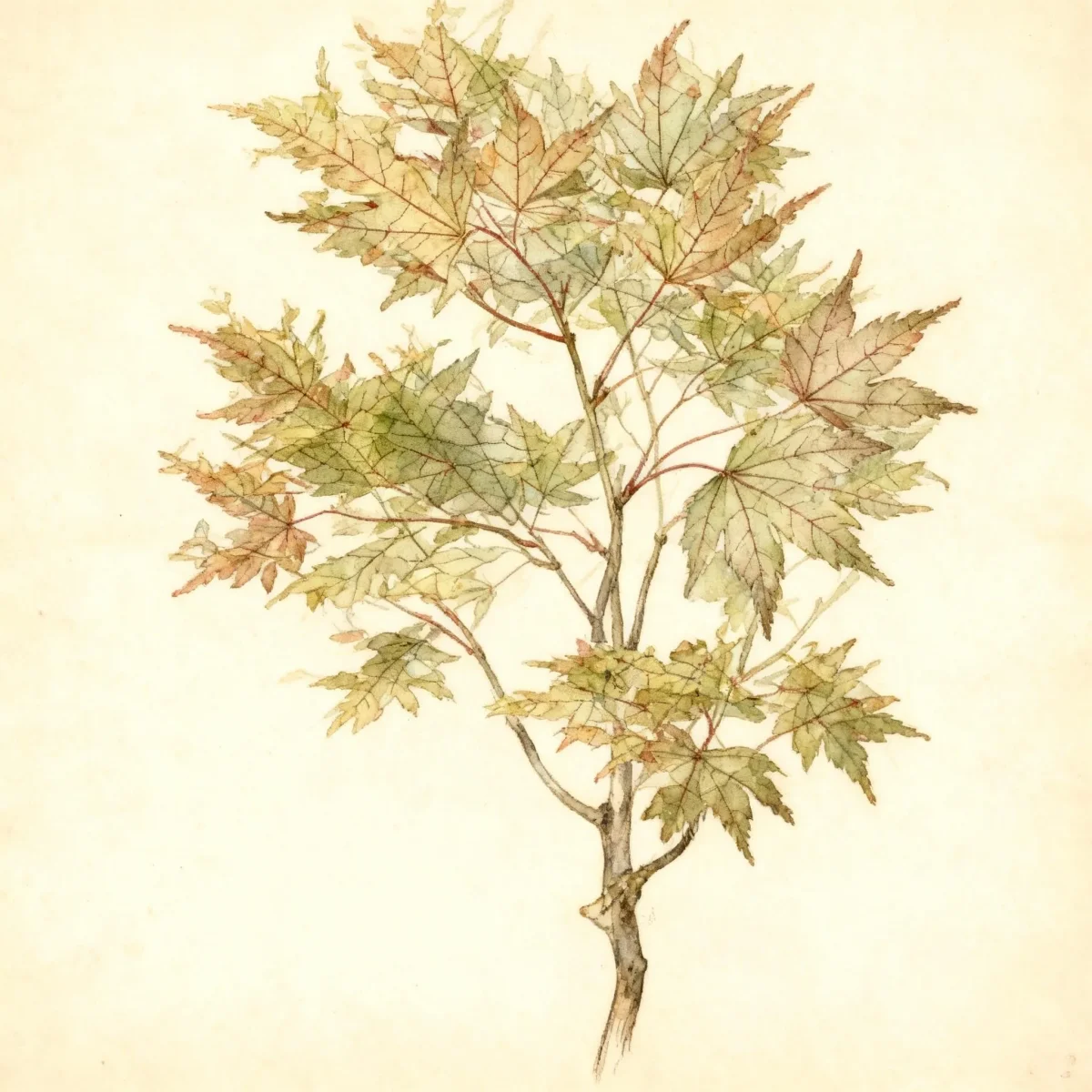
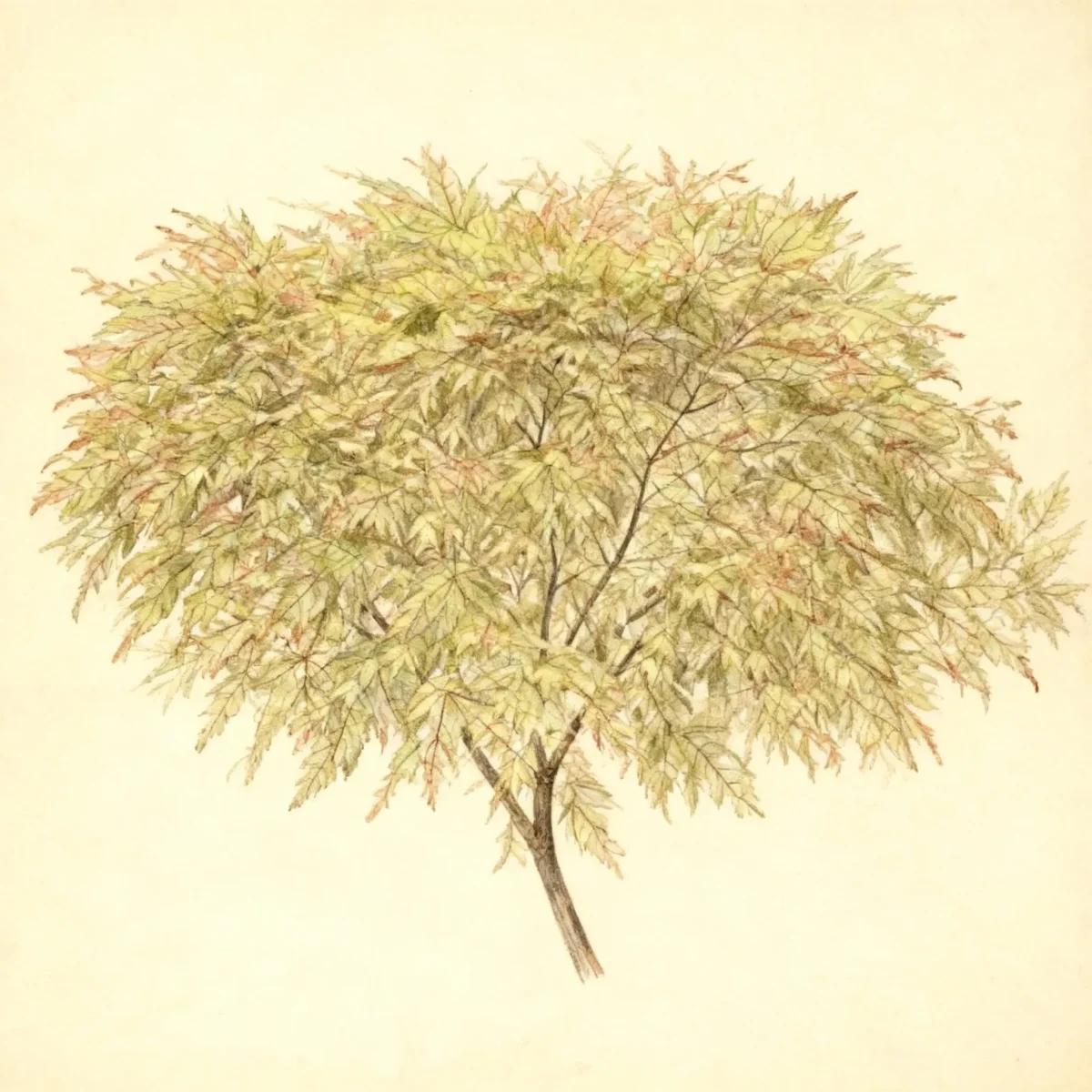
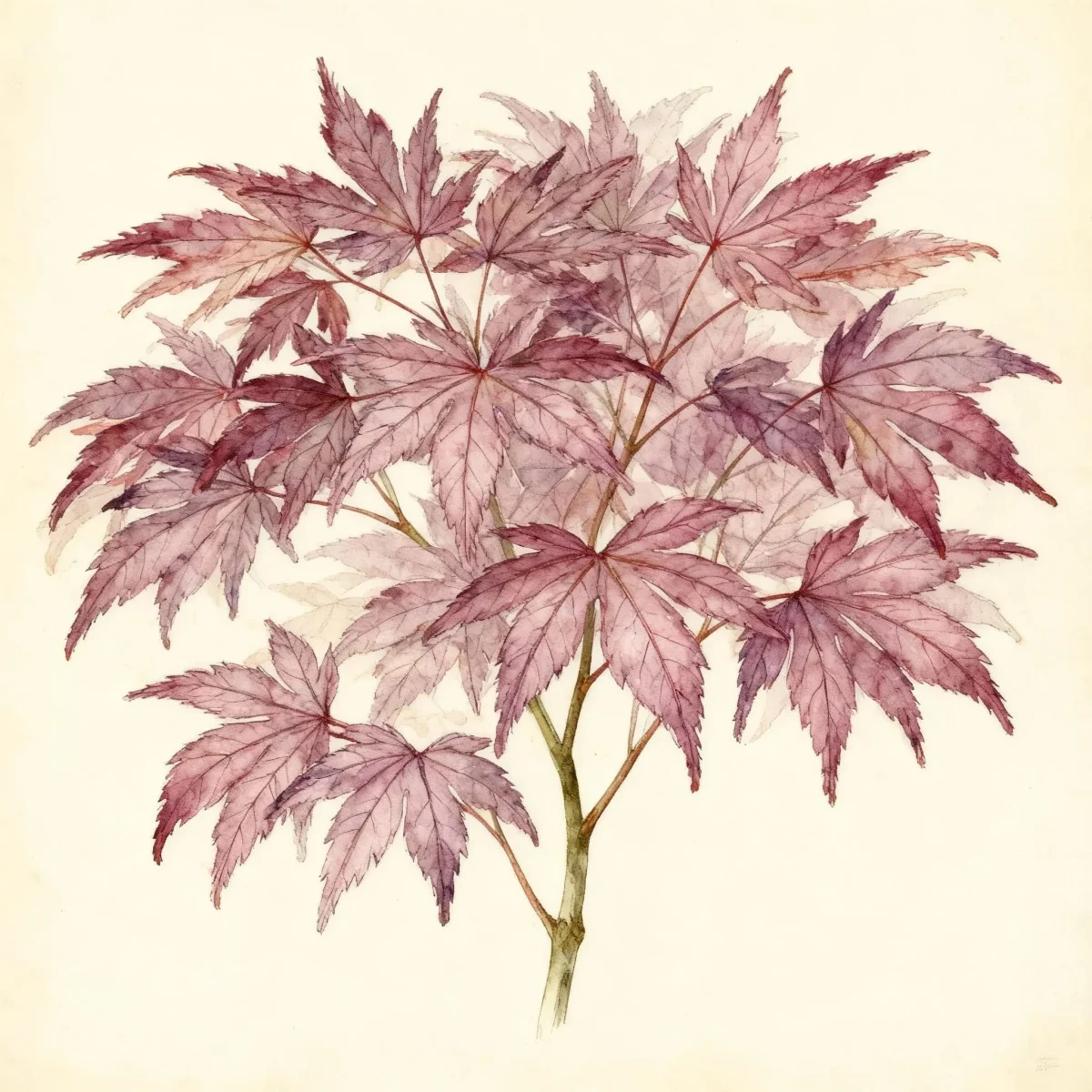
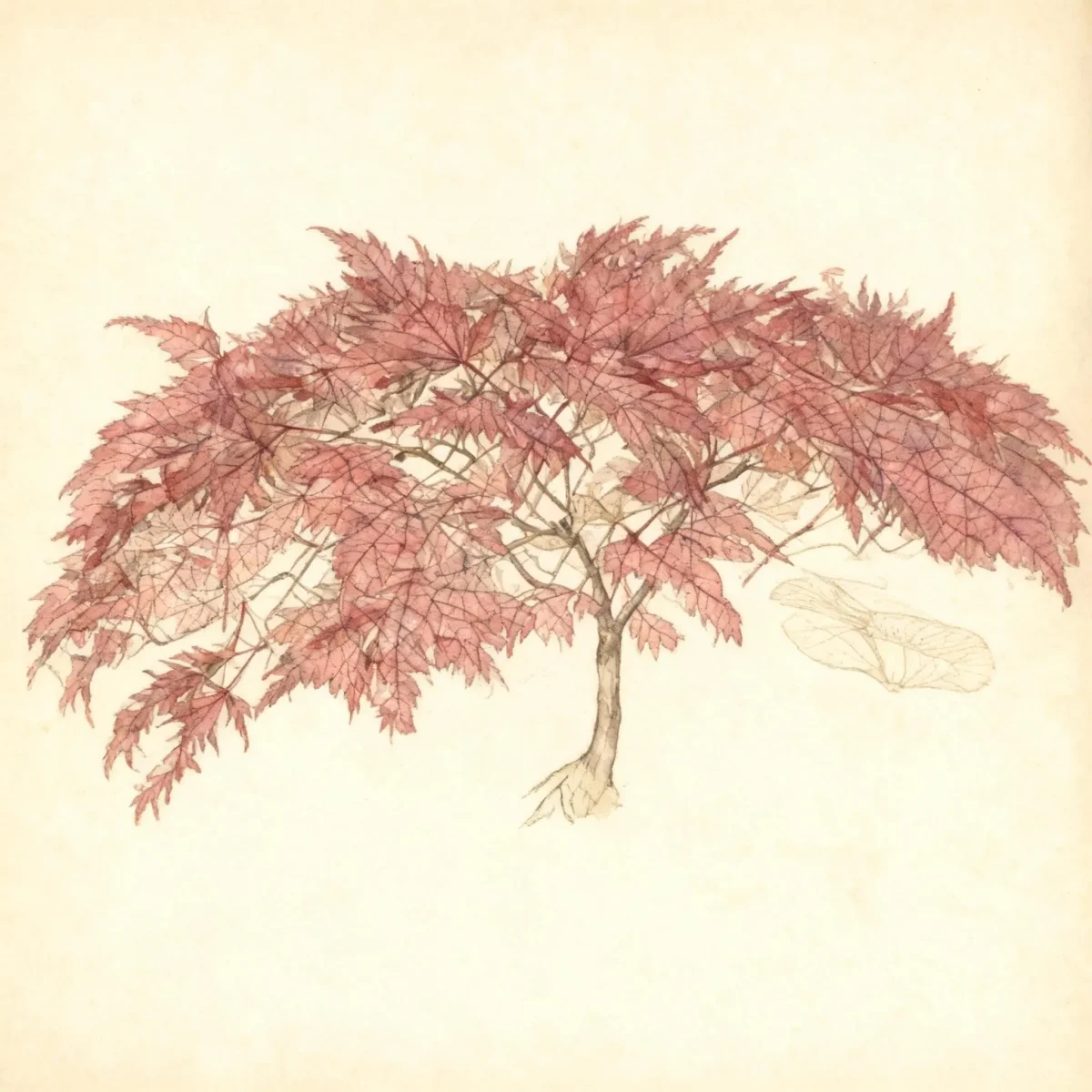
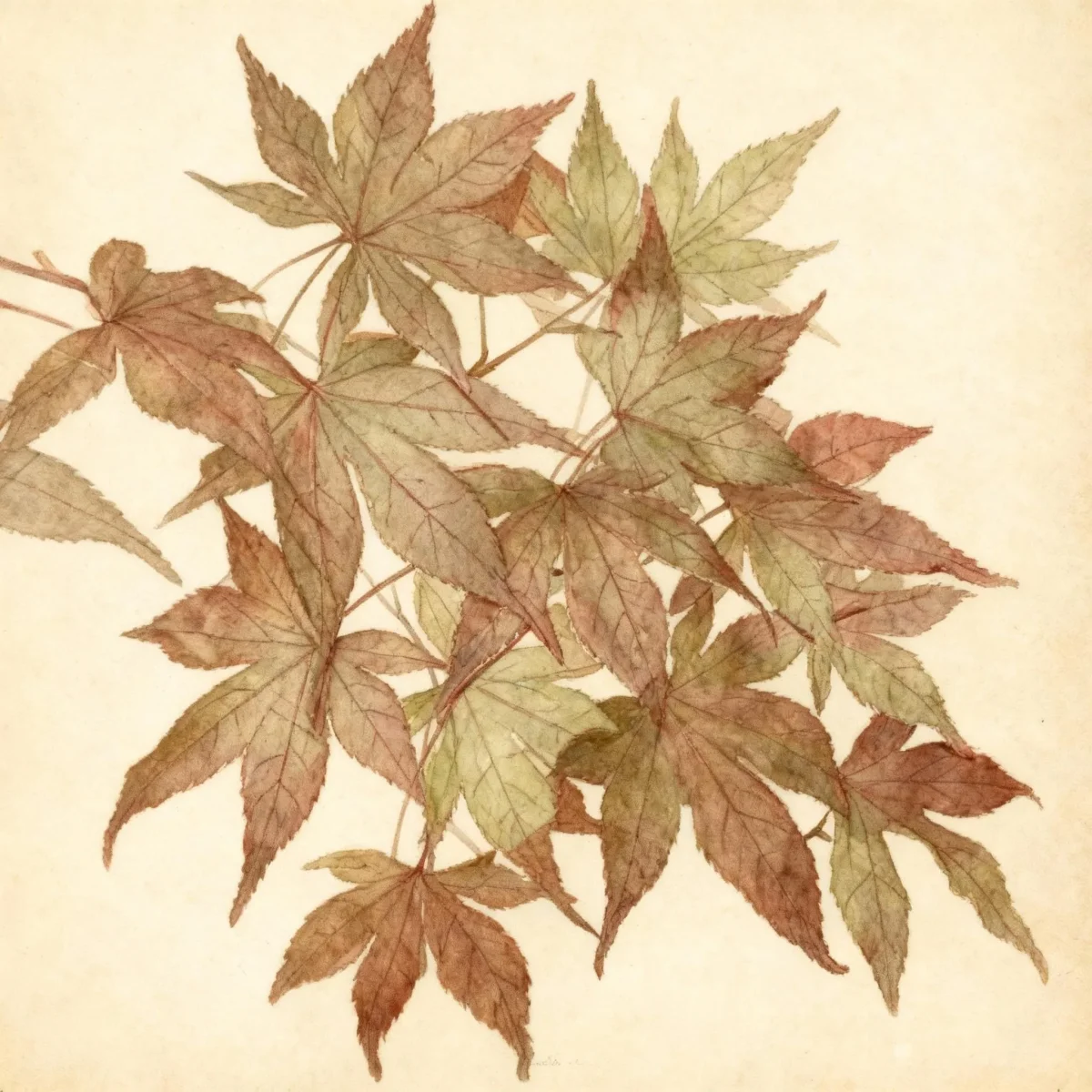
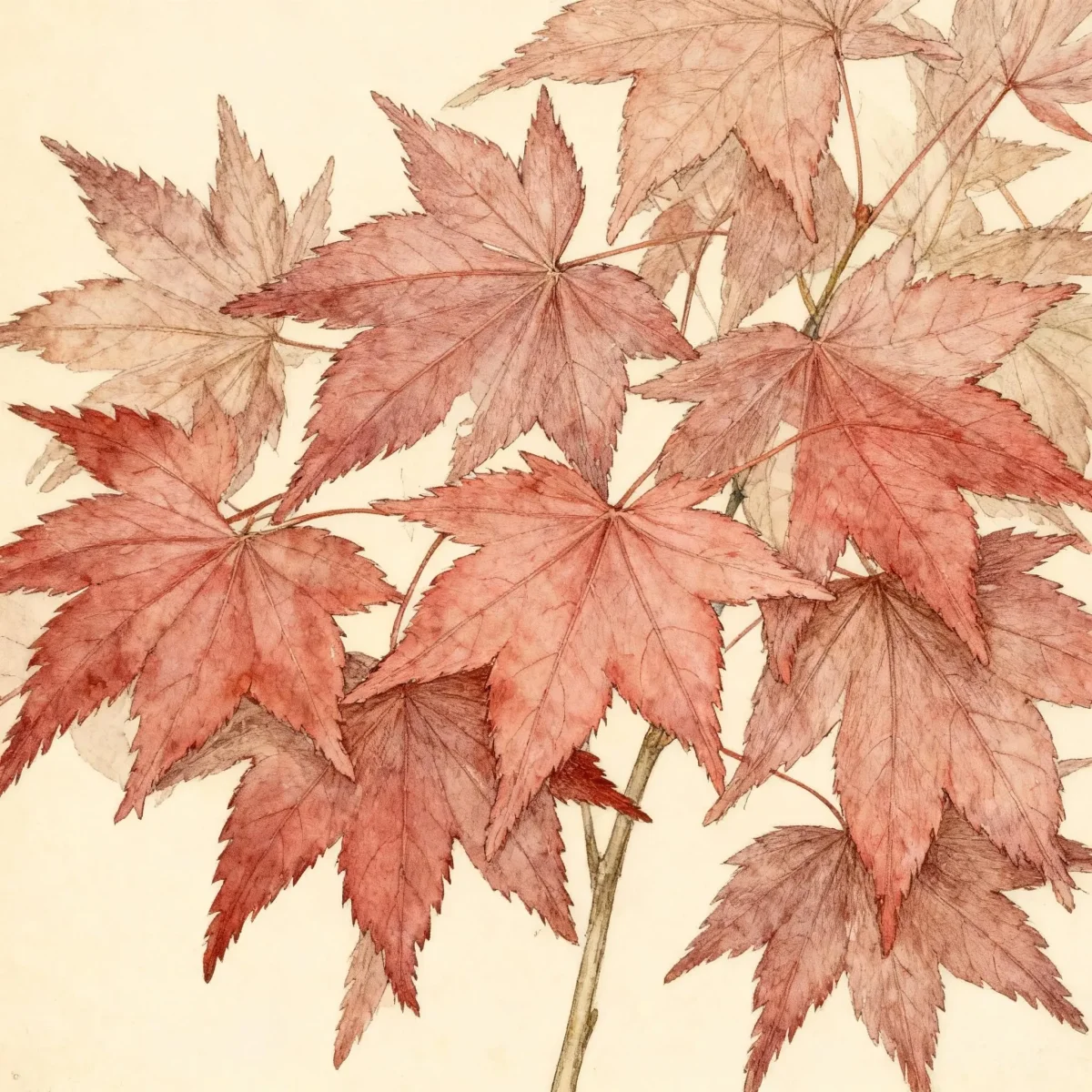
Japanese maple (Acer palmatum var. Dissectum 'Inaba-shidare')
Acer palmatum var. dissectum 'Inaba-shidare' is a stunning Japanese maple featuring deeply dissected, lace-like foliage that shifts from deep purple to bright red.


Bloom Boldly, No Matter the Season - Sweatshirt
Cozy organic cotton sweatshirt featuring our exclusive Purple Coneflower design. Perfect for gardeners who bloom year-round.
Inspired by the beautiful Japanese maple
Limited first batch (50) — join the waitlist for early access
Waitlist closes Feb 15, 2026.
Complete Plant Information
Field Guide Continues
Ready for care notes, companion picks, and planting tips?
The map is just the start. The full guide below covers growth habits, seasonal performance, and landscape uses.
Overview
Acer palmatum var. dissectum ‘Inaba-shidare’, commonly known as Japanese maple, offers dramatic texture and consistent color interest, making it a highly prized specimen plant. The cultivar ‘Inaba-shidare’ is particularly sought after for its unique, deeply cut, lace-like foliage that emerges a striking deep purple in spring before settling into a rich purple-red hue for summer. This slow-growing, cascading shrub provides essential year-round structure in the landscape, softening hardscape edges with its graceful, broad-rounded habit.
As a refined member of the Japanese maple family, Acer palmatum var. Dissectum ‘Inaba-shidare’ matures into a wide, low-mounding form, which is ideal for showcasing intricate leaf detail. Its relatively low maintenance requirements further endear it to gardeners, provided attention is paid to its site selection concerning sun intensity and wind exposure. The eventual size ranges typically between 6 to 10 feet high and 8 to 15 feet wide.
This deciduous shrub delivers exceptional aesthetic value through its fine texture, which contrasts beautifully against broader-leafed shrubs or evergreen backdrops. Planting Acer palmatum var. dissectum ‘Inaba-shidare’ allows landscape designs to incorporate sophisticated color gradients, concluding with brilliant red fall foliage.
Fast Facts
- Plant Family: Sapindaceae
- Plant Type: Deciduous shrub
- Hardiness Zones: USDA Zones 5-9
- Size at Maturity:
- Height: 6-10 ft
- Spread: 8-15 ft
- Bloom Time: April
- Bloom Description: Red
- Sun Exposure: Full sun to part shade
- Water Needs: Medium
- Maintenance Level: Low
How to Grow
The best time to establish your new Japanese maple is typically in the fall or early spring before active growth begins. Site Acer palmatum var. dissectum ‘Inaba-shidare’ where it receives moist, organically rich, slightly acidic, and well-drained soil. While it tolerates sandy loams, consistent moisture is crucial for preventing leaf scorch, especially in hotter climates where afternoon shade is highly recommended, particularly in the southern reaches of its range.
Watering should be managed carefully; maintain medium moisture levels and avoid letting the soil dry out completely, especially during the summer heat. Mulching heavily around the base, taking care not to pile mulch against the trunk, helps significantly in retaining cool soil temperatures and consistent moisture. Ensure the location is protected from harsh, drying winds that can damage the delicate foliage.
Pruning for this variety should be kept minimal, as excessive cutting can detract from its natural form. If pruning is necessary, always perform cuts in late fall or mid-winter when the plant is fully dormant. Avoid pruning in spring or summer, as this often causes significant sap bleeding, which can weaken the branch tips.
Landscape Uses
Dissected green Japanese maples are treasured design elements, and ‘Inaba-shidare’ is no exception, celebrated for its intricate foliage and low-spreading, often cascading shape. Because of its stunning form, this cultivar excels as a specimen or accent planting where it can be viewed from multiple angles, perhaps near a patio or entryway. It also integrates beautifully near water features or rock gardens where its lacy texture can be dramatically silhouetted.
While noted as a suitable street tree, protecting it from pollution and high heat stress is essential for optimal performance. For borders and the periphery of planting beds, the low, wide growth habit of this Japanese maple provides a graceful transition between lawn areas and taller background plantings. Smaller specimens of Acer palmatum var. dissectum ‘Inaba-shidare’ can also serve as magnificent focal points in large containers.
Standout Features
Flower Qualities
- Insignificant
Noteworthy Characteristics
Acer palmatum, commonly called Japanese Maple, is a deciduous shrub or small tree that typically grows to 10-25’ (infrequently to 40’) tall. Var. Dissectum is characterized by a smaller, rounded, shrubby form with deeply cut, feathery leaves, often called laceleaf Japanese maple. The specific cultivar ‘Inaba-shidare’ displays a cascading form, maturing to about 10’ tall and wide, and is noted for its foliage emerging deep purple, maturing to purple-red, and finally turning bright red in autumn.
Tolerances
- Rabbit
- Black Walnut
Potential Problems
Potential issues with this Japanese maple generally center around environmental stress or specific pests and diseases. Damage from late spring frosts is a risk since the foliage tends to emerge early; placement should account for microclimates that mitigate frost. In high pH soils, chlorosis (yellowing of leaves due to nutrient deficiency) can occur, necessitating soil amendment to maintain slightly acidic conditions.
Disease threats include stem canker, fusarium, and various root and leaf spots, all often exacerbated by poor drainage or overly wet conditions. Keep an eye out for common pests such as aphids, scale insects, and borers, treating promptly with appropriate horticultural oils or insecticides if infestations become severe.
Frequently Asked Questions
What hardiness zones is Japanese maple suitable for?
Acer palmatum var. dissectum ‘Inaba-shidare’ is reliably hardy across USDA Zones 5 through 9.
How large does Japanese maple grow?
This cultivar typically achieves a mature height between 6 and 10 feet, spreading outwards to 8 to 15 feet wide, often wider than it is tall due to its cascading habit.
What sun exposure does Japanese maple need?
This plant performs best in full sun to part shade; however, in warmer regions, afternoon shade is beneficial to prevent leaf scorch, especially during hot summers.
When does Japanese maple bloom?
The small, reddish flowers appear in spring, typically blooming in April, though the foliage provides the primary ornamental interest.
Conclusion
The Acer palmatum var. dissectum ‘Inaba-shidare’ stands out in any garden setting due to its architectural cascading form and exceptional, deeply dissected foliage that provides vibrant color from spring until leaf drop. For a truly spectacular display, this Japanese maple requires consistent moisture and protection from drying winds. Before planting, ensure your site conditions align with its acidic soil preference and zone compatibility.
Companion Planting
When planning companions for Acer palmatum var. dissectum ‘Inaba-shidare’, focus on materials that complement its fine texture and moderate light needs. Since Japanese maples prefer dappled light beneath a canopy, consider planting them under taller, open deciduous trees like certain Oaks or Birches. Groundcovers that thrive in partial shade and rich soil work well beneath the canopy, such as Hosta varieties with blue or chartreuse foliage, or shade-loving ferns like Japanese Painted Fern.
For architectural contrast, utilize plantings with bolder leaves or sturdy forms near the edges of its viewing area. Evergreens that offer year-round visual structure, such as dwarf Rhododendrons or Azaleas, pair beautifully, especially species that bloom in different seasons than the maple’s April flowers. Avoid planting aggressive root systems too close, as the maple benefits from consistent, undisturbed soil moisture.
Seasonal Care Calendar
Spring is a critical time for monitoring the emergence of new foliage on your Japanese maple; be prepared to offer temporary shade protection if a late hard frost is forecast, as tender new leaves are susceptible to damage. As summer heat ramps up, focus exclusively on consistent watering to maintain moist soil, and apply a fresh layer of organic mulch to keep the root zone cool.
In autumn, enjoy the spectacular transformation as the purple-red leaves shift to brilliant scarlet tones before dropping. Winter care involves cleaning up fallen leaves promptly to reduce overwintering sites for fungal spores. This is also the ideal window for any necessary pruning of dormant wood, ensuring the tree heals cleanly before spring sap flow begins.