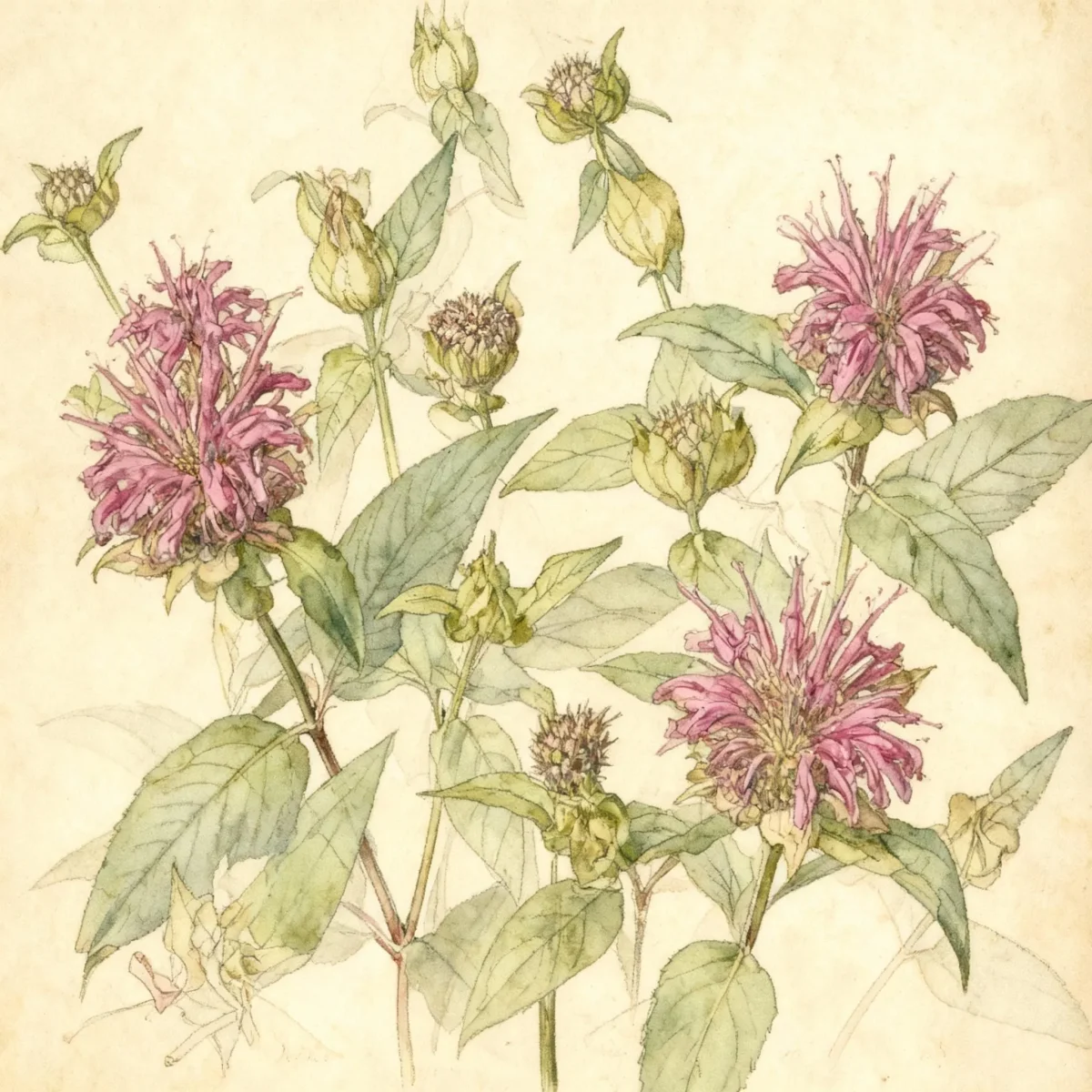
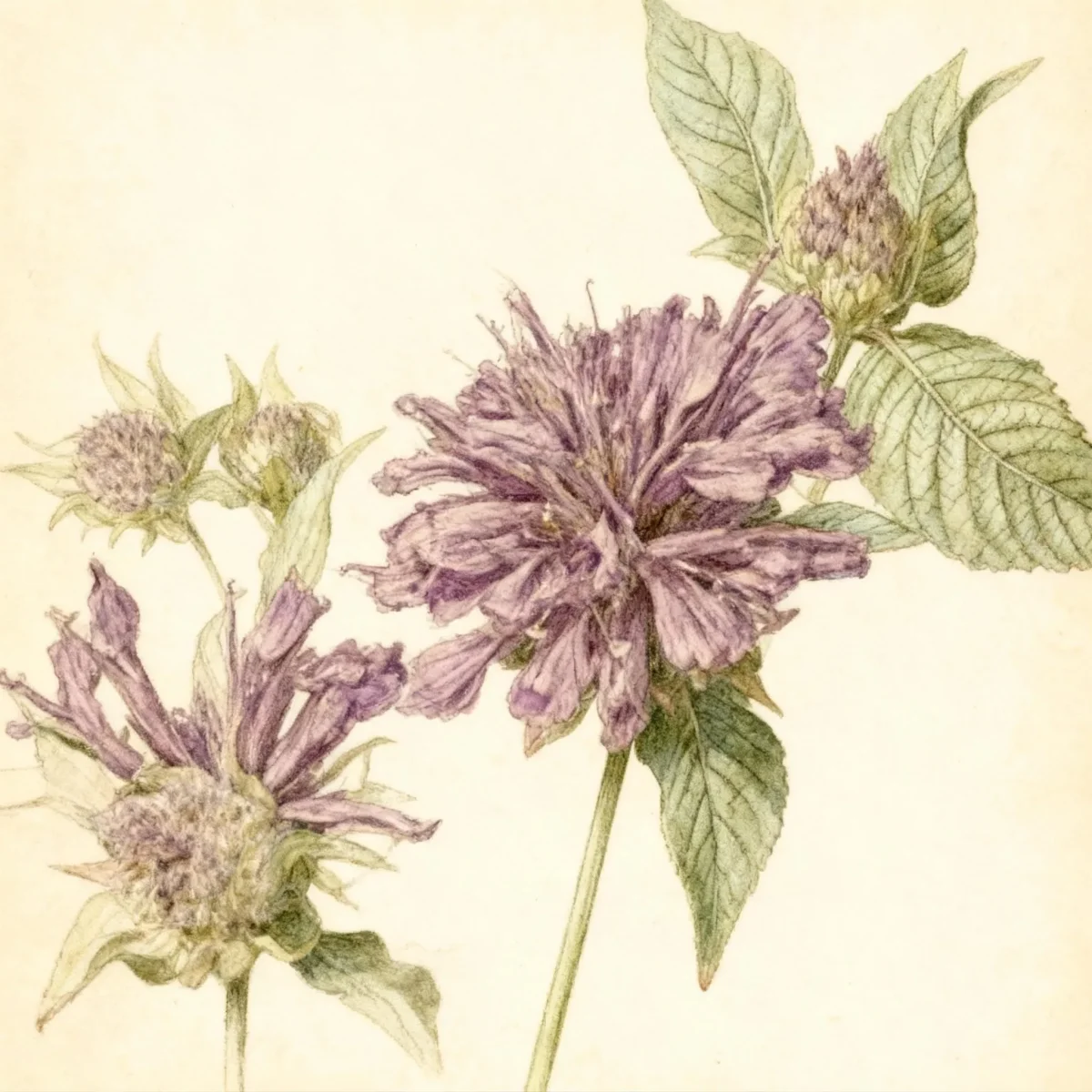
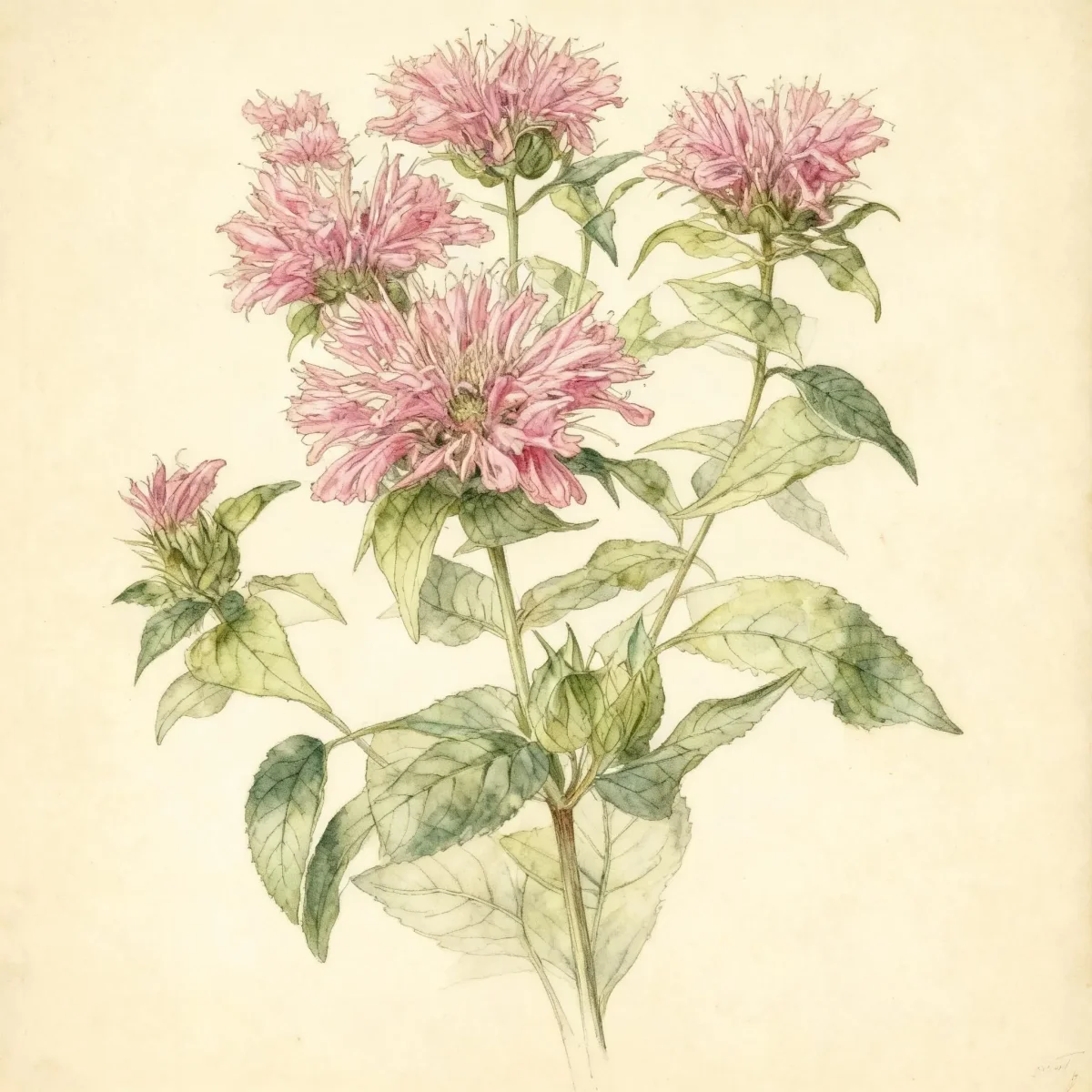
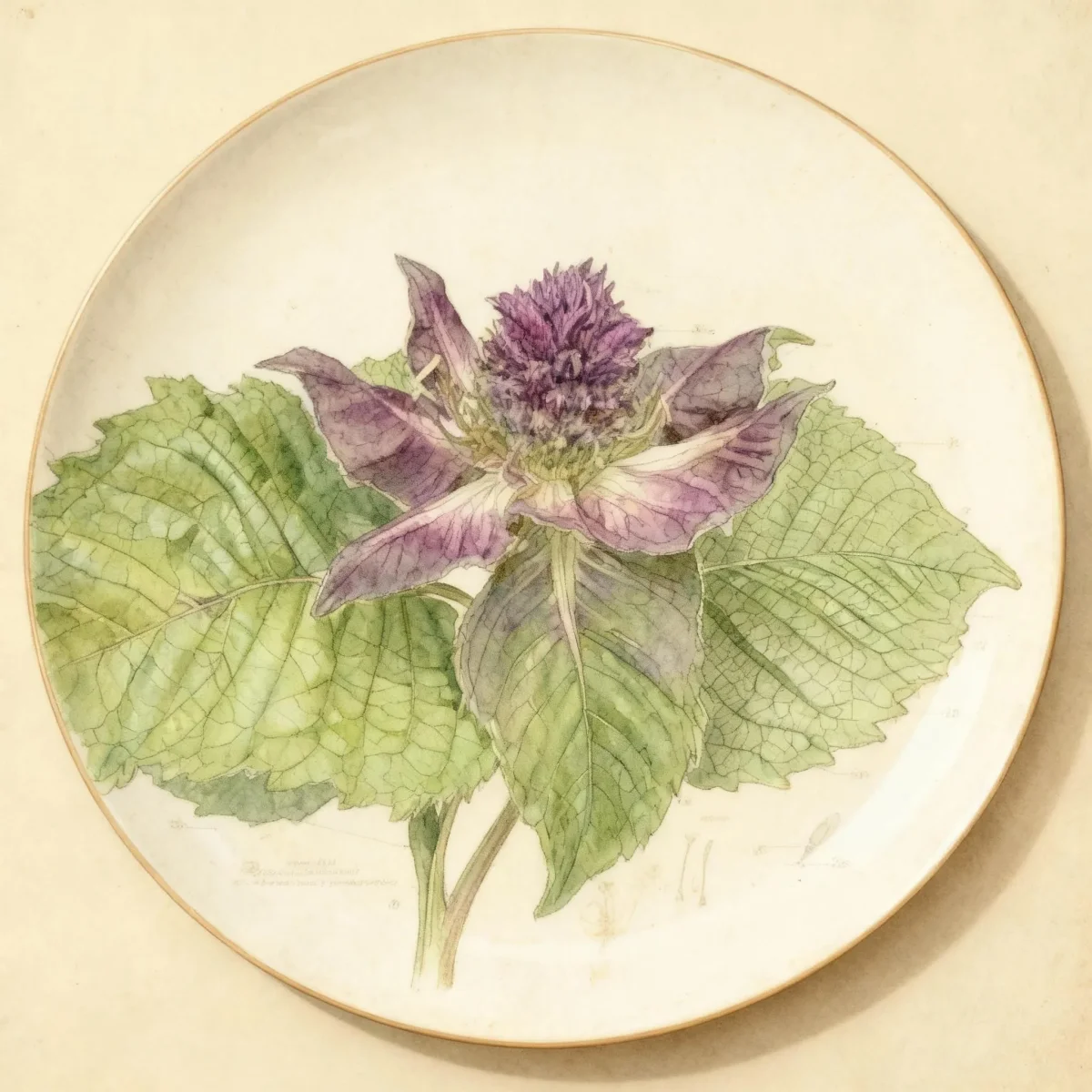
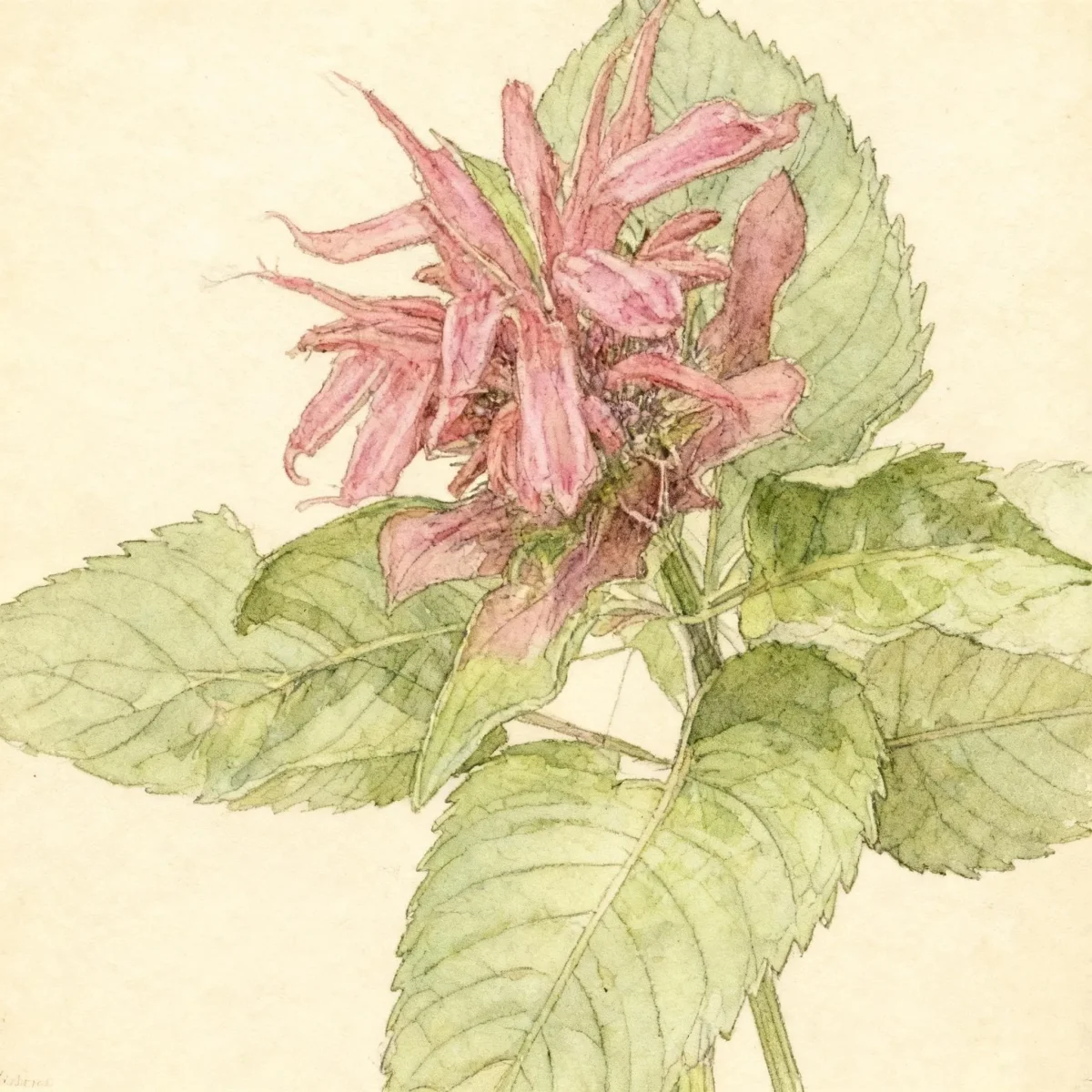
Bee balm (Monarda 'Croftway Pink')
Monarda 'Croftway Pink' Bee balm offers clear rose pink flowers from July to August. This low-maintenance perennial thrives in wet soils.


Bloom Boldly, No Matter the Season - Sweatshirt
Cozy organic cotton sweatshirt featuring our exclusive Purple Coneflower design. Perfect for gardeners who bloom year-round.
Inspired by the beautiful Bee balm
Limited first batch (50) — join the waitlist for early access
Waitlist closes Feb 15, 2026.
Complete Plant Information
Field Guide Continues
Ready for care notes, companion picks, and planting tips?
The map is just the start. The full guide below covers growth habits, seasonal performance, and landscape uses.
Overview
Monarda ‘Croftway Pink’ is a highly valued clump-forming herbaceous perennial known for its vibrant summer display. This cultivar of Bee balm produces whorls of striking, clear rose pink flowers that attract numerous pollinators, making it a magnet for hummingbirds and bees in the mid-summer garden. Growing between 2.5 and 3 feet tall, it provides excellent vertical interest in perennial borders.
As a hybrid often derived from Monarda didyma, this plant thrives in consistently moist conditions, preferring average to wet, moisture-retentive soils. Its low maintenance needs and reliable bloom performance ensure that Monarda ‘Croftway Pink’ remains a staple for gardeners looking for both color and function. Ensure adequate air circulation around your Bee balm plantings to maintain foliage health throughout the season.
The aromatic foliage and showy nature of Monarda ‘Croftway Pink’ contribute significantly to cottage and native plant gardens. Its preference for moisture aligns perfectly with rain garden designs or damp margins near ponds, offering dependable performance where drier plants may struggle.
Fast Facts
- Plant Family: Lamiaceae
- Plant Type: Herbaceous perennial
- Hardiness Zones: USDA Zones 4-9
- Size at Maturity:
- Height: 2.5-3 ft
- Spread: 1-2 ft
- Bloom Time: July to August
- Bloom Description: Clear rose pink
- Sun Exposure: Full sun to part shade
- Water Needs: Medium to wet
- Maintenance Level: Low
How to Grow
Plant Monarda ‘Croftway Pink’ in the spring or fall, giving it time to establish roots before extreme weather hits. It thrives best in rich, humusy soils that retain moisture, though it appreciates afternoon shade in the hottest summer climates. While many hybrids handle average soil, ensure the location never becomes consistently dry, as this increases susceptibility to foliar issues.
Watering should be consistent; soils must not be allowed to dry out, especially during blooming periods. Fertilization is usually unnecessary if the soil is rich, but a light spring application of compost benefits establishment. Deadheading spent flowers, which are a lovely clear rose pink, improves the overall appearance and may encourage a slight rebloom effort.
Because Bee balm slowly spreads by rhizomes, dividing the clumps every three to four years is crucial to prevent overcrowding and maintain vigor. Good air circulation is perhaps the most vital cultural practice; avoid dense plantings. This practice helps mitigate problems like rust and powdery mildew common to the genus.
Landscape Uses
Monarda ‘Croftway Pink’ excels in areas where moisture is abundant. Its vertical structure makes it an ideal component for the middle to back of perennial borders, lending a strong cottage garden feel. It is also perfectly suited for suggested uses like rain gardens, where its need for medium to wet conditions is inherently met alongside runoff areas near streams or ponds.
As a highly fragrant plant whose flowers are good for cutting, place it near patios or walkways where its scent can be appreciated. Although listed as a low-maintenance selection, consider companion planting with species that have similar wet soil requirements to maintain a uniform look and care regime across the planting bed. It performs well in large containers, provided regular, ample watering is maintained throughout the hot summer months.
Standout Features
Flower Qualities
- Showy
- Fragrant
- Good Cut
Noteworthy Characteristics
Monarda is a genus of about 15 species of annuals and herbaceous perennials from prairies and woodlands in North America. This cultivar of Bee balm, ‘Croftway Pink’, features aromatic, lance-shaped leaves below its terminal whorls of two-lipped, 2 1/2 inch long, clear rose pink flowers. Introduced in 1932, this specific variety will not come true from seed, requiring division for reliable propagation.
Tolerances
- Deer
- Wet Soil
Potential Problems
Powdery mildew is the most frequently cited challenge for many Monarda varieties, though this specific cultivar reportedly exhibits good mildew resistance. Rust can occasionally present itself as small, orange pustules, primarily when plants are stressed by dry soil or poor air movement. To proactively manage foliage diseases, always provide excellent air circulation by ensuring plants are spaced adequately, and maintain consistent soil moisture without letting the crowns sit waterlogged.
Frequently Asked Questions
What hardiness zones is Bee balm suitable for?
This specific Bee balm, Monarda ‘Croftway Pink’, is reliably hardy across USDA Zones 4 through 9.
How large does Monarda ‘Croftway Pink’ grow?
At maturity, Monarda ‘Croftway Pink’ typically reaches a height between 2.5 and 3 feet and spreads 1 to 2 feet wide.
When does Bee balm bloom?
Monarda ‘Croftway Pink’ provides a clear rose pink floral display during the peak summer period, generally blooming from July into August.
What sun exposure does Monarda ‘Croftway Pink’ need?
It performs best when situated in full sun but can tolerate partial shade, especially afternoon shade in very hot regions.
Conclusion
Monarda ‘Croftway Pink’ is an exceptional choice for providing vibrant, mid-summer color while simultaneously supporting local pollinators, backed by low maintenance requirements. This classic Bee balm variety’s preference for moist conditions makes it invaluable for rain gardens and damp borders. Before planting, confirm your site receives full sun to partial shade and has the medium to wet soil conditions this beauty demands.
Companion Planting
Selecting suitable companions for Monarda ‘Croftway Pink’ should focus on plants that share its moisture needs and love of sun. Look toward Iris species, especially moisture-loving types like Iris sibirica, or moisture-tolerant plants such as Astilbe (in slightly shadier spots) or Joe Pye Weed (Eutrochium). Avoid pairing it directly next to aggressive spreaders, as the dividing habits of Bee balm need adequate space to remain uncrowded and healthy.
Wildlife Benefits
The genus Monarda is renowned for its wildlife value; Monarda ‘Croftway Pink’ is no exception due to its highly accessible tubular flowers. These blooms are perfectly shaped to deliver nectar directly to hummingbirds, which are primary visitors to deep-throated red and pink flowers. Furthermore, the flowers are a significant draw for various native bees and butterflies throughout the summer months when many other bloom types begin to fade.