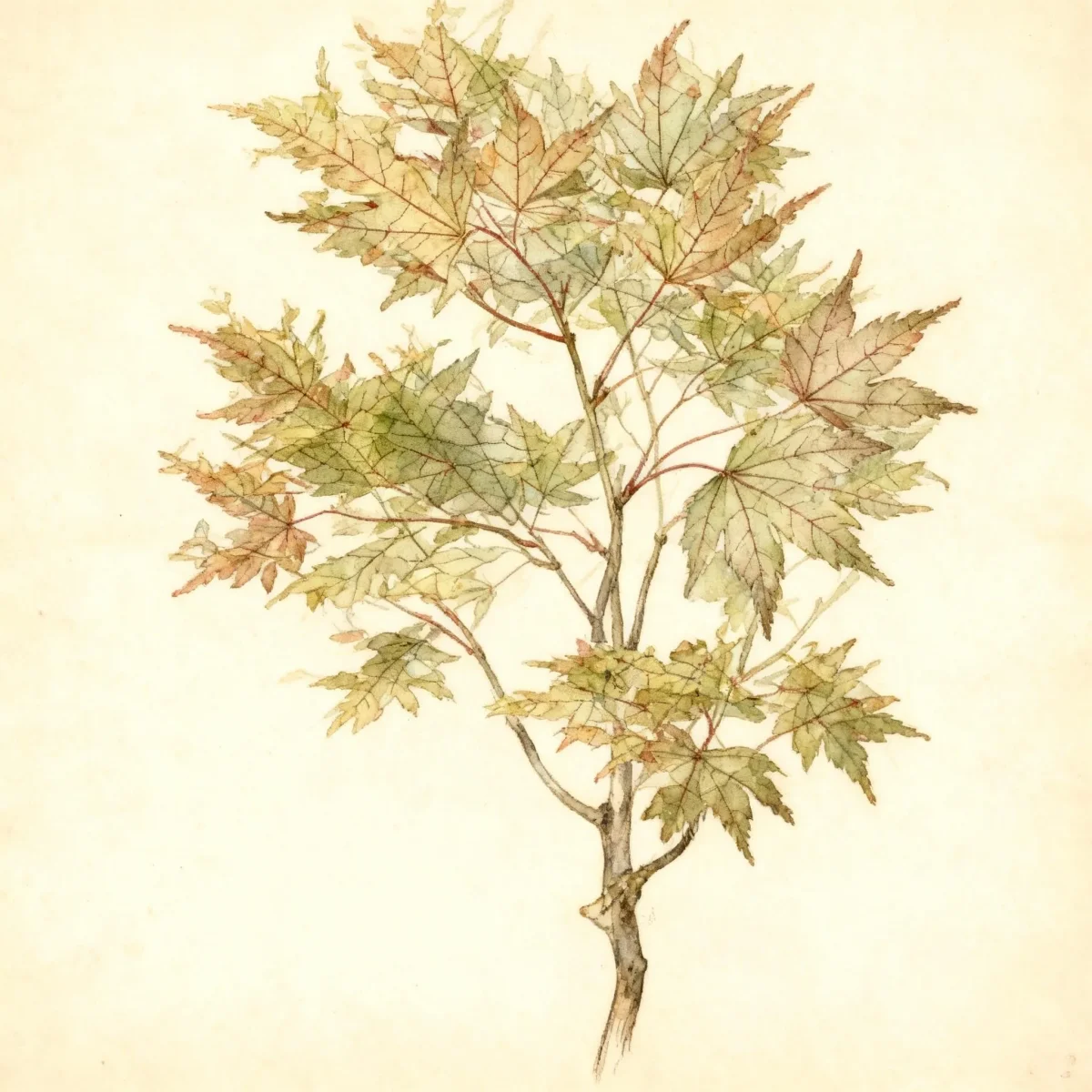
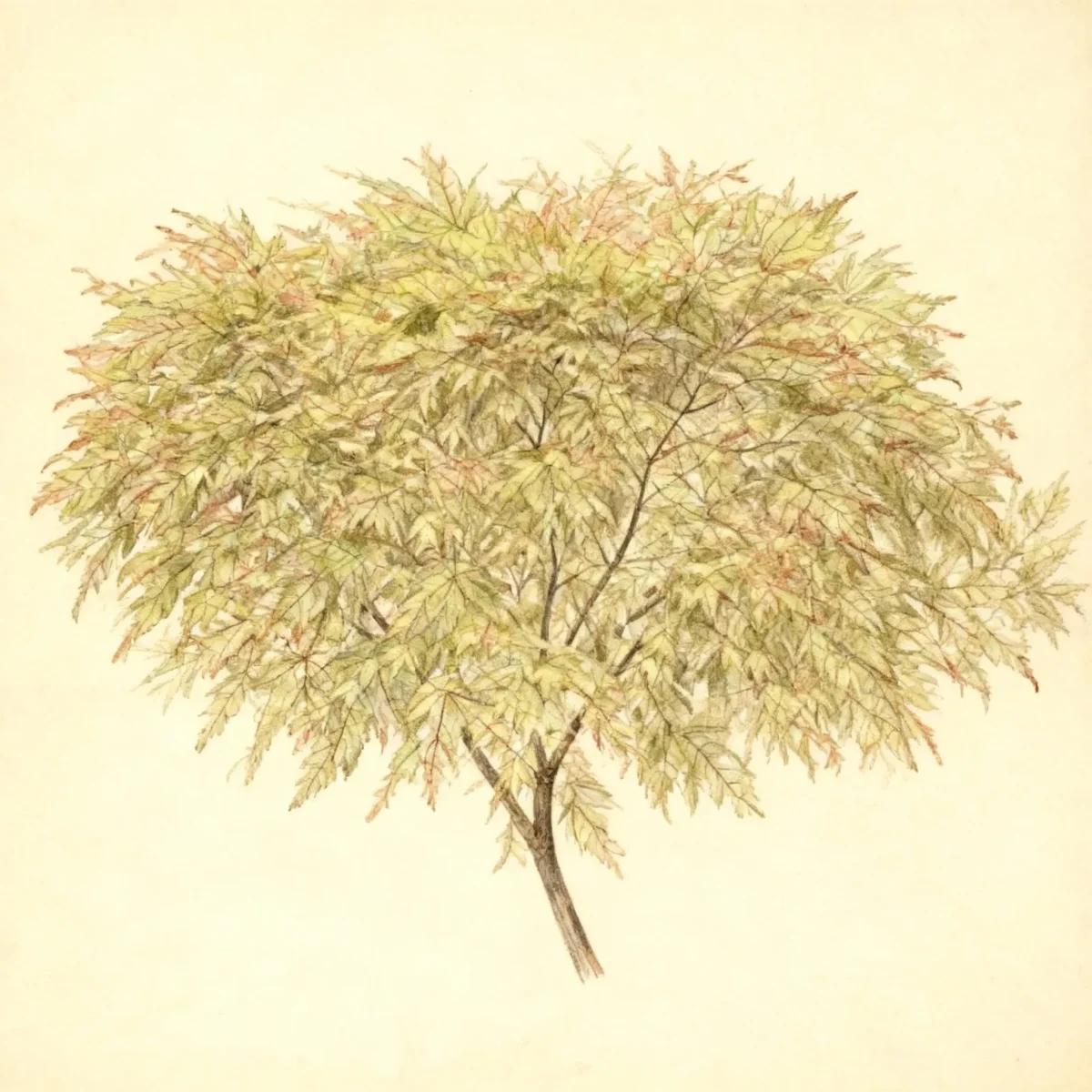
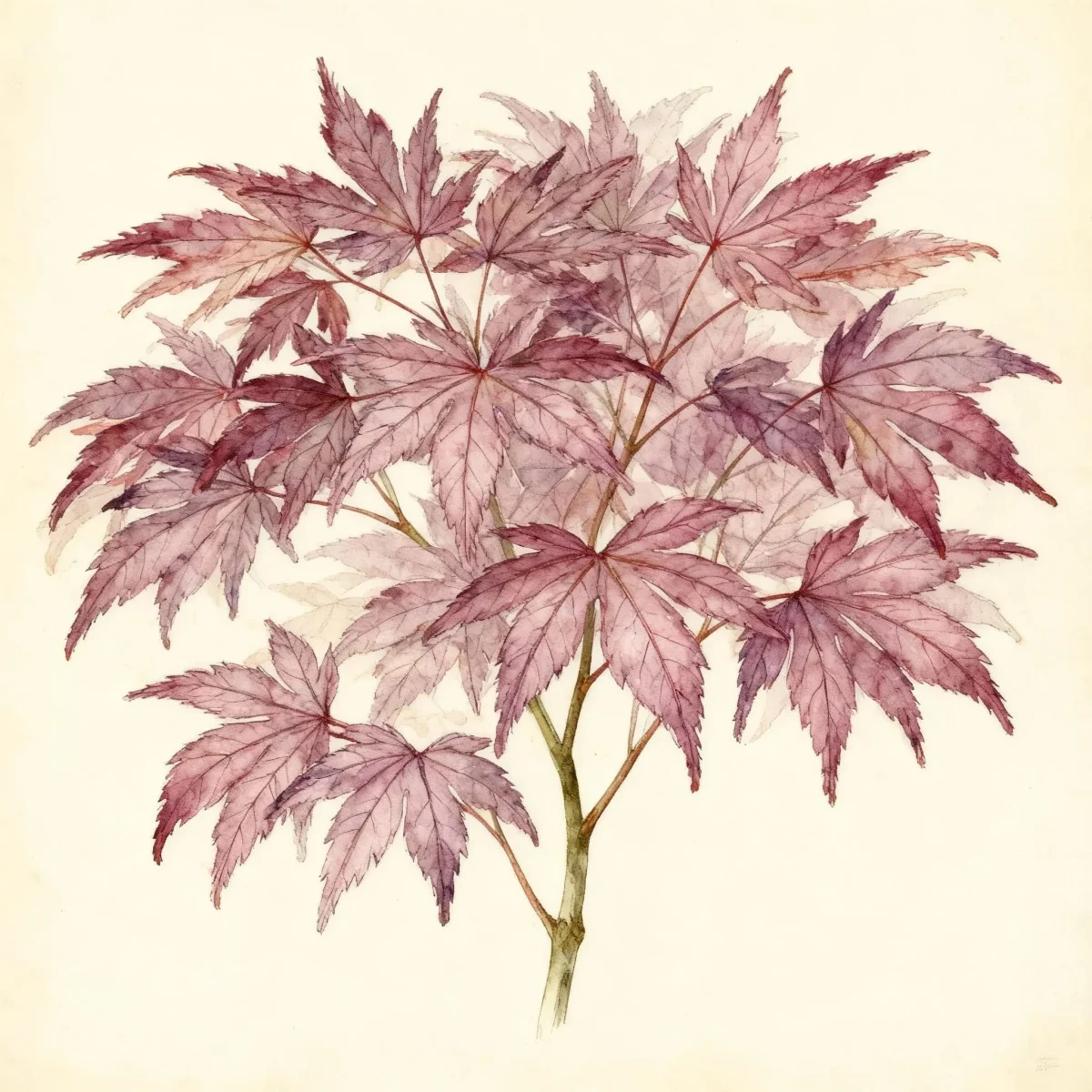
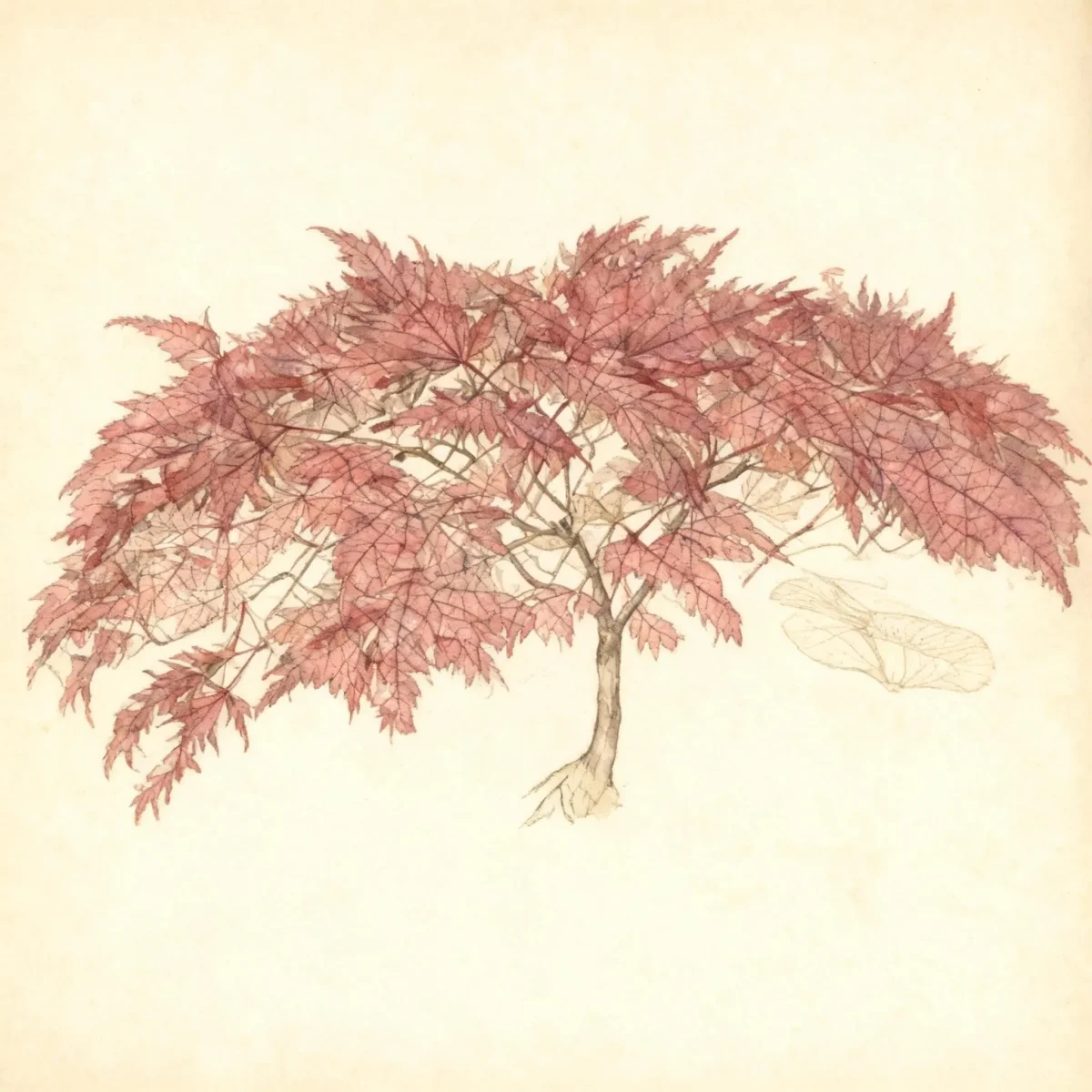
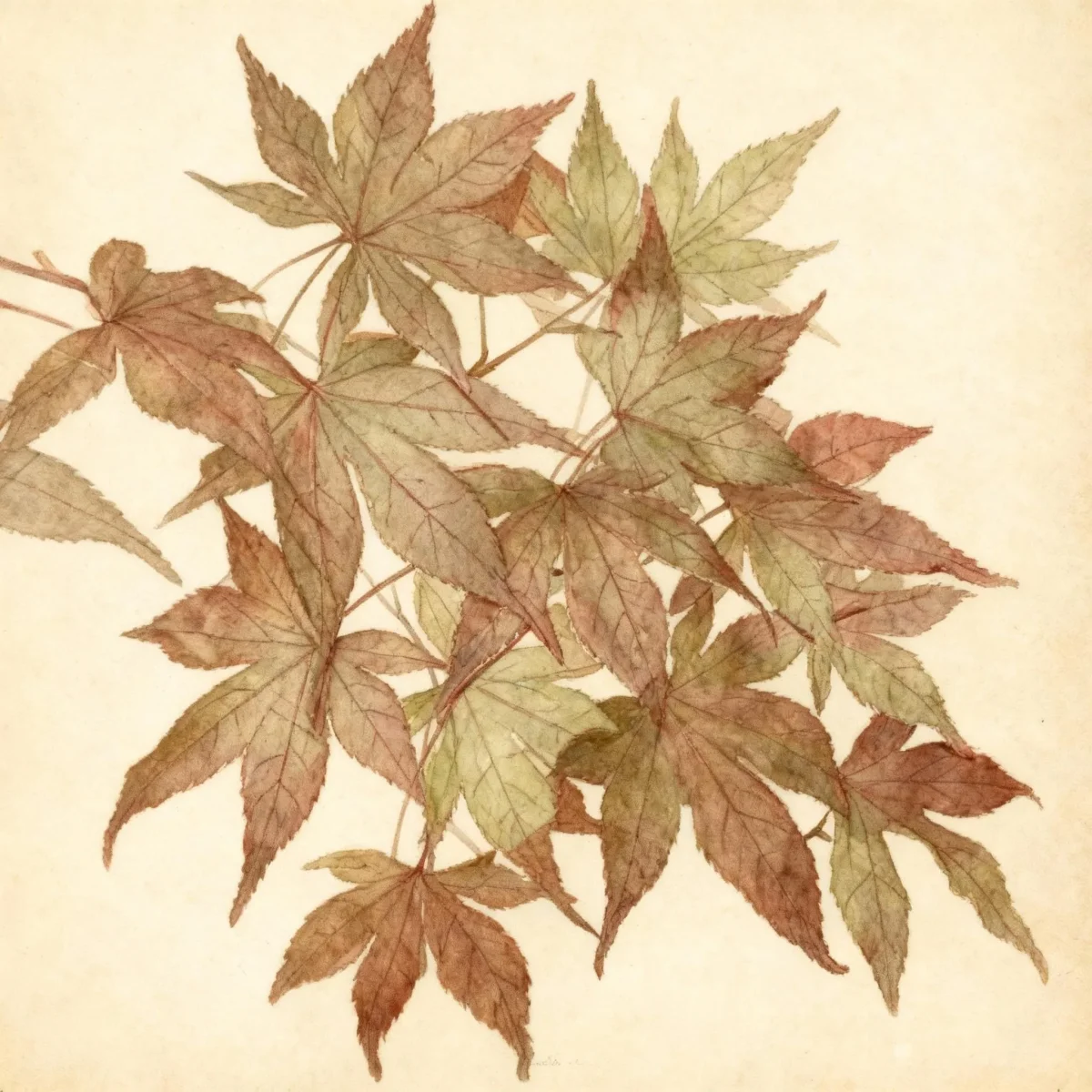
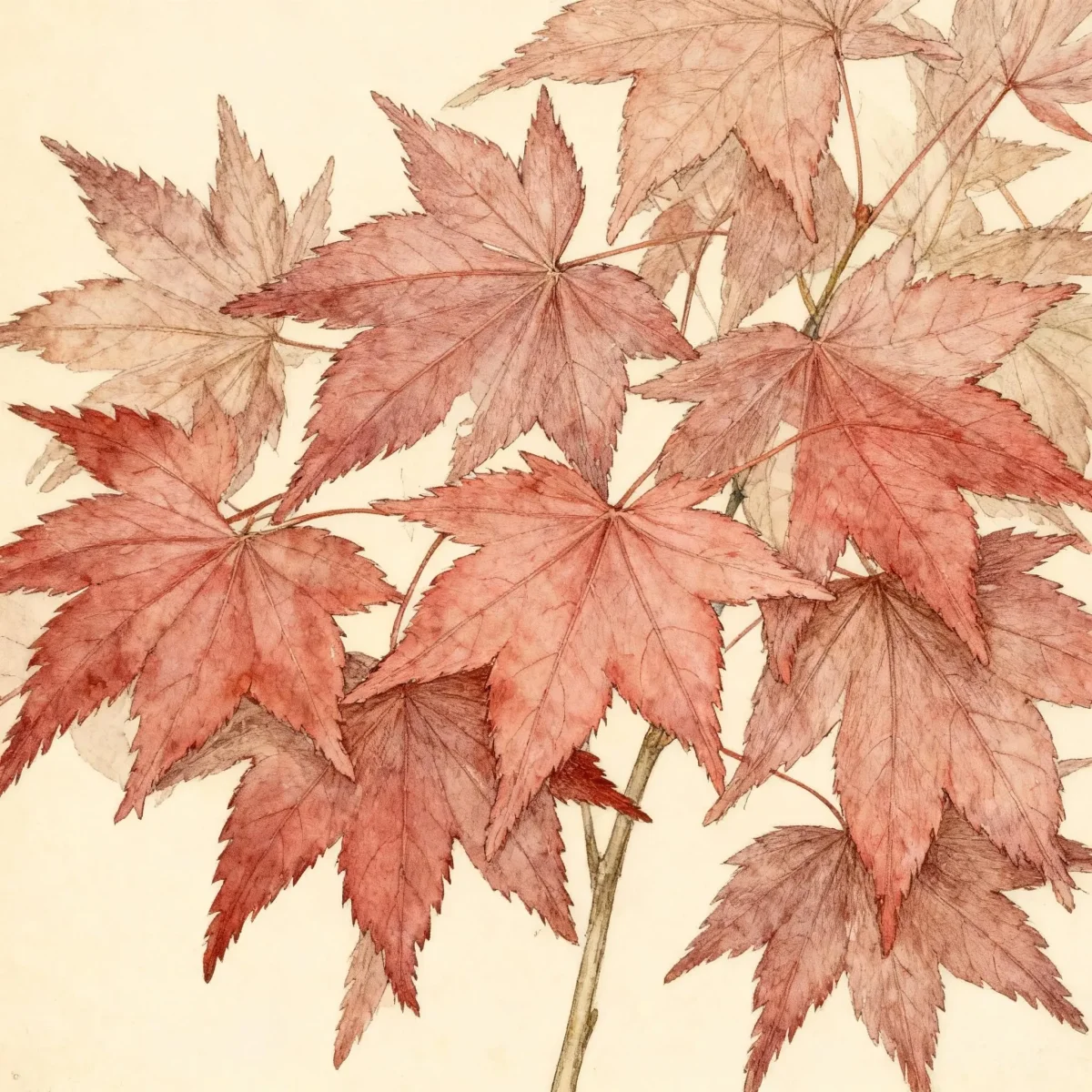
Japanese maple (Acer palmatum 'Arakawa')
Acer palmatum 'Arakawa' is a low-maintenance Japanese maple prized for its unique, rough, warty bark and striking yellow-gold fall color.
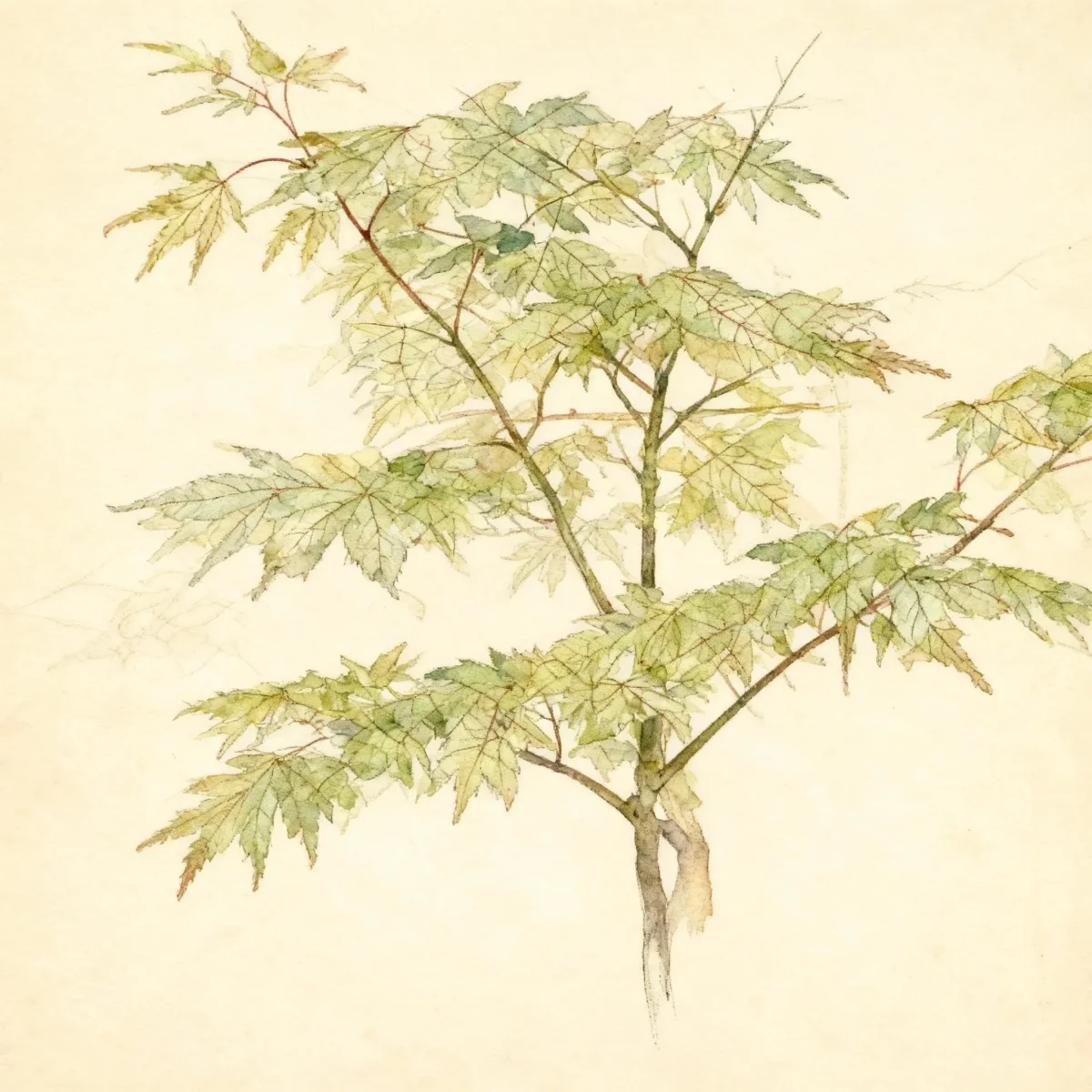

Bloom Boldly, No Matter the Season - Sweatshirt
Cozy organic cotton sweatshirt featuring our exclusive Purple Coneflower design. Perfect for gardeners who bloom year-round.
Inspired by the beautiful Japanese maple
Limited first batch (50) — join the waitlist for early access
Waitlist closes Feb 15, 2026.
Complete Plant Information
Field Guide Continues
Ready for care notes, companion picks, and planting tips?
The map is just the start. The full guide below covers growth habits, seasonal performance, and landscape uses.
Overview
The Acer palmatum ‘Arakawa’, commonly known as the Japanese maple, offers year-round visual appeal that sets it apart from standard cultivars. Its most striking feature, referenced by its cultivar name meaning “rough bark,” is the deeply fissured, warty texture of its mature bark, which provides excellent winter interest. This is a vigorous, upright cultivar, developing into an attractive, broadly rounded specimen tree ideal for focal points in medium-sized landscapes.
While the small, reddish-purple flowers in April are modest, gardeners are rewarded in autumn when the distinctive palmate leaves transition from green to beautiful shades of yellow-gold. This Japanese maple variety usually matures between 10 to 14 feet tall and spreads similarly wide, making it a manageable yet substantial addition to specialized garden areas.
As a deciduous shrub, Acer palmatum ‘Arakawa’ performs best when its specific cultural needs for soil moisture and protection from intense afternoon heat are met. Its low maintenance profile—once established in the right location—makes it a prized choice for gardeners seeking complexity without demanding constant attention.
Fast Facts
- Plant Family: Sapindaceae
- Plant Type: Deciduous shrub
- Hardiness Zones: USDA Zones 5-9
- Size at Maturity:
- Height: 10-14 ft
- Spread: 10-14 ft
- Bloom Time: April
- Bloom Description: Reddish-purple
- Sun Exposure: Full sun to part shade
- Water Needs: Medium
- Maintenance Level: Low
How to Grow
Optimal establishment for Acer palmatum ‘Arakawa’ requires planting in the spring or fall when temperatures are moderate. Select a site that offers moist, organically rich, and slightly acidic well-drained soil; these Japanese maples thrive in sandy loams. While they tolerate full sun in cooler northern zones, providing some protection from intense afternoon shade is crucial in hotter climates to prevent leaf scorch during dry summers.
Watering should be consistent, ensuring medium moisture levels are maintained, especially when the tree is establishing or during summer heatwaves. Applying a layer of mulch is highly recommended as it helps keep the roots cool and conserves necessary soil moisture. Fertilization is best performed in the spring just before the leaves emerge.
Pruning on this Japanese maple should be kept to an absolute minimum to preserve its natural form and protect the interesting bark. If pruning is necessary, restrict the cuts to late fall or mid-winter, as pruning during spring or summer can cause significant sap bleeding from the wounds. Furthermore, always site Acer palmatum ‘Arakawa’ in a location sheltered from strong, drying winds.
Landscape Uses
Japanese maples are cultivated primarily for their exceptional form and foliage texture, and Acer palmatum ‘Arakawa’ is no exception. It functions perfectly as a specimen plant or accent tree, immediately drawing the eye toward its rough bark texture and eventual golden fall display. Grouping these shrubs near the periphery of borders or utilizing them as screening elements allows their distinctive architecture to shine.
This variety also serves excellently as a sun-dappled understory tree, benefiting from the high canopy shade provided by larger deciduous trees, which further mitigates summer scorch risk. The natural structure of the Japanese maple lends itself beautifully to woodland garden margins, creating textural contrast against evergreen foundations. Its eventual size makes it suitable for smaller yards where a full-sized maple would overwhelm the space.
Standout Features
Flower Qualities
- Insignificant
Noteworthy Characteristics
The defining feature of Acer palmatum ‘Arakawa’ is its rough, warty, and fissured bark, which provides crucial ornamental interest throughout the year, especially during winter dormancy. The palmate leaves, deeply divided into 5-7 toothed lobes, emerge green and shift to a vibrant yellow-gold finish in the autumn months. This vigorous cultivar typically reaches 10 to 14 feet tall in its first decade, offering a fantastic specimen structure that highlights its unique textural contrasts.
Tolerances
- Rabbit
- Black Walnut
Potential Problems
Potential problems for this Japanese maple include common diseases like stem canker, leaf spots, fusarium, verticillium wilt, botrytis, anthracnose, and root rots. Vigilant watering practices are essential, as poor drainage exacerbates root rot issues. Insect pests to watch for include aphids, scale insects, borers, bagworms, and troublesome root weevils; mite populations may also increase during hot, dry spells.
Since the foliage of Acer palmatum ‘Arakawa’ leafs out early, late spring frosts can cause significant damage to the nascent leaves. In soils with excessively high pH, the plant may develop chlorosis (yellowing between the veins). To ensure robust health, site the plant where drainage is superb and monitor soil pH regularly.
Frequently Asked Questions
What hardiness zones is Japanese maple suitable for?
Acer palmatum ‘Arakawa’ is hardy and thrives best in USDA Zones 5 through 9.
How large does Acer palmatum ‘Arakawa’ grow?
This Japanese maple typically reaches a mature height of 10 to 14 feet, with a spread that matches, reaching 10 to 14 feet wide.
What sun exposure does Acer palmatum ‘Arakawa’ need?
This variety generally prefers full sun to part shade conditions, though southern gardeners should ensure it receives afternoon shade to prevent leaf scorching.
When does Japanese maple bloom?
The bloom time for Acer palmatum ‘Arakawa’ is April, producing small flowers described as reddish-purple.
Conclusion
Acer palmatum ‘Arakawa’ stands out due to its captivating exfoliating bark and reliable yellow-gold fall display, making it a superb asset in any thoughtfully designed garden. This specific Japanese maple cultivar rewards thoughtful site selection with low maintenance requirements once settled. Before planting, always verify your local hardiness zone and plan for a location that offers protection from harsh afternoon sun and drying winds.
Companion Planting
When selecting companions for Acer palmatum ‘Arakawa’, focus on plants that share its preference for slightly acidic, well-drained soil and partial shade tolerance. Lower plantings of shade-loving groundcovers, such as bright green Hostas or delicate Ferns, create excellent textural contrast beneath the canopy of the Japanese maple. Consider planting shade-tolerant bulbs like snowdrops or scilla beneath the tree in early spring before the Acer leafs out fully.
For vertical contrast in the mid-story, rhododendrons or azaleas are excellent choices, provided the soil conditions are managed to meet the slightly acidic requirements of all three plants. By grouping plantings that require similar moisture levels, you streamline the watering routine for this entire section of the landscape.
Design Ideas for Rough Bark
The distinctive texture of the Acer palmatum ‘Arakawa’ makes it an excellent specimen tree to feature against smooth or uniform backgrounds, maximizing the visual impact of its rugged bark during winter. Place it near patios or walkways where viewers can easily observe the peeling, warty texture up close throughout the colder months. Consider using subtle, upward-facing evening lighting directed at the trunk to illuminate this unique feature after sunset.
In modern or minimalist designs, the tree’s pronounced silhouette and architectural branching pattern can provide structure when planted against monochromatic walls—think light gray stone or dark stained cedar fencing. The upright habit of this Japanese maple keeps the visual lines clean while providing seasonal color when the yellow-gold foliage emerges in fall.