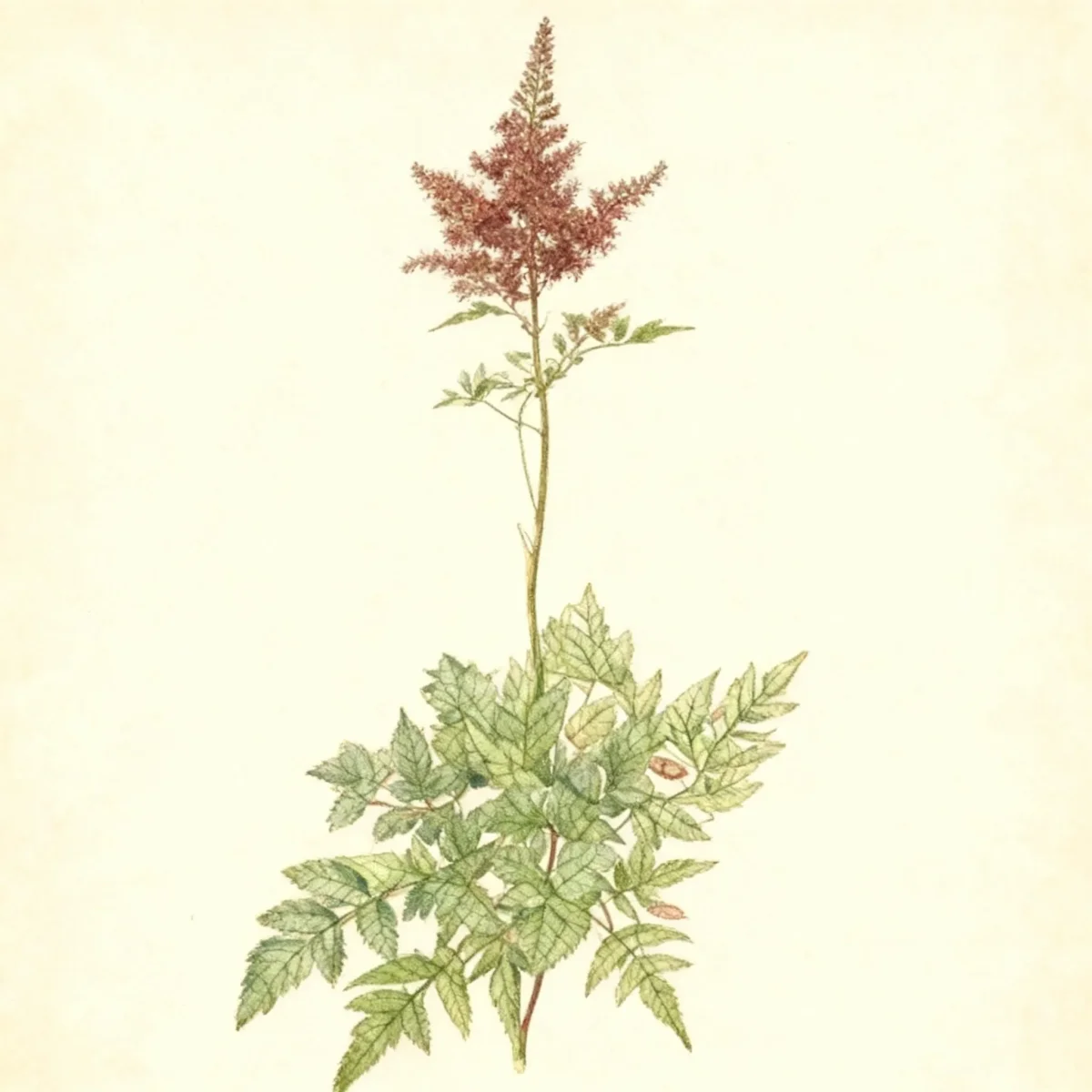
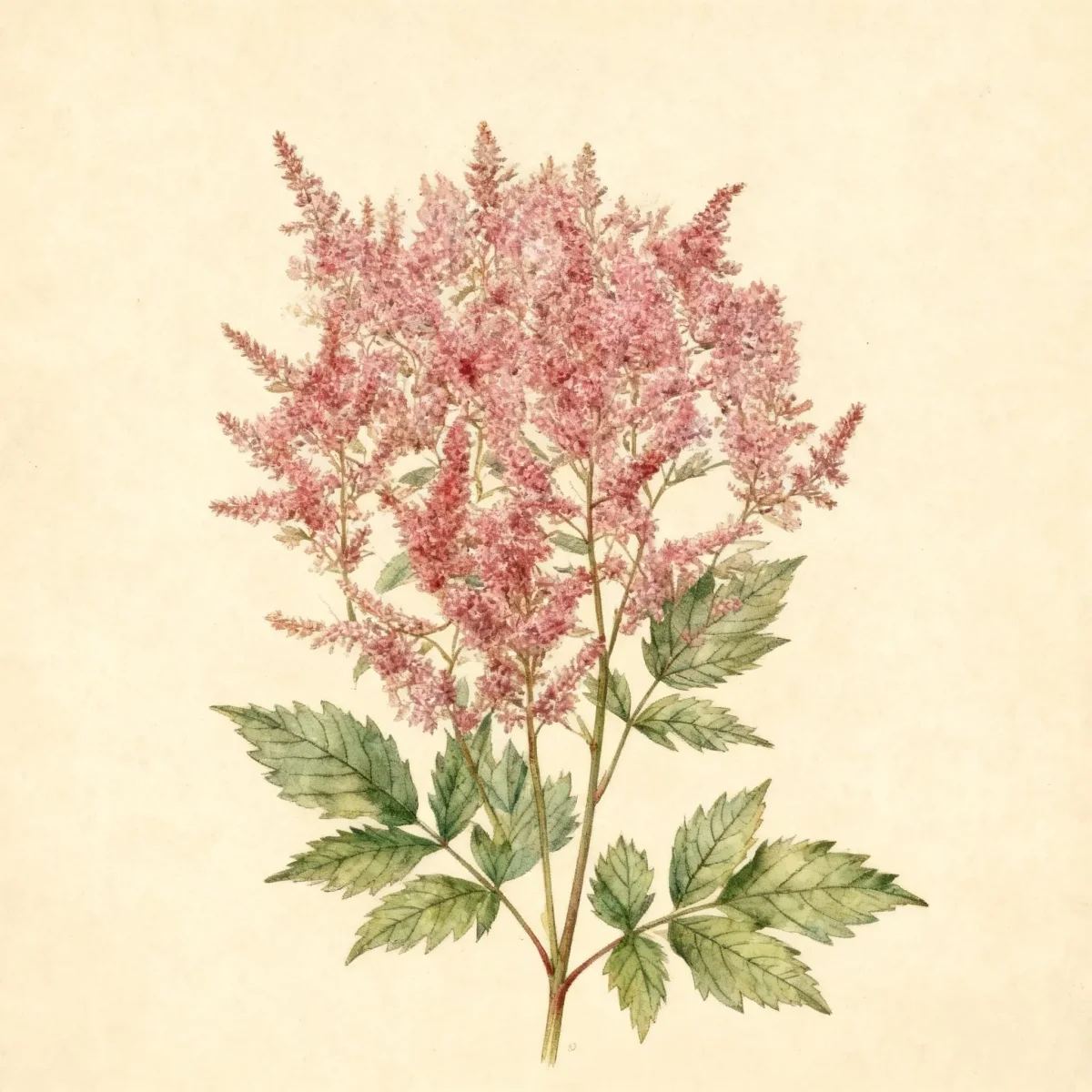
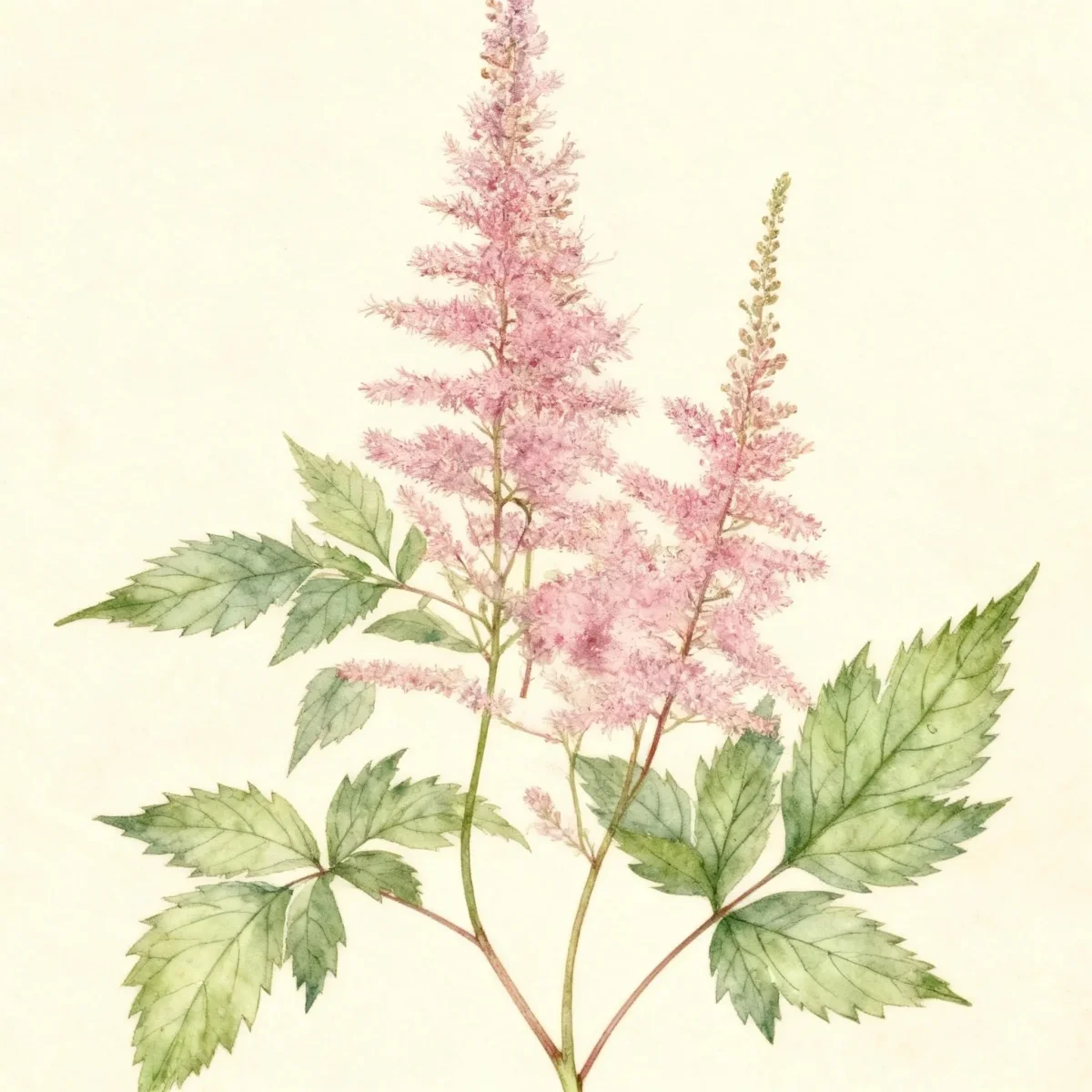
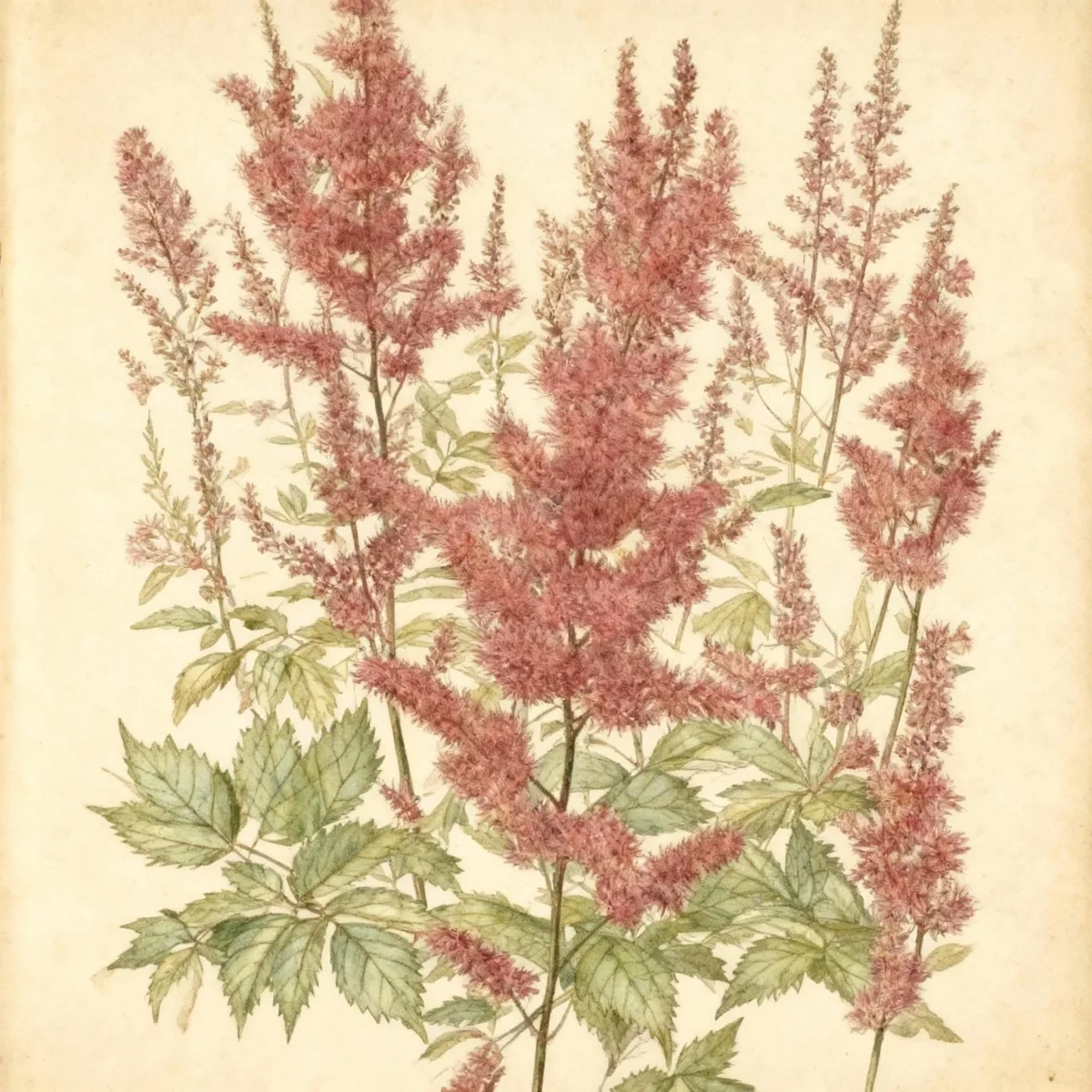
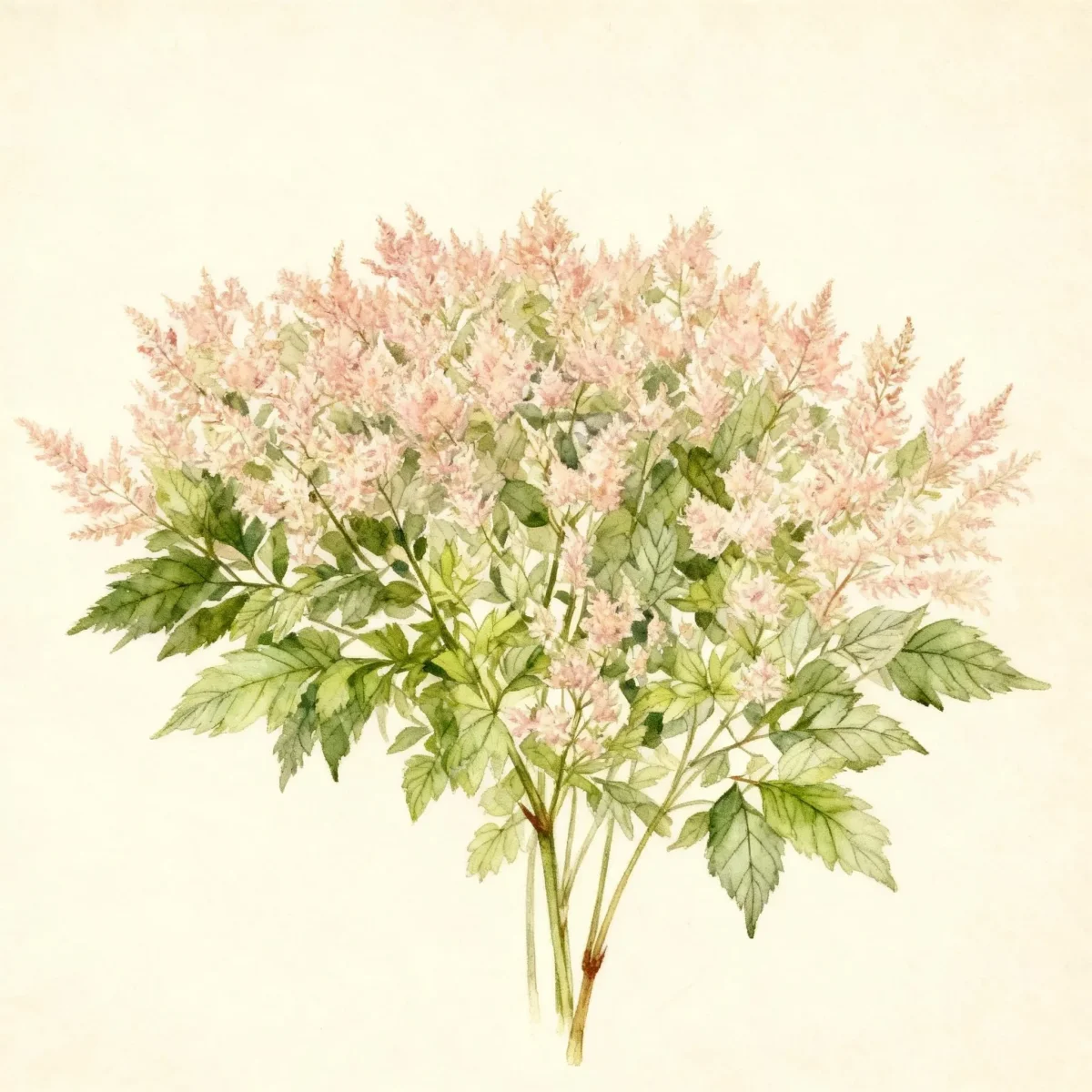
Astilbe (Astilbe 'Alive and Kicking')
Astilbe 'Alive and Kicking' is a showy, low-maintenance perennial offering dark rose pink plumes in June for shade gardens.
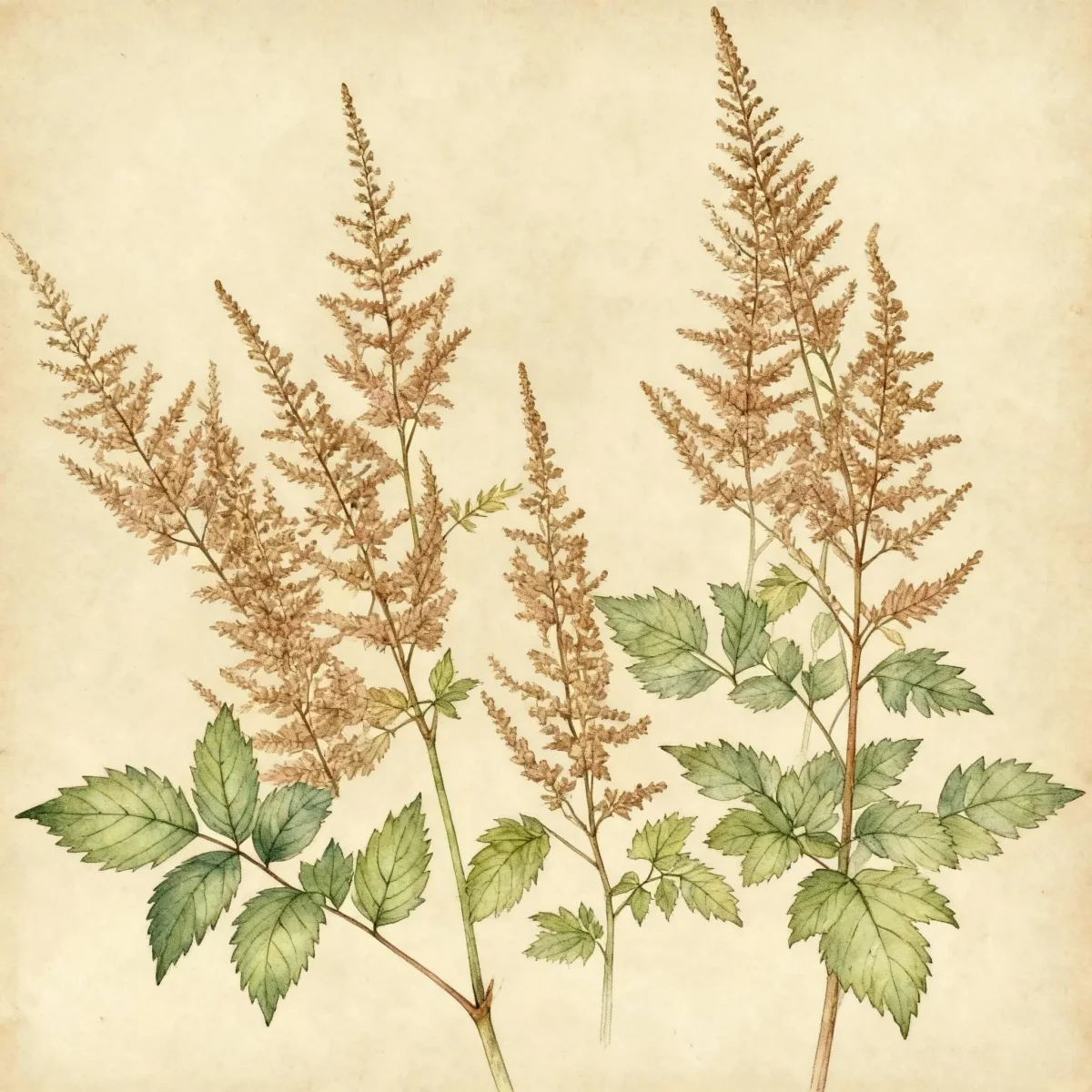

Bloom Boldly, No Matter the Season - Sweatshirt
Cozy organic cotton sweatshirt featuring our exclusive Purple Coneflower design. Perfect for gardeners who bloom year-round.
Inspired by the beautiful Astilbe
Limited first batch (50) — join the waitlist for early access
Waitlist closes Feb 15, 2026.
Complete Plant Information
Field Guide Continues
Ready for care notes, companion picks, and planting tips?
The map is just the start. The full guide below covers growth habits, seasonal performance, and landscape uses.
Overview
Astilbe ‘Alive and Kicking’ is a celebrated choice for adding vibrant texture and reliable summer color to shaded garden spaces. This Chinese Astilbe hybrid is distinguished by its sturdy stems that lift narrow panicles of dark rose pink flowers above a dense mound of dark green, fern-like foliage. Its low maintenance level and shade tolerance make it an indispensable feature for woodland borders and foundational plantings.
As an herbaceous perennial belonging to the Saxifragaceae family, Astilbe offers significant aesthetic appeal without demanding complex aftercare. The plant features graceful, plume-like flower aggregations rising above deeply cut leaves, providing vertical interest where many other flowering plants struggle. Astilbe ‘Alive and Kicking’ thrives best when provided consistently moist, enriched soil, ensuring its signature foliage remains crisp throughout the growing season.
Gardeners value Astilbe for transforming challenging dark corners into lush, textural displays. The striking bloom time in June ensures peak color when many early bloomers have faded, securing its role as a dependable star in the shade garden palette. Investing in Astilbe ‘Alive and Kicking’ guarantees a reliable, beautiful addition to any garden seeking structure and charm beneath the tree canopy.
Fast Facts
- Plant Family: Saxifragaceae
- Plant Type: Herbaceous perennial
- Hardiness Zones: USDA Zones 4-8
- Size at Maturity:
- Height: 2-3 ft
- Spread: 1.5-2 ft
- Bloom Time: June
- Bloom Description: Dark rose pink
- Sun Exposure: Part shade to full shade
- Water Needs: Medium
- Maintenance Level: Low
How to Grow
The best time to establish Astilbe ‘Alive and Kicking’ is during the spring or early fall. Select a location that receives part shade to full shade, as intense afternoon sun combined with dryness will scorch the foliage. These plants require average, medium moisture, well-drained soil, though they thrive best in humusy, organically rich conditions.
Consistent moisture is critical for success with any Astilbe, especially Astilbe ‘Alive and Kicking’. The soil must not be allowed to dry out at any point during the growing season. Apply a summer compost mulch to help regulate soil temperature and maximize moisture retention around the root zone. While fertilizing is rarely required in rich soil, a yearly boost of organic matter keeps the plant happiest.
Maintenance is generally low once established. While deadheading faded flower stalks can improve aesthetic appearance for a tidier look, allowing the dried seed heads to remain offers continued ornamental interest well into winter. To maintain vigor and prevent overcrowding, plan to divide clumps of Astilbe every three to four years during the early spring or fall.
Landscape Uses
Astilbe ‘Alive and Kicking’ excels in mass plantings, creating drifts of dark foliage punctuated by clouds of dark rose pink flowers. It is an excellent choice for softening the edges of woodland gardens or grouping alongside ferns and hostas where dappled sunlight prevails. These perennials function beautifully as edging along shaded paths or as ground cover, effectively masking less attractive soil areas.
This cultivar brings vertical definition to shaded areas of cottage gardens and border fronts. Furthermore, due to their tolerance for moist conditions, Astilbe species are often placed near pond banks or stream edges, blending seamlessly into naturalized water features. Their robust nature ensures they remain strong structural elements throughout the peak growing months.
Standout Features
Flower Qualities
- Showy
Noteworthy Characteristics
Astilbe is a genus of around 20 species of clump-forming, herbaceous perennials native to eastern Asia and eastern North America. Plants are characterized by graceful, fern-like mounds of mostly basal, 2-3 ternately compound leaves, usually with sharply-toothed leaflets, and tiny flowers densely packed into erect to arching, plume-like flower panicles rising above the foliage on slender, upright stems. Genus name comes from the Greek words a meaning without and stilbe meaning brightness in reference to the dull leaves of some species. ‘Alive and Kicking’ is a Chinese astilbe hybrid which features a foliage mound of dark green leaves to 12-18” tall that is topped from late spring to mid-summer with narrow panicles of dark rose pink flowers on sturdy stems rising above the foliage to 30-36” tall.
Tolerances
- Rabbit
- Deer
- Heavy Shade
- Black Walnut
Potential Problems
Foliage decline, where leaves brown up significantly, is the most common issue for Astilbe ‘Alive and Kicking’ and typically occurs during hot summers or periods of drought if soil moisture is neglected. To prevent this, ensure soil stays consistently moist. Watch for the possibility of powdery mildew or wilt, particularly in areas with poor air circulation. Japanese beetles may sometimes chew on the foliage, but deer and rabbits generally avoid consuming this plant entirely.
Frequently Asked Questions
What hardiness zones is Astilbe suitable for?
Astilbe ‘Alive and Kicking’ is suitable for growing across USDA Zones 4 through 8.
How large does Astilbe grow?
This variety typically reaches a height between 2 to 3 feet tall and spreads between 1.5 to 2 feet wide.
What sun exposure does Astilbe ‘Alive and Kicking’ need?
This perennial prefers conditions ranging from part shade to full shade, thriving best away from harsh, direct afternoon sunlight.
When does Astilbe bloom?
Astilbe ‘Alive and Kicking’ blooms in June, displaying characteristic dark rose pink flower plumes.
Conclusion
Astilbe ‘Alive and Kicking’ provides essential texture and reliable, vibrant color for the shady reaches of your garden, requiring only medium water and low maintenance. Ensure you plan your planting in a consistently moist, enriched environment to maximize the beauty of this desirable Astilbe hybrid. Check your local hardiness zone compatibility before planting this summer performer.
Propagation Tips
Division is the primary and most effective method for propagating healthy Astilbe ‘Alive and Kicking’ clumps. Wait until early spring before new growth begins, or transplant in the fall. Carefully dig up the entire clump, aiming not to damage the crowns, and use a sharp spade or knife to divide the root ball into sections, ensuring each new division has at least 2-3 viable growth buds attached. Replant these divisions immediately into prepared, moist soil at the same depth they were previously growing.
Immediate and thorough watering after division is crucial to help the new plants settle quickly, reducing transplant shock. While Astilbe seeds are readily produced within the dried flower heads, growing Astilbe ‘Alive and Kicking’ from seed rarely results in a true-to-type plant due to its hybrid nature. Therefore, clump division remains the gold standard for maintaining the integrity of this cultivar’s dark foliage and rose pink blooms.
Companion Planting
Since Astilbe ‘Alive and Kicking’ demands consistently moist, rich soil and shade, companion plants should share these cultural requirements to create a unified, thriving underplanting scheme. Excellent partners include Hosta varieties, which offer contrasting leaf shapes and colors. Ferns, particularly Japanese Painted Ferns or Autumn Ferns, complement the fine texture of the Astilbe foliage beautifully.
For continued interest after the Astilbe blooms fade in mid-summer, consider incorporating shade-tolerant groundcovers or bulbs that emerge later. Spring ephemerals or plants like Japanese Forest Grass (Hakonechloa macra) work well to fill in spaces around the base of the maturing Astilbe clumps. Always ensure that companion plants do not aggressively outcompete the perennial for water or nutrients.