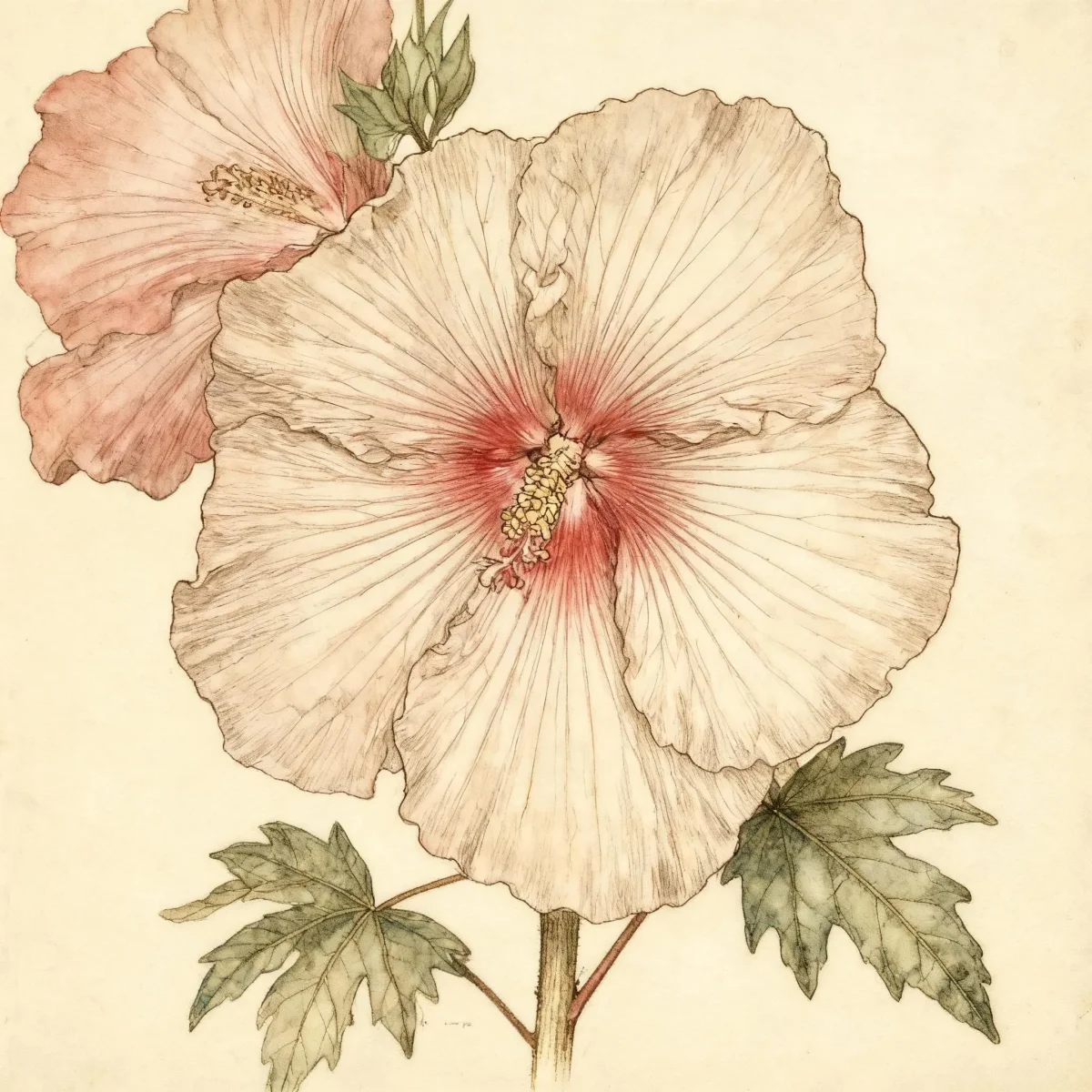
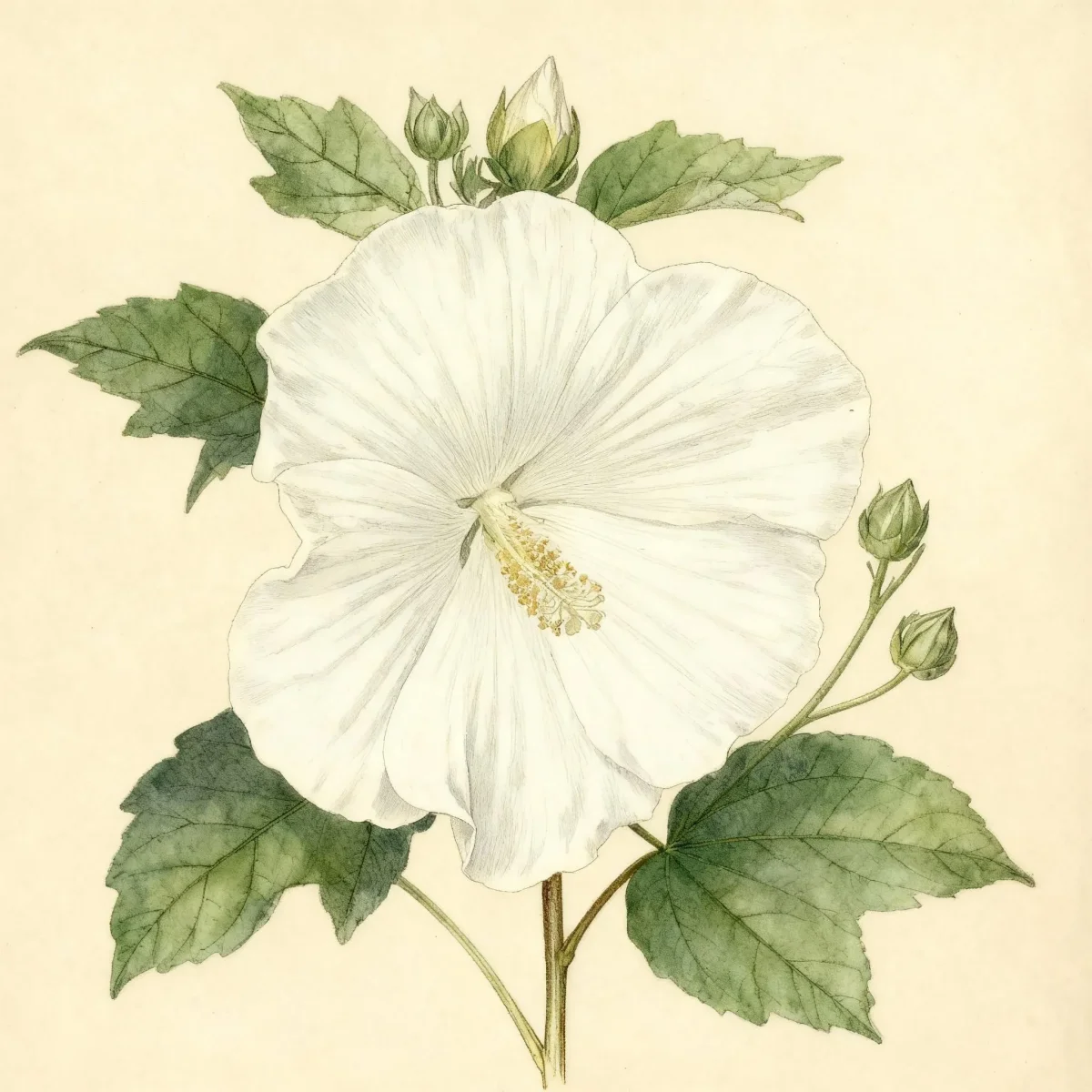
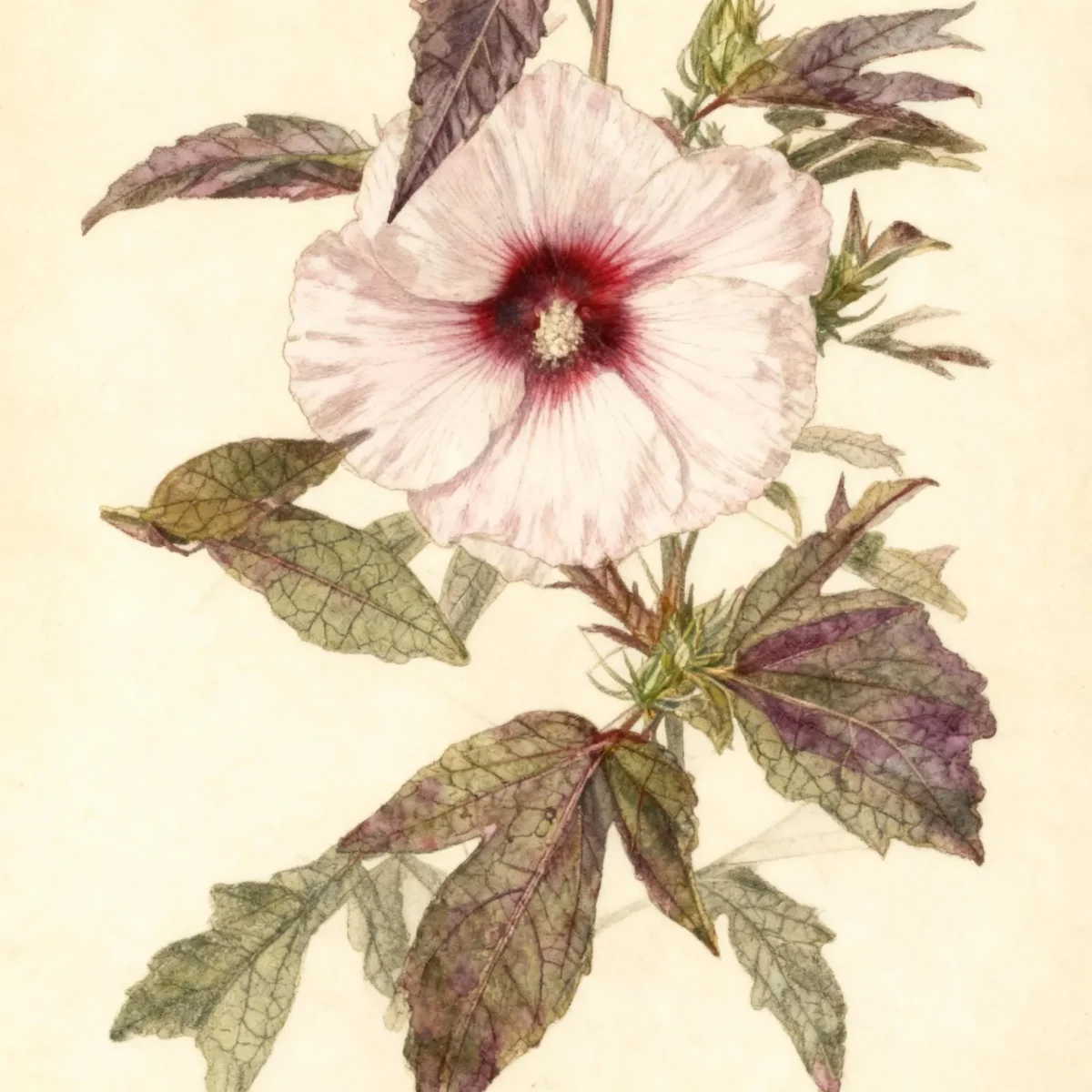
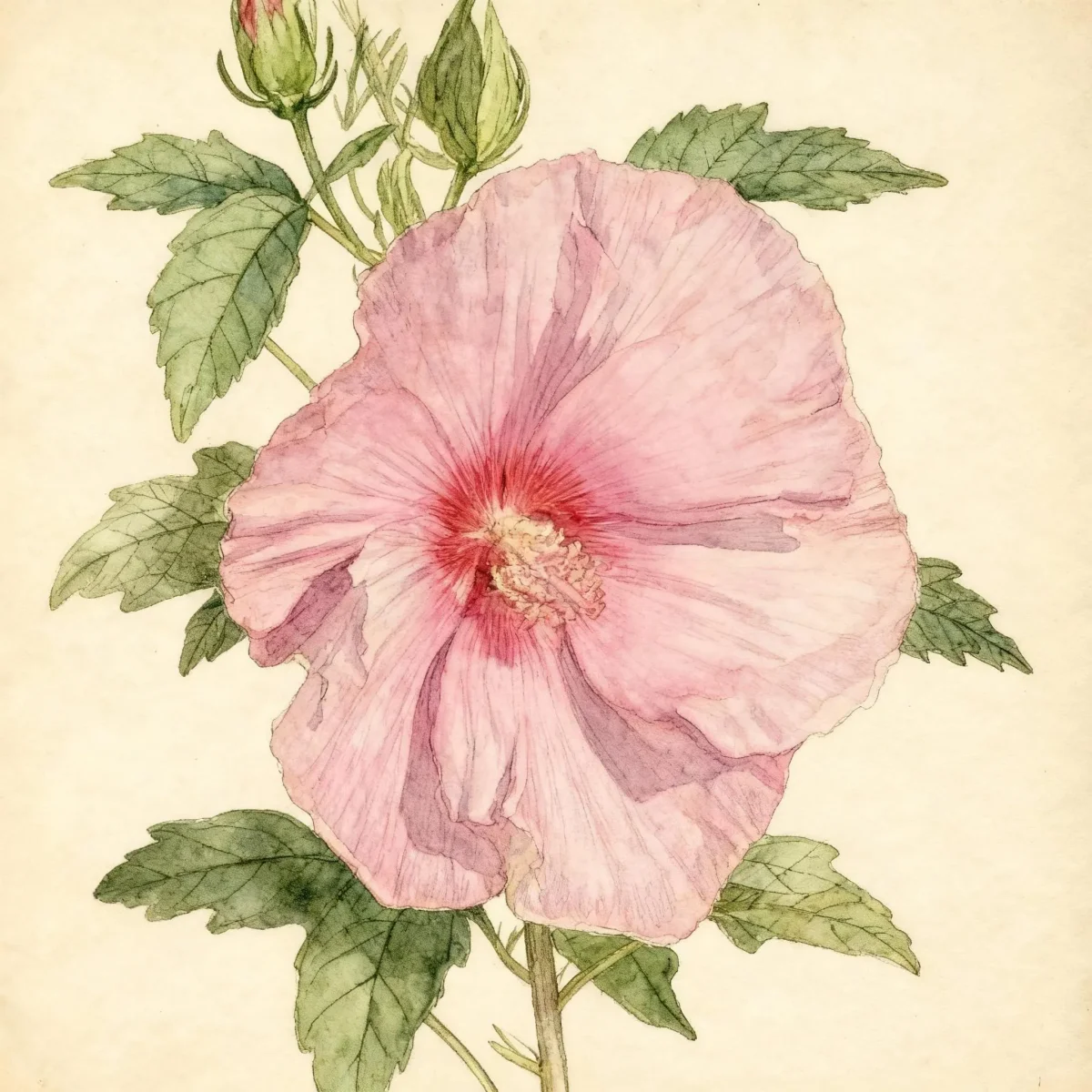
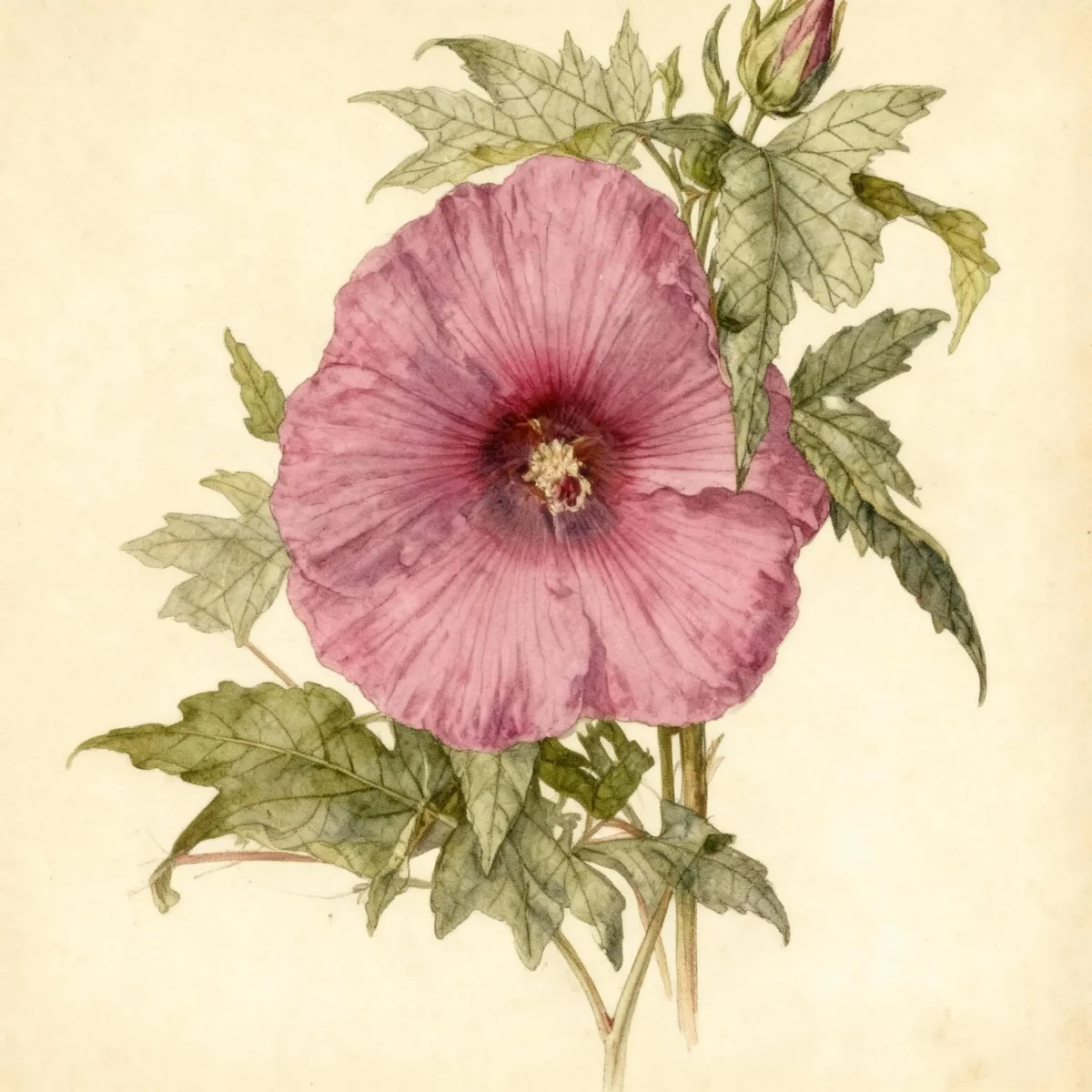
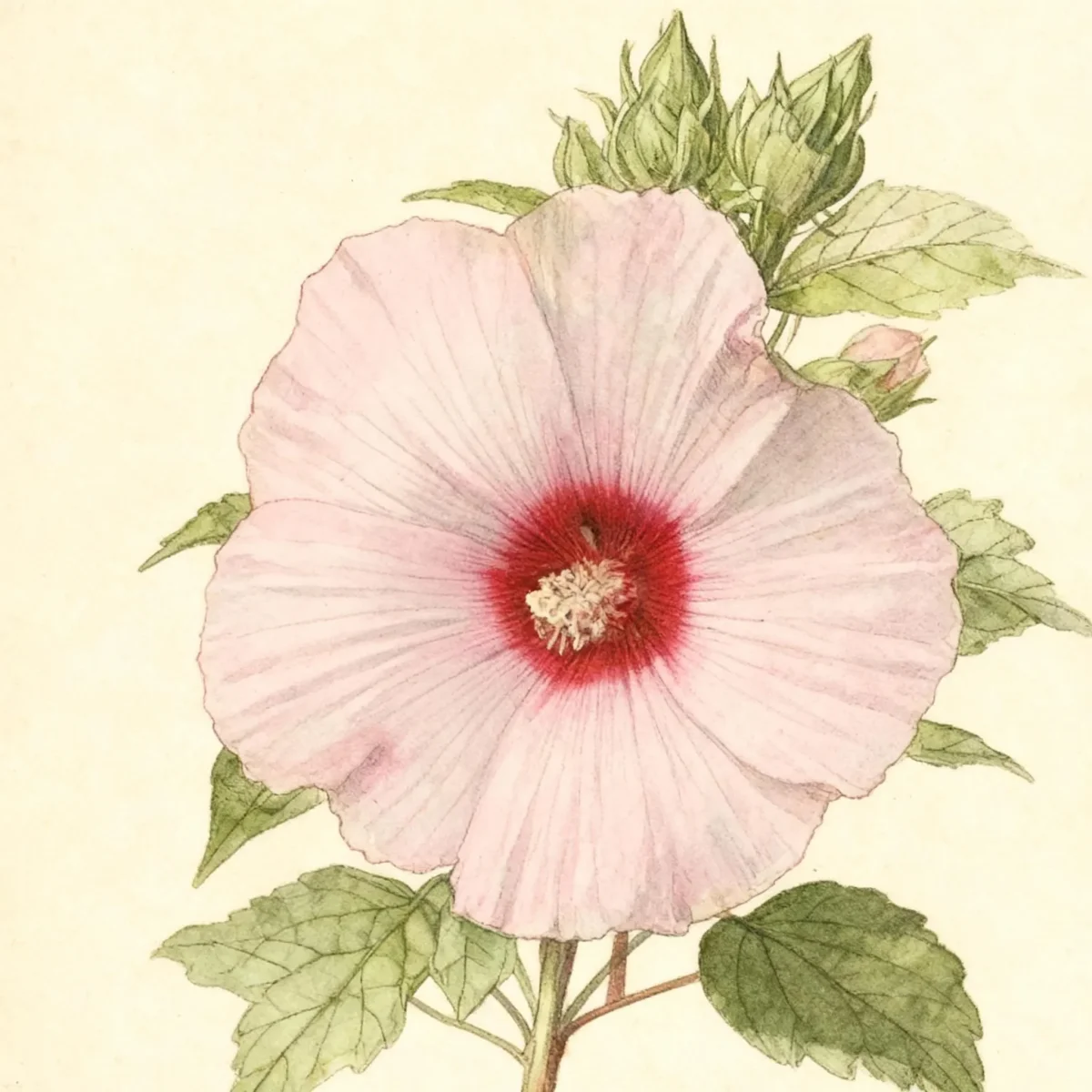
Hardy hibiscus (Hibiscus moscheutos 'Wildwood Wonder')
This Hardy hibiscus, Hibiscus moscheutos 'Wildwood Wonder', offers massive red summer flowers. It thrives in wet soil thriving in USDA Zones 5-9 with low maintenance.
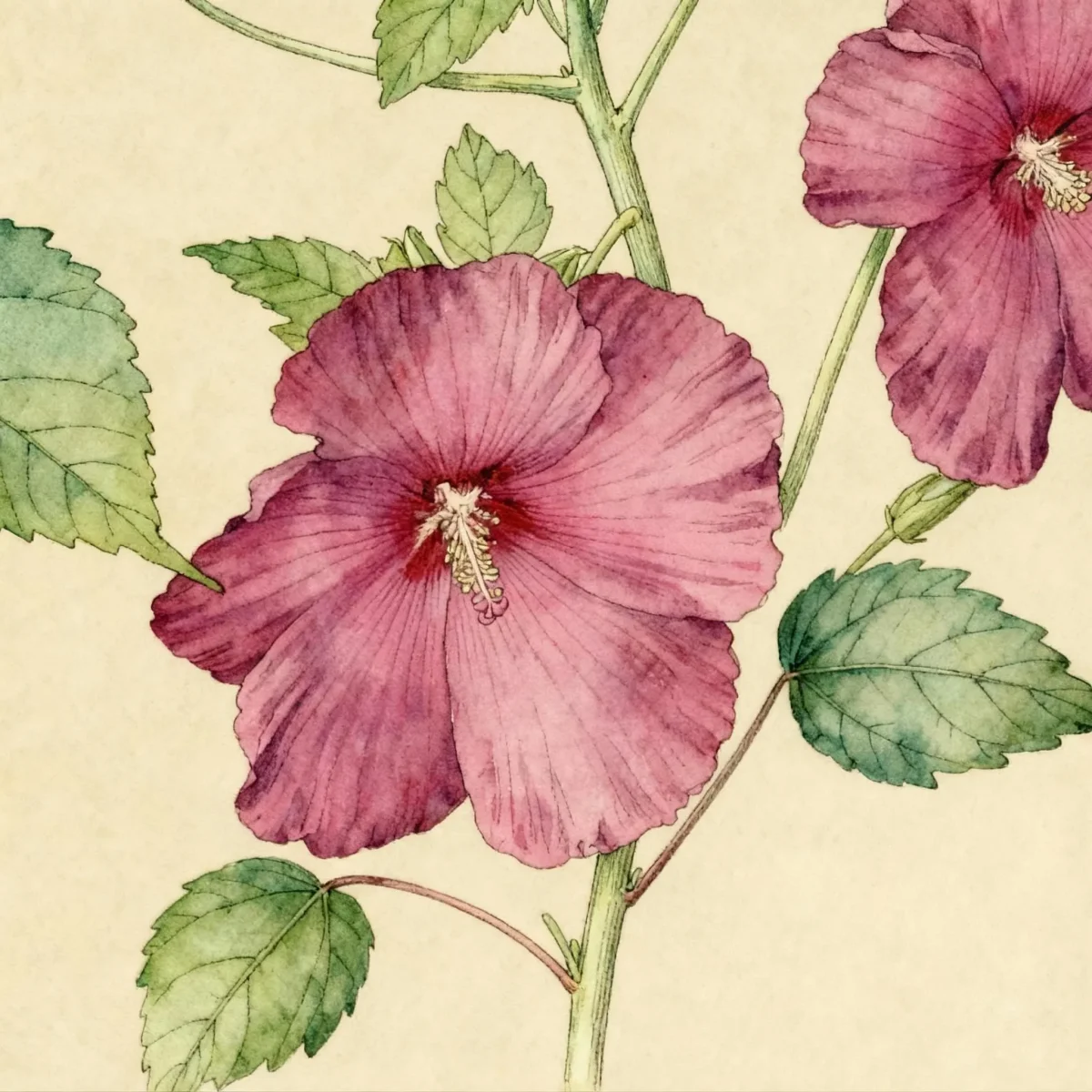

Bloom Boldly, No Matter the Season - Sweatshirt
Cozy organic cotton sweatshirt featuring our exclusive Purple Coneflower design. Perfect for gardeners who bloom year-round.
Inspired by the beautiful Hardy hibiscus
Limited first batch (50) — join the waitlist for early access
Waitlist closes Feb 15, 2026.
Complete Plant Information
Field Guide Continues
Ready for care notes, companion picks, and planting tips?
The map is just the start. The full guide below covers growth habits, seasonal performance, and landscape uses.
Overview
The Hibiscus moscheutos ‘Wildwood Wonder’ is a show-stopping herbaceous perennial celebrated for its incredibly large, vibrant red, dinner-plate-sized blooms that appear continuously through the heat of summer. As a variety of Hardy hibiscus, this cultivar provides spectacular tropical flair without the need for annual replacement, making it a robust feature in the perennial garden. It is uniquely adapted to thrive in wetter conditions where many other garden plants struggle.
This vigorous Swamp mallow offers substantial vertical interest, typically reaching three to five feet tall, and provides excellent late-season color when many spring bloomers have faded. Gardeners value Hibiscus moscheutos ‘Wildwood Wonder’ for its relatively low maintenance needs despite its dramatic appearance. Its tolerance for moisture and heat makes it incredibly dependable across USDA Zones 5 through 9.
The massive flowers are highly attractive to pollinators, further enhancing its functional value in the landscape. To ensure the strongest stems and the most prolific flowering from your Hardy hibiscus, ensure it receives maximum sun exposure and consistent moisture throughout the July to September bloom period.
Fast Facts
- Plant Family: Malvaceae
- Plant Type: Herbaceous perennial
- Hardiness Zones: USDA Zones 5-9
- Size at Maturity:
- Height: 3-5 ft
- Spread: 2-3 ft
- Bloom Time: July to September
- Bloom Description: Red
- Sun Exposure: Full sun
- Water Needs: Medium to wet
- Maintenance Level: Low
How to Grow
Planting the Hardy hibiscus is best done in spring after the danger of frost has passed. Choose a spot that receives full sun for the strongest performance, although it can tolerate light afternoon shade. This plant establishes best in consistently moist, organically rich soils, though it is surprisingly adaptable to average garden conditions provided it does not completely dry out. Ensure it has good air circulation to help prevent potential fungal issues.
Watering is crucial, especially during establishment and hot weather; regular, deep watering is highly advisable for this moisture-loving plant. While it tolerates wet soils, allowing the soil to dry out completely will likely result in leaf scorch. Fertilization during the growing season benefits the plant, supporting the continuous production of its enormous flowers.
Pruning directs the plant’s shape and vigor. Pinch back the growing tips when they reach about 8 inches tall, and again around 12 inches if a bushier form is desired. Deadheading spent individual flowers can clean up the appearance, but is not essential for overall bloom continuation. In late autumn, cut all stems back to about 3 to 4 inches above the ground. Be patient in spring; new growth on the Hibiscus moscheutos ‘Wildwood Wonder’ can be slow to emerge, but once it starts, growth accelerates rapidly.
Landscape Uses
Hibiscus moscheutos ‘Wildwood Wonder’ excels in landscape areas where consistent moisture is guaranteed, such as in rain gardens or along the edges of ponds and streams. Its strong vertical presence makes it perfect for use as a specimen plant or a temporary summer screen or hedge when placed toward the back of a border. For a dramatic, high-impact display, plant several together in moist borders.
This plant can also be successfully grown in large containers, provided those containers are kept consistently watered and large enough to support its mature root system. When selecting companions, choose other moisture-loving perennials that share its full sun requirement, such as bold ornamental grasses, irises, or other robust wetland edge species. The impressive size of the Hardy hibiscus allows it to anchor perennial beds.
Standout Features
Flower Qualities
- Showy
Noteworthy Characteristics
Hibiscus moscheutos, commonly known as hardy hibiscus or swamp rose mallow, is a vigorous, sturdy, rounded, somewhat shrubby, hairy-stemmed, woody-based perennial of the mallow family. It is native to wet spots like marshes and floodplains. The variety ‘Wildwood Wonder’ grows to three to five feet tall, featuring massive flowers up to 10-12 inches in diameter, which display five overlapping red petals surrounding a prominent and showy creamy white to pale yellow central staminal column, blooming profusely from July through September.
Tolerances
- Deer
- Wet Soil
Potential Problems
While generally sturdy, the Hardy hibiscus can show susceptibility to certain fungal issues like leaf spots, blights, rusts, and canker, especially in overly humid or poorly circulating air environments. Japanese beetles pose a threat and may severely damage the foliage if management is neglected. Occasional insect visitors include aphids, whiteflies, and scale. The most common issue directly attributable to gardener error is leaf scorch, which occurs if the soil is allowed to dry out between waterings. Staking is rarely necessary if the plant is grown in the proper, sunny environment.
Frequently Asked Questions
What hardiness zones is Hardy hibiscus suitable for?
This Hardy hibiscus variety, Hibiscus moscheutos ‘Wildwood Wonder’, is suitable for gardeners in USDA Zones 5 through 9.
How large does Hardy hibiscus grow?
The mature size of Hibiscus moscheutos ‘Wildwood Wonder’ typically reaches a height of 3 to 5 feet and spreads between 2 and 3 feet wide.
What sun exposure does Hibiscus moscheutos ‘Wildwood Wonder’ need?
This plant requires full sun exposure to produce the strongest stems and the best floral display.
When does Hardy hibiscus bloom?
Hardy hibiscus blooms throughout the summer and early fall, specifically from July to September, producing striking red flowers.
Conclusion
The Hibiscus moscheutos ‘Wildwood Wonder’ provides unparalleled summer drama with its enormous, richly colored blooms and its adaptability to moist soils. This reliable Hardy hibiscus variety requires minimal fuss, rewarding you with continuous color throughout the hottest months. Before planting, always verify that your site provides the required full sun and consistent moisture levels necessary for your Hibiscus moscheutos ‘Wildwood Wonder’ to flourish.
Companion Planting Suggestions
When designing beds around your Hardy hibiscus, consider plants that share a love for consistent moisture. Bold foliage plants like Elephant Ears (Colocasia) or moisture-loving perennials such as Cardinal Flower (Lobelia cardinalis) create an exciting textural contrast beneath the massive blooms of Hibiscus moscheutos ‘Wildwood Wonder’. These companions help fill in the space during early summer before the hibiscus reaches its full height.
Equally important is choosing companion plants that appreciate full sun exposure. Variegated Switchgrass (Panicum virgatum) offers vertical contrast and movement that complements the solid structure of the Hardy hibiscus. Providing these compatible growing partners ensures a cohesive and thriving planting scheme throughout the season.
Wildlife Benefits
The spectacular size and color of the blooms on the Hardy hibiscus ensure it is a massive attractor for large pollinators. The prominent central staminal column provides an easy landing spot for bees and butterflies seeking nectar. Growing this variety supports local ecosystems during the mid-to-late summer when other floral resources may be diminishing.
Because the seed capsules of Hibiscus moscheutos species can float, they offer a natural mechanism for seed dispersal in wet environments. While the magnificent flowers are the main draw, the structure itself, especially when left standing over winter, can provide valuable cover and nesting material for beneficial insects until the final spring cleanup.