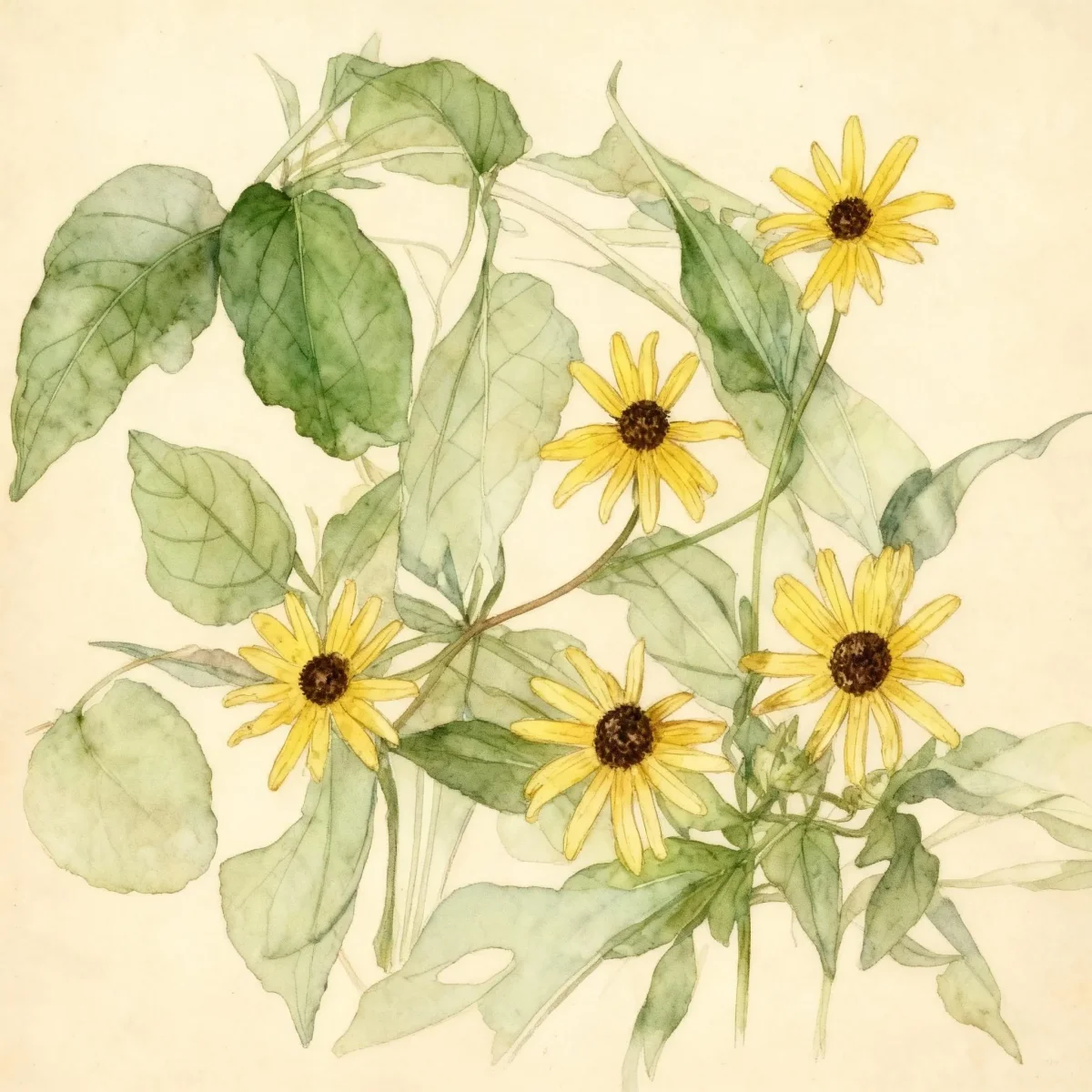
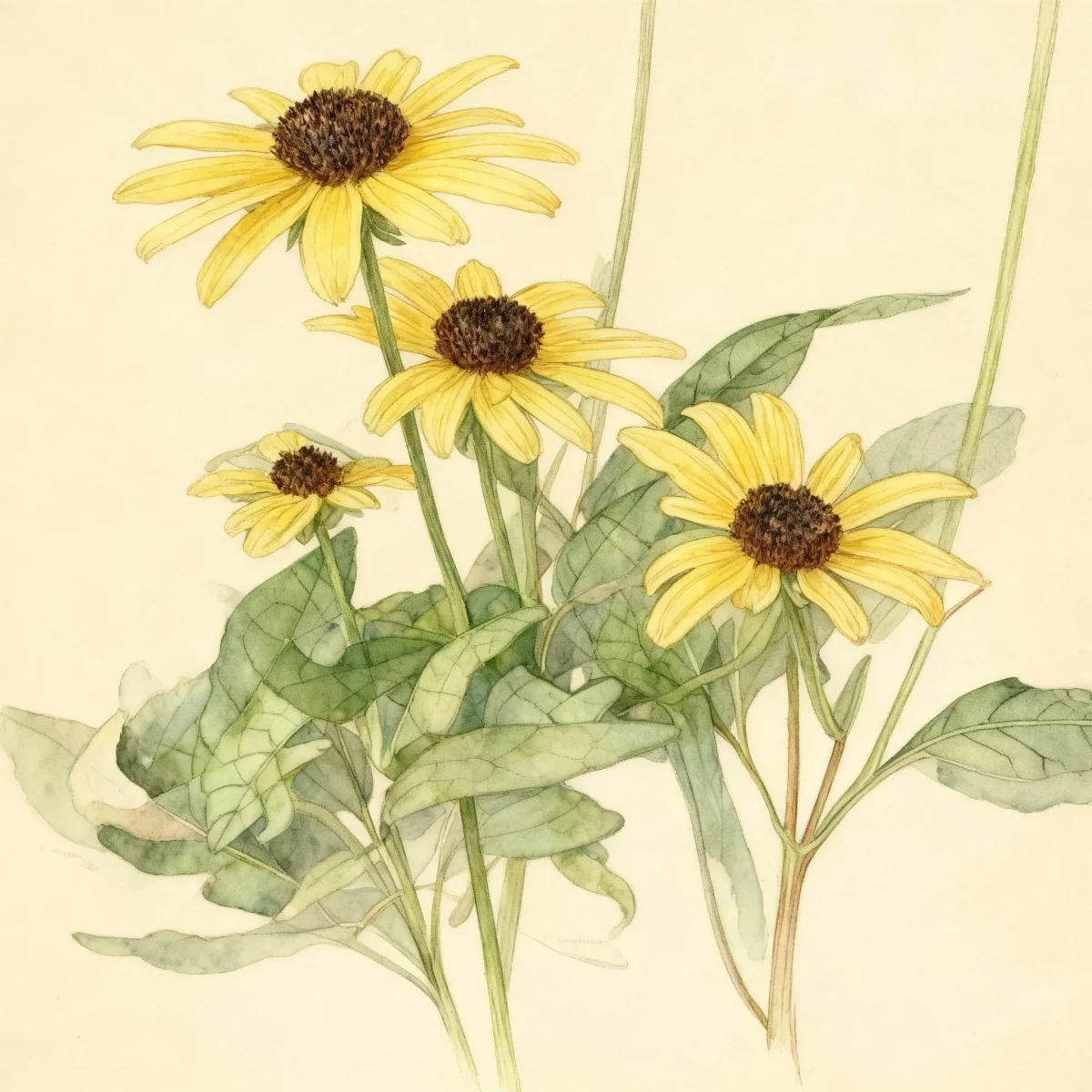
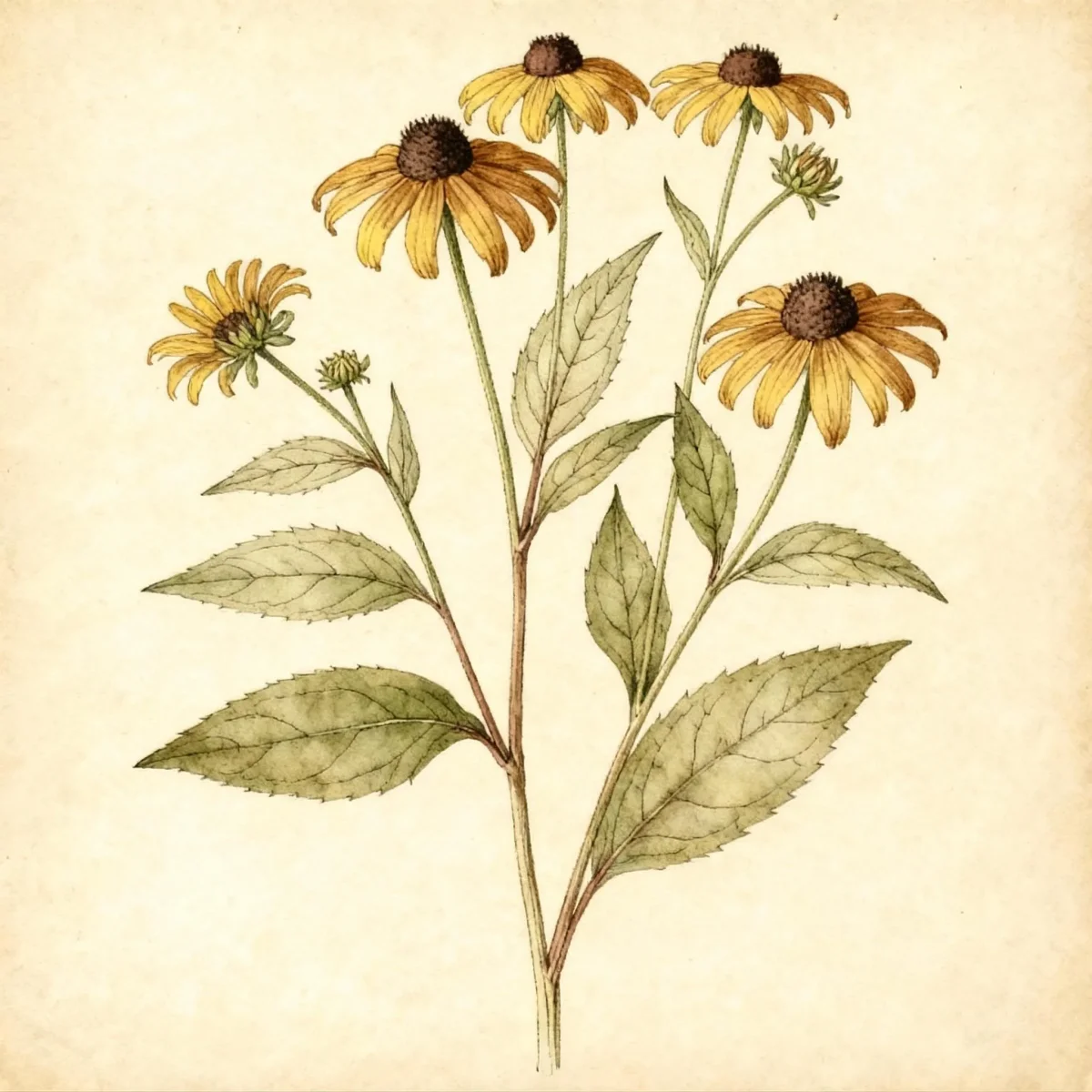
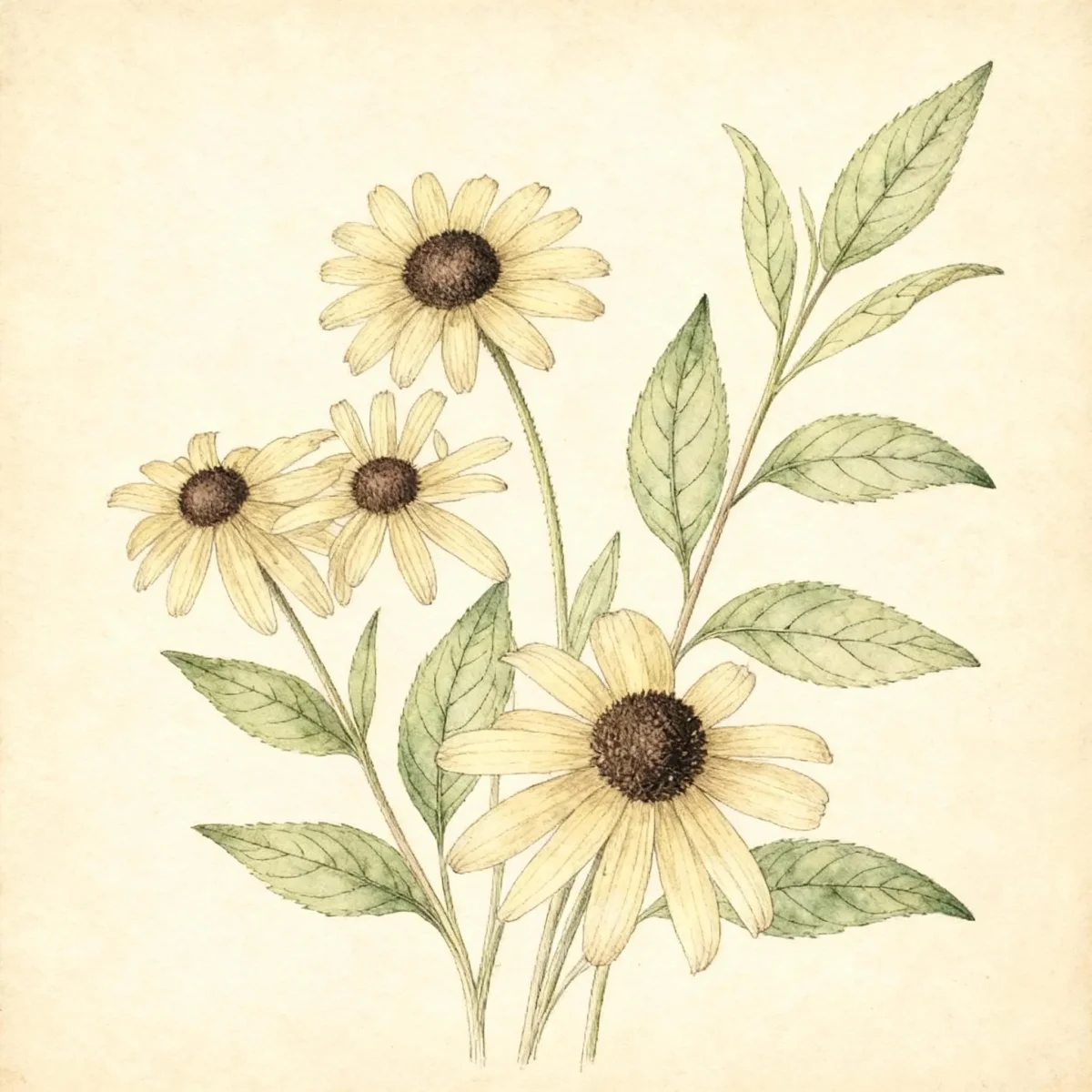
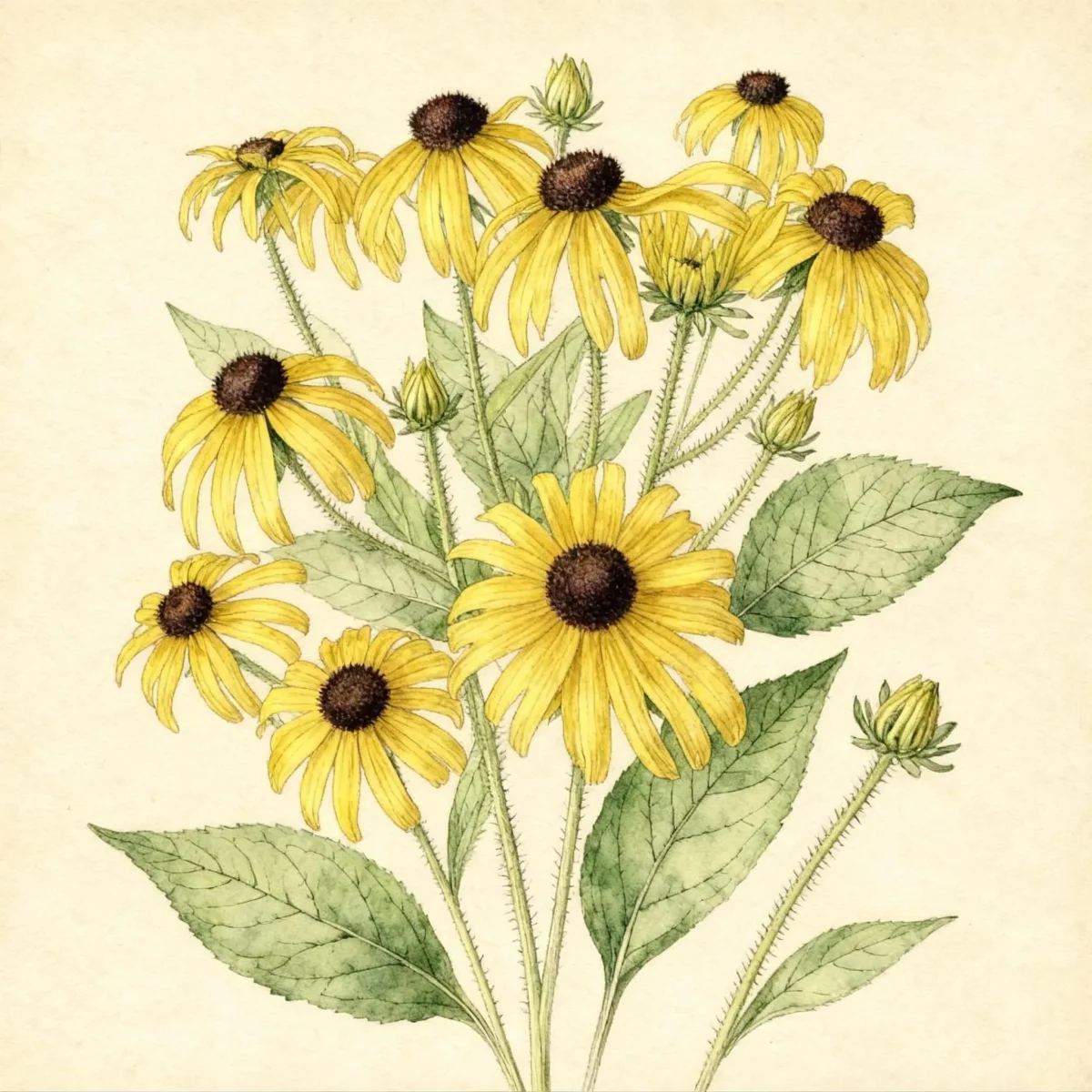
Black-eyed Susan (Rudbeckia fulgida 'City Garden')
Rudbeckia fulgida 'City Garden' is a compact Black-eyed Susan, perfect for small spaces, offering vibrant blooms from July to September.
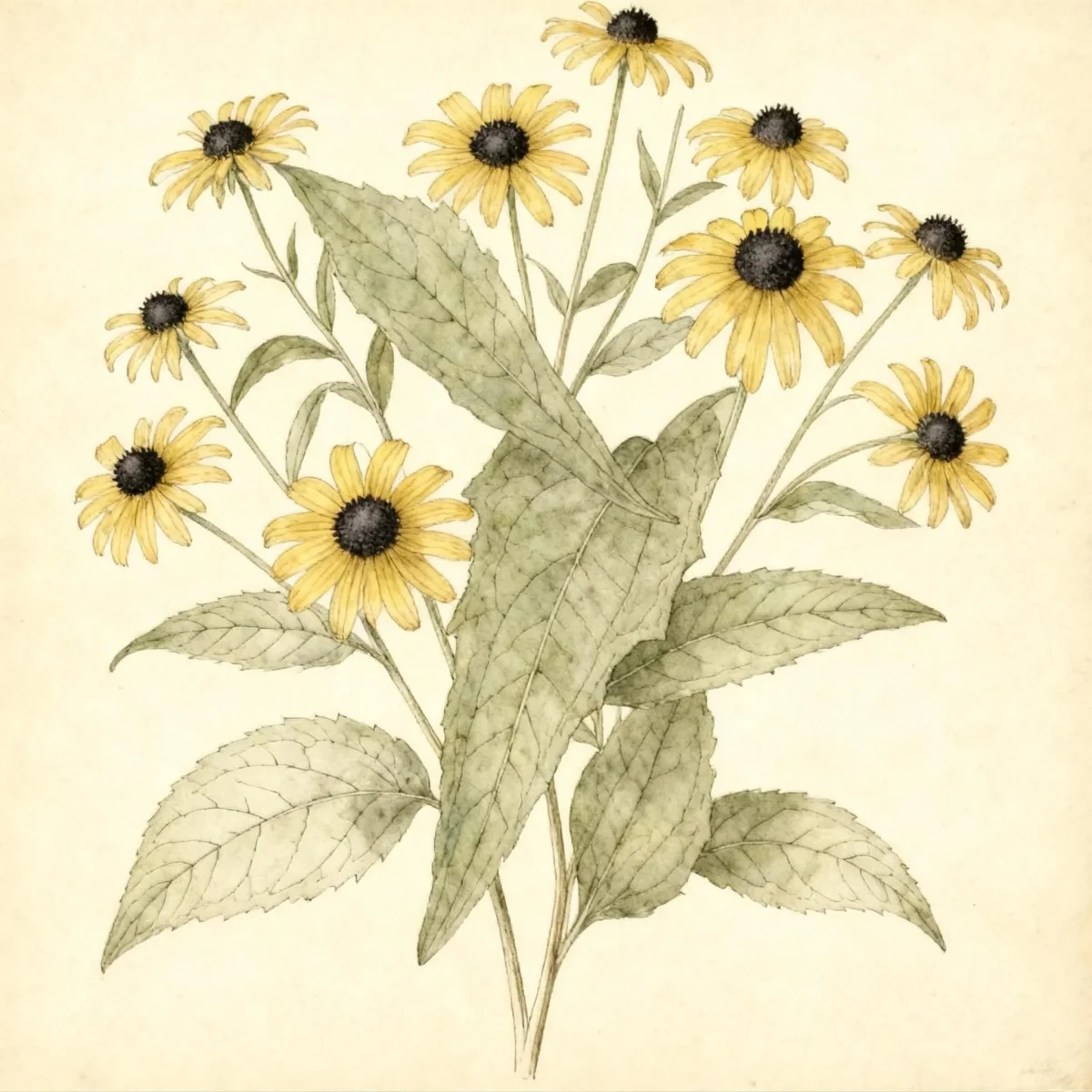

Bloom Boldly, No Matter the Season - Sweatshirt
Cozy organic cotton sweatshirt featuring our exclusive Purple Coneflower design. Perfect for gardeners who bloom year-round.
Inspired by the beautiful Black-eyed Susan
Limited first batch (50) — join the waitlist for early access
Waitlist closes Feb 15, 2026.
Complete Plant Information
Field Guide Continues
Ready for care notes, companion picks, and planting tips?
The map is just the start. The full guide below covers growth habits, seasonal performance, and landscape uses.
Overview
Rudbeckia fulgida ‘City Garden’, commonly known as Black-eyed Susan, is a premier choice for gardeners seeking reliable, long-lasting summer color in a manageable size. This cultivar is renowned for its compact habit, typically reaching only about one foot tall, making it ideal for edging borders or filling smaller urban garden spaces. Its durability, inherent toughness, and prolific bloom schedule are highly valued features.
This herbaceous perennial brings cheerful, daisy-like blooms featuring bright yellow-orange ray flowers surrounding a dark brown, dome-shaped cone from mid-summer right into early autumn. As a member of the Asteraceae family, it offers excellent ecological benefits, particularly by attracting critical pollinators like butterflies during its peak season.
The adaptability of Rudbeckia fulgida ‘City Garden’ ensures success across a wide range of growing conditions, from dry spells to heavy clay soils. Its low maintenance needs underscore its practical appeal, allowing gardeners to enjoy a virtually carefree display of vibrant hues through the hottest parts of the year.
Fast Facts
- Plant Family: Asteraceae
- Plant Type: Herbaceous perennial
- Hardiness Zones: USDA Zones 3-8
- Size at Maturity:
- Height: 0.75-1 ft
- Spread: 0.75-1.5 ft
- Bloom Time: July to September
- Bloom Description: Yellow-orange rays with dark brown cone
- Sun Exposure: Full sun
- Water Needs: Dry to medium
- Maintenance Level: Low
How to Grow
Plant this Black-eyed Susan in spring or fall when soil temperatures are moderate, ensuring it receives full sun exposure for the best flowering performance. Rudbeckia fulgida ‘City Garden’ thrives in organically rich, well-drained soils but demonstrates tolerance for average conditions, including clay soil. While it prefers consistent moisture during its first growing season, once established, it displays notable drought tolerance.
Maintenance for this compact perennial is minimal. Good air circulation is beneficial to prevent common fungal issues. To maximize the bloom period extending from July through September, deadhead spent flowers regularly. This practice encourages the plant to produce new buds rather than diverting energy into seed production.
Rudbeckia fulgida ‘City Garden’ will slowly spread by rhizomes, gradually forming pleasant clumps over time. In early spring, cut back the previous season’s dead foliage near the ground to allow fresh growth to emerge cleanly. This species generally handles urban environments well, resisting damage from deer browsing.
Landscape Uses
The compact nature of Rudbeckia fulgida ‘City Garden’ makes it incredibly versatile in landscape design. Its upright form is perfect for adding punchy color to the front of sunny borders, cottage gardens, or foundation plantings where taller varieties might overwhelm the view. Consider using this Black-eyed Susan in mass plantings to create a cohesive block of brilliant yellow across a meadow area or rain garden setting.
Because this coneflower is robust and handles various soil types, it blends well with other drought-tolerant perennials that share a full sun requirement. Pair it with structural plants like ornamental grasses or contrasting textures such as blue-flowering Salvia or Russian Sage for dynamic seasonal interest. Its suitability as a good cut flower also means it is a worthy inhabitant of cutting gardens.
For city gardeners or those with limited space, the roughly one-foot height of Rudbeckia fulgida ‘City Garden’ is a significant advantage, ensuring structure without excessive bulk. It also performs admirably when planted in containers, offering portable summer fireworks that cheer up patios and balconies.
Standout Features
Flower Qualities
- Showy
- Good Cut
- Good Dried
Noteworthy Characteristics
Rudbeckia fulgida is a herbaceous perennial native to the eastern United States which occurs in both dry and moist soils in open woods, glades and thickets. ‘City Garden’ is a compact black-eyed Susan that typically grows to only 12” tall on stiff, upright stems clad with hairy, oblong to lanceolate, dark green leaves. Daisy-like flowers measuring 2.5” in diameter, boasting bright yellow-orange rays and dome-shaped, dark brown cones, bloom singly atop strong stems from July to September.
Tolerances
- Deer
- Drought
- Clay Soil
- Air Pollution
Potential Problems
Rudbeckia fulgida ‘City Garden’ is generally robust, lacking serious insect or disease problems, which contributes to its low maintenance profile. However, in certain conditions, gardeners may observe cosmetic issues like aphids, powdery mildew, downy mildew, or leaf spot diseases. Aster yellows is another potential systemic issue to monitor. Ensure good air circulation around plants and avoid overhead watering late in the day to help mitigate many of the common fungal concerns.
Frequently Asked Questions
What hardiness zones is Black-eyed Susan suitable for?
Rudbeckia fulgida ‘City Garden’ performs well across USDA Hardiness Zones 3 through 8.
How large does Black-eyed Susan grow?
This compact variety typically reaches a mature height between 0.75 and 1 foot tall, with a spread ranging from 0.75 to 1.5 feet.
When does Rudbeckia fulgida ‘City Garden’ bloom?
This Black-eyed Susan provides prolific bloom time from July to September, showcasing deep yellow-orange ray flowers surrounding a dark brown cone.
What sun exposure does Rudbeckia fulgida ‘City Garden’ need?
This plant requires full sun for optimal health and the most abundant flowering display.
Conclusion
The low-maintenance nature, durability against difficult conditions like drought and clay, and the extended season of bright color make Rudbeckia fulgida ‘City Garden’ an invaluable addition to any sunny garden space. This specific Black-eyed Susan variety bridges the gap between wild charm and compact garden neatness. Before planting, confirm that your chosen location offers full sun conditions to ensure you enjoy its full potential throughout the summer months.
Wildlife Benefits
The brilliant, nectar-rich flowers of Rudbeckia fulgida ‘City Garden’ play a crucial role in supporting local ecosystems. Throughout its long blooming period, it serves as a significant fuel source for various beneficial insect pollinators, most notably butterflies seeking nourishment. Beyond the flowers, the mature seed heads provide essential sustenance for seed-eating birds when winter approaches.
Propagation Tips
As an upright, rhizomatous, clump-forming perennial, the easiest method for propagating Rudbeckia fulgida ‘City Garden’ is through division. This should ideally be done in early spring before new growth emerges or in the fall after the foliage has died back. Carefully dig up the clump, separate sections ensuring each division has healthy roots and several growing points, and immediately replant these divisions into their new locations. Division helps rejuvenate older clumps and keeps growth dense and vigorous.