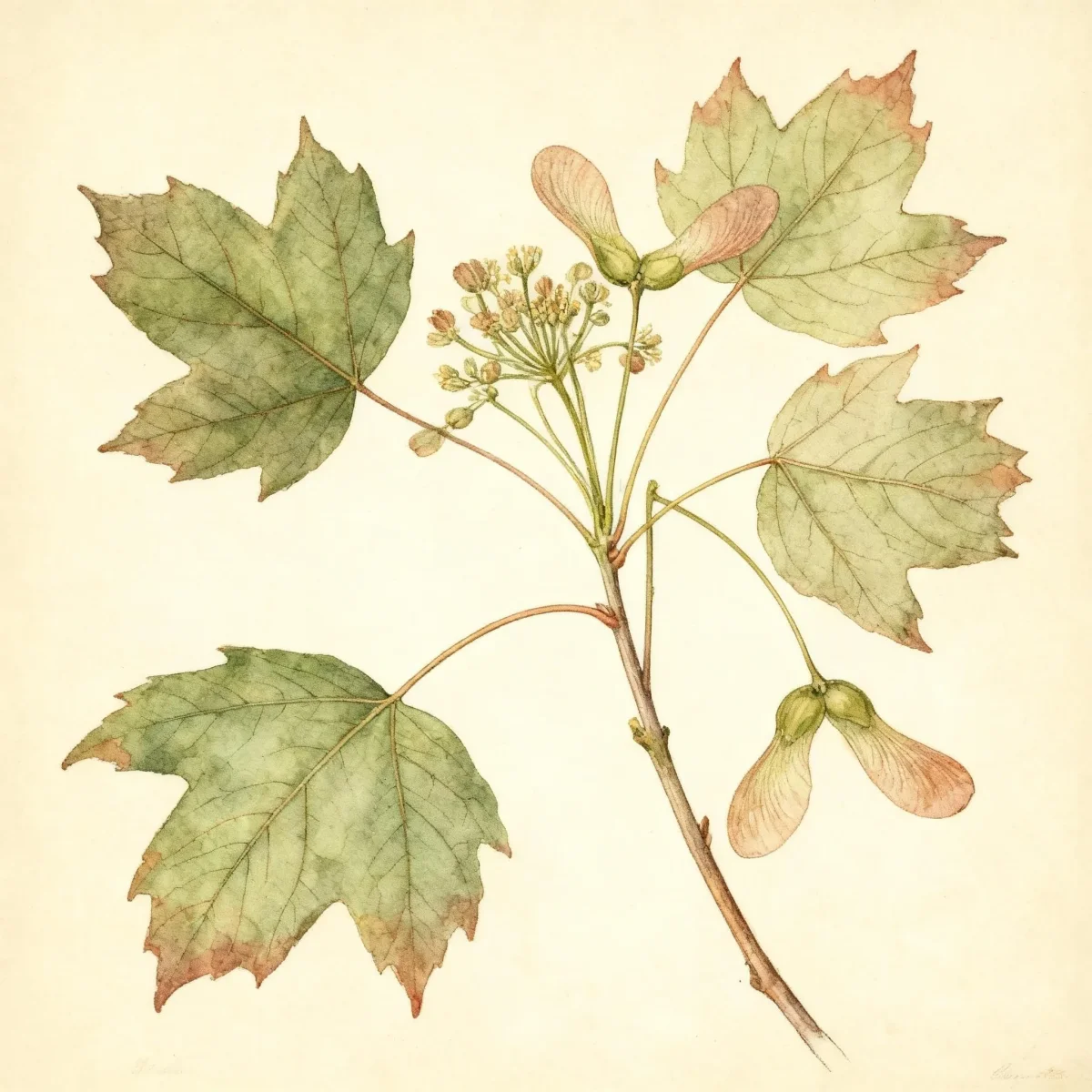
Sugar maple (Acer saccharum 'Bailsta' FALL FIESTA)
Acer saccharum 'Bailsta' FALL FIESTA is a vigorous Sugar maple cultivar offering brilliant fall color, reaching 60-75 ft tall.

Bloom Boldly, No Matter the Season - Sweatshirt
Cozy organic cotton sweatshirt featuring our exclusive Purple Coneflower design. Perfect for gardeners who bloom year-round.
Inspired by the beautiful Sugar maple
Limited first batch (50) — join the waitlist for early access
Waitlist closes Feb 15, 2026.
Complete Plant Information
Field Guide Continues
Ready for care notes, companion picks, and planting tips?
The map is just the start. The full guide below covers growth habits, seasonal performance, and landscape uses.
Overview
The Acer saccharum ‘Bailsta’ FALL FIESTA, known commonly as Sugar maple, is a celebrated deciduous tree highly valued for its spectacular seasonal displays. This specific cultivar, registered as ‘Bailsta’, exhibits vigorous growth, a reliable symmetrical form, and superior foliage quality compared to many species types. It stands as one of the quintessential trees defining the beautiful autumn landscapes of eastern North America.
This long-lived specimen matures into an impressive canopy reaching heights between 60 and 75 feet, casting substantial shade ideal for parks and large lawns. Beyond its visual appeal, the Sugar maple holds significant historical and commercial value, famously serving as the principal source for maple syrup production. Gardeners selecting Acer saccharum ‘Bailsta’ FALL FIESTA are investing in a durable shade structure with consistently excellent fall color.
Fast Facts
- Plant Family: Sapindaceae
- Plant Type: Tree
- Hardiness Zones: USDA Zones 3-8
- Size at Maturity:
- Height: 60-75 ft
- Spread: 30-45 ft
- Bloom Time: April
- Bloom Description: Greenish
- Sun Exposure: Full sun to part shade
- Water Needs: Medium
- Maintenance Level: Medium
How to Grow
Planting should ideally occur in the early spring or fall before the ground freezes, allowing the roots time to establish before summer stress. The Acer saccharum ‘Bailsta’ FALL FIESTA thrives best in fertile, slightly acidic, moist, and well-drained soils. Ensure the planting location receives full sun for the most impactful fall color, though it tolerates part shade. Avoid areas where soil drainage is poor or compaction is likely, as this species struggles under those conditions.
Ongoing care requires medium water inputs, especially during establishment or extended dry periods. While vigorous, fertilizing is usually unnecessary if the soil is fertile. Pruning should be kept minimal, focusing primarily on removing dead or crossing branches during the dormant season. Avoid pruning in late spring when sap flow is heavy to minimize potential “bleeding.”
A critical cultural note for this Sugar maple cultivar is its lack of tolerance for road salt. If planting near roadways, select a location where runoff or direct salt spray will not impact the root zone. Similarly, while FALL FIESTA shows good resistance to heat and drought compared to its relatives, providing consistent moisture prevents common leaf scorch issues observed in high-stress urban settings.
Landscape Uses
The sheer size and dense, rounded crown of the Sugar maple make it an excellent specimen tree for providing substantial shade in open lawns or expansive park settings. The brilliant yellow, orange, and scarlet fall performance of the Acer saccharum ‘Bailsta’ FALL FIESTA is central to its appeal, making it a focal point plant in larger landscape designs. While it is recommended as a street tree, successful placement requires careful consideration of its intolerance to salt, compaction, and pollution often found adjacent to busy roads.
When used as a specimen, allow ample room for its mature spread of 30 to 45 feet. Consider underplanting resistant, shade-tolerant groundcovers or placing lower-growing shrubs that do not compete heavily for surface moisture. Its strong vertical presence works well in the background of mixed borders, framing views, or flanking entranceways where its majestic structure can be fully appreciated across the seasons.
Standout Features
Flower Qualities
- Insignificant
Noteworthy Characteristics
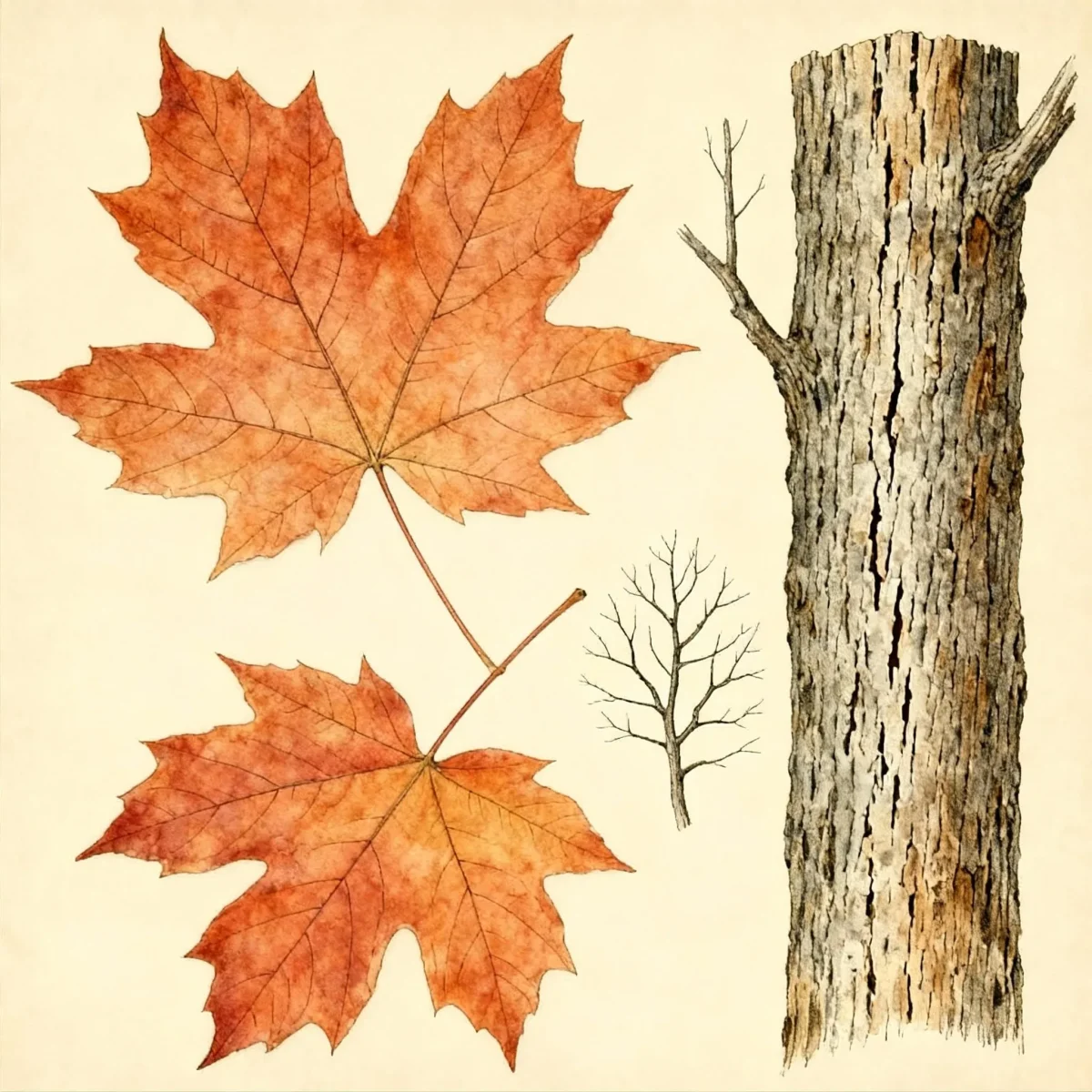
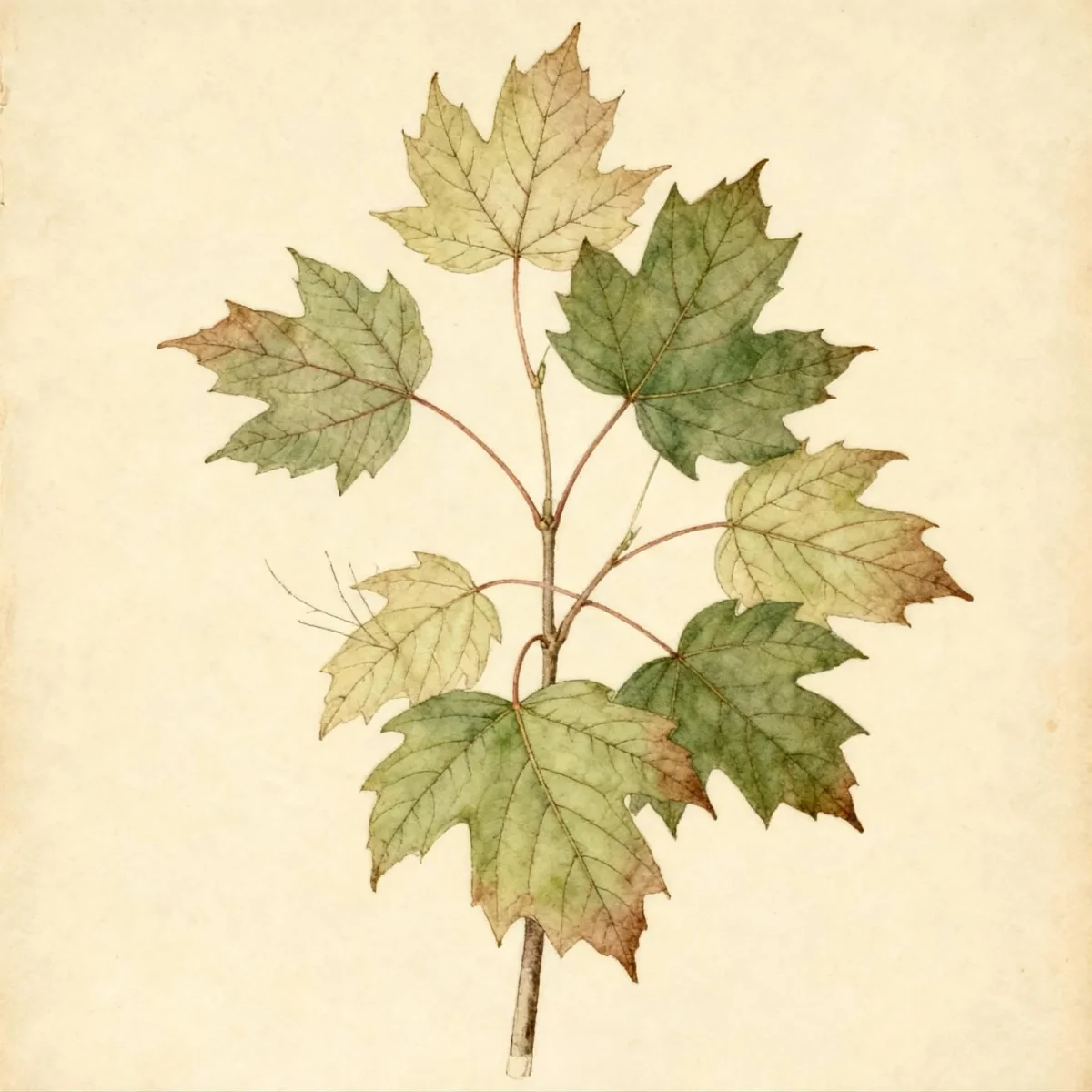
The native Sugar maple is one of the key species responsible for New England’s legendary autumn display, featuring leaves that turn yellow-orange; the patented cultivar ‘Bailsta’ (FALL FIESTA) improves upon this with more vibrant reds and oranges, rapid growth, and superior resistance to leaf scorch and tatter compared to standard types. Selected for its thick, leathery, glossy deep green leaves and excellent winter hardiness, this tree grows into an upright, symmetrical form reaching 60 to 75 feet tall. Historically significant for maple syrup production, this cultivar offers a durable, aesthetically superior package for the modern landscape.
Tolerances
- Generally intolerant of road salt
- Generally intolerant of urban pollution
Potential Problems
This Sugar maple is susceptible to several fungal issues, including verticillium wilt, leaf spot, cankers, and tar spot. It can also attract common pests such as aphids, borers, and scale insects. A practical management strategy involves ensuring excellent air circulation through appropriate pruning and avoiding overhead irrigation that keeps foliage wet, which reduces fungal risk.
If drought conditions become prolonged, the leaf scorch previously mentioned may occur, presenting as brown, crispy edges on the foliage. Supplement regular, deep watering during summer stress periods to mitigate this aesthetic damage, particularly in younger trees. Always inspect new plantings for signs of borers, which target stressed trunks.
Frequently Asked Questions
What hardiness zones is Sugar maple (Acer saccharum ‘Bailsta’ FALL FIESTA) suitable for?
This variety is hardy across a wide range, suitable for USDA Zones 3 through 8.
How large does Sugar maple grow?
The Acer saccharum ‘Bailsta’ FALL FIESTA typically reaches a mature height between 60 and 75 feet, with a substantial spread ranging from 30 to 45 feet wide.
What sun exposure does Sugar maple need?
For optimal health and the best fall performance, this tree requires full sun, though it can tolerate partial shade.
When does Sugar maple bloom?
Flowering occurs in April, characterized by clusters of greenish flowers appearing before the main leaf flush.
Conclusion
The Acer saccharum ‘Bailsta’ FALL FIESTA stands out as a magnificent, high-performing Sugar maple cultivar, delivering rapid growth, an excellent symmetrical habit, and outstanding scarlet and orange fall color. Its resilience against scorch makes it a reliable landscape anchor for properties within USDA Zones 3-8. Before planting the FALL FIESTA, verify your soil drainage and ensure the location is free from road salt exposure for the healthiest long-term display.
Companion Planting
Selecting appropriate companions for the Sugar maple involves pairing plants that share similar medium water needs and tolerate its developing shade canopy. Consider leveraging its cultural profile by planting shade-tolerant perennials beneath its drip line that prefer well-drained, slightly acidic soil, such as Hosta varieties known for contrasting leaf textures or Astilbe for summer flower interest near moist areas. Avoid shallow-rooted turfgrasses directly beneath the canopy as they compete aggressively for surface moisture needed by the tree.
When planting this large shade tree, leave significant space between it and other large canopy trees to ensure adequate air circulation, which is crucial for managing potential leaf diseases like tar spot or mildew. For areas where you must plant near paved surfaces, focus on establishing a wide, uncompacted mulch ring around the base, which buffers the roots from high heat and pollution stress, benefiting both the Maple and any adjacent foundation plantings.