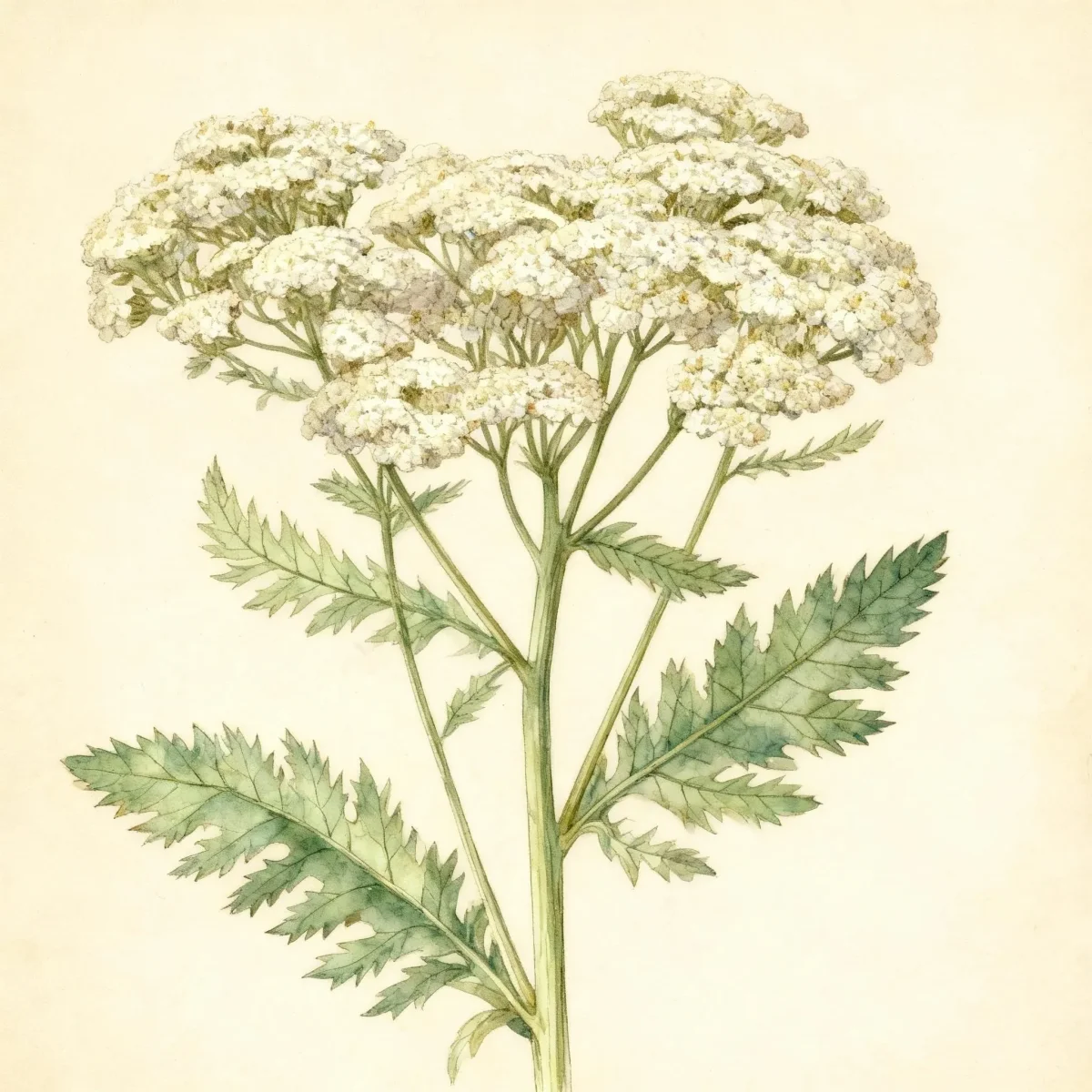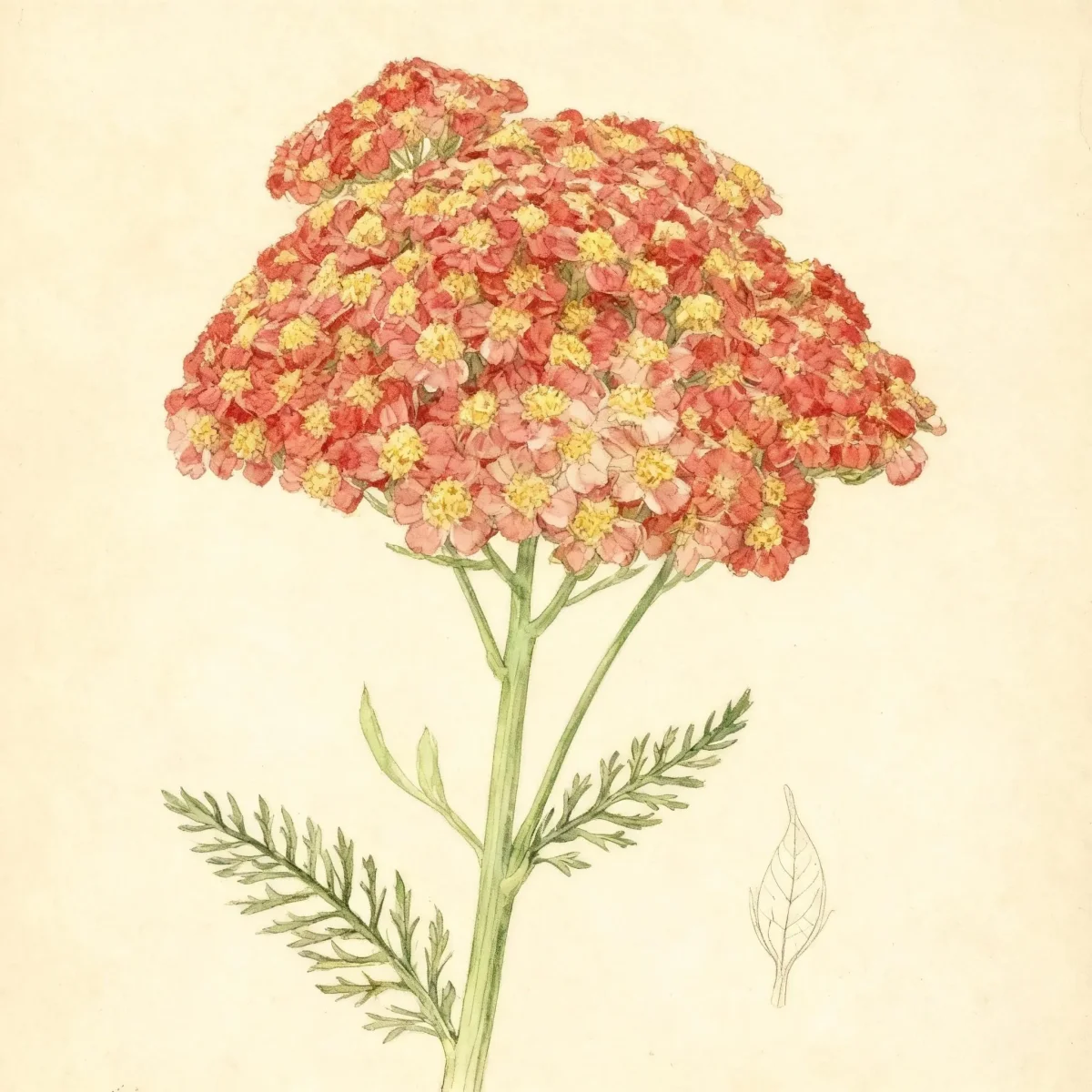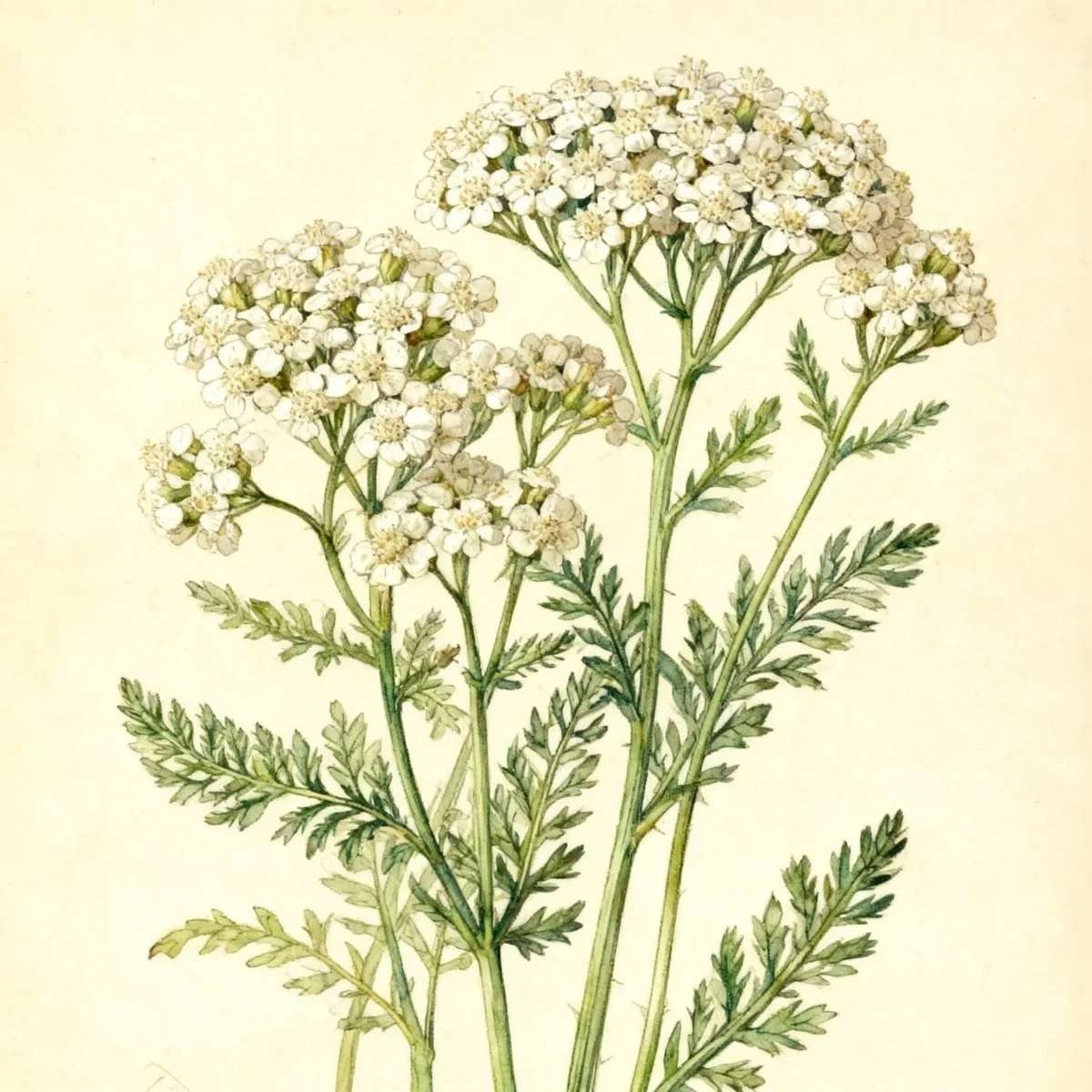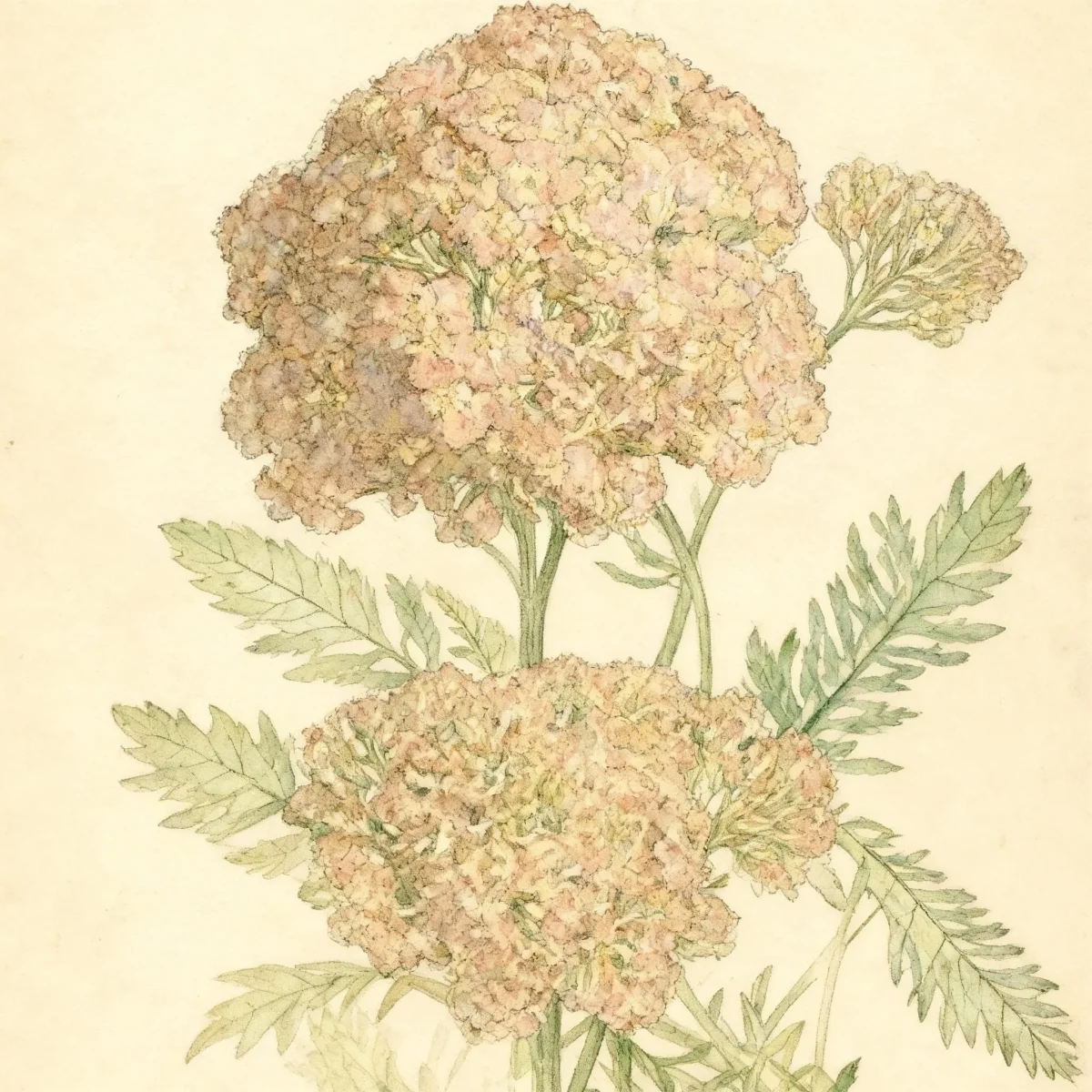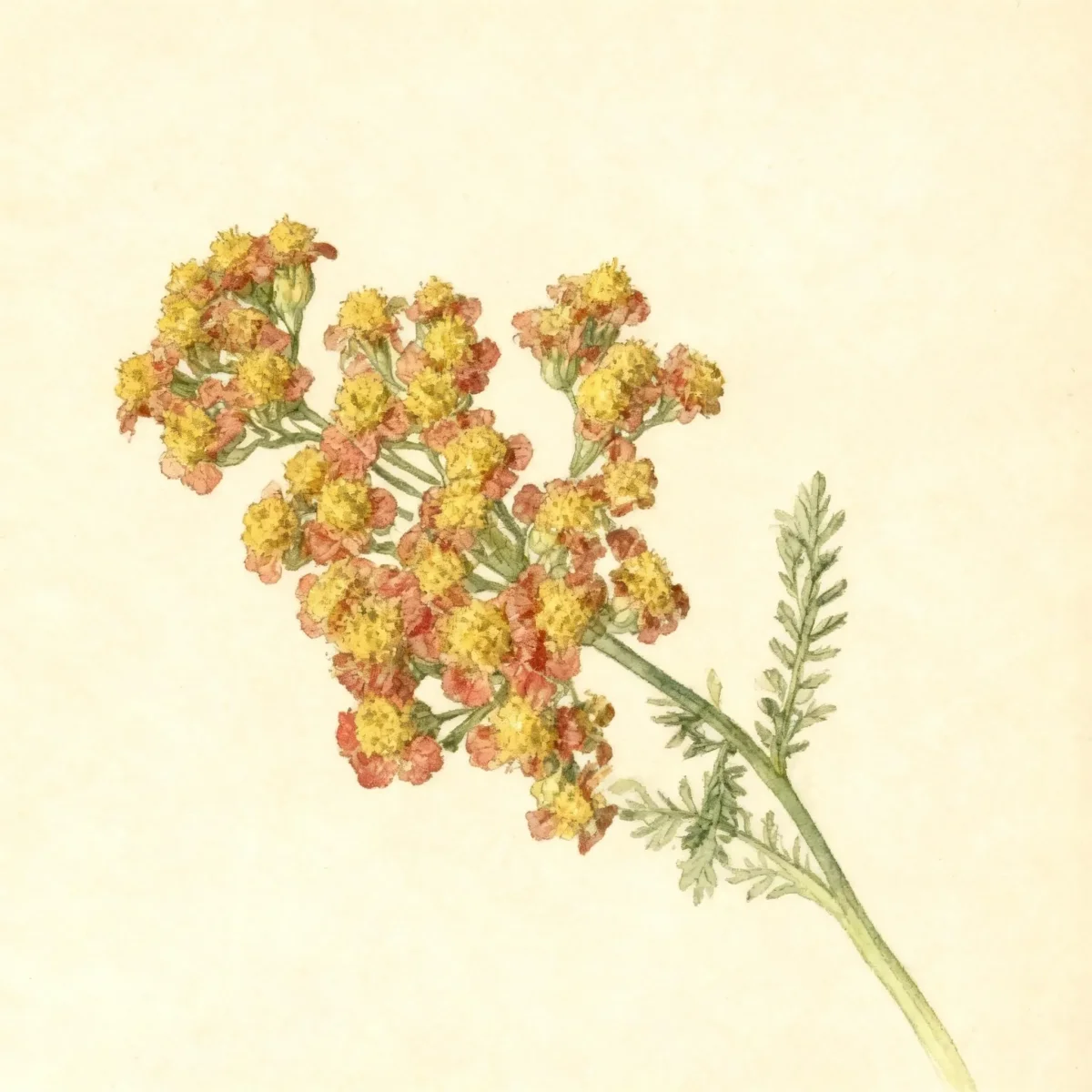

Yarrow (Achillea millefolium 'Pomegranate')
Achillea millefolium 'Pomegranate' (Yarrow) is a low-maintenance perennial offering magenta blooms, drought tolerance, and ferny foliage.


Bloom Boldly, No Matter the Season - Sweatshirt
Cozy organic cotton sweatshirt featuring our exclusive Purple Coneflower design. Perfect for gardeners who bloom year-round.
Inspired by the beautiful Yarrow
Limited first batch (50) — join the waitlist for early access
Waitlist closes Feb 15, 2026.
Complete Plant Information
Field Guide Continues
Ready for care notes, companion picks, and planting tips?
The map is just the start. The full guide below covers growth habits, seasonal performance, and landscape uses.
Overview
Achillea millefolium ‘Pomegranate’ is a highly valued herbaceous perennial celebrated for its vigorous growth and vibrant magenta flower clusters that persist through summer. This cultivar of Yarrow is particularly favored for bringing strong color to dry, sunny borders while demanding very little intervention from the gardener. Its finely dissected, aromatic foliage adds a delicate texture that contrasts beautifully with its dense, flat-topped blooms.
As a member of the Tutti Frutti Series, ‘Pomegranate’ offers superior stem strength compared to some taller wild Achillea millefolium types, though proper siting remains important. It thrives in full sun and tolerates poor soils, making it an excellent choice for challenging, hot locations where many other perennials struggle.
This tough Yarrow easily naturalizes, forming substantial colonies over time, which contributes to wildflower meadows or cottage garden settings. Whether used fresh from the garden orDried, the striking deep-pink color of Achillea millefolium ‘Pomegranate’ ensures it remains a functional and aesthetic powerhouse in the landscape.
Fast Facts
- Plant Family: Asteraceae
- Plant Type: Herbaceous perennial
- Hardiness Zones: USDA Zones 4-8
- Size at Maturity:
- Height: 1.5-2 ft
- Spread: 1.5-2 ft
- Bloom Time: June to September
- Bloom Description: Magenta
- Sun Exposure: Full sun
- Water Needs: Dry to medium
- Maintenance Level: Low
How to Grow
Achillea millefolium ‘Pomegranate’ establishes best when planted in spring or fall in a location receiving full sun throughout the day. Success with this Yarrow is contingent upon excellent drainage; ensure the soil is lean, dry to medium, and well-drained, even if it is sandy loam or average garden soil. This plant tolerates poor soil conditions well, which helps mitigate stem flopping.
Water needs are minimal once established, as this drought-tolerant perennial thrives on dry to medium moisture levels and handles hot, humid summers effectively. Avoid rich soils and excessive moisture, as these conditions, combined with high humidity, invite disease and weaken the stems, leading to lodging.
Maintenance is generally low, but proactive deadheading or cutting back is essential for ornamental appeal. Consider shearing stems back by one-third in late spring to encourage a shorter, sturdier habit. After the initial flush of magenta flowers fades, cut the stems back to lateral flower buds to refresh the appearance and promote repeat blooming. Alternatively, cut back to the basal foliage after the main season ends to keep the patch tidy before winter. Divide large clumps every 2–3 years to maintain the vigor of your Achillea millefolium ‘Pomegranate’ planting.
Landscape Uses
Achillea millefolium ‘Pomegranate’ is perfectly suited for mass plantings where it can naturalize, such as in meadows, prairies, or alongside driveways and fields. It excels in cottage gardens, providing fine-textured foliage and vibrant stops of magenta among softer plantings. Because of its drought tolerance and ability to thrive in poor conditions, it performs exceptionally well in rock gardens or seaside plantings where soil quality is challenging.
This Yarrow is also remarkably versatile for cut flower work. Its strong heads dry beautifully, retaining color well for use in winter arrangements, capitalizing on its “Good Dried” quality. For a dynamic display, pair the upright habit of Achillea millefolium ‘Pomegranate’ with plants that offer contrasting textures, such as ornamental grasses or Sedum varieties that enjoy similar dry, sunny conditions. It also grows well in containers, provided the container has excellent drainage holes to prevent overly rich, moist conditions.
Standout Features
Flower Qualities
- Showy
- Good Cut
- Good Dried
Noteworthy Characteristics
The specific epithet millefolium refers to the highly dissected, fern-like foliage that makes this plant aromatic. ‘Pomegranate’ is especially notable for its vibrant magenta flowers and a more compact stature than older Achillea millefolium species, helping it better withstand summer weather hazards. Legend ties the genus name, Achillea, to the mythological hero Achilles, who reportedly used the plant medicinally to treat battle wounds.
Tolerances
- Deer
- Drought
- Dry Soil
- Air Pollution
Potential Problems
Achillea millefolium ‘Pomegranate’ generally resists pests, but certain fungal diseases can appear. Occasional issues include stem rot, rust, and powdery mildew, especially in humid conditions or when air circulation is poor. To prevent rot, ensuring the recommended dry to medium water needs are met is crucial, particularly avoiding overhead watering late in the day.
The primary management concern is stem integrity. Plant stems can be weak and lodge easily, especially if the plant is sited in moist, rich soil or exposed to heavy summer winds and rain. To combat flopping, consistently cut back stems in late spring to keep the plant denser and shorter. Aggressive spreading via rhizomes and self-seeding means you may need to divide or manage the edges of the planting every few years to keep the Yarrow colony contained to its designated area.
Frequently Asked Questions
What hardiness zones is Yarrow suitable for?
Achillea millefolium ‘Pomegranate’ is rated for USDA Zones 4 through 8.
How large does Achillea millefolium ‘Pomegranate’ grow?
This perennial typically reaches a height between 1.5 and 2 feet and spreads to a similar width of 1.5 to 2 feet.
What sun exposure does Yarrow need?
This plant requires full sun exposure to maintain its compact form and abundant magenta blooms.
When does Achillea millefolium ‘Pomegranate’ bloom?
You can expect this Yarrow to bloom continuously from June through September, displaying striking magenta flowers.
Conclusion
The resilience and beauty of Achillea millefolium ‘Pomegranate’ make it an indispensable perennial for sunny, dry locations. Providing long-lasting magenta color that works well as a cut flower or dried specimen, this tough variety of Yarrow outperforms many others grown in less-than-ideal conditions. Check your local garden zone compatibility and plan installation in spring or fall to take advantage of its low-maintenance nature.
Companion Planting for Yarrow
For optimal garden health and aesthetic appeal alongside your Achillea millefolium ‘Pomegranate’, pair it with other sun-loving, drought-tolerant perennials. Companions that appreciate lean soil and full sun include Russian Sage (Perovskia atriplicifolia), which offers silvery foliage and vertical accents, or Coneflowers (Echinacea). Utilizing plants with different bloom times ensures continuous interest; plant early-blooming Alliums or hardy perennial Geraniums near the Yarrow patch. Avoid planting near moisture-loving plants, as overly wet soil conditions are the fastest way to stress this drought-tolerant species.
Designing with Aromatic Foliage
Utilize the distinct, aromatic, fern-like foliage of Achillea millefolium ‘Pomegranate’ as a textural element adjacent to coarser leaves, such as Lamb’s Ear’s fuzzy texture or Iris’s stiff blades. The fragrance released when the foliage is brushed is a benefit in pathways or areas where you frequently pause. Because this plant naturalizes readily, consider planting it at the transition point between a formal border and a wilder meadowscape, allowing the spreading habit to soften the edge gracefully. The deep magenta blooms stand out beautifully against blues and purples, making it an excellent choice near Lavender or Russian Sage.