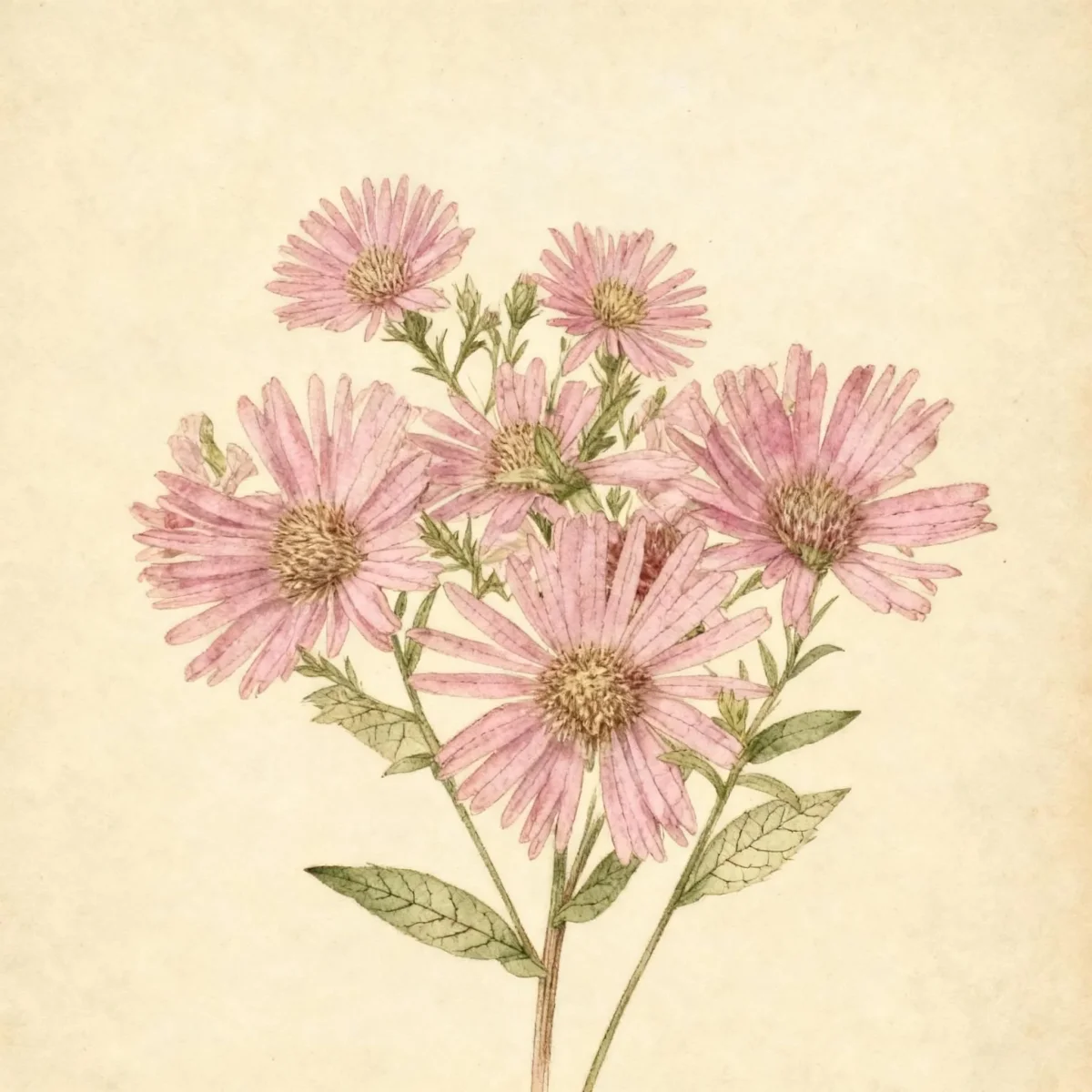
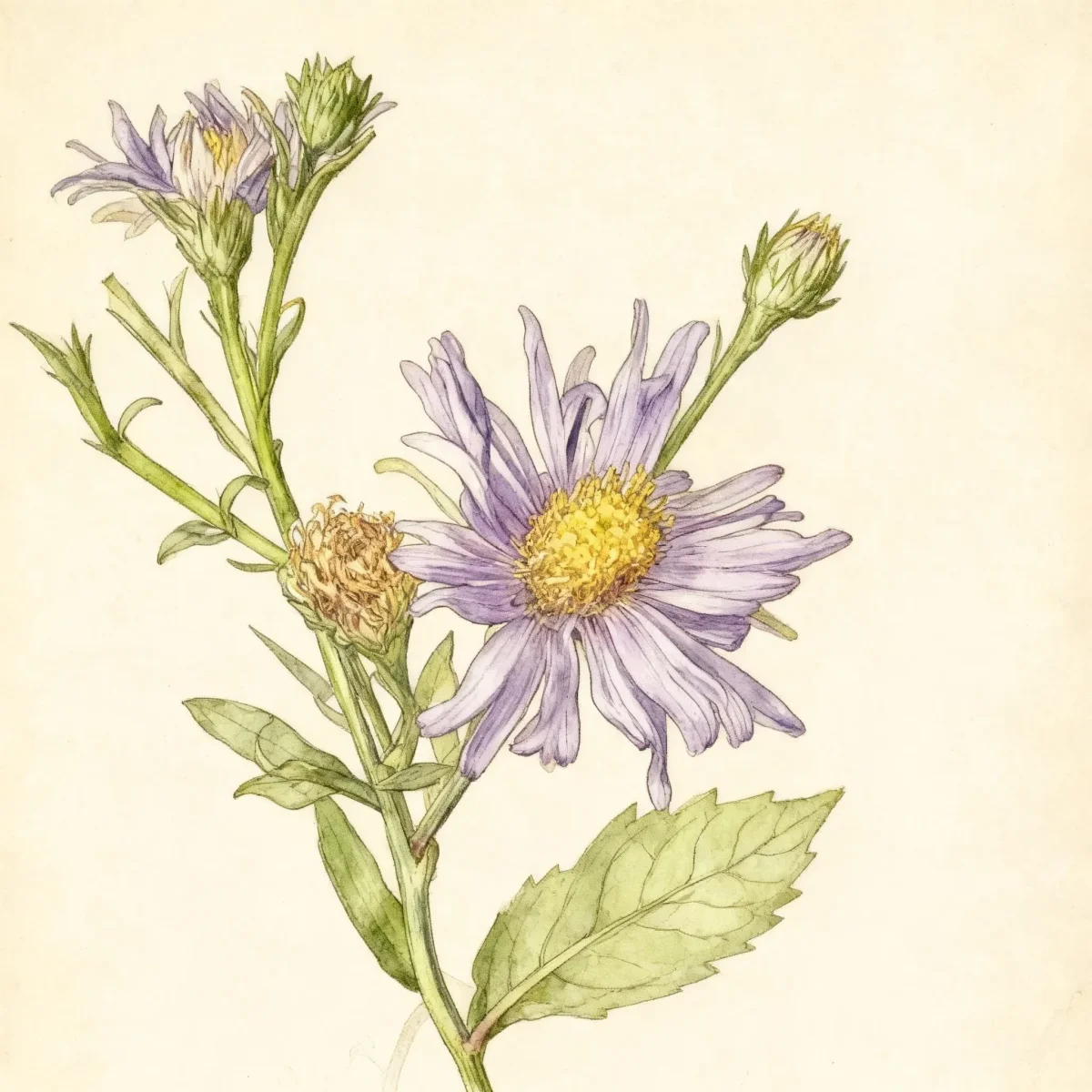
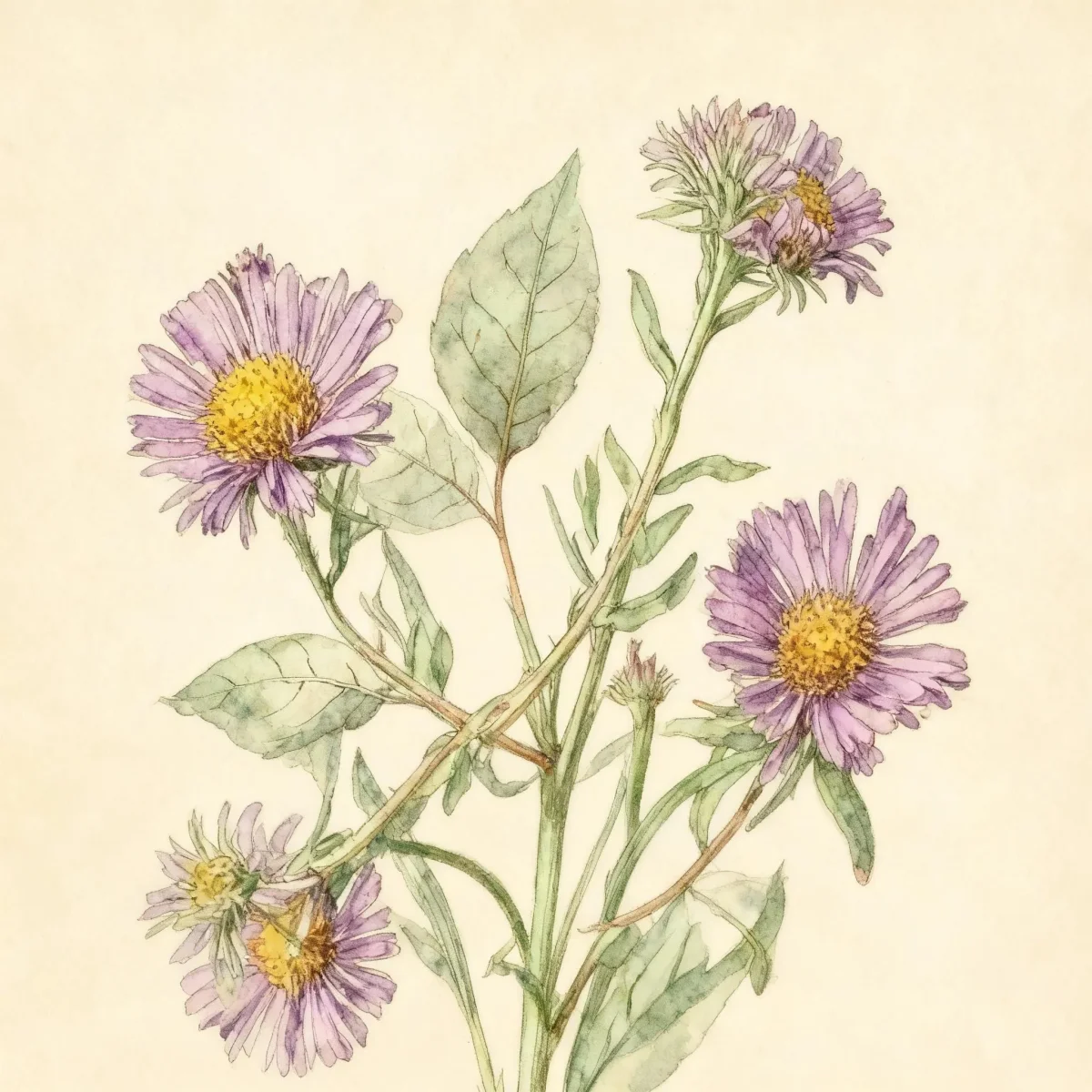
Michaelmas daisy (Symphyotrichum novi-belgii 'Blue Lagoon')
Charm your late-season garden with Symphyotrichum novi-belgii 'Blue Lagoon', a low-maintenance Michaelmas daisy offering clear blue blooms from summer through fall.

Bloom Boldly, No Matter the Season - Sweatshirt
Cozy organic cotton sweatshirt featuring our exclusive Purple Coneflower design. Perfect for gardeners who bloom year-round.
Inspired by the beautiful Michaelmas daisy
Limited first batch (50) — join the waitlist for early access
Waitlist closes Feb 15, 2026.
Complete Plant Information
Field Guide Continues
Ready for care notes, companion picks, and planting tips?
The map is just the start. The full guide below covers growth habits, seasonal performance, and landscape uses.
Overview
Symphyotrichum novi-belgii ‘Blue Lagoon’ is a cherished late-season bloomer, reliably known to gardeners as the Michaelmas daisy. This specific cultivar provides dense coverage of clear blue, daisy-like flowers, offering vibrant color when many other perennials are fading. Its relatively short stature and neat, bushy habit make it especially valuable in mixed borders where height may be an issue for taller asters.
As a herbaceous perennial, this plant thrives with relatively low maintenance once established. It is notably useful in wetter areas of the landscape, such as rain gardens, yet remains adaptable enough for various soil textures. The profuse bloom period from June well into September attracts numerous insect pollinators, boosting garden biodiversity late in the season.
Cultivating Symphyotrichum novi-belgii ‘Blue Lagoon’ ensures a dependable source of late summer and early fall color without requiring constant attention. Its tolerance for clay and wet soils, combined with its compact size, makes this particular Michaelmas daisy a versatile star for borders and seaside locations alike.
Fast Facts
- Plant Family: Asteraceae
- Plant Type: Herbaceous perennial
- Hardiness Zones: USDA Zones 4-8
- Size at Maturity:
- Height: 1-1.5 ft
- Spread: 1.5-2.5 ft
- Bloom Time: June to September
- Bloom Description: Clear blue
- Sun Exposure: Full sun
- Water Needs: Medium to wet
- Maintenance Level: Low
How to Grow
Plant this Michaelmas daisy in spring or fall, ensuring a location that receives full sun throughout the day for the best flowering. While adaptable, Symphyotrichum novi-belgii ‘Blue Lagoon’ performs best in organically rich soils that retain consistent moisture but remain well-drained. It displays admirable tolerance for both sandy and heavier clay soils, making it quite forgiving in site selection.
Water needs are medium to wet; consistent moisture is key not just for overall health but also for mitigating common foliar diseases. Good air circulation is also crucial, so avoid overly crowded plantings. Fertilization is generally unnecessary if the soil is organically rich; excessive fertility can lead to floppy stems.
To maintain the compact, bushy habit characteristic of ‘Blue Lagoon’, prune stems back severely to about 6 inches in late spring or early summer. This intervention encourages stronger, shorter stems and prevents flopping later in the season. After flowering concludes, the plants can be cut back further to minimize the potential for unwelcome self-seeding in the garden bed. Propagation of this reliable cultivar is easily achieved through division in the spring.
Landscape Uses
Symphyotrichum novi-belgii ‘Blue Lagoon’ excels in functional landscape roles, particularly in Rain Gardens, where its medium water needs are easily met, especially near drainage points. Its compact 1- to 1.5-foot stature allows it to serve perfectly as an edger or front-of-border planting, softening hard lines adjacent to pathways. This dwarf New York aster functions as an excellent, season-extending substitute for chrysanthemums later in the year.
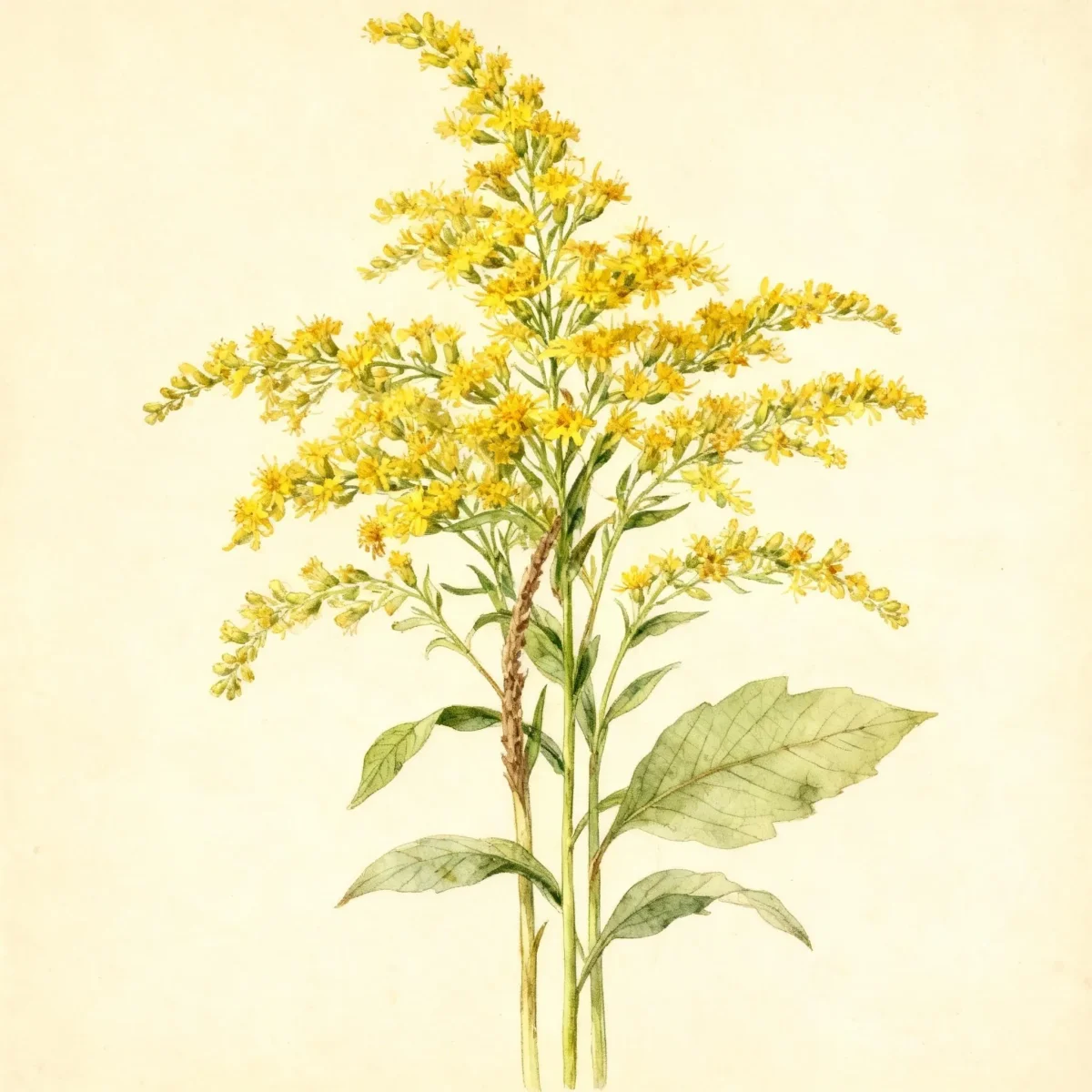
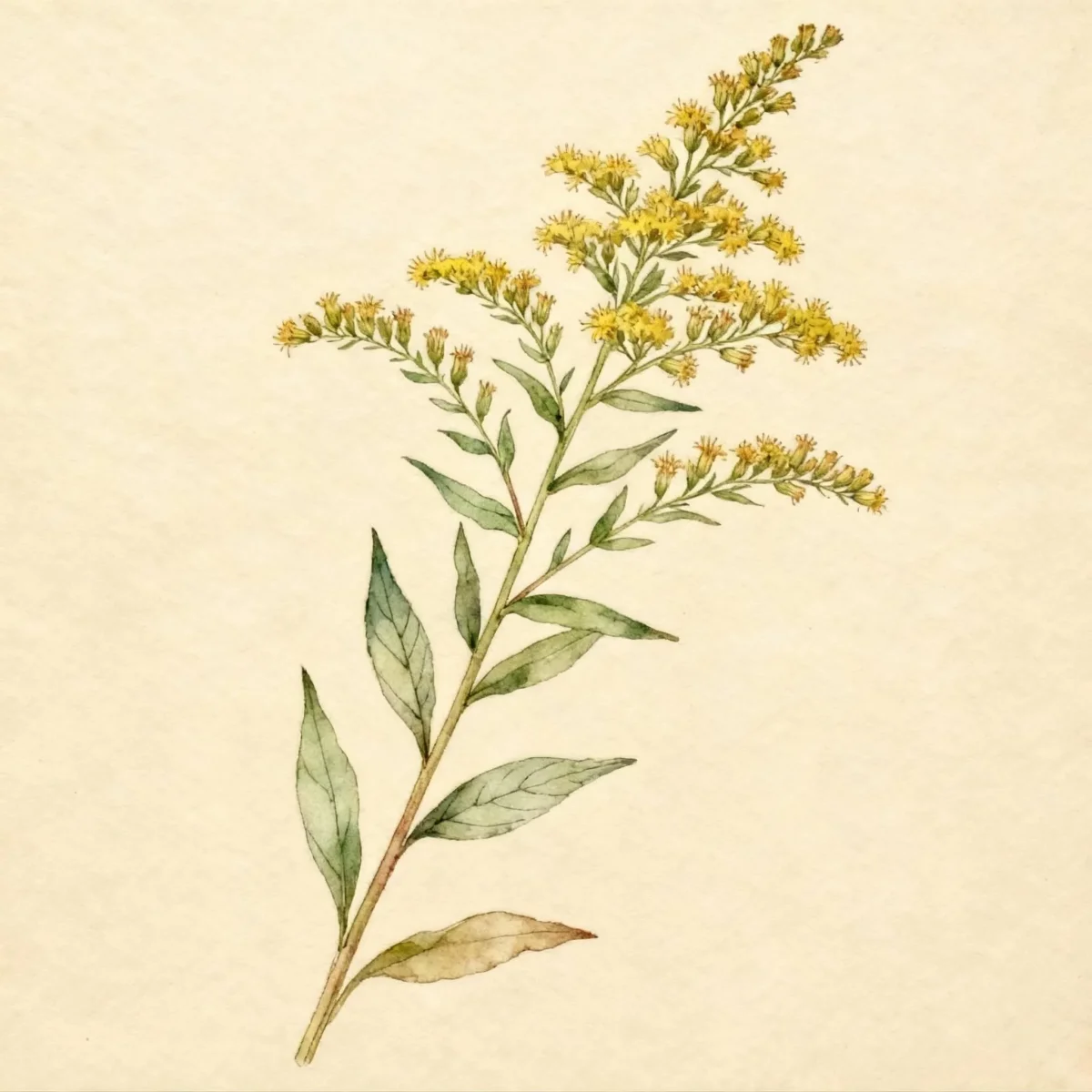
This plant is highly recommended for Butterfly Gardens due to its late-season nectar source, drawing in pollinators when other nectar sources diminish. Consider pairing the clear blue blooms of Symphyotrichum novi-belgii ‘Blue Lagoon’ with late-blooming goldenrods or Sedum to create a dramatic late-summer tapestry of color and texture. Its hardiness and tolerance for seaside conditions also make it suitable for coastal site planting.
Standout Features
Flower Qualities
- Showy
Noteworthy Characteristics
The genus name Symphyotrichum references the “coming together” of hairs on the flower anthers, while novi-belgii confirms its historical association with the New York region, formerly known as Novae Belgiae. ‘Blue Lagoon’ is specifically valued as a dwarf cultivar, typically remaining under 28 inches tall without needing the staking required by taller varieties. This New York aster provides spectacular, clear blue, daisy-like blooms that can nearly obscure the foliage from mid-summer until early fall.
Tolerances
- Clay Soil
- Wet Soil
Potential Problems
The primary concern when growing any Michaelmas daisy, including Symphyotrichum novi-belgii ‘Blue Lagoon’, is susceptibility to powdery mildew. This fungal issue appears as a white, dusty coating on the leaves, particularly evident in humid conditions or where air circulation is poor. To manage this, ensure plants are spaced adequately to allow for good airflow, and water the soil directly rather than wetting the foliage. Choosing a site with full sun also promotes quicker drying of any morning dew.
Frequently Asked Questions
What hardiness zones is Michaelmas daisy suitable for?
Symphyotrichum novi-belgii ‘Blue Lagoon’ is hardy and reliable across USDA Zones 4 through 8.
How large does Symphyotrichum novi-belgii ‘Blue Lagoon’ grow?
This dwarf cultivar typically reaches a modest height between 1 and 1.5 feet, with a spread of 1.5 to 2.5 feet wide.
What sun exposure does Michaelmas daisy need?
For the most abundant clear blue blooms, ensure this plant receives full sun exposure daily across all growing stages.
When does Symphyotrichum novi-belgii ‘Blue Lagoon’ bloom?
Expect a consistent, showy display of clear blue flowers spanning from early summer through September.
Conclusion
The low-maintenance nature and vibrant, late-season color provided by Symphyotrichum novi-belgii ‘Blue Lagoon’ make it an essential component for any late summer garden design. This Michaelmas daisy offers reliable color, pollinator support, and excellent adaptability to damp conditions. Ensure adequate pruning in the spring and check your local zone hardiness to enjoy this compact perennial for years to come.
Propagation Tips
Propagation for Symphyotrichum novi-belgii ‘Blue Lagoon’ is straightforward, with division being the most common and easiest method for gardeners. Divide large clumps of this herbaceous perennial in early spring before new growth aggressively begins. This process rejuvenates the plant, leading to more vigorous flowering in subsequent seasons.
While propagation via cuttings or seed is also possible, division ensures that new plants retain the exact characteristics of the ‘Blue Lagoon’ cultivar—specifically its desired dwarf height and deep blue color. If collecting seeds, remember that seed-grown asters may revert to the characteristics of the parent species, making division the superior choice for maintaining form.
Design Ideas
Grouping this Michaelmas daisy toward the middle or front of a border works perfectly due to its height profile. Consider planting the clear blue blooms alongside rich purple or deep burgundy foliage plants that fade earlier in the season to provide contrast. It pairs beautifully with sun-loving, moisture-tolerant companions like ornamental grasses or hardy Hibiscus cultivars that share its love for medium to wet soils.
For a cottage garden effect, allow Symphyotrichum novi-belgii ‘Blue Lagoon’ to mingle slightly with taller surrounding plants, letting its low, spreading habit fill in gaps around the bases of larger structures. If planting in containers, remember its requirement for consistent moisture; use moisture-retentive potting mix and monitor watering frequency closely, especially during peak summer heat.