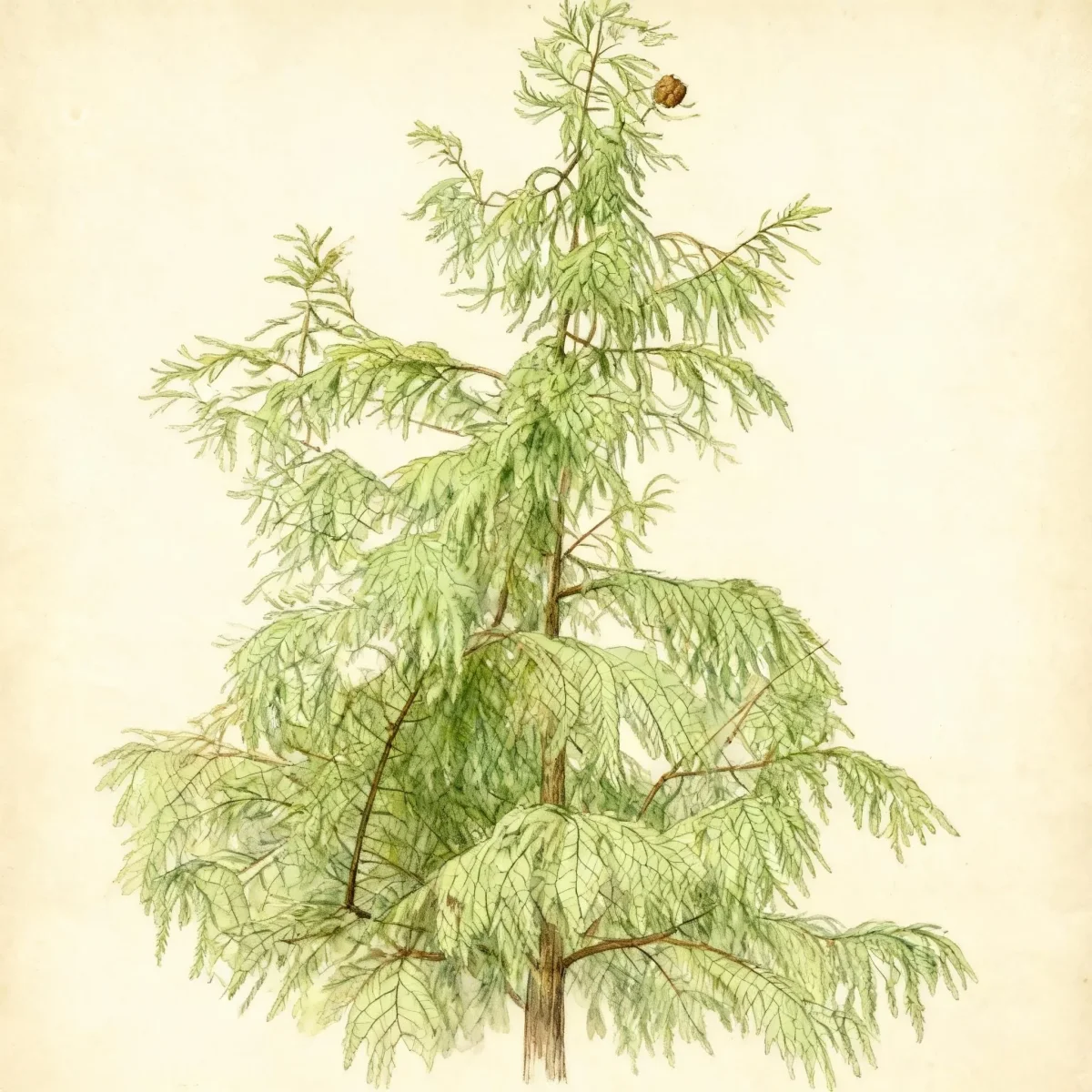
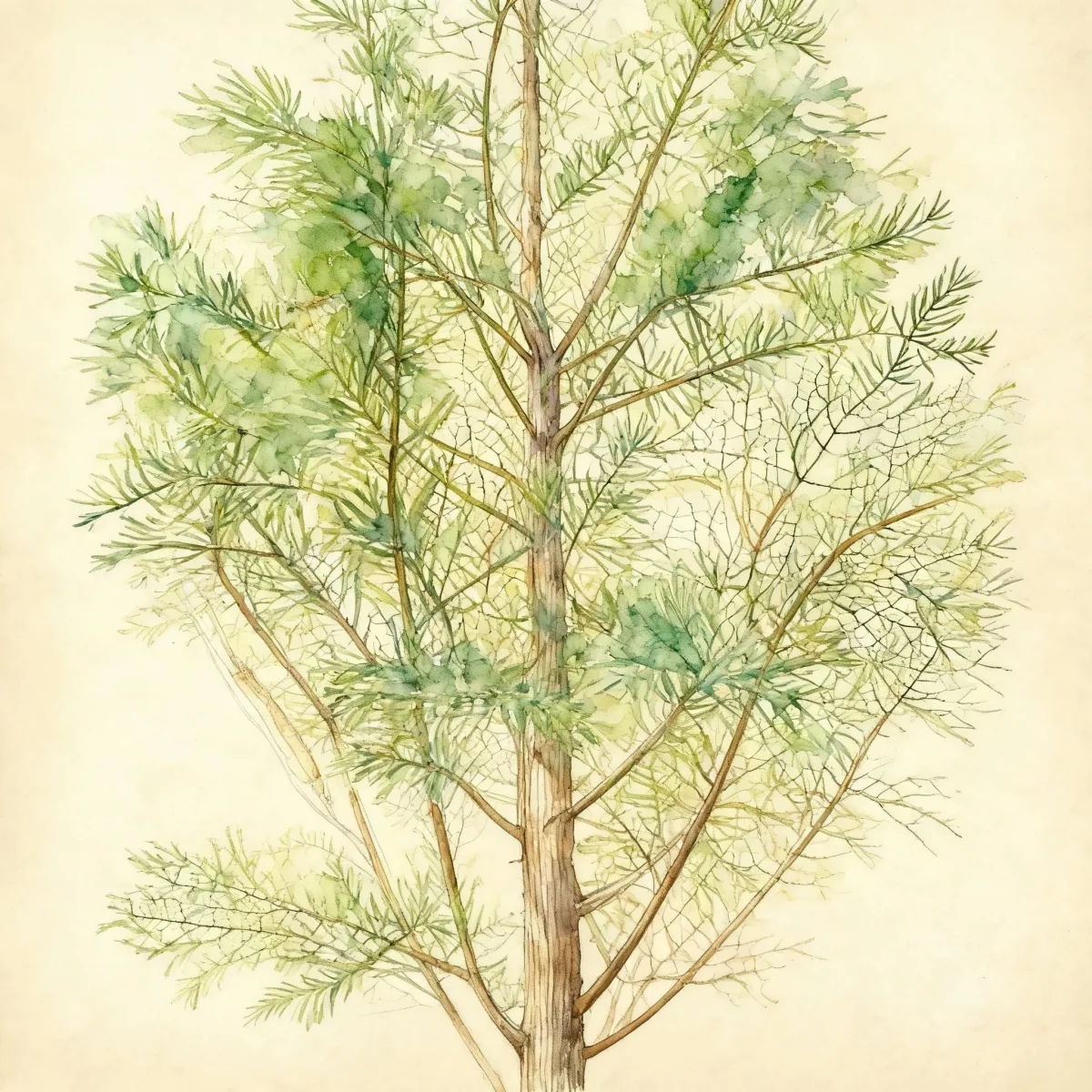
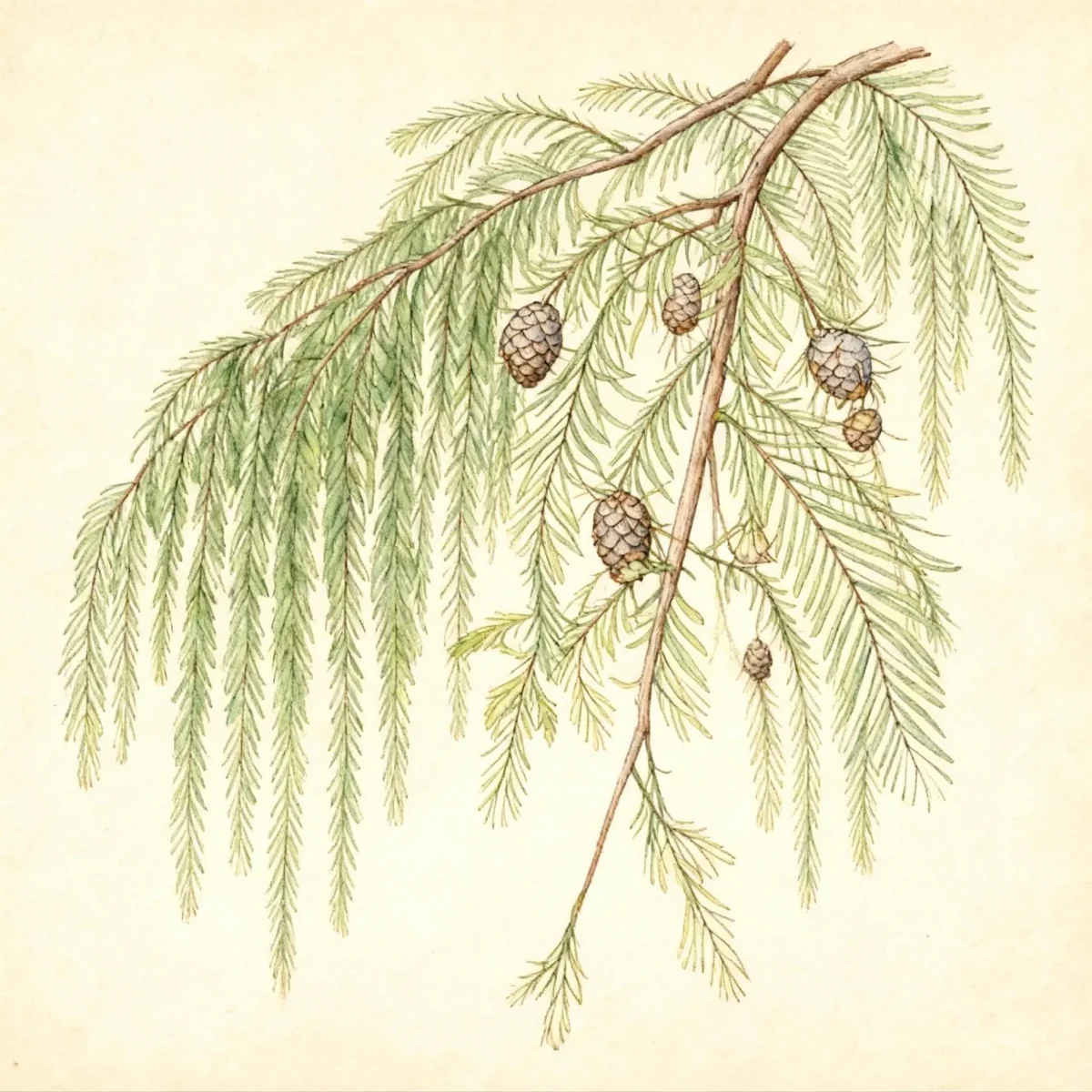
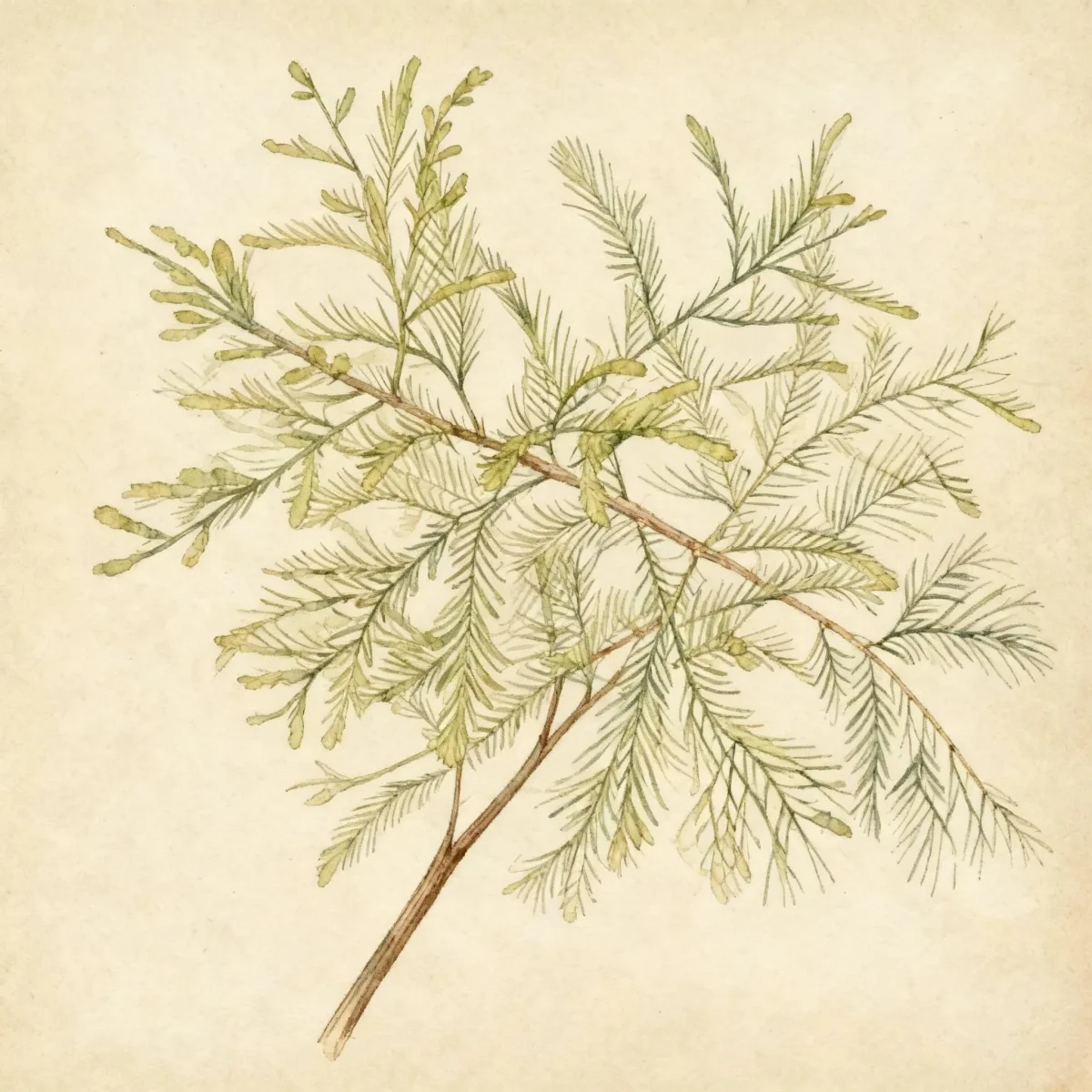
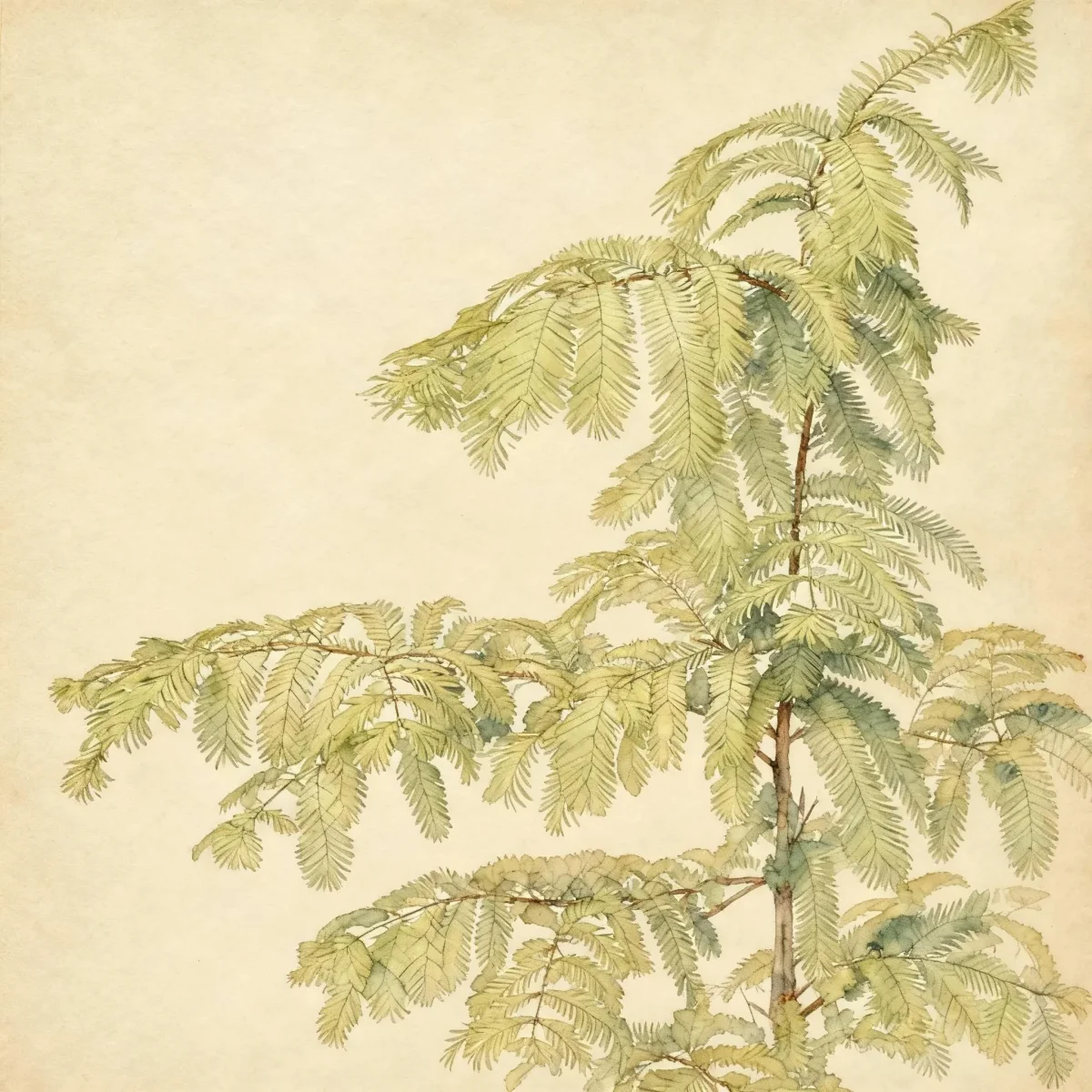
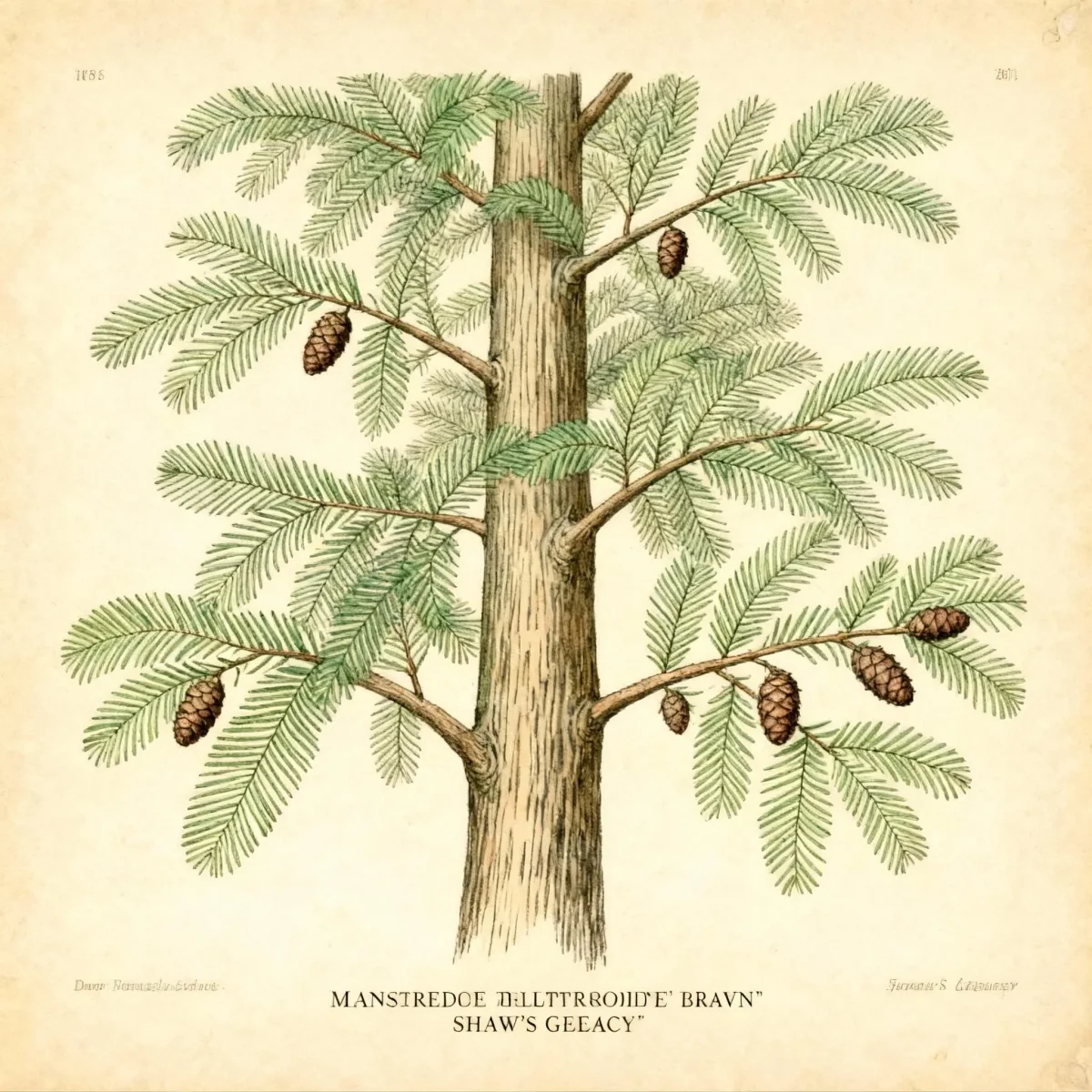
Bald cypress (Taxodium distichum var. Distichum)
The majestic Bald cypress (Taxodium distichum var. distichum) is a large, deciduous conifer known for tolerating wet soils and turning brilliant orange/cinnamon in autumn.

Bloom Boldly, No Matter the Season - Sweatshirt
Cozy organic cotton sweatshirt featuring our exclusive Purple Coneflower design. Perfect for gardeners who bloom year-round.
Inspired by the beautiful Bald cypress
Limited first batch (50) — join the waitlist for early access
Waitlist closes Feb 15, 2026.
Complete Plant Information
Field Guide Continues
Ready for care notes, companion picks, and planting tips?
The map is just the start. The full guide below covers growth habits, seasonal performance, and landscape uses.
Overview
The Bald cypress, scientifically known as Taxodium distichum var. distichum, is a uniquely valuable North American native tree. Though it possesses needle-like foliage similar to evergreens, it is deciduous, shedding its needles after turning a stunning orange-cinnamon hue in the fall—a feature that gives it the common name. This adaptability makes the Taxodium distichum var. Distichum an exceptional choice where traditional shade trees might fail, particularly in consistently moist environments.
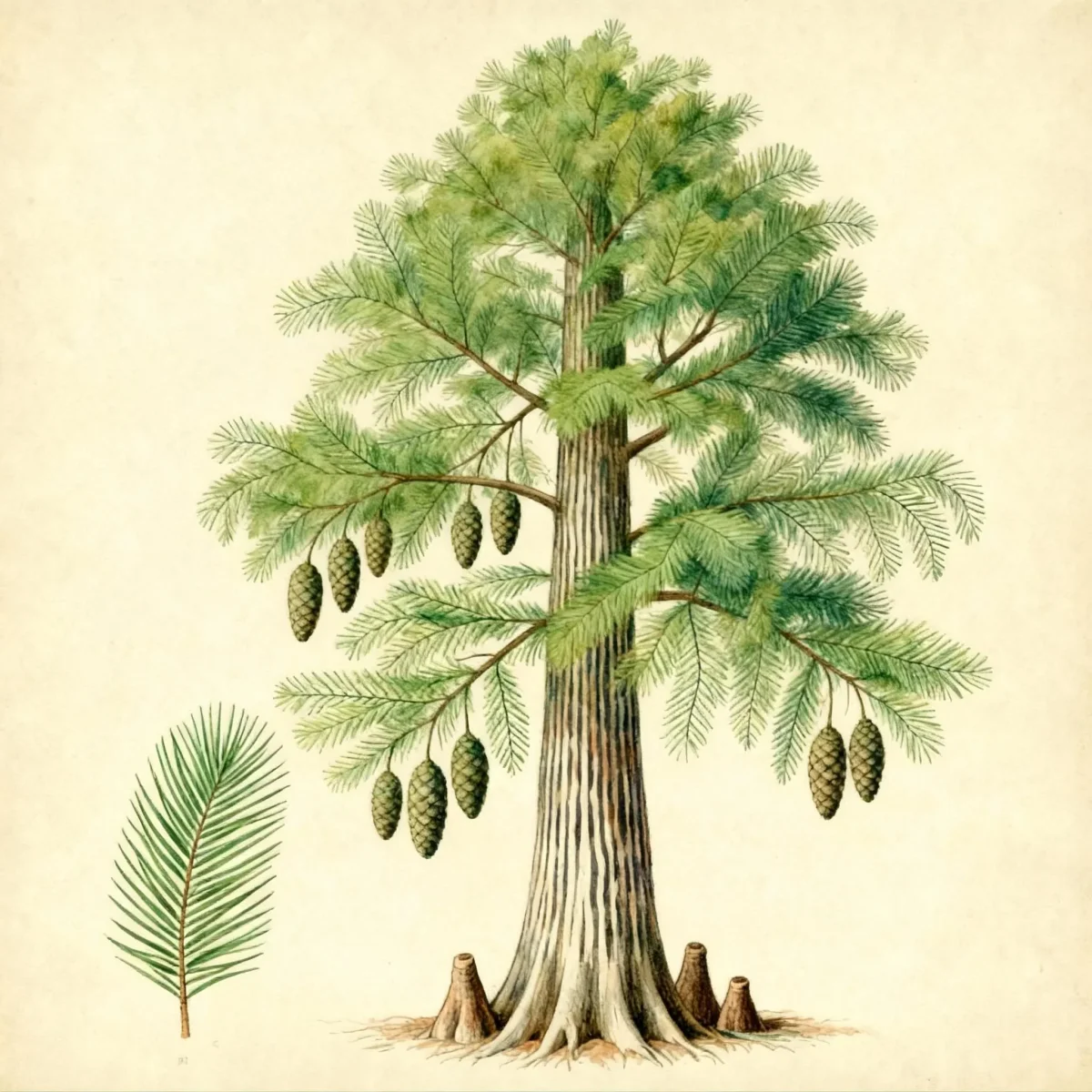
This long-lived conifer develops a distinctive, flared base structure, often producing knobby aerial roots called “knees” when growing in standing water. While famously found in southern swamps and bayous, the Bald cypress adapts remarkably well to drier, upland garden settings when provided full sun. Its soft, feathery texture contrasts beautifully with broader-leafed species in a landscape setting.
Gardeners appreciate the low maintenance demands and impressive mature size of Taxodium distichum var. distichum when a grand specimen is desired for large properties or specialized wet areas. Its rot-resistant wood and ability to thrive in challenging, moisture-heavy soils solidify its reputation as one of the most robust landscape trees available.
Fast Facts
- Plant Family: Cupressaceae
- Plant Type: Tree
- Native Range: Southeastern United States
- Hardiness Zones: USDA Zones 4-9
- Size at Maturity:
- Height: 50-70 ft
- Spread: 20-45 ft
- Bloom Time: Non-flowering
- Bloom Description: Brown
- Sun Exposure: Full sun
- Water Needs: Medium to wet
- Maintenance Level: Low
How to Grow
For optimal establishment, plant your Bald cypress in the spring or fall, utilizing its wide adaptability. While genetically predisposed to wet areas, the best growth occurs in average, moisture-retentive, yet reasonably well-drained soils, especially those that are slightly acidic and sandy. When planting in drier upland sites, ensure consistent moisture during the first few years to help establish a healthy root system, avoiding sites prone to prolonged drought.
Maintenance for established Taxodium distichum var. distichum is generally minimal. Fertilization is rarely required unless the tree exhibits signs of nutrient deficiency, often indicated by chlorosis in highly alkaline soils. Pruning is usually unnecessary, as the tree naturally assumes a pyramidal shape. Focus on removing any dead or crossing branches during the dormant season, although this species rarely suffers from significant structural issues.
This tree thrives in areas where other species struggle with excessive moisture. Its tolerance for wet soil makes it an ideal candidate for rain gardens or along the edges of ponds and streams. Although native to swampy environments, remember that even in cultivation, consistent moisture is preferred over deep drought, though it handles occasional drier spells better than many wetland specialists.
Landscape Uses
The recommended uses for Bald cypress highlight its exceptional niche in water management landscapes. It is an outstanding choice for a large ornamental tree in spacious parks or broad lawns, and its unique relationship with water makes it perfect for integrating into rain garden designs. Use it as a specimen planting where its unique buttressed trunk and eventual texture can be admired.
For properties with low spots that collect standing water through the season, Taxodium distichum var. distichum is unmatched. It excels when planted near water features, where its deciduous nature allows winter sunlight to penetrate, while providing dappled shade in summer. In large plantings, use them to define property borders or as a vertical element, keeping in mind their mature spread requires significant space.
Standout Features
Fruit Qualities
- Showy
Noteworthy Characteristics
Taxodium distichum, commonly called bald cypress, is a long-lived, pyramidal conifer (cone-bearing tree) which grows 50-70’ tall (less frequently to 125’). Although it looks like a needled evergreen (same family as redwoods) in summer, it is deciduous (“bald” as the common name suggests). In cultivation, however, it grows very well in drier, upland soils, developing buttressed trunks and sometimes producing distinctive “knees” when water is abundant. The soft, feathery, yellowish-green foliage turns an attractive orange/cinnamon-brown in the fall before dropping, followed by purplish-green cones maturing to brown.
Tolerances
- Deer
- Clay Soil
- Wet Soil
- Air Pollution
Potential Problems
Taxodium distichum var. Distichum is renowned for having few serious insect or disease issues, contributing to its low maintenance profile. The most common cultural problem encountered by gardeners is chlorosis, which manifests as yellowing foliage caused by nutrient uptake issues in soils with high alkalinity. Prevention involves ensuring the soil pH is slightly acidic upon planting.
Occasionally, minor insect pests like bagworms, gall mites, and spider mites may appear, usually requiring only minor intervention if populations explode. Twig blight can also occasionally affect branches, particularly in overly humid or stressed conditions. Promptly prune and dispose of any affected twigs to maintain vigor.
Frequently Asked Questions
What hardiness zones is Bald cypress suitable for?
The Bald cypress (Taxodium distichum var. distichum) performs reliably across USDA Hardiness Zones 4 through 9.
How large does Bald cypress grow?
When mature, this stately tree typically reaches heights between 50 to 70 feet tall, with a spread ranging from 20 to 45 feet wide.
What sun exposure does Bald cypress need?
The optimal condition for growing Taxodium distichum var. Distichum is full sun.
When does Bald cypress bloom?
This species is non-flowering, though it produces small brown reproductive structures.
Conclusion
The Bald cypress offers an exceptional combination of size, beauty, and adaptability, making it a versatile choice for large landscapes or challenging wet sites. Its deciduous nature provides seasonal interest, transitioning from bright green to rich autumn tones. When planning your landscape, evaluate your soil moisture and available space to ensure Taxodium distichum var. distichum can reach its full potential.
Companion Planting
Because the ideal environment for Bald cypress is moist and sunny, companion plants should share similar needs, especially if you are utilizing this tree in a rain garden or near a water feature. Consider lower-growing natives that tolerate wet feet, such as certain species of cardinal flower (Lobelia cardinalis) or irises, which can help soften the large base of the mature tree. For drier upland locations where the tree is thriving, standard moisture-loving perennials or hardy shrubs that tolerate moderate shade on the edges of the canopy work well.
Seasonal Care Calendar
Spring is the ideal time to observe the new flush of soft, feathery foliage on the Taxodium distichum var. distichum. Focus on providing deep watering during the first few years if the area does not naturally receive ample precipitation. Summer care revolves around monitoring for signs of stress, though its tolerance for heat and humidity is high. In the fall, enjoy the signature orange-brown needle color change before the tree drops its “bald” canopy. Winter is the easiest season; no significant protection is needed in its established zones, allowing the tree to rest.