Crape myrtle(Lagerstroemia 'JD900' EARLY BIRD WHITE)
Early Bird White crape myrtle brings white summer flowers to a compact shrub. Learn about siting, watering, natural pruning, and common problems.

Complete Plant Information
- Hardiness zones
- USDA 7–10
- Plant type
- Deciduous shrub
- Plant family
- Lythraceae
- Sun exposure
- Full sun
- Water needs
- Medium
- Maintenance
- Medium
- Height
- 5–8 ft (152–244 cm)
- Spread
- 3–4 ft (91–122 cm)
- Bloom time
- May to frost
- Flower color
- White
- Flower qualities
- Showy
- Fruit qualities
- Not recorded
- Tolerances
- Drought, Clay Soil, Air Pollution
- Garden uses
- Not recorded
- Native range
- Not recorded
Field Guide Continues
Ready for care notes, companion picks, and planting tips?
The map is just the start. The full guide below covers growth habits, seasonal performance, and landscape uses.
White Summer Flowers on a Compact Shrub
Early Bird White crape myrtle (Lagerstroemia ‘JD900’) offers the long flowering season of a crape myrtle in a shrub-sized plant. It grows about 5 to 8 feet tall and 3 to 4 feet wide, with clusters of white flowers beginning in late spring and continuing in flushes toward frost. Its smaller footprint makes it easier to place near a patio or in a mixed border than a tree-form crape myrtle.
It is listed for USDA Zones 7–10. Before choosing a permanent site, confirm your winter range on the hardiness zone map.
Give It Heat and Sun
Plant in full sun—at least six hours of direct light—for strong flowering and sturdy growth. Crape myrtles tolerate heat well once established but still need regular moisture during their first season. Choose well-drained soil and avoid a low spot where the roots remain wet.
Set the top of the root ball level with the surrounding ground, water deeply, and mulch the root zone without piling mulch against the stems. Once established, water during extended dry periods. Avoid heavy nitrogen fertilizer, which can push leafy growth at the expense of flowers.
Gardeners near the cold edge of its range can compare other options in the Zone 7 plant guide. If your winters are milder, browse plants for Zone 10.
Prune for Structure, Not Stubs
Early Bird White does not need severe annual cutting. In late winter or early spring, remove dead wood, rubbing branches, and weak shoots at the base. Keep the strongest framework and let the plant develop its natural outline. Cutting every stem back to thick stubs creates crowded regrowth and delays the graceful branch structure that makes crape myrtle attractive.
Its bark becomes more noticeable as stems mature. Place the shrub where low winter light can catch the trunks, and avoid hiding the base behind dense evergreen groundcover.
Where It Works Best
Use one plant as a summer focal point, repeat several along a sunny boundary, or include it in a mixed shrub border. White flowers are easy to combine with almost any color palette and show especially well against dark green foliage.
A compact shrub still needs room. Keep it away from narrow foundation gaps, air-conditioning units, and walks where a mature 3- to 4-foot spread will be inconvenient. Browse the full plant collection if you need an even smaller sunny-border plant.
Problems to Watch For
Powdery mildew can coat leaves in humid, crowded conditions, and aphids may leave sticky residue. Full sun, airflow, and watering at the soil line help keep foliage healthy. Crape myrtle bark scale may occur in some regions; identify the pest before treating rather than spraying on a schedule.
Common Questions
How large does Early Bird White get?
Expect roughly 5 to 8 feet in height and 3 to 4 feet in width, depending on climate and care.
Does it bloom on new growth?
Yes. Flowers form on the current season’s growth, but that is not a reason for harsh pruning.
Can it grow in part shade?
It may grow, but flowering is best in full sun.
Is it a tree or a shrub?
This selection has a compact, multi-stemmed shrub habit, though selective pruning can reveal more of its lower stems.
Recommended Companion Plants
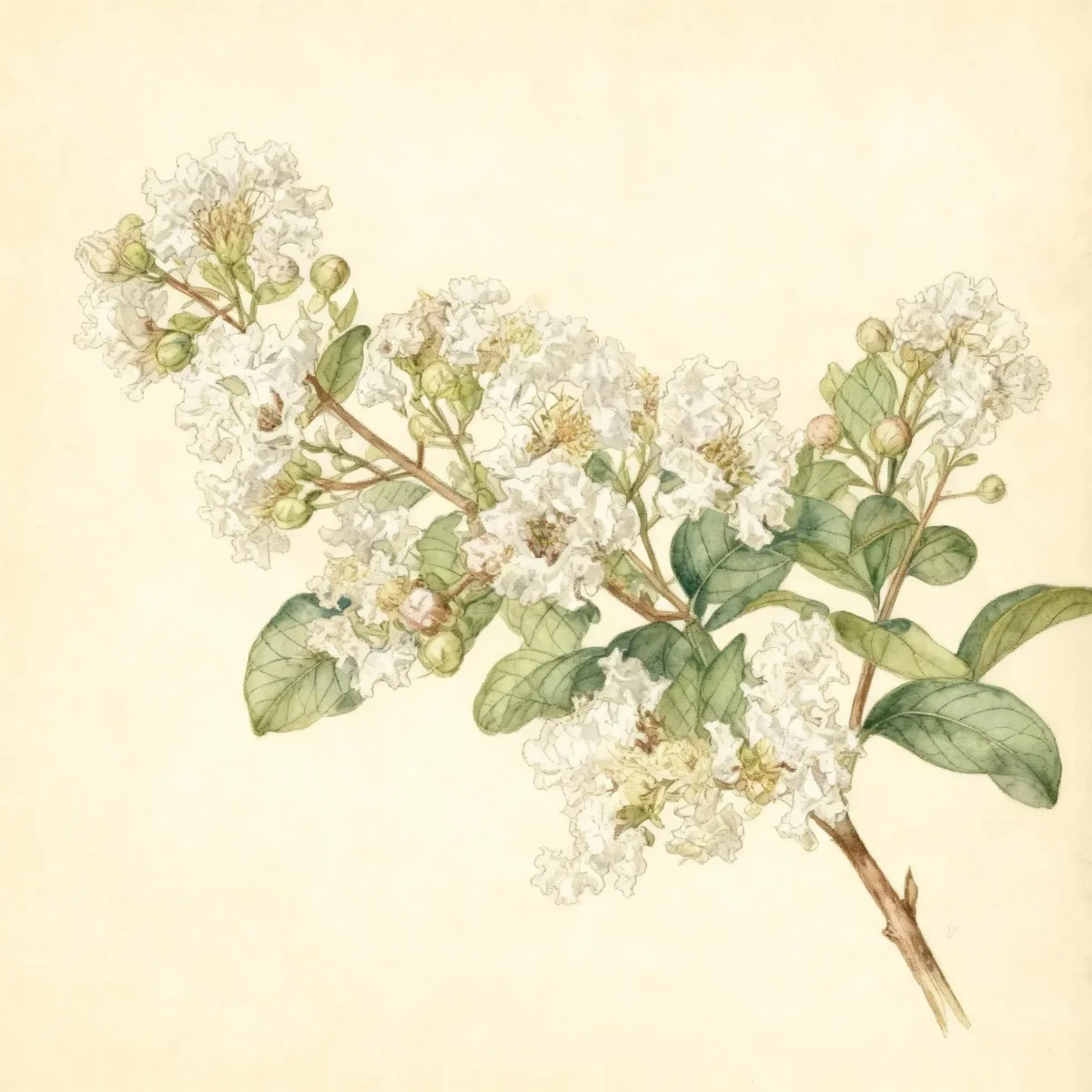
Crape myrtle
Lagerstroemia 'Acoma'
- USDA zones
- 6–9
- Light
- Full sun
- Water
- Medium
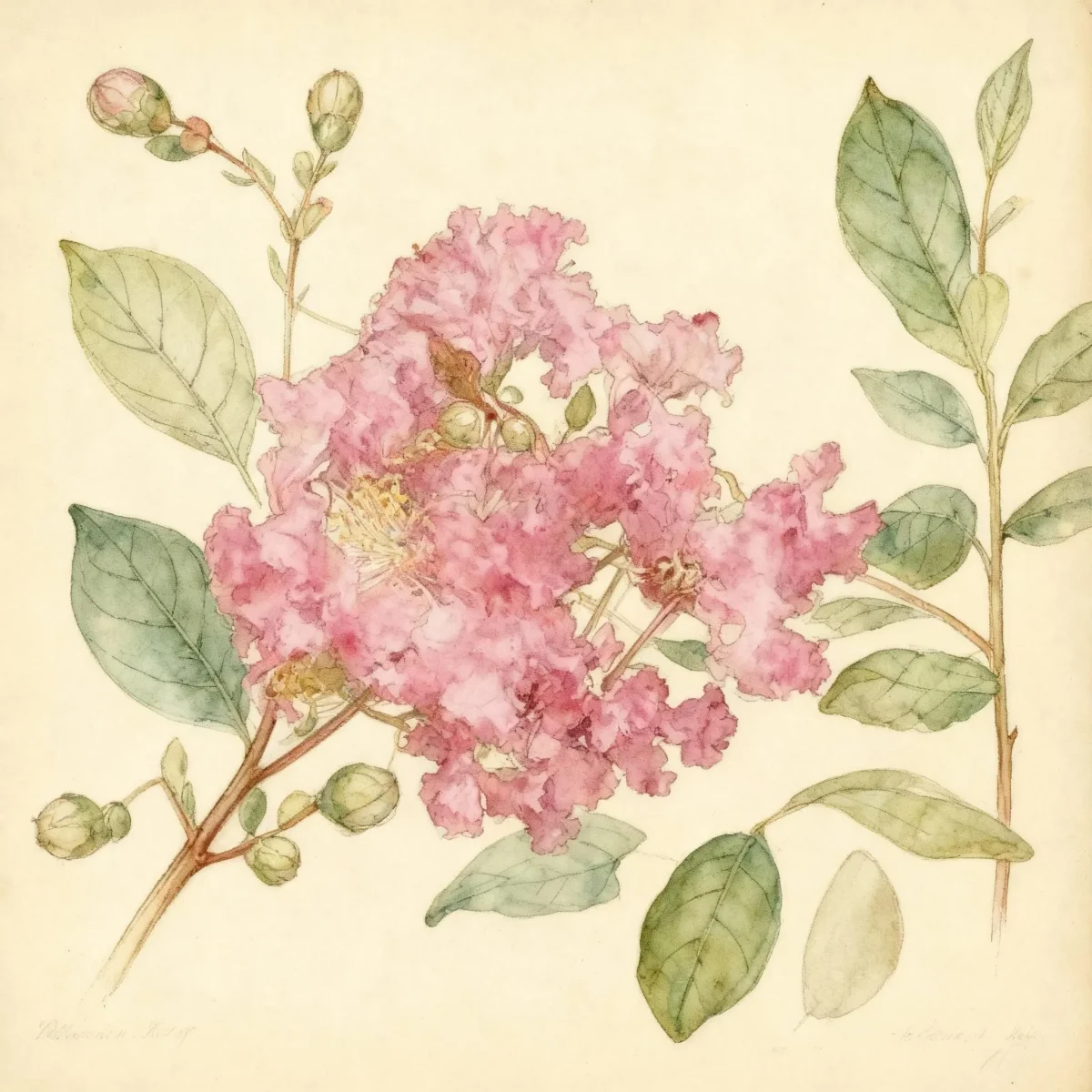
Crape myrtle
Lagerstroemia indica 'Baton Rouge'
- USDA zones
- 6–9
- Light
- Full sun
- Water
- Medium
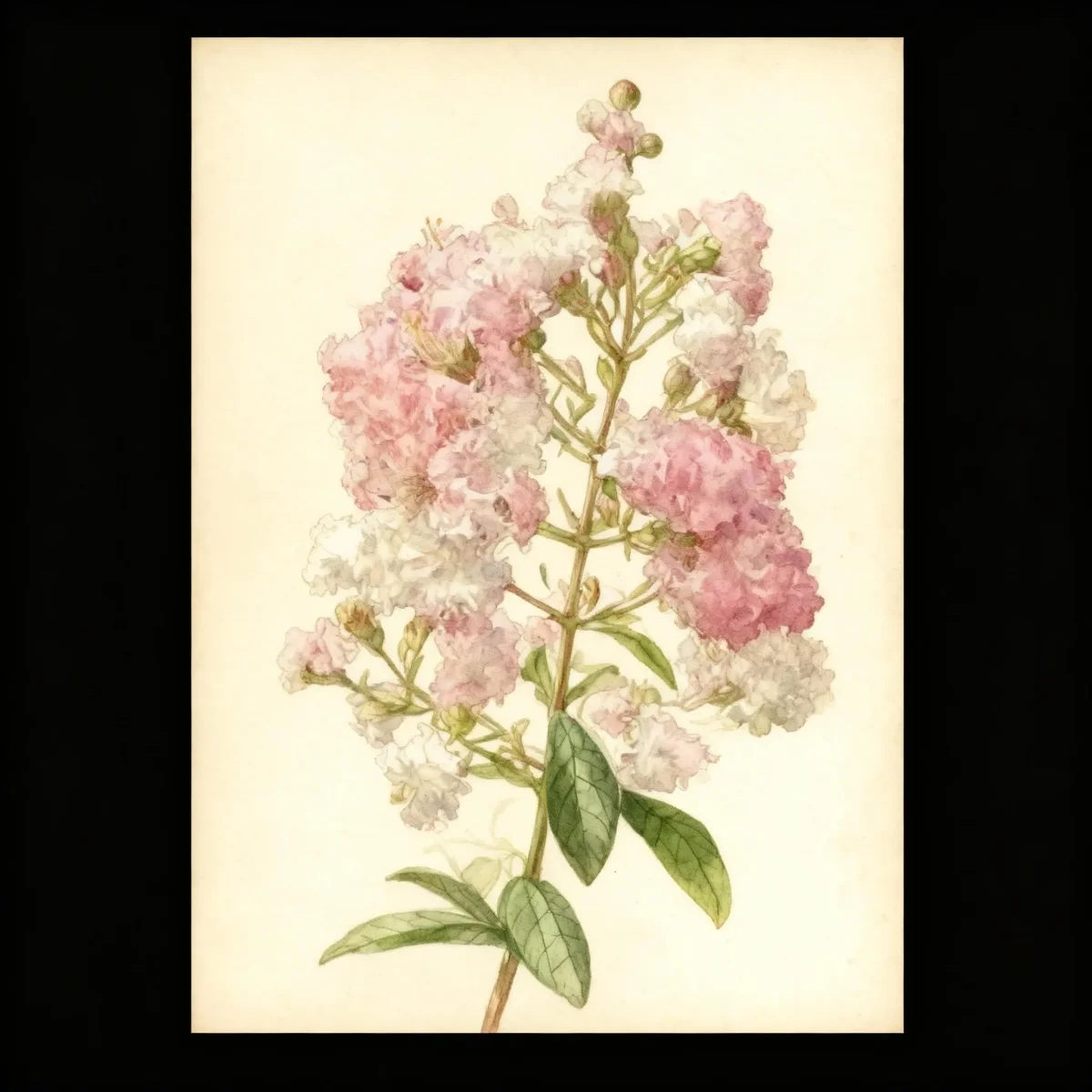
Crape myrtle
Lagerstroemia 'Bicolor'
- USDA zones
- 6–9
- Light
- Full sun
- Water
- Medium
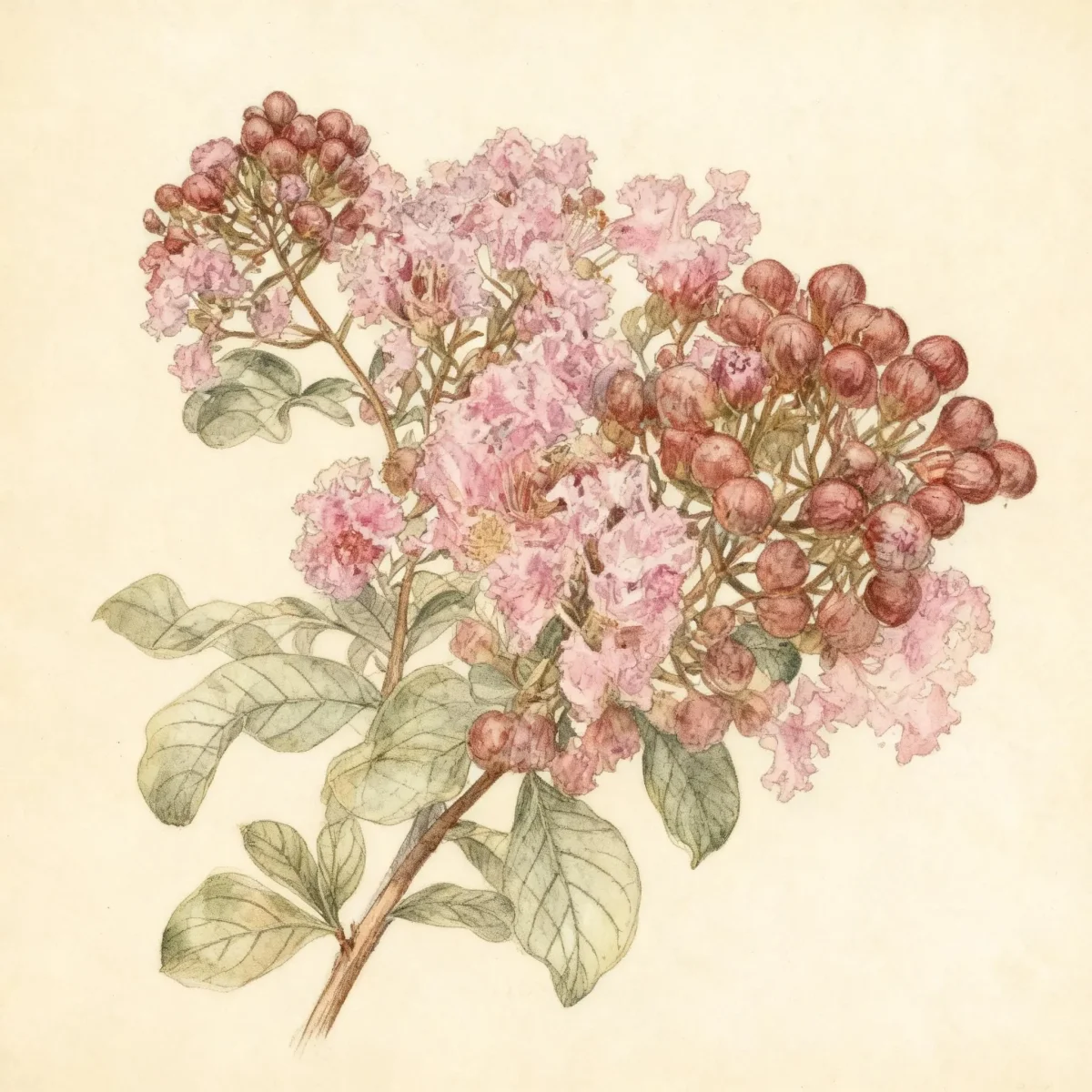
Crape myrtle
Lagerstroemia 'Chickasaw'
- USDA zones
- 6–9
- Light
- Full sun
- Water
- Medium
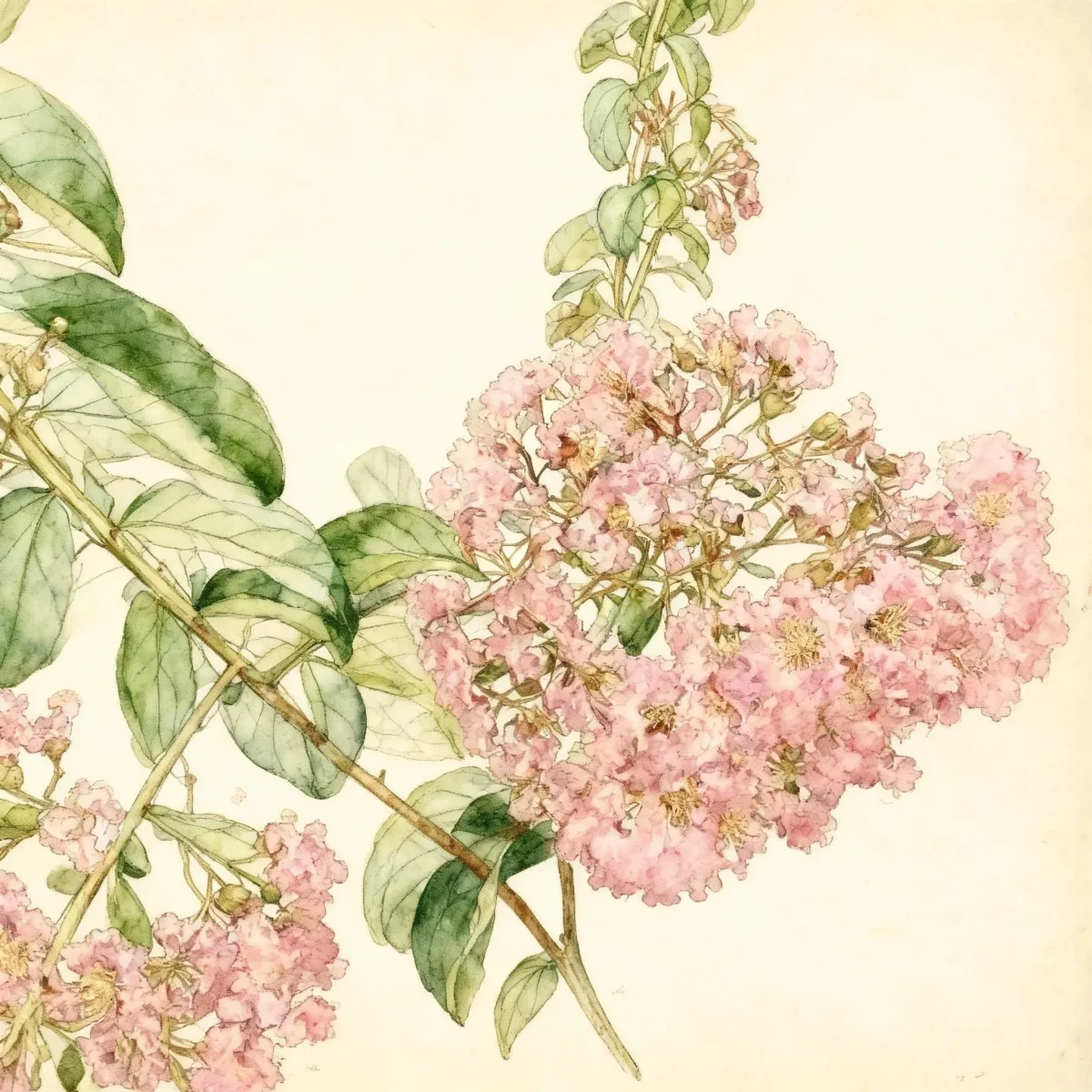
Crape myrtle
Lagerstroemia 'Choctaw'
- USDA zones
- 6–9
- Light
- Full sun
- Water
- Medium
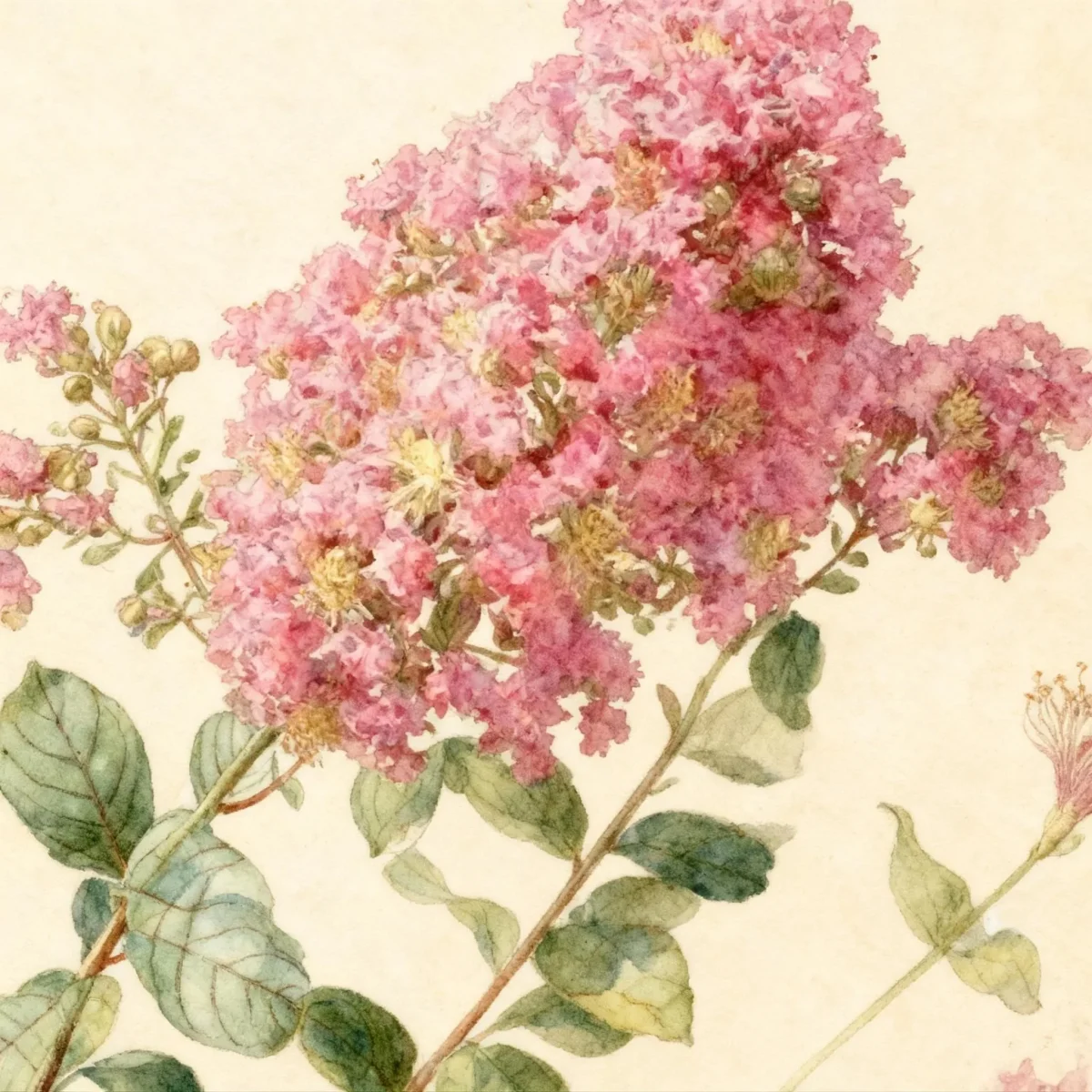
Crape myrtle
Lagerstroemia 'Comanche'
- USDA zones
- 6–9
- Light
- Full sun
- Water
- Medium
Keep Learning
Test what you know with a garden quiz
You have the plant facts and care notes. Continue with a related challenge, or browse the complete quiz library.
Can You Identify These Common Garden Plants? Test Your Plant Knowledge
Think you know your roses from your peonies? Test your plant identification skills with our comprehensive garden plant quiz featuring 10 challenging questions.
Start quiz
USDA Garden Zone Map Quiz
Use this USDA garden zone map quiz to check whether you can read hardiness zones and choose plants with more confidence.
Start quizBrowse the full quizzes section
Explore plant identification, zone strategy, and seasonal gardening challenges.
View all quizzes