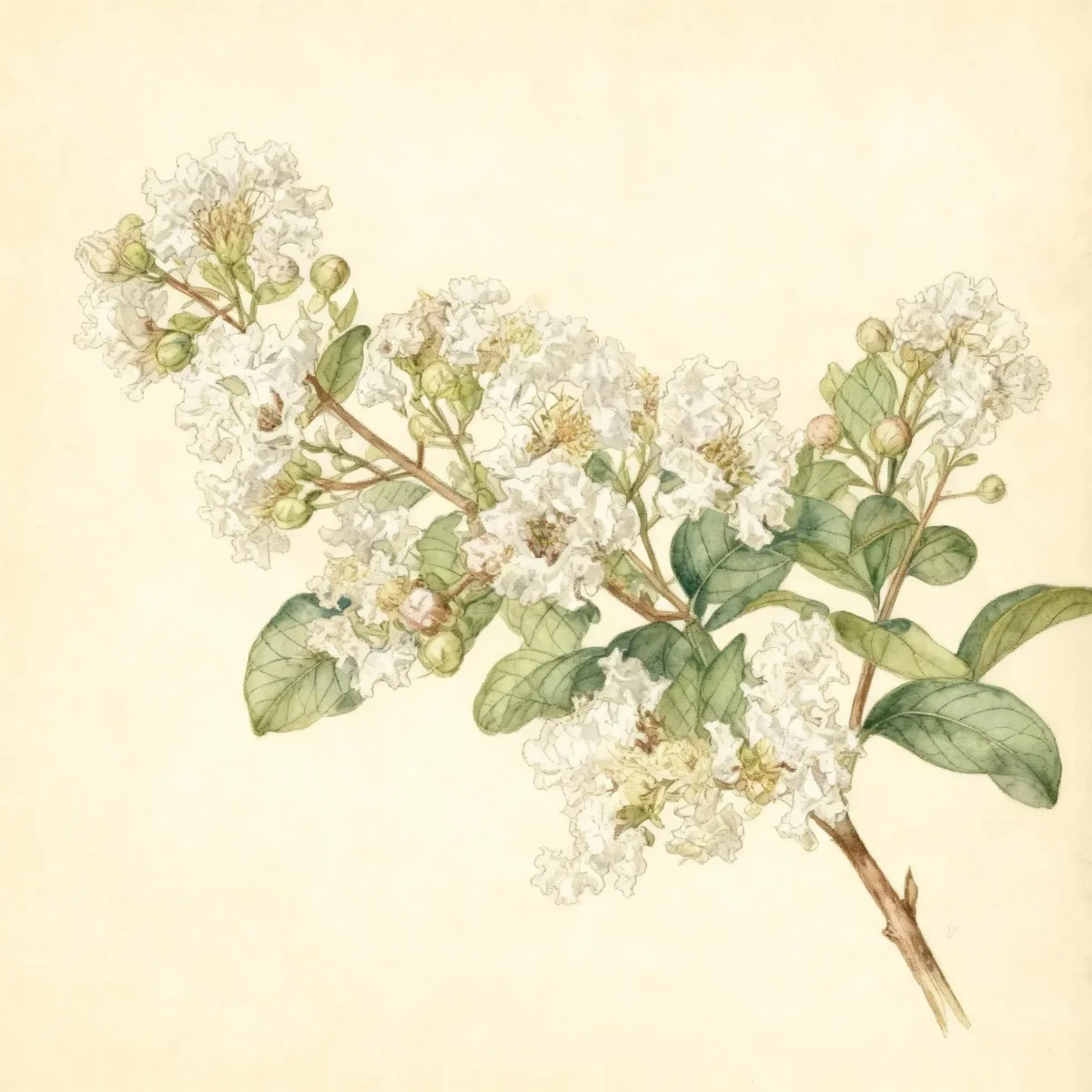
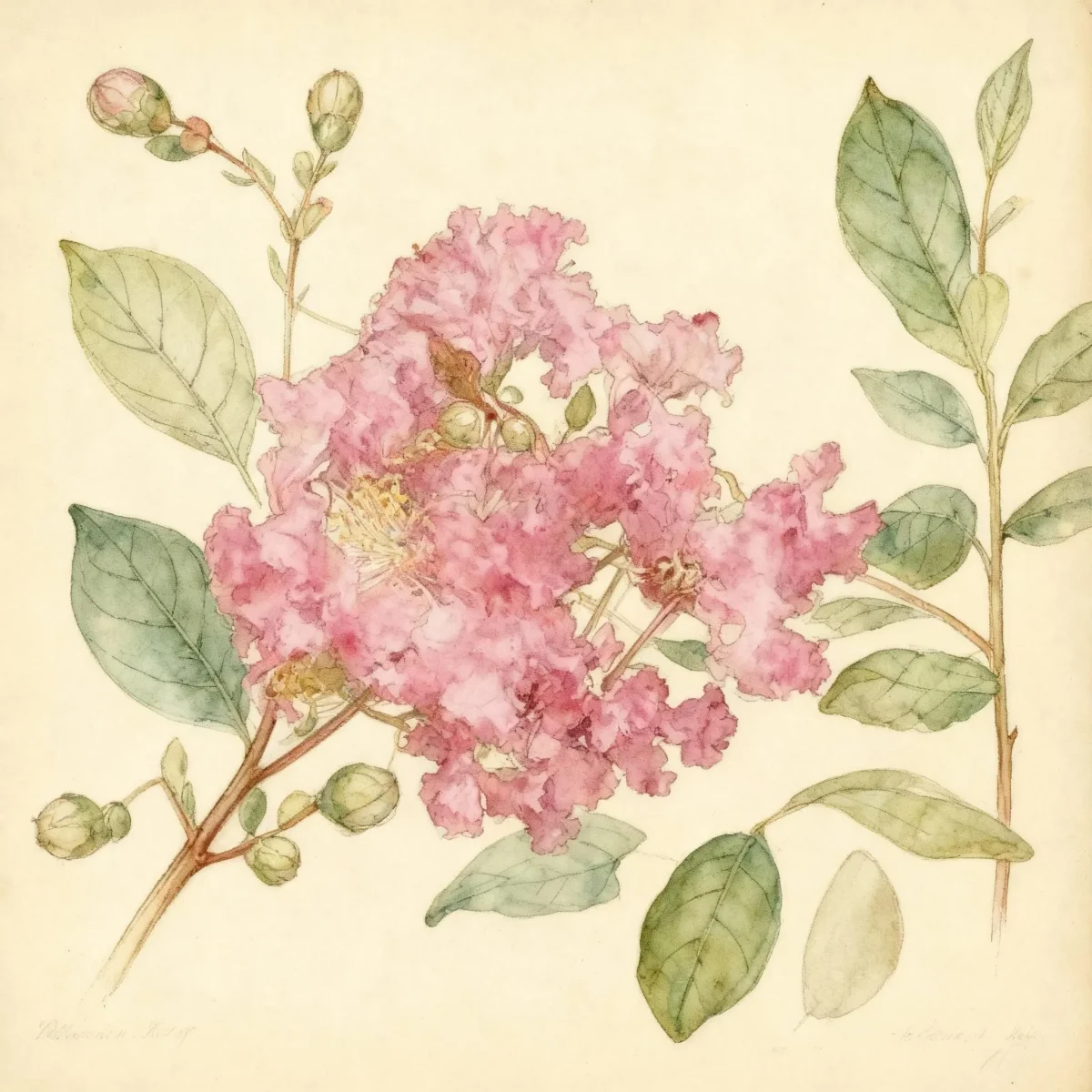
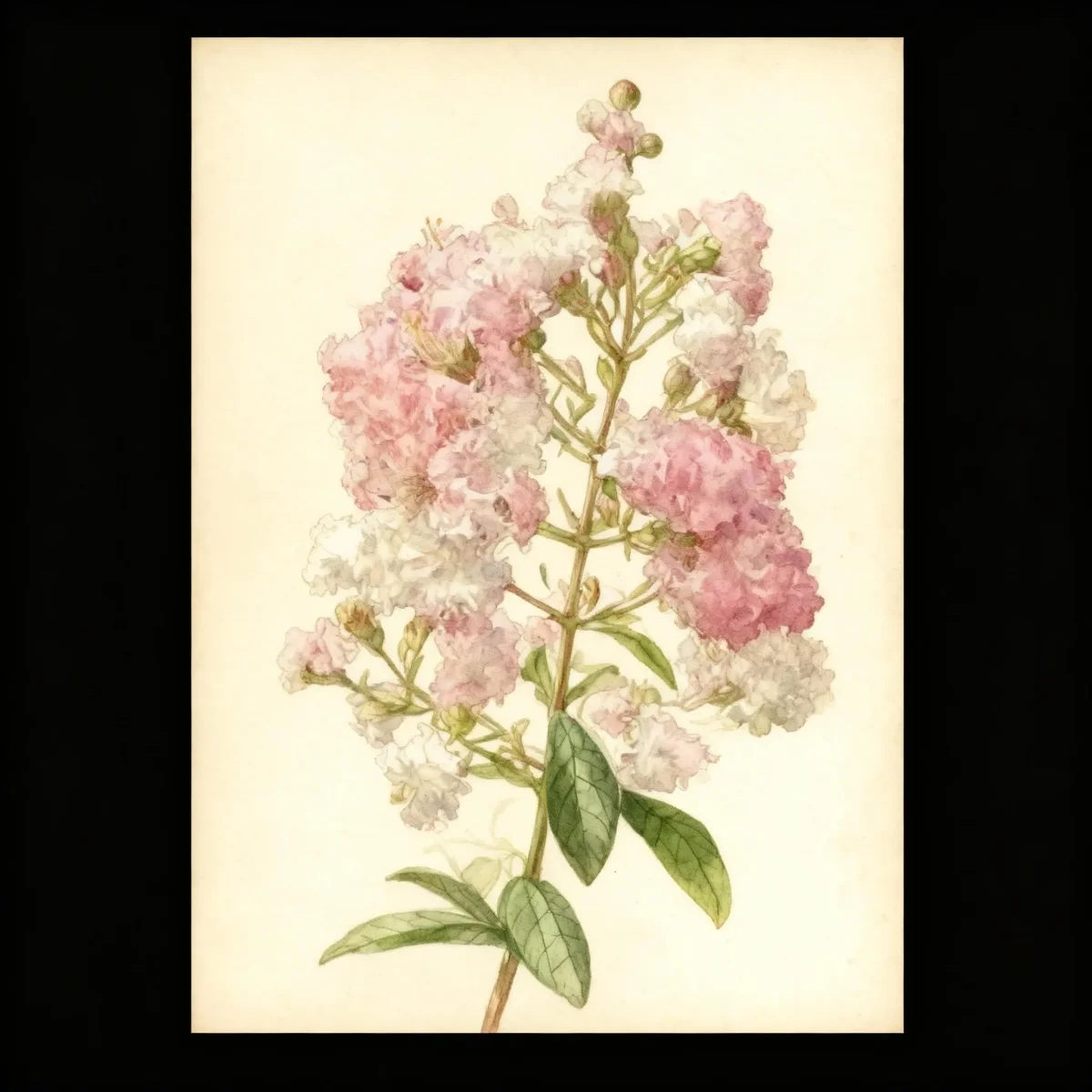
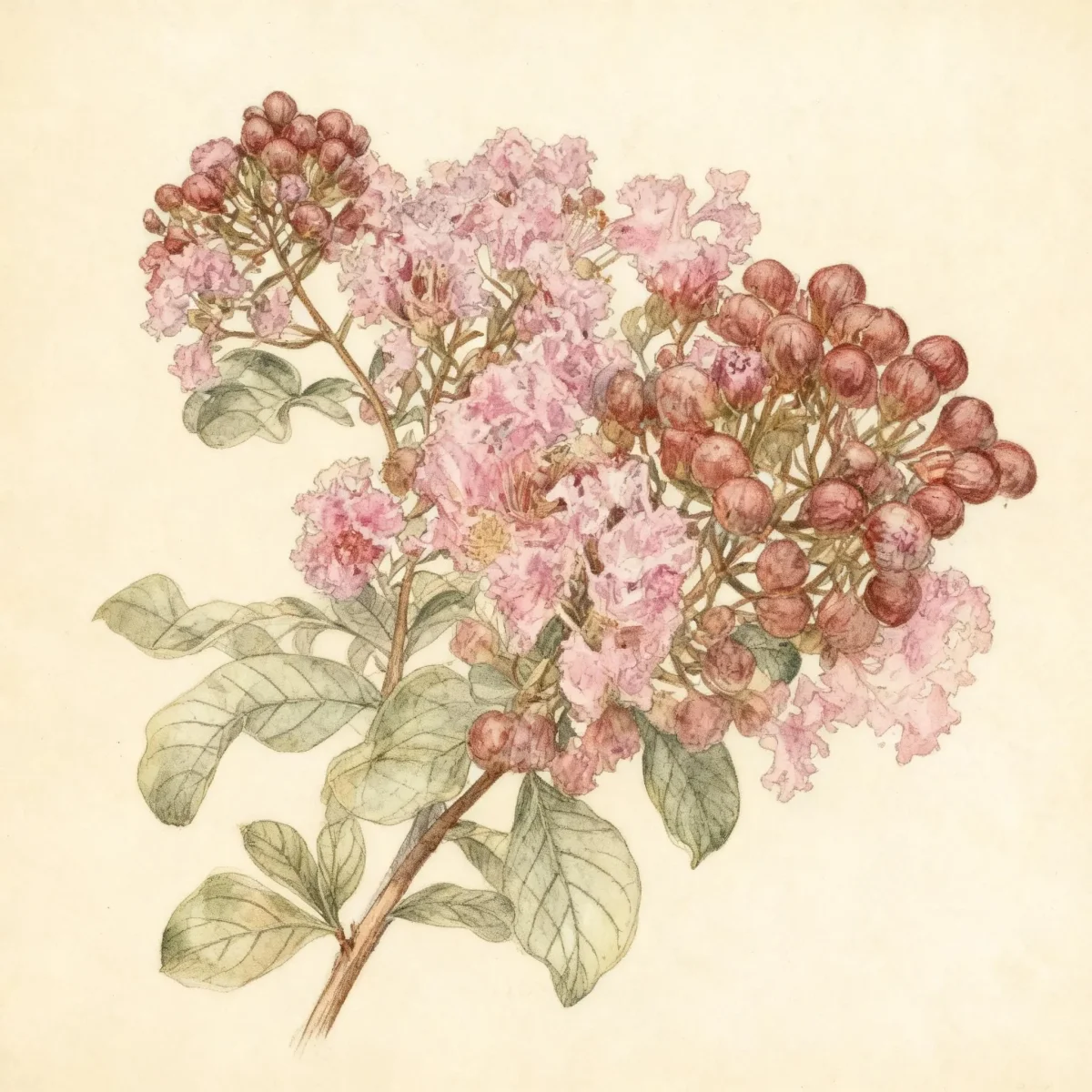
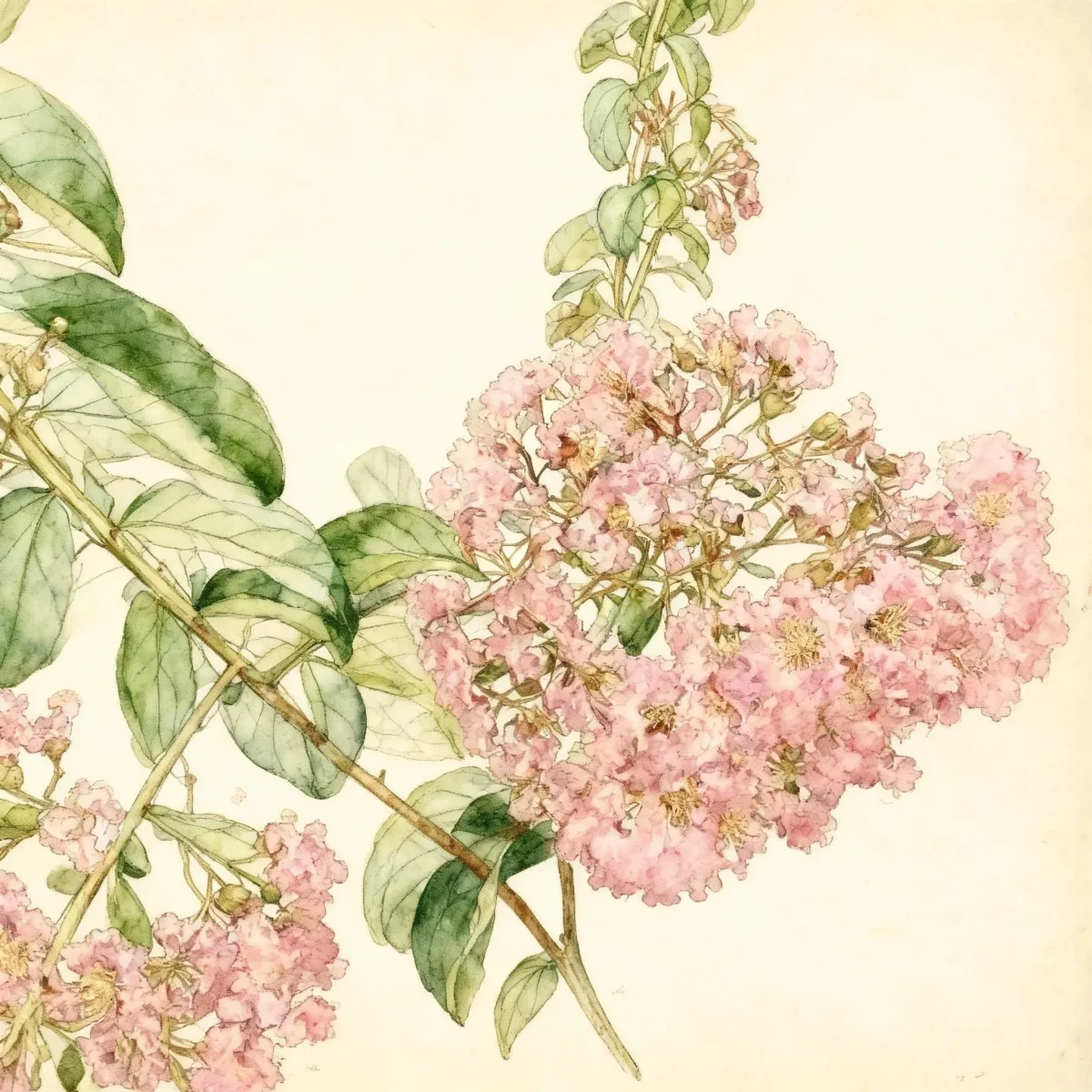
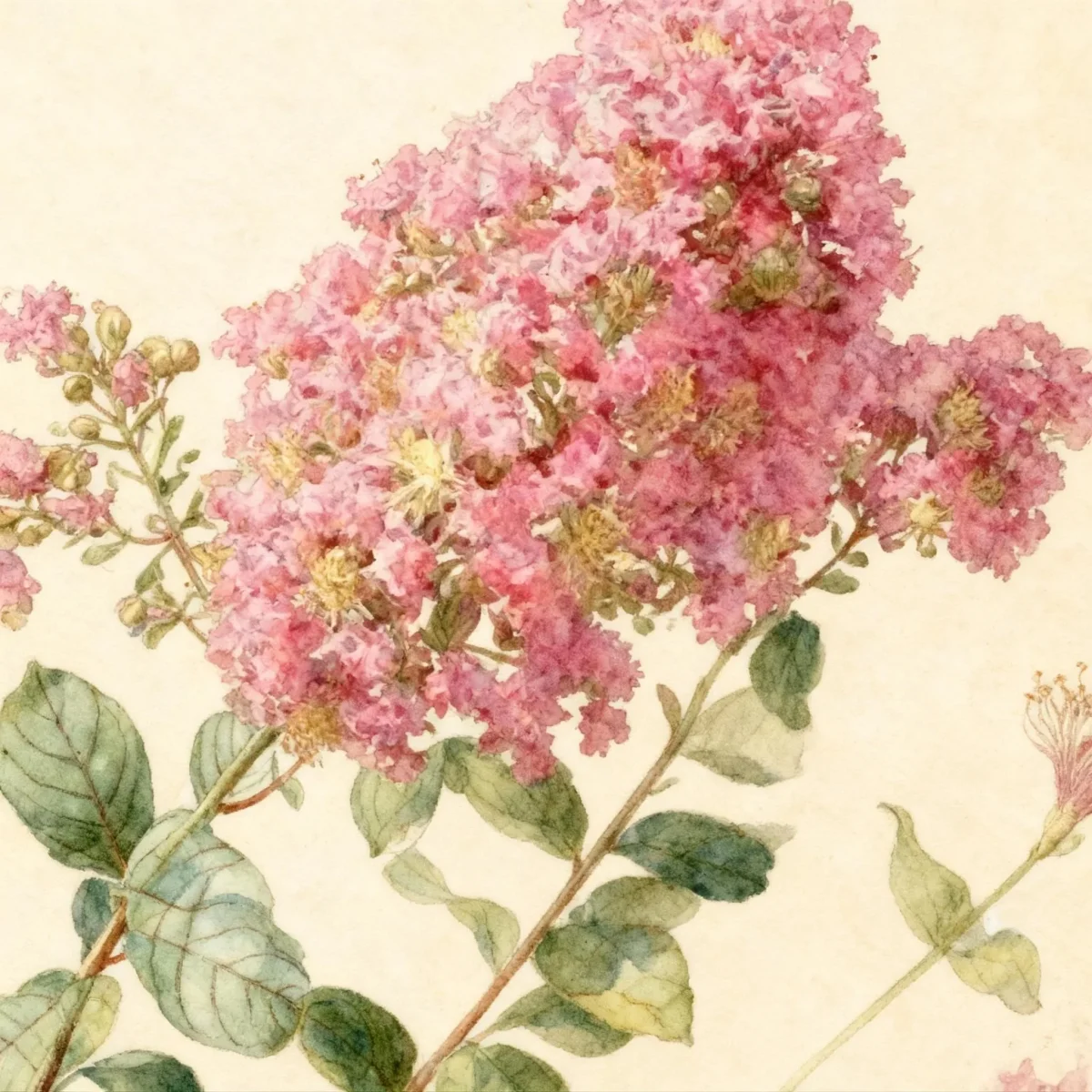
Crape myrtle (Lagerstroemia 'JD818' EARLY BIRD LAVENDER)
Lagerstroemia 'JD818' EARLY BIRD LAVENDER is a showy Crape myrtle offering soft lavender blooms from May to September in USDA Zones 6-9.
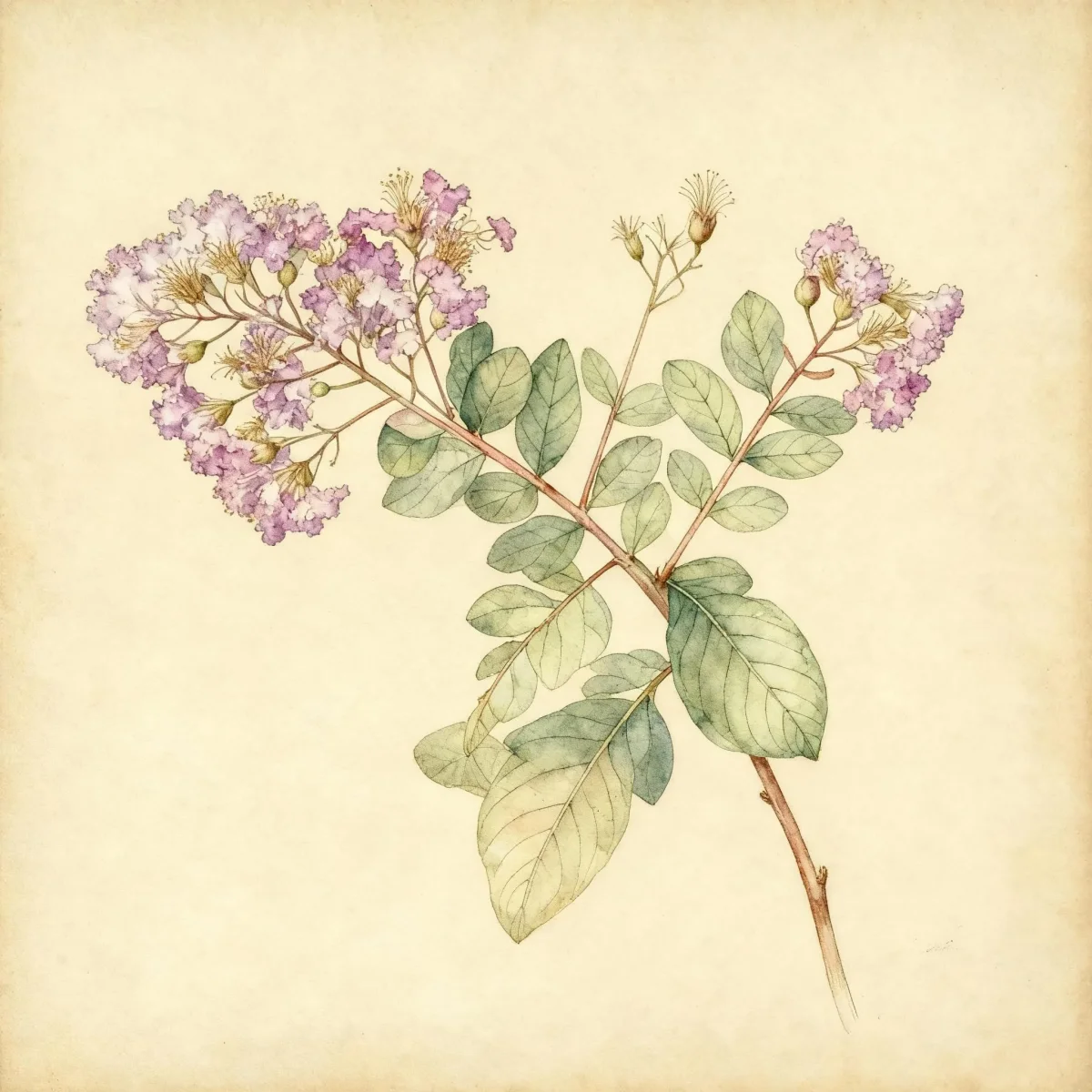

Bloom Boldly, No Matter the Season - Sweatshirt
Cozy organic cotton sweatshirt featuring our exclusive Purple Coneflower design. Perfect for gardeners who bloom year-round.
Inspired by the beautiful Crape myrtle
Limited first batch (50) — join the waitlist for early access
Waitlist closes Feb 15, 2026.
Complete Plant Information
Field Guide Continues
Ready for care notes, companion picks, and planting tips?
The map is just the start. The full guide below covers growth habits, seasonal performance, and landscape uses.
Overview
Lagerstroemia ‘JD818’ EARLY BIRD LAVENDER, a cultivar of the popular Crape myrtle, offers exceptional extended color, making it a standout deciduous shrub for temperate gardens. Its primary appeal lies in the soft lavender inflorescences that continuously appear from late spring well into early autumn. Mature specimens reach a manageable 5 to 8 feet tall, perfect for providing vertical interest without overwhelming smaller landscapes.
This Crape myrtle cultivar displays an upright, spreading habit, valued not only for its flowers but also for its attractive, exfoliating bark that lends year-round visual texture. While adaptable, successful growth of Lagerstroemia ‘JD818’ EARLY BIRD LAVENDER requires dedication to proper siting and soil management to ensure maximum flowering performance. Gardeners who appreciate plants with low-impact needs once established will find this variety rewarding.
The long bloom season of Lagerstroemia ‘JD818’ EARLY BIRD LAVENDER makes it an excellent focal point or structural element in mixed borders. It provides essential late-season color when many other shrubs have faded. Understanding its hardiness profile, particularly in fringe zones, is key to enjoying this beautiful variety.
Fast Facts
- Plant Family: Lythraceae
- Plant Type: Deciduous shrub
- Hardiness Zones: USDA Zones 6-9
- Size at Maturity:
- Height: 5-8 ft
- Spread: 3-4 ft
- Bloom Time: May to September
- Bloom Description: Soft lavender
- Sun Exposure: Full sun
- Water Needs: Medium
- Maintenance Level: Medium
How to Grow
For optimal performance, plant Lagerstroemia ‘JD818’ EARLY BIRD LAVENDER where it receives full sun throughout the day. While it tolerates loamy or clay soils, the drainage must be good; soggy roots are detrimental. Planting in average, well-drained soil is ideal. Once established, water deeply during dry spells, focusing irrigation at the root zone rather than overhead, as wetting the foliage can sometimes encourage fungus.
Fertilize judiciously in the spring using a slow-release formula. Be cautious with overly rich soil amendments, as excessive fertility encourages leafy growth at the expense of the desired lavender blooms, and may also increase susceptibility to cold damage. In colder areas within its range, such as Zone 6, winter preparation is necessary. Planting in a protected location and applying a winter mulch helps insulate the root system.
In regions subject to harsh winters (like St. Louis, Zones 5b-6a), above-ground wood can die back. Gardeners in these areas can approach pruning similarly to butterfly bushes, cutting stems back near the ground (to about 8 inches) in early spring. New stems will rapidly arise and flower on the new wood that same season. In milder situations, prune only to remove dead or damaged wood once new foliage begins to appear.
Landscape Uses
The compact, upright habit of the Crape myrtle Lagerstroemia ‘JD818’ EARLY BIRD LAVENDER makes it highly versatile. It functions beautifully as a specimen plant, drawing attention with its dense flowering from May through September. In configurations where blight or winter dieback is a lesser concern, it excels as part of an informal hedge or screen, providing semi-privacy combined with extended floral rewards.
For structure, plant several Lagerstroemia ‘JD818’ EARLY BIRD LAVENDER in groups within a mixed perennial or shrub border, spacing them according to their mature spread. The lavender flowers contrast effectively against silver-leafed companions or deep green evergreens. It serves well near patios or walkways where its peeling bark and bloom quality can be appreciated up close.
Standout Features
Flower Qualities
- Showy
Fruit Qualities
- Showy
Noteworthy Characteristics
Lagerstroemia is a genus of about 40 species of deciduous and evergreen shrubs and trees from warm-temperate to tropical areas of Asia to Australia, grown for their very showy, lovely summer to fall bloom. ‘JD818’, commonly sold as EARLY BIRD LAVENDER, is a deciduous, multi-stemmed crape myrtle that typically grows to 5-8’ tall and features terminal crepe-papery inflorescences of showy soft lavender flowers which bloom from May sometimes as early as Mother’s Day to September. This specific cultivar is highly valued for its unique ability to flower continuously over such a long period, coupled with a fast growth rate and attractive weeping form.
Tolerances
- Drought
- Clay Soil
- Air Pollution
Potential Problems
The primary concerns for Crape myrtle cultivation involve fungal issues and winter hardiness. Watch for powdery mildew and fungal leaf spot; ensuring good air circulation through proper spacing and avoiding wetting the leaves during watering can mitigate these. Foliage may also show yellowing (chlorosis) if the soil pH is too alkaline. Furthermore, scale and aphids can occasionally infest the plant, controllable through dormant horticultural oil or insecticidal soap.
Winter injury is a significant factor for Lagerstroemia ‘JD818’ EARLY BIRD LAVENDER outside of the warmest zones. In Zones 5 and 6, top growth frequently dies back to the ground when temperatures severely drop below freezing. While the roots usually survive in Zone 5, gardeners must be prepared to employ a hard, annual pruning strategy in early spring to encourage necessary new flowering wood.
Frequently Asked Questions
What hardiness zones is Crape myrtle suitable for?
Lagerstroemia ‘JD818’ EARLY BIRD LAVENDER is hardy in USDA Zones 6 through 9.
How large does Crape myrtle grow?
This variety typically reaches a height between 5 and 8 feet, with a spread of approximately 3 to 4 feet at maturity.
What sun exposure does Lagerstroemia ‘JD818’ EARLY BIRD LAVENDER need?
This plant thrives best when positioned in full sun conditions to maximize flowering potential.
When does Crape myrtle bloom?
This specific Crape myrtle cultivar flowers profusely from May straight through to September, offering soft lavender coloration.
Conclusion
The Lagerstroemia ‘JD818’ EARLY BIRD LAVENDER is a superior choice for gardeners seeking reliable, late-season color from a manageable, medium-sized deciduous shrub. Its extensive bloom window and tolerance for poorer soils, including clay, make it a flexible landscape asset. Before planting, confirm your local hardiness zone and prepare for potential winter pruning if you are gardening near the colder edge of its range to ensure the best performance from your Crape myrtle.
Companion Planting
Selecting companions for Lagerstroemia ‘JD818’ EARLY BIRD LAVENDER involves pairing plants with similar needs for sunshine and drainage. Combine this Crape myrtle with drought-tolerant, sun-loving perennials like Coneflowers (Echinacea) or ornamental grasses such as Little Blue Stem (Schizachyrium scoparium). These companions offer textural contrast without competing heavily for nutrients.
In foundation plantings, consider underplanting with spring-blooming bulbs that die back before the Lagerstroemia ‘JD818’ EARLY BIRD LAVENDER reaches its full summer canopy. This layering technique ensures continuous seasonal interest in the same sunny location. Avoid planting moisture-loving species nearby, as this Crape myrtle strongly prefers medium water with excellent drainage.
Design Ideas for Lavender Bloom
The soft lavender shades of the EARLy BIRD LAVENDER cultivar work beautifully in cottage garden settings or contemporary designs needing cool color accents. Use groups of three or five to create repeating focal points along a property line acting as an informal screen. For a striking juxtaposition, plant them against evergreen hedges that provide a dark, solid backdrop, making the lavender hues pop, especially during mid-summer.
Near entryways or highly visible areas, consider pruning the shrub slightly higher than its natural spread to expose more of the smooth, exfoliating gray-brown bark in winter. This pruning demonstrates a commitment to medium maintenance but rewards the gardener with year-round structure, making the Lagerstroemia a strong architectural element even when not in bloom.