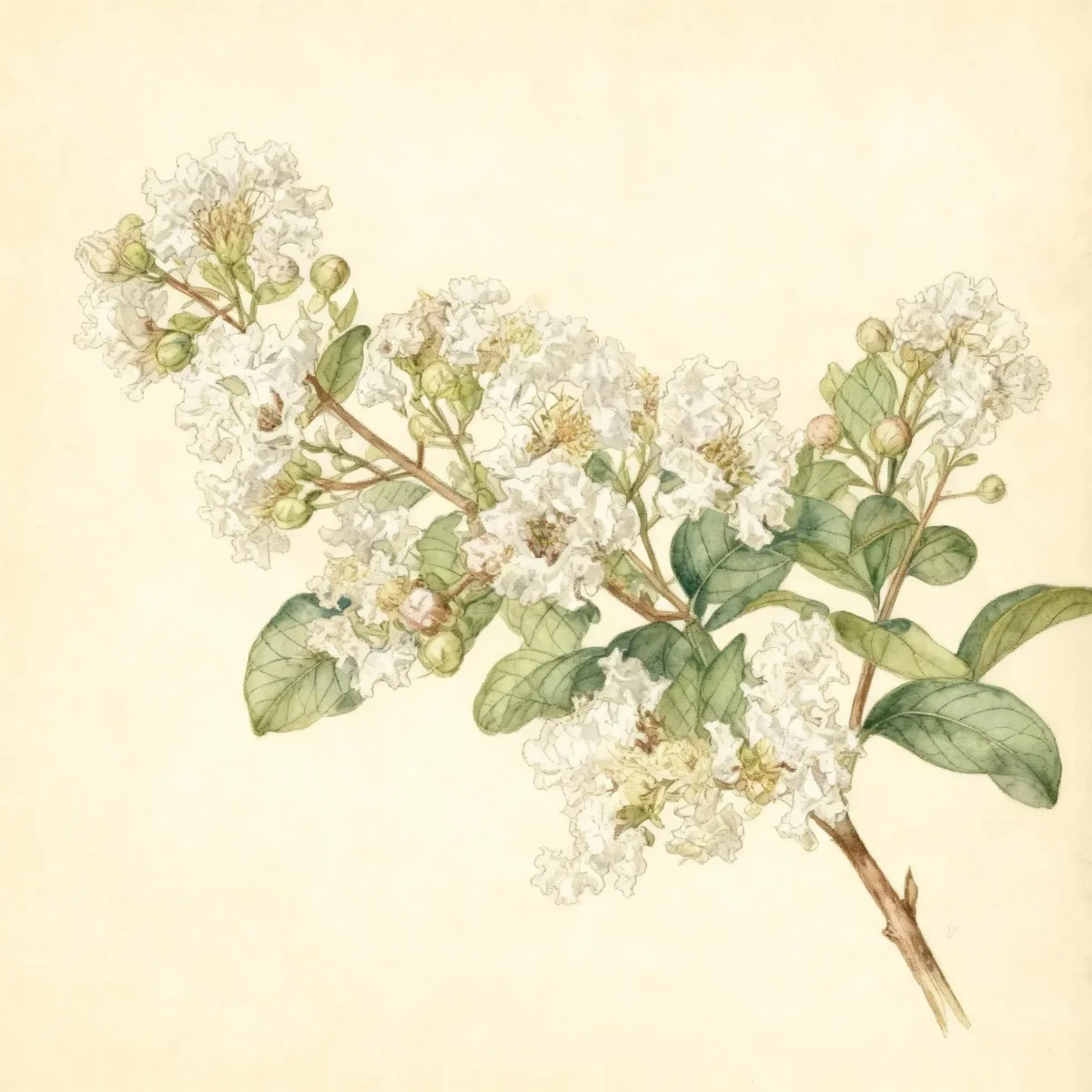
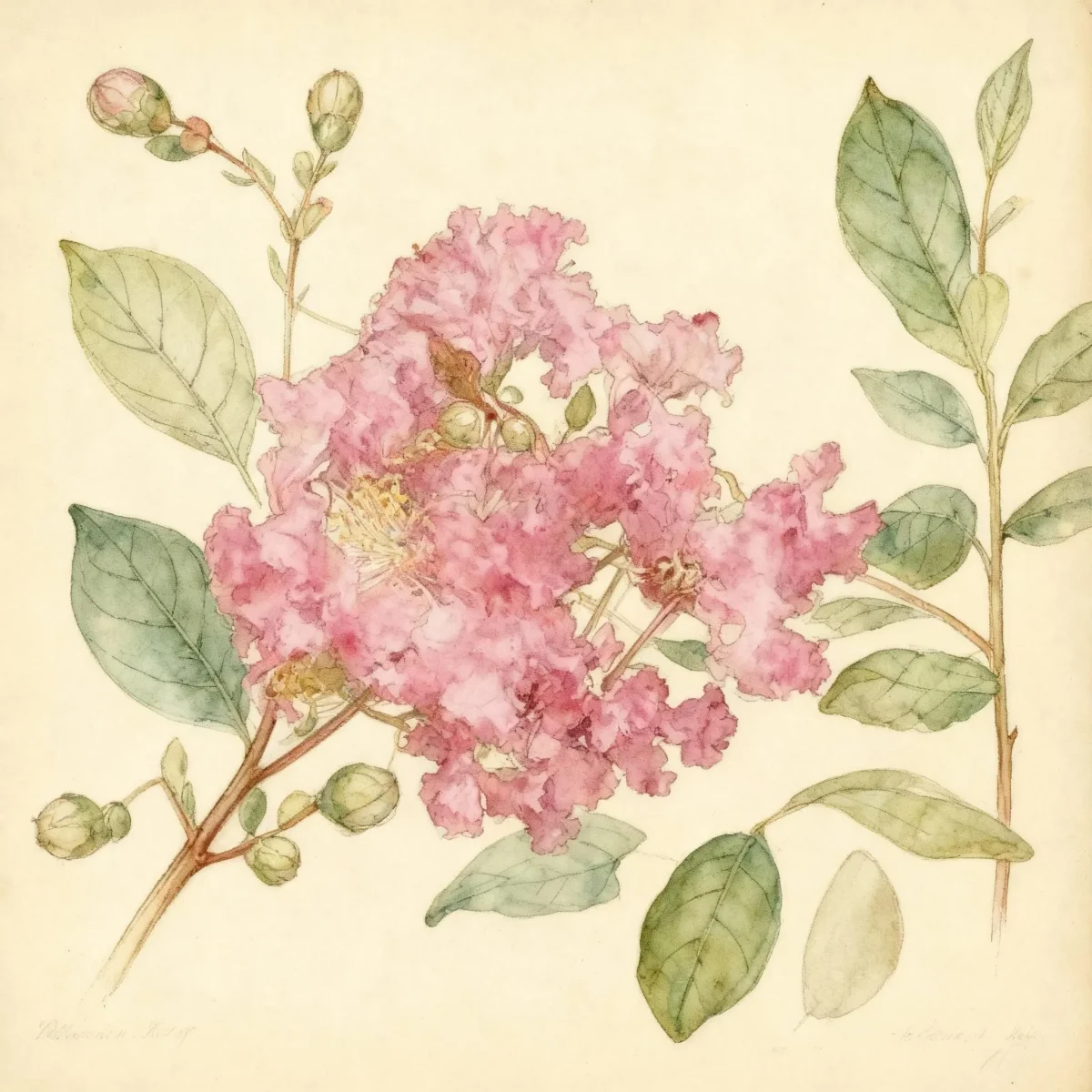
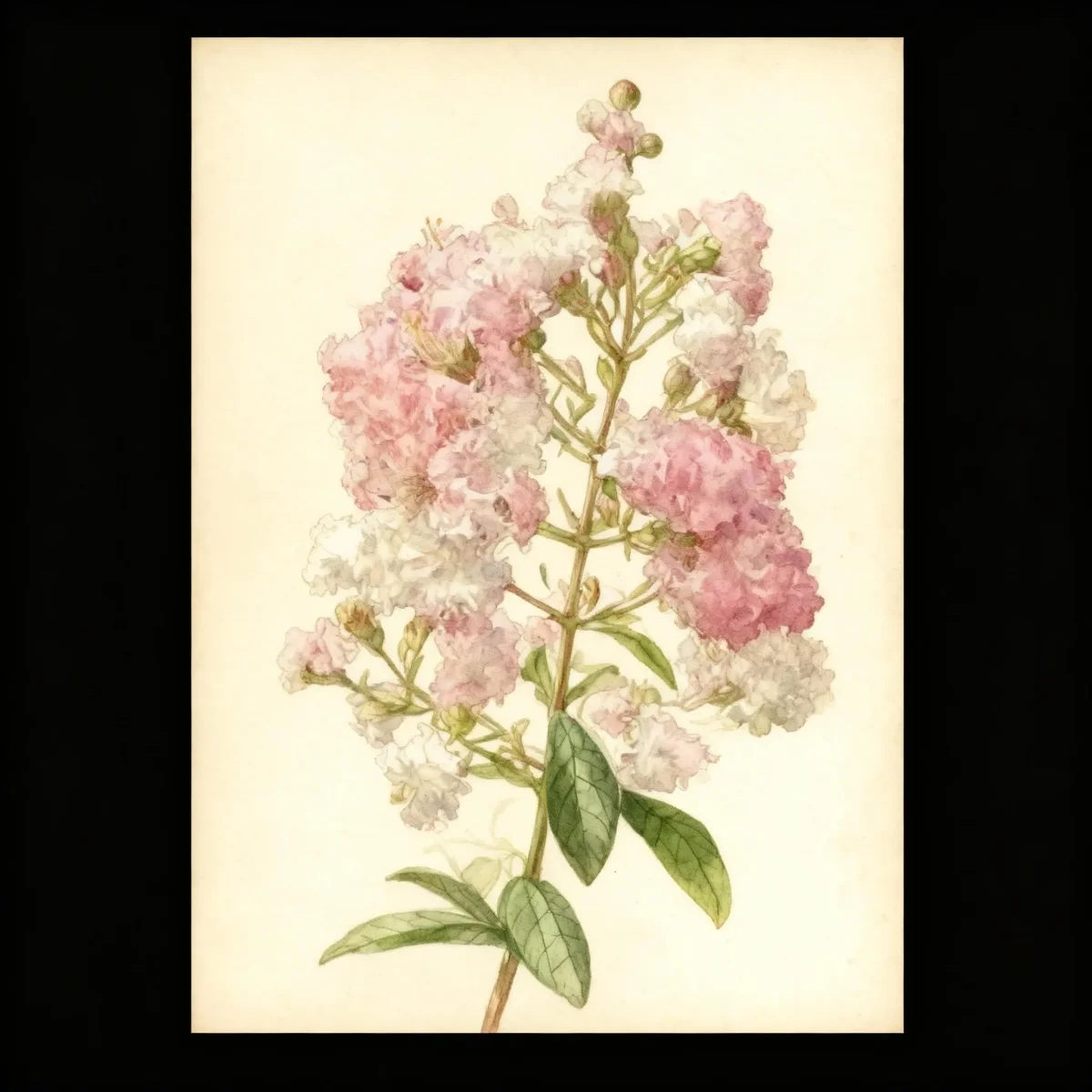
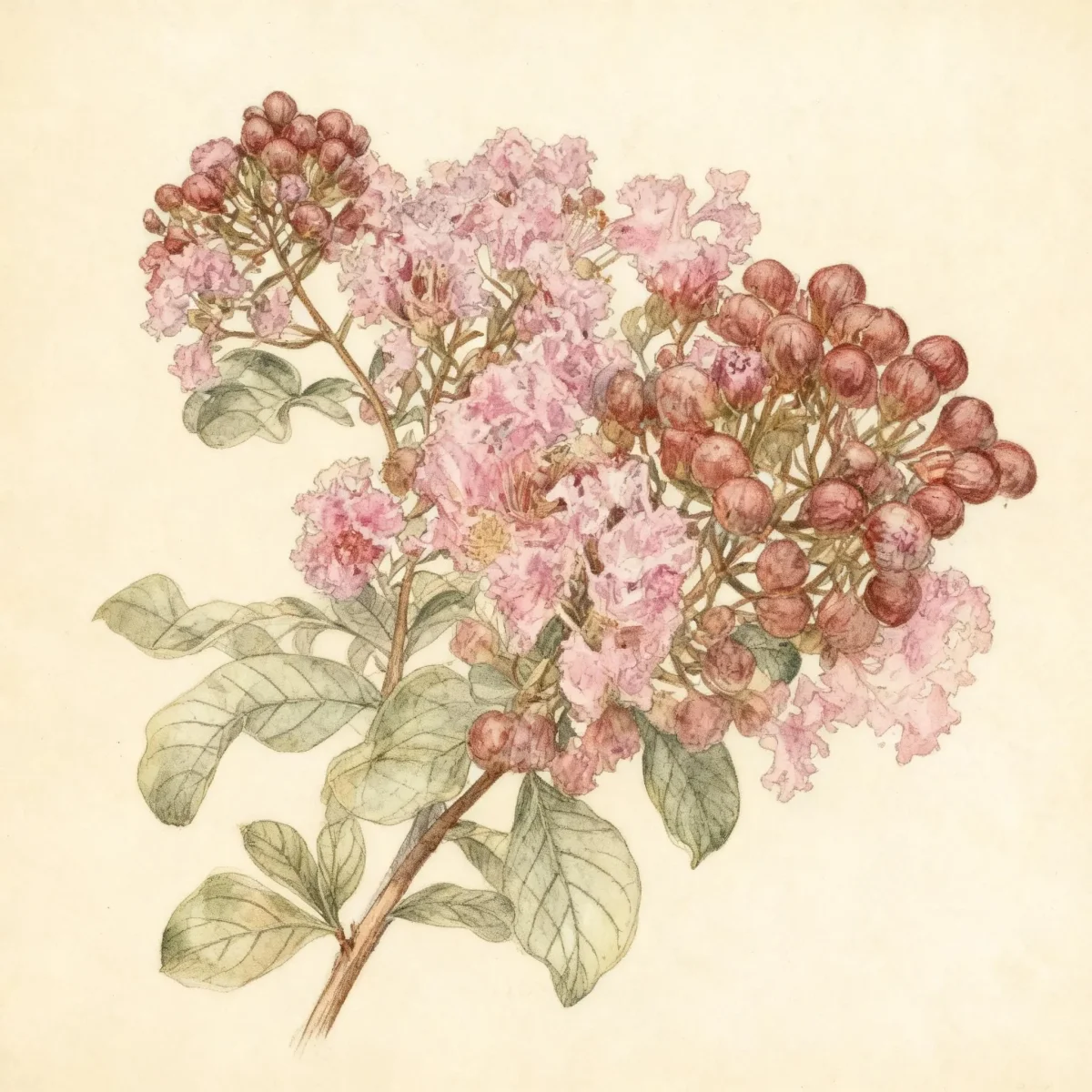
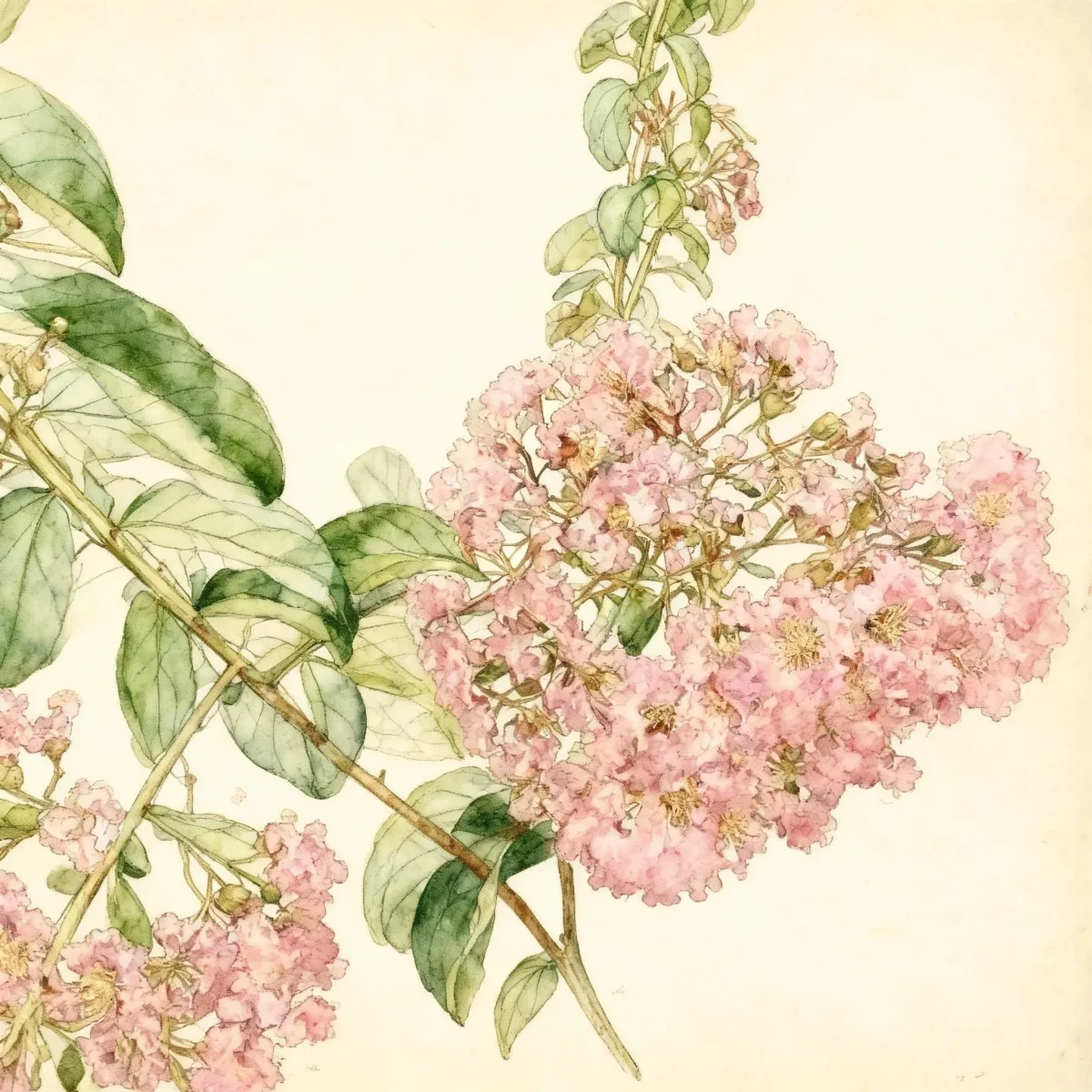
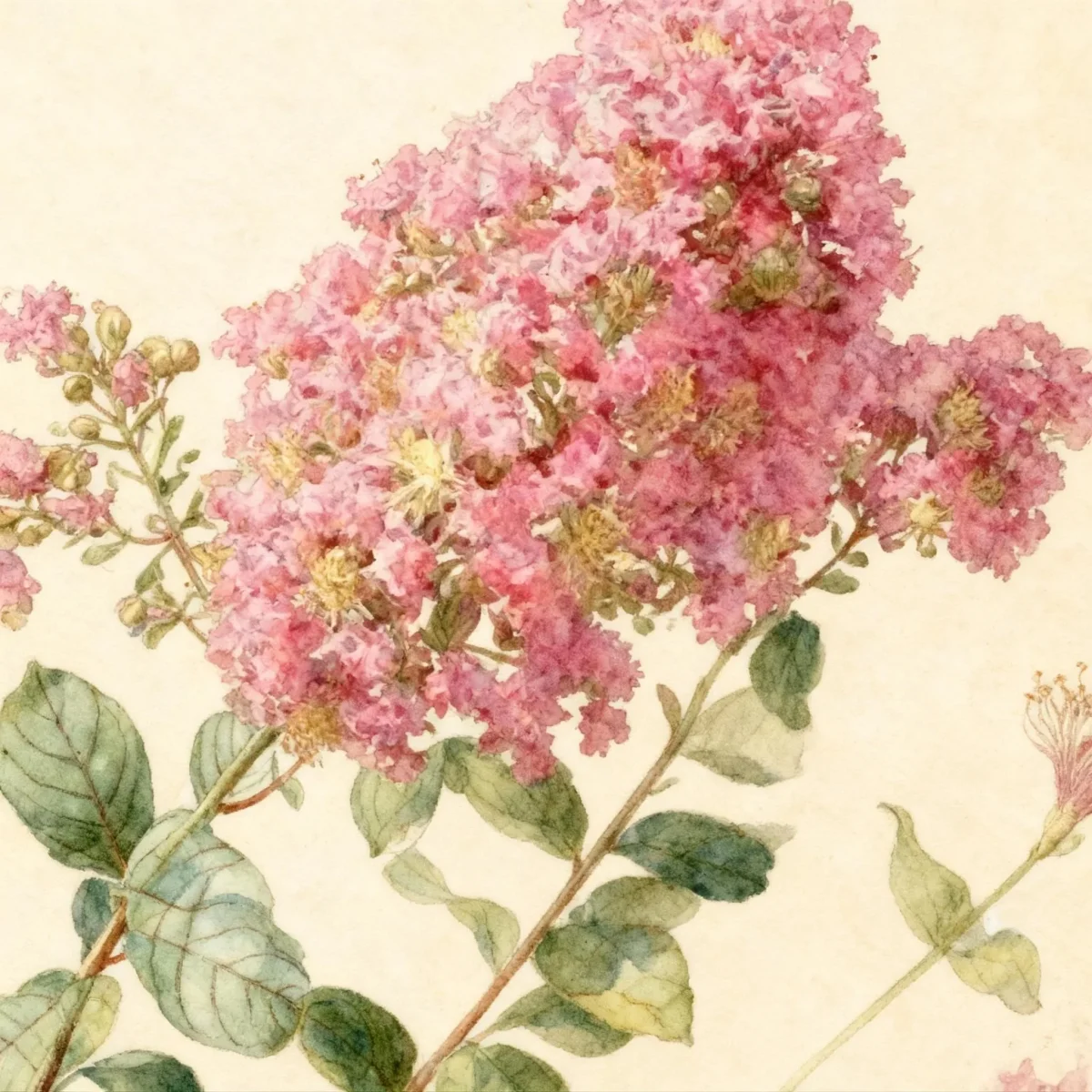
Crape myrtle (Lagerstroemia 'Pocomoke')
Lagerstroemia 'Pocomoke' is a dwarf Crape myrtle flaunting deep rose-pink summer blooms, ideal for small spaces and patios.
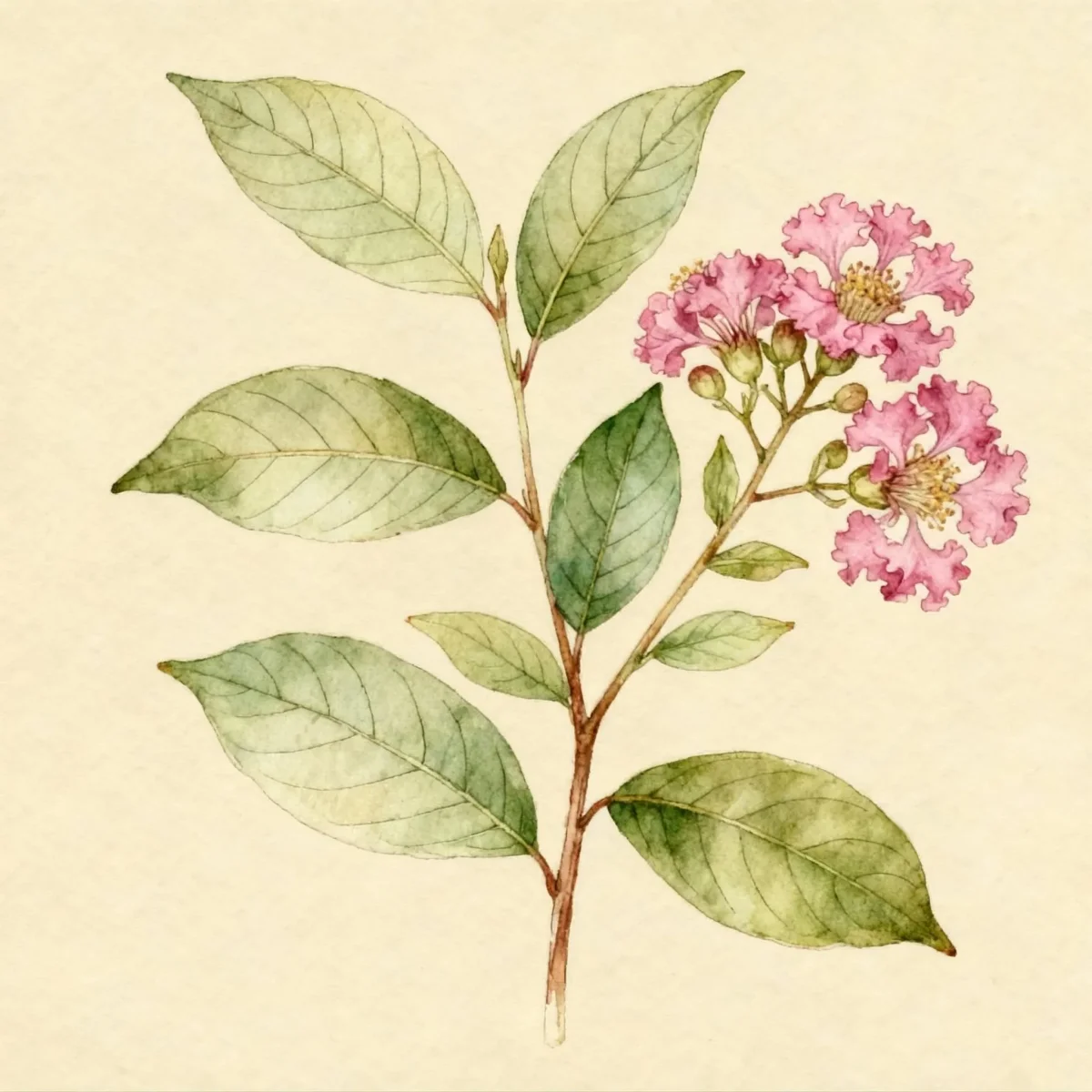

Bloom Boldly, No Matter the Season - Sweatshirt
Cozy organic cotton sweatshirt featuring our exclusive Purple Coneflower design. Perfect for gardeners who bloom year-round.
Inspired by the beautiful Crape myrtle
Limited first batch (50) — join the waitlist for early access
Waitlist closes Feb 15, 2026.
Complete Plant Information
Field Guide Continues
Ready for care notes, companion picks, and planting tips?
The map is just the start. The full guide below covers growth habits, seasonal performance, and landscape uses.
Overview
Lagerstroemia ‘Pocomoke’ is a highly desirable miniature Crape myrtle, perfectly suited for gardeners with limited space seeking reliable summer color. This cultivar delivers showy, deep rose-pink flowers spanning from July well into September, offering long-lasting visual interest. As a dense, upright-spreading dwarf shrub, it retains ornamental appeal even when not in bloom, sporting glossy dark green leaves that emerge maroon and transition to bronze-red in autumn.
This specific Crape myrtle variety is valued for its manageable size, typically reaching only 2 to 5 feet tall and wide, making it far more versatile than its larger tree relatives. Despite its diminutive stature, Lagerstroemia ‘Pocomoke’ maintains the elegant, exfoliating bark structure characteristic of the genus. It provides superb seasonal performance in regions where it is reliably hardy.
Its adaptability to heat and drought, once established, makes the Lagerstroemia ‘Pocomoke’ a low-stress addition to contemporary or formal landscapes. Gardeners appreciate its ability to provide high impact floral displays in foundation plantings, containers, or rock gardens where larger shrubs cannot fit.
Fast Facts
- Plant Family: Lythraceae
- Plant Type: Deciduous shrub
- Hardiness Zones: USDA Zones 6-9
- Size at Maturity:
- Height: 2-5 ft
- Spread: 2-5 ft
- Bloom Time: July to September
- Bloom Description: Rose-pink
- Sun Exposure: Full sun
- Water Needs: Medium
- Maintenance Level: Medium
How to Grow
The ideal setting for your Lagerstroemia ‘Pocomoke’ is ground receiving full sun daily, as insufficient light severely limits flowering. Plant in average, medium moisture, well-drained soils. This dwarf Crape myrtle is surprisingly tolerant and performs well even in heavy loamy or clay soils, provided drainage is adequate.
During establishment, water roots deeply, especially during dry periods; however, take care to avoid wetting the foliage, which can encourage fungal issues. Apply a slow-release fertilizer annually; excessive fertility should be avoided as it promotes leafy growth at the expense of flower production. Winter preparation involves planting in a somewhat protected location and applying a winter mulch around the root zone.
For gardeners in borderline zones like St. Louis (Zones 5/6), be prepared for potential winter dieback of the top growth. In these areas, many successfully manage this shrub by pruning it actively in early spring, cutting all stems back to about 8 inches. New stems will emerge, grow 2-4 feet, and flower reliably on the new wood by late summer.
Landscape Uses
This miniature Crape myrtle, Lagerstroemia ‘Pocomoke,’ excels in small spaces where traditional large cultivars are impractical. It functions beautifully as a low border plant along walkways or defining the front edge of foundation plantings, lending continuous seasonal color and texture. Its formal, upright-spreading habit also makes it an excellent specimen plant for rock gardens, adding vertical interest among lower groundcovers.
Due to its manageable size and attractive bark, Lagerstroemia ‘Pocomoke’ is highly recommended for container gardening on patios or decks. Grouping several containers together can create a vibrant, movable display near seating areas, ensuring you are close to the summer blooms. Its dense structure also allows for mass planting for a solid block of rose-pink color in perennial beds.
When selecting companions, look for plants that share full sun and medium water needs but offer contrasting foliage textures or bloom times, such as silver-leaved artemisias or late-season ornamental grasses. Avoid planting highly vigorous species nearby that might compete heavily for resources or overshadow this dwarf specimen.
Standout Features
Flower Qualities
- Showy
Noteworthy Characteristics
Lagerstroemia is a genus known for producing showy summer-to-fall blooms, ranging from shrubs to small trees across warm climates. The common name reflects its crepe-papery flowers and myrtle-like bark/foliage. ‘Pocomoke’ is a specific hybrid released by the U.S. National Arboretum, characterized as a densely-branched dwarf shrub that features glossy foliage emerging maroon and turning bronze-red in fall, coupled with exfoliating gray-tan bark.
Tolerances
- Drought
- Clay Soil
- Air Pollution
Potential Problems
The primary challenges for Crape myrtles involve fungal diseases and susceptibility to cold in marginal zones. Fungal leaf spot and powdery mildew are common concerns, though Lagerstroemia ‘Pocomoke’ is reported to possess excellent resistance to powdery mildew. Foliage may exhibit yellowing (chlorosis) if planted in highly alkaline soils, requiring soil amendment or chelated iron application for correction.
Pests such as aphids and scale can occasionally affect your plant, warranting monitoring, especially during active growth periods. In Zones 5 and 6, winter injury, where top growth dies back, is a significant risk; mitigating this requires the cultivation practices mentioned above, focusing on pruning back to the reliable, hardy root system each spring.
Frequently Asked Questions
What hardiness zones is Crape myrtle suitable for?
Lagerstroemia ‘Pocomoke’ is hardy in USDA Zones 6 through 9.
How large does Lagerstroemia ‘Pocomoke’ grow?
This miniature variety typically matures between 2 and 5 feet in both height and spread.
What sun exposure does Crape myrtle need?
This plant requires full sun exposure to ensure robust flowering throughout the season.
When does Lagerstroemia ‘Pocomoke’ bloom?
It produces its beautiful rose-pink flowers from July all the way through September.
Conclusion
The Lagerstroemia ‘Pocomoke’ offers exceptional value for small gardens, combining impressive stature resolution with the signature summer splendor of the Crape myrtle. Its impressive tolerance for drought and clay soil, coupled with its dwarf habit, makes this plant highly versatile. Before planting, confirm that your landscape falls securely within USDA Zones 6-9 or prepare for the shrub maintenance routines required for colder microclimates.
Companion Planting
When designing beds around your Lagerstroemia ‘Pocomoke’, prioritize plants that thrive in hot, sunny, well-drained conditions. Consider pairing it with lower-growing Sedums or creeping Thymes, which provide excellent groundcover that doesn’t compete aggressively with the shrub’s roots. For late-season color contrast, look towards perennials that bloom in the fall, such as Russian Sage or Coneflowers, whose upright habits complement the dense structure of the Crape myrtle.
Seasonal Care Calendar
Spring is the crucial time for structure; if you are in a cold zone, prune back any winter-damaged wood to healthy tissue or cut back to 8” in early spring. As summer approaches and temperatures rise, increase deep watering, especially for container specimens, while ensuring you avoid wetting the leaves. In late winter or very early spring, a single application of slow-release fertilizer will support healthy blooming throughout the long summer season.