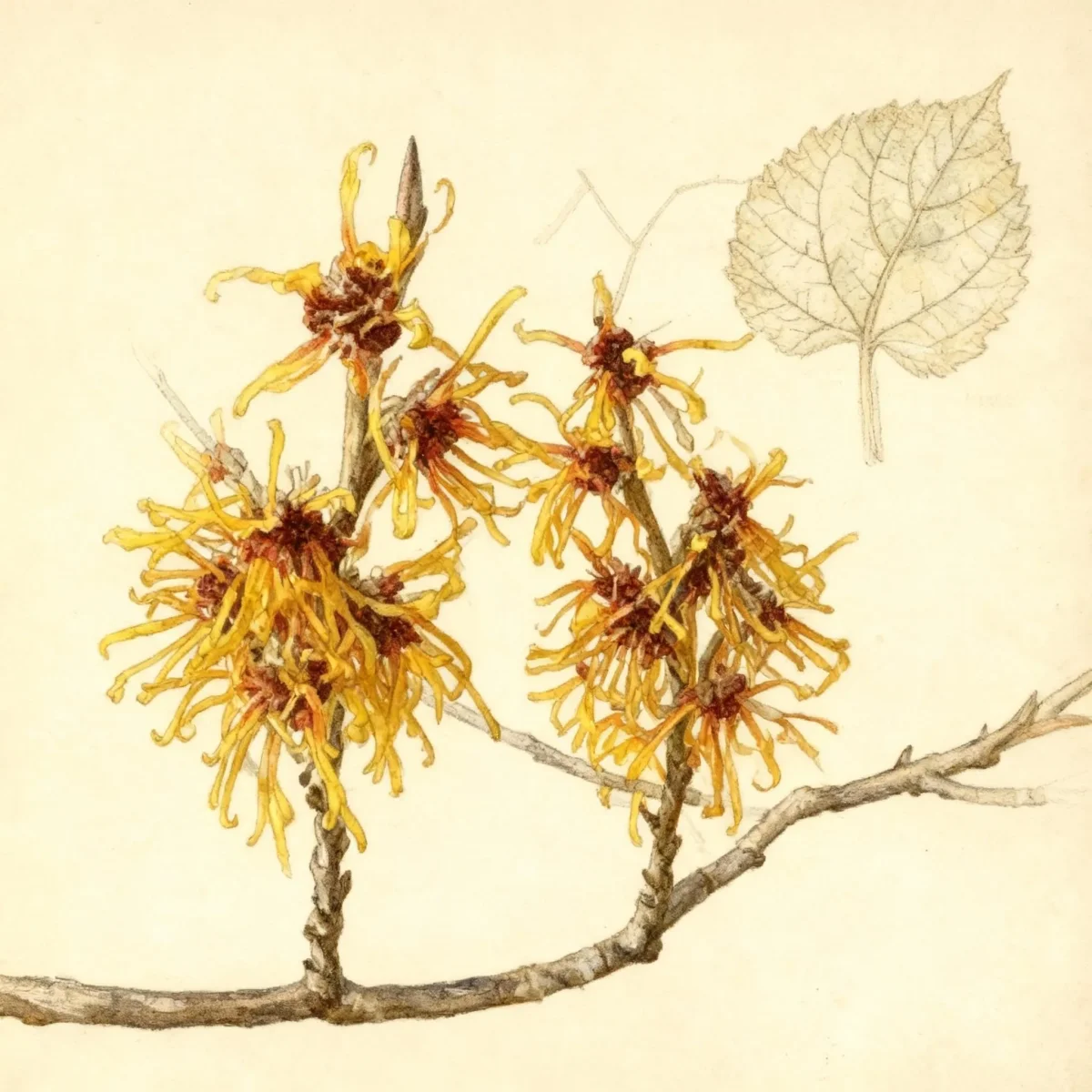
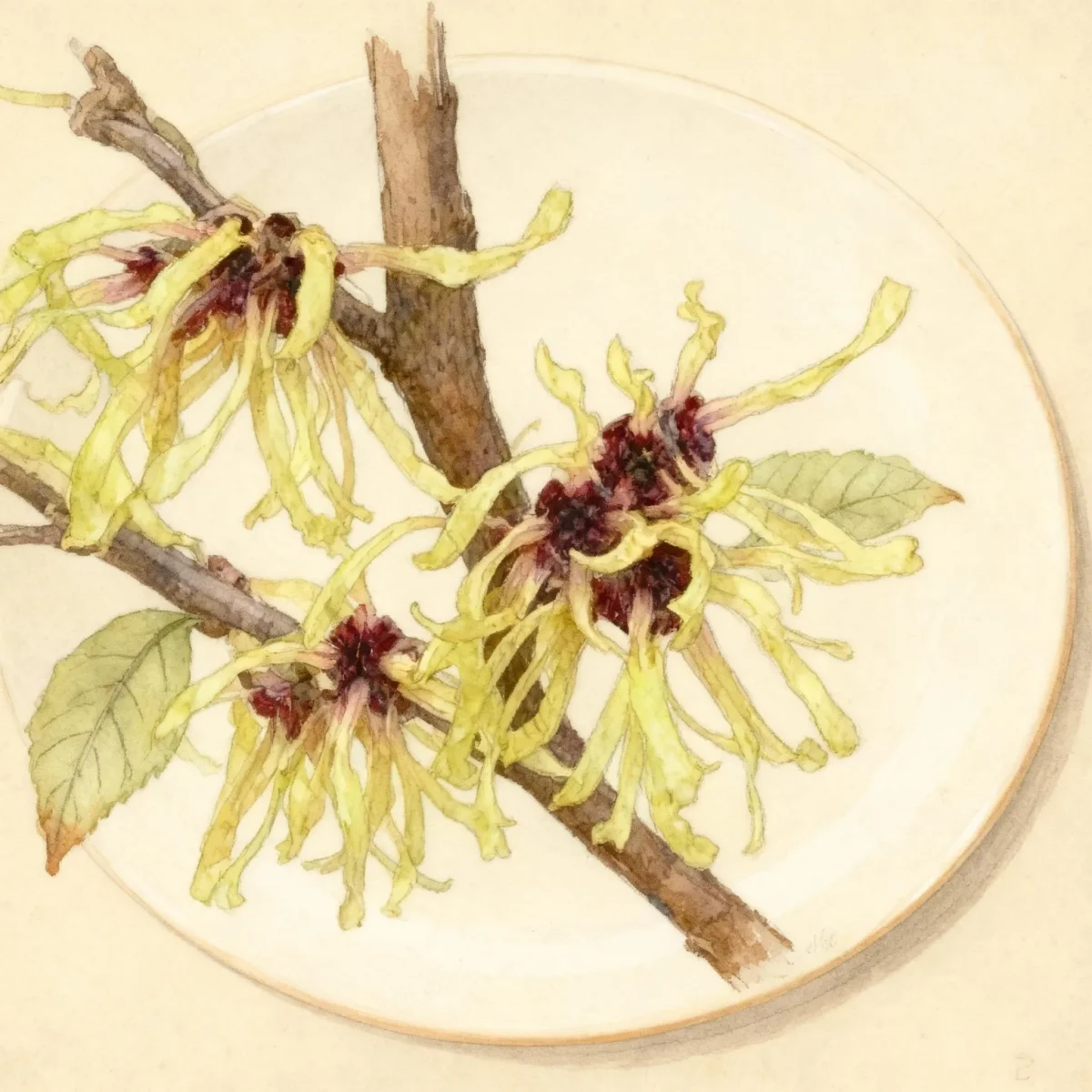
Witch hazel (Hamamelis × intermedia 'Feuerzauber' FIRE CHARM)
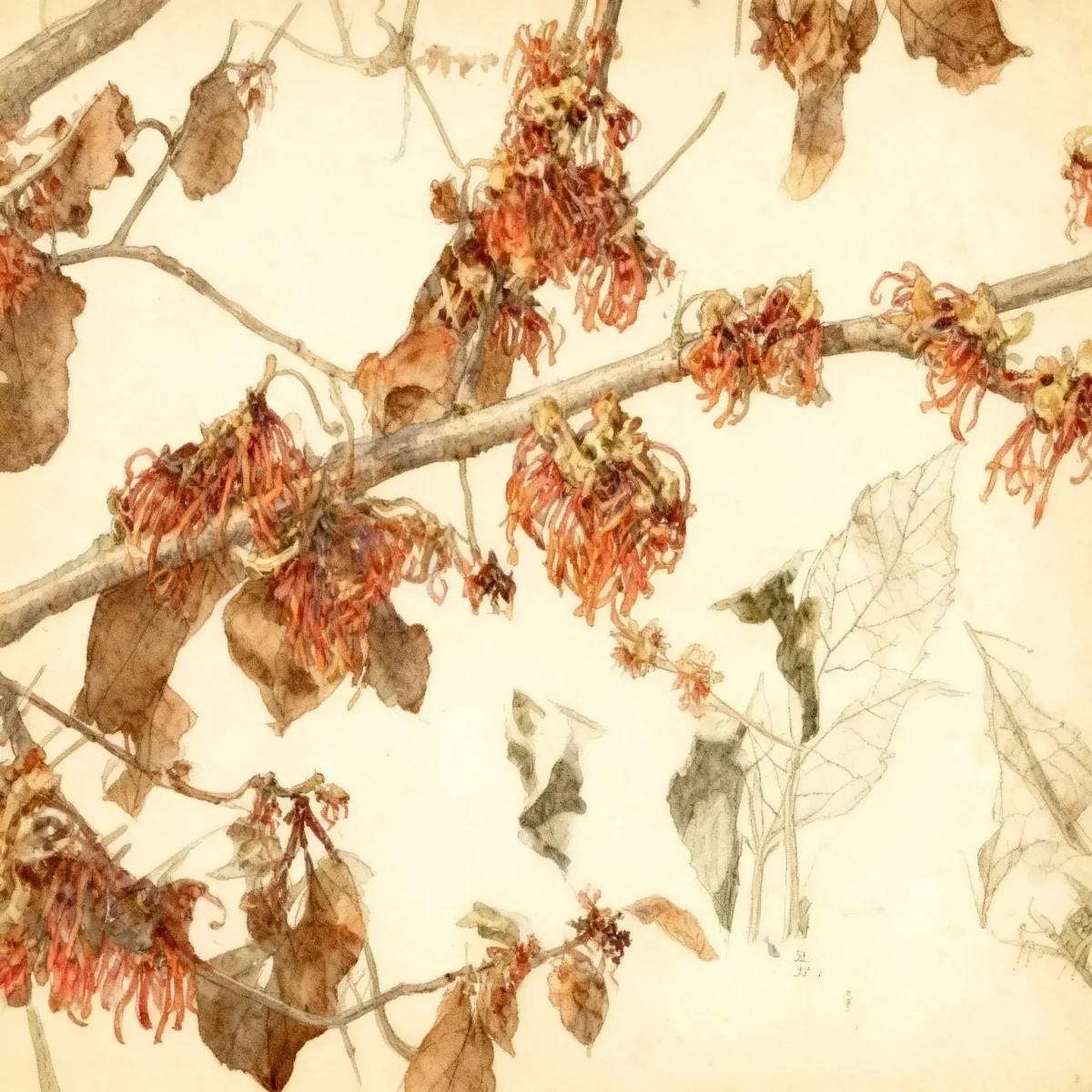
Hamamelis × intermedia 'Feuerzauber' FIRE CHARM is a striking Witch hazel known for its brilliant copper orange-red winter flowers.

Bloom Boldly, No Matter the Season - Sweatshirt
Cozy organic cotton sweatshirt featuring our exclusive Purple Coneflower design. Perfect for gardeners who bloom year-round.
Inspired by the beautiful Witch hazel
Limited first batch (50) — join the waitlist for early access
Waitlist closes Feb 15, 2026.
Complete Plant Information
Field Guide Continues
Ready for care notes, companion picks, and planting tips?
The map is just the start. The full guide below covers growth habits, seasonal performance, and landscape uses.
Overview
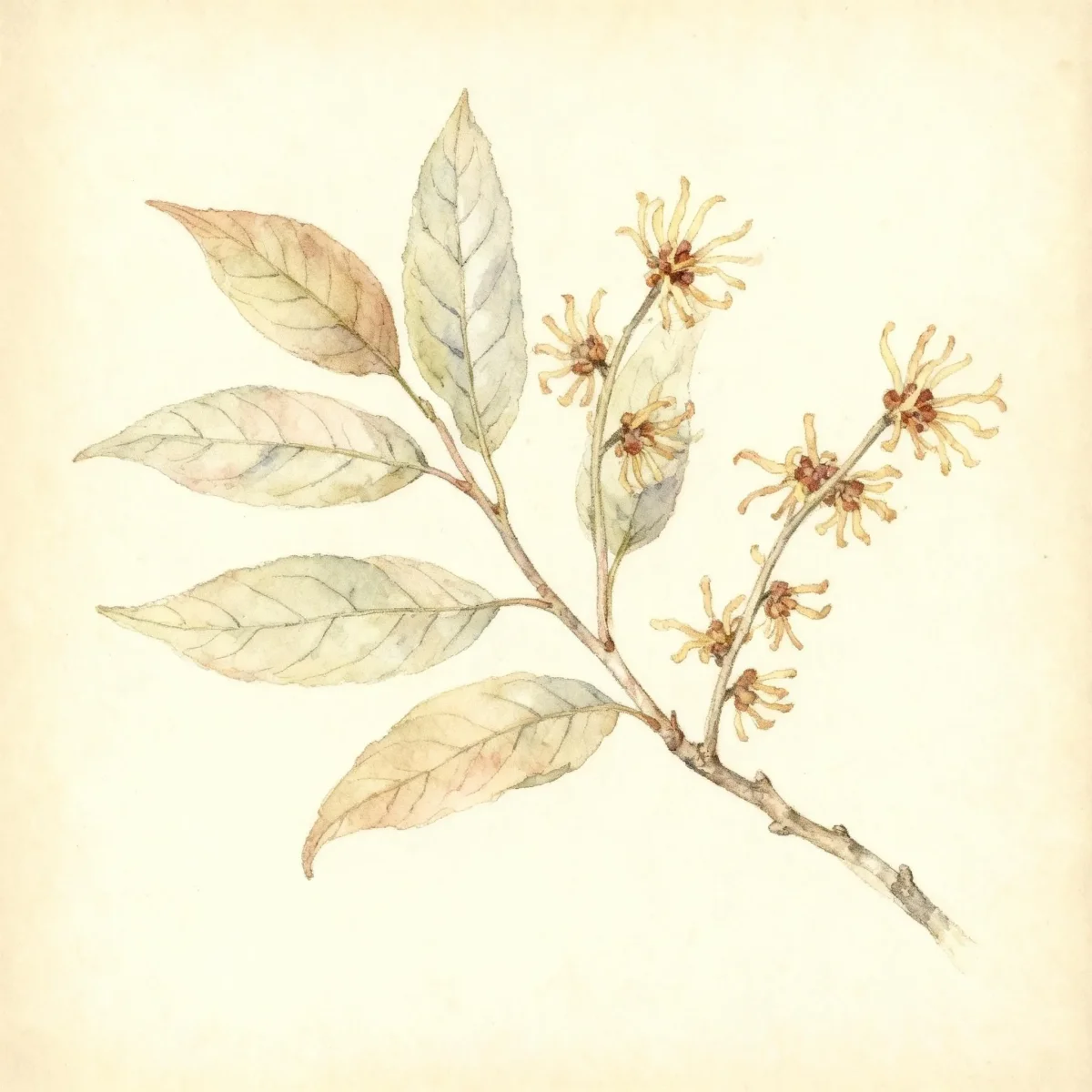
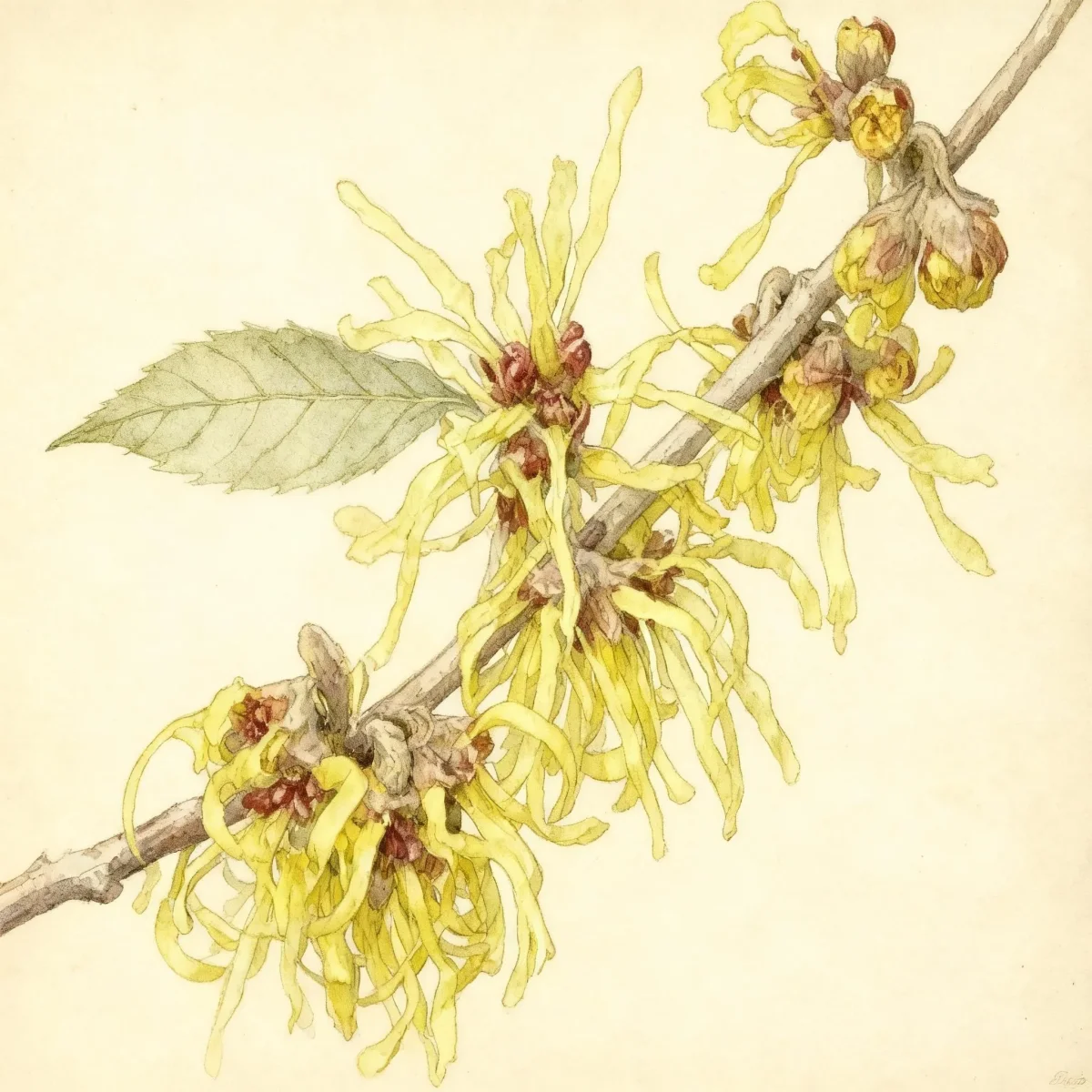
Hamamelis × intermedia ‘Feuerzauber’ FIRE CHARM provides exceptional winter interest, exploding with color when most of the garden is dormant. This specific cultivar of Witch hazel is celebrated for its vibrant, coppery orange-red, ribbon-like petals that bloom directly on bare branches, offering a welcome surprise in late winter. As a deciduous shrub, this hybrid brings structure year-round, transitioning from intensely colored flowers to attractive fall foliage.
Growing into a medium to large shrub, Hamamelis × intermedia ‘Feuerzauber’ FIRE CHARM establishes itself as a substantial landscape feature, often reaching heights near 10 feet. It is characterized by its low maintenance requirements once established, making it a valuable, reliable addition to borders and woodland settings. Its surprising resilience, including some tolerance for clay, adds to its broad appeal in various garden conditions.
The value of this Witch hazel extends beyond its bloom time; the foliage also provides excellent seasonal transitions and the flowers are mildly fragrant. For gardeners seeking reliable winter performance and structure, Hamamelis × intermedia ‘Feuerzauber’ FIRE CHARM is a top-tier selection, particularly suitable for screening or as a focal specimen.
Fast Facts
- Plant Family: Hamamelidaceae
- Plant Type: Deciduous shrub
- Hardiness Zones: USDA Zones 5-8
- Size at Maturity:
- Height: 9-11 ft
- Spread: 10-14 ft
- Bloom Time: January to March
- Bloom Description: Copper orange-red petals
- Sun Exposure: Full sun to part shade
- Water Needs: Medium
- Maintenance Level: Low
How to Grow
For optimal performance and the most spectacular flowering, plant Hamamelis × intermedia ‘Feuerzauber’ FIRE CHARM where it receives full sun. While it tolerates partial shade, blooms will be dramatically reduced in deeper shade. The best culture involves average, medium moisture, well-drained soils that are organically rich and slightly acidic, mimicking its preferred woodland edge environment.
Consistent moisture is crucial during the growing season; aim for medium water levels. The Witch hazel may suffer from leaf scorch if subjected to summer drought stress. While this shrub has some tolerance for clay soils, ensure that soil drainage remains good, as saturated winter roots are problematic.
Maintenance for Hamamelis × intermedia ‘Feuerzauber’ FIRE CHARM is generally low. Prune only if necessary, shaping the shrub lightly in the spring immediately after flowering concludes. A significant care point involves suckering: promptly remove any root suckers that arise, especially those originating below the graft union, to maintain desirable cultivar characteristics.
Landscape Uses
The superior winter flowering of Hamamelis × intermedia ‘Feuerzauber’ FIRE CHARM makes it indispensable for late-season interest. It functions perfectly as a specimen plant, drawing the eye when the landscape is otherwise monochromatic. Furthermore, its spreading habit and mature size allow it to serve effectively as a tall hedge or a natural screen where visual blockage is needed during winter months.
This bold shrub integrates well into mixed shrub borders or woodland gardens, providing structure against evergreen backdrops. Consider pairing the brilliant bloom of this Witch hazel with early spring bulbs, which begin to emerge just as the Hamamelis concludes its flowering performance. Its colorful fall foliage also complements later-turning deciduous trees and shrubs.
Standout Features
Flower Qualities
- Showy
- Fragrant
Noteworthy Characteristics
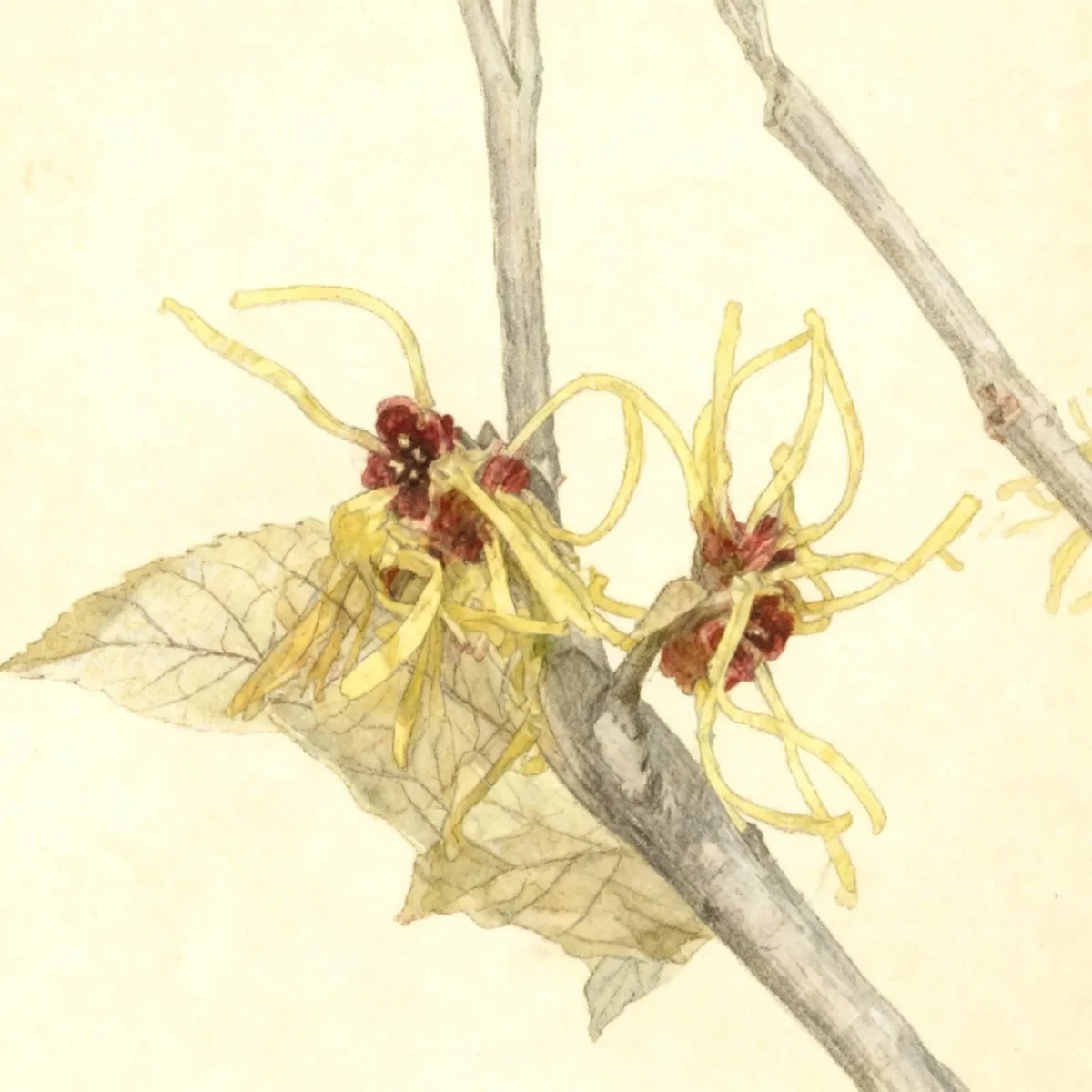
Hamamelis × intermedia hybrids are crosses between Japanese witch hazel (H. Japonica) and Chinese witch hazel (H. Mollis). They are particularly noted for their spidery, often fragrant, mid- to late winter flowers which appear before the spring foliage emerges. FIRE CHARM (‘Feuerzauber’) has red flowers and typically matures as an upright-spreading shrub. Its flowers feature four narrow, ribbon-like, twisted and crinkled, coppery-orange-red petals, creating a unique texture against the bare stems.
Tolerances
- Deer
- Erosion
- Clay Soil
Potential Problems
Insect and disease issues for this Witch hazel are typically minor and rarely require chemical intervention. Caterpillars and Japanese beetles might chew holes in the summer leaves, presenting more of an aesthetic concern than a physiological threat. Keep an eye out for common pests like gall aphids, scale insects, leafrollers, and leafminers.
Fungal issues principally involve powdery mildew, though occasional leaf spots or root rots can appear, particularly if poor drainage persists. Preventive care centers on maintaining proper soil aeration and ensuring the shrub is not overly stressed by drought, which reduces overall vigor.
Frequently Asked Questions
What hardiness zones is Witch hazel suitable for?
Hamamelis × intermedia ‘Feuerzauber’ FIRE CHARM performs best in USDA Hardiness Zones 5 through 8.
How large does Hamamelis × intermedia ‘Feuerzauber’ FIRE CHARM grow?
This deciduous shrub typically matures to a height between 9 and 11 feet, with a spread ranging from 10 to 14 feet wide.
What sun exposure does Witch hazel need?
For the best display of its magnificent flowers, plant this Witch hazel in full sun, although it will tolerate partial shade.
When does Hamamelis × intermedia ‘Feuerzauber’ FIRE CHARM bloom?
This variety flowers in the depth of winter, typically from January to March, displaying its distinctive copper orange-red petals.
Conclusion
The Hamamelis × intermedia ‘Feuerzauber’ FIRE CHARM is an exceptional investment for any garden needing reliable, high-impact color during the coldest months. Its low maintenance profile and tolerance for clay soil make this Witch hazel surprisingly adaptable. Ensure you select a suitable spot receiving adequate winter sun and plan to plant it during the dormant season for the best establishment.
Companion Planting
When planning garden companions for Witch hazel, focus on species that either emerge very early or provide consistent summer structure, as the Hamamelis leaves emerge after its bloom. Pairing with early bulbs like snowdrops (Galanthus) or winter aconite (Eranthis) ensures continuous visual interest. For summer contrast, consider pairing with deep emerald perennials whose foliage will visually soften the woody structure left behind by the Hamamelis in spring.
Pruning Considerations for Longevity
Although maintenance is low, understanding the best time to prune your Hamamelis × intermedia ‘Feuerzauber’ FIRE CHARM is key to preserving its natural, elegant form. Since it blooms on old wood, any significant pruning must occur immediately after the flowers fade in early spring before the new growth begins. Avoid heavy shaping, as these hybrids generally look best when allowed to develop their naturally open, spreading structure.