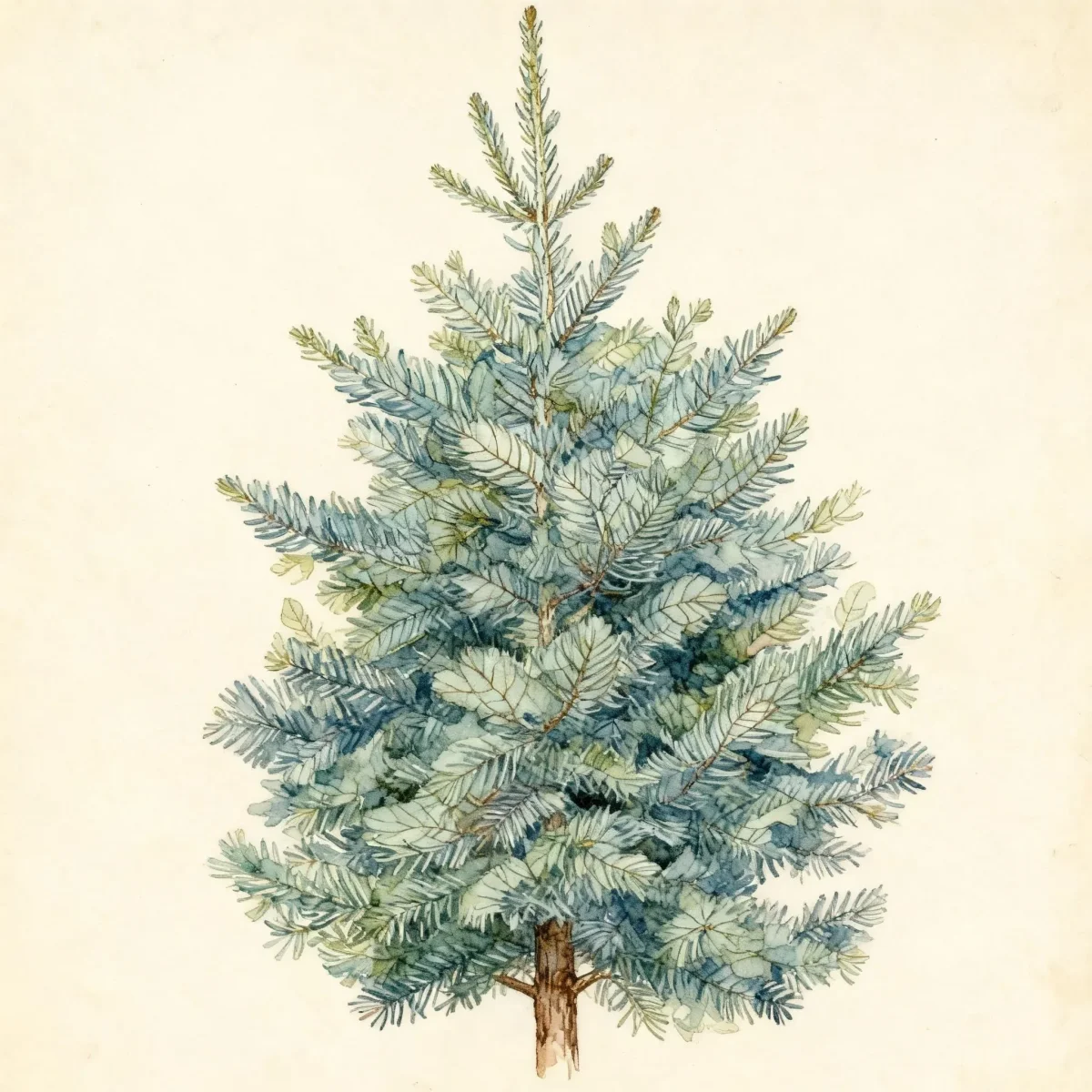
Balsam fir (Abies balsamea 'Jamy')
Abies balsamea 'Jamy' is a fragrant, globular dwarf Balsam fir, perfect for small gardens in USDA Zones 3-6.
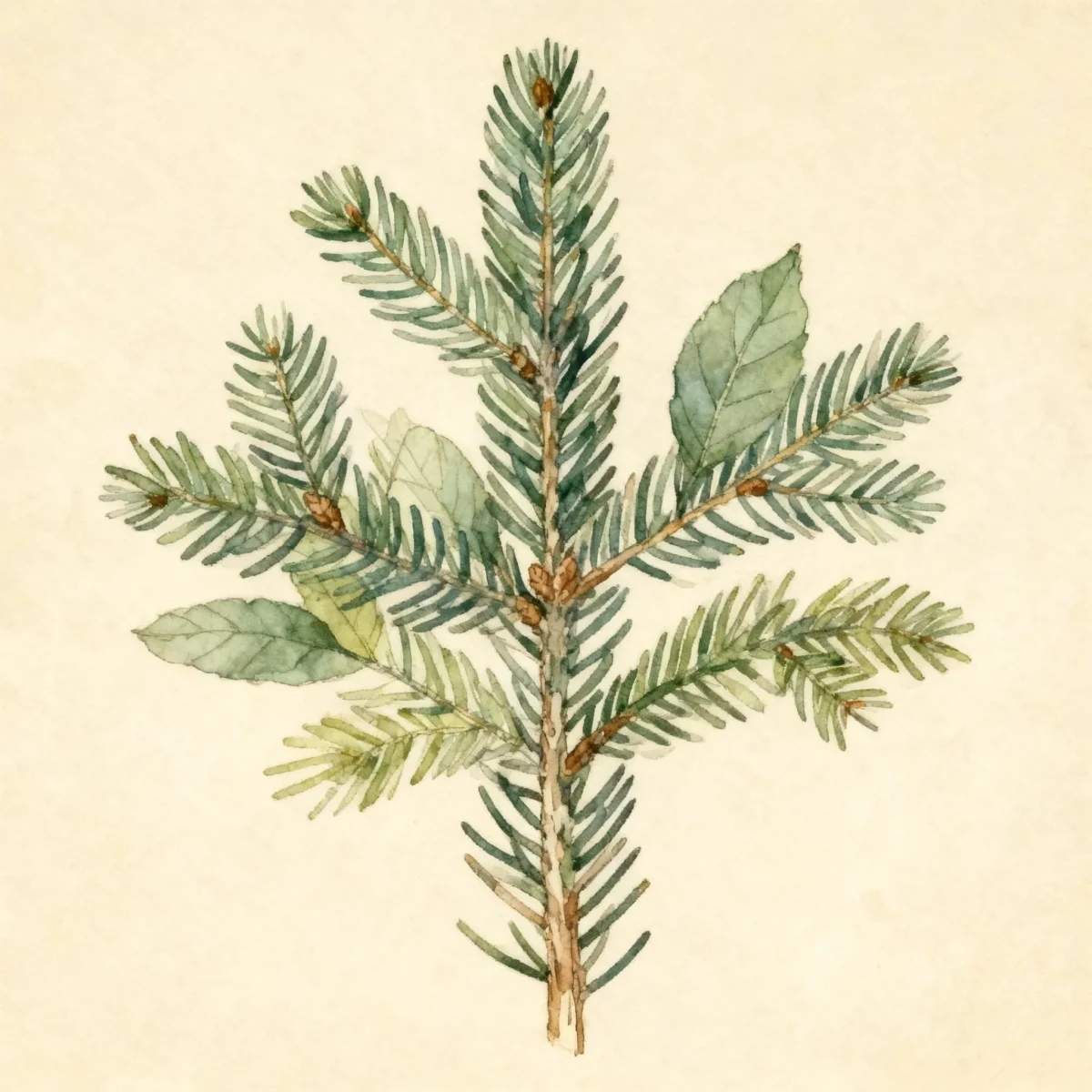

Bloom Boldly, No Matter the Season - Sweatshirt
Cozy organic cotton sweatshirt featuring our exclusive Purple Coneflower design. Perfect for gardeners who bloom year-round.
Inspired by the beautiful Balsam fir
Limited first batch (50) — join the waitlist for early access
Waitlist closes Feb 15, 2026.
Complete Plant Information
Field Guide Continues
Ready for care notes, companion picks, and planting tips?
The map is just the start. The full guide below covers growth habits, seasonal performance, and landscape uses.
Overview
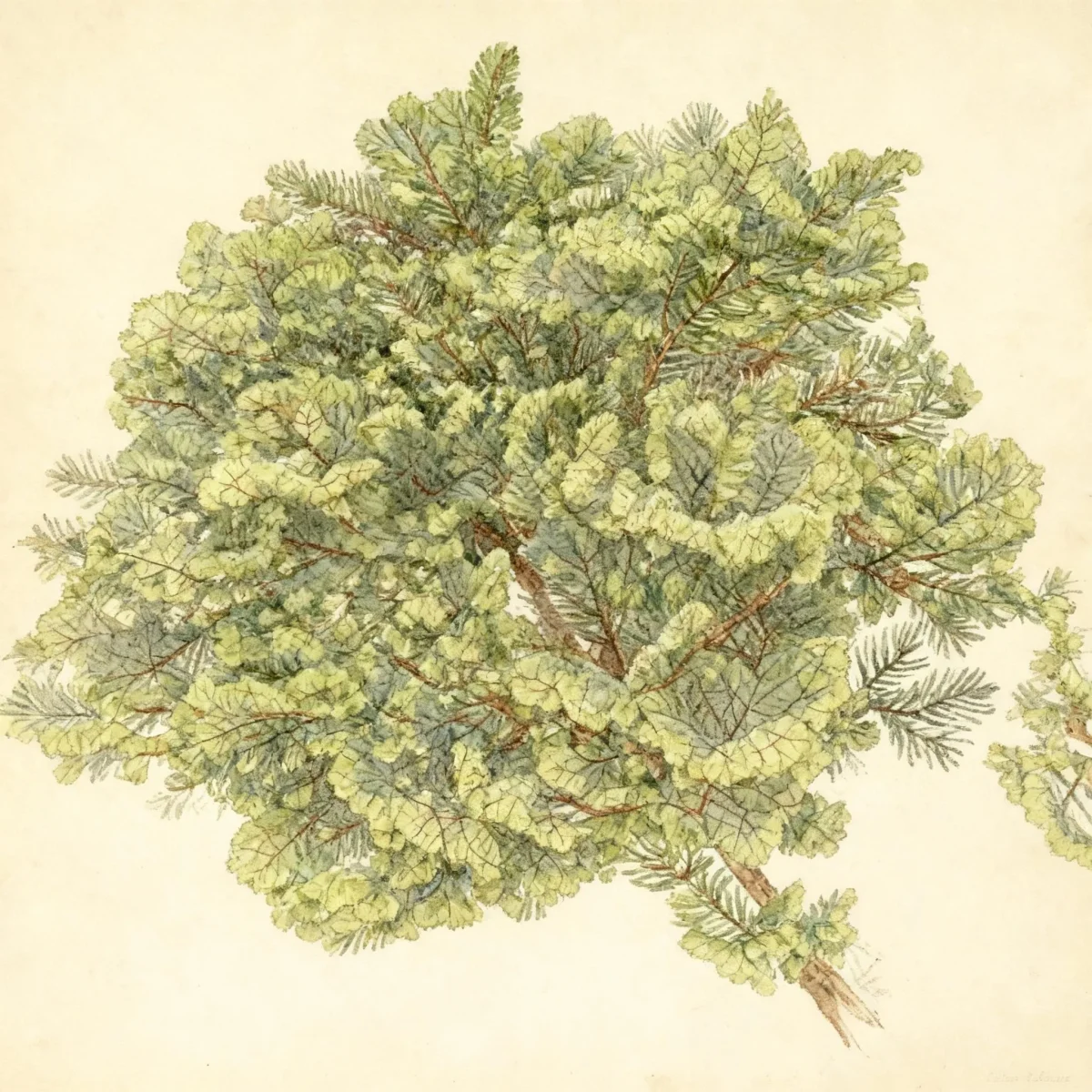
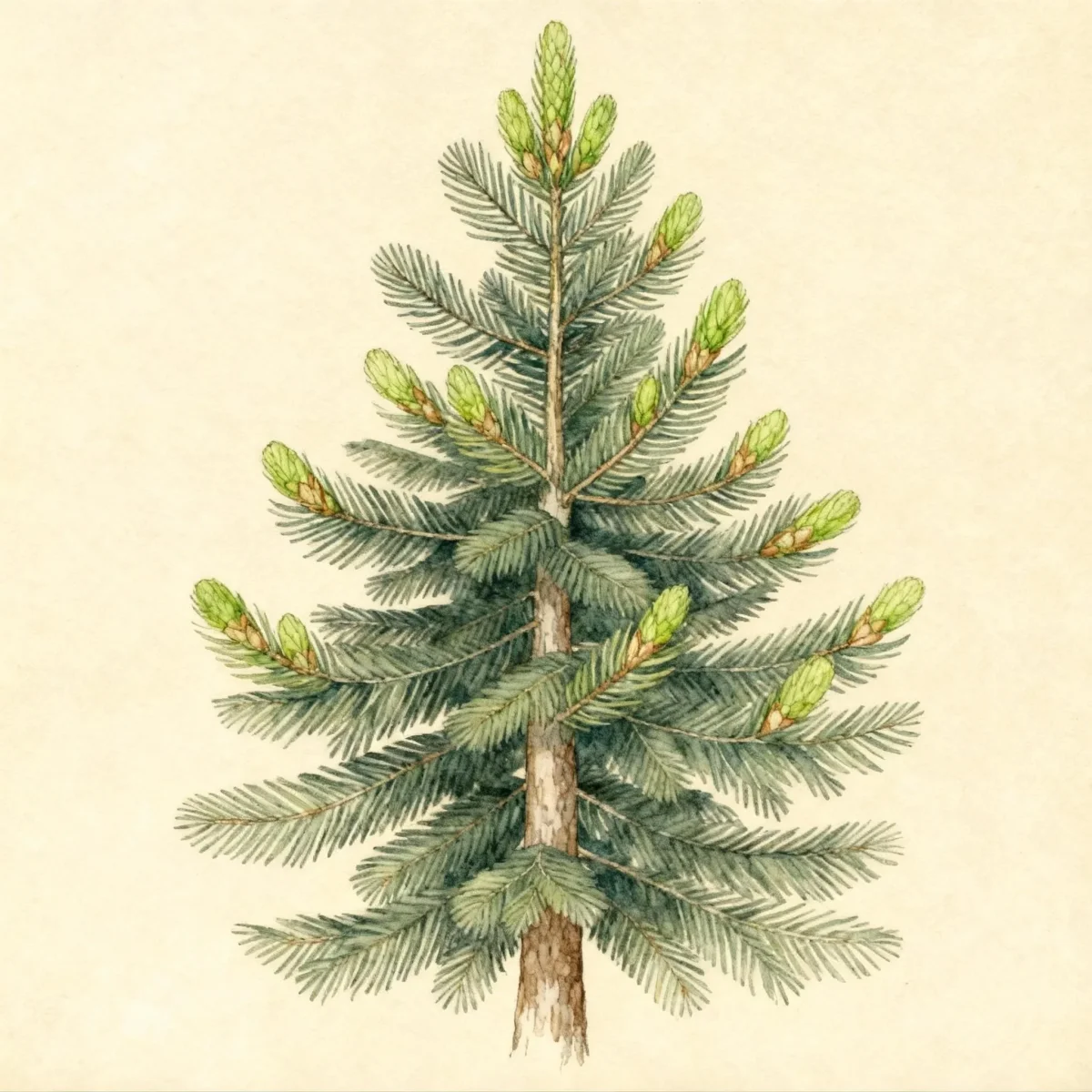
The Abies balsamea ‘Jamy’ is a highly desirable, slow-growing dwarf cultivar of the native Balsam fir. This distinctive evergreen brings the classic fragrance and symmetrical form of its larger relative into tight spaces, maturing into a dense, attractive globe. Gardeners prize this variety for its exceptional texture and its very small stature, making it an excellent choice where space is limited.
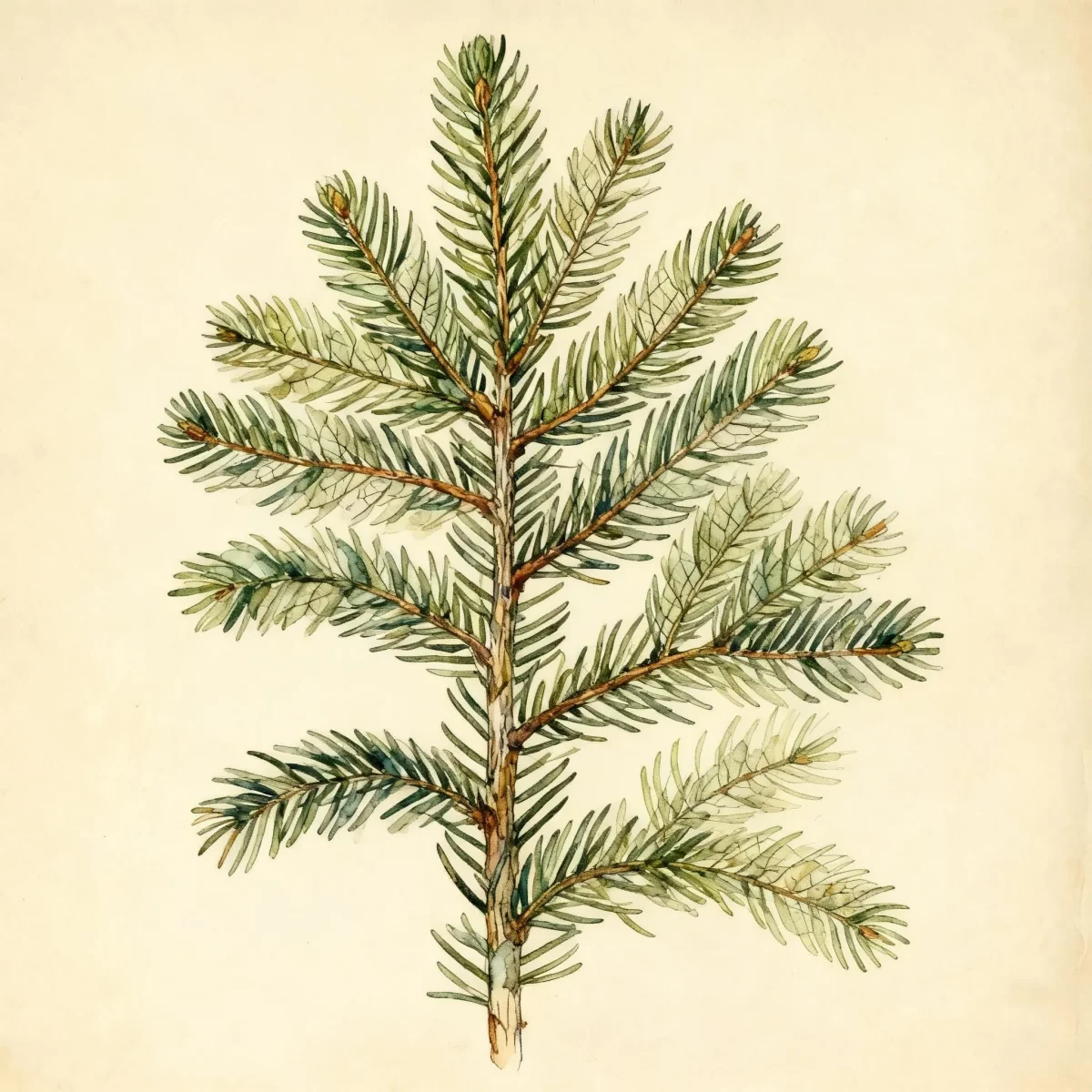
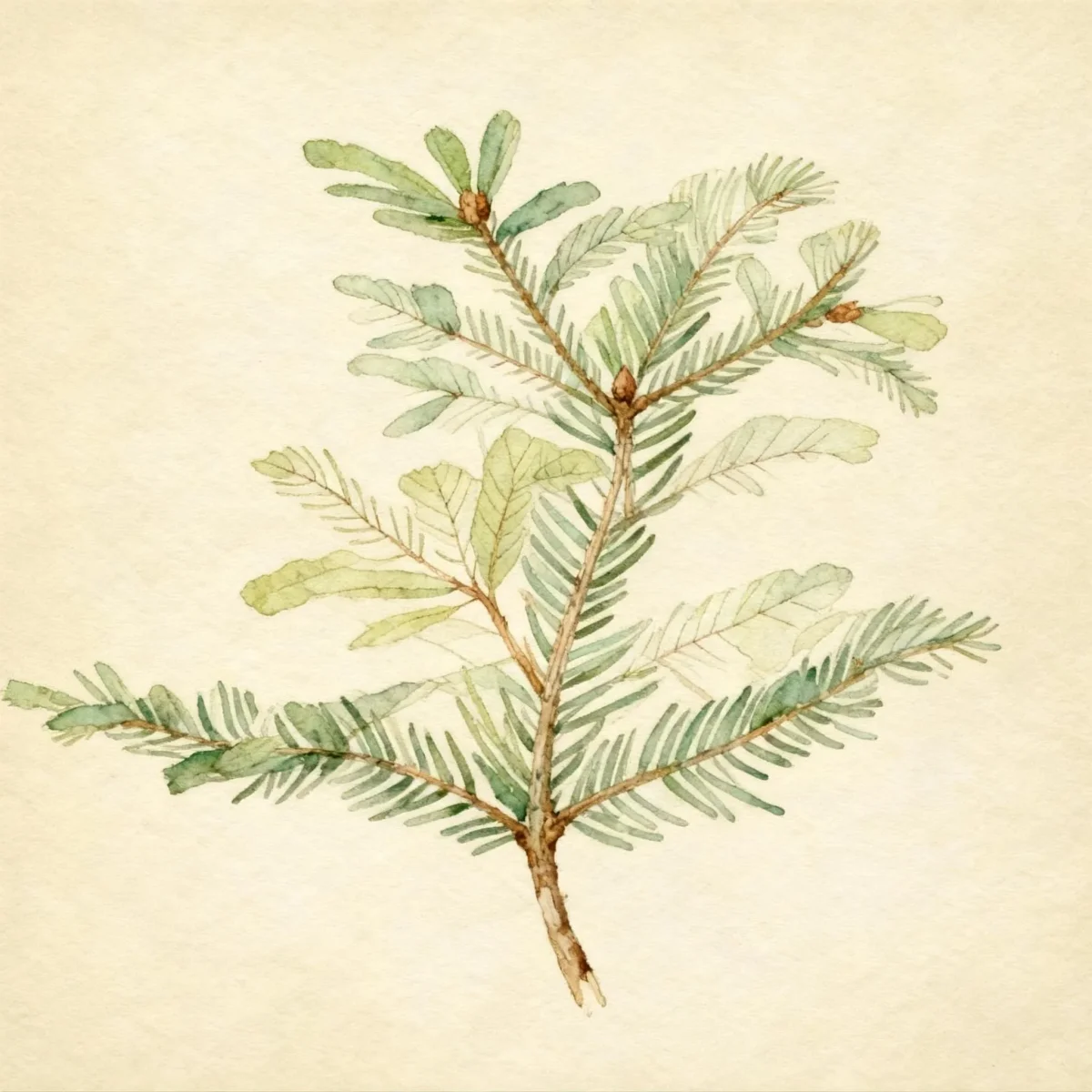
This specific globe form of Balsam fir is native to cool climates, reflecting the general hardiness of Abies balsamea. It maintains dense, dark green needles that release a piney, aromatic scent, often associated with winter holidays. While the parent tree is a large forest component, the ‘Jamy’ cultivar offers a manageable centerpiece for year-round structure.
While the larger Balsam fir species is famous as a commercial Christmas cut tree due to its needle retention and fragrance, the Abies balsamea ‘Jamy’ offers permanent aesthetic value as a foundation plant or container specimen. Careful attention to soil moisture and climate suitability is necessary to ensure this petite evergreen thrives in your landscape.
Fast Facts
- Plant Family: Pinaceae
- Plant Type: Needled evergreen
- Hardiness Zones: USDA Zones 3-6
- Size at Maturity:
- Height: 1-1.5 ft
- Spread: 1-1.5 ft
- Bloom Time: Non-flowering
- Bloom Description: Non-flowering
- Sun Exposure: Full sun to part shade
- Water Needs: Medium
- Maintenance Level: Medium
How to Grow
Planting the Abies balsamea ‘Jamy’ should occur in early spring or fall when temperatures are mild, allowing roots to establish before summer stress. This cultivar thrives best in rich, consistently moist, slightly acidic, and well-drained soils. Full sun exposure is preferred for the densest growth, though it tolerates light afternoon shade. Avoid planting in heavy clay soils, as poor drainage is detrimental to most firs.
Medium water needs mean this dwarf conifer requires consistent moisture, especially during establishment. Water deeply whenever the top inch of soil feels dry, being careful not to allow soggy conditions, which can encourage root rot. Fertilization is often unnecessary if grown in rich soil; otherwise, use a slow-release fertilizer formulated for acid-loving evergreens or conifers in early spring.
Due to its cool-climate origins, gardeners must note that the native Balsam fir is not recommended for planting where hot, humid summers persist outside of USDA Zone 5. For winter protection in the colder edges of its range (Zone 3), ensure plenty of mulch is applied around the root zone. Pruning is minimal for the ‘Jamy’ cultivar, as its appeal lies in its natural, slow-growing globular habit.
Landscape Uses
The incredibly diminutive size of Abies balsamea ‘Jamy’ unlocks unique landscape potential compared to its towering relatives. It serves excellently as a specimen fir, providing a focal point in small rock gardens or situated near entryways where its subtle fragrance can be enjoyed. Because it is an ornamental yard tree on a miniature scale, it is ideal for contemporary or woodland-style plantings where texture contrast is important.
Pair this slow-growing dwarf near contrasting foliage, such as broadleaf evergreens or deciduous shrubs with brighter summer or fall color. Its near-perfect globular form makes it a strong candidate for formal edging, provided the maintenance level is acceptable for keeping its shape tidy. Although the standard Balsam fir is a popular Christmas tree, this cultivar offers year-round evergreen structure without consuming large amounts of space.
Standout Features
Noteworthy Characteristics
The native Abies balsamea, or balsam fir, is renowned for its aromatic resin contained in blisters on its gray-brown bark and its upright, purple cones which disintegrate at maturity. The ‘Jamy’ is a very slow-growing globular dwarf that typically matures to only 1’ tall and to 1 1/2’ wide over time, usually growing less than 1/2” per year. This diminutive habit preserves the classic characteristics of the species in a garden-friendly package.
Tolerances
- Intolerant of urban pollution
Potential Problems
Insect pests commonly target Balsam fir, including the Balsam woolly adelgids and spruce budworms, which can be serious structural threats to larger trees. Scale insects and aphids can also be present, especially if the plant experiences stress, such as during hot, dry periods where spider mites might appear. Disease issues include various forms of rot (heart rot, root rot) and twig blight, often linked to poor air circulation or overly wet conditions. Management focuses on diligent inspection throughout the growing season and ensuring the appropriate cultural needs of rich, well-drained soil are met for the Abies balsamea ‘Jamy’.
Frequently Asked Questions
What hardiness zones is Balsam fir suitable for?
This specific cultivar, Abies balsamea ‘Jamy’, is hardy in USDA Zones 3 through 6.
How large does Abies balsamea ‘Jamy’ grow?
This dwarf cultivar is very slow-growing, typically maturing to a height and spread between 1 and 1.5 feet over many years.
What sun exposure does Balsam fir need?
Abies balsamea ‘Jamy’ performs best when situated in full sun, though it can successfully grow in conditions receiving partial shade.
When does Balsam fir bloom?
This plant is non-flowering, as is characteristic of conifers; it produces cone structures instead of flowers.
Conclusion
The Abies balsamea ‘Jamy’ offers unparalleled value for gardeners seeking year-round structure, compact size, and the classic, rich fragrance of the Balsam fir. Its slow, globular growth habit ensures it remains a manageable feature for decades. Before planting your Abies balsamea ‘Jamy’, confirm your location falls within USDA Zones 3-6 and ensure soil drainage is excellent to guarantee long-term success.
Companion Planting
When selecting companions for Abies balsamea ‘Jamy’, prioritize plants that share the need for acidic soil conditions and consistent moisture. Low-growing shade perennials like Hosta or Astilbe work well beneath the scattered canopy, providing textural contrast to the fine needles of the dwarf fir. For evergreen structure nearby, consider Heathers or low-growing Junipers that appreciate similar sun exposure but offer differing color palettes.
Even though this is a slow-growing dwarf, ensuring ample air circulation around it is vital to mitigate potential fungal issues. Avoid planting it too closely against dense shrubs or groundcovers that might trap humidity around the foliage of the Balsam fir specimen.
Seasonal Care Calendar
Spring is the ideal time to apply a light, slow-release fertilizer if necessary, immediately followed by confirming adequate moisture levels as the growing season begins. Watch closely during spring and early summer for signs of insect pests, particularly adelgids, and treat immediately upon detection to prevent population buildup.
Summer care hinges entirely on consistent watering; while established plants tolerate some drying, new plantings of Abies balsamea ‘Jamy’ should not be allowed to dry out completely in intense heat. In autumn, applying a layer of protective mulch encourages root health heading into winter. In areas near the northern limit of its hardiness, ensure the plant is well-watered before the ground freezes solid.