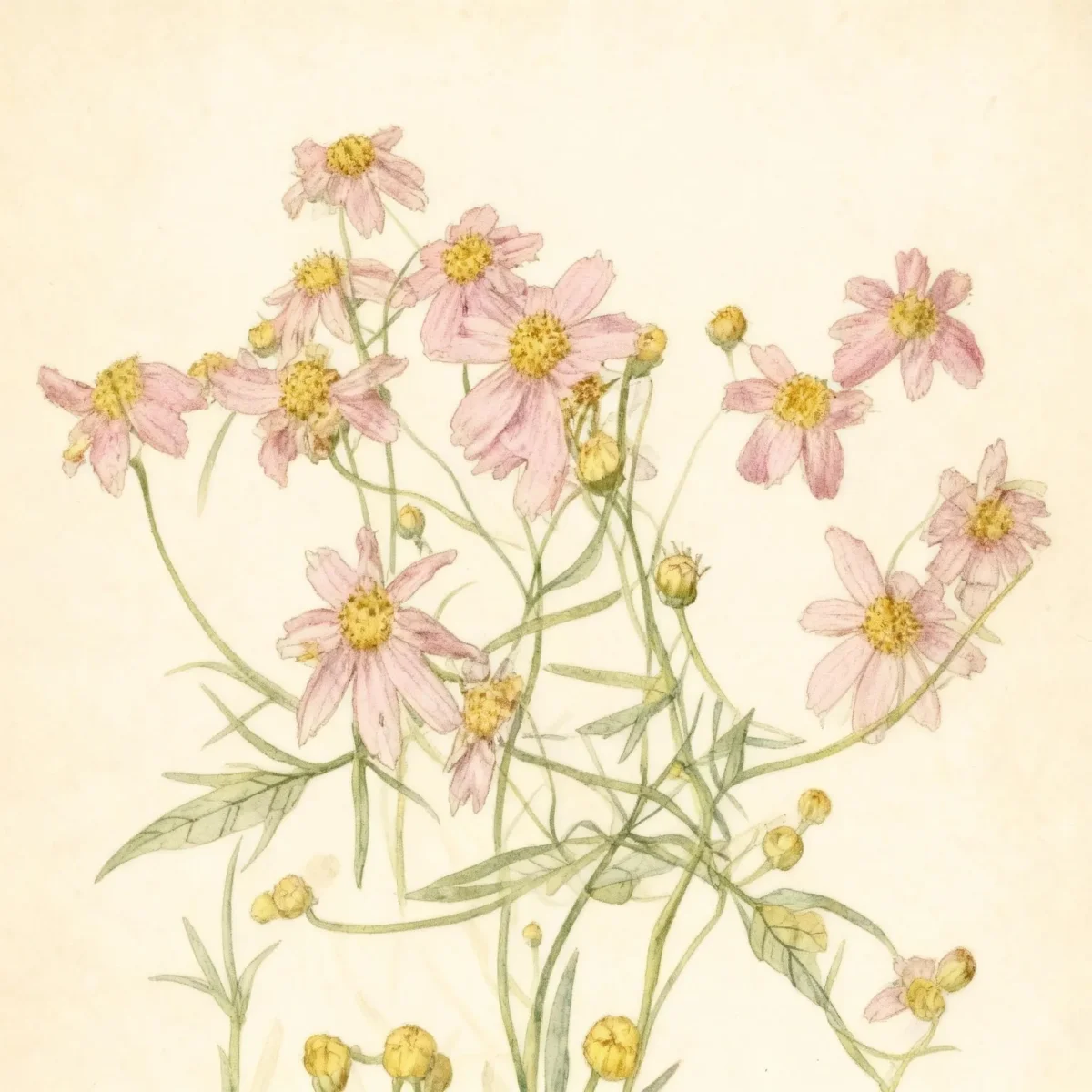
Black-eyed Susan (Rudbeckia hirta 'Irish Spring')
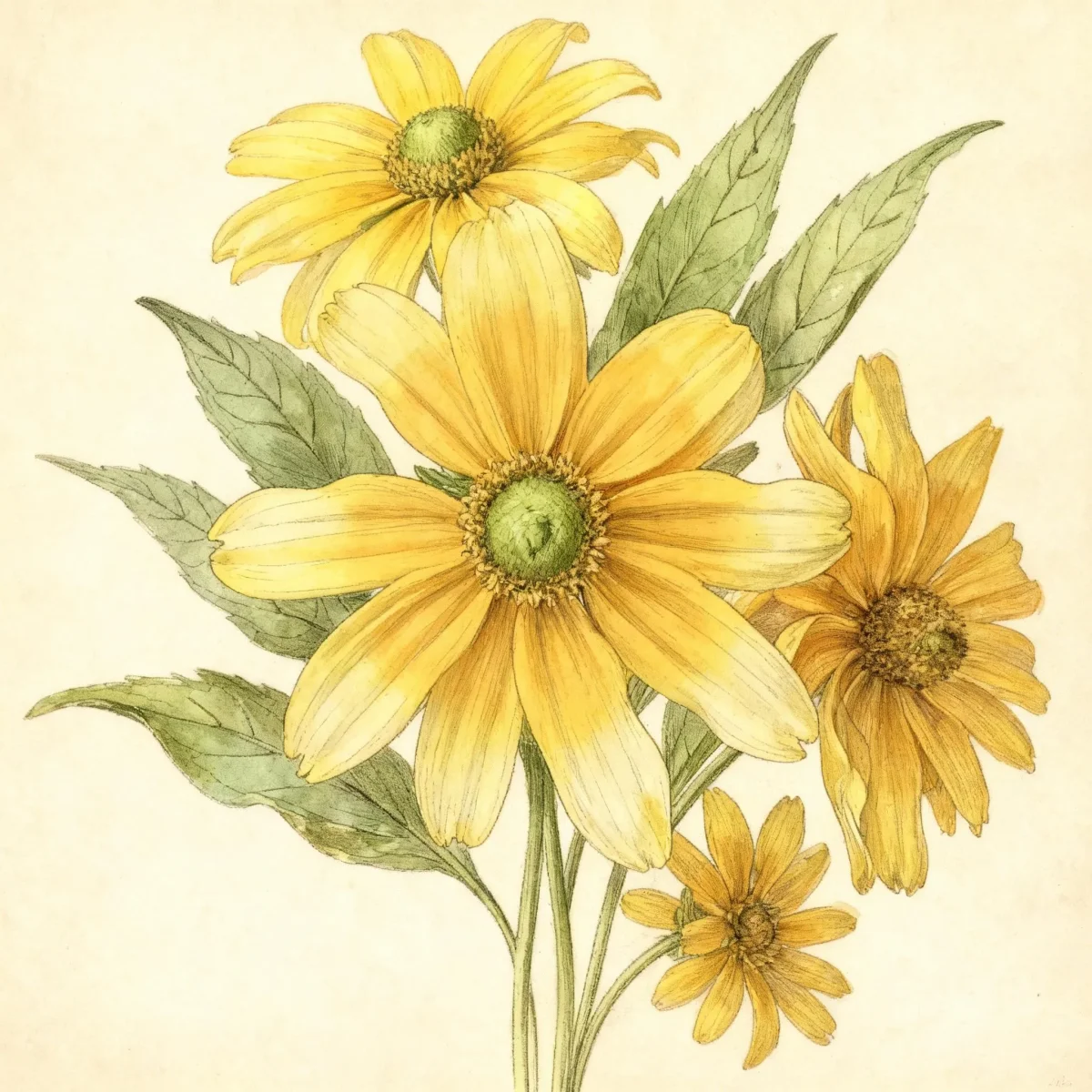
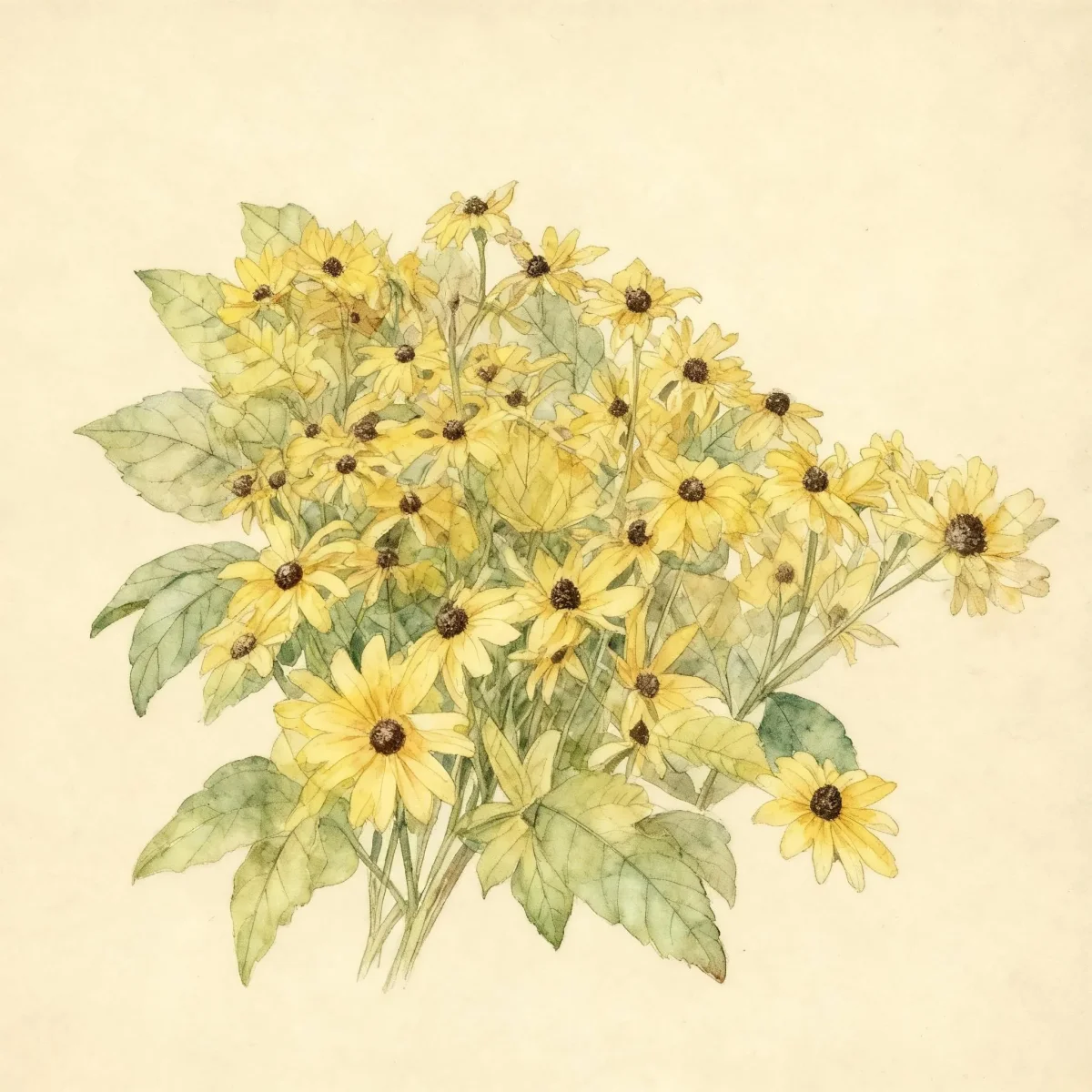
Rudbeckia hirta 'Irish Spring' offers showy flowers with yellow rays and green centers. This adaptable Black-eyed Susan is low maintenance through zones 3-8.


Bloom Boldly, No Matter the Season - Sweatshirt
Cozy organic cotton sweatshirt featuring our exclusive Purple Coneflower design. Perfect for gardeners who bloom year-round.
Inspired by the beautiful Black-eyed Susan
Limited first batch (50) — join the waitlist for early access
Waitlist closes Feb 15, 2026.
Complete Plant Information
Field Guide Continues
Ready for care notes, companion picks, and planting tips?
The map is just the start. The full guide below covers growth habits, seasonal performance, and landscape uses.
Overview
The striking Rudbeckia hirta ‘Irish Spring’ brings reliable, long-lasting color to summer gardens. Known commonly as the Black-eyed Susan, this cultivar is prized for its clear golden yellow ray petals contrasting beautifully against a unique greenish center disk. It is a vigorous grower, often treated as an annual but hardy enough to survive as a short-lived perennial across wide temperature ranges.
This variety establishes quickly, providing consistent visual interest from early summer right up until the first hard frost. Cultivating Rudbeckia hirta ‘Irish Spring’ is straightforward, as it thrives in average well-drained soils provided it receives ample direct sun. Its upright habit makes it an excellent vertical accent in mixed borders and cottage gardens.
Gardeners appreciate the low maintenance required to keep Rudbeckia hirta ‘Irish Spring’ looking its best. Deadheading encourages prolific reblooming, and this adaptable plant is tolerant of heat and dryness once established. Enjoy the cheerful display of this robust Black-eyed Susan throughout the prime growing season.
Fast Facts
- Plant Family: Asteraceae
- Plant Type: Herbaceous perennial
- Hardiness Zones: USDA Zones 3-8
- Size at Maturity:
- Height: 2-3 ft
- Spread: 1.5-2 ft
- Bloom Time: June to frost
- Bloom Description: Yellow rays with green center disk
- Sun Exposure: Full sun
- Water Needs: Medium
- Maintenance Level: Low
How to Grow
For the best first-year performance, start seeds indoors around March 1st to allow time for adequate growth before transplanting outside after the last frost date. Alternatively, seed can be sown directly into the garden once the danger of frost has passed. Rudbeckia hirta ‘Irish Spring’ prefers average, medium moisture, well-drained soil but is remarkably adaptable, handling heat and drought well once mature.
While it tolerates average conditions, it thrives best in soils that are organically rich and consistently moist. Ensure your chosen site provides full sun exposure, as insufficient light will reduce blooming performance. Water moderately, especially while plants are establishing their root systems in their first season.
Maintenance is generally low for this sturdy plant. Deadheading spent flowers is the most critical task; this prevents prolific self-seeding that may lead to unwanted crowding, and it actively encourages the plant to produce more blooms throughout the summer. Even if individual plants do not overwinter, the freely self-seeding nature of Rudbeckia hirta ‘Irish Spring’ often ensures its return.
Landscape Uses
The versatility of this cultivar allows it to fit seamlessly into various garden designs. Use Rudbeckia hirta ‘Irish Spring’ in traditional cottage gardens where its height and bright color create vertical structure within softer plantings. It performs exceptionally well when planted in groups or mass plantings for maximum visual impact along borders.
As an excellent cut flower, ensure you plant enough near the cutting garden or back door for easy harvest. Because it also naturalizes well and thrives in wilder settings, you can incorporate it into meadow plantings or informal drifts along sunny slopes. Its robust look also makes it a great filler for temporary annual beds where consistent, bright color is needed all season long.
Standout Features
Flower Qualities
- Showy
- Good Cut
Noteworthy Characteristics
Rudbeckia hirta, commonly known as black-eyed Susan, is native to open woods and prairies, recognized for its coarse, hairy texture and daisy-like flowers. The notable feature of the ‘Irish Spring’ cultivar is its long bloom period culminating in large flowers measuring 5-7 inches across, distinctly featuring deep golden yellow rays paired with a greenish center disk, distinguishing it from darker-centered relatives like ‘Indian Summer’. Genus name recognition honors Swedish botanist Olof Rudbeck, while the species epithet hirta refers to the short, bristly hairs covering the stems and leaves of this upright perennial.
Tolerances
- Deer
- Drought
- Clay Soil
Potential Problems
Generally, this Black-eyed Susan shows good resistance to serious pests and diseases. The primary cultural issue to watch for is susceptibility to powdery mildew, especially in areas with high humidity and poor air circulation. To prevent mildew, ensure adequate spacing between plants to allow air to move freely around the foliage.
Slugs and snails can occasionally target very young seedlings, so monitor new transplants closely during cool, damp spring evenings. While the tendency to self-seed is often a benefit, heavy re-seeding can lead to overcrowding; diligent deadheading is the best management tool to control where new plants emerge next season. Deer typically avoid grazing on this species due to its hairy foliage.
Frequently Asked Questions
What hardiness zones is Black-eyed Susan suitable for?
Rudbeckia hirta ‘Irish Spring’ is hardy and reliably performs across USDA Zones 3 through 8, offering flexibility across many climates.
How large does Rudbeckia hirta ‘Irish Spring’ grow?
This variety typically achieves a mature height between 2 and 3 feet tall, with a spread ranging from 1.5 to 2 feet wide.
What sun exposure does Black-eyed Susan need?
For the best display of its yellow rays and green centers, Rudbeckia hirta ‘Irish Spring’ requires full sun throughout the growing season.
When does Rudbeckia hirta ‘Irish Spring’ bloom?
This prolific bloomer begins flowering in June and continues to produce bright yellow flowers with green center disks reliably until the first frost arrives.
Conclusion
The Rudbeckia hirta ‘Irish Spring’ offers exceptional value to the summer garden through its dependable, low-maintenance nature and long season of vivid color. Its tolerance for various soil types, including clay, makes it an accessible choice for almost any sunny spot. Incorporate this beautiful Black-eyed Susan into your plans now and check your local hardiness zone compatibility today.
Companion Planting
When planning borders featuring Rudbeckia hirta ‘Irish Spring’, select companions that also thrive in full sun and moderate moisture conditions. Tall spires of Salvia or Veronica provide excellent architectural contrast to the rounded daisy shape of the Black-eyed Susan. Consider lower-growing groundcovers like creeping thyme or low Phlox for the front of the border to suppress weeds around the base of the Rudbeckia foliage.
For a classic meadow or native planting scheme, pair this cultivar with Liatris (Blazing Star) or Purple Coneflower (Echinacea). These companions share similar cultural needs and offer varying flower shapes, creating a rich, dynamic tapestry of summer interest that supports local pollinators alongside the Rudbeckia.
Design Ideas for Full Sun Borders
Designing with robust, mid-height yellows like Rudbeckia hirta ‘Irish Spring’ involves balancing opacity and texture. Use this plant as a middle layer—taller than short border edging but shorter than background screening materials like tall grasses or sunflowers. A grouping of odd numbers (threes or fives) creates the most natural and impactful visual effect.
In contemporary designs, repeat the yellow color achieved by the ray flowers in a different texture, perhaps using the silvery foliage of Artemisia or the flat tops of Yarrow (Achillea) nearby. This repetition ties the planting scheme together while the different leaf shapes enhance visual depth, making the garden more interesting even when these Black-eyed Susans are not in bloom.