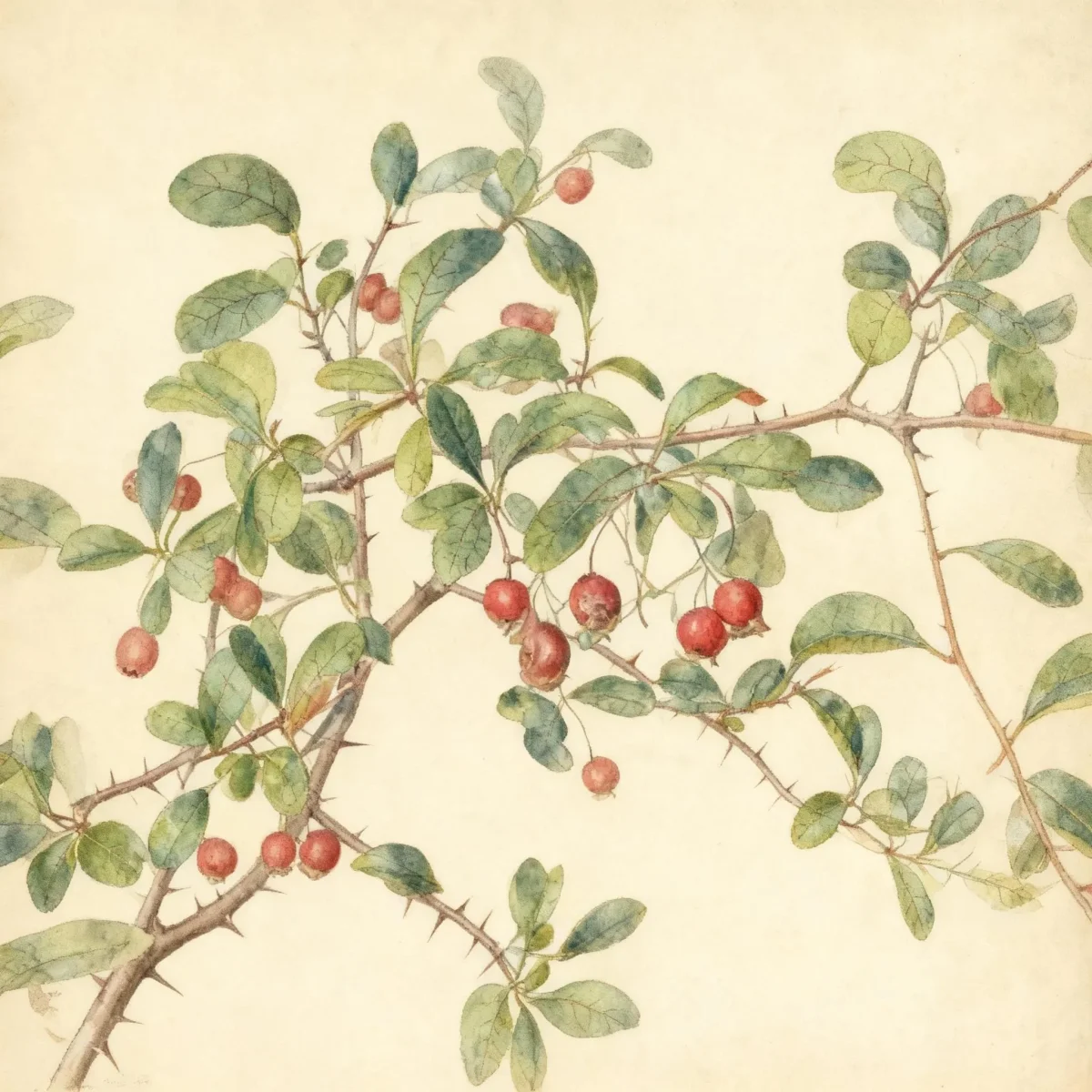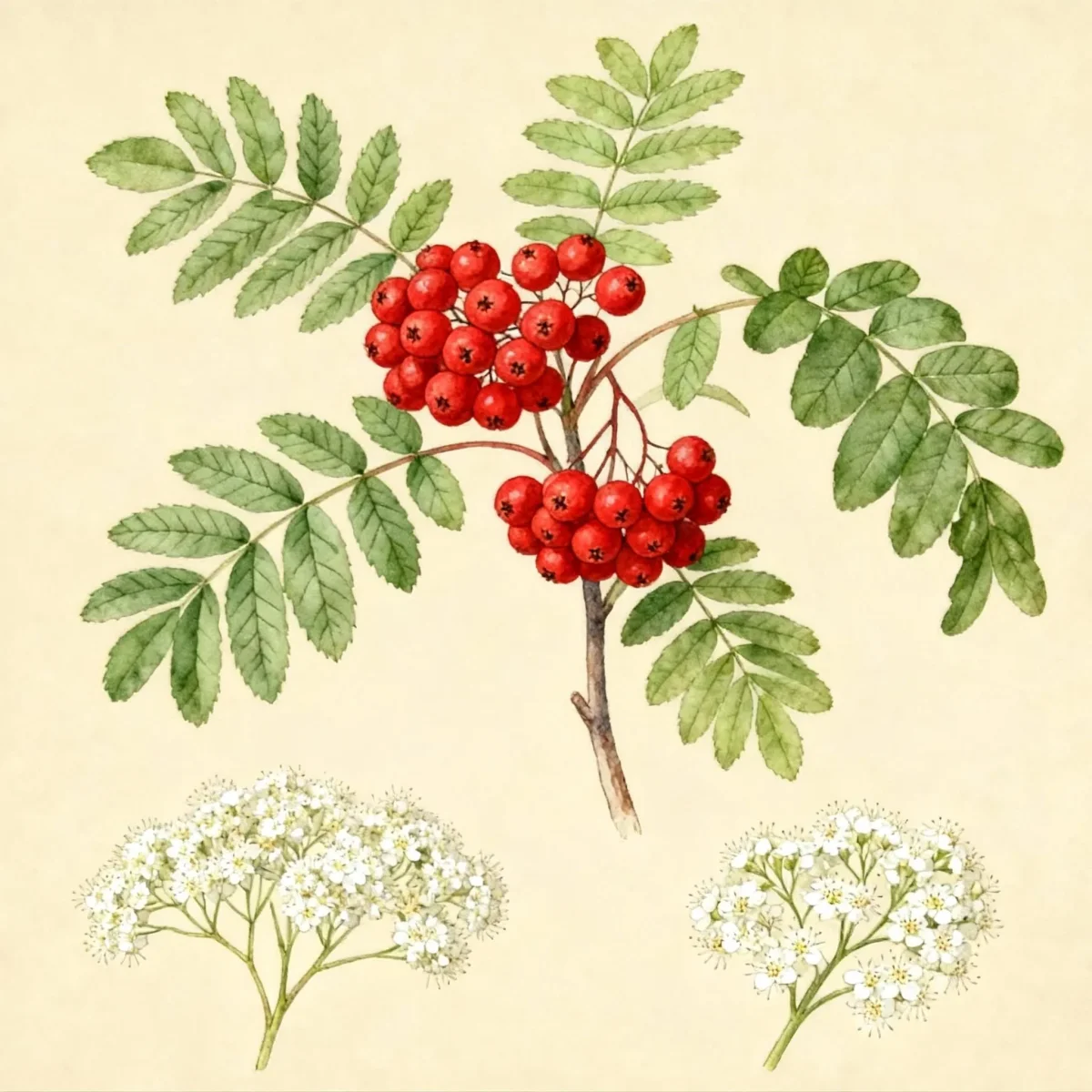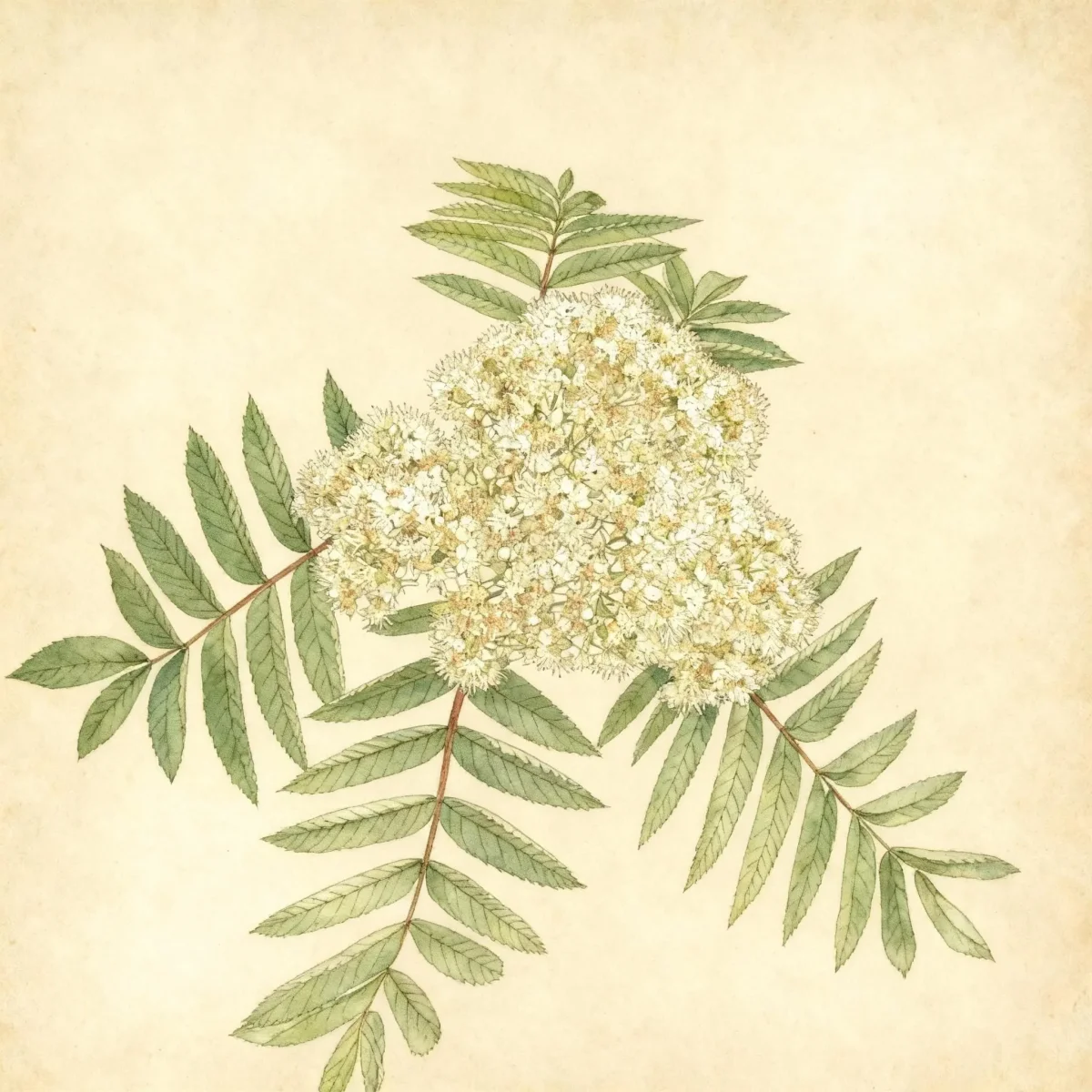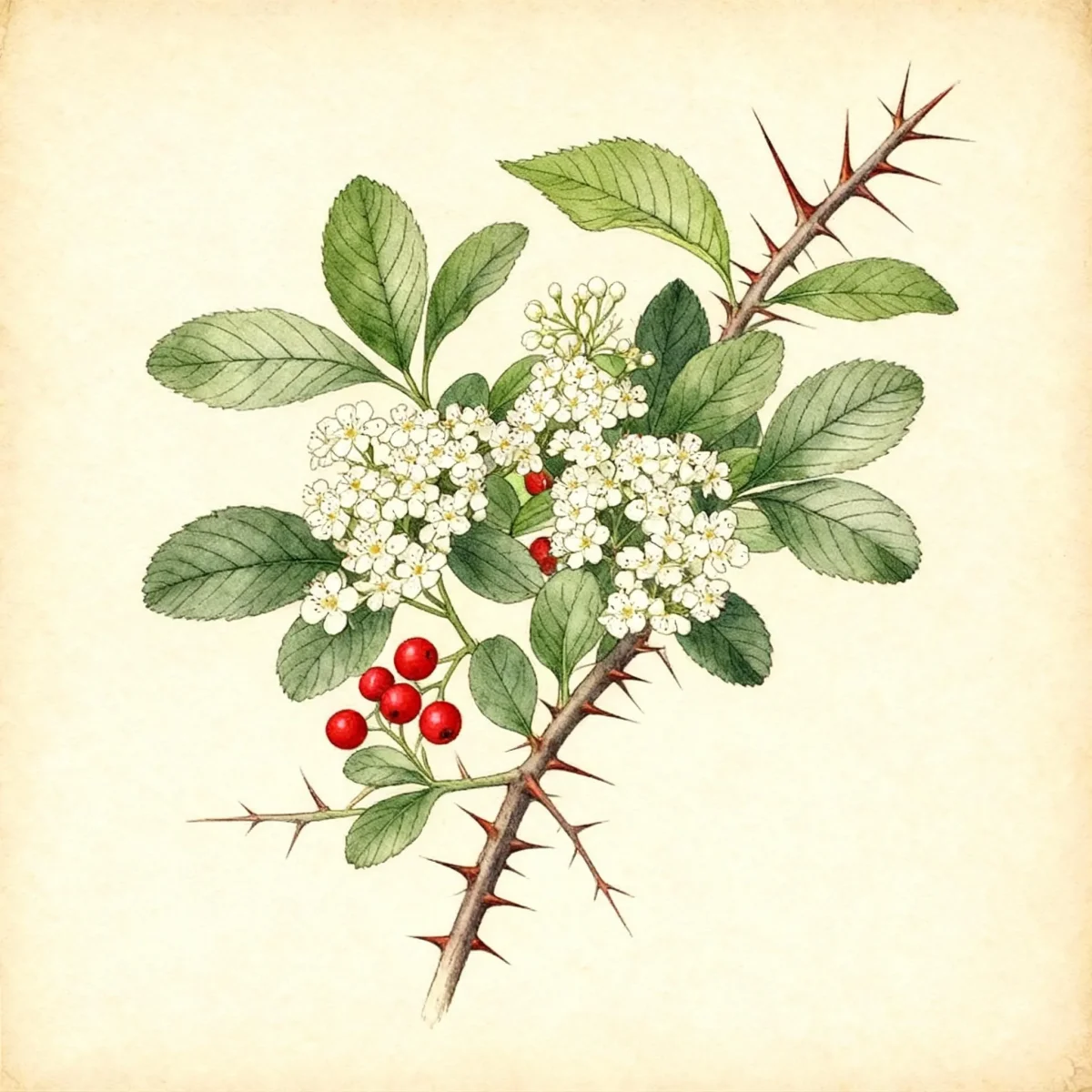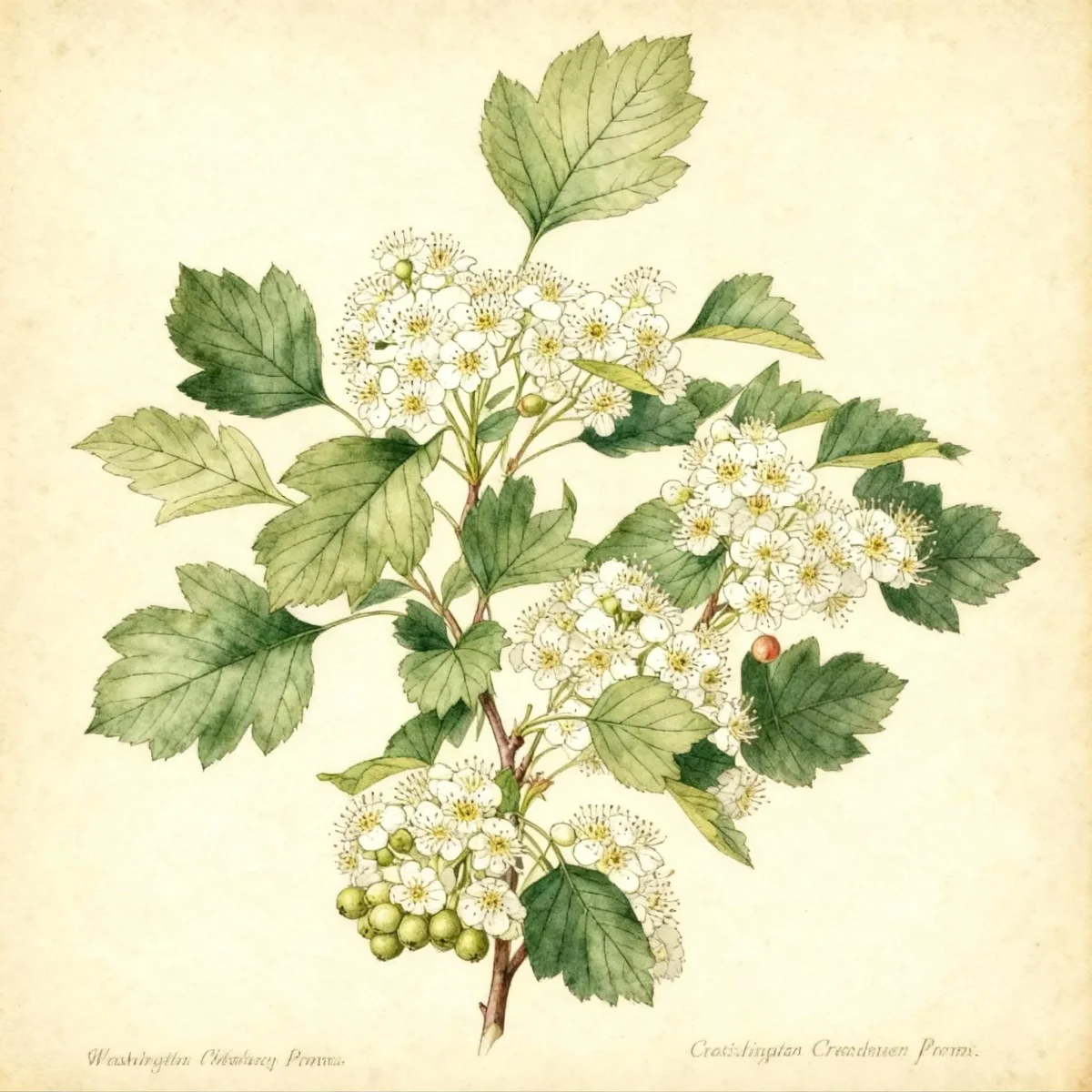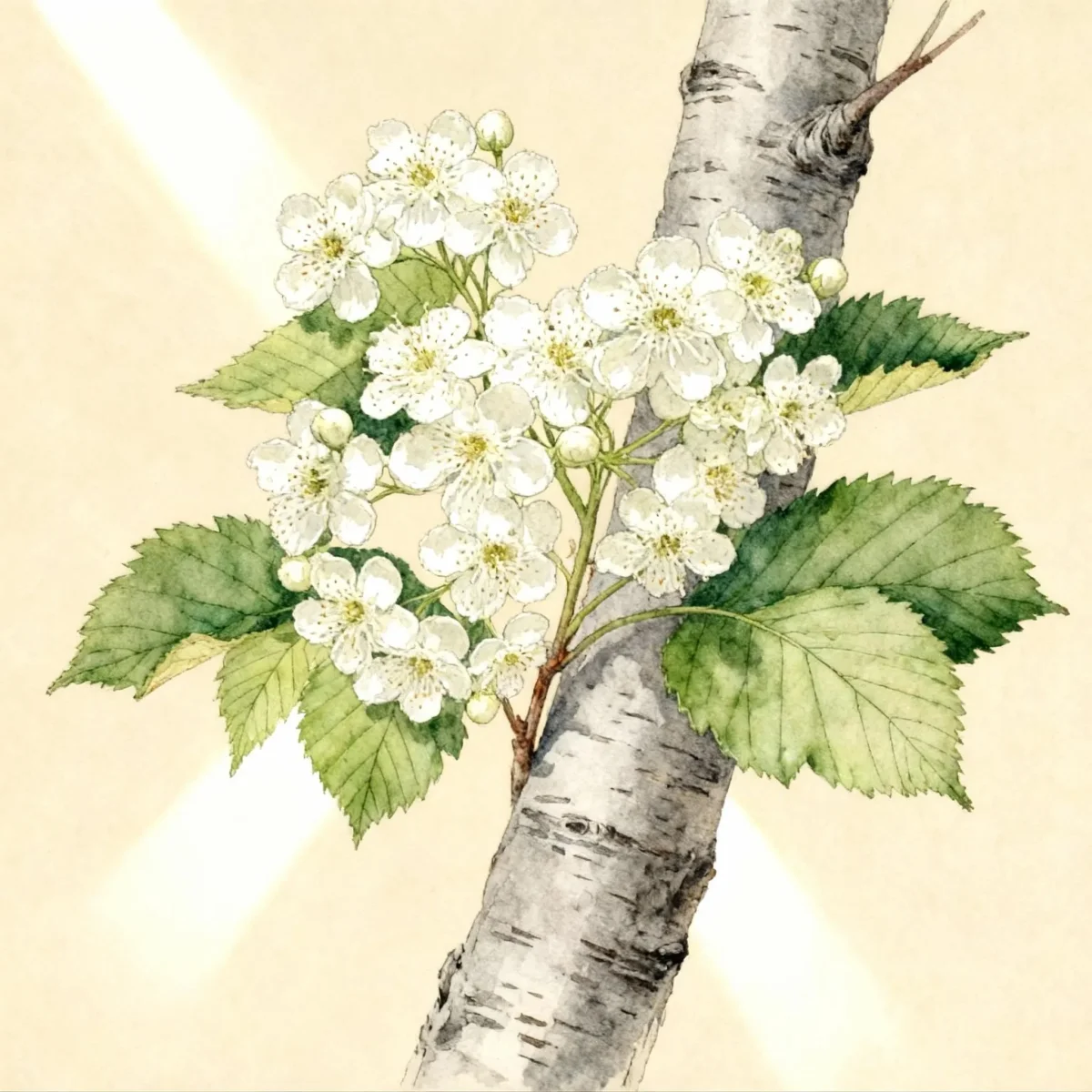

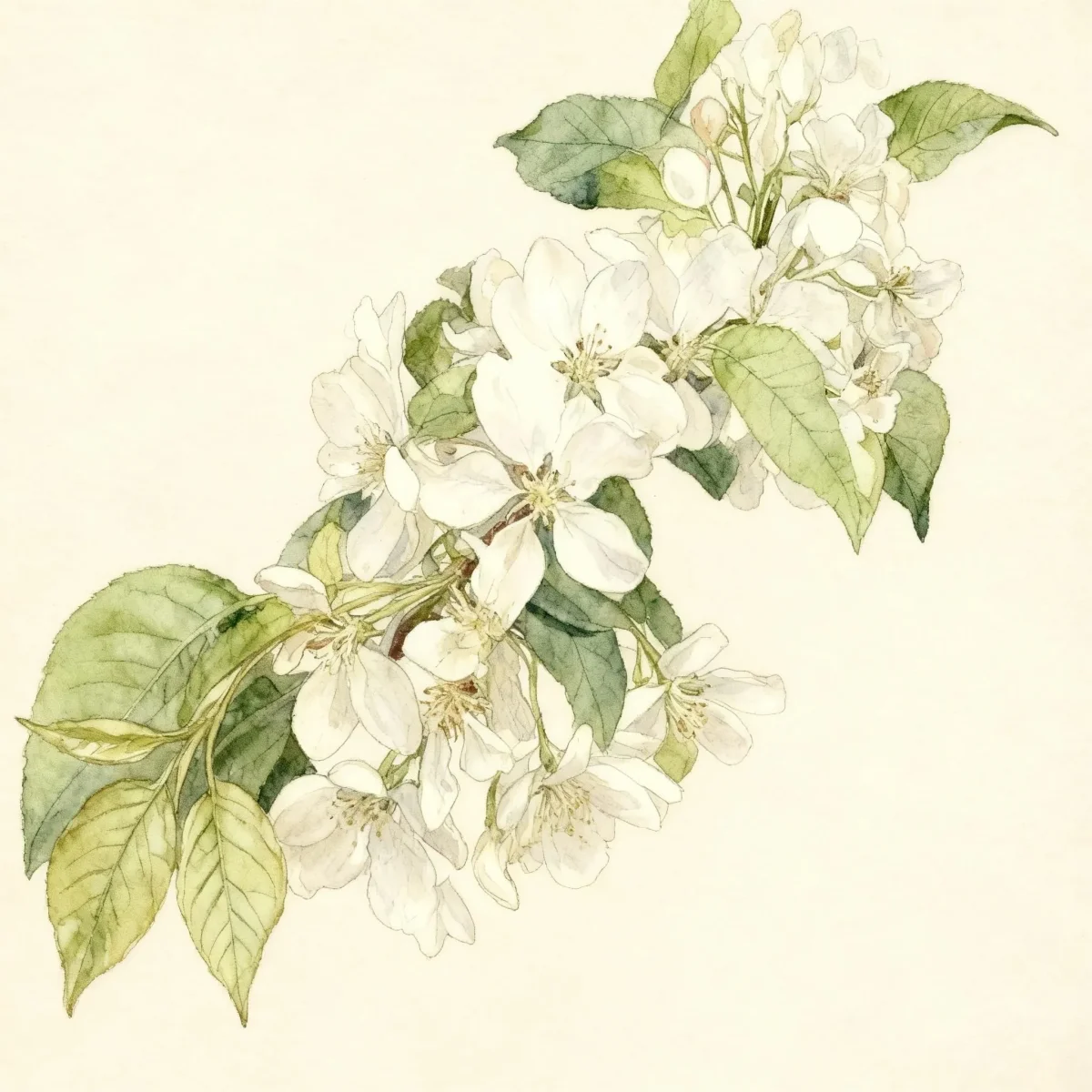
Siberian crabapple (Malus baccata 'Halward')
Malus baccata 'Halward' is a compact, low-maintenance Siberian crabapple prized for its superb hardiness and white spring blooms.
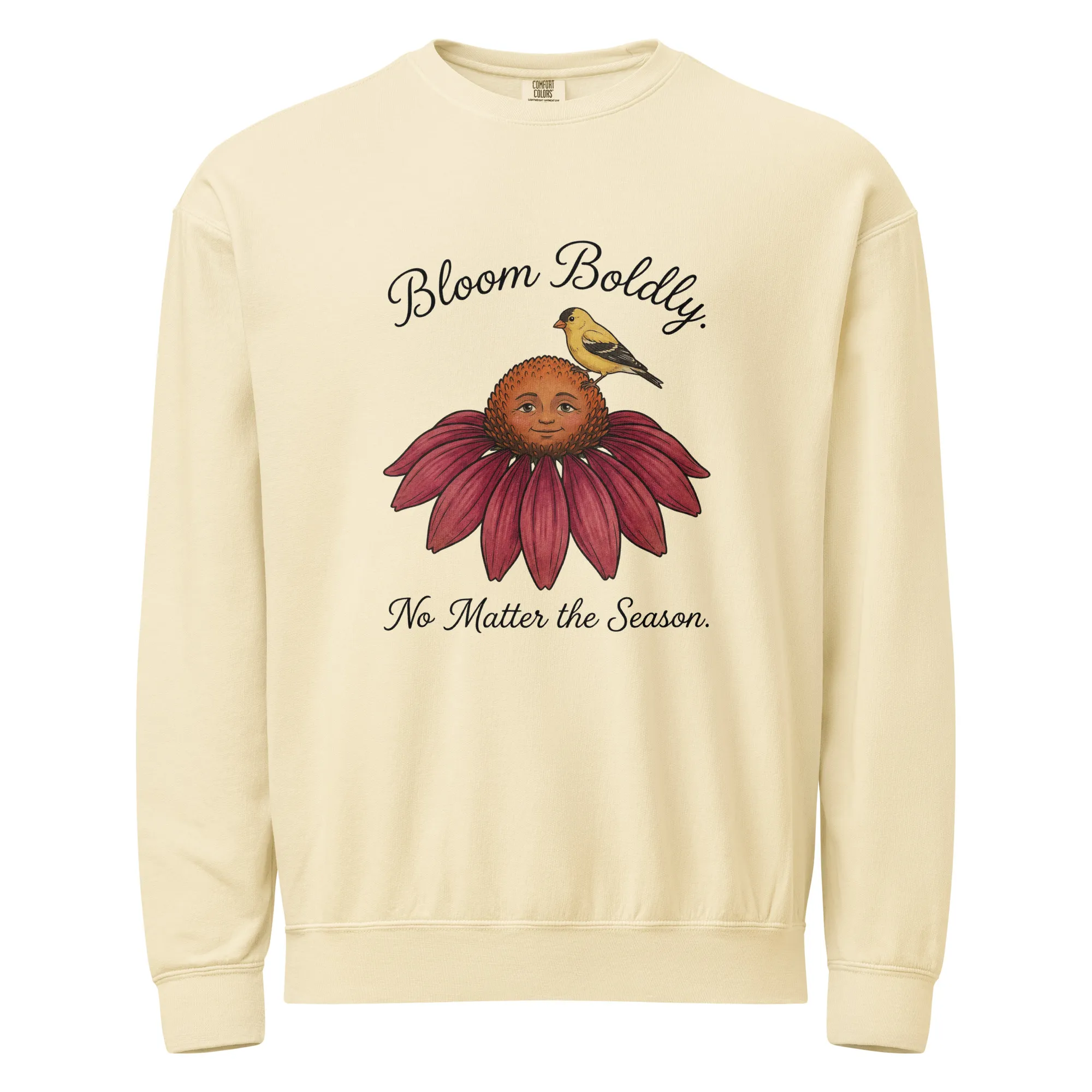
Bloom Boldly, No Matter the Season - Sweatshirt
Cozy organic cotton sweatshirt featuring our exclusive Purple Coneflower design. Perfect for gardeners who bloom year-round.
Inspired by the beautiful Siberian crabapple
Limited first batch (50) — join the waitlist for early access
Waitlist closes Feb 15, 2026.
Complete Plant Information
Field Guide Continues
Ready for care notes, companion picks, and planting tips?
The map is just the start. The full guide below covers growth habits, seasonal performance, and landscape uses.
Overview
Malus baccata ‘Halward’, the Siberian crabapple, stands out due to its exceptional cold tolerance, thriving in USDA Zones as low as 2. This cultivar offers a compact footprint compared to the species, making the beautiful spring display more accessible for varied landscapes. Gardeners value this tree for its reliable performance, attractive flowers, and edible, showy red fruit that ripens in the fall.
The Malus baccata ‘Halward’ grows into an upright, broad-rounded shape, typically reaching only 15 feet tall and wide. It produces fragrant, white blossoms in April and May, briefly transforming the spring garden. Once established, this Siberian crabapple demonstrates notable drought tolerance, simplifying its long-term care routine.
This specific cultivar was developed in 1948 and offers the fantastic hardiness of true Malus baccata while maintaining a desirable, manageable size. If you need a tough, beautiful flowering tree that handles significant winter chill, the Malus baccata ‘Halward’ is an outstanding choice.
Fast Facts
- Plant Family: Rosaceae
- Plant Type: Tree
- Hardiness Zones: USDA Zones 2-7
- Size at Maturity:
- Height: 10-15 ft
- Spread: 10-15 ft
- Bloom Time: April to May
- Bloom Description: White flowers and red crabapples
- Sun Exposure: Full sun
- Water Needs: Medium
- Maintenance Level: Low
How to Grow
Optimal growth for the Siberian crabapple requires planting in medium moisture, well-drained, acidic loam soils. Ensure a location receiving full sun to maximize flowering and fruit production. While the species adapts widely, providing rich, balanced soil will always enhance vigor for your Malus baccata ‘Halward’.
Water medium amounts consistently, especially while the tree is establishing its root system. Established trees possess some drought tolerance, meaning regular deep watering during extended dry periods is usually sufficient. Fertilization is rarely necessary if the initial soil conditions are adequate.
Pruning should be performed conservatively in late winter while the plant is dormant. Avoid any pruning activity in the spring, as fresh cuts create entry points susceptible to fireblight bacterium, a significant potential problem for crabapples. Minimal structural pruning is generally needed for this naturally well-shaped tree.
Landscape Uses
The primary suggested use for this specimen is as a Flowering Tree, offering ornamental value across multiple seasons. While the species can be too large for small properties, the compact nature of the ‘Halward’ cultivar (reaching only 15 feet) makes it a viable option for medium-sized gardens, wide borders, or as specimen planting near patios where its spring fragrance can be appreciated.
Its toughness, including excellent winter hardiness (Zone 2), means Malus baccata ‘Halward’ is an excellent choice for exposed sites or as a hardy accent tree in colder climates. It functions well when planted near structures or along wide expanses where its seasonal display of white flowers followed by bright red fruit can serve as a focal point.
Consider pairing the Siberian crabapple with late-blooming shrubs to extend the color show throughout the season. Because it offers good foliage resistance to common crabapple diseases, it can be successfully integrated into mixed shrub borders without severe aesthetic decline mid-summer.
Standout Features
Flower Qualities
- Showy
- Fragrant
Fruit Qualities
- Showy
- Edible
Noteworthy Characteristics
Malus baccata, commonly called Siberian crabapple, is notable for having the best winter hardiness of any plant in the Malus genus, making ‘Halward’ an incredibly cold-tolerant specimen. This compact cultivar was specifically developed to remain under 15 feet, featuring attractive white spring flowers, glossy green foliage, and bright red crabapples maturing in the fall. Birds are often attracted to this persistent, edible fruit.
Tolerances
- Air Pollution
Potential Problems
The main concern for this Siberian crabapple is susceptibility to apple scab, which can affect leaf quality. Fortunately, the ‘Halward’ cultivar shows generally good resistance to other major crabapple diseases, including cedar-apple rust and fireblight. Pest pressure is usually low, though you should monitor for common orchard threats like aphids, scale, borers, and potentially spider mites.
Mitigation involves ensuring good air circulation through proper spacing and applying preventative fungicide treatments for scab early in the season if disease pressure is historically high in your location. Yearly inspection of branches helps catch pest issues before they become severe infestations.
Frequently Asked Questions
What hardiness zones is Siberian crabapple (Malus baccata ‘Halward’) suitable for?
The Malus baccata ‘Halward’ is exceptionally cold-hardy, thriving in USDA Zones 2 through 7.
How large does Malus baccata ‘Halward’ grow?
This compact cultivar typically reaches a mature height and spread between 10 and 15 feet.
When does Siberian crabapple bloom?
The stunning display of fragrant white flowers occurs reliably from April to May, followed by red crabapples.
What sun exposure does Malus baccata ‘Halward’ need?
For best results, plant this flowering tree where it will receive full sun exposure throughout the day.
Conclusion
The Malus baccata ‘Halward’ combines superior cold hardiness with a manageable, compact size, making it a superb ornamental choice for challenging northern gardens. Its seasonal interest, provided by fragrant white flowers and persistent red fruit, guarantees visual appeal from spring through fall. Before planting, confirm your location falls within USDA Zones 2-7 and ensure it receives full sun.
Companion Planting
Choosing appropriate neighbors can enhance the visual appeal and health of your Siberian crabapple. Pair Malus baccata ‘Halward’ with understory plants that appreciate similar morning sun conditions but spread horizontally, like low-growing Japanese Spirea or various Sedums, to create textural contrast beneath the canopy.
Because this tree demands full sun, select groundcovers or perennial borders that thrive in bright light but do not compete aggressively for root space. Low-growing hostas or shade-tolerant spring bulbs can work well under the edge of the canopy, provided they receive at least six hours of direct sun during the blooming season.
Wildlife Benefits
The bright red crabapples produced by the Malus baccata ‘Halward’ provide a valuable late-season food source for many bird species. These fruits often persist into the winter months, offering critical nourishment when other natural food sources are scarce.
While the primary pollination period is brief in spring, the fragrant white flowers are attractive to early-season native bees just emerging from overwintering. Ensuring a diverse planting scheme nearby can support a robust pollinator population throughout the growing cycle.