Japanese plum yew(Cephalotaxus harringtonia 'Plania' YEWTOPIA)
Grow Yewtopia plum yew (Cephalotaxus harringtonia 'Plania'): heat-tolerant, deer-resistant evergreen conifer for shade, compact upright vase habit, USDA zones 6–9.
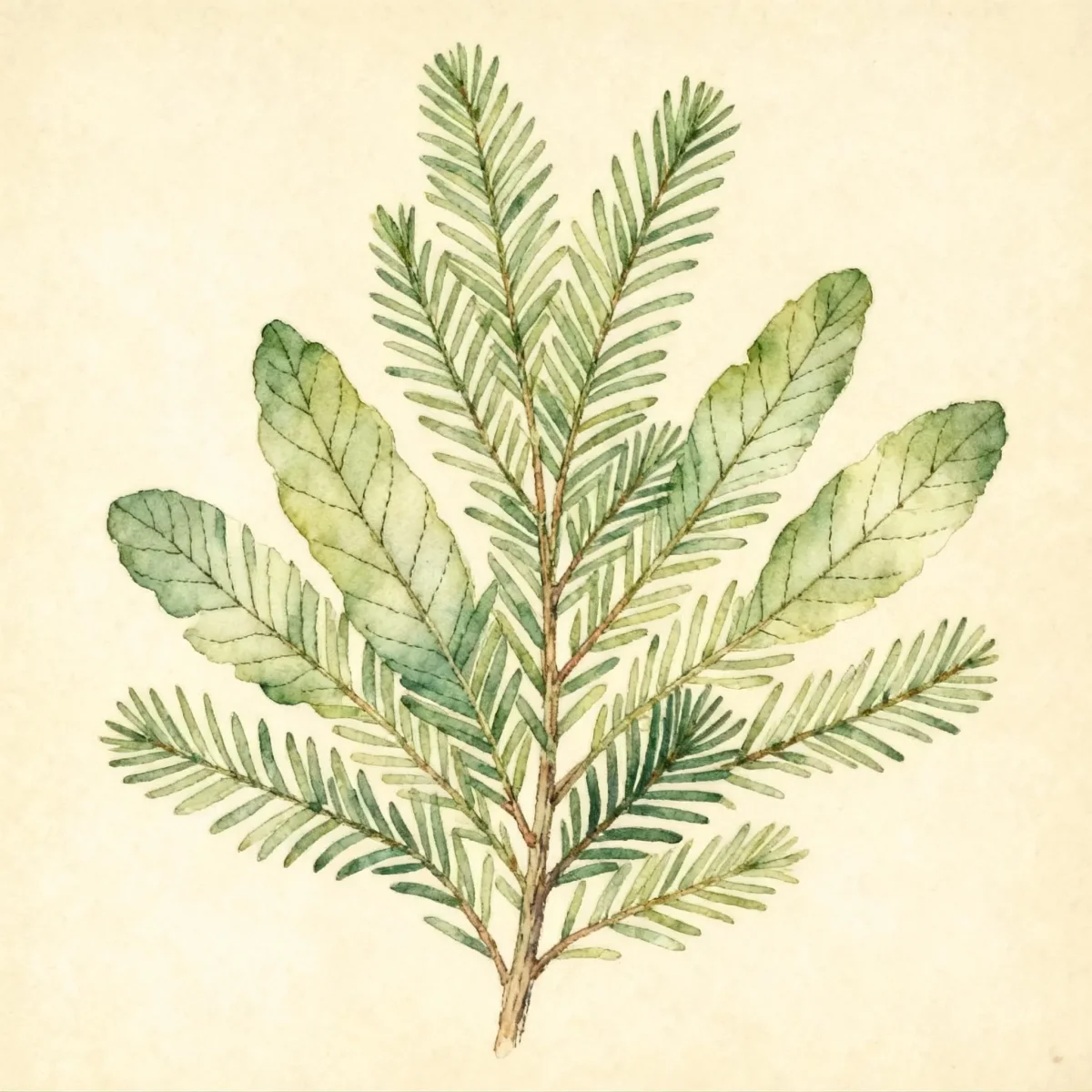
Complete Plant Information
- Hardiness zones
- USDA 6–9
- Plant type
- Needled evergreen
- Plant family
- Cephalotaxaceae
- Sun exposure
- Part shade to full shade
- Water needs
- Medium
- Maintenance
- Low
- Height
- 3–4 ft (91–122 cm)
- Spread
- 3–4 ft (91–122 cm)
- Bloom time
- Non-flowering
- Flower color
- Non-flowering gymnosperm
- Flower qualities
- Insignificant
- Fruit qualities
- Not recorded
- Tolerances
- Deer, Drought, Heavy Shade, Heat
- Garden uses
- Shade foundation, low evergreen hedge, woodland garden, mass planting
- Native range
- Japan, Korea, China (cultivar selection)
Field Guide Continues
Ready for care notes, companion picks, and planting tips?
The map is just the start. The full guide below covers growth habits, seasonal performance, and landscape uses.
Overview
Yewtopia® Japanese plum yew (Cephalotaxus harringtonia ‘Plania’, marketed under the trademark YEWTOPIA) is a compact, heat-tolerant evergreen conifer hardy across USDA Zones 6 through 9. Bred as an upright, vase-shaped selection that matures to a manageable 3 to 4 feet tall and wide, it serves as the premier shade-tolerant and deer-resistant alternative to traditional true yews (Taxus), which routinely succumb to summer heat and heavy deer browsing across the American South and Mid-Atlantic.
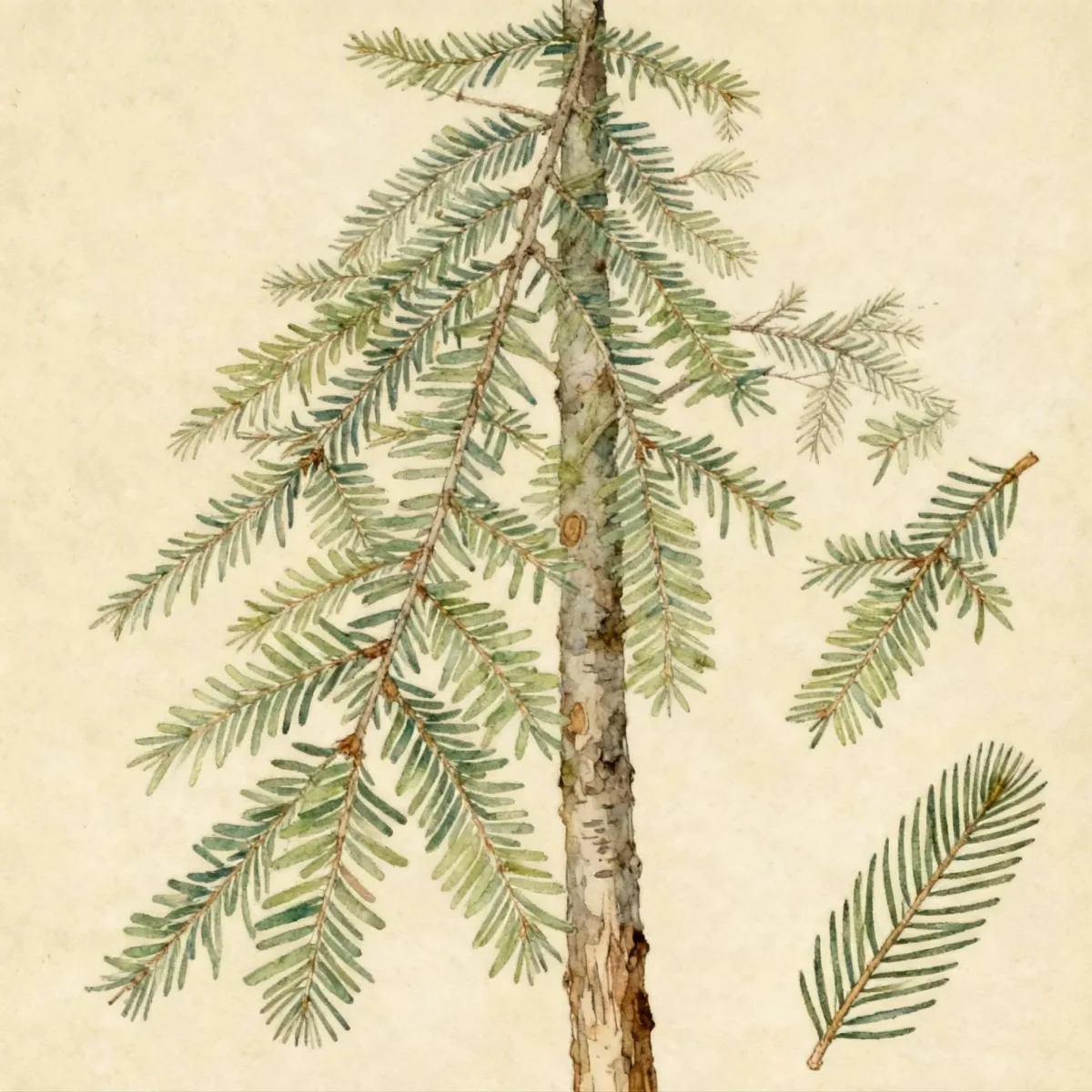
Its soft, lustrous dark green needles (1.5 to 2 inches long) are arranged in a distinctive V-shaped trough along ascending branches, giving the plant a refined, feathery texture without the stiffness of junipers. Furthermore, ‘Plania’ is predominantly a male selection that does not produce messy fruit.
How to Grow
- Hardiness & Siting: USDA Zones 6 through 9. Thrives across the Southeast, Mid-Atlantic, and Pacific Northwest. In Zone 6, provide shelter from drying winter winds.
- Sunlight & Deep Shade: Thrives in partial shade to full shade. While it can tolerate morning sun in cooler climates, direct, scorching afternoon sun in Zones 8 and 9 bleaches needle tips. Outstanding under the high canopy of mature deciduous shade trees.
- Soil & Drainage: Requires moist, fertile, organic-rich soil with sharp drainage. It is completely intolerant of heavy, stagnant, waterlogged soils.
- Watering: Water thoroughly during the first two growing seasons until roots establish. Mature shrubs exhibit remarkable drought tolerance once established in shady garden soil.
- Pruning: Naturally maintains a tight, upright-vase architecture and slow growth rate (3 to 4 inches per year). Shearing is unnecessary; if shaping a formal hedge, prune lightly with hand shears in late spring.
Landscape Uses
- Shade Foundation Planting: Sited beneath windows or on shaded north/east foundations, it provides year-round dark green evergreen weight.
- Low Sheared or Natural Hedge: Spaced 3 feet apart on center, it forms a dense, deer-resistant property border in shaded corridors.
- Woodland Garden Accent: Bridges the gap between deciduous shade trees and herbaceous perennials.
Potential Problems
- Poor Drainage & Root Rot: Susceptible to root rot if planted in heavy, saturated clay that holds standing water.
- Winter Wind Burn in Zone 6: Cold, desiccating winter winds can cause foliage browning in unprotected northern sites.
- Pests: Notably pest-free; unlike true yews, it is not preferred forage for deer.
Frequently Asked Questions
What is the difference between plum yew and true yew?
Plum yews (Cephalotaxus) are significantly more heat-tolerant and deer-resistant than true yews (Taxus), thriving through hot, humid southern summers where true yews brown out and die.
Do deer eat Yewtopia plum yew?
No. Cephalotaxus foliage contains chemical compounds that deer almost universally avoid, making it an excellent alternative in suburban areas with high deer browsing pressure.
Does Yewtopia produce messy berries?
No. ‘Plania’ (Yewtopia) is a male clone and does not produce the fleshy plum-like fruit found on female species seedlings.
Companion Plants
Pair Yewtopia plum yew with shade-loving perennials that contrast with its dark green, needle-like foliage:
- Broadleaf Flowering Perennials: Plant alongside hostas (like ‘August Moon’ or ‘Fire and Ice’), astilbes, and bleeding hearts.
- Woodland Foliage Plants: Combine with Japanese forest grass (Hakonechloa macra), coral bells (Heuchera), and autumn ferns.
- Flowering Acid-Lovers: Interplant near camellias, mountain laurel (Kalmia latifolia), or azaleas.
Sources & Lineage
- Missouri Botanical Garden PlantFinder: Record taxon 272159 (Cephalotaxus harringtonia ‘Plania’ YEWTOPIA) — cultivar registration, morphology, and landscape performance.
- Kew Plants of the World Online (POWO): Cephalotaxus harringtonia (Knight ex J.Forbes) K.Koch (POWO: 261818-1) — species taxonomy and botanical classification.
- North Carolina State Extension Gardener Plant Toolbox: Cephalotaxus harringtonia — heat tolerance, deer avoidance, and shade garden culture.
Recommended Companion Plants
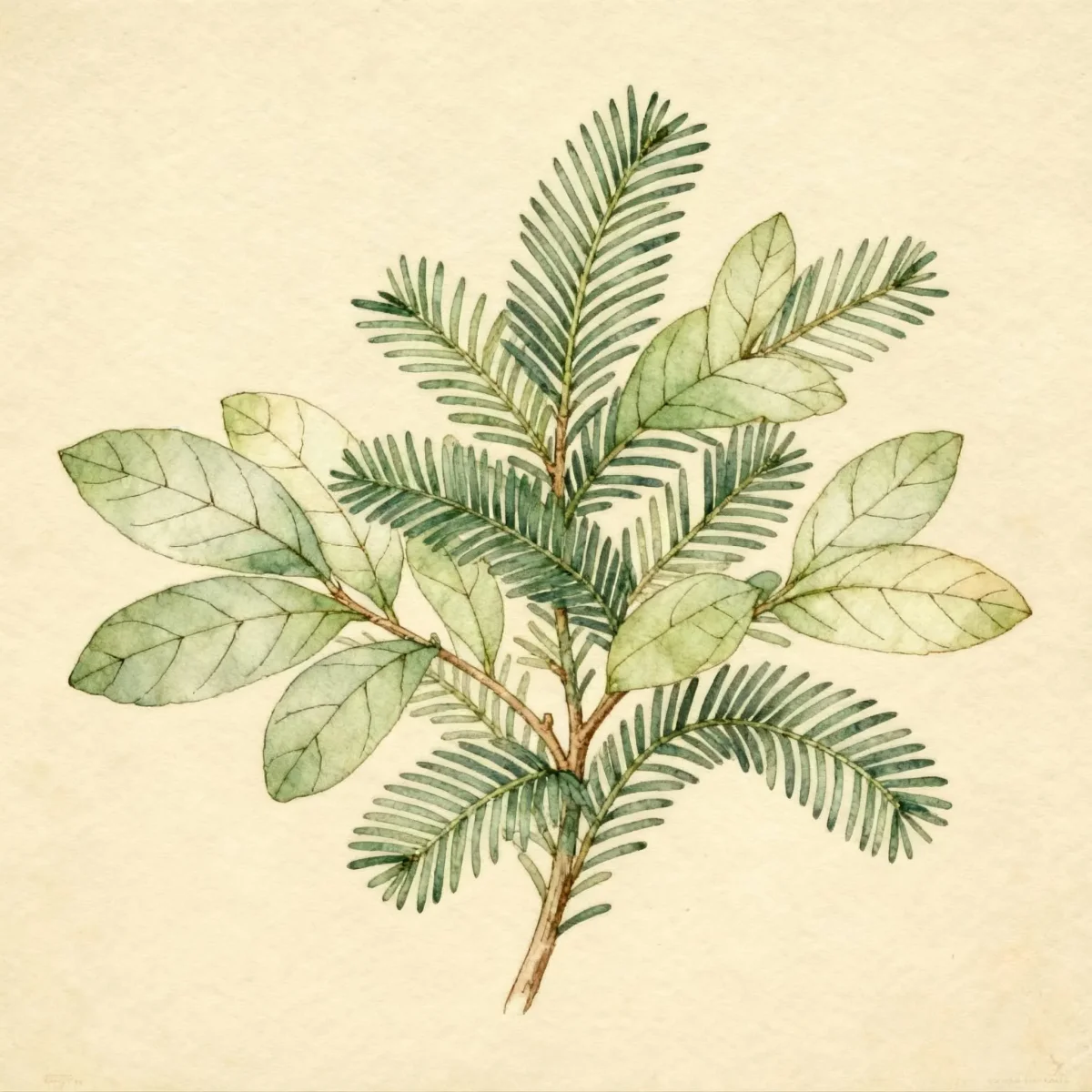
Japanese plum yew
Cephalotaxus harringtonia
- USDA zones
- 6–9
- Light
- Part shade to full shade
- Water
- Medium

Cow's tail pine
Cephalotaxus harringtonia 'Duke Gardens'
- USDA zones
- 6–9
- Light
- Part shade to full shade
- Water
- Medium

Cow's tail pine
Cephalotaxus harringtonia 'Nana'
- USDA zones
- 6–9
- Light
- Part shade to full shade
- Water
- Medium
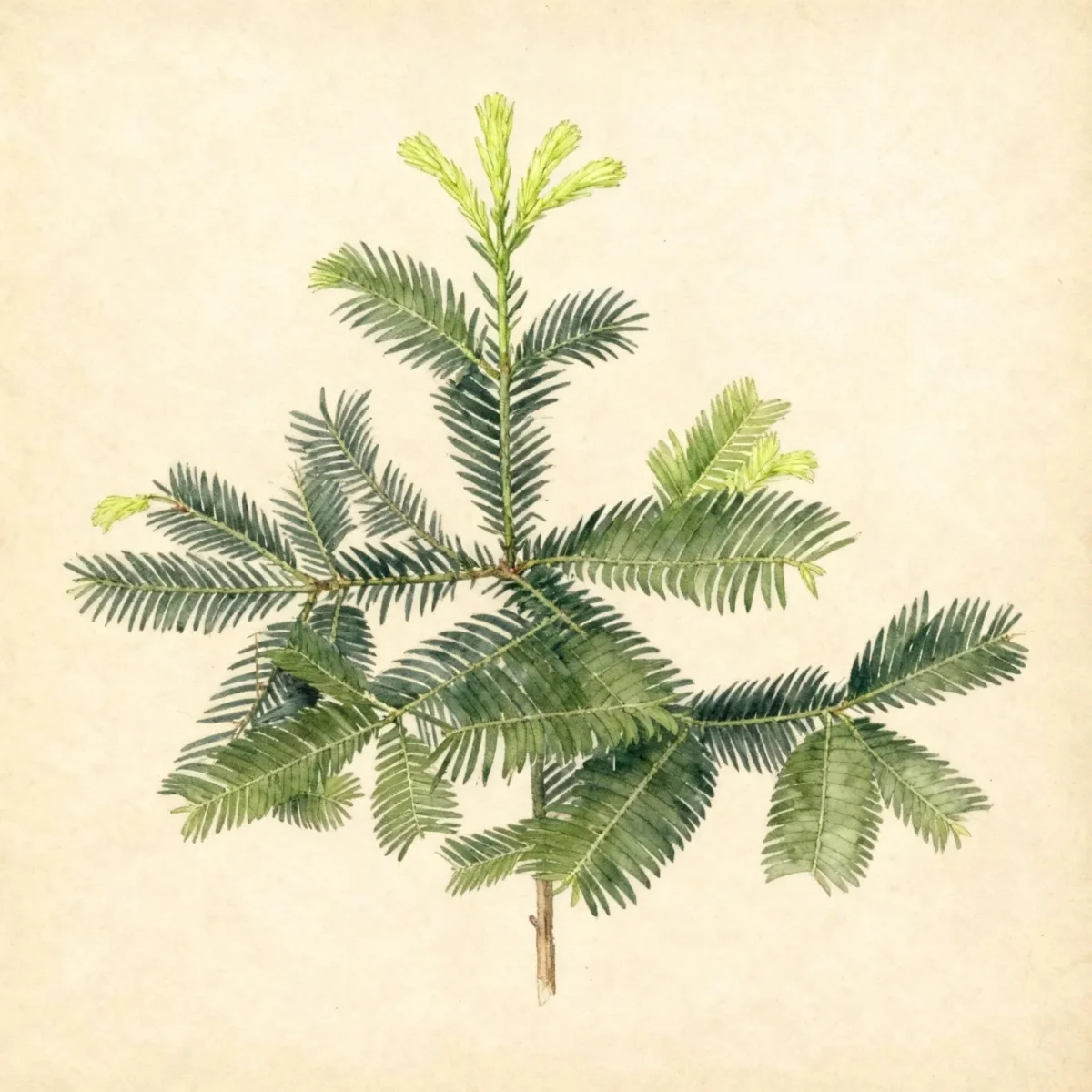
Chinese plum yew
Cephalotaxus fortunei
- USDA zones
- 7–9
- Light
- Part shade to full shade
- Water
- Medium
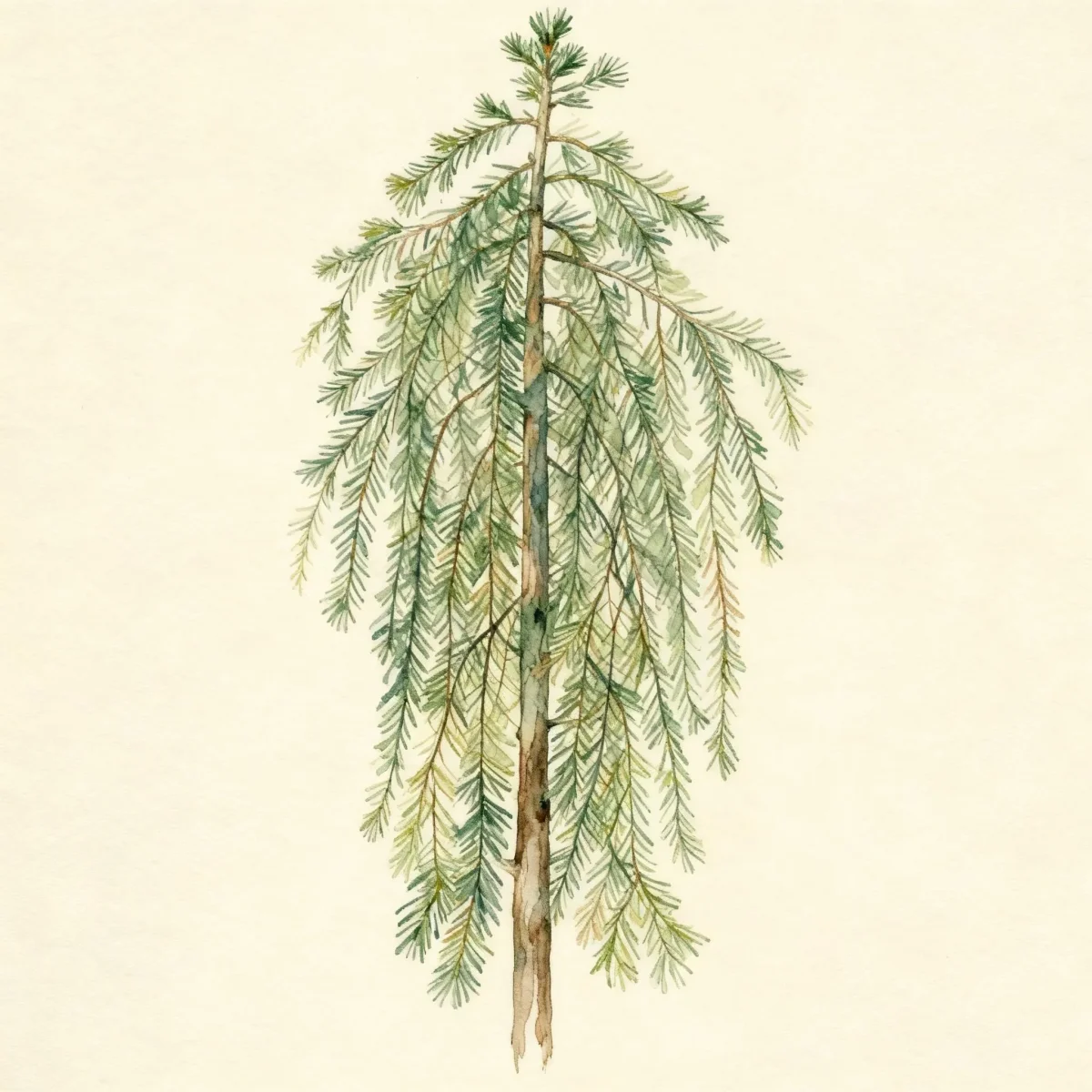
Western hemlock
Tsuga heterophylla 'Thorsen's Weeping'
- USDA zones
- 6–8
- Light
- Part shade to full shade
- Water
- Medium
Carolina hemlock
Tsuga caroliniana
- USDA zones
- 6–7
- Light
- Part shade to full shade
- Water
- Medium
Keep Learning
Test what you know with a garden quiz
You have the plant facts and care notes. Continue with a related challenge, or browse the complete quiz library.

Can You Identify These Common Garden Plants? Test Your Plant Knowledge
Think you know your roses from your peonies? Test your plant identification skills with our comprehensive garden plant quiz featuring 10 challenging questions.
Start quiz
USDA Garden Zone Map Quiz
Use this USDA garden zone map quiz to check whether you can read hardiness zones and choose plants with more confidence.
Start quizBrowse the full quizzes section
Explore plant identification, zone strategy, and seasonal gardening challenges.
View all quizzes