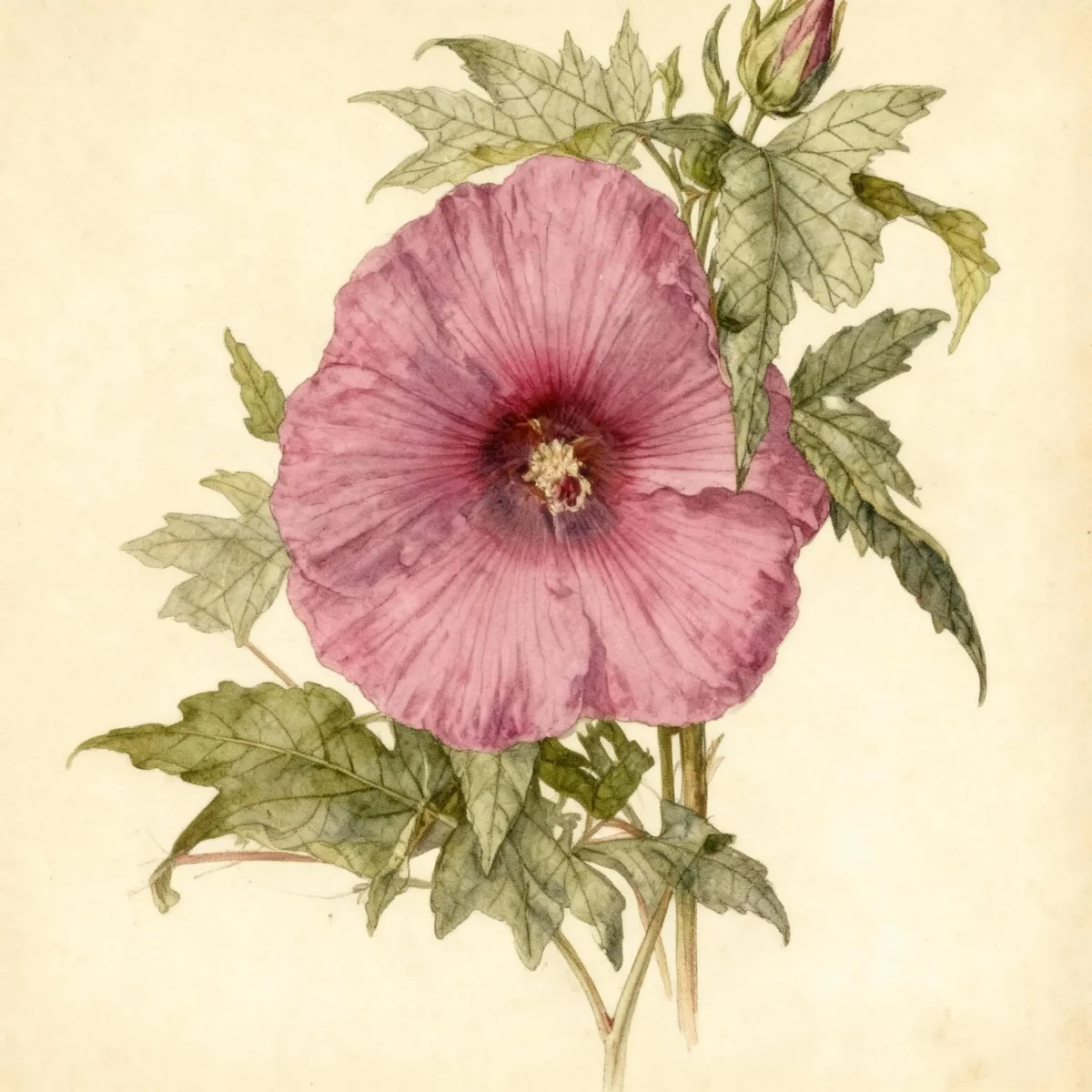
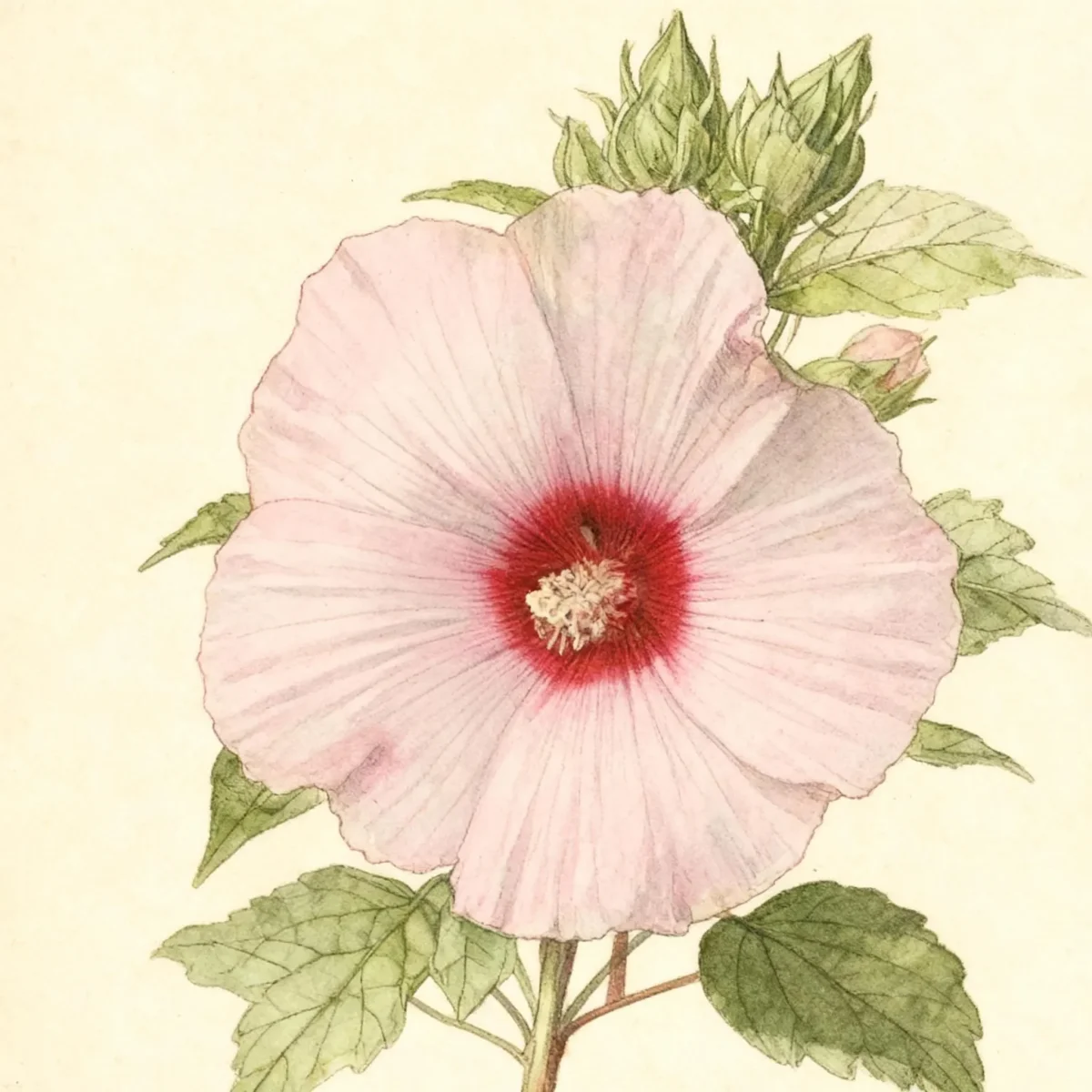
Hardy hibiscus (Hibiscus 'Summer Storm')
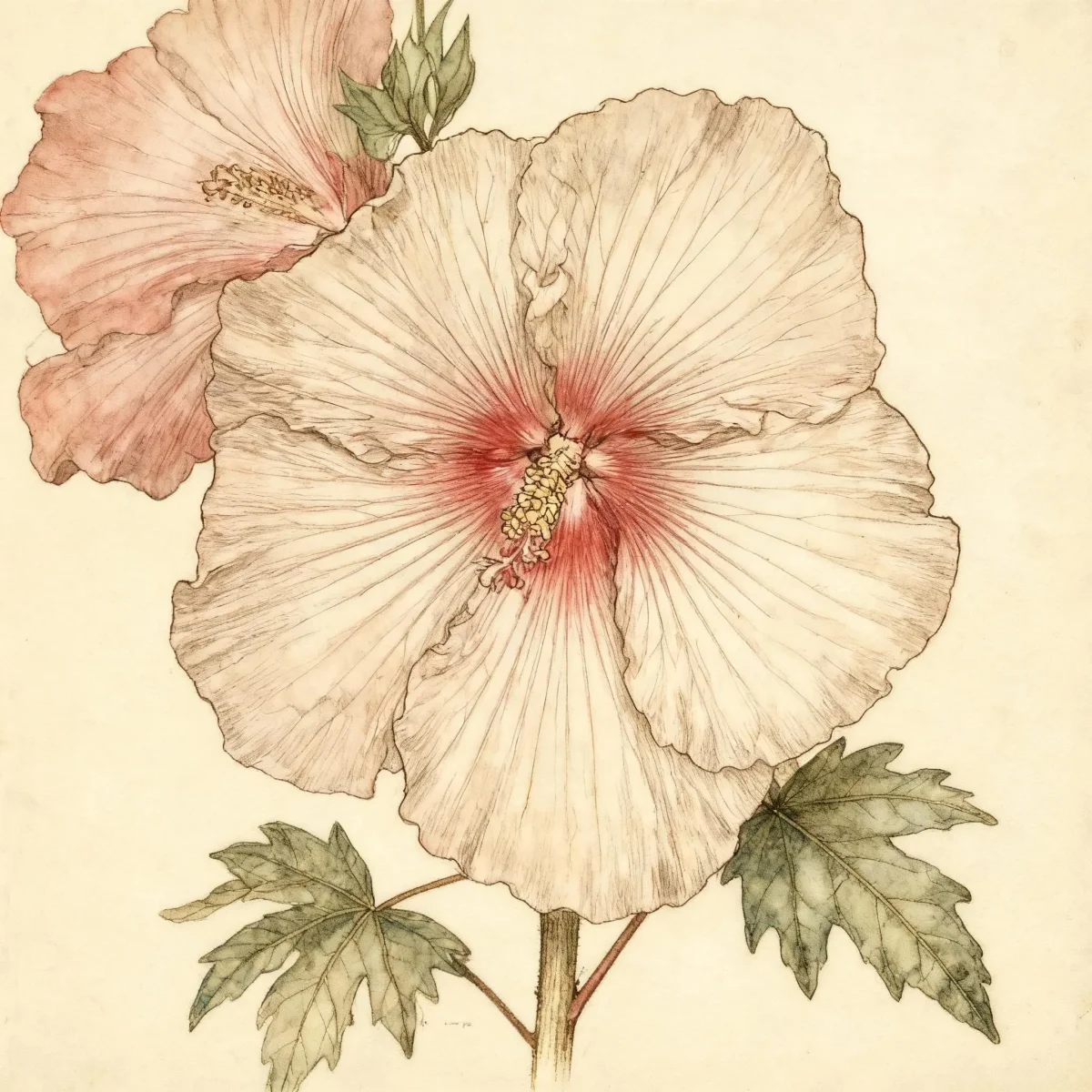
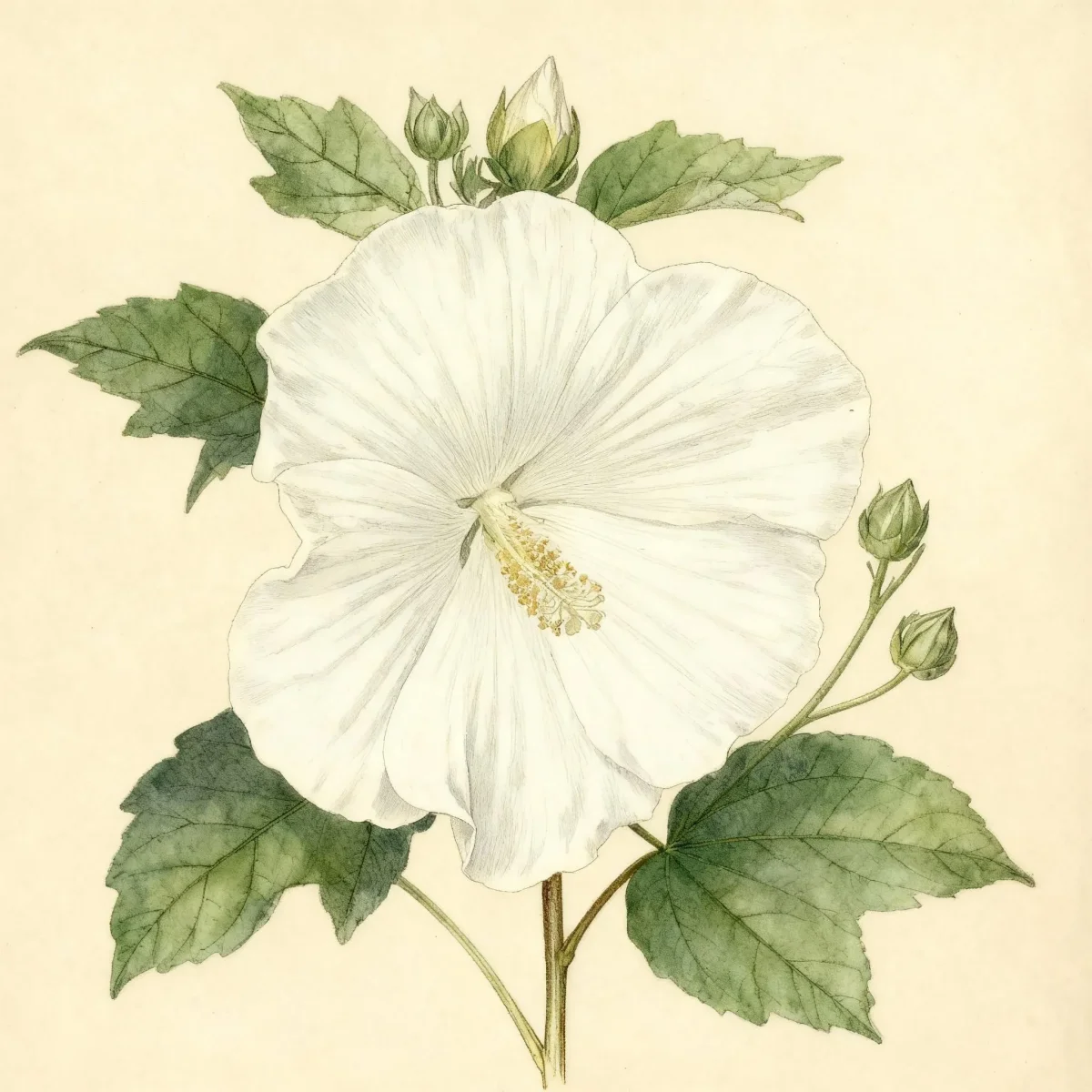
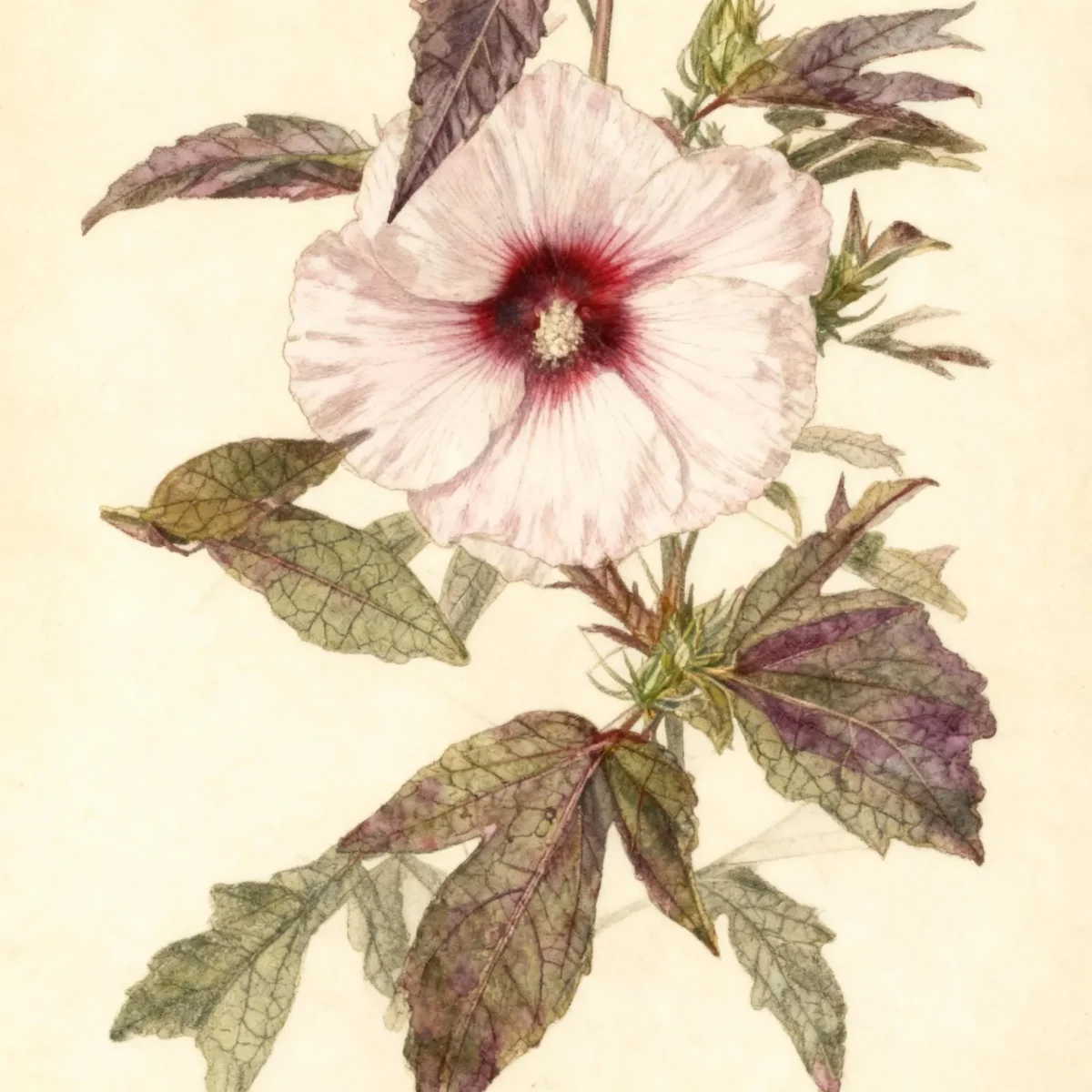
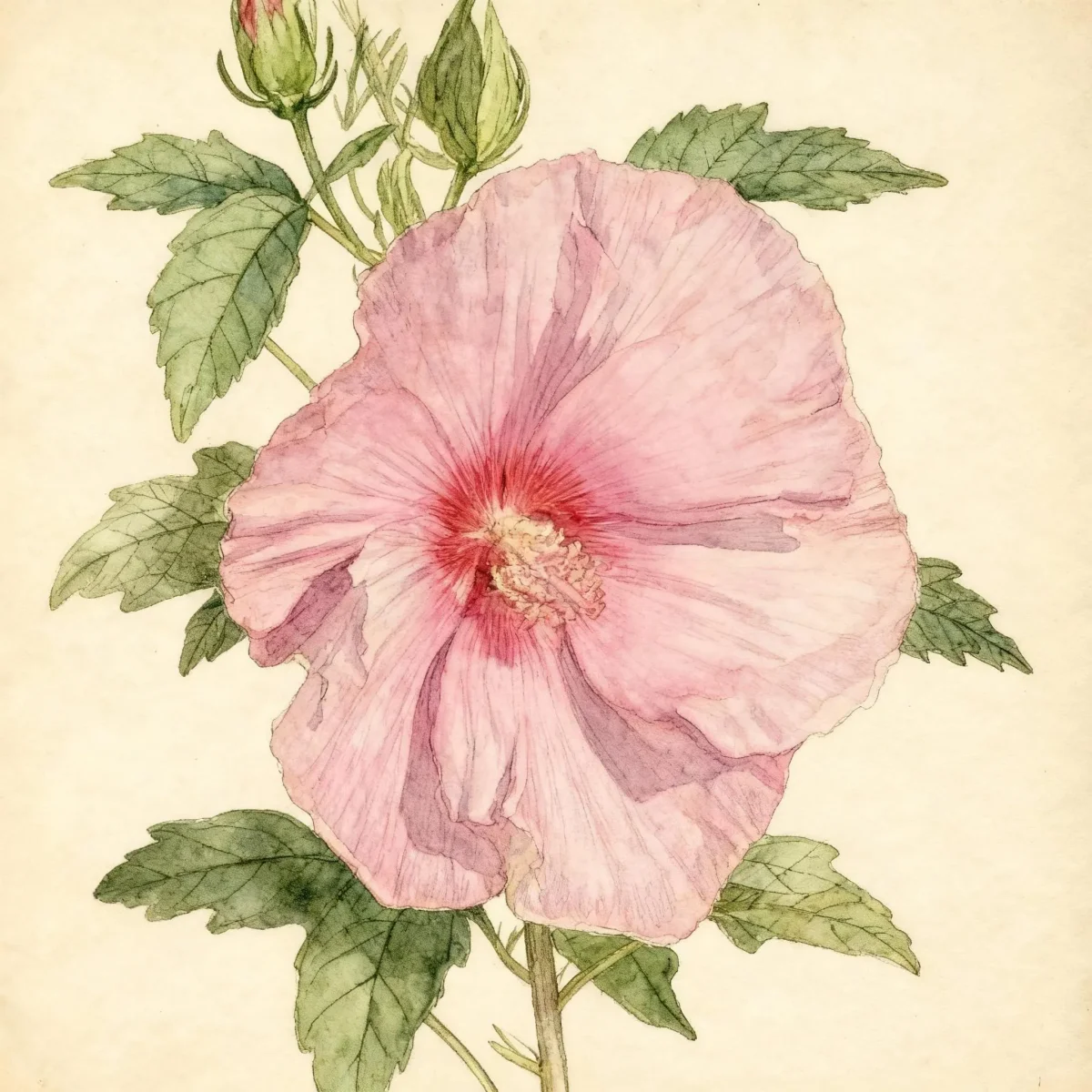
Hibiscus 'Summer Storm' is a low-maintenance Hardy hibiscus featuring 8" blush pink flowers with a deep red eye, thriving in zones 4-9.
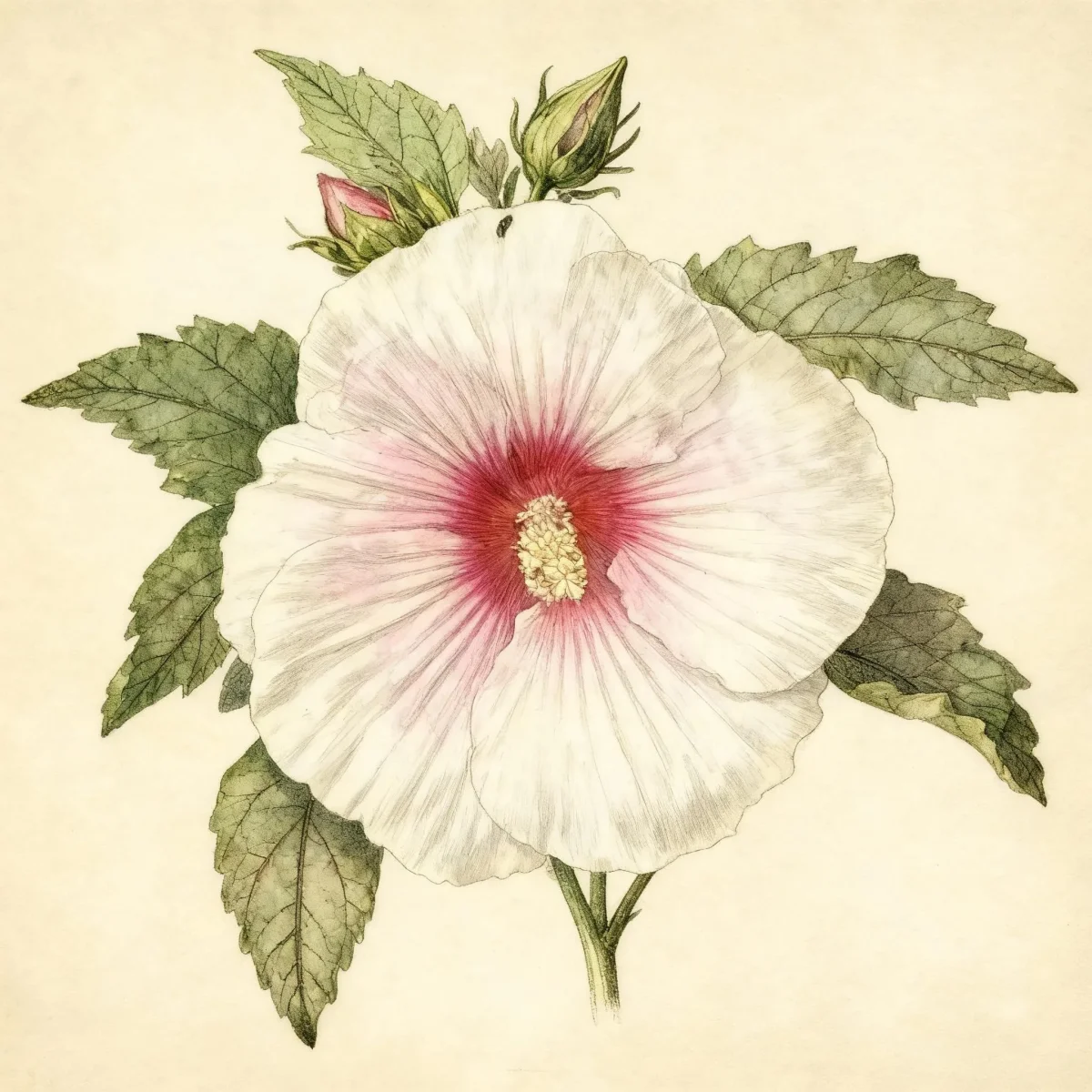

Bloom Boldly, No Matter the Season - Sweatshirt
Cozy organic cotton sweatshirt featuring our exclusive Purple Coneflower design. Perfect for gardeners who bloom year-round.
Inspired by the beautiful Hardy hibiscus
Limited first batch (50) — join the waitlist for early access
Waitlist closes Feb 15, 2026.
Complete Plant Information
Field Guide Continues
Ready for care notes, companion picks, and planting tips?
The map is just the start. The full guide below covers growth habits, seasonal performance, and landscape uses.
Overview
Hibiscus ‘Summer Storm’ is a highly valued cultivar within the hardy hibiscus family, prized for its vigorous growth habit and dramatic, large blooms. This herbaceous perennial offers magnificent, dinner plate-sized flowers that are blushed pink and centered with a distinct deep red eye, ensuring high architectural impact in the summer garden. As a hybrid hardy hibiscus, it distinguishes itself by offering substantial color from mid-summer well into early fall.
Gardeners appreciate this cultivar for its reliable season-long performance and relatively low input required once established. It handles moist environments better than many popular perennials, making it an excellent choice for specific challenging spots in the landscape. The bold foliage, which is deeply lobed and dark burgundy, provides ornamental interest even when the spectacular flowers of Hibiscus ‘Summer Storm’ are not actively blooming.
This specific variety, reaching a compact 3 to 4 feet tall and wide, offers the grandeur of tropical hibiscus without the requirement for winter protection in colder climates. Its ability to reliably return each year after setting down deep roots makes Hibiscus ‘Summer Storm’ a superb, long-term investment for structure and bold color.
Fast Facts
- Plant Family: Malvaceae
- Plant Type: Herbaceous perennial
- Hardiness Zones: USDA Zones 4-9
- Size at Maturity:
- Height: 3-4 ft
- Spread: 3-4 ft
- Bloom Time: July to September
- Bloom Description: Blush pink with deep red eye
- Sun Exposure: Full sun
- Water Needs: Medium to wet
- Maintenance Level: Low
How to Grow
Planting Hibiscus ‘Summer Storm’ is best done in spring after the danger of frost has passed, allowing the woody base to establish itself well before winter dormancy. Locate this hardy hibiscus in a spot receiving full sun—this guarantees the strongest stems and the most prolific flowering. While it performs best in moist, organically rich soils, it is surprisingly adaptable to average garden conditions provided consistent moisture is maintained.
Watering should be deep and regular, especially during dry spells, as allowing the soil to dry out can lead to leaf scorch. Supplemental fertilization during the growing season will support the rapid emergence and heavy flowering associated with this cultivar. Deadheading individual spent flowers immediately will help maintain a tidy appearance, although the plant will continue setting new buds regardless.
In late autumn, after the foliage has yellowed, cut the stems back severely, leaving only 3 to 4 inches above the soil line. Be patient in spring; new growth on the hardy hibiscus emerges quite slowly, but once initiated, the plant grows rapidly toward its mature size. This low-maintenance approach, focusing on consistent moisture and a hard spring cutback, ensures success for Hibiscus ‘Summer Storm’.
Landscape Uses
The stature and flower size of Hibiscus ‘Summer Storm’ make it an outstanding specimen plant, drawing immediate attention in the garden. It performs exceptionally well when massed together for visual impact or used as an accent plant along borders where its height can anchor the design. Due to its tolerance for wetness, one of its most effective uses is in rain gardens or positioned near the edges of streams or ponds, fulfilling its role as a moisture-loving accent.
For creating a temporary hedge or screen, grouping several plants of Hibiscus ‘Summer Storm’ works perfectly, providing a dense curtain of color during the peak heat of summer. When mixing with other perennials, choose companions that appreciate similar moisture levels but perhaps offer contrasting foliage texture or earlier bloom times, such as Baptisia or astilbes, to extend interest through the season.
Standout Features
Flower Qualities
- Showy
Noteworthy Characteristics
Hybrid hardy hibiscus cultivars are often the result of complex breeding work involving multiple U.S. native species. Each disc-shaped flower, measuring up to 10 inches across, features five flat, showy petals surrounding a prominent central staminal column. The specific Hibiscus ‘Summer Storm’ cultivar matures to a compact 3-4 feet and features deeply lobed, dark burgundy, palmate leaves alongside its large flowers.
Tolerances
- Deer
- Wet Soil
Potential Problems
While generally robust, this hardy hibiscus can show susceptibility to various fungal issues like leaf spots, blights, and rusts; ensuring good air circulation by planting in full sun helps mitigate these risks. Occasional insect pests, including Japanese beetles, sawflies, whiteflies, and aphids, may appear, with Japanese beetles being the most destructive to the foliage if left unmanaged. Consistent deep watering is critical, as allowing the soil to dry out completely will cause leaf scorch, a common sign of stress in thirsty hibiscus.
Frequently Asked Questions
What hardiness zones is Hardy hibiscus suitable for?
Hibiscus ‘Summer Storm’ is hardy and reliably perennial across USDA Zones 4 through 9.
How large does Hibiscus ‘Summer Storm’ grow?
This cultivar typically achieves a height between 3 to 4 feet and spreads to a similar width of 3 to 4 feet at maturity.
What sun exposure does Hibiscus ‘Summer Storm’ need?
For optimal stem strength and the best flower performance, this plant requires full sun exposure in the landscape.
When does Hardy hibiscus bloom?
You can expect vibrant blooms from Hibiscus ‘Summer Storm’ beginning in July and continuing through September, featuring blush pink flowers with a deep red eye.
Conclusion
Hibiscus ‘Summer Storm’ provides exceptional value by delivering massive, tropical-looking blooms with the winter hardiness required for most U.S. gardens. Its low maintenance coupled with its tolerance for wetter areas makes this Hardy hibiscus a dependable summer superstar. Before planting, always confirm that your site meets the full sun and consistent moisture requirements for the best display of Hibiscus ‘Summer Storm’ this season.
Companion Planting
When planning your garden around Hibiscus ‘Summer Storm’, consider plants that enjoy consistent moisture, mirroring its preference for medium to wet soils. Tall ornamental grasses, such as Miscanthus or switchgrass (Panicum), provide excellent vertical contrast throughout the season, complementing the broad leaves of the hibiscus. For lower-story color, pairing it with moisture-loving wetland edge plants like Siberian Iris or native cardinal flower (Lobelia cardinalis) will ensure no area under the plant looks bare.
Propagation Tips
Established plants of Hibiscus ‘Summer Storm’ can be effectively propagated through division in early spring before new shoots emerge, which helps rejuvenate older clumps as well. Alternatively, soft-wood cuttings taken during the peak growing season, typically mid-summer when stems are actively growing but not yet woody, can be rooted under high humidity. Success rates are often higher when cuttings are taken from vigorous young wood, ensuring you capture the desirable characteristics of this specific hybrid.