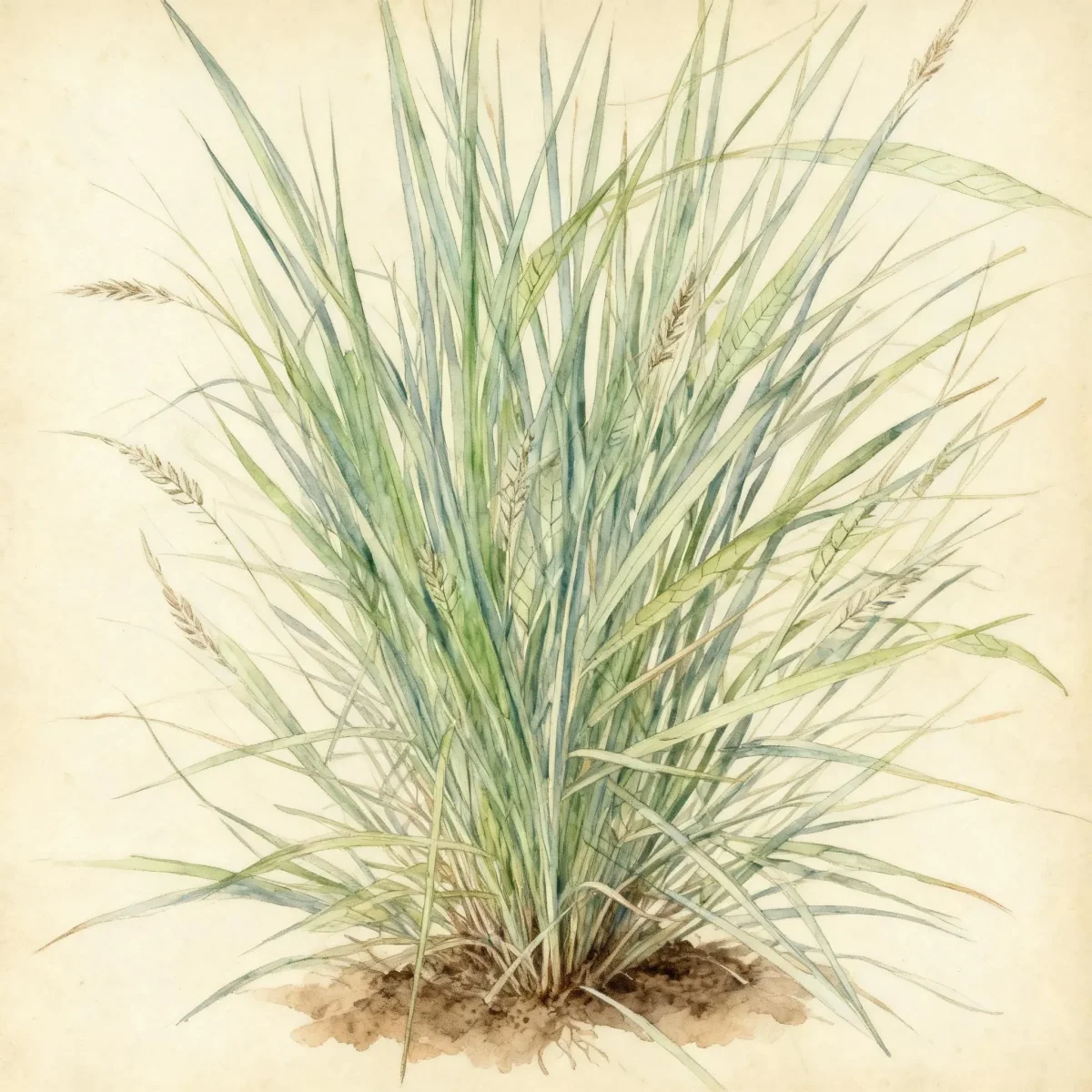
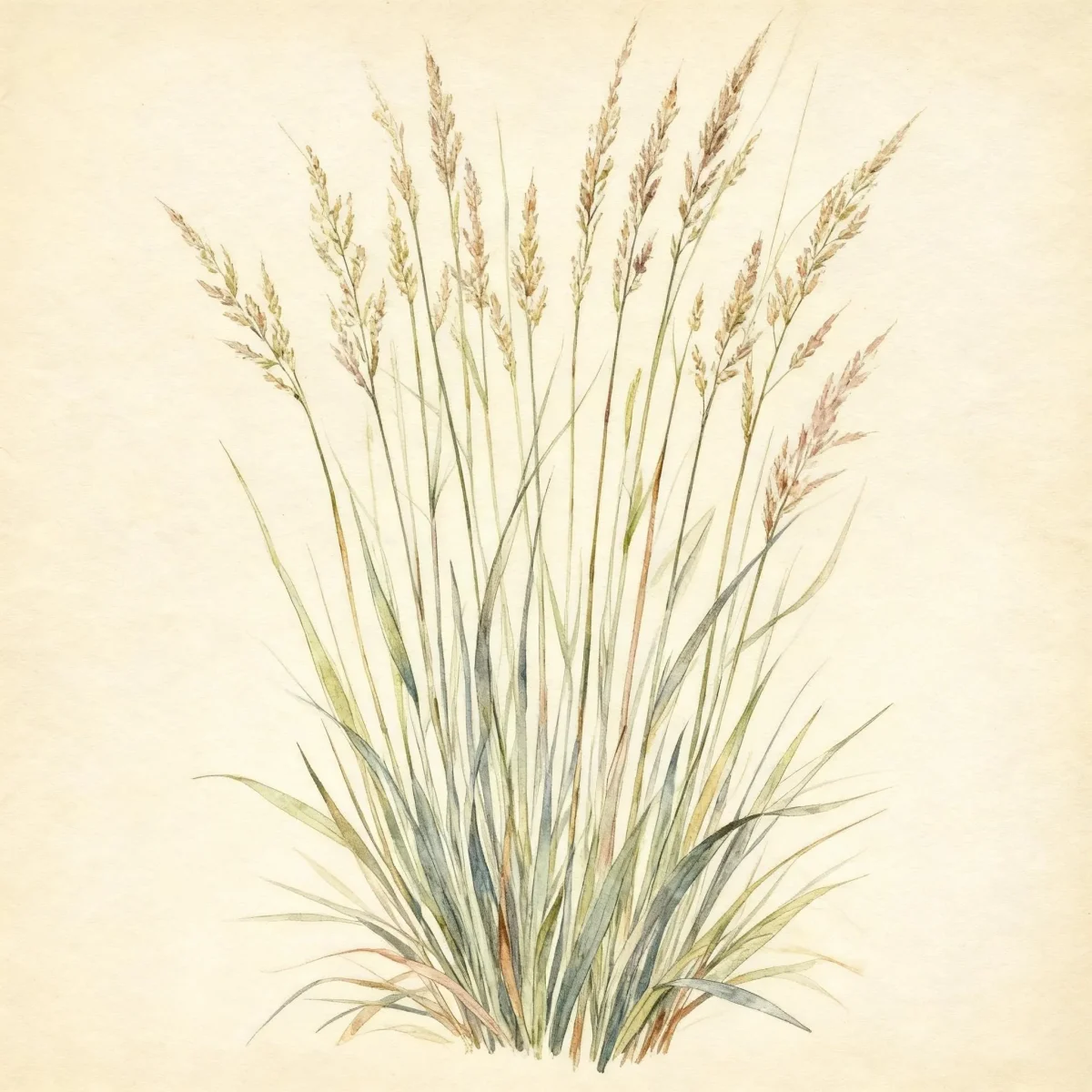
Little bluestem (Schizachyrium scoparium 'Blaze')
Stunning Little bluestem cultivar 'Blaze' offers vivid red fall color, low maintenance, and high drought tolerance for sunny borders.
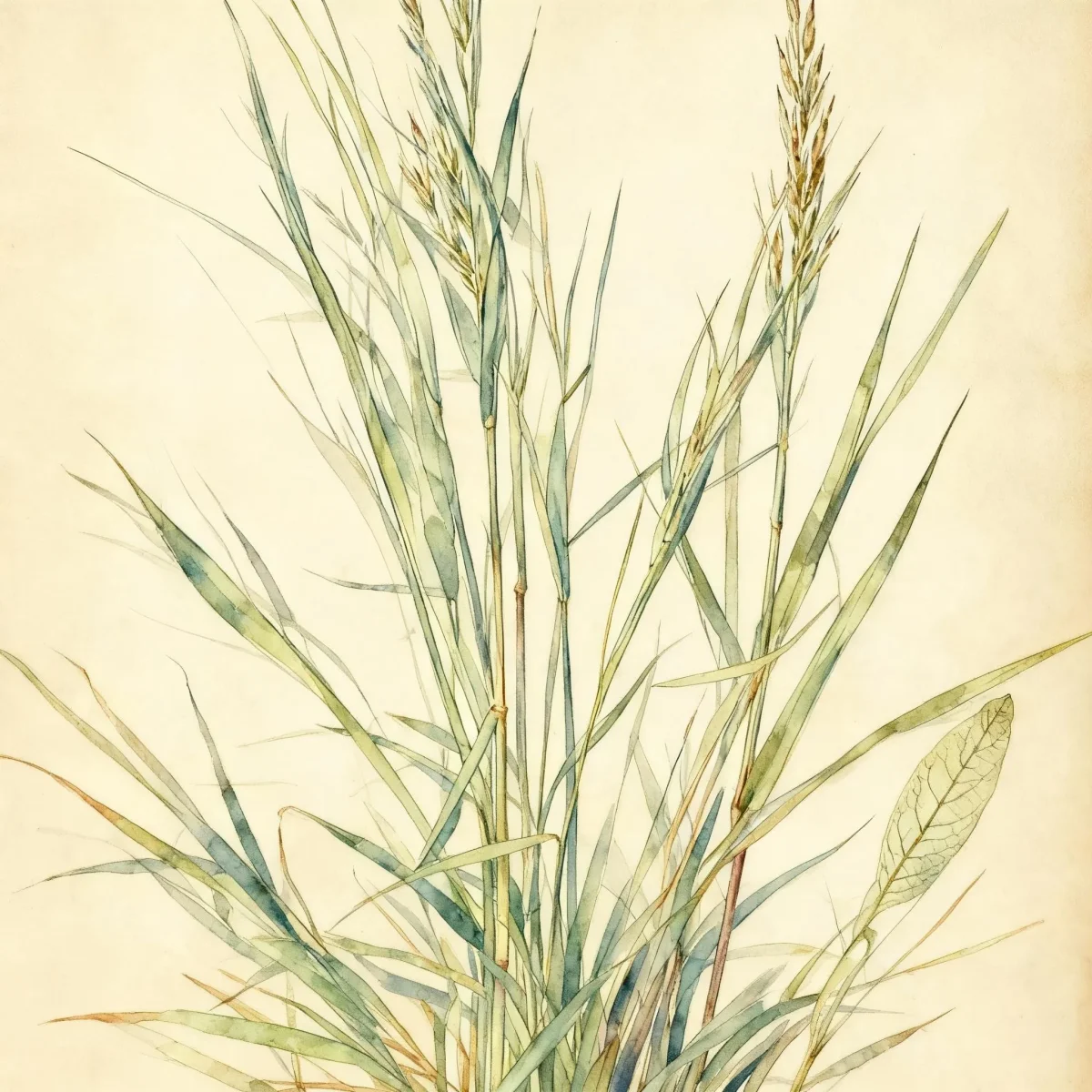

Bloom Boldly, No Matter the Season - Sweatshirt
Cozy organic cotton sweatshirt featuring our exclusive Purple Coneflower design. Perfect for gardeners who bloom year-round.
Inspired by the beautiful Little bluestem
Limited first batch (50) — join the waitlist for early access
Waitlist closes Feb 15, 2026.
Complete Plant Information
Field Guide Continues
Ready for care notes, companion picks, and planting tips?
The map is just the start. The full guide below covers growth habits, seasonal performance, and landscape uses.
Overview
Schizachyrium scoparium ‘Blaze’, widely known as Little bluestem, is a premium native ornamental grass celebrated for its dramatic four-season interest. This cultivar distinguishes itself with foliage that transitions from soft blue in spring to an intense, fiery red and reddish-purple mix by autumn. Its reliable, upright growth habit makes it an exceptional structural element in modern and naturalistic landscapes.
Native to the tallgrass prairie, this Little bluestem selection thrives in challenging conditions where many other perennials struggle. It offers reliable drought resistance once established, needing very little intervention once its roots take hold. The fine texture and vivid autumnal display ensure that Schizachyrium scoparium ‘Blaze’ remains a focal point long after other bloomers have faded.
Gardeners value Schizachyrium scoparium ‘Blaze’ not only for its aesthetic appeal but also for its ecological benefits and ease of care. It serves as an important vertical accent in perennial borders, xeriscaping, or naturalized meadow plantings, providing crucial winter texture and structure.
Fast Facts
- Plant Family: Poaceae
- Plant Type: Ornamental grass
- Hardiness Zones: USDA Zones 3-9
- Size at Maturity:
- Height: 2-3 ft
- Spread: 1.5-2 ft
- Bloom Time: August to February
- Bloom Description: Reddish-brown
- Sun Exposure: Full sun
- Water Needs: Dry to medium
- Maintenance Level: Low
How to Grow
Plant Little bluestem cultivars like ‘Blaze’ in the spring or fall, ensuring they receive full sun exposure throughout the entire day for the best color saturation. This grass performs exceptionally well in average, well-drained soil, but it is remarkably adaptable, tolerating poor soils, clay, and even occasional short periods of inundation typical in a rain garden setting. It establishes good drought resistance quickly, minimizing summer watering needs.
Water regularly during the first growing season to help establish a strong root system, but avoid consistently wet conditions. Once mature, Schizachyrium scoparium ‘Blaze’ requires minimal supplemental water. Fertilization is generally unnecessary, as rich soil encourages flopping; this plant thrives on lean conditions.
The primary cultural task involves pruning. In late winter or early spring, before new growth begins, cut the entire clump down to the ground. This practice removes the old, often faded, winter foliage and makes way for the fresh blue-green growth of the new season. Planting in full sun helps maintain its erect structure, preventing the foliage from flopping open, especially late in the season.
Landscape Uses
Schizachyrium scoparium ‘Blaze’ excels as a dynamic vertical element in borders and cottage gardens, providing fine texture that contrasts beautifully with broad-leaved perennials. Its ability to handle dry, tough sites makes it perfect for the edges of rock gardens or hot, sunny slopes where other plants might fail. As a resilient, low-maintenance selection, it fits seamlessly into wild gardens or prairie-like settings where mass plantings create a sweeping visual effect.
For rain gardens, this Little bluestem selection offers necessary structure while tolerating the fluctuating moisture levels often found in those spaces, especially in spring. Grouping multiple plants together enhances the dramatic fall color show, creating broad ribbons of reddish-orange across the landscape.
Standout Features
Noteworthy Characteristics
Schizachyrium scoparium, the common Little bluestem, is native to North American prairies, fields, and glades. It typically forms upright clumps with slender, linear green leaves that take on a blue base tinge, turning bronze-orange in the fall. The cultivar ‘Blaze’ is specifically selected for its exceptional fall transformation, exploding into intense shades of pinkish-orange to vivid red, often retaining winter color. Flowers appear in mid-to-late summer, followed by silvery-white seed heads that provide winter interest and serve as food for songbirds.
Tolerances
- Deer
- Drought
- Erosion
- Dry Soil
- Shallow-Rocky Soil
- Black Walnut
- Air Pollution
Potential Problems
This ornamental grass is highly valued because it presents virtually no serious insect or disease problems in cultivation. Its genetic hardiness and adaptation to native soils mean it resists most common garden pests and pathogens. The most common cultural issue to avoid is planting it in heavy shade or overly rich, constantly wet soil, which can lead to weak stems that flop over.
Maintaining its upright form is achieved by ensuring it receives the required full sun exposure as noted in its care requirements. If sprawling occurs, it is usually an environmental response rather than a disease; proper late-winter pruning will correct the appearance next season.
Frequently Asked Questions
What hardiness zones is Little bluestem ‘Blaze’ suitable for?
Schizachyrium scoparium ‘Blaze’ is reliably hardy in USDA Zones 3 through 9.
How large does Schizachyrium scoparium ‘Blaze’ grow?
This cultivar typically reaches a height between 2 and 3 feet, spreading to between 1.5 and 2 feet wide when fully mature.
What sun exposure does Little bluestem need?
Little bluestem requires full sun exposure to maintain its strong, upright habit and achieve its signature vivid fall coloring.
When does Schizachyrium scoparium ‘Blaze’ bloom?
Flowering occurs from August through February, with the bloom structures described as small, reddish-brown racemes rising above the foliage.
Conclusion
For gardeners seeking a tough, high-impact ornamental grass, Schizachyrium scoparium ‘Blaze’ is an outstanding choice, offering resilience against drought and deer while delivering unparalleled fall color. Integrating this Little bluestem into your sunniest garden areas will reward you with texture and fiery hues throughout the colder months. Always check your local USDA zone compatibility before planting.
Wildlife Benefits
Many native grasses are foundational species for local wildlife ecosystems, and Little bluestem is no exception. While the foliage itself provides excellent cover and nesting material potential for small birds and beneficial insects, the seeds produced after flowering are highly sought after. Many species of grassland birds rely on these nutritious seed heads during migration or winter months.
The silvery-white, fluffy seed heads of Schizachyrium scoparium ‘Blaze’ often persist well into the snow season, adding visual interest while serving as a critical late-season food source. Planting Schizachyrium scoparium ‘Blaze’ in drifts helps support local biodiversity across the long growing season.
Companion Planting
Due to its preference for full sun and dry to medium moisture, look for companion plants that share similar low-water needs and thrive in open prairies or meadows. Excellent partners include coneflowers (Echinacea), black-eyed Susans (Rudbeckia), and other sturdy Prairie natives like Gayfeather (Liatris) or native Sedums. Avoid planting near moisture-loving bog plants, as the grass will suffer if forced into constantly wet soil conditions. The fine texture of the Little bluestem complements the bold structure of many perennial sunflowers.