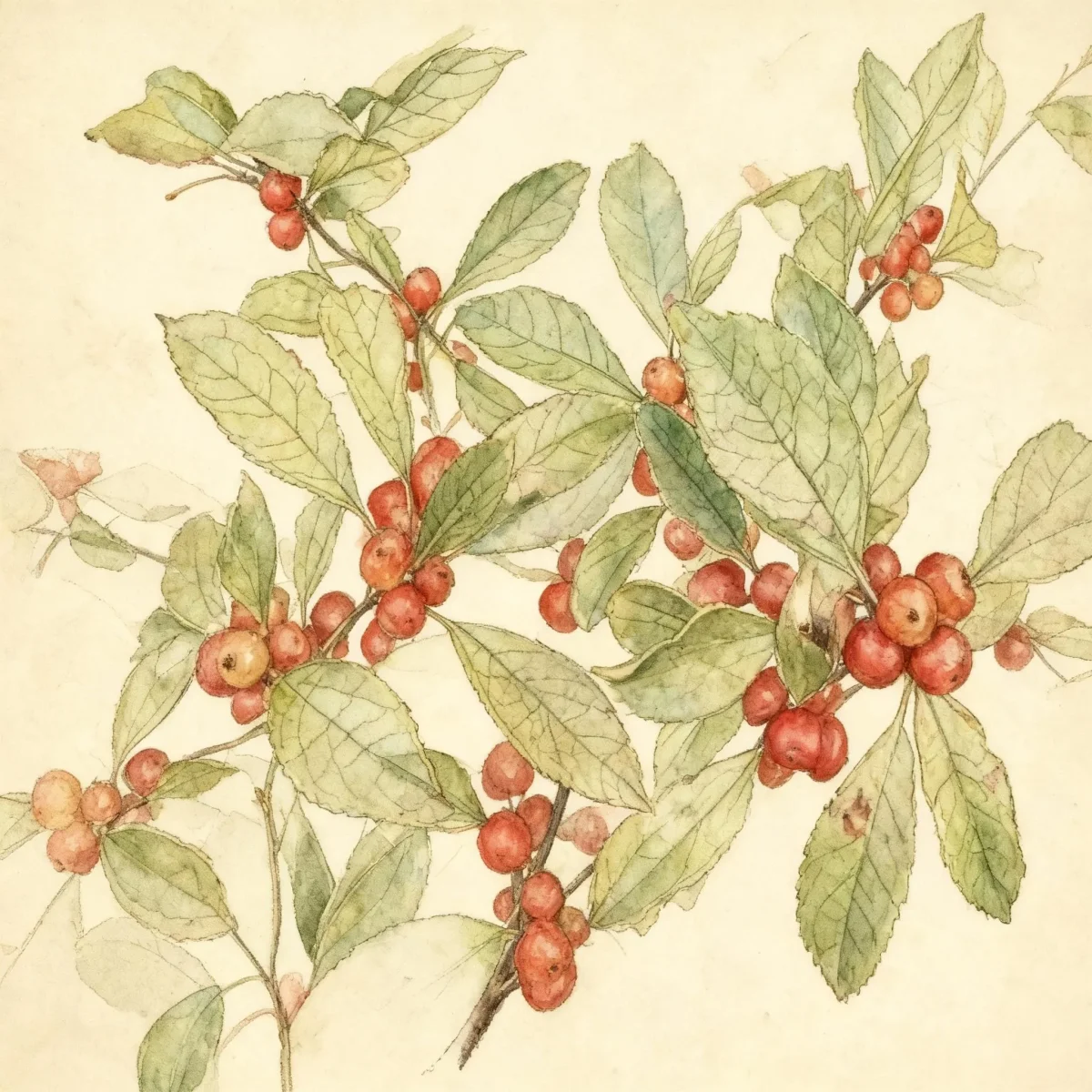
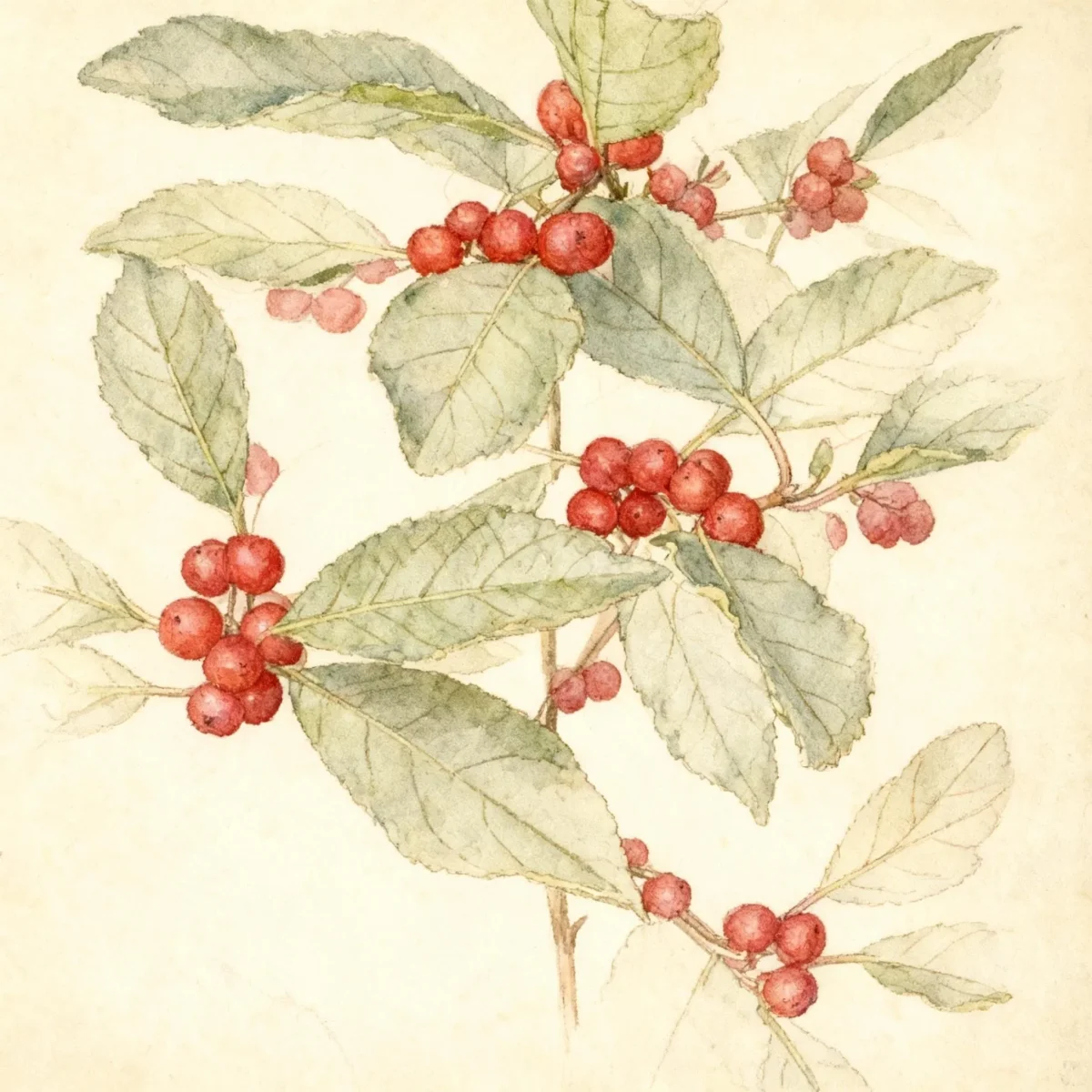
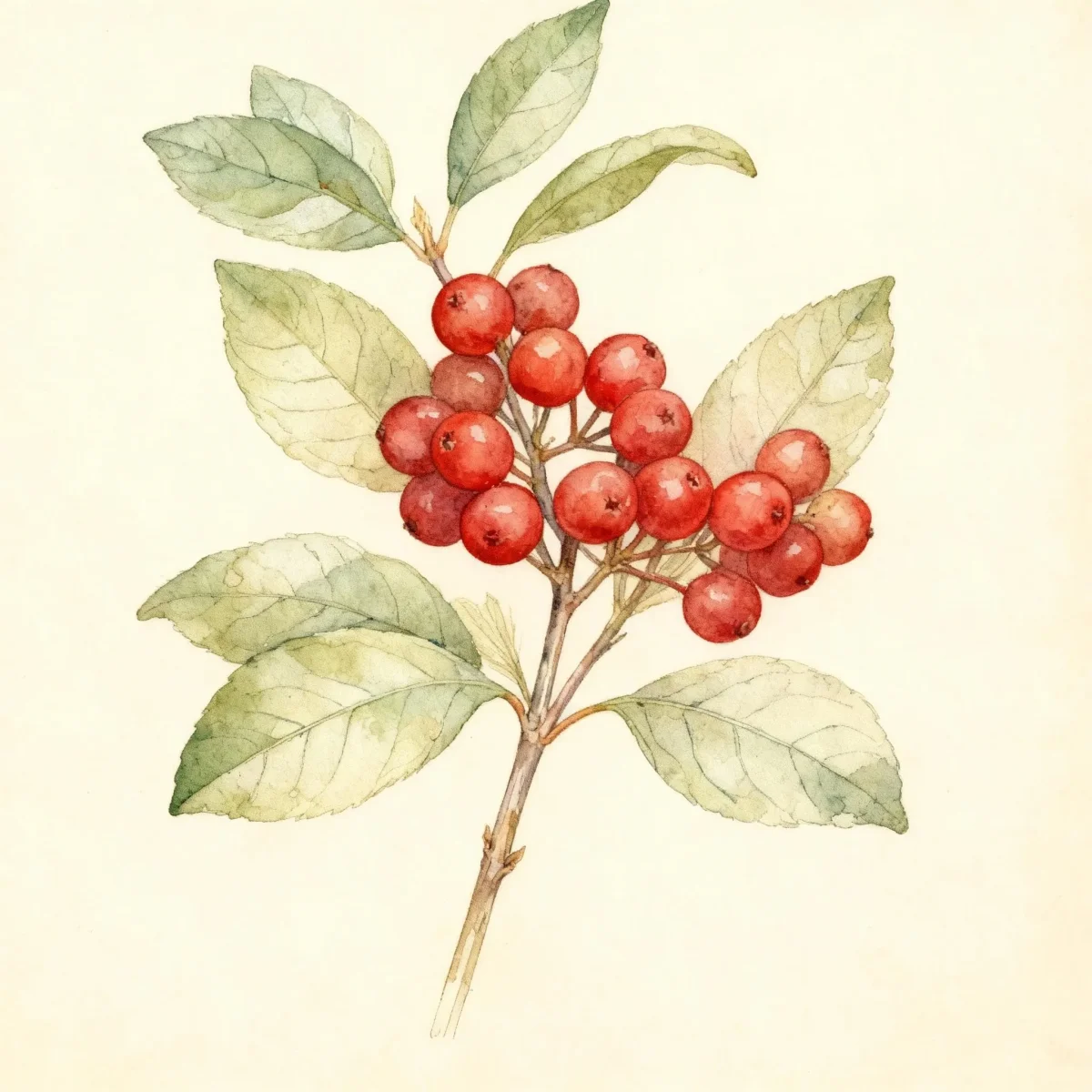
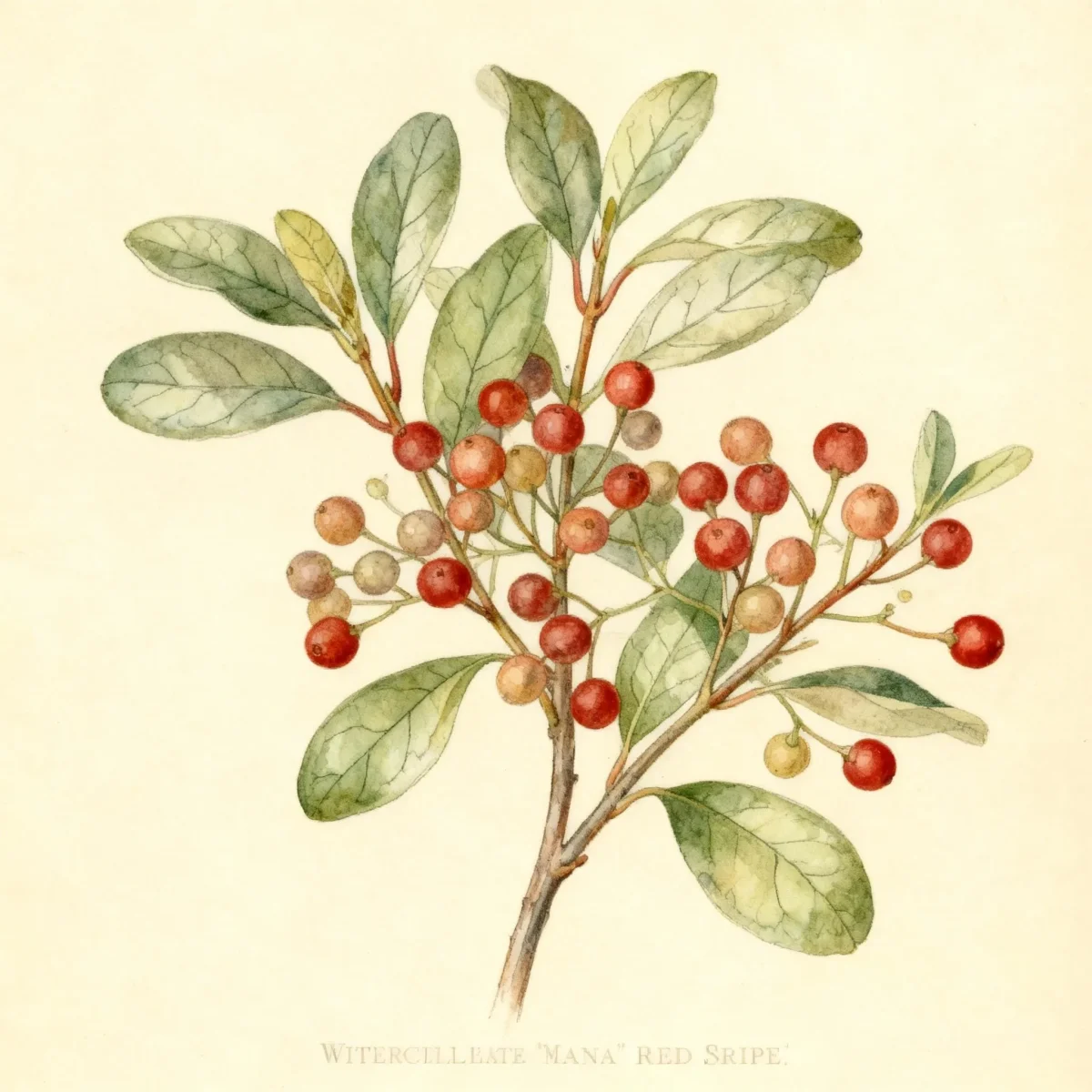
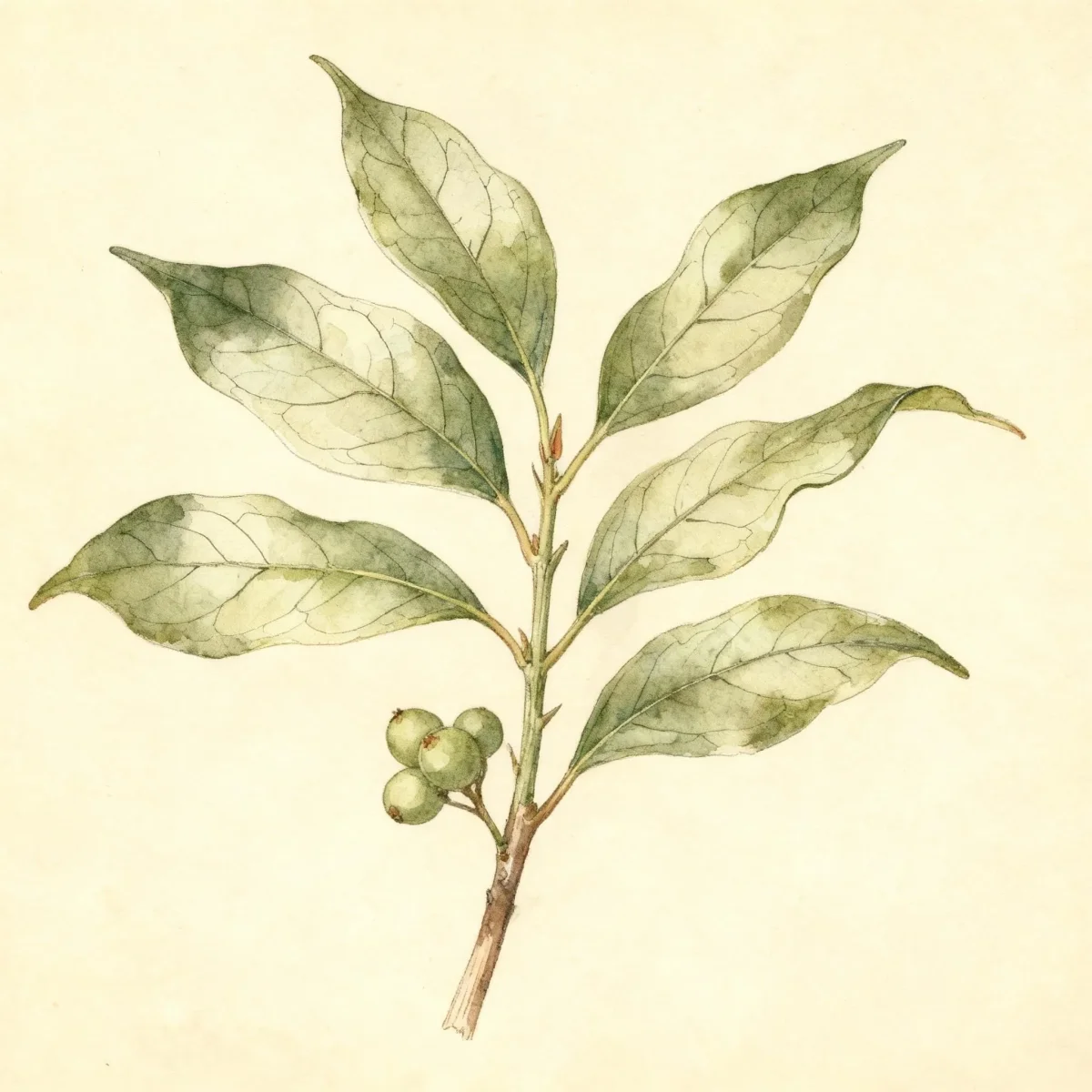
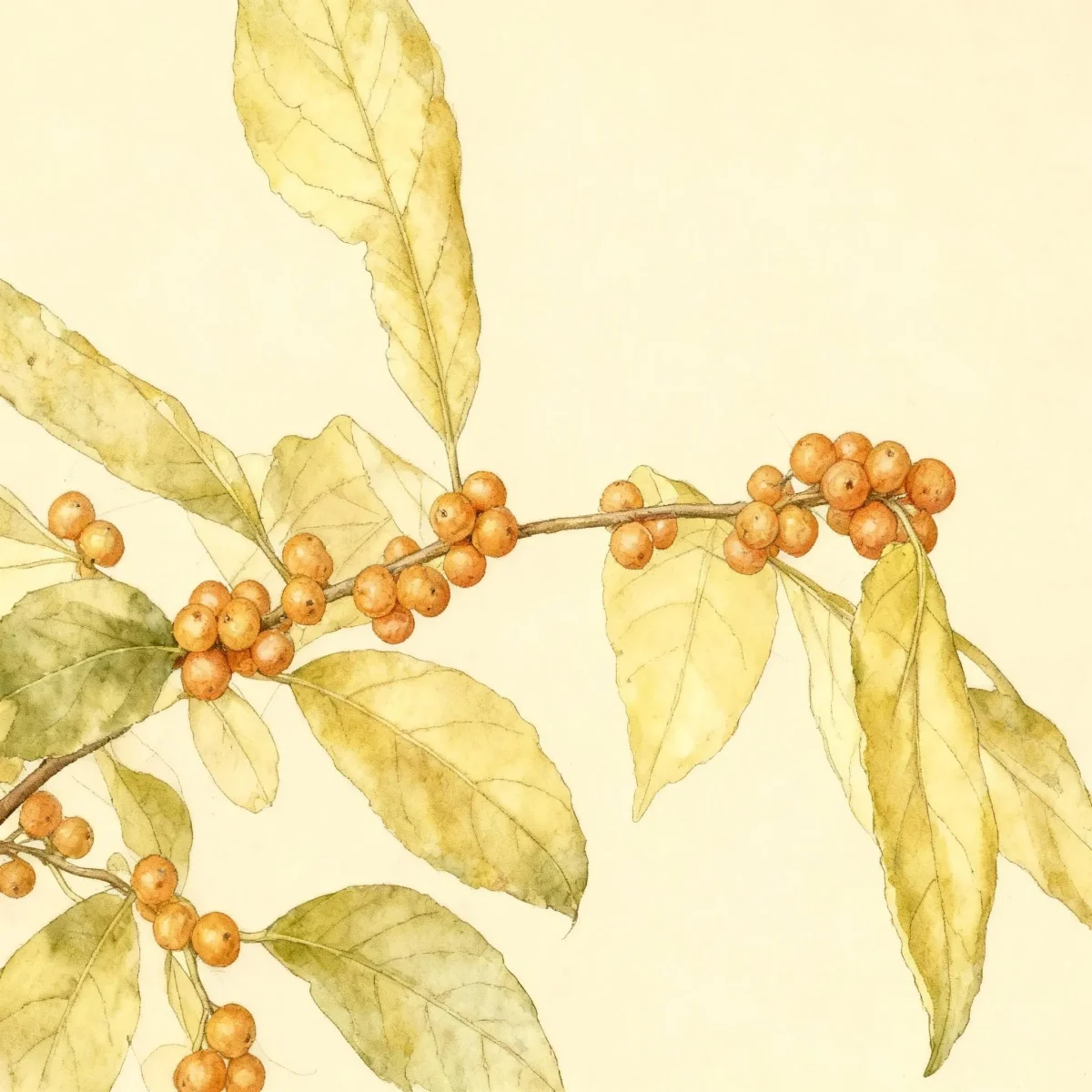
Winterberry (Ilex verticillata 'Oosterwijk')
Ilex verticillata 'Oosterwijk' Winterberry offers spectacular red berries, low maintenance, and adaptability to wet, clay soils.

Bloom Boldly, No Matter the Season - Sweatshirt
Cozy organic cotton sweatshirt featuring our exclusive Purple Coneflower design. Perfect for gardeners who bloom year-round.
Inspired by the beautiful Winterberry
Limited first batch (50) — join the waitlist for early access
Waitlist closes Feb 15, 2026.
Complete Plant Information
Field Guide Continues
Ready for care notes, companion picks, and planting tips?
The map is just the start. The full guide below covers growth habits, seasonal performance, and landscape uses.
Overview
The Ilex verticillata ‘Oosterwijk’, commonly known as Winterberry, is prized for its spectacular, long-lasting display of bright red berries that illuminate the winter landscape after the leaves have dropped. This deciduous holly thrives in conditions where many other shrubs struggle, particularly in moist, acidic soils. Its adaptability makes the ‘Oosterwijk’ cultivar an excellent choice for low-impact, high-reward gardening.
As a female cultivar, the Ilex verticillata ‘Oosterwijk’ absolutely requires a male pollinator planted nearby to ensure a dense crop of the signature berries. This shrub offers reliable structure and unparalleled winter interest, making it a staple in native plant landscapes and wet garden designs. Beyond aesthetics, this plant shows high tolerance for challenging soil conditions.
This Winterberry selection tends to mature into a manageable size, typically reaching 4 to 6 feet tall with a slightly wider spread. Its low maintenance needs and tolerance for difficult sites, including clay soil and wet areas, underscore why this specific cultivar remains popular for functional and decorative planting.
Fast Facts
- Plant Family: Aquifoliaceae
- Plant Type: Deciduous shrub
- Hardiness Zones: USDA Zones 3-9
- Size at Maturity:
- Height: 4-6 ft
- Spread: 6-8 ft
- Bloom Time: May to June
- Bloom Description: Greenish-white
- Sun Exposure: Full sun to part shade
- Water Needs: Medium to wet
- Maintenance Level: Low
How to Grow
Planting the Ilex verticillata ‘Oosterwijk’ is best done in spring or fall, allowing the roots time to establish before summer heat or winter freezes. This shrub demands acidic, moist to wet soils, and it excels in boggy areas or rain gardens. While adaptable to heavy soils, avoid neutral or alkaline conditions, as these can induce chlorosis, damaging the plant.
Watering should be consistent, especially during establishment, ensuring the ground remains medium to wet. Pruning is minimal but essential for shaping and encouraging berry production. Always prune in early spring just before new growth emerges to avoid removing the wood that will bear flowers and subsequent fruit.
Because Winterberry is dioecious—having separate male and female plants—you must integrate a male pollinator, such as I. verticillata ‘Southern Gentleman’, if you wish to see the showy fruit on your female ‘Oosterwijk’. One male shrub can effectively service several nearby females. Flowers appear on new growth, leading to fruits that develop throughout summer and persist into the winter months.
Landscape Uses
The standout feature of the Ilex verticillata ‘Oosterwijk’ is its incredible winter appeal, making it indispensable for year-round interest in the garden. It performs exceptionally well massed along streams, in low spots where water collects, or integrated into formal rain garden designs due to its tolerance for saturation.
Consider using this shrub in a mixed shrub border to provide bright contrast against evergreen backdrops or darker barked plants during the dormant season. Cut branches, heavily laden with berries, are highly valued for winter arrangements, extending the beauty of the Winterberry indoors.
For formal structure, group several shrubs together to form an informal hedge, or plant them as foundational elements in native plant areas. Its dense habit and ability to handle clay ensure functional screening as well as seasonal beauty.
Flower Qualities
- Insignificant
Fruit Qualities
- Showy
Noteworthy Characteristics
‘Oosterwijk’ is specifically noted for its dense, heavy fruiting, providing an intense display of bright red berries that are retained well throughout the winter, often making it a commercial favorite for cut branches. This slow-growing deciduous holly is native to eastern North American swamps and thickets, adapting readily to consistent moisture. Unlike some hollies, its success depends on proper pollination between adjacent male and female plants.
Tolerances
- Erosion
- Clay Soil
- Wet Soil
- Air Pollution
Potential Problems
While generally robust, the Ilex verticillata ‘Oosterwijk’ faces few insect threats, though occasional issues like leaf spots or powdery mildew can occur, especially in high humidity or poor air circulation. The primary cultural problem arises from incorrect soil pH; this plant requires acidic conditions.
If planted in neutral or alkaline soils, the shrub becomes susceptible to chlorosis, which presents as yellowing leaves, severely weakening the plant and often leading to eventual dieback. Ensure soil pH remains low through routine amendment with peat moss or sulfur if necessary to maintain healthy, dark green foliage and vigorous fruiting.
Frequently Asked Questions
What hardiness zones is Winterberry suitable for?
Ilex verticillata ‘Oosterwijk’ is highly adaptable, thriving across USDA Zones 3 through 9.
How large does Ilex verticillata ‘Oosterwijk’ grow?
This cultivar typically reaches a modest height of 4 to 6 feet, with a spread ranging from 6 to 8 feet, offering a compact presence for a holly.
What sun exposure does Ilex verticillata ‘Oosterwijk’ need?
This Winterberry performs best with full sun exposure but tolerates partial shade adequately, though fruiting might be slightly less profuse in deeper shade.
When does Winterberry bloom?
The inconspicuous, greenish-white flowers of the Ilex verticillata ‘Oosterwijk’ develop between May and June.
Conclusion
The Ilex verticillata ‘Oosterwijk’ is a superb native shrub, delivering unmatched winter visual impact through its dense, red berry clusters with minimal effort required from the gardener. Ensure you have a suitable male pollinator nearby to guarantee this legendary display of Winterberry color. Always check your site’s pH before planting to confirm compatibility with this obligate acid-loving deciduous holly.
Companion Planting
When selecting companions for Ilex verticillata ‘Oosterwijk’, focus on plants that share a similar preference for acidic, consistently moist soils. Consider planting near native wetland species such as marsh marigolds (Caltha palustris) or certain moisture-loving ferns that thrive in partial shade, providing textural contrast beneath the deciduous canopy.
For year-round structure, pair the Winterberry with evergreen broadleaf shrubs that can handle wet feet, such as certain Rhododendron cultivars or Kalmia (Mountain Laurel), provided the soil remains sufficiently acidic. These combinations create rich, layered interest throughout all four seasons in rain gardens or streamside plantings.
Wildlife Benefits
The inconspicuous flowers of the Ilex verticillata ‘Oosterwijk’ attract small bees and various flies during late spring, contributing to early-season native pollinator support. However, the primary wildlife value comes after leaf drop when the brilliant red fruit becomes available.
These persistent berries serve as a crucial late-season and winter food source for numerous bird species, helping them sustain themselves until spring blooms reemerge. Planting this Winterberry directly supports local biodiversity, especially in areas prone to winter scarcity.