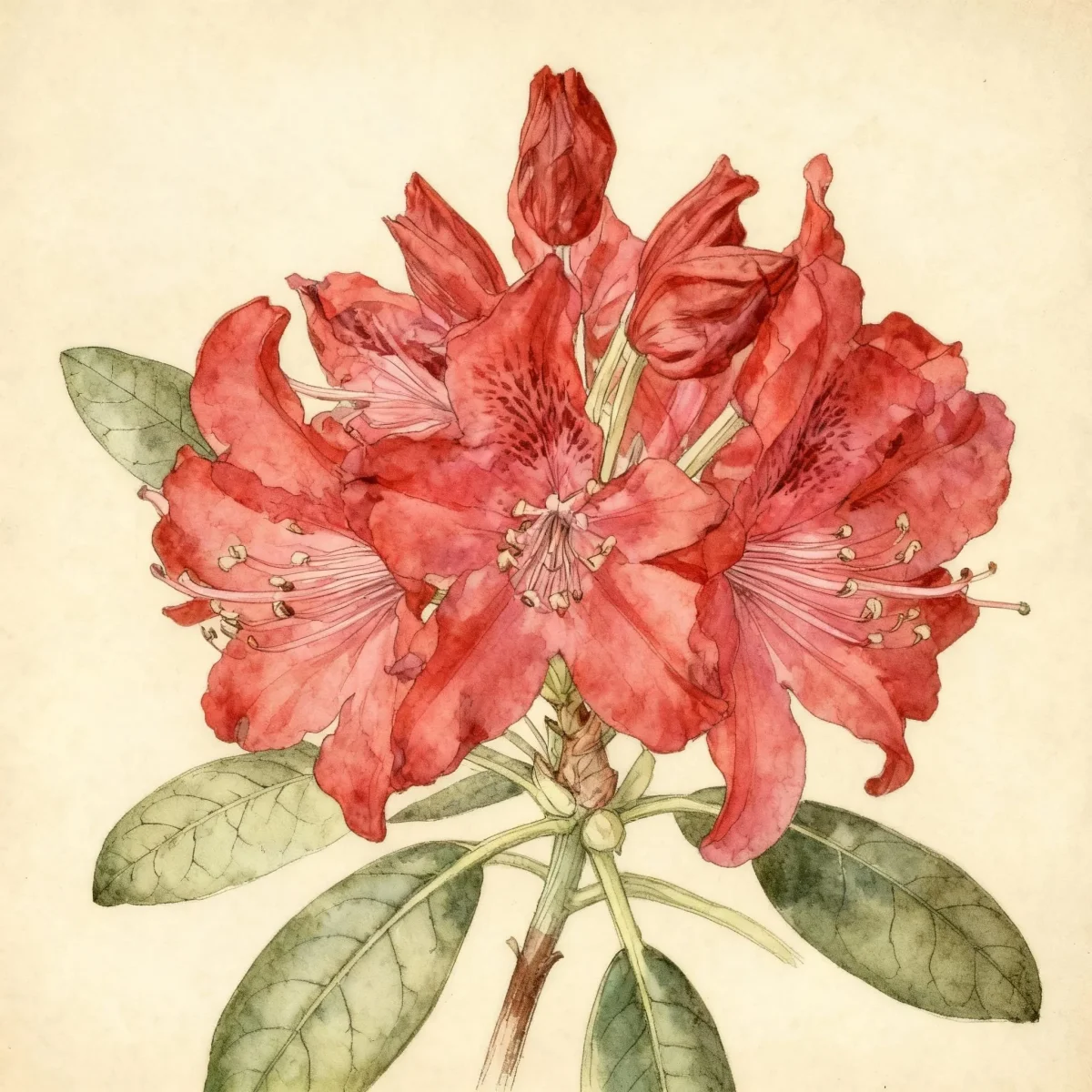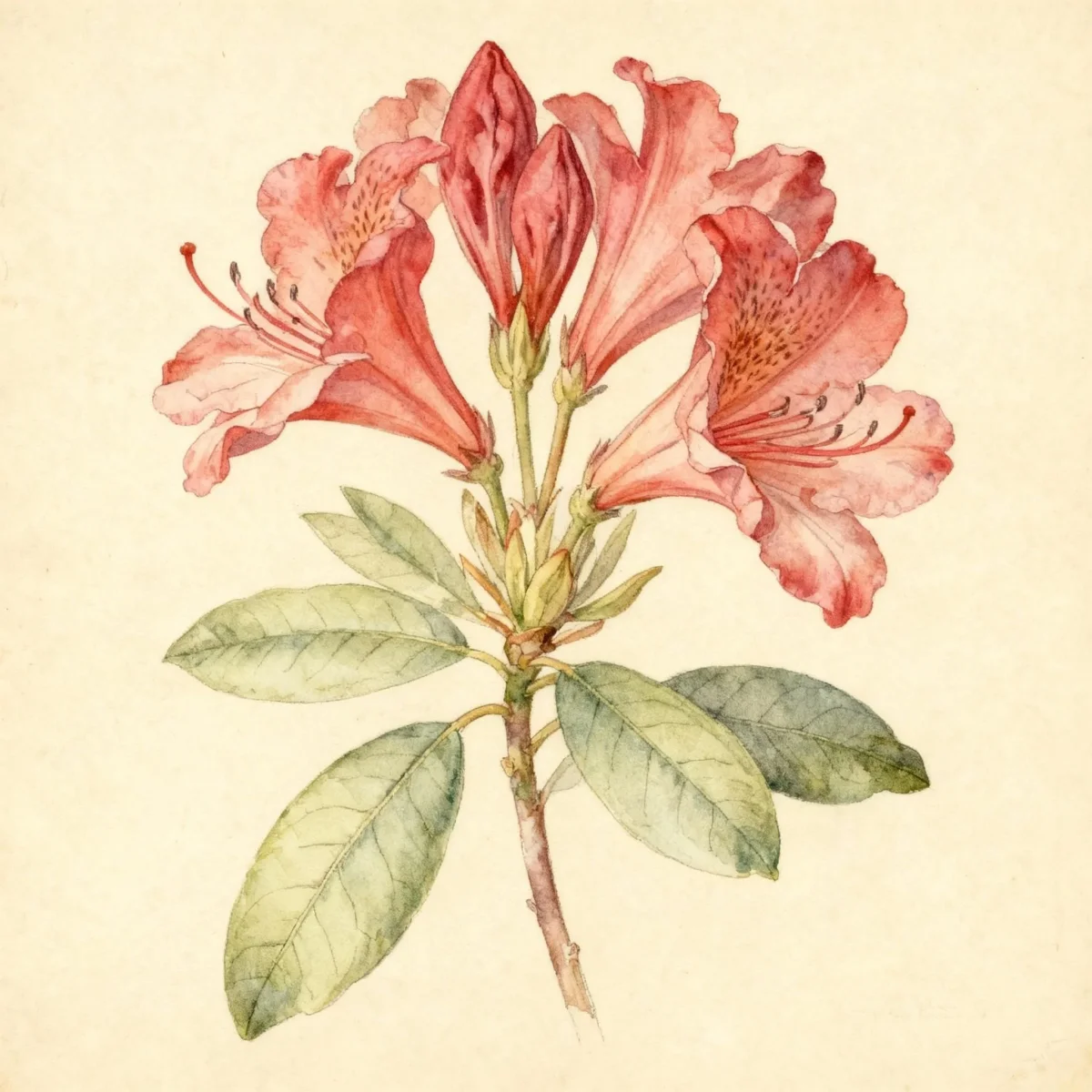

Rhododendron (Rhododendron 'Cherry Cheesecake')
Rhododendron 'Cherry Cheesecake' is a showy broadleaf evergreen ideal for woodland gardens, blooming in May with striking white/red edged flowers.
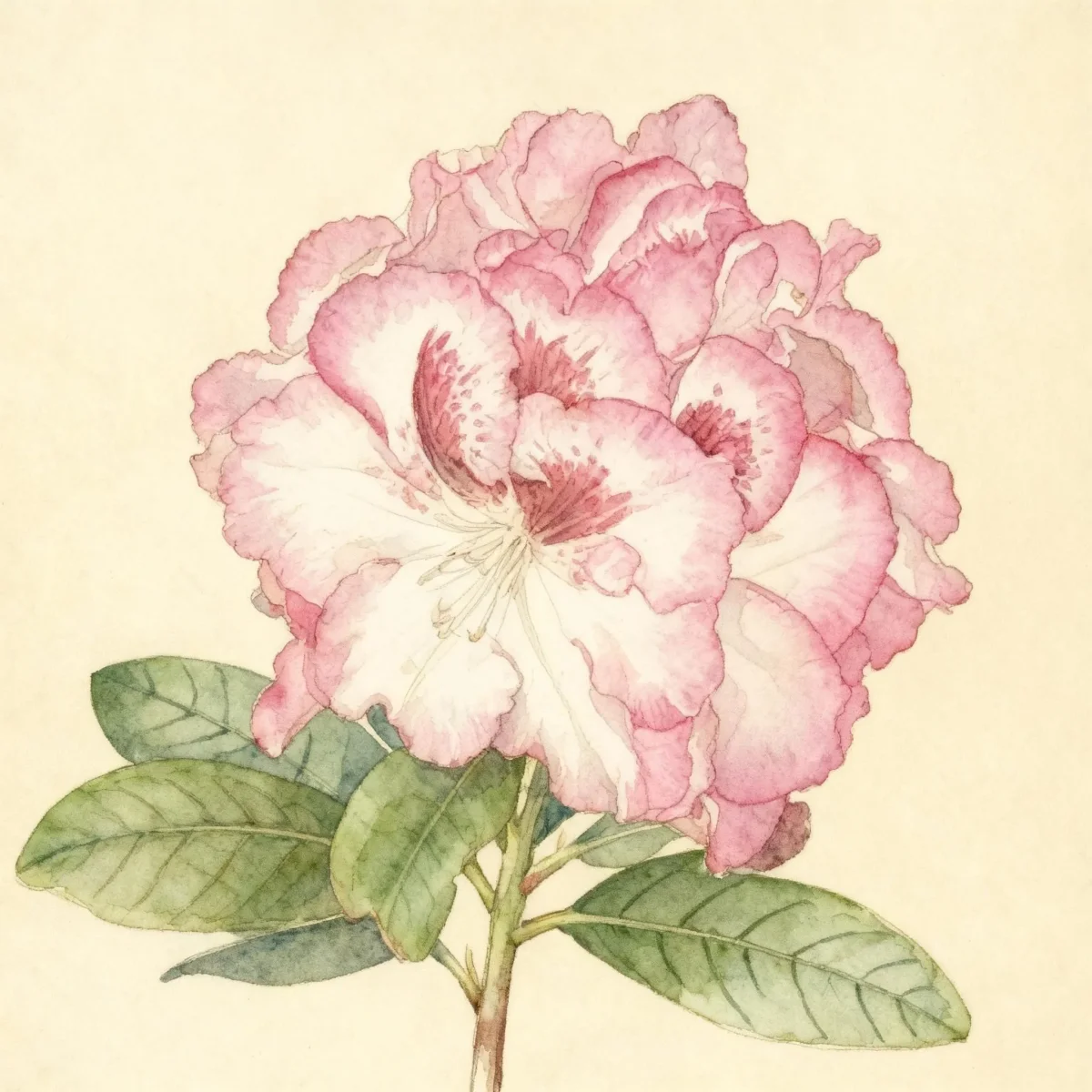

Bloom Boldly, No Matter the Season - Sweatshirt
Cozy organic cotton sweatshirt featuring our exclusive Purple Coneflower design. Perfect for gardeners who bloom year-round.
Inspired by the beautiful Rhododendron
Limited first batch (50) — join the waitlist for early access
Waitlist closes Feb 15, 2026.
Complete Plant Information
Field Guide Continues
Ready for care notes, companion picks, and planting tips?
The map is just the start. The full guide below covers growth habits, seasonal performance, and landscape uses.
Overview
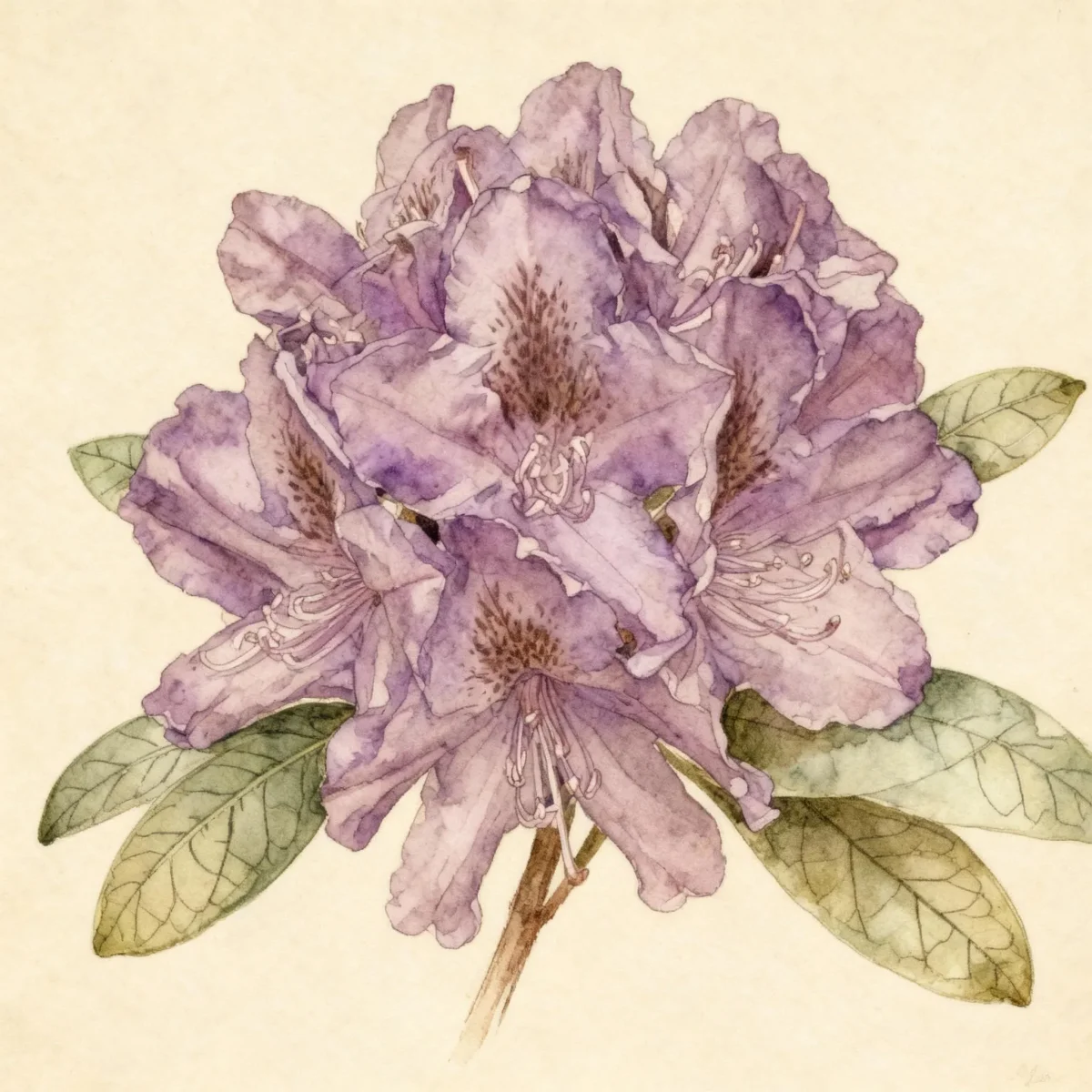
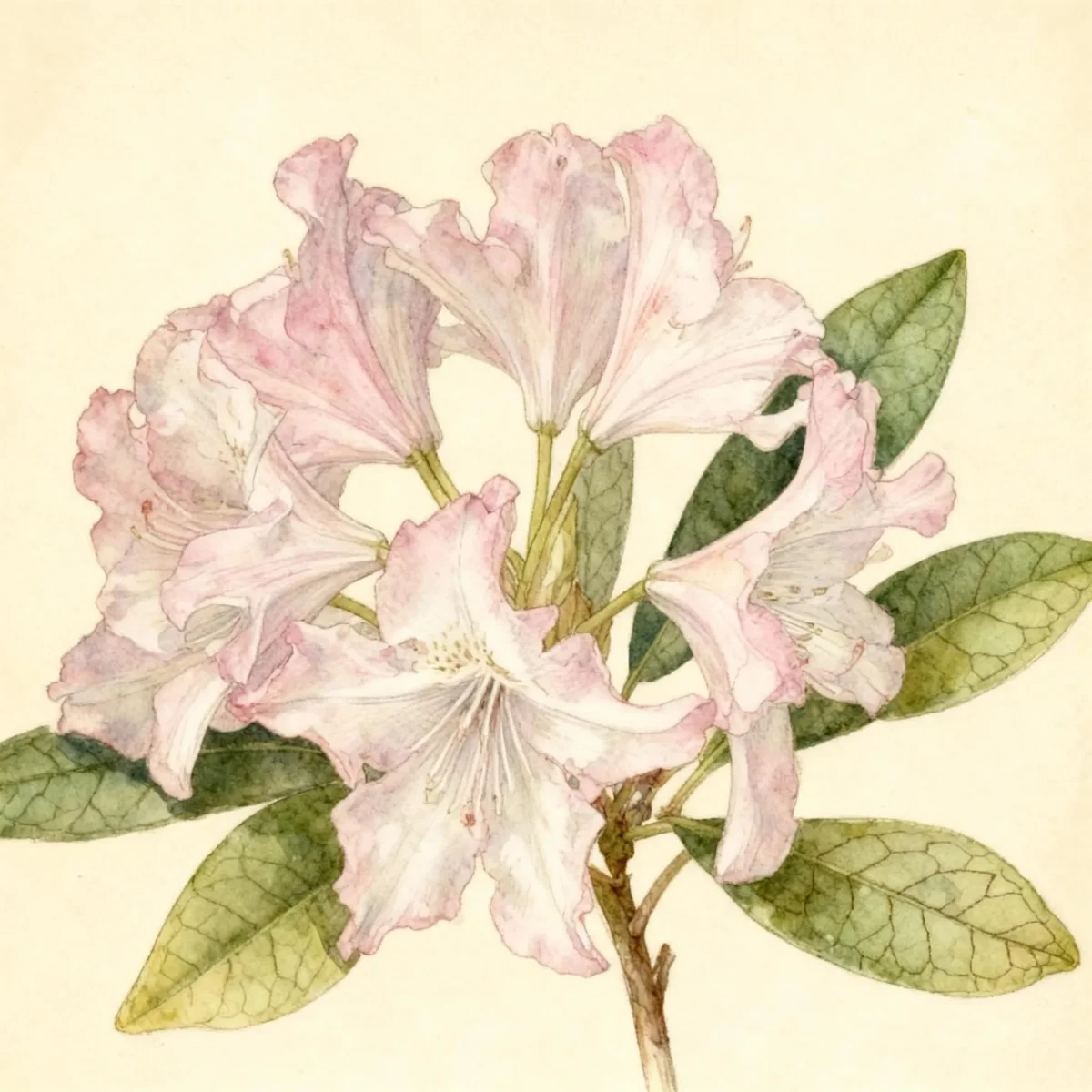
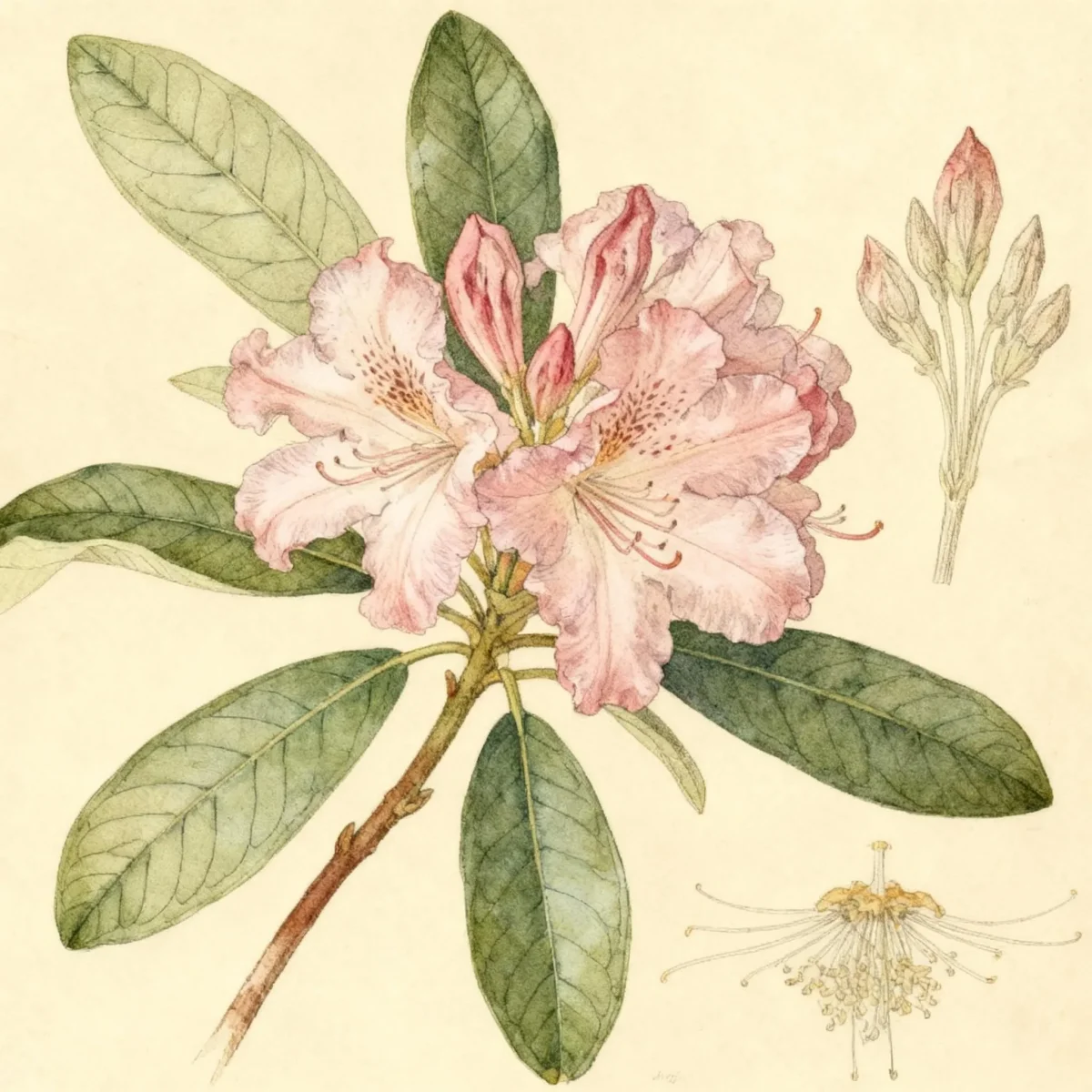
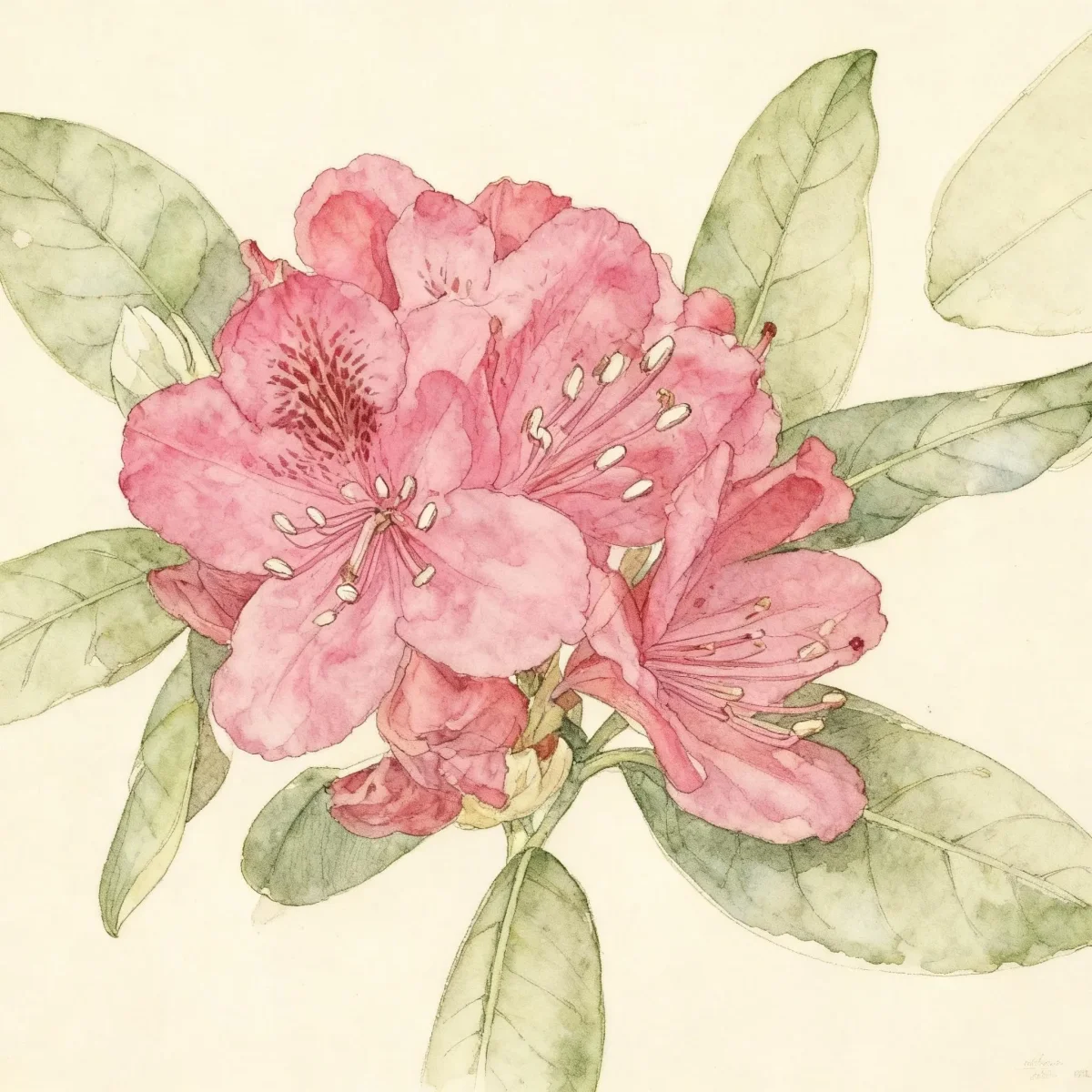
Rhododendron ‘Cherry Cheesecake’ is celebrated for its visual impact, offering a superb display of broadleaf evergreen foliage year-round, complemented by its distinctive spring bloom. This cultivar produces large trusses of funnel-shaped flowers noted for being white with ruffled, red edges and a vibrant red blotch at the throat when it flowers in May. As a robust hybrid Rhododendron, it provides excellent structure in the garden, maturing into a dense shrub between four and five feet tall and wide.
This specific hybrid, Rhododendron ‘Cherry Cheesecake’, is considered an improvement over similar types due to its thicker stems and more reliable habit, resisting the overly lanky appearance some relatives exhibit. Gardeners value this plant for its performance in woodland settings or as a formal hedge, providing reliable color and dense texture in zones 5 through 8. Proper siting is key to maintaining the rich color of the foliage and ensuring abundant blooms.
Fast Facts
- Plant Family: Ericaceae
- Plant Type: Broadleaf evergreen
- Hardiness Zones: USDA Zones 5-8
- Size at Maturity:
- Height: 4-5 ft
- Spread: 4-5 ft
- Bloom Time: May
- Bloom Description: White with red edges and a red blotch
- Sun Exposure: Full sun to part shade
- Water Needs: Medium
- Maintenance Level: Medium
How to Grow
Plant Rhododendron ‘Cherry Cheesecake’ in locations that receive plenty of acidity and organic matter. The ideal soil is humusy, moisture-retentive, yet perfectly well-drained. While they tolerate full sun, they thrive best in light, dappled shade or receiving morning sun followed by afternoon shade, especially in warmer climates where intense sun can scorch the leaves. Avoid planting near walnut trees, as the toxins they produce are highly detrimental to most Rhododendrons.
Establish a good watering routine, ensuring the medium moisture levels are maintained; the shallow, fibrous root systems must never be allowed to dry out. Cultivation directly around the base should be avoided; instead, apply a 2-3 inch layer of mulch, such as pine needles or bark, to stabilize soil temperature and retain moisture. Soil pH is critical; aim for an acidic range between 5.0 and 5.5, amending with sulfur or iron sulfate if necessary to lower alkalinity.
Pruning for Rhododendron ‘Cherry Cheesecake’ primarily involves deadheading. Clip off spent flower clusters immediately after they fade. This effort directs the plant’s energy back into producing next year’s buds rather than seed, enhancing future displays. Protect this plant from harsh, strong winds to prevent branch damage.
Landscape Uses
Rhododendron ‘Cherry Cheesecake’ excels when used as a specimen plant where its magnificent flowers can be admired up close. It is highly versatile, working beautifully in mass plantings, in formal shrub borders, or lending timeless structure to foundation plantings. Furthermore, its evergreen nature makes it a fantastic choice for creating low to medium-height hedges that provide year-round screening.
For a classic, tranquil woodland garden aesthetic, pair this Rhododendron with acid-loving companions like Japanese Maples (Acer palmatum), evergreen ferns, and mountain laurels. When using the plant in mixed borders, place taller specimens behind it to ensure the distinctive blooms are not obscured. Its requirement for protection from harsh winds often means positioning it on north or east-facing slopes provides optimal placement.
Standout Features
Flower Qualities
- Showy
Noteworthy Characteristics
Rhododendron is a genus of 500 to 900 species and includes both of what we commonly call rhododendrons and azaleas. Genus name comes from the Greek words rhodo meaning rose and dendron meaning tree. ‘Cherry Cheesecake’ is a tetraploid form of Rhododendron ‘Hachmann’s Charmant’ that was hybridized by Brigg’s Nursery of Federal Way, Washington, featuring funnel-shaped flowers that grow 4 to 5 ft. Tall and wide.
Tolerances
- Rabbit
Potential Problems
Rhododendrons are prone to several insect and disease issues if cultural needs are not met, though a healthy Rhododendron ‘Cherry Cheesecake’ in ideal conditions will resist most threats. Common pests include scale, lacebugs, and aphids, while fungal issues like leaf spot and root rot are prevalent, particularly if drainage is poor. Root rot is inevitable in waterlogged conditions, often requiring raised beds in heavy clay soils.
Chlorosis, or yellowing of the leaves, signals an iron deficiency, which frequently occurs when the soil pH is too high (not acidic enough). To prevent serious problems, maintain strict soil pH control (5.0-5.5) and ensure excellent drainage at all times. Regularly monitor foliage, especially new growth, for early signs of insect activity or discoloration.
Frequently Asked Questions
What hardiness zones is Rhododendron ‘Cherry Cheesecake’ suitable for?
Rhododendron ‘Cherry Cheesecake’ performs best in USDA Hardiness Zones 5 through 8.
How large does Rhododendron ‘Cherry Cheesecake’ grow?
This cultivar typically reaches a height and spread of 4 to 5 feet at maturity, forming a dense, manageable shrub.
When does Rhododendron bloom?
This variety blooms in May, showcasing beautiful flowers described as white with red edges and a distinct red blotch.
What sun exposure does Rhododendron ‘Cherry Cheesecake’ need?
It prefers full sun to part shade, but benefits greatly from protection against hot afternoon sun, which can scorch the leaves.
Conclusion
Rhododendron ‘Cherry Cheesecake’ provides gardeners with a dependable, beautiful broadleaf evergreen that offers striking spring flowers rich with red detail against white petals. Maintaining the required acidic, well-drained soil is the most crucial step for success with this type of Rhododendron. Before planting, confirm your site conditions match its needs, and enjoy the structural beauty Rhododendron ‘Cherry Cheesecake’ brings to your landscape.
Companion Planting
Selecting appropriate companions helps maintain the acidic soil conditions crucial for the health of Rhododendron ‘Cherry Cheesecake’. Plants that share a love for humus-rich, consistently moist, acidic soil create a thriving microclimate. Excellent companions include other acid-loving evergreens like Hollies (Ilex), and broadleaf evergreens such as Camellias, where climate allows.
Consider underplanting with shade-tolerant perennials that appreciate similar moisture regimes but do not compete aggressively for surface nutrients. Hostas, Astilbes, and various woodland ferns are excellent foundational plantings beneath the canopy of a mature Rhododendron. This layered approach enhances the woodland garden aesthetic that this genus naturally embodies.
Seasonal Care Calendar
Spring is the critical season for Rhododendron care, focusing on the immediate post-bloom period. Immediately after the white and red-edged flowers fade, deadhead the trusses to encourage robust bud development for the following year, as noted in the care culture. This is also an ideal time to apply a light feeding if necessary, using fertilizers formulated specifically for acid-loving plants.
Summer care centers entirely on consistent moisture management. Because the roots are shallow, they dry out quickly in hot weather; deep, infrequent watering is preferred over light sprinkling. Continue heavy mulching through the summer to insulate the roots and maintain stable soil temperatures, a key requirement for any Rhododendron.
Companion Planting
Selecting appropriate companions helps maintain the acidic soil conditions crucial for the health of Rhododendron ‘Cherry Cheesecake’. Plants that share a love for humus-rich, consistently moist, acidic soil create a thriving microclimate. Excellent companions include other acid-loving evergreens like Hollies (Ilex), and broadleaf evergreens such as Camellias, where climate allows.
Consider underplanting with shade-tolerant perennials that appreciate similar moisture regimes but do not compete aggressively for surface nutrients. Hostas, Astilbes, and various woodland ferns are excellent foundational plantings beneath the canopy of a mature Rhododendron. This layered approach enhances the woodland garden aesthetic that this genus naturally embodies.
Seasonal Care Calendar
Spring is the critical season for Rhododendron care, focusing on the immediate post-bloom period. Immediately after the white and red-edged flowers fade, deadhead the trusses to encourage robust bud development for the following year, as noted in the care culture. This is also an ideal time to apply a light feeding if necessary, using fertilizers formulated specifically for acid-loving plants.
Summer care centers entirely on consistent moisture management. Because the roots are shallow, they dry out quickly in hot weather; deep, infrequent watering is preferred over light sprinkling. Continue heavy mulching through the summer to insulate the roots and maintain stable soil temperatures, a key requirement for any Rhododendron.