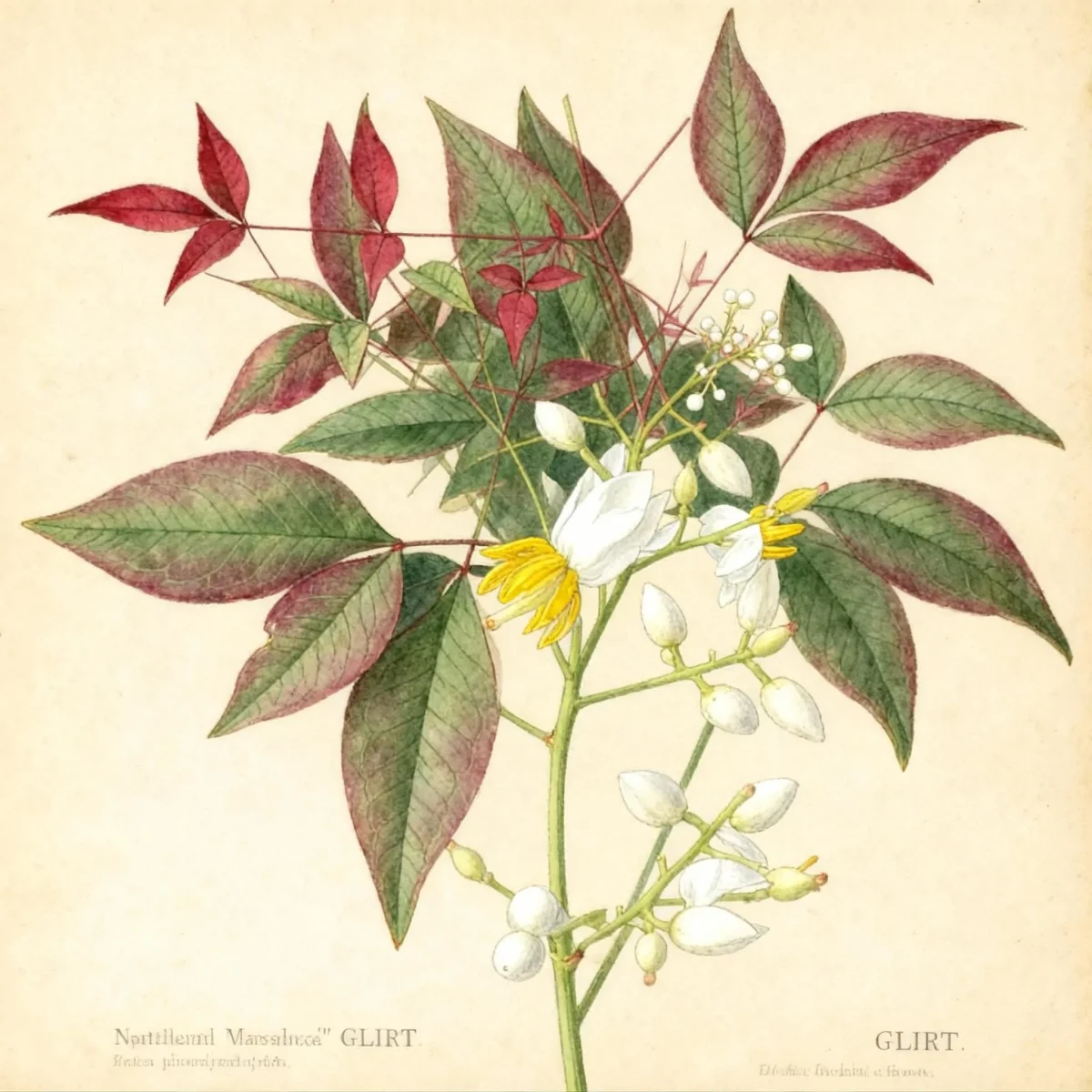
Heavenly bamboo (Nandina domestica 'Seika' OBSESSION)
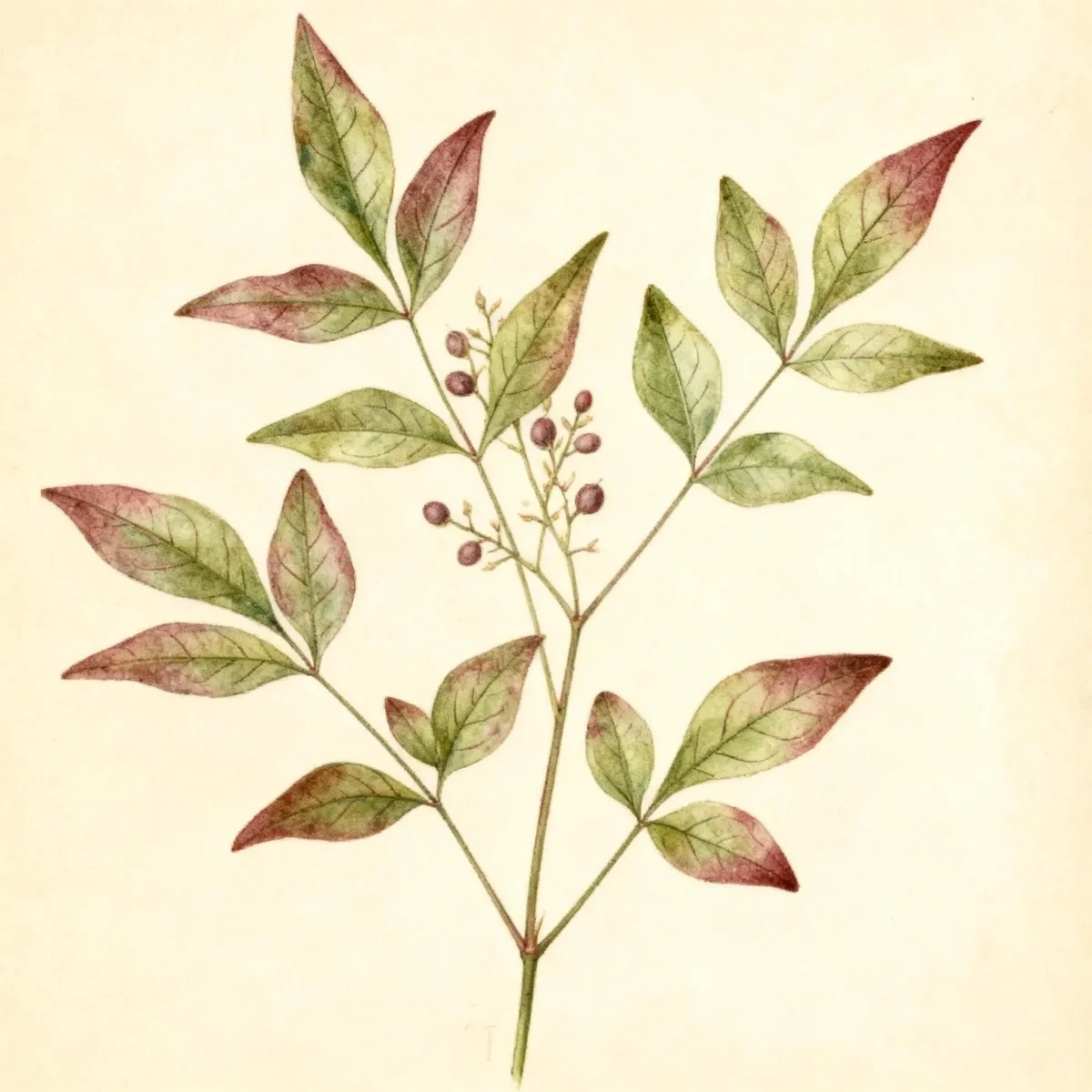
Nandina domestica 'Seika' OBSESSION, or Heavenly bamboo, offers year-round interest with handsome foliage, white spring flowers, and persistent red berries.
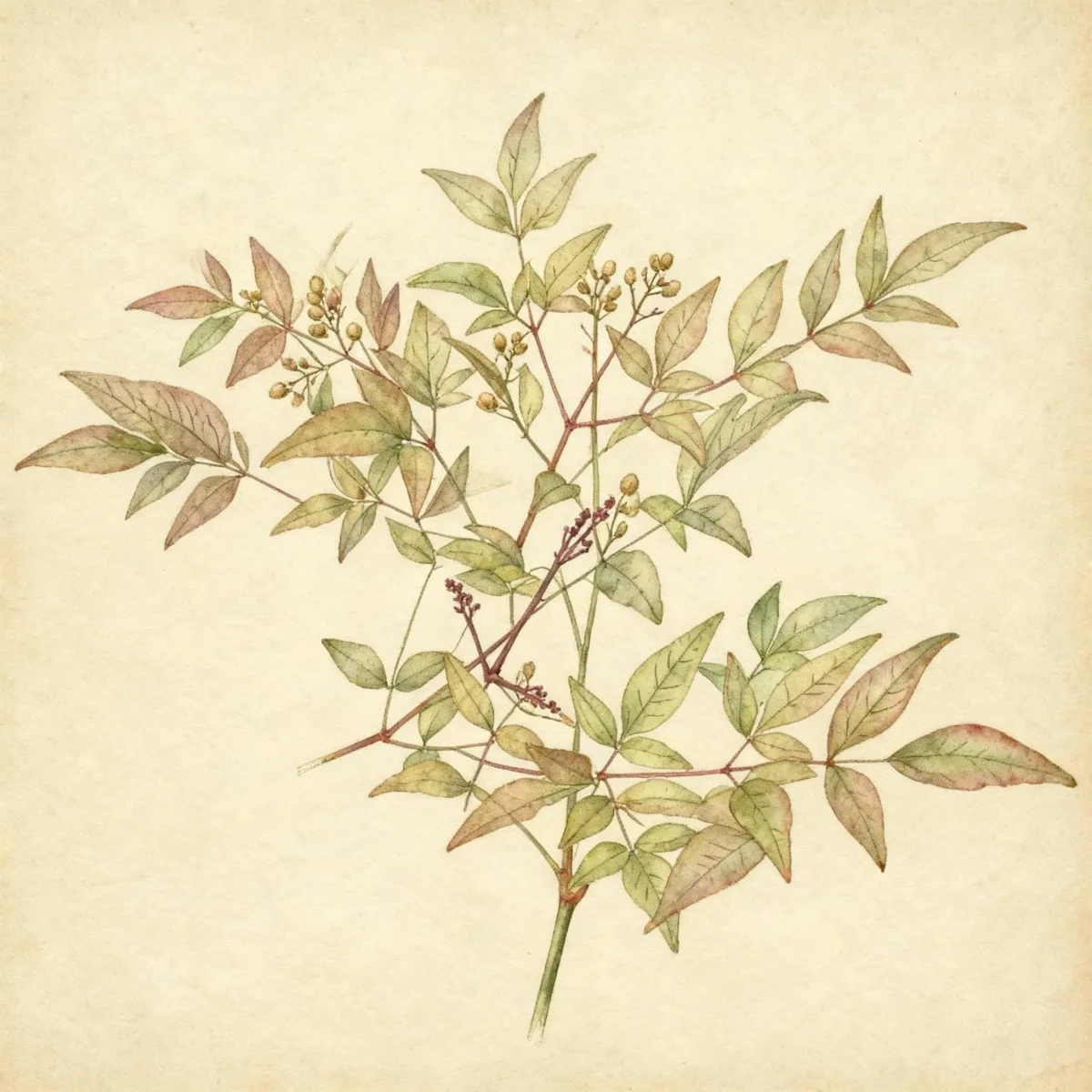

Bloom Boldly, No Matter the Season - Sweatshirt
Cozy organic cotton sweatshirt featuring our exclusive Purple Coneflower design. Perfect for gardeners who bloom year-round.
Inspired by the beautiful Heavenly bamboo
Limited first batch (50) — join the waitlist for early access
Waitlist closes Feb 15, 2026.
Complete Plant Information
Field Guide Continues
Ready for care notes, companion picks, and planting tips?
The map is just the start. The full guide below covers growth habits, seasonal performance, and landscape uses.
Overview
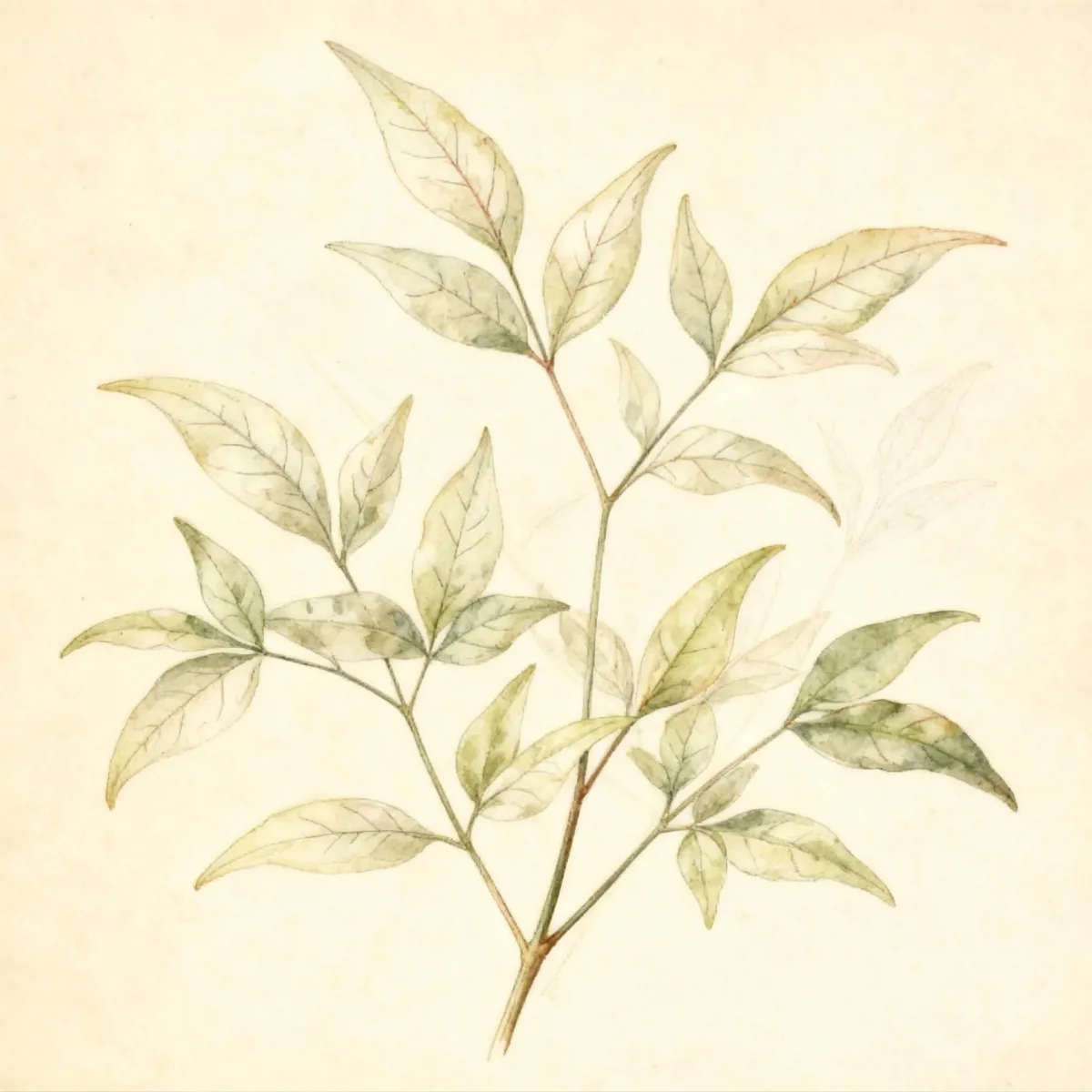
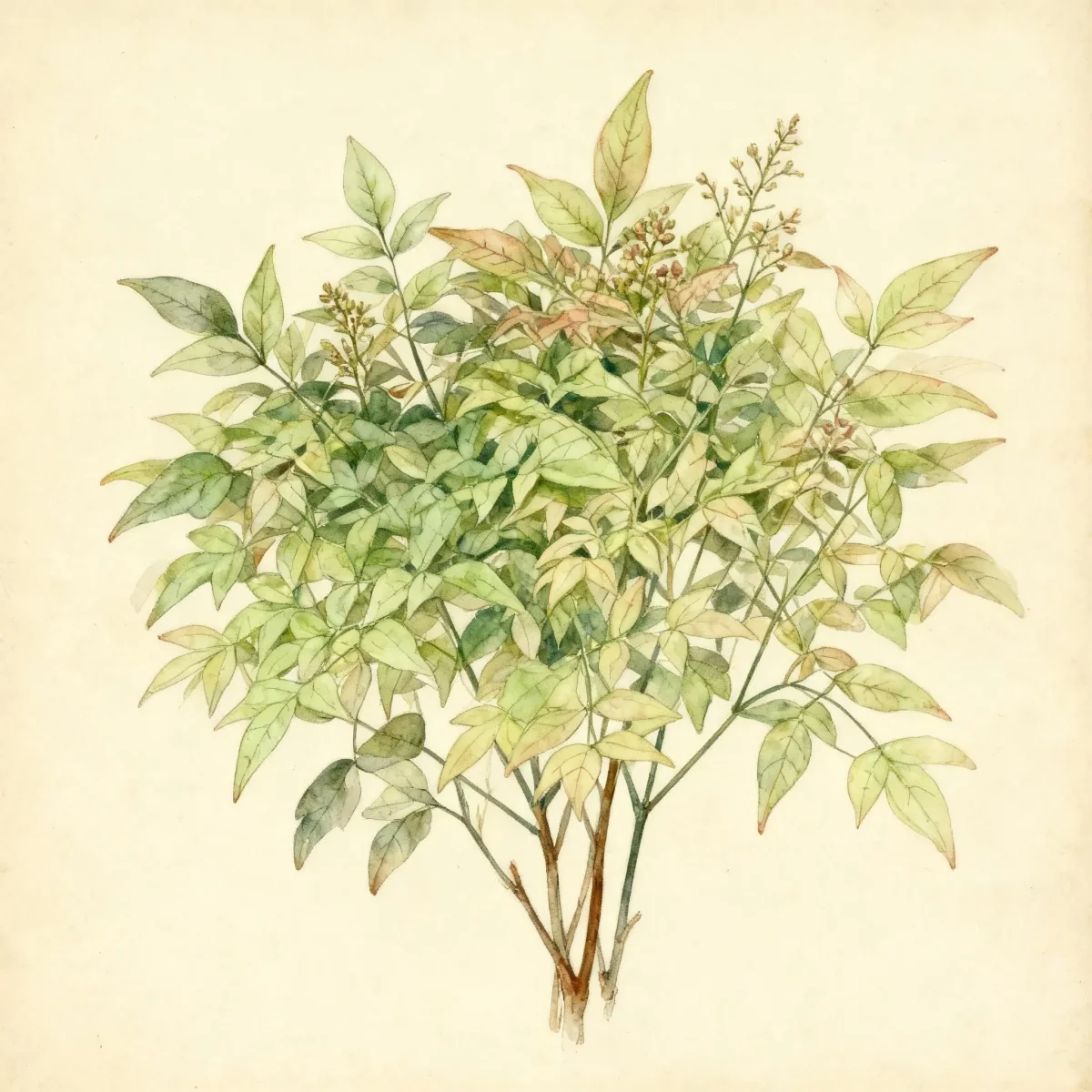
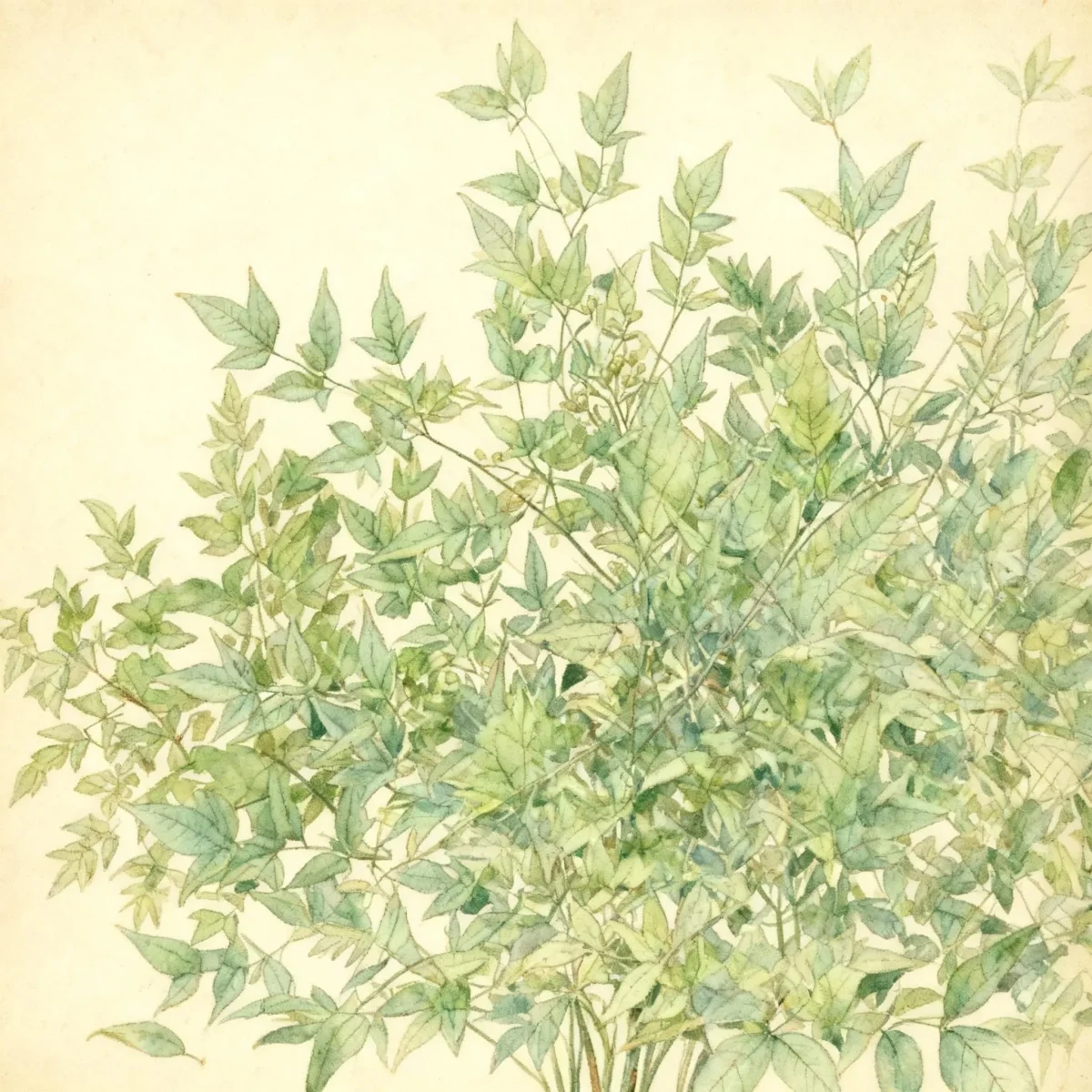
Nandina domestica ‘Seika’ OBSESSION, commonly known as Heavenly bamboo, is prized for its refined structure and year-round seasonal appeal. This cultivar provides excellent ornamental value through its interesting leaf structure, bright spring blossoms, and vibrant persistent fruit display. It maintains its form well, making it a superb textural element in the landscape design.
As a rhizomatous, upright shrub, Nandina domestica ‘Seika’ OBSESSION typically reaches a compact height between 2 and 2.5 feet, perfect for smaller spaces or defined borders. While native to Asia, it integrates well into many garden styles, offering architectural interest when other plants are dormant or less showy. Gardeners value the Heavenly bamboo for its reliable performance across a moderate hardiness spectrum.
The foliage generally shines brightest when sited where it receives good sunlight, though it possesses surprising adaptability to lower light conditions. Ensure proper siting to maximize the ornamental characteristics of Nandina domestica ‘Seika’ OBSESSION, especially the fruit display, which often requires some direct sun exposure to fully develop its best coloration.
Fast Facts
- Plant Family: Berberidaceae
- Plant Type: Broadleaf evergreen
- Hardiness Zones: USDA Zones 6-9
- Size at Maturity:
- Height: 2-2.5 ft
- Spread: 1.5-2 ft
- Bloom Time: May to June
- Bloom Description: White
- Sun Exposure: Full sun to part shade
- Water Needs: Medium
- Maintenance Level: Medium
How to Grow
Planting Nandina domestica ‘Seika’ OBSESSION is best achieved in the spring or fall, allowing the roots time to establish before temperature extremes. It thrives best in average, medium moisture, well-drained soils, though it shows tolerance for a wide soil range, ideally preferring those rich and humusy. If you are aiming for prolific fruiting on your Heavenly bamboo specimens, planting them in groups or masses generally produces the best results compared to solitary plantings.
The watering requirement is medium; maintain consistent moisture during establishment. Once established, this shrub demonstrates some inherent drought tolerance, making it adaptable to drier spells. While it tolerates partial shade, the best foliage color and densest habit are achieved when grown in full sun or with only light afternoon shade.
Maintenance is generally straightforward, classifying the plant as medium maintenance. Pruning is rarely essential for structure unless stems die back in very cold winters (below 10°F), at which point dead wood should be removed to encourage new growth from the base. In colder zones like the northern edge of its range (Zone 6), apply an organic winter mulch to protect the roots and stems from severe temperature fluctuations, as the plant can become semi-evergreen or deciduous there.
Landscape Uses
Nandina domestica ‘Seika’ OBSESSION excels as a structured foundation planting or along informal shrub borders where its compact size is an asset. Its consistent texture and color make it an excellent choice for mass plantings, providing a uniform ribbon of interest throughout the year. In warmer climates (Zones 8-10), consider utilizing this plant for informal low hedges because it reliably retains its evergreen character.
For design flexibility, group this Heavenly bamboo with plants that appreciate similar light and moisture conditions, such as hostas underneath its canopy in shadier borders, or with contrasting low-growing evergreens in sunny locations. Its vertical canes provide an excellent counterpoint to mounding or spreading perennials. The use of Nandina domestica ‘Seika’ OBSESSION allows designers to create layered landscapes that maintain structure even in winter.
Standout Features
Flower Qualities
- Showy
Fruit Qualities
- Showy
Noteworthy Characteristics
Nandina domestica, commonly called heavenly bamboo, is a broadleaf evergreen shrub that is ornamentally grown for its interesting foliage and its often spectacular fruit display. Tiny whitish flowers with yellow anthers appear in late spring, followed by sprays of spherical, two-seeded, red berries which persist from fall right into spring, providing essential winter color. While valued ornamentally, be aware that Heavenly bamboo has the potential to naturalize, and in some southern regions, it is considered invasive, so always check local regulations before installation.
Tolerances
- Drought
- Heavy Shade
Potential Problems
The Heavenly bamboo overall is noted for having no serious insect or disease issues, which contributes to its low-stress appeal. A common cultural issue to watch for is foliage chlorosis, which manifests as yellowing leaves and is usually caused by planting in overly alkaline soils, indicating a nutrient uptake problem. Gardeners must also be mindful of its invasiveness potential in warmer southern states; diligent monitoring and removal of suckers are recommended, as is checking local environmental regulations regarding the planting Nandina domestica ‘Seika’ OBSESSION.
Frequently Asked Questions
What hardiness zones is Heavenly bamboo suitable for?
Nandina domestica ‘Seika’ OBSESSION is reliably hardy in USDA Zones 6 through 9.
How large does Heavenly bamboo grow?
This specific cultivar is compact, typically reaching a height between 2 and 2.5 feet tall with a spread of 1.5 to 2 feet wide.
When does Nandina domestica ‘Seika’ OBSESSION bloom?
The white flowers appear seasonally between May and June.
What sun exposure does Nandina domestica ‘Seika’ OBSESSION need?
It prefers full sun to part shade conditions for best overall performance and fruit production.
Conclusion
The Nandina domestica ‘Seika’ OBSESSION provides exceptional year-round visual architecture, making it a reliable choice for defined borders and mass plantings. This manageable Heavenly bamboo cultivar offers structure, color transitions, and excellent adaptability to various light levels within Zones 6-9. Before planting your Nandina domestica ‘Seika’ OBSESSION, confirm your local hardiness zone and assess soil drainage for optimal success.
Companion Planting for Structure
Selecting appropriate companions ensures that the landscape remains visually interesting even when the flowering cycle of the Heavenly bamboo is complete. Consider pairing Nandina domestica ‘Seika’ OBSESSION with slower-growing, finer-textured groundcovers that fill in the space beneath its canopy without competing heavily for moisture. Plants like Lenten Rose (Helleborus) or perennial Geraniums thrive in the partial shade this shrub can afford during the hot afternoon hours, complementing its upright form with softer mounding habits.
For sunny, well-drained spots where the Nandina domestica ‘Seika’ OBSESSION is used as a formal edge, consider using dwarf conifers or low-growing ornamental grasses. These selections echo the vertical line of the bamboo while offering winter interest through their own evergreen structure or dormant texture, creating a cohesive, multi-seasonal display.
Seasonal Care Calendar
Spring is the ideal time to refresh the planting area for Nandina domestica ‘Seika’ OBSESSION by applying a light, balanced fertilizer if soil fertility is questionable, followed by a fresh layer of mulch to retain moisture. During summer, ensure medium watering, especially if drought conditions persist, to encourage vigorous growth and support the fruit set for the coming fall and winter.
Fall care centers around enjoying the mature foliage and fruit display; minimal pruning is required unless you see evidence of light frost damage from early cold snaps in Zone 6. Protect plants in colder zones by ensuring mulch is applied deeply before the ground freezes hard. Winter care involves inspecting deciduous stems for dieback in very cold locations and planning any necessary pruning for early spring cutbacks.