Obedient plant(Physostegia virginiana 'Crystal Peak White')
How to grow compact 'Crystal Peak White' obedient plant, with advice on moist soil, managing spread, cutting back, and choosing companions.
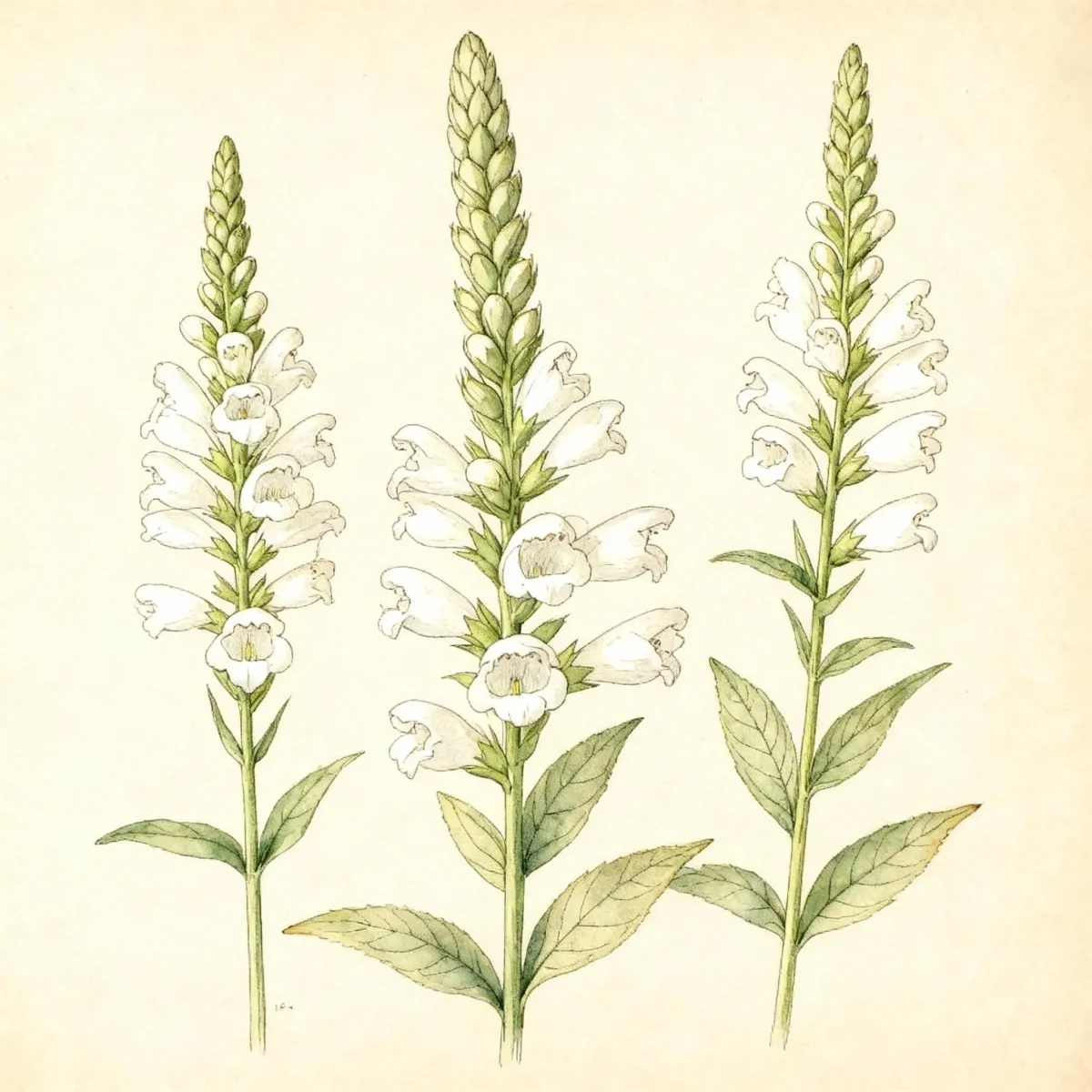
Complete Plant Information
- Hardiness zones
- USDA 3–9
- Plant type
- Herbaceous perennial
- Plant family
- Lamiaceae
- Sun exposure
- Full sun
- Water needs
- Medium
- Maintenance
- Medium
- Height
- 1–1.5 ft (30–46 cm)
- Spread
- 1.5–2 ft (46–61 cm)
- Bloom time
- June to September
- Flower color
- White
- Flower qualities
- Showy
- Fruit qualities
- Not recorded
- Tolerances
- Deer, Clay Soil
- Garden uses
- Naturalize, Rain Garden
- Native range
- Not recorded
Field Guide Continues
Ready for care notes, companion picks, and planting tips?
The map is just the start. The full guide below covers growth habits, seasonal performance, and landscape uses.
White flower spikes on a compact plant
‘Crystal Peak White’ is a short form of obedient plant, reaching roughly 12 to 18 inches tall and 18 to 24 inches wide. Upright spikes of white, tubular flowers rise above narrow leaves from summer into early fall. Individual flowers can be nudged to one side and briefly hold their new position—the odd little trick behind the common name.
Its size makes it easier to use near the front of a sunny border than taller obedient plants. It is especially helpful where the soil stays moist, including the upper edge of a rain garden. It is not the right perennial for a dry gravel bed or for a gardener who never wants to monitor spreading roots. Although this cultivar is more compact than the species, it still belongs to a rhizomatous plant and should be given boundaries.
For a taller white-flowered comparison, see ‘Miss Manners’ obedient plant. In a moist planting, the white spikes also make a strong color and height contrast with scarlet cardinal flower.
Site it where moisture is dependable
Plant in full sun for the strongest, most upright growth. Light shade can be workable, particularly in hot climates, but too much shade may reduce flowering or make stems lean. The soil should hold steady moisture while still allowing air around the roots. Clay can suit this plant when it is not compacted into an airless, waterlogged layer.
Spring or early fall are practical planting times. Set the crown at the same level it grew in its pot, water the root ball thoroughly, and mulch lightly. Do not bury the crown beneath a deep mound of mulch. During the first season, water before the root zone dries hard. In a rain garden, place it on a shelf or shoulder that drains between storms rather than in the deepest basin if water remains there for long periods.
The listed hardiness range is USDA Zones 3 through 9. Confirm your local zone with the USDA hardiness zone map, then account for summer heat and soil moisture as well as winter cold.
Keep the clump useful
Rich fertilizer is unnecessary and can produce soft growth. A layer of compost on lean soil is generally enough. Water during prolonged dry spells, especially while buds are forming. If stems splay, first check shade, overfeeding, and uneven moisture before reaching for stakes.
Cut spent stems back when appearance matters, or leave some standing until the end of the season. Remove old growth in late fall or early spring before new shoots rise. Every few years, lift and divide an expanding clump in spring. Replant the vigorous outer pieces and discard weak centers. A pot sunk into a wet bed can provide extra containment, but its drainage holes still allow some escape and need checking.
Rust can mark leaves with orange-brown spots, while aphids or spider mites may appear during stress. Give plants airflow, water the soil rather than repeatedly wetting leaves late in the day, and remove badly affected foliage. Deer resistance is useful but never absolute; young growth may still be sampled where browsing pressure is high.
Designing with ‘Crystal Peak White’
Use a small group rather than a single isolated stem so the white spikes read clearly. Dark foliage, blue flowers, and fine-textured grasses make the bloom color look cleaner. Keep equally moisture-loving neighbors nearby so one irrigation pattern suits the whole bed. Avoid placing delicate, slow-growing plants immediately beside the clump if spreading shoots would be difficult to sort out.
Common questions
Is this obedient plant aggressive?
It is generally more restrained than the species, but it can still expand by rhizomes. Check the edge of the clump each spring and remove shoots that cross the allotted boundary.
Does it need staking?
Its compact stems are less prone to flopping than tall forms. Adequate sun and modest fertility usually keep it upright.
Will it grow in ordinary border soil?
Yes, if the soil receives consistent moisture and drains reasonably well. It is less forgiving of a bed that swings from saturated to completely dry.
Recommended Companion Plants
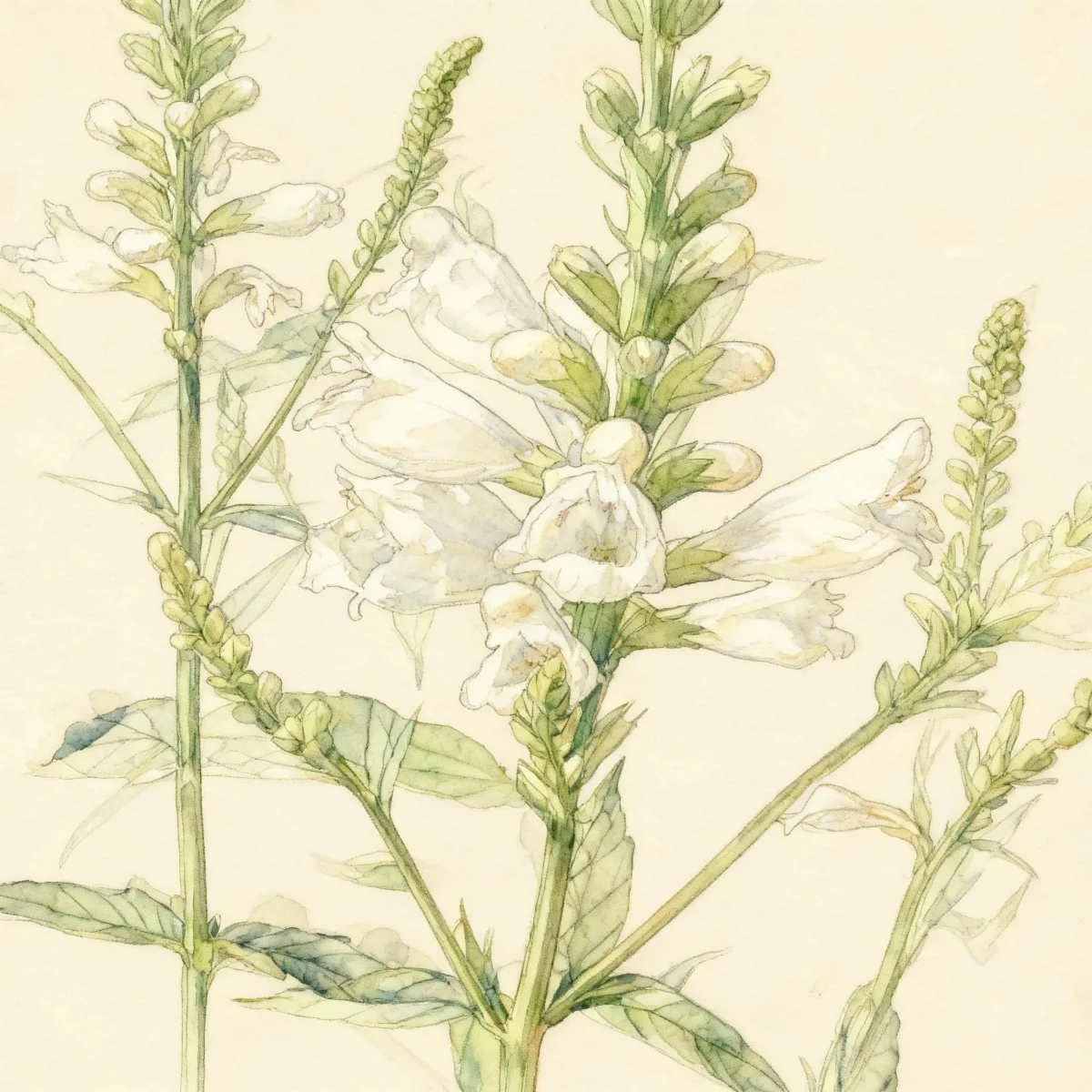
Obedient plant
Physostegia virginiana 'Alba'
- USDA zones
- 3–9
- Light
- Full sun
- Water
- Medium
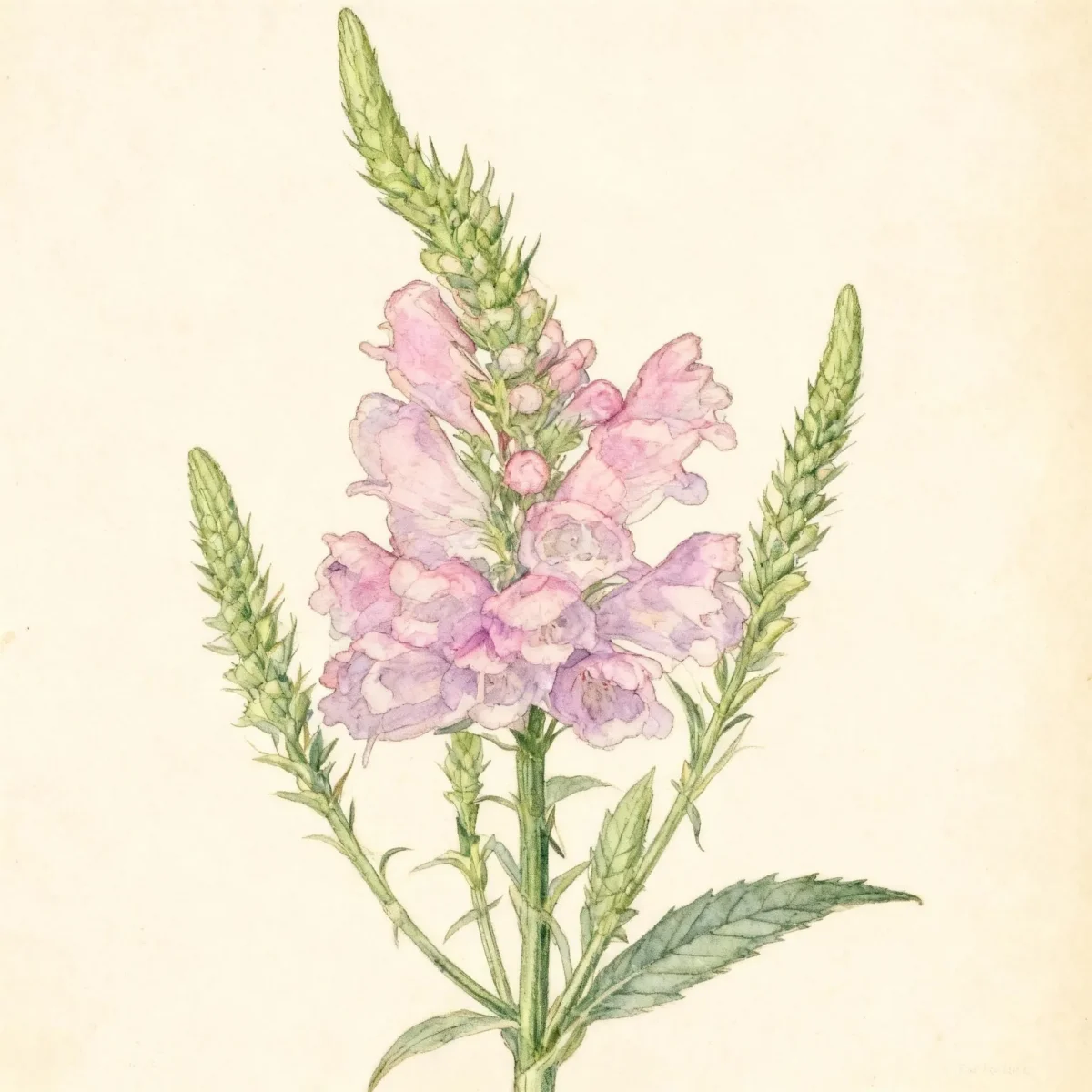
Obedient plant
Physostegia virginiana 'Vivid'
- USDA zones
- 3–9
- Light
- Full sun
- Water
- Medium
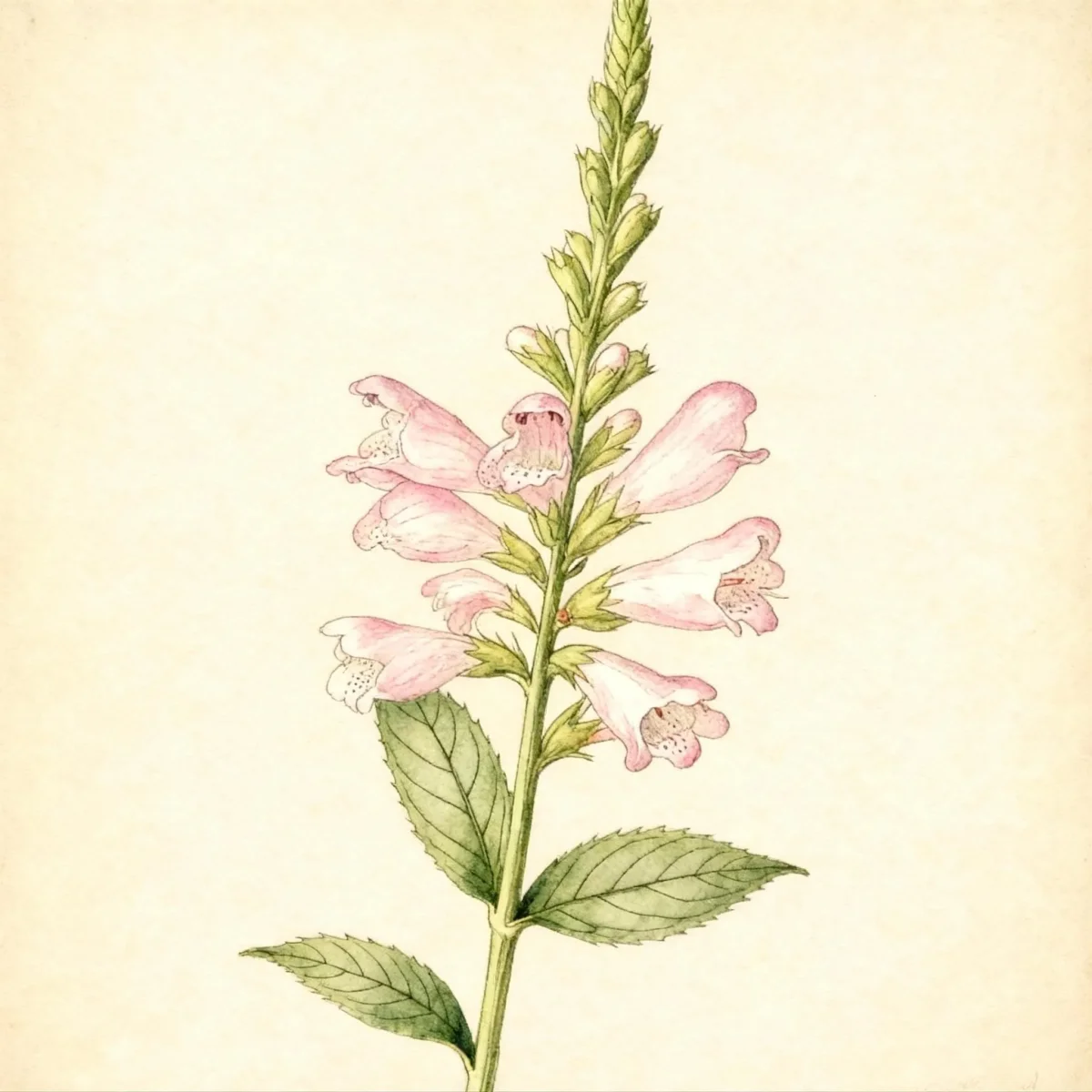
Obedient plant
Physostegia virginiana 'Miss Manners'
- USDA zones
- 3–9
- Light
- Full sun
- Water
- Medium

Obedient plant
Physostegia angustifolia
- USDA zones
- 3–9
- Light
- Full sun
- Water
- Medium
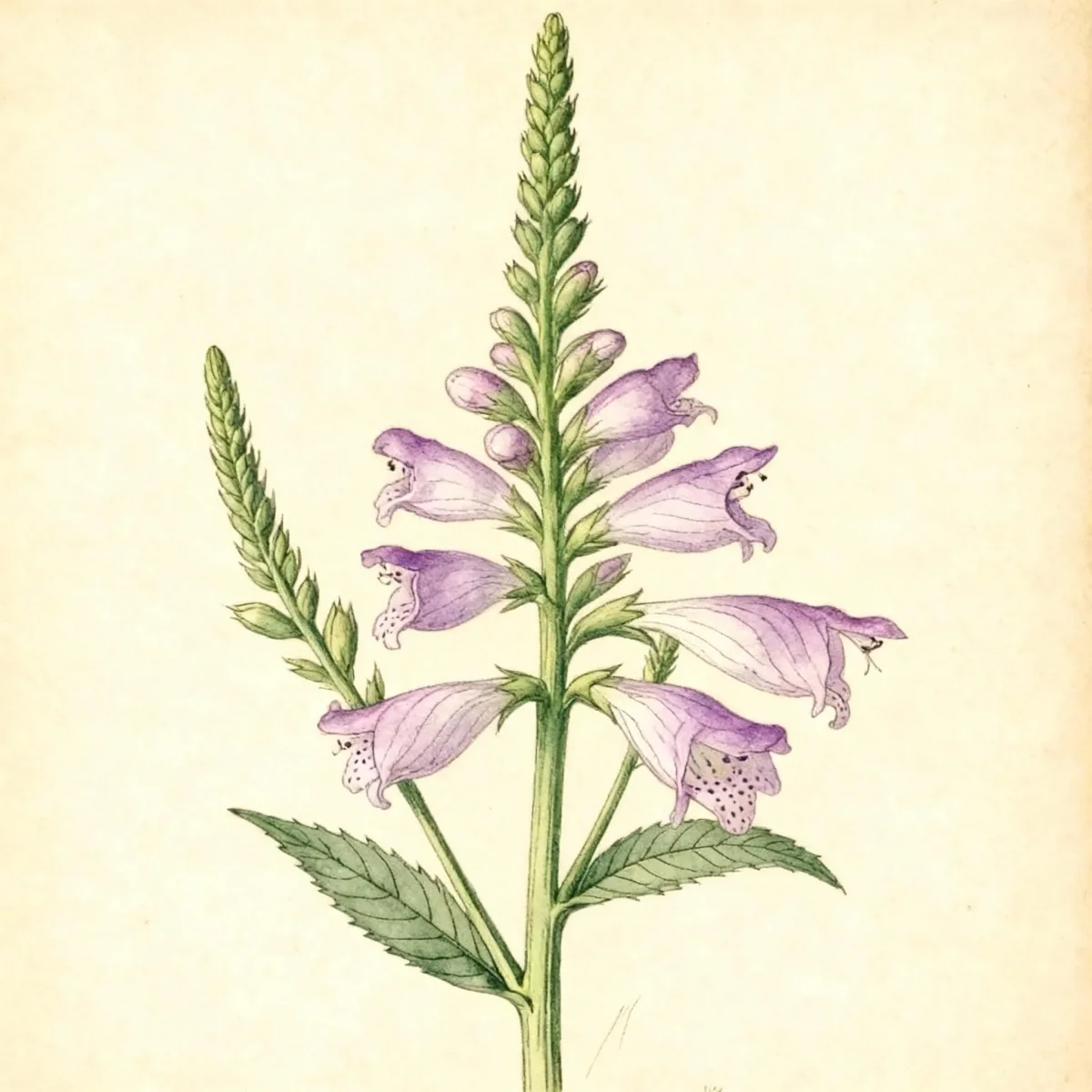
Obedient plant
Physostegia virginiana
- USDA zones
- 3–9
- Light
- Full sun
- Water
- Medium
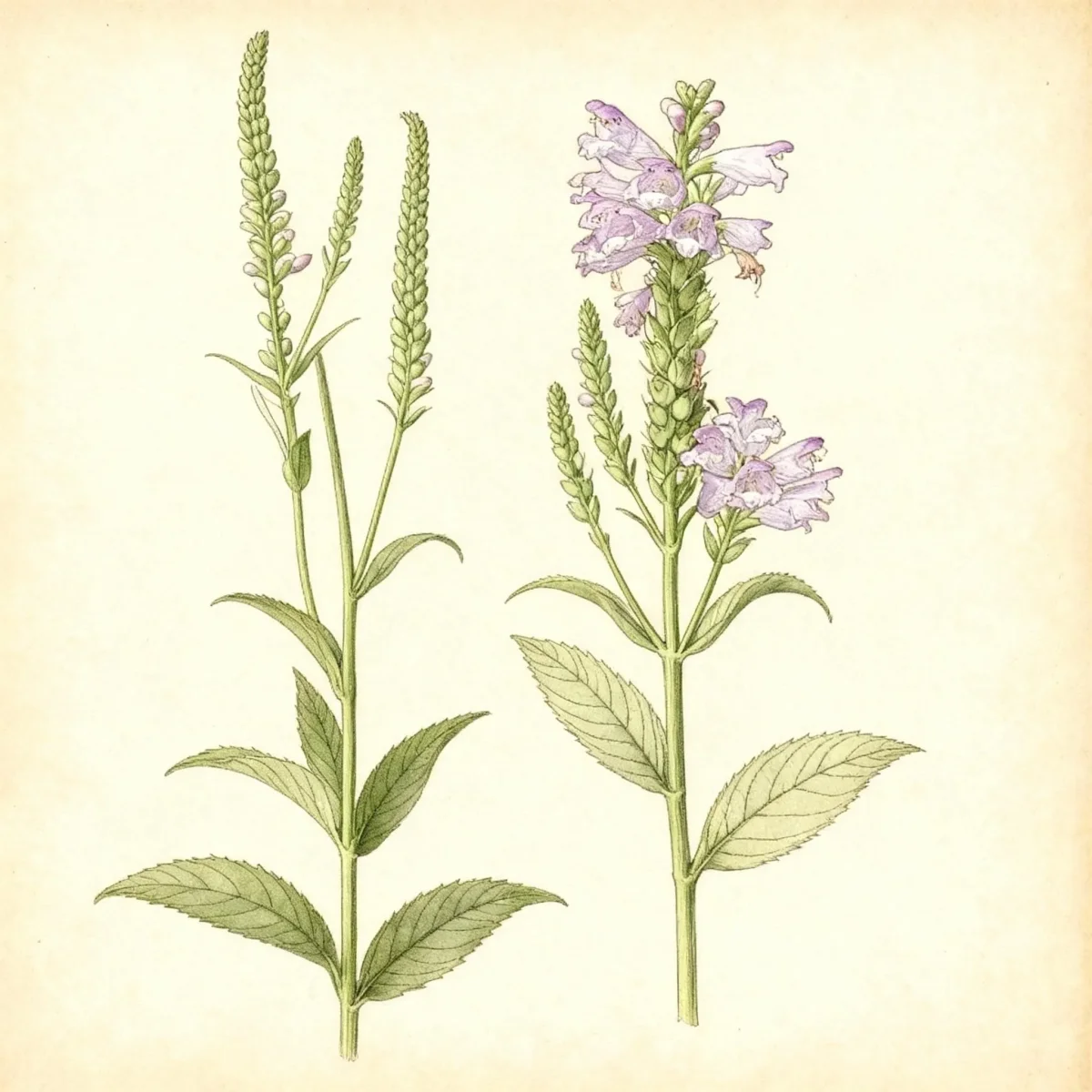
Obedient plant
Physostegia virginiana 'Pink Manners'
- USDA zones
- 3–9
- Light
- Full sun
- Water
- Medium
Keep Learning
Test what you know with a garden quiz
You have the plant facts and care notes. Continue with a related challenge, or browse the complete quiz library.
Can You Identify These Common Garden Plants? Test Your Plant Knowledge
Think you know your roses from your peonies? Test your plant identification skills with our comprehensive garden plant quiz featuring 10 challenging questions.
Start quiz
USDA Garden Zone Map Quiz
Use this USDA garden zone map quiz to check whether you can read hardiness zones and choose plants with more confidence.
Start quizBrowse the full quizzes section
Explore plant identification, zone strategy, and seasonal gardening challenges.
View all quizzes