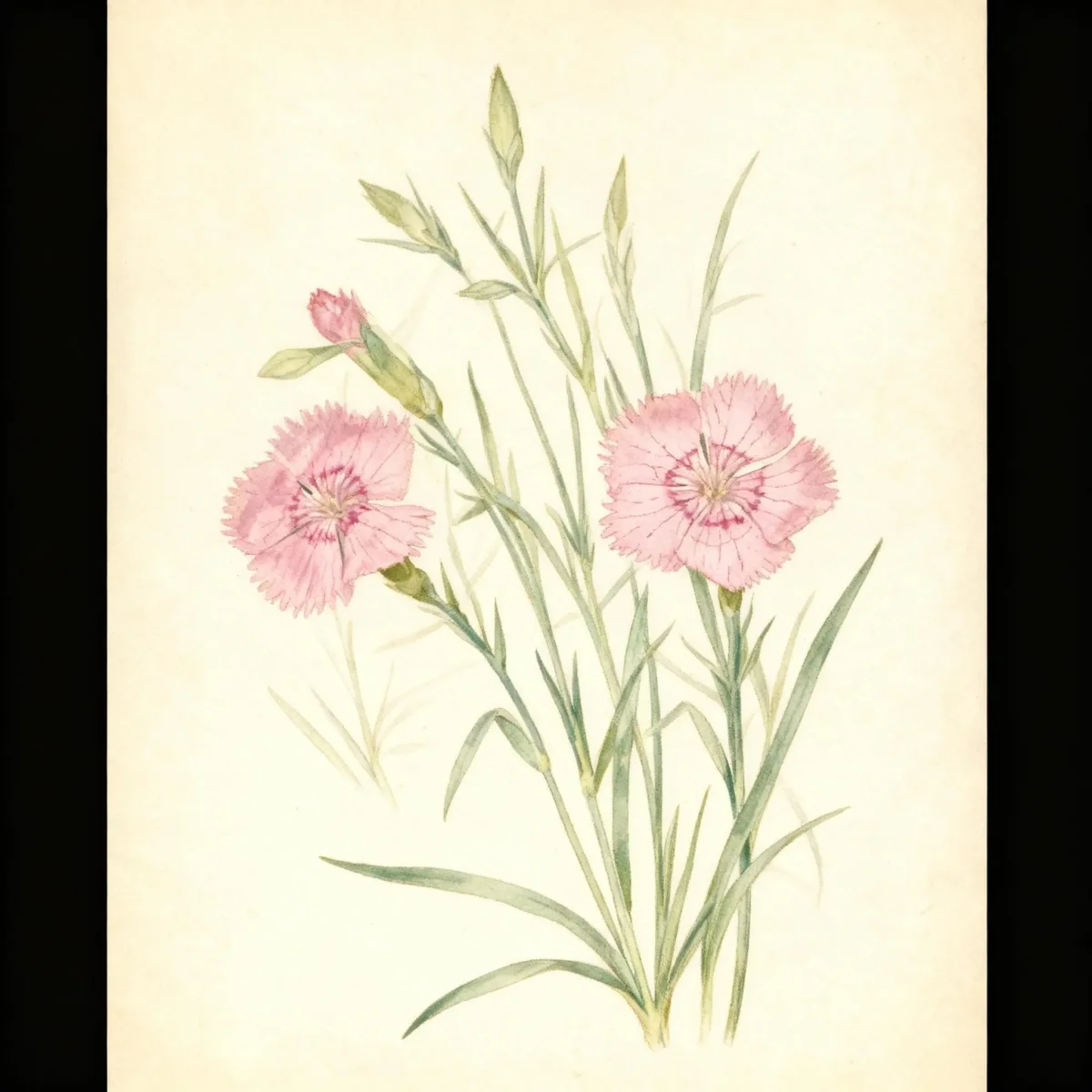
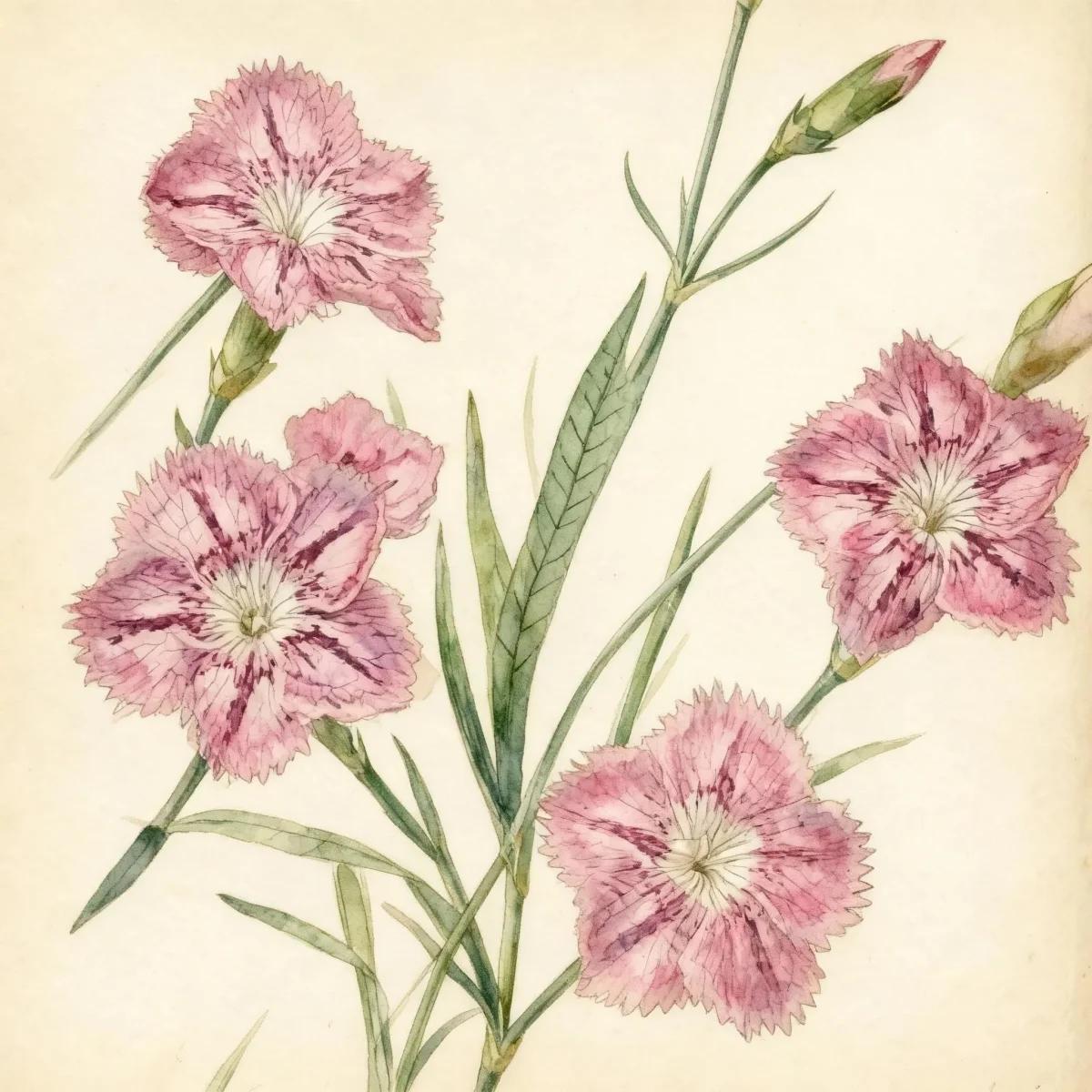
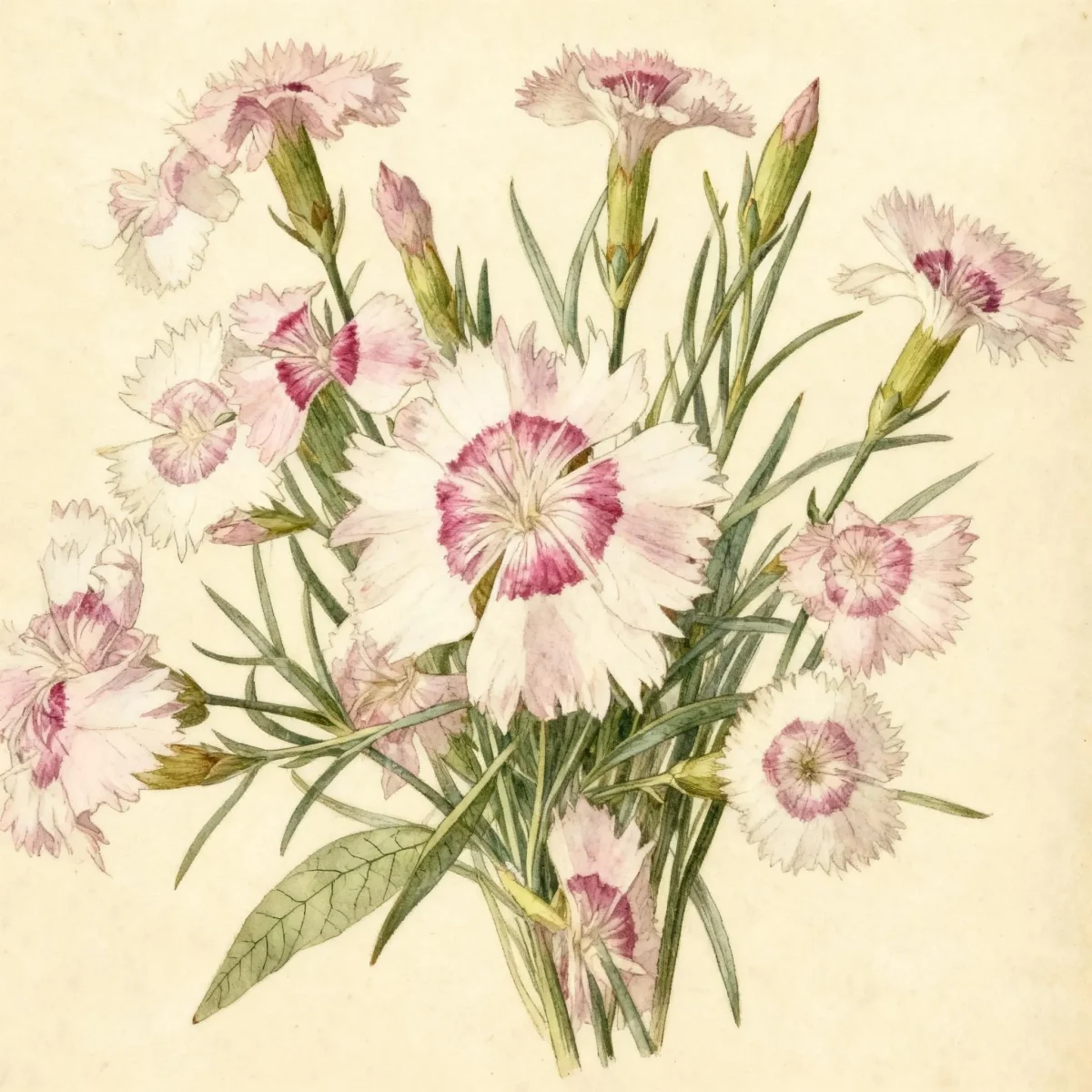
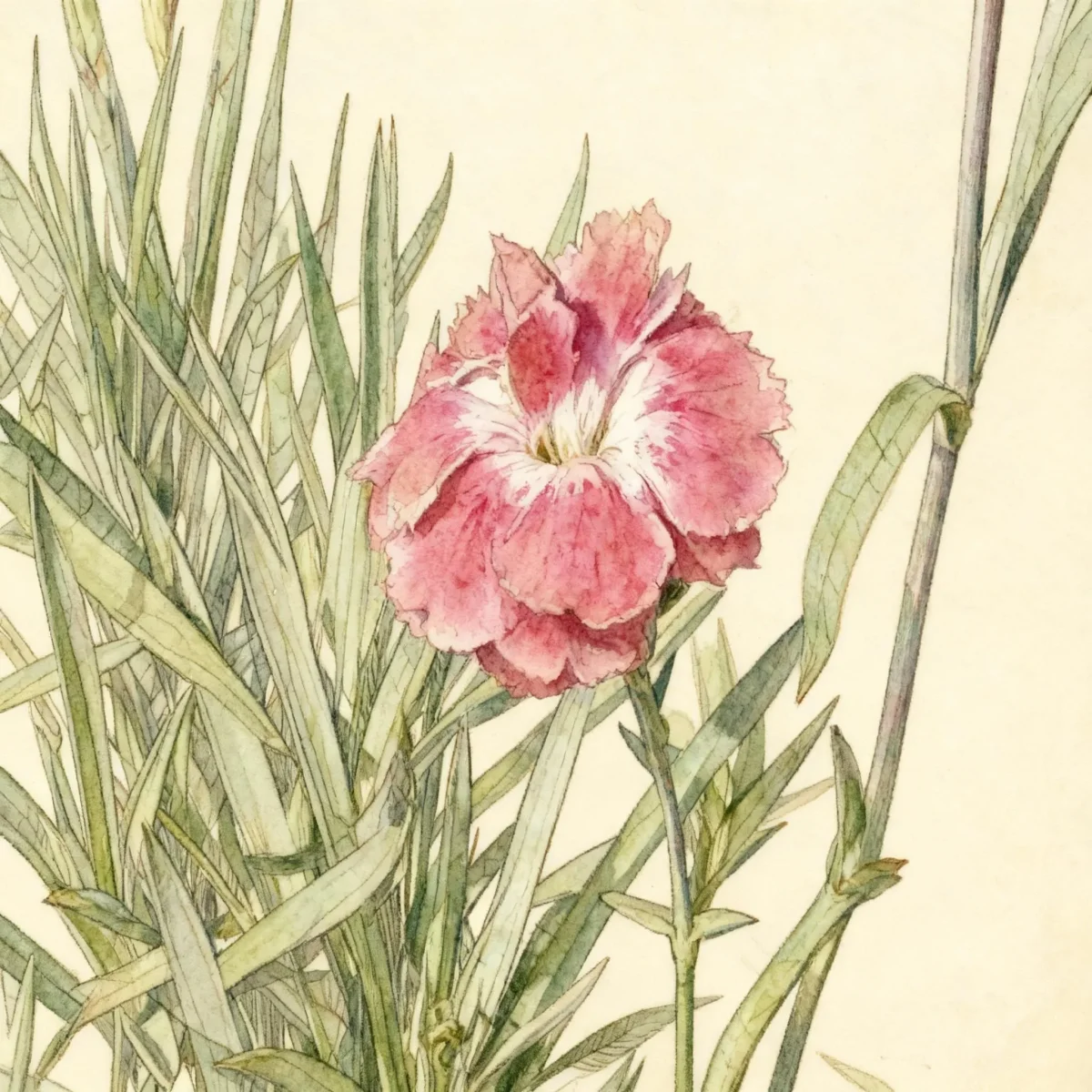
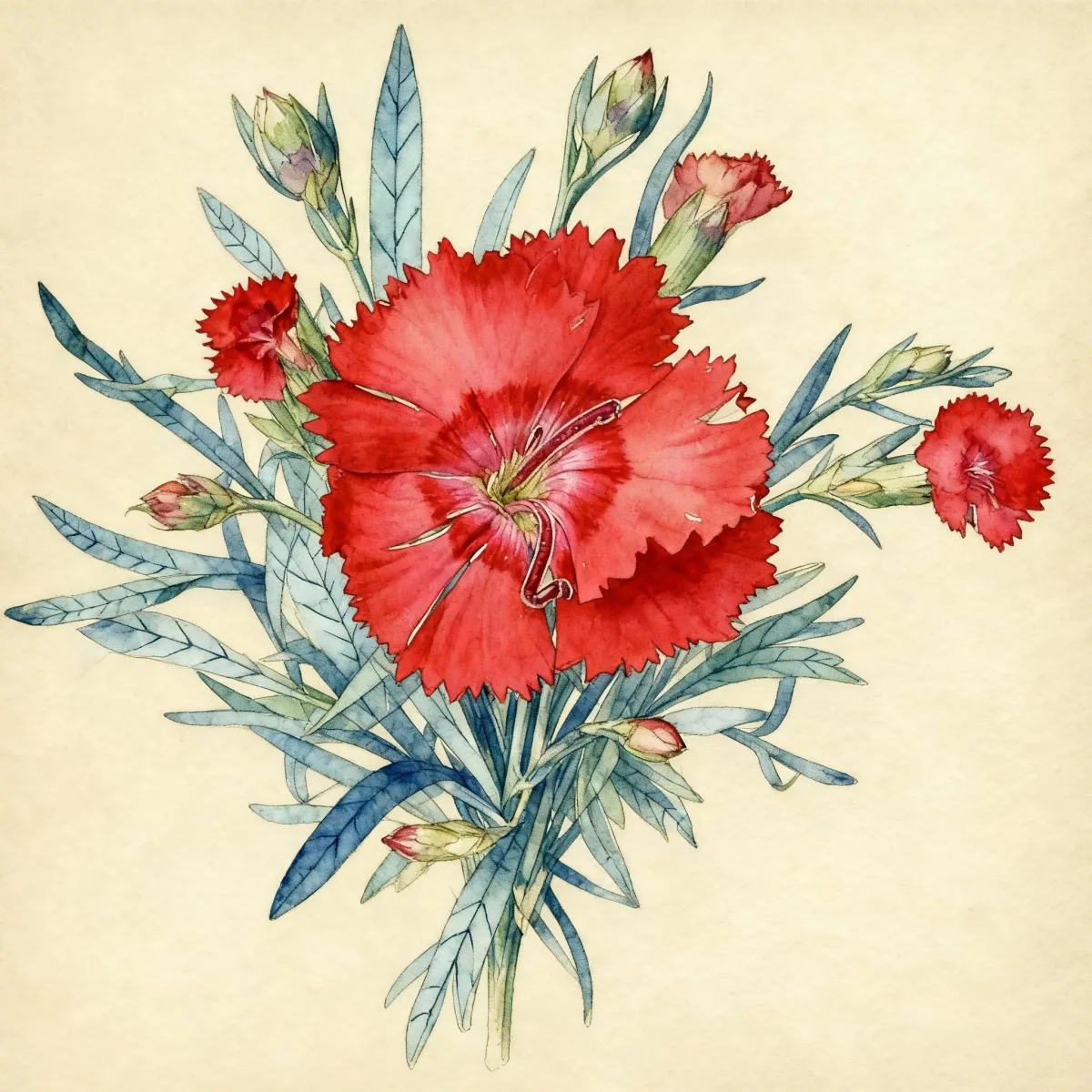
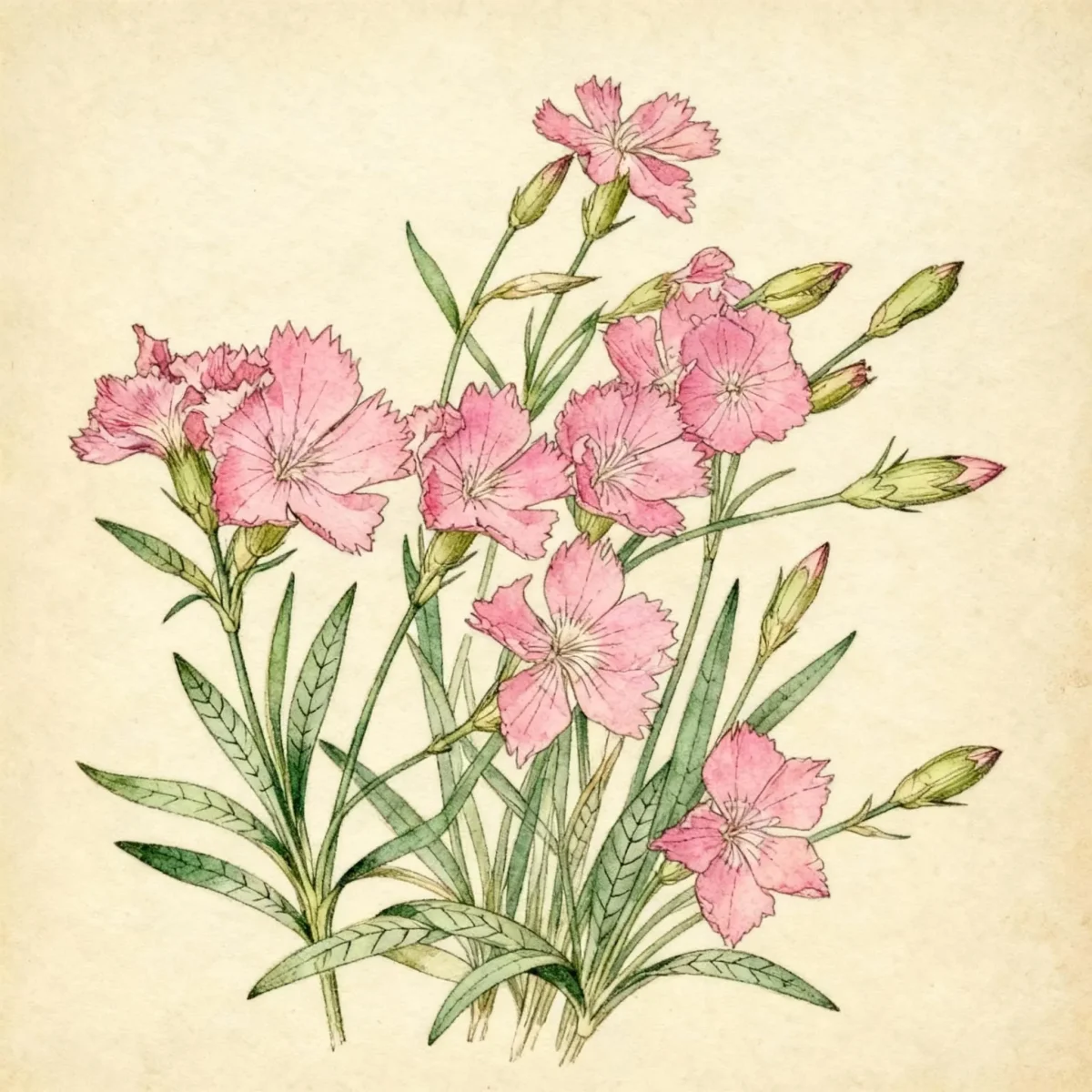
Pink (Dianthus 'Kahori')
Dianthus 'Kahori' is a low-maintenance Pink known for its long summer bloom of fragrant, rosy pink flowers. Ideal for borders.

Bloom Boldly, No Matter the Season - Sweatshirt
Cozy organic cotton sweatshirt featuring our exclusive Purple Coneflower design. Perfect for gardeners who bloom year-round.
Inspired by the beautiful Pink
Limited first batch (50) — join the waitlist for early access
Waitlist closes Feb 15, 2026.
Complete Plant Information
Field Guide Continues
Ready for care notes, companion picks, and planting tips?
The map is just the start. The full guide below covers growth habits, seasonal performance, and landscape uses.
Overview
Dianthus ‘Kahori’, commonly known as Pink, is a highly valued herbaceous perennial prized for its abundant, rosy pink blooms that appear from late spring well into summer. This cultivar stands out due to its ability to provide continuous color and a delightful, noticeable fragrance, reflected in its cultivar name ‘Kahori’ (meaning fragrance in Japanese). Gardeners appreciate this plant for its compact, upright rounded mound structure, clad with narrow, gray-green foliage that often remains evergreen in milder climates.
These perennials thrive when provided with plenty of sunlight, which encourages the best flowering, though they benefit greatly from cooler summer conditions. Dianthus ‘Kahori’ offers exceptional low-maintenance gardening, provided its fundamental soil needs are met. Its neat habit and vibrant presence make it a perfect addition to formal edges or fragrant mixed borders.
The collective genus Dianthus offers millennia of hybridization history, evolving from garden staples to specialized cut flowers. Dianthus ‘Kahori’ represents a successful modern selection, delivering reliable performance and beautiful, fringed blooms that recall the classic appeal of the traditional Pink.
Fast Facts
- Plant Family: Caryophyllaceae
- Plant Type: Herbaceous perennial
- Hardiness Zones: USDA Zones 4-8
- Size at Maturity:
- Height: 0.5-1 ft
- Spread: 1-1.5 ft
- Bloom Time: May to July
- Bloom Description: Rosy pink
- Sun Exposure: Full sun
- Water Needs: Medium
- Maintenance Level: Low
How to Grow
Planting Dianthus ‘Kahori’ is best achieved in the spring or fall, ensuring the plant establishes before extreme heat or cold sets in. These Pinks must have full sun exposure—lots of sun is crucial for maximizing flower production—and demand average, evenly moist, well-drained soils. The ideal soil structure is organically rich and gritty, leaning toward neutral to slightly alkaline pH. Excellent drainage is non-negotiable to prevent root pathogens; amending heavy soil with leaf mold or organic material can aid moisture retention in dry areas without sacrificing drainage.
Watering requirements are medium; aim for consistent moisture, especially during dry spells, but never allow the crown to sit in soggy conditions. Fertilization is generally minimal if the soil is rich. Deadheading spent flowers is an important maintenance task, as this simple act encourages the plant to produce subsequent flushes of bloom throughout the season.
To maximize garden neatness and promote late-season flowering, consider shearing the plant back lightly after the main flush of bloom subsides in mid-summer. This tidies the appearance and signals the plant to put energy into new growth and potentially a final bloom period in early fall.
Landscape Uses
Dianthus ‘Kahori’ offers structural integrity perfect for defining space in the garden without becoming overly tall. It excels as an edging plant, neatly framing pathways or flanking taller perennials in a mixed border. Due to their relatively small stature (up to one foot tall), they function beautifully in rock gardens where gritty soil conditions mimic their native habits.
The bright, rosy pink coloration and noted fragrance make them indispensable components of dedicated fragrance gardens. Furthermore, their neat, mounding habit ensures they look attractive even when not in full bloom, providing year-round texture, especially where foliage remains evergreen. Dianthus ‘Kahori’ performs very well in containers, either used as a single specimen or mingled with trailing and upright annuals or perennials for season-long interest.
Standout Features
Flower Qualities
- Showy
Noteworthy Characteristics
Perennial dianthus, commonly called carnations or pinks, feature fragrant flowers on stiff stems clad with narrow, linear, gray-green leaves. The cultivar Dianthus ‘Kahori’ typically grows in an upright rounded mound noted for its long summer bloom of fragrant rosy pink flowers that appear from late spring into fall. The common name “pink” is likely a reference to the fringed edges of the petals, resembling cuts made by pinking shears.
Tolerances
- Deer
Potential Problems
Carnations are susceptible to various fungal diseases like botrytis, rust, and powdery mildew, alongside bacterial issues and wilts. Common pests include aphids, scale, and spider mites. These problems are significantly less severe when the Pink is grown outdoors in a garden bed compared to crowded greenhouse production conditions. Good air circulation, proper watering to avoid wet foliage, and immediate removal of diseased material are key prevention methods. If pests appear, horticultural oils or insecticidal soaps are effective initial treatments.
Frequently Asked Questions
What hardiness zones is Pink (Dianthus ‘Kahori’) suitable for?
Dianthus ‘Kahori’ is suitable for planting in USDA Hardiness Zones 4 through 8.
How large does Pink (Dianthus ‘Kahori’) grow?
This variety typically reaches a height between 0.5 and 1 foot tall, with a spread between 1 and 1.5 feet wide.
What sun exposure does Pink (Dianthus ‘Kahori’) need?
This plant requires full sun exposure to achieve the best flowering performance.
When does Pink (Dianthus ‘Kahori’) bloom?
Dianthus ‘Kahori’ blooms primarily from May to July with subsequent occasional bloom continuing until fall.
Conclusion
Dianthus ‘Kahori’ is an exceptional choice for gardeners seeking reliable, sweetly scented color and excellent low-maintenance performance. Its rosy pink flowers and tidy, compact habit make it a versatile star in borders and rockeries. Ensure you plant this Pink where it receives full sun and excellent drainage to enjoy its long season of beauty.
Companion Planting
Selecting appropriate companions ensures Dianthus ‘Kahori’ thrives by meeting similar cultural needs, primarily sun and sharp drainage. Pair this Pink with other Mediterranean or sun-loving, gritty tolerant species such as low-growing Sedums, Hens and Chicks (Sempervivum), creeping Thymes, or hardy varieties of Lavender. These partners generally enjoy full sun and do not require excessive moisture, preventing overly wet conditions around the base of the Dianthus during hot, humid summers.
Designing with Fragrance
Since the cultivar name ‘Kahori’ specifically references fragrance, dedicating a small section of the garden to scent is highly recommended. Plant Dianthus ‘Kahori’ near seating areas, walkways, or windows where the sweet, spicy aroma released by brushing against the flowers can be easily enjoyed. Combining it with other highly fragrant, low-growing options like Sweet Alyssum or highly scented culinary herbs like Lemon Thyme will create an intoxicating sensory experience throughout the blooming season.