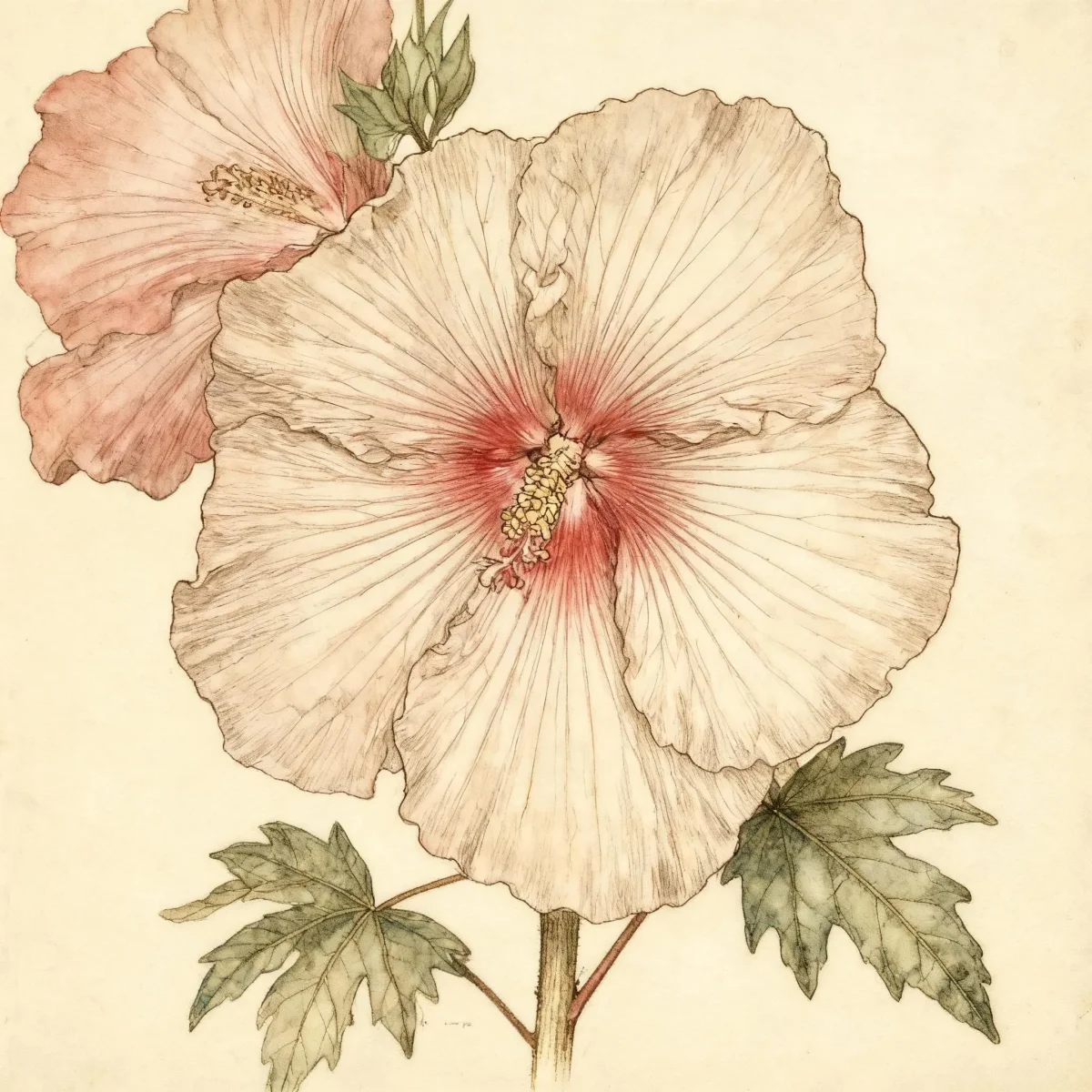
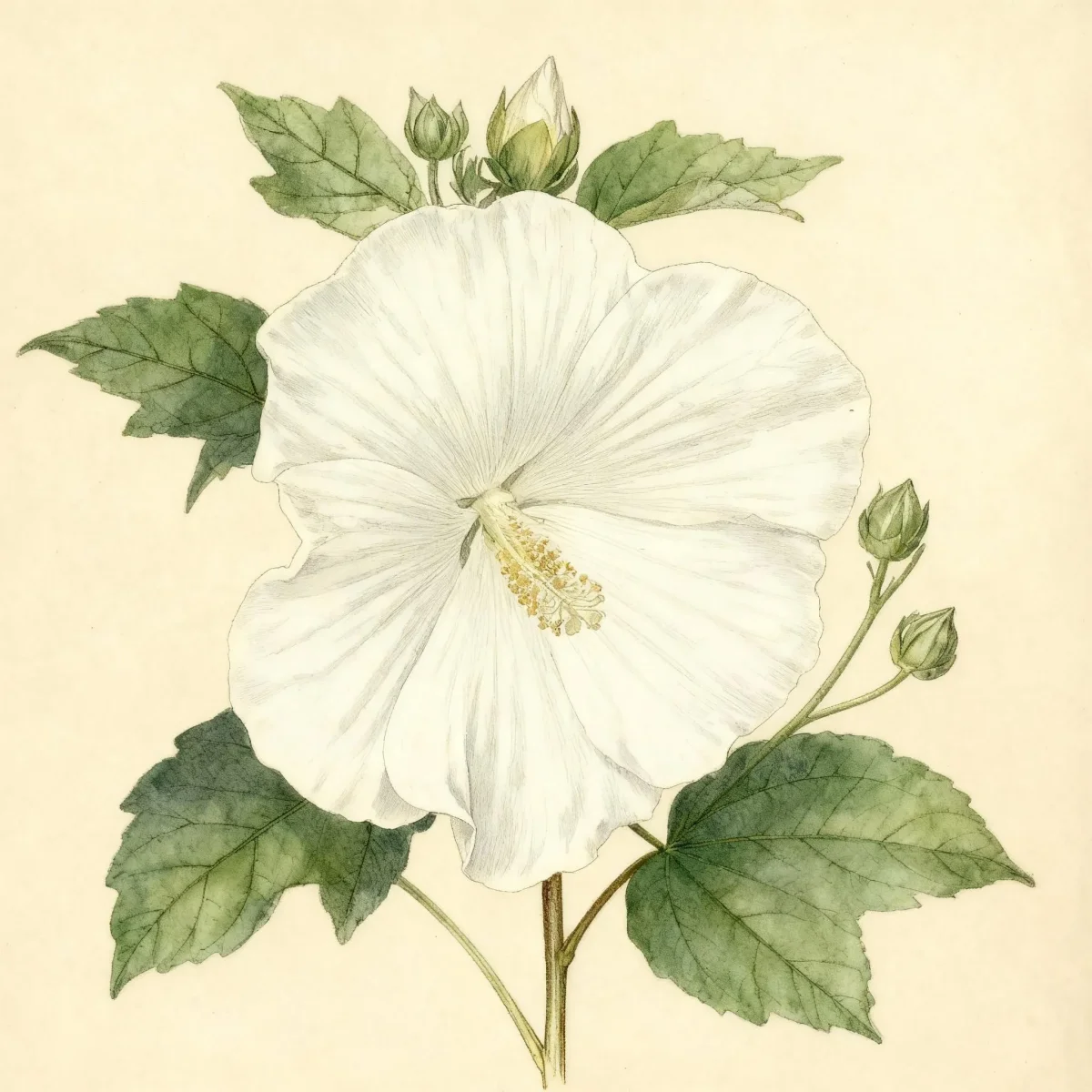
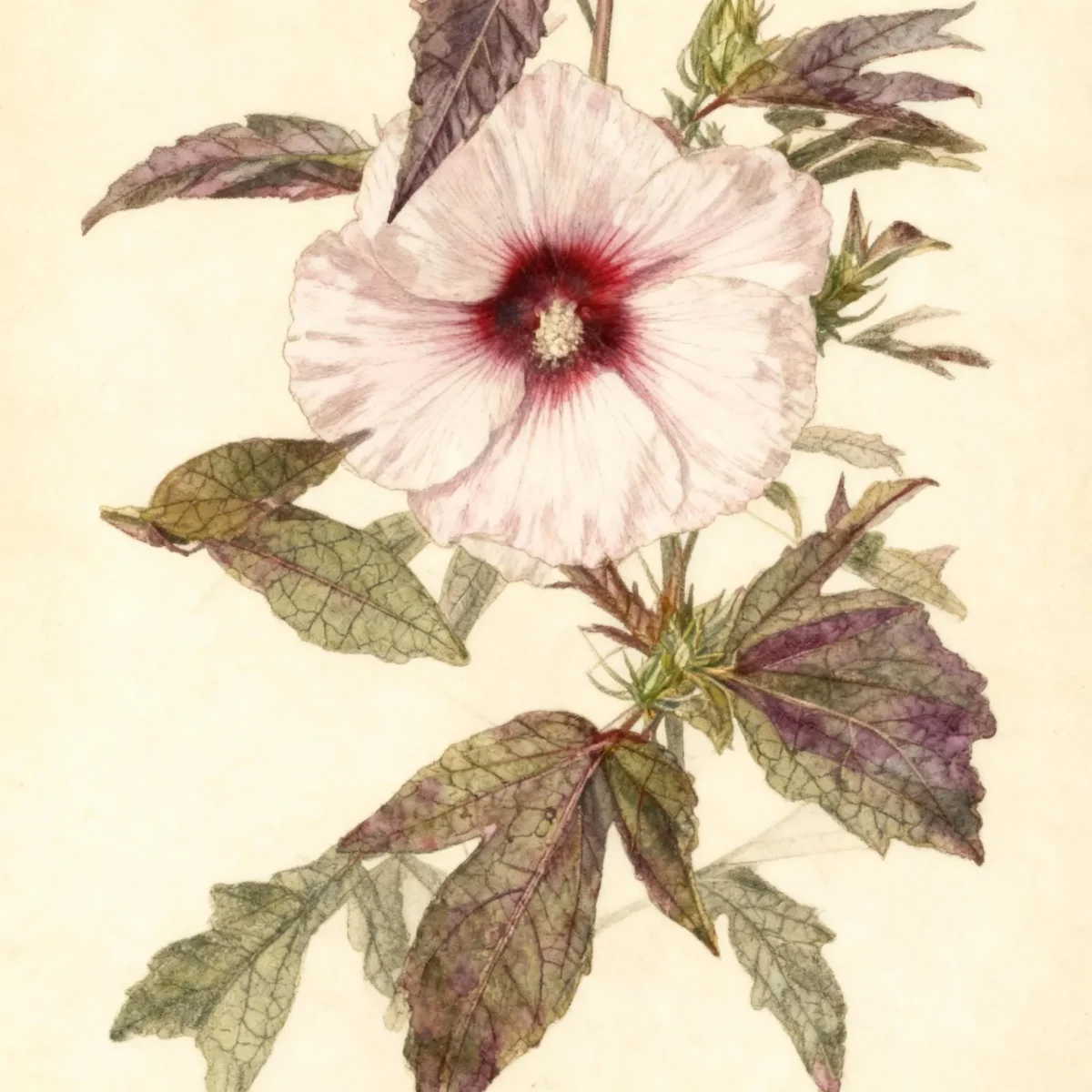
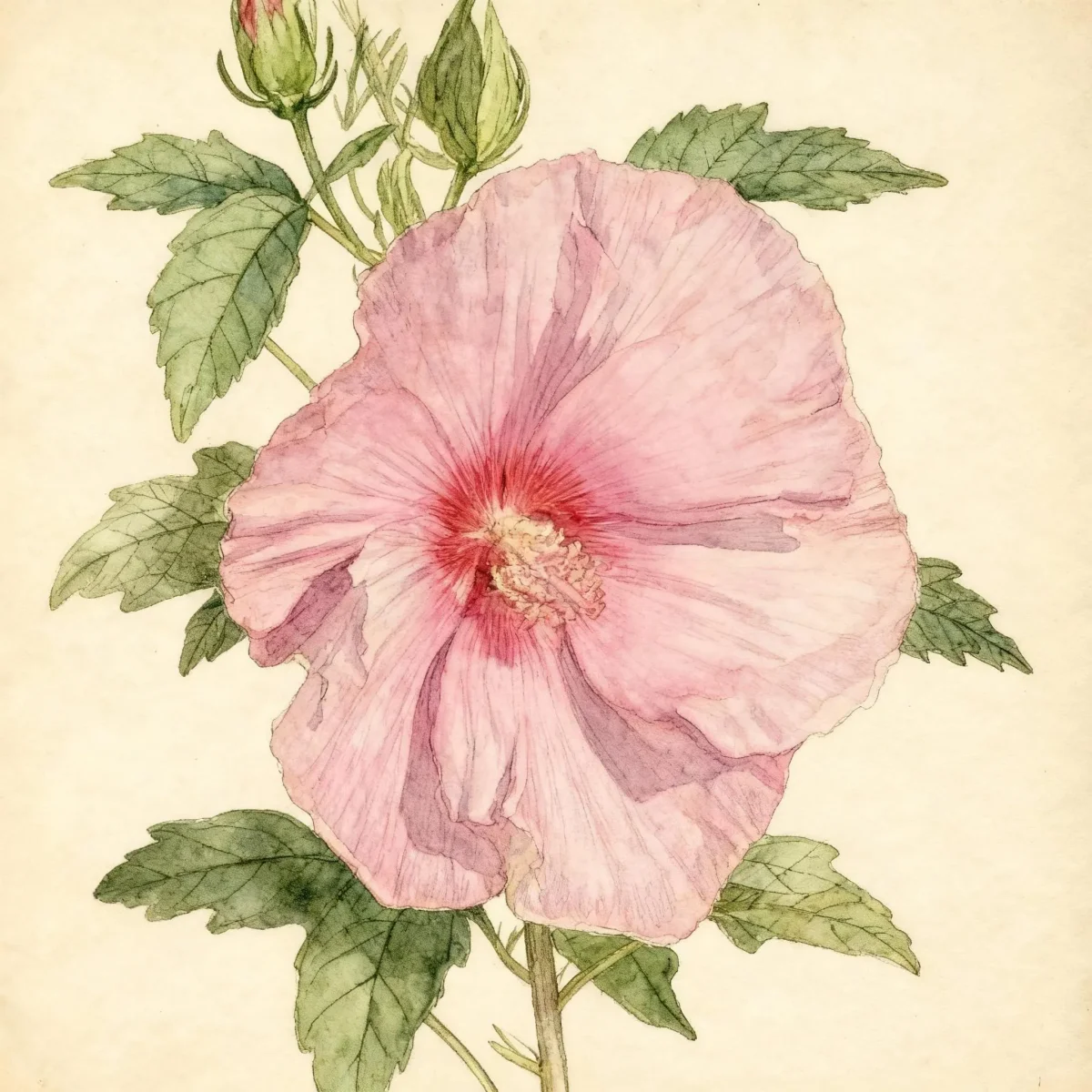
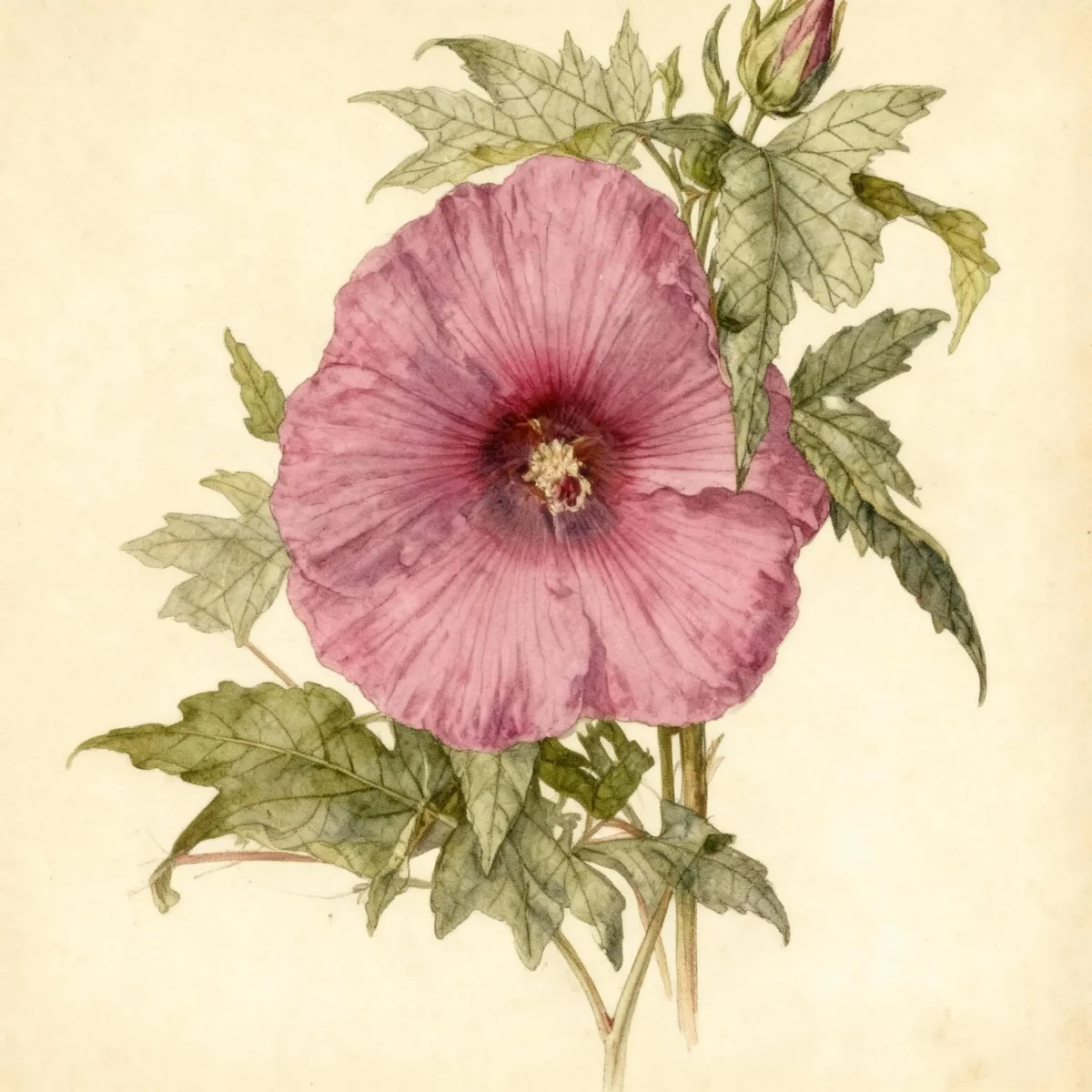
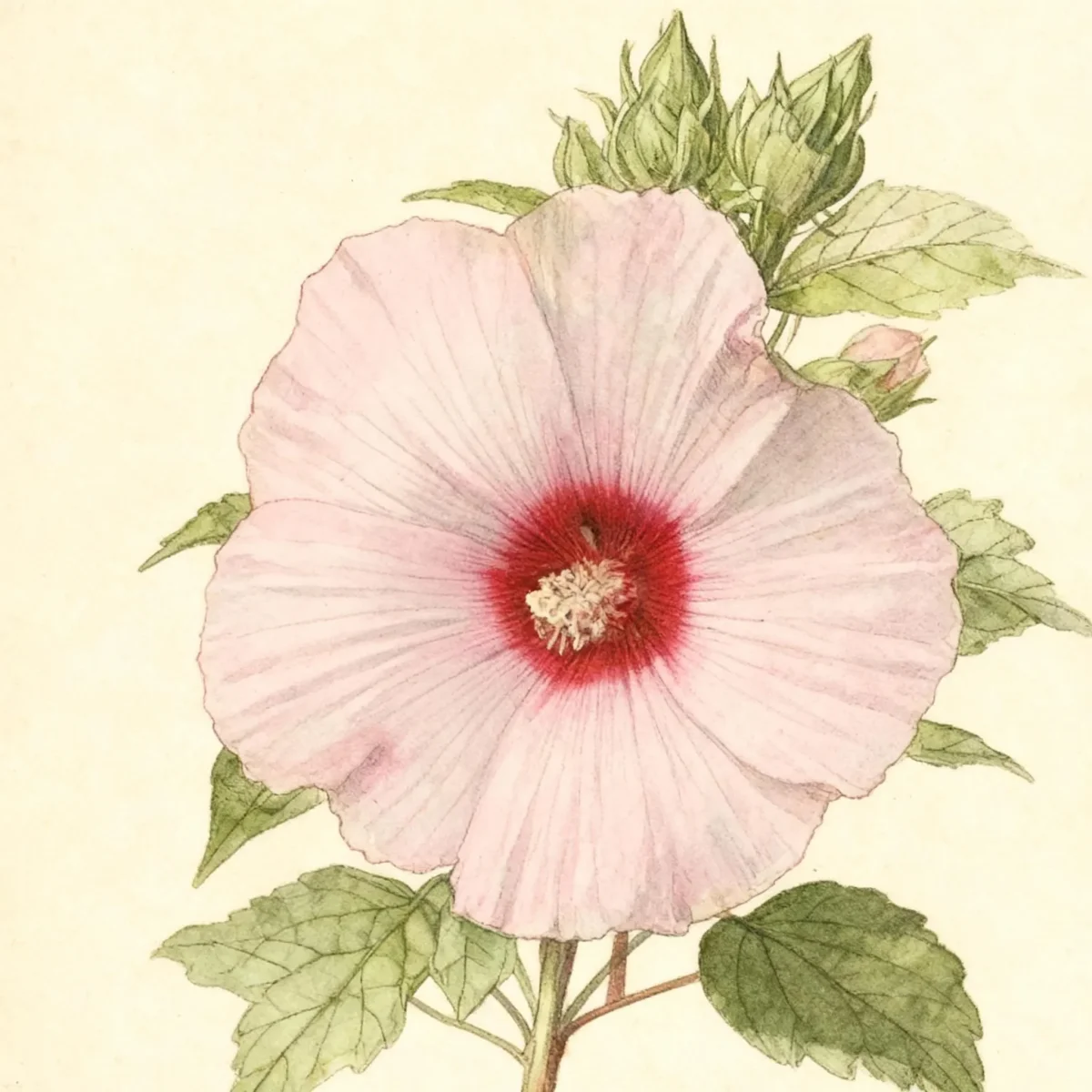
Hardy hibiscus (Hibiscus 'Cranberry Crush')
Discover Hibiscus 'Cranberry Crush', a low-maintenance Hardy hibiscus known for its massive, deep red flowers blooming mid-summer to fall.

Bloom Boldly, No Matter the Season - Sweatshirt
Cozy organic cotton sweatshirt featuring our exclusive Purple Coneflower design. Perfect for gardeners who bloom year-round.
Inspired by the beautiful Hardy hibiscus
Limited first batch (50) — join the waitlist for early access
Waitlist closes Feb 15, 2026.
Complete Plant Information
Field Guide Continues
Ready for care notes, companion picks, and planting tips?
The map is just the start. The full guide below covers growth habits, seasonal performance, and landscape uses.
Overview
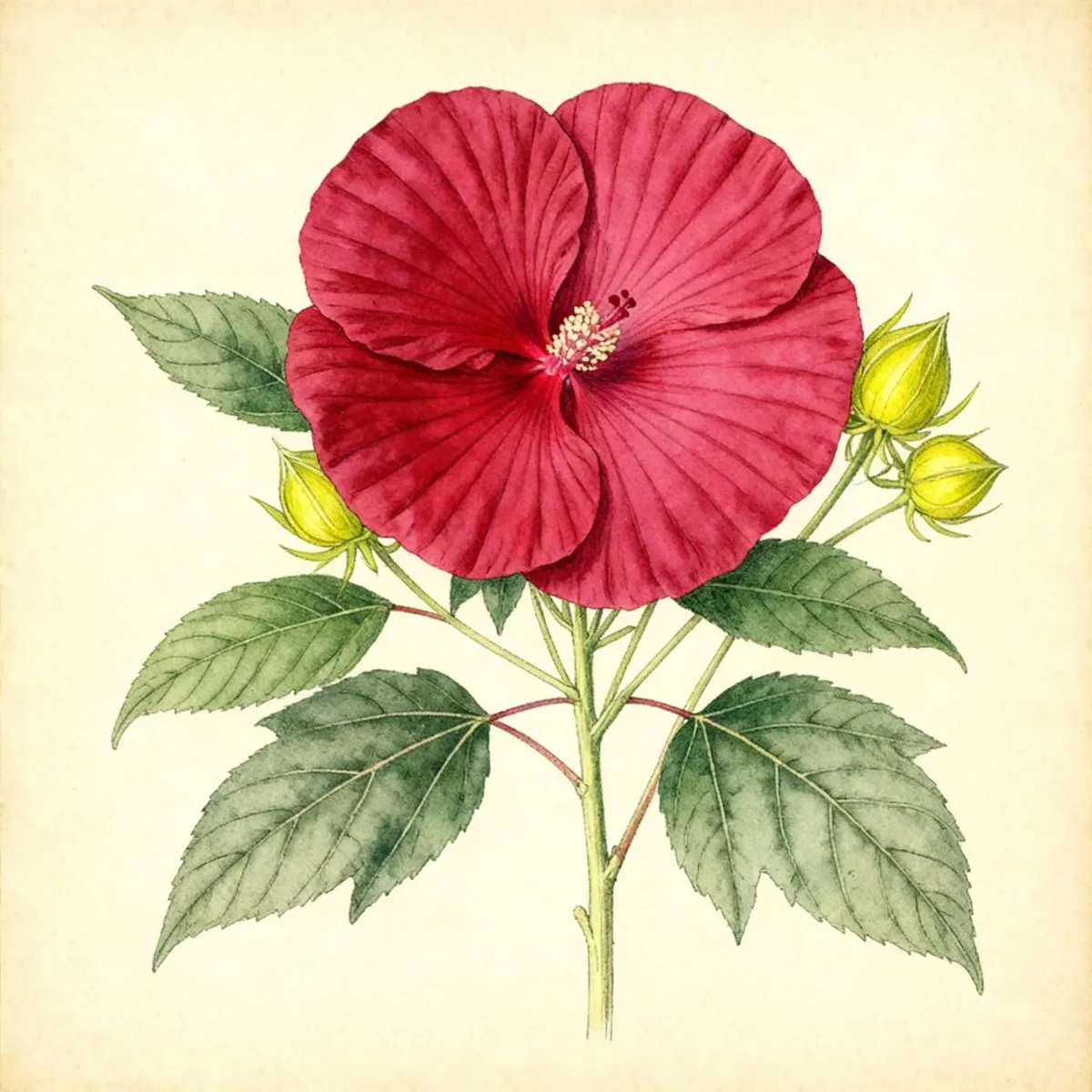
The stunning Hibiscus ‘Cranberry Crush’ brings tropical flair to temperate gardens, distinguishing itself as a robust herbaceous perennial. Valued for its dramatic, near-dinner-plate-sized scarlet-red blooms, this Hardy hibiscus cultivar reliably delivers color from mid-summer until the first frost. Gardeners appreciate this plant for its low maintenance demands despite its flamboyant appearance.
This vigorous hybrid thrives best in full sun, where it develops strong stems capable of supporting its large flowers. Hibiscus ‘Cranberry Crush’ is remarkably adaptable in wet conditions, making it a superb choice for specialized landscape niches where other perennials might struggle. Its sheer volume of bloom production—potentially up to 250 flowers in one season—ensures consistent seasonal impact.
As a Hardy hibiscus, it offers dependable winter hardiness, differentiating it from tropical relatives. Planting Hibiscus ‘Cranberry Crush’ provides exceptional focal points, brilliant color, and reliable structure in summer perennial borders.
Fast Facts
- Plant Family: Malvaceae
- Plant Type: Herbaceous perennial
- Hardiness Zones: USDA Zones 4-9
- Size at Maturity:
- Height: 3-4 ft
- Spread: 3-4 ft
- Bloom Time: July to September
- Bloom Description: Red
- Sun Exposure: Full sun
- Water Needs: Medium to wet
- Maintenance Level: Low
How to Grow
For optimal performance, locate your Hardy hibiscus where it receives full sun exposure, though it tolerates a touch of light shade. The soil should be medium to wet; rich, moist, organically amended soil yields the best results, but this cultivar is surprisingly successful even in average garden soils provided moisture is consistent. Plant at a time appropriate for your region, usually spring after the danger of frost has passed.
Deep and consistent watering is crucial, especially during dry spells, as allowing the soil to dry out can quickly lead to leaf scorch. While adaptable, provide good air circulation by protecting the plant from strong winds to minimize physical damage and potential disease risk. Deadheading individual spent flowers immediately helps maintain a tidy appearance throughout the long summer bloom season.
Pruning is essential for this perennial. In late autumn, after the foliage has died back from frost, cut all stems down to approximately 3-4 inches above the ground. Be patient in the spring; new growth on Hibiscus ‘Cranberry Crush’ is notably slow to emerge, but once started, it grows rapidly. During this active growth phase, plants benefit from regular fertilization to support heavy flowering.
Landscape Uses
The dramatic size and intense color of Hibiscus ‘Cranberry Crush’ make it perfect for functional landscape roles. Given its preference for moisture, it excels in rain gardens, where it naturally manages excess runoff. It is also highly effective when placed near streams or ponds, stabilizing wet edges gracefully.
Use this plant as an accent specimen or mass planting to create bold temporary hedges or strong lines along borders. The upright, sturdy structure of this Hardy hibiscus anchors the middle or back layer of layered perennial designs. Pair it with moisture-loving companions like Astilbe or tall ornamental grasses that appreciate similar soil conditions.
Standout Features
Flower Qualities
- Showy
Noteworthy Characteristics
Hybrid hardy hibiscus cultivars like Hibiscus ‘Cranberry Crush’ are woody-based perennials renowned for their vigor and sturdy, upright habit. These complex hybrids often derive parentage from native U.S. species, granting them superior winter hardiness compared to tropical types. Individual flowers can reach up to 7 inches in diameter, displaying brilliant scarlet-red petals surrounding a prominent pale yellow staminal column, with new blooms opening daily throughout the summer season.
Tolerances
- Deer
- Wet Soil
Potential Problems
While generally robust, Hibiscus ‘Cranberry Crush’ shows some susceptibility to common fungal issues such as leaf spots, blights, rusts, and canker, often exacerbated by poor air circulation or overly wet conditions when growth slows. Keep an eye out for occasional insect pests, including aphids, whiteflies, and Japanese beetles; unchecked Japanese beetles can rapidly skeletonize the attractive dark green foliage. The most immediate cultural problem is leaf scorch, which occurs if the soil is allowed to dry out unexpectedly, emphasizing the need for deep, consistent watering. Healthy plants grown in the correct full sun, wet-soil balance rarely require staking.
Frequently Asked Questions
What hardiness zones is Hardy hibiscus suitable for?
This magnificent cultivar, Hibiscus ‘Cranberry Crush’, is suitable for USDA Zones 4 through 9, offering excellent reliability across a wide range of climates.
How large does Hibiscus ‘Cranberry Crush’ grow?
This herbaceous perennial typically reaches a height between 3 to 4 feet and spreads to occupy a similar 3-to-4-foot area, forming a sturdy mound.
What sun exposure does Hibiscus ‘Cranberry Crush’ need?
For the best stem strength and the most prolific red blooms, Hibiscus ‘Cranberry Crush’ requires full sun exposure.
When does Hardy hibiscus bloom?
This specific hybrid offers a long bloom time, pushing out masses of color from July straight through September.
Conclusion
The Hardy hibiscus ‘Cranberry Crush’ offers an unparalleled combination of massive, vibrant red flowers and resilience in moist soils, making it a low-maintenance showstopper. Its vigorous, woody base ensures it returns reliably year after year, providing fantastic late-season color. Before planting, confirm that your garden site offers consistent moisture and ample light to maximize the spectacular display provided by Hibiscus ‘Cranberry Crush’.
Companion Planting
Selecting companions that share the moisture needs of Hibiscus ‘Cranberry Crush’ ensures a cohesive, healthy planting scheme. Consider grouping it with moisture-loving perennials such as cardamine (Cardamine trifolia) or various native sedges that thrive in wet conditions. For vertical contrast against the broad leaves of the hibiscus, planting groups of Switchgrass (Panicum virgatum) or other upright native grasses provides excellent textural interplay. Ensure companions selected for borders do not become overly aggressive or shade out the lower foliage of the Hardy hibiscus as it emerges slowly in the spring.
Propagation Tips
The Hardy hibiscus, including the ‘Cranberry Crush’ cultivar, can be increased through two primary methods suitable for home gardeners. Division of established clumps is best performed in early spring just as new growth is beginning to break the soil surface, allowing you to separate healthy sections while minimizing root disturbance. Alternatively, softwood or semi-hardwood cuttings taken during the summer growing season can be rooted under appropriate humidity and warmth conditions. Success with both division and cuttings depends on maintaining consistently moist soil, echoing the plant’s general cultural requirements.