Hardy hibiscus(Hibiscus 'Cranberry Crush')
Grow Cranberry Crush hardy hibiscus: 8-inch dinner-plate scarlet blooms, purple-green maple foliage, wet soil tolerance, late spring emergence, USDA zones 4–9.
Complete Plant Information
- Hardiness zones
- USDA 4–9
- Plant type
- Herbaceous perennial
- Plant family
- Malvaceae
- Sun exposure
- Full sun
- Water needs
- Medium to wet
- Maintenance
- Low
- Height
- 3–4 ft (91–122 cm)
- Spread
- 4–5 ft (122–152 cm)
- Bloom time
- July to September
- Flower color
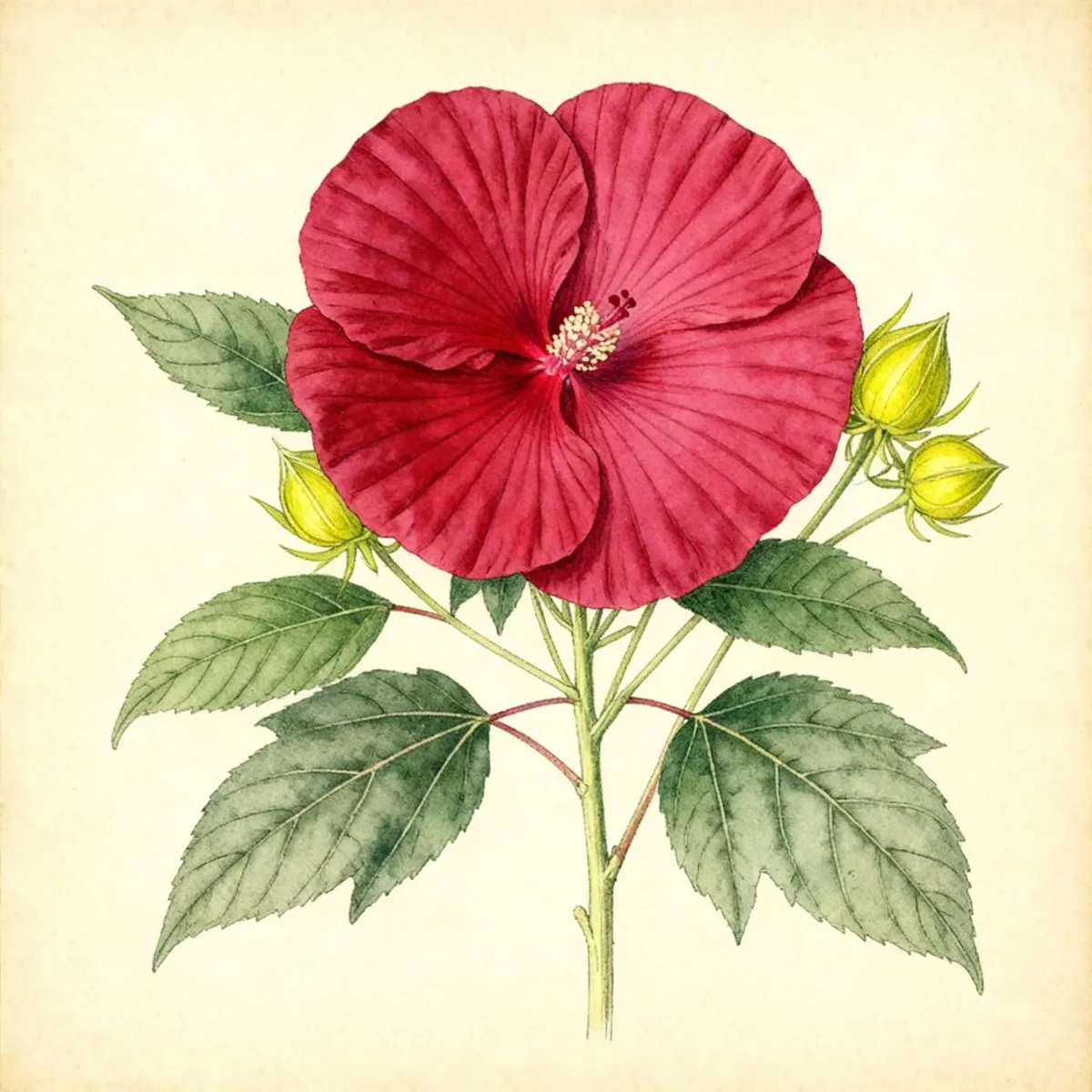
- Gigantic 7-8 inch wide, overlapping, deep cranberry-red dinner-plate flowers with dark centers
- Flower qualities
- Showy, Long-blooming, Pollinator friendly
- Fruit qualities
- Not recorded
- Tolerances
- Deer, Wet Soil, Clay Soil
- Garden uses
- Rain garden basin, bog margin, dramatic summer border anchor, tropical-effect specimen
- Native range
- North America (native species hybrid bred by Kevin Hurd, Walters Gardens)
Field Guide Continues
Ready for care notes, companion picks, and planting tips?
The map is just the start. The full guide below covers growth habits, seasonal performance, and landscape uses.
Overview
Cranberry Crush hardy hibiscus (Hibiscus ‘Cranberry Crush’, Summerific® Collection) is an elite native rose mallow hybrid perennial hardy across USDA Zones 4 through 9 (US Patent PP21,984). Bred by Kevin Hurd at Walters Gardens, it condenses the wild swamp rose mallow into a tidy, dense, rounded mound 3 to 4 feet tall and 4 to 5 feet wide. Clothed in deeply lobed, maple-like purple-green foliage, it covers itself from July until the first autumn freeze in immense, 7- to 8-inch wide, cupped dinner-plate blossoms of saturated, velvety cranberry-scarlet with dark ruby centers, producing up to 250 flowers per mature plant each season.
Unlike tropical hibiscus, hardy rose mallows withstand subzero northern freezes and die back cleanly to ground level each autumn.
How to Grow
- The Late Spring Awakening: Hardy hibiscus does not break winter dormancy until soil temperatures consistently reach 65°F to 70°F (18°C–21°C). In northern zones (Zones 4 to 6), new green shoots typically do not emerge until late May or early June, long after spring bulbs and perennials have leafed out. Never dig up dormant crowns in early spring!
- Sunlight: Full sun is mandatory (minimum 6 to 8 hours daily). Shaded plants stretch, produce few flowers, and lose their dark purple foliage luster.
- Wet Soil & Rain Garden Adaptability: Descended from native wetland rose mallows (Hibiscus moscheutos), ‘Cranberry Crush’ thrives in soggy soils, seasonal standing water, and heavy clay, making it an extraordinary centerpiece for rain gardens and retention swales.
- Autumn Cutback: After the first hard autumn frost blackens the stems, cut the woody canes down to 4 to 6 inches above the soil line.
Landscape Uses
- Rain Garden & Swale Focal Point: Thrives in low-lying, wet retention basins while filtering stormwater runoff.
- Late-Summer Border Anchor: Massive 8-inch cranberry blooms provide high-impact tropical presence when early summer perennials fade.
- Hummingbird & Pollinator Magnet: Provides copious nectar for ruby-throated hummingbirds, bumblebees, and butterflies.
Potential Problems
- Japanese Beetles: Beetles may chew foliage and petals in midsummer; hand-pick into soapy water or use organic controls.
- Premature Spring Concern: Gardeners often fear winter-kill when shoots fail to appear in April; wait patiently until soil warms in late May.
- Drought Stress: Intolerant of dry soil during summer bud set; provide steady moisture.
Frequently Asked Questions
Why hasn’t my hardy hibiscus sprouted yet in May?
Hardy hibiscus is notoriously the latest perennial to break winter dormancy, requiring warm soil temperatures (65°F+) before pushing shoots in late May or early June.
Is ‘Cranberry Crush’ perennial?
Yes. It is cold-hardy down to -30°F (-34°C) in USDA Zone 4. Stems die down in winter and resprout vigorously each spring.
How big are the flowers?
Blossoms measure 7 to 8 inches in diameter—frequently described as “dinner-plate” flowers.
Companion Plants
Pair Cranberry Crush hardy hibiscus with moisture-loving perennials that enjoy full sun:
- Rain Garden Perennials: Plant alongside blue flag iris, cardinal flower (Lobelia cardinalis), and swamp milkweed (Asclepias incarnata).
- Contrasting Ornamental Grasses: Combine with tall feather reed grass (Calamagrostis) or switchgrass (Panicum virgatum).
- Sun-Loving Flowering Perennials: Interplant with purple coneflowers (Echinacea) and black-eyed Susans (Rudbeckia).
Sources & Lineage
- Missouri Botanical Garden PlantFinder: Record taxon 273480 (Hibiscus ‘Cranberry Crush’) — Summerific® collection, Kevin Hurd breeding, and dimensions.
- Kew Plants of the World Online (POWO): Hibiscus L. (POWO: 328182-2) — genus taxonomy and family (Malvaceae).
- United States Patent and Trademark Office: Patent US PP21,984 P2 (Hibiscus ‘Cranberry Crush’) — official patent registration, parentage (H. moscheutos hybrid), and traits.
Recommended Companion Plants
Hardy hibiscus
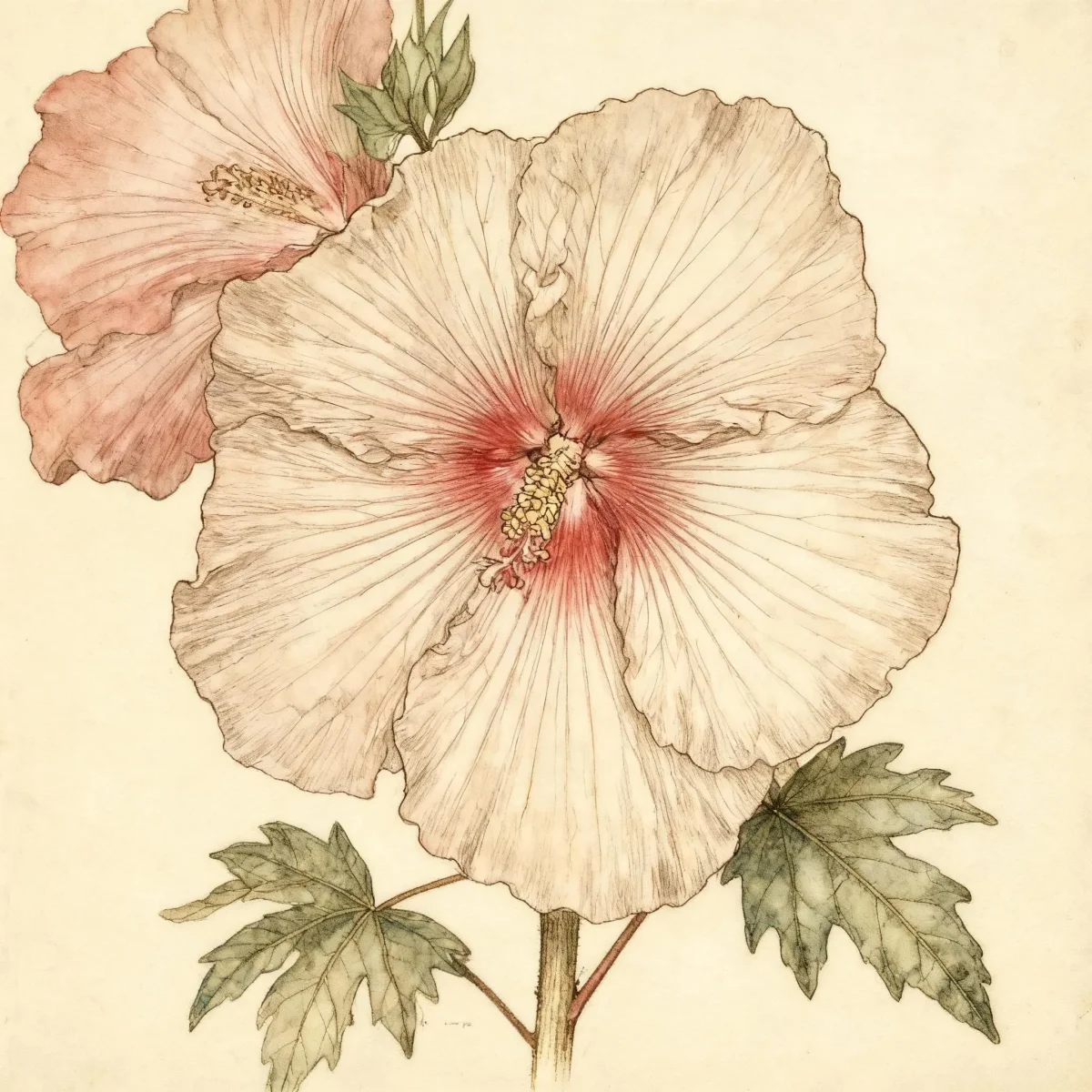
Hibiscus 'Lord Baltimore'
- USDA zones
- 5–9
- Light
- Full sun
- Water
- Medium to wet
Hardy hibiscus
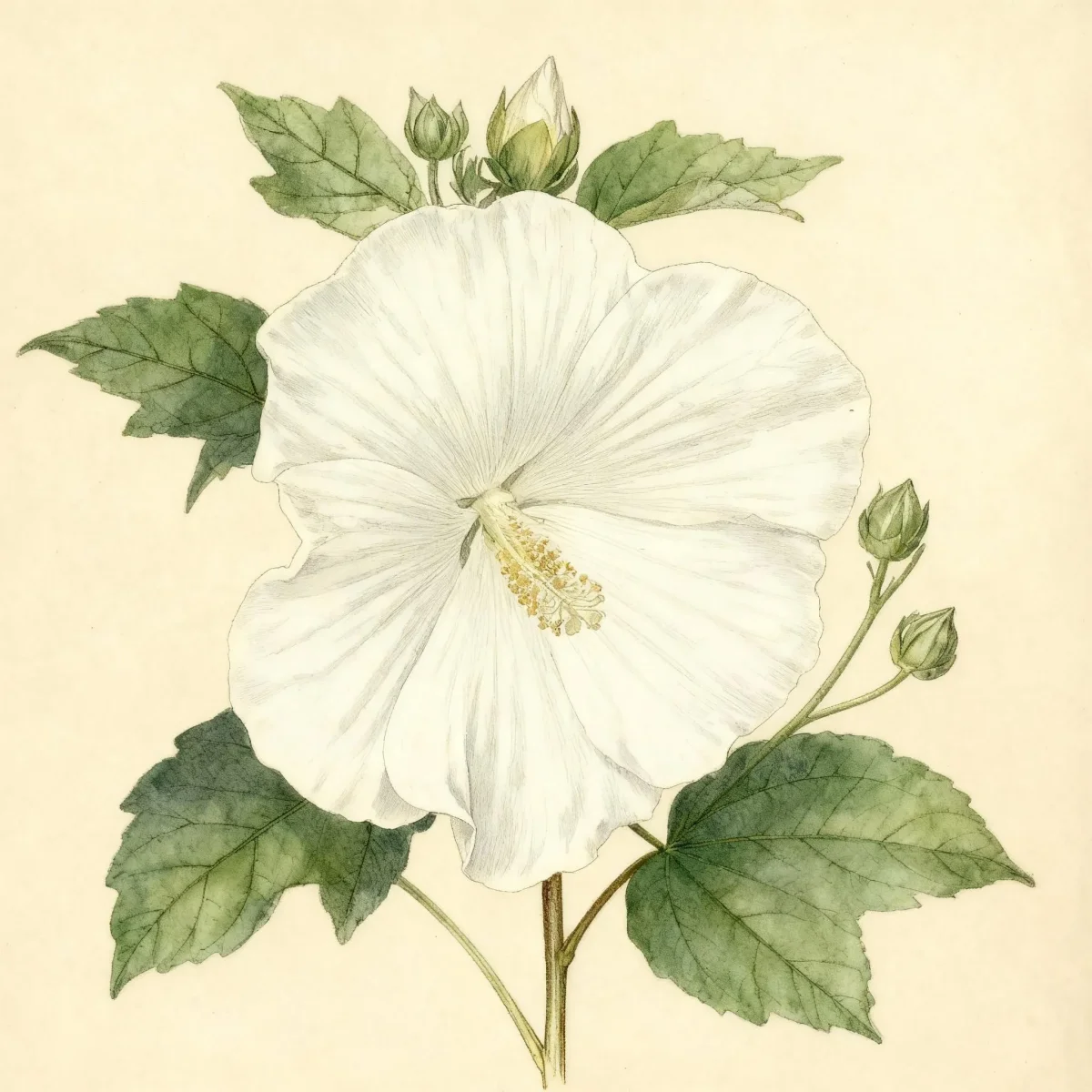
Hibiscus 'Blue River II'
- USDA zones
- 5–9
- Light
- Full sun
- Water
- Medium to wet
Hardy hibiscus
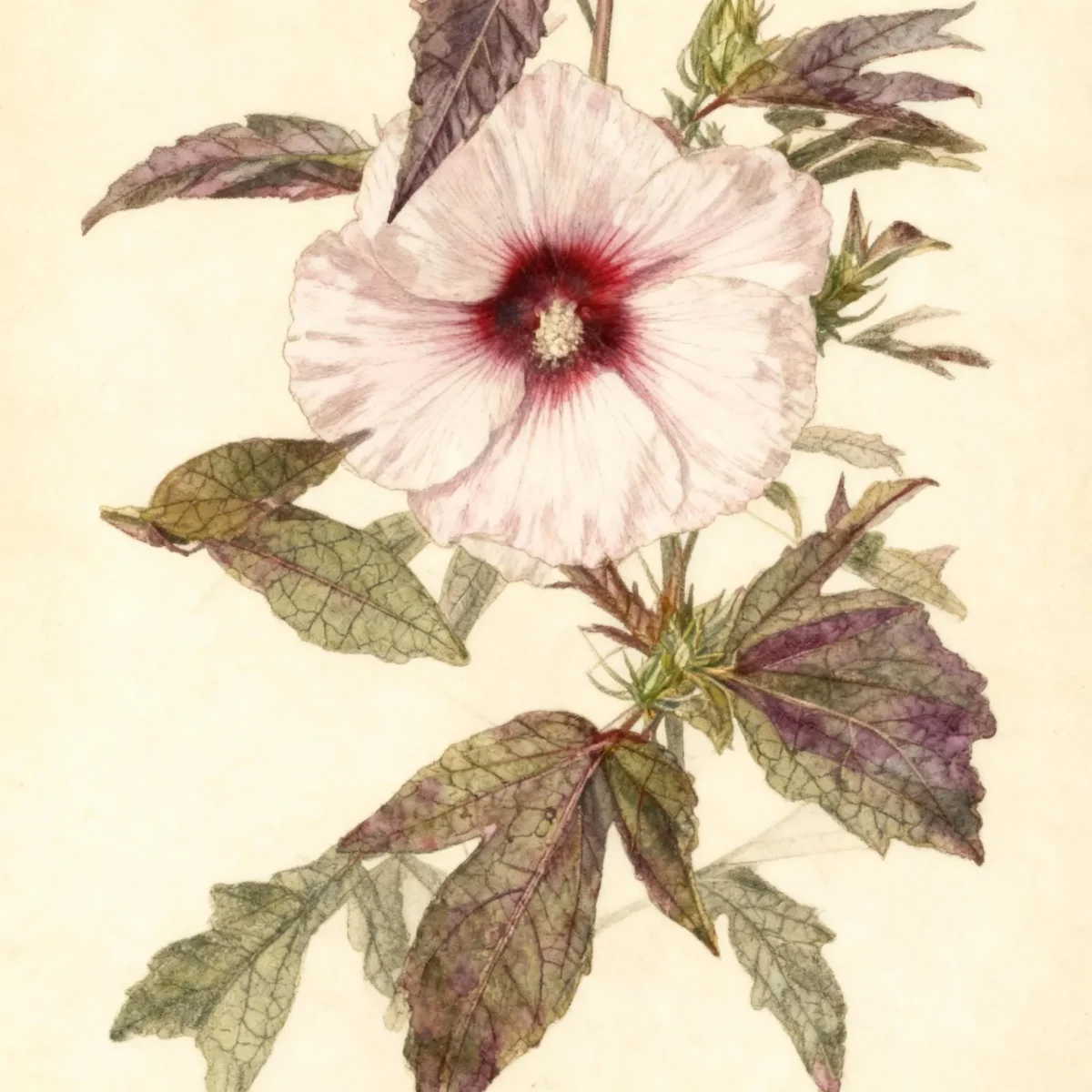
Hibiscus 'Kopper King'
- USDA zones
- 4–9
- Light
- Full sun
- Water
- Medium to wet
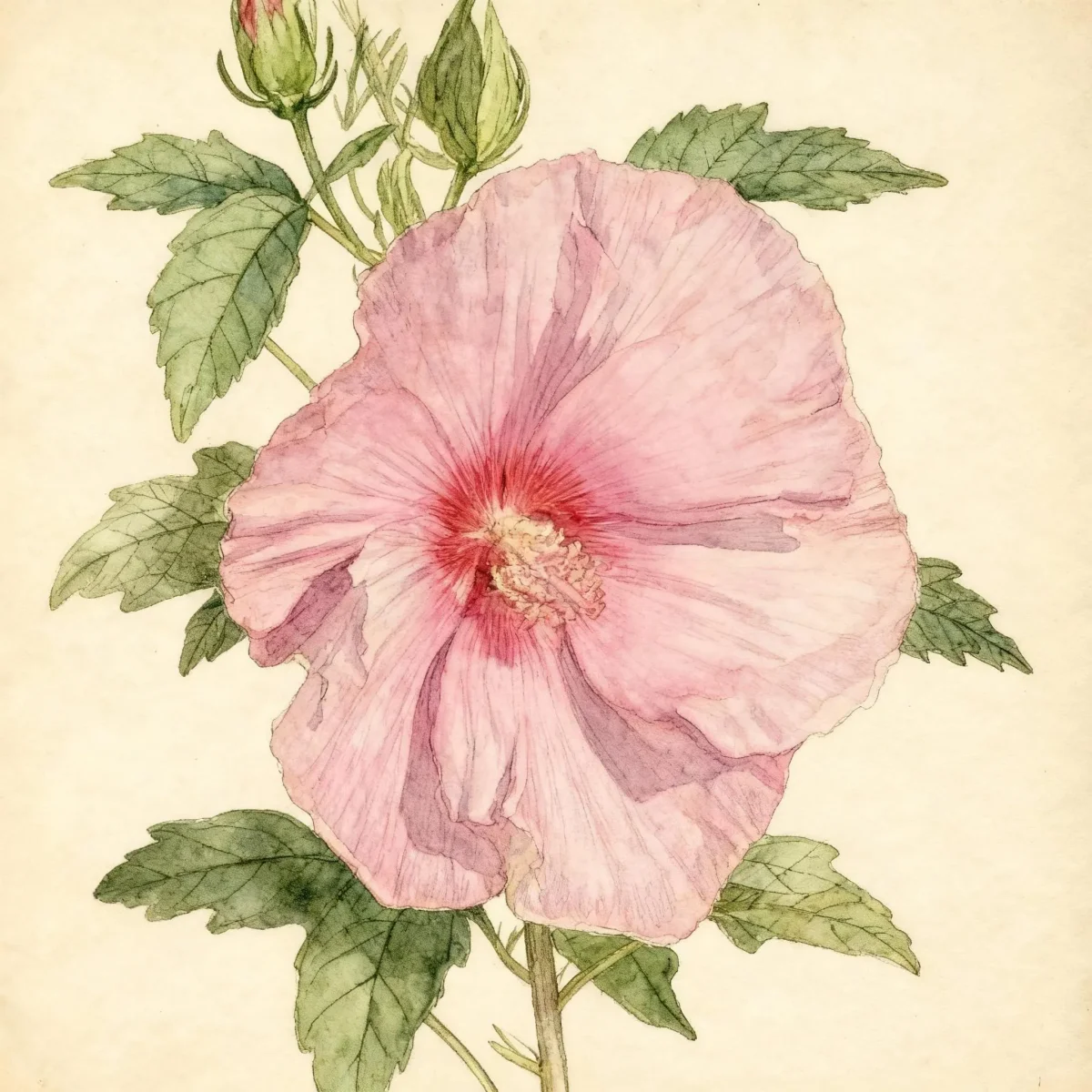
Hardy hibiscus
Hibiscus 'Fantasia'
- USDA zones
- 4–9
- Light
- Full sun
- Water
- Medium to wet
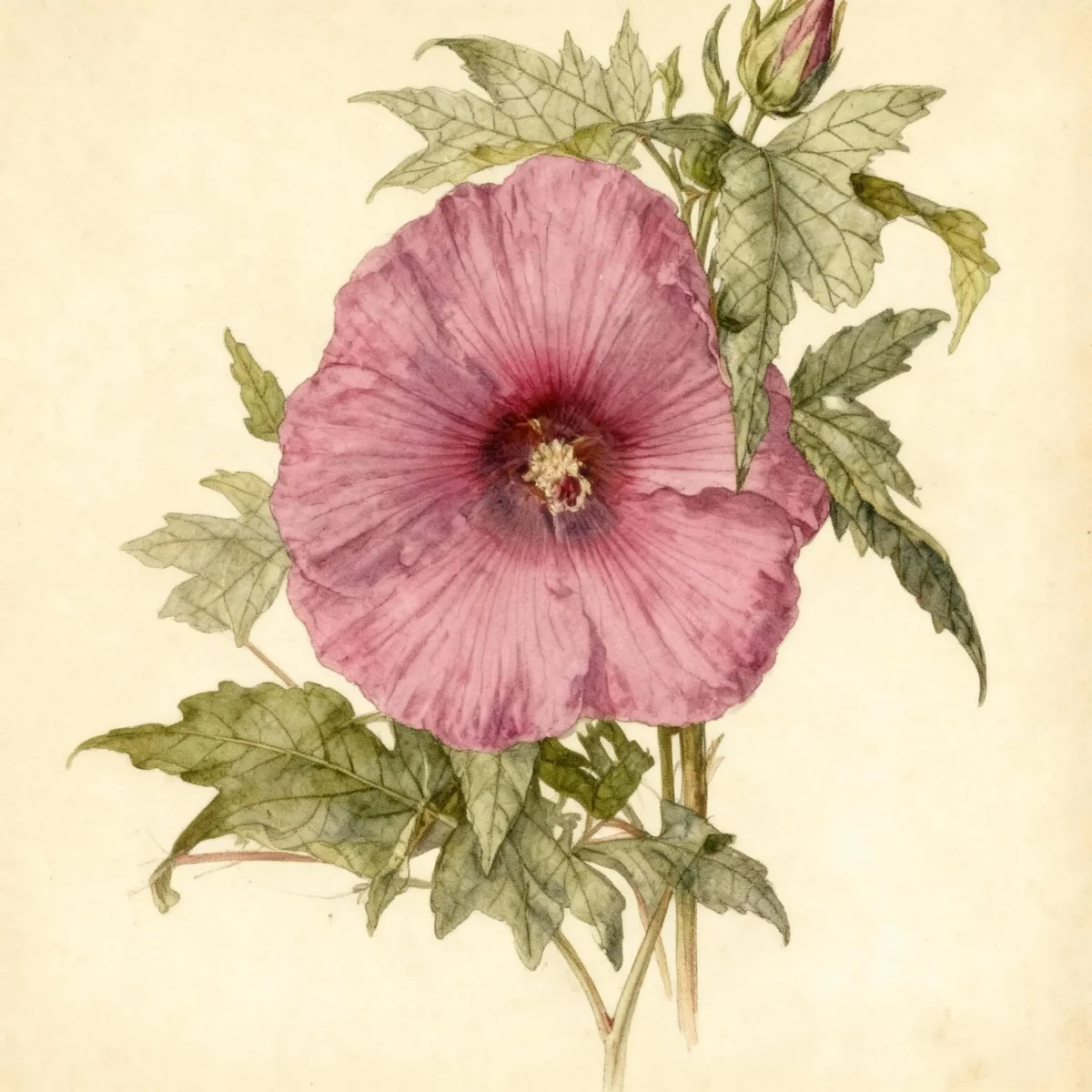
Hardy hibiscus
Hibiscus 'Plum Crazy'
- USDA zones
- 4–9
- Light
- Full sun
- Water
- Medium to wet
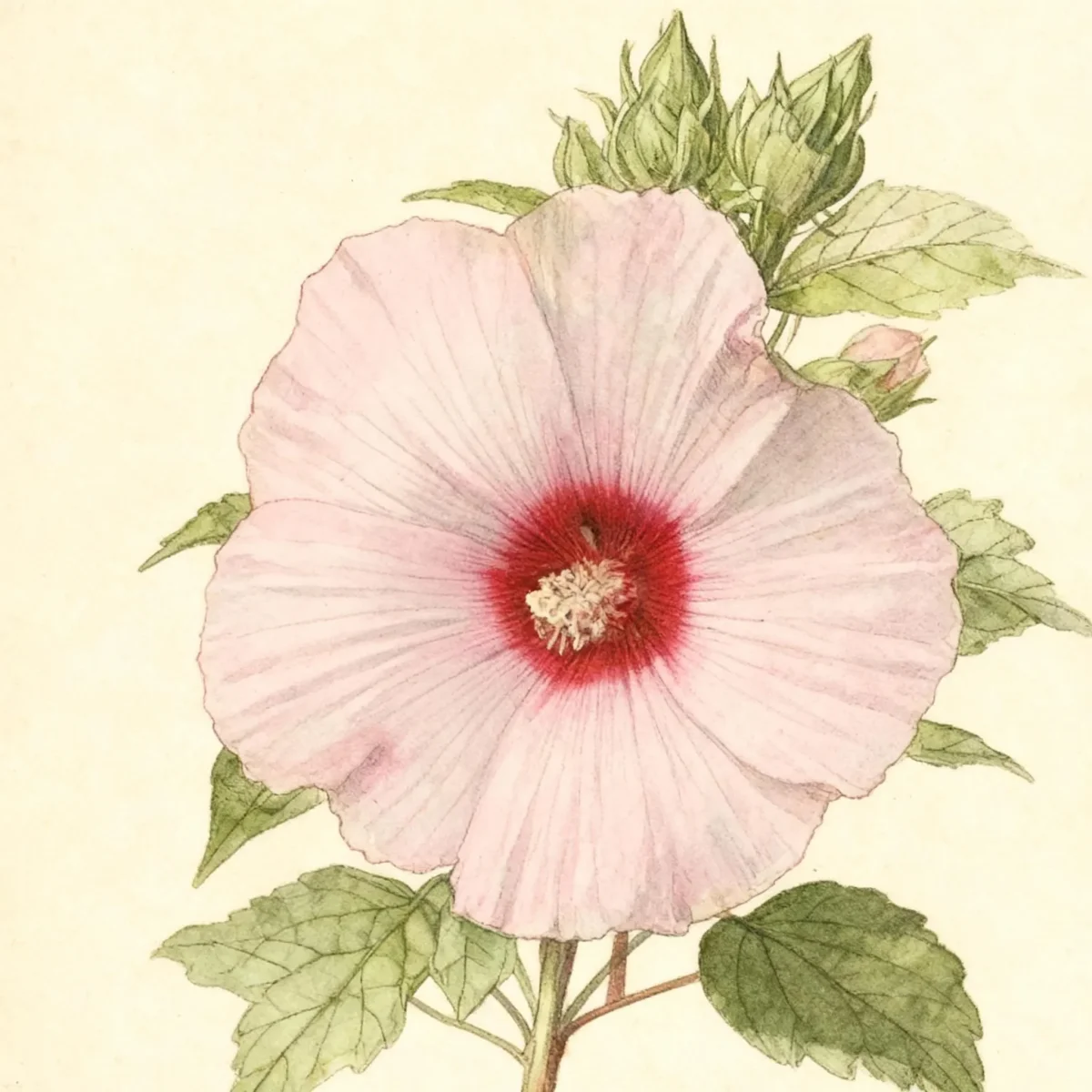
Hardy hibiscus
Hibiscus 'Etna Pink'
- USDA zones
- 5–9
- Light
- Full sun
- Water
- Medium to wet
Keep Learning
Test what you know with a garden quiz
You have the plant facts and care notes. Continue with a related challenge, or browse the complete quiz library.
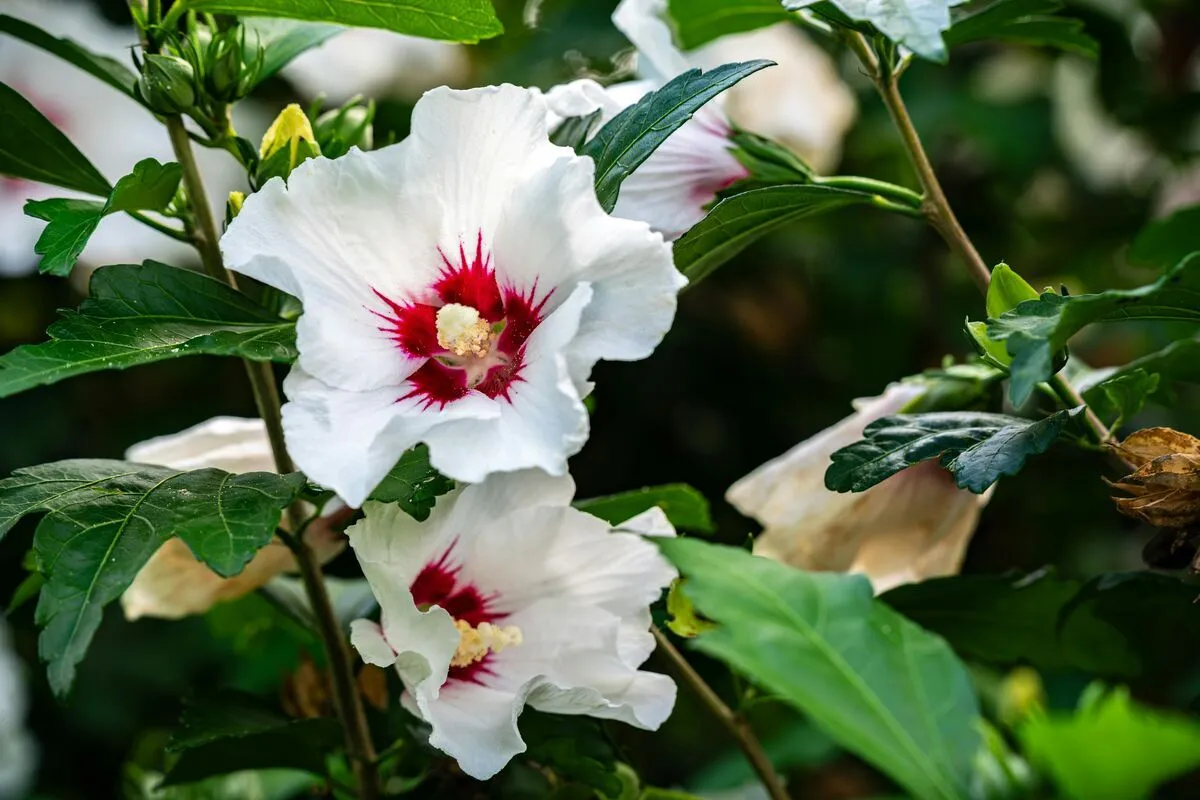
The Brilliant Hibiscus Quiz
Think you know hibiscus? Take this quiz to find out if you're a true hibiscus expert or just getting started.
Start quiz
Can You Identify These Common Garden Plants? Test Your Plant Knowledge
Think you know your roses from your peonies? Test your plant identification skills with our comprehensive garden plant quiz featuring 10 challenging questions.
Start quizBrowse the full quizzes section
Explore plant identification, zone strategy, and seasonal gardening challenges.
View all quizzes