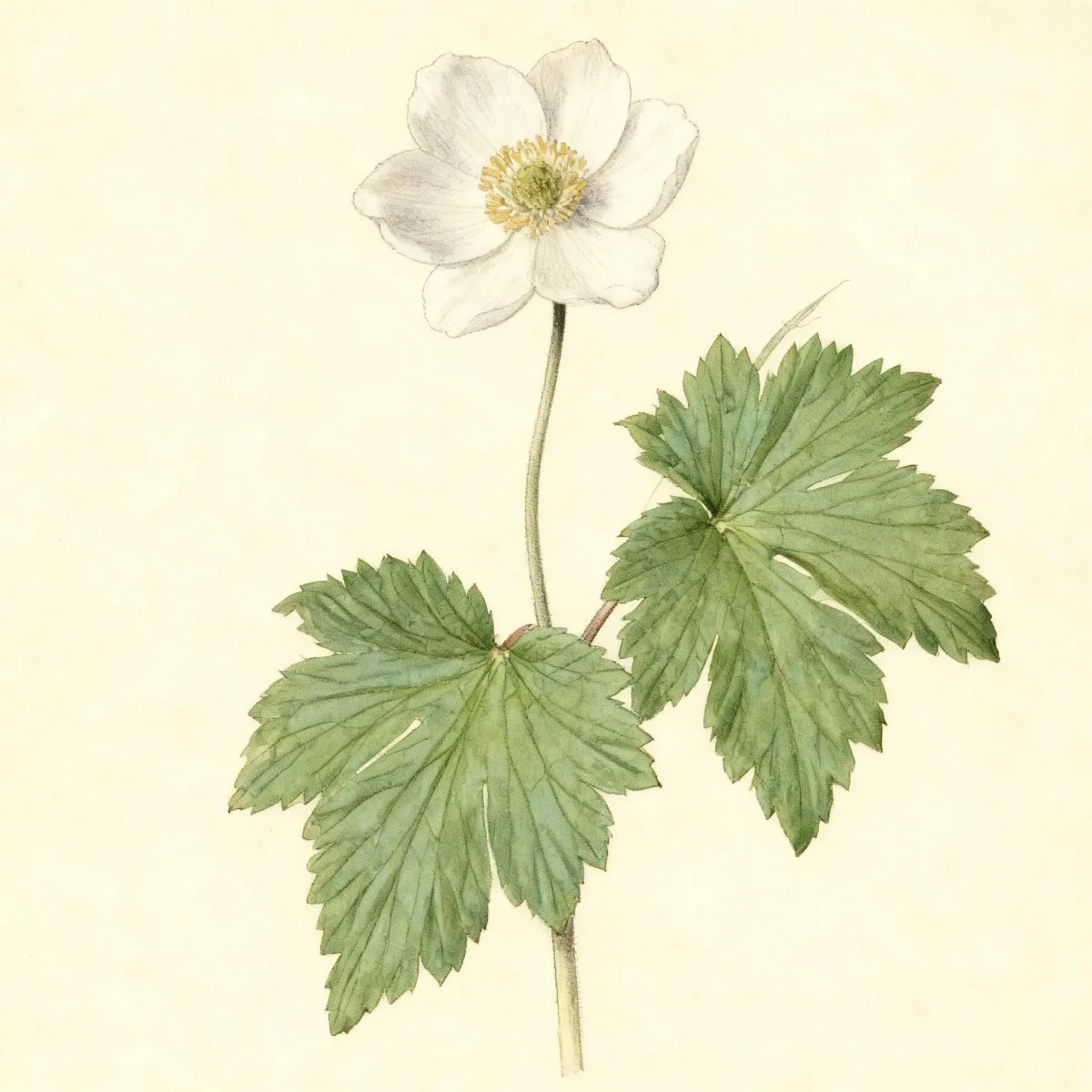
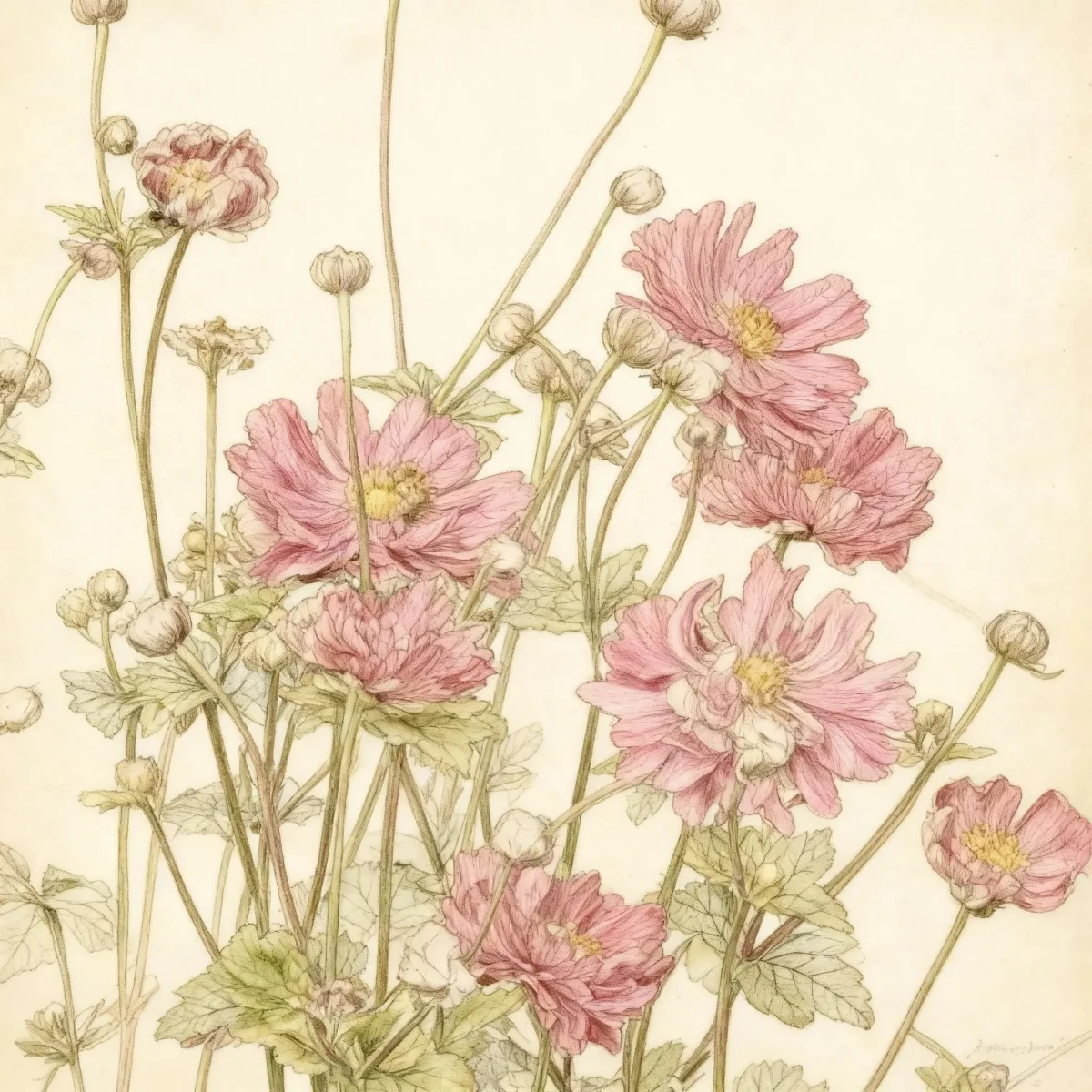
Windflower (Anemone × hybrida 'Andrea Atkinson')
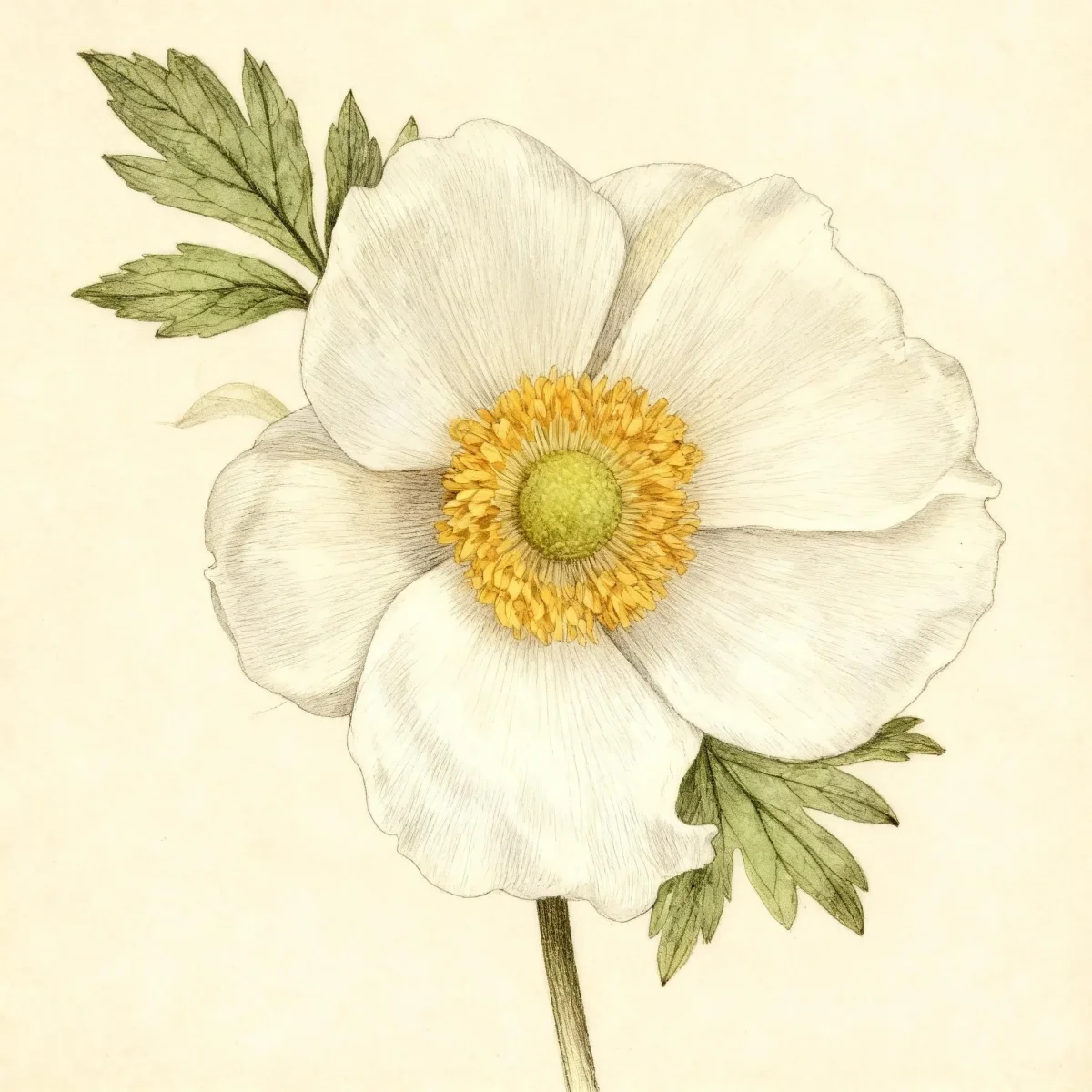
The Windflower Anemone × hybrida 'Andrea Atkinson' delivers vigorous, showy white blooms late summer through early fall, ideal for low-maintenance gardens.
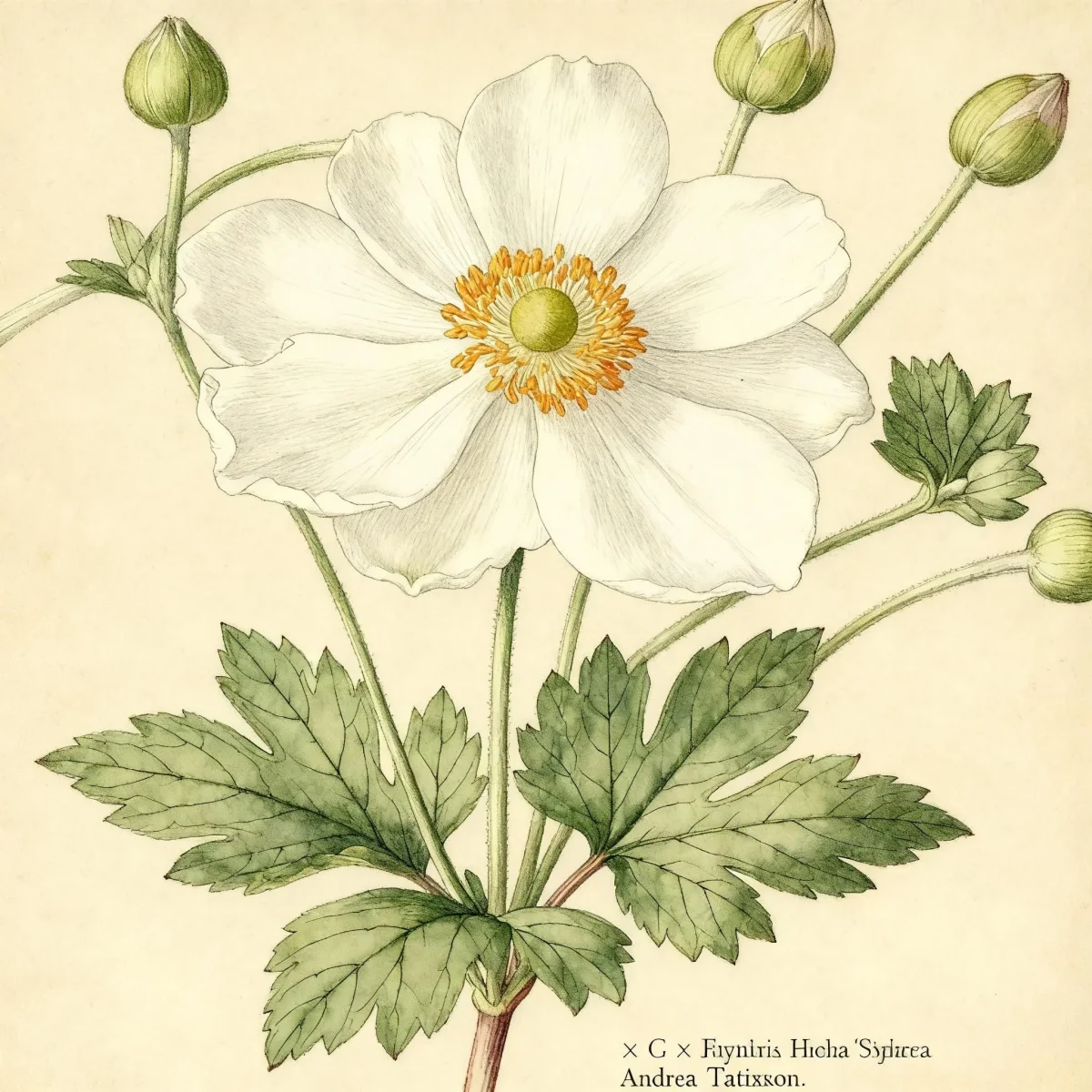

Bloom Boldly, No Matter the Season - Sweatshirt
Cozy organic cotton sweatshirt featuring our exclusive Purple Coneflower design. Perfect for gardeners who bloom year-round.
Inspired by the beautiful Windflower
Limited first batch (50) — join the waitlist for early access
Waitlist closes Feb 15, 2026.
Complete Plant Information
Field Guide Continues
Ready for care notes, companion picks, and planting tips?
The map is just the start. The full guide below covers growth habits, seasonal performance, and landscape uses.
Overview
The Anemone × hybrida ‘Andrea Atkinson’, cherished by gardeners as a Windflower, provides essential late-season color when many perennials are waning. This vigorous, clump-forming perennial is particularly valued for its sturdy stems bearing pure white flowers well into the autumn months, extending the garden’s visual interest. Its ability to naturalize happily ensures that once established, this Windflower becomes an effortless component of the perennial border.
This robust Japanese hybrid anemone typically reaches heights between 2 and 4 feet, standing tall enough to provide structure in the mid-to-back of a border planting. While it thrives in full sun, gardeners noted that Anemone × hybrida ‘Andrea Atkinson’ appreciates afternoon shade, particularly where summer conditions become hot and dry, as direct sun can scorch the foliage. Its cultural requirements focus on consistent moisture and rich soil, leading to low overall maintenance once the plant is settled.
Cultivars like ‘Andrea Atkinson’ offer reliable performance in USDA Zones 4 through 8, making them a reliable late-summer feature. These late bloomers are crucial for sustained color palettes and pair beautifully with late-flowering grasses or robust foliage plants, ensuring your landscape remains engaging right up to the first hard frost.
Fast Facts
- Plant Family: Ranunculaceae
- Plant Type: Herbaceous perennial
- Hardiness Zones: USDA Zones 4-8
- Size at Maturity:
- Height: 2-4 ft
- Spread: 2-3 ft
- Bloom Time: August to September
- Bloom Description: White with yellow center
- Sun Exposure: Full sun to part shade
- Water Needs: Medium
- Maintenance Level: Low
How to Grow
For optimal establishment, plant Anemone × hybrida ‘Andrea Atkinson’ in spring or early fall in locations that receive full sun to partial shade. The soil must be rich, humusy, and consistently moist, requiring excellent drainage to prevent winter root rot, which this Windflower strongly dislikes. Sites protected from strong winds are beneficial, as tall stems can benefit from shelter, though the plant’s structure is generally graceful.
Maintain even moisture throughout the growing season; the soil must not be allowed to dry out, especially during hot summer spells when foliage scorches easily in intense sun. Fertilization is rarely necessary if the soil is organically rich. Taller varieties may become slightly gangly, so providing some light staking or placing them near sturdier companions can enhance their appearance.
Winter preparation involves appreciating that plants may be slow to establish initially, often taking a year or two to truly settle in. In colder parts of its range (Zone 4), applying a light winter mulch after the ground freezes helps insulate the root system. Propagation of this robust Windflower is possible via root cuttings taken in winter or by dividing clumps in the spring.
Landscape Uses
The primary landscape function of the Anemone × hybrida ‘Andrea Atkinson’ is its exceptional value as an excellent fall bloomer. These tall, bright white flowers, produced by the Windflower, are invaluable for brightening shaded woodland gardens or cottage garden settings during late summer. They are highly effective when massed together, creating drifts of light that contrast beautifully with deeper green plantings.
Consider placing Anemone × hybrida ‘Andrea Atkinson’ within perennial borders where structure is needed later in the season. They serve as beautiful foils to plants that finish blooming earlier, such as hostas, which offer bold texture at the base, or astilbes, which share similar moisture requirements. Their airy, late display brings movement, living up to the name Windflower.
Standout Features
Flower Qualities
- Showy
- Good Cut
Noteworthy Characteristics
Anemone × hybrida, commonly called windflower or Japanese anemone, is a hybrid category which includes a large number of hybrid pink or white flowered cultivars that bloom from late summer into fall (August - October). These cultivars vary somewhat in character but generally are erect, clump-forming, fibrous-rooted, woody-based perennials which typically grow to 2-3’ (infrequently to 4’) tall on stems clad with oval palmate toothed leaves. Genus name is often said to be derived from the Greek word anemos meaning wind. ‘Andrea Atkinson’ is a vigorous, fibrous-rooted, mounding, Japanese hybrid anemone that typically grows to 3-4’ tall. It is noted for producing an excellent late summer to early fall bloom (late August to October) of pure white flowers (2-3” diameter) with yellow centers.
Tolerances
- Deer
Potential Problems
Be vigilant for common fungal issues such as leaf spot, powdery mildew, downy mildew, rust, and leaf/stem smut, especially in humid conditions or if air circulation is poor. Slugs and snails may target tender new growth, and nematodes can sometimes become troublesome. In some regions, certain beetles, including black blister beetles and Japanese beetles, may cause significant foliage damage requiring intervention. If plants become very tall, consider strategic staking, especially in windy areas, to keep the elegant stems upright.
Frequently Asked Questions
What hardiness zones is Windflower suitable for?
The Anemone × hybrida ‘Andrea Atkinson’ is ideally suited for USDA Zones 4 through 8.
How large does Anemone × hybrida ‘Andrea Atkinson’ grow?
This hybrid typically achieves a height of 2 to 4 feet and spreads between 2 and 3 feet wide at maturity.
When does Windflower bloom?
Anemone × hybrida ‘Andrea Atkinson’ provides reliable color starting in August and often continuing through September, displaying striking white flowers with yellow centers.
What sun exposure does Anemone × hybrida ‘Andrea Atkinson’ need?
This plant adapts well to sites ranging from full sun to part shade, though morning sun with afternoon shade often yields the best foliage quality.
Conclusion
The Anemone × hybrida ‘Andrea Atkinson’ Windflower remains a highly recommended choice for gardeners seeking reliable, beautiful texture and color late in the season. Its low maintenance needs and gorgeous white blooms ensure it stands out in the herbaceous perennial palette. Check your local USDA hardiness zone compatibility before planting to ensure your new Windflower establishes successfully.
Companion Planting Strategies
Selecting companions that share the moderate water needs and light requirements of Anemone × hybrida ‘Andrea Atkinson’ will simplify care. Look for plants that offer contrasting texture, as the Windflower has somewhat dissected leaves. Excellent pairings include large-leaved Hostas, which provide a dense, cool green base beneath the airy white flowers. Astilbes are also strong partners, thriving in similar partial shade and moist soils, offering plumes of color that complement the anemone’s late summer show.
Seasonal Care Calendar
Spring is the time to clean up any winter debris and gently divide established, crowded clumps if needed, although these plants can be slow to establish. Focus on amending the soil with rich organic matter to support summer growth. During the active growing season (summer), consistent medium watering is crucial; never allow the soil to become dry. If foliage begins to look unsightly or burned in hot locales, consider adding a light layer of protective late afternoon shade cloth or thinning nearby plants to improve air movement and reduce heat stress on the Windflower.